The City as an Ecosystem: Matteo Pedaso on Regenerative Design for Future Urban Habitats
How can cities evolve from resource-consuming systems into living ecosystems that generate environmental, social and economic value? In the latest issue of ilQI Life (Habitat Città, June 2026), Matteo Pedaso explores how regenerative design is reshaping the future of urban development.
In his feature for Habitat Città, Matteo Pedaso, General Manager for Strategic Development at LAND Italia, argues for a fundamental shift from impact mitigation to Nature-Positive transformation, where landscape becomes the primary infrastructure for climate resilience, biodiversity enhancement and human wellbeing. Rather than treating nature as an aesthetic or compensatory element, regenerative urbanism integrates ecological processes into every stage of planning, creating adaptive, multifunctional and inclusive urban habitats.
Drawing on LAND’s projects, including Parco del Valentino, Venaria Reale, Vercelli and Lissone, the article illustrates how public space, green-blue infrastructure and ecosystem restoration can reconnect communities with nature while strengthening local identity and climate resilience.
The publication also highlights the growing importance of Natural Capital Accounting and data-driven planning. Through new tools and platforms like Ecoverse, LAND demonstrates how artificial intelligence and environmental intelligence can support evidence-based decisions, making the value of nature measurable and placing ecosystem services at the centre of future urban development.
As cities face increasingly complex environmental and social challenges, the article calls for a new design culture, one that recognizes landscape as a living system and regeneration as the foundation for resilient, healthy and future-ready communities.
Read the full article here (in Italian) (Download file)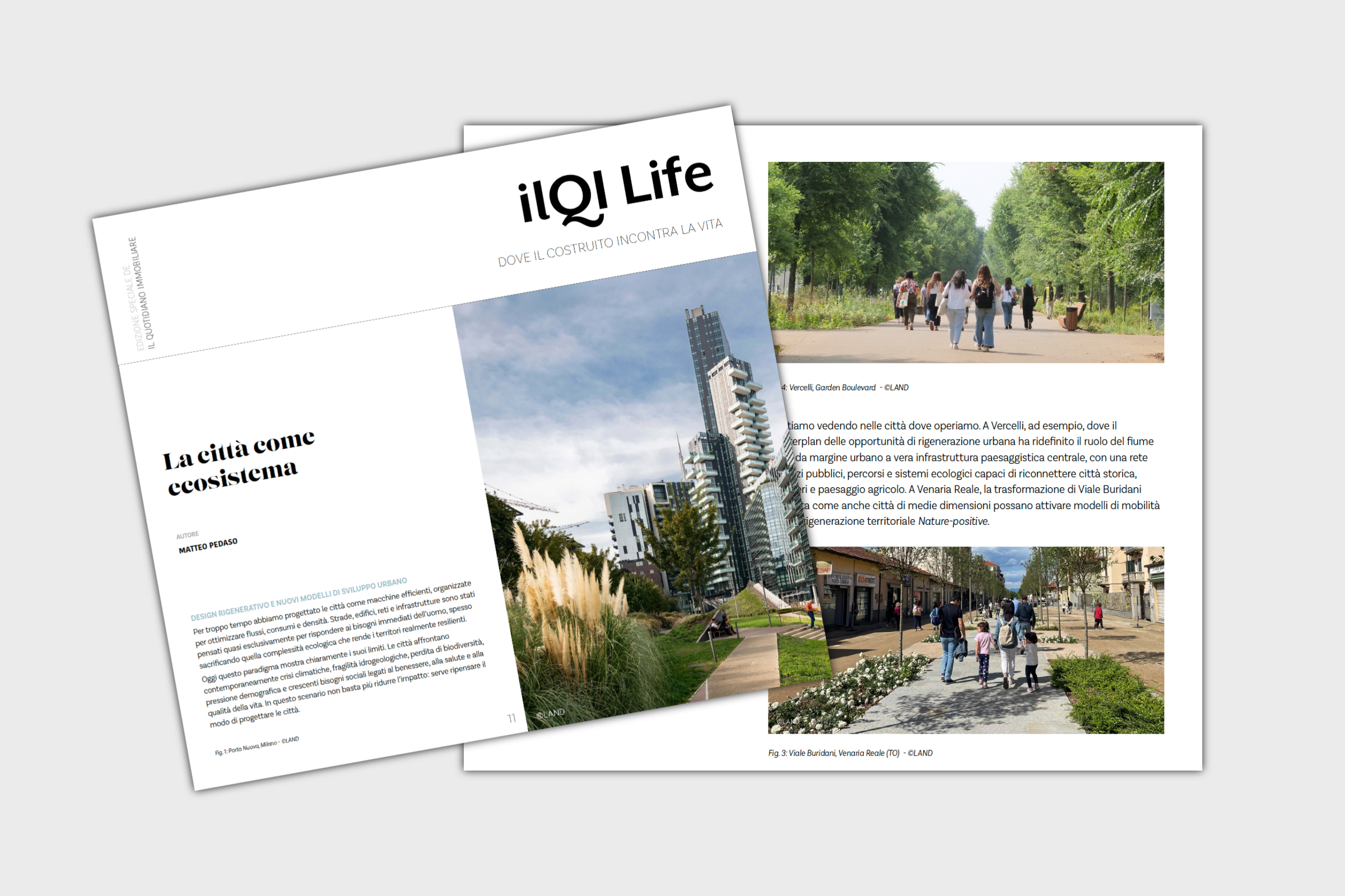
View other publications
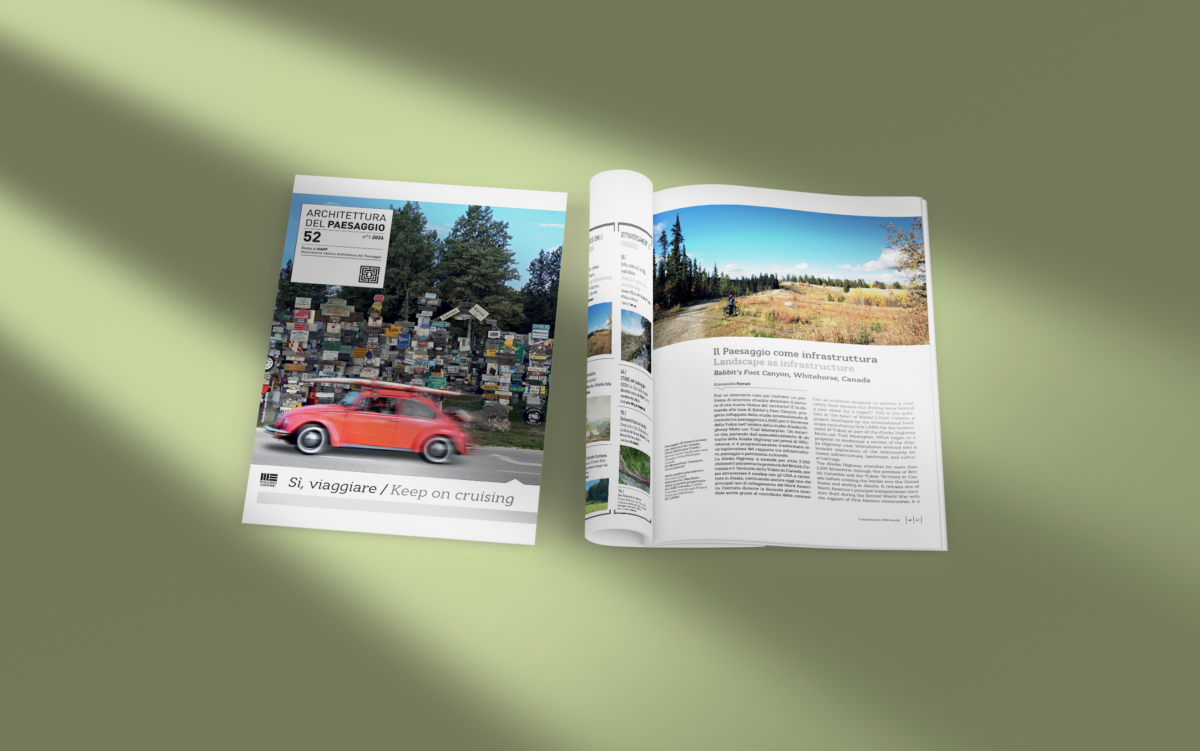
Lanscape as Infrastructure: Rabbit’s Foot Canyon, Whitehorse (CA) on AIAPP
How can cities evolve from resource-consuming systems into living ecosystems that generate environmental, social and economic value? In the latest issue of ilQI Life (Habitat Città, June 2026), Matteo Pedaso explores how regenerative design is reshaping the future of urban development.
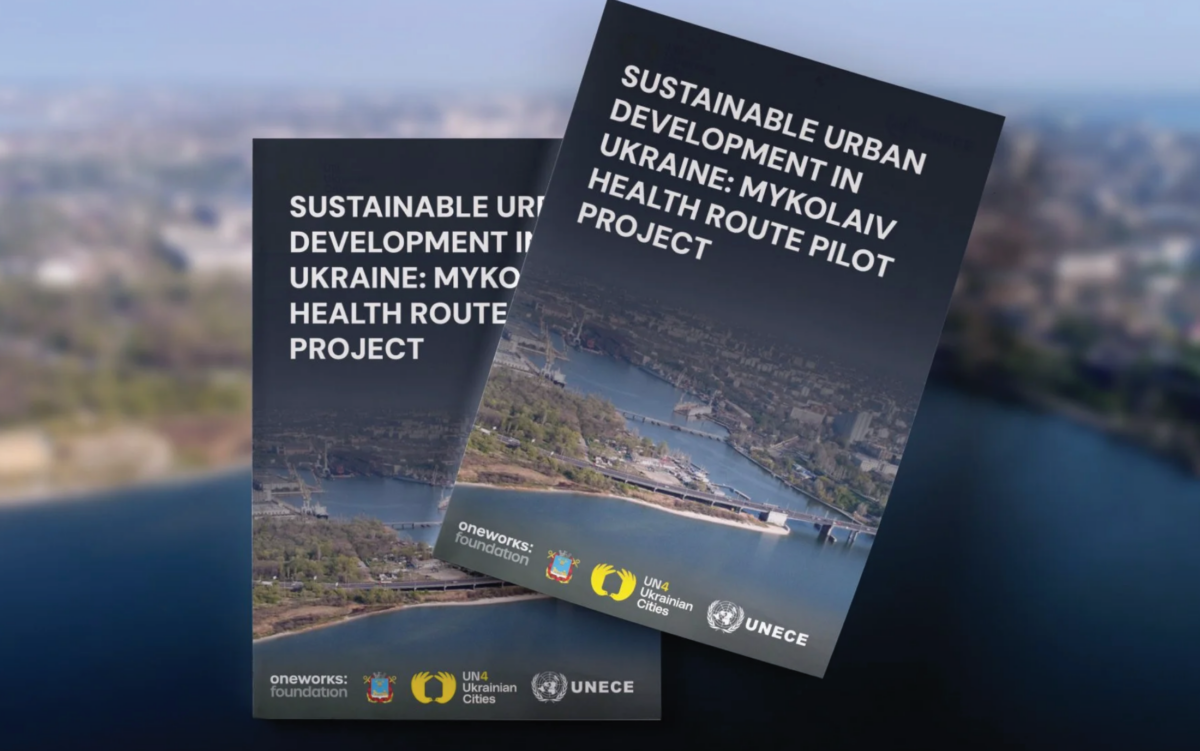
Mykolaiv Health Route Pilot Project Output 1 – Site Analysis and Surveys
How can cities evolve from resource-consuming systems into living ecosystems that generate environmental, social and economic value? In the latest issue of ilQI Life (Habitat Città, June 2026), Matteo Pedaso explores how regenerative design is reshaping the future of urban development.
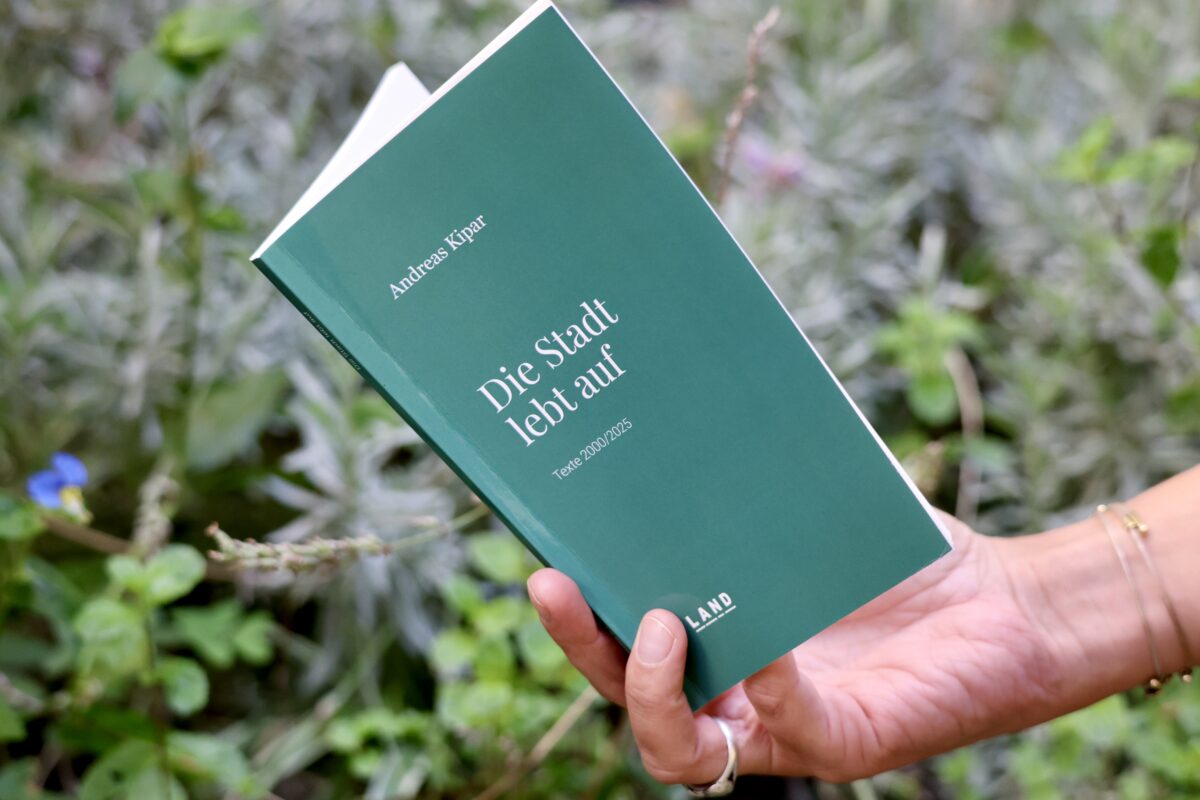
“Die Stadt lebt auf” by Andreas Kipar
How can cities evolve from resource-consuming systems into living ecosystems that generate environmental, social and economic value? In the latest issue of ilQI Life (Habitat Città, June 2026), Matteo Pedaso explores how regenerative design is reshaping the future of urban development.