Publications
Do you want to get more information regarding our work? Here, you can find a comprehensive archive of knowledge and insight, a curated collection of articles, books, interviews, podcasts and essays that embody our enduring commitment to reconnecting people with nature.
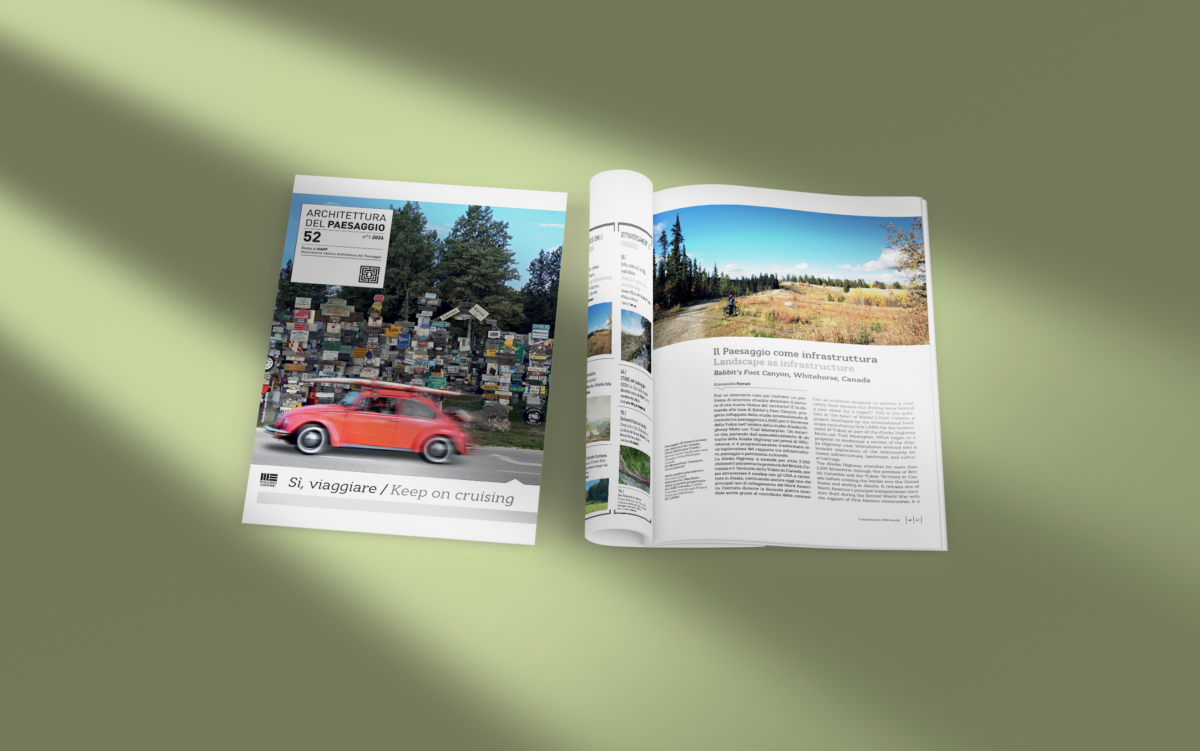
Lanscape as Infrastructure: Rabbit’s Foot Canyon, Whitehorse (CA) on AIAPP
The 1/2026 edition of Architettura del Paesaggio, the magazine of AIAPP – Associazione Italiana di Architettura del Paesaggio, highlights LAND Canada's landscape and ecological infrastructure restoration proposal for Rabbit's Foot Canyon in the Yukon.
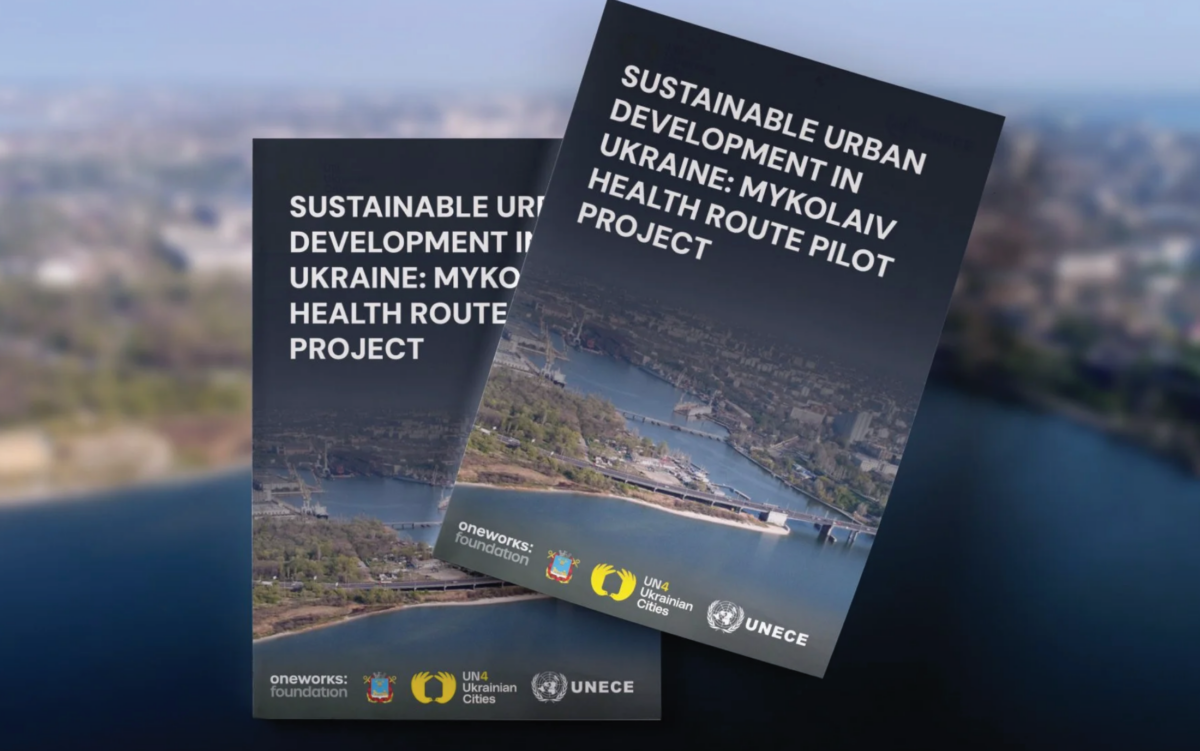
Mykolaiv Health Route Pilot Project Output 1 – Site Analysis and Surveys
The new report published by UNECE, available on the UN4UkrainianCities Initiative website, marks an important step in outlining the Mykolaiv Health Route, the first public realm pilot project of the Concept Masterplan for the City of Mykolaiv.
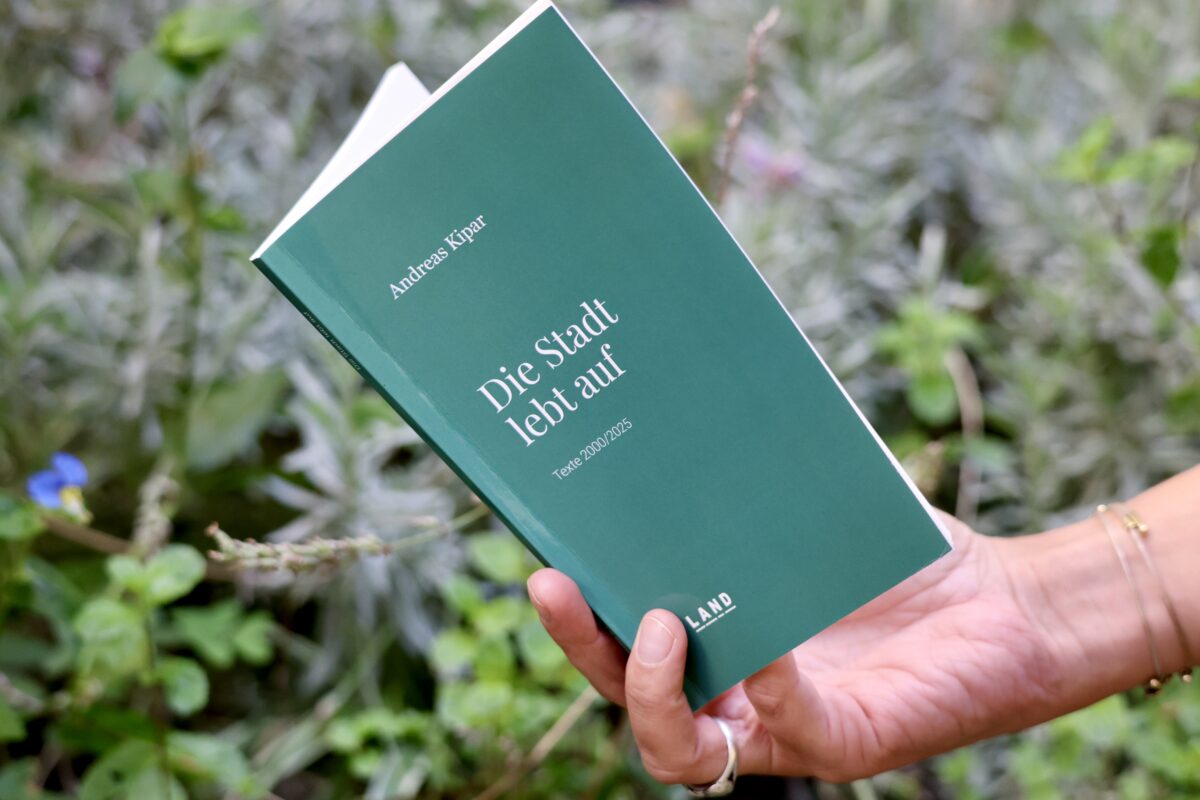
“Die Stadt lebt auf” by Andreas Kipar
A collection of texts developed between 2020 and 2025, Die Stadt lebt auf reflects on the climate crisis and on how landscape, Nature-based approaches and urban design can help shape more liveable, resilient and Nature-Positive cities and landscapes.
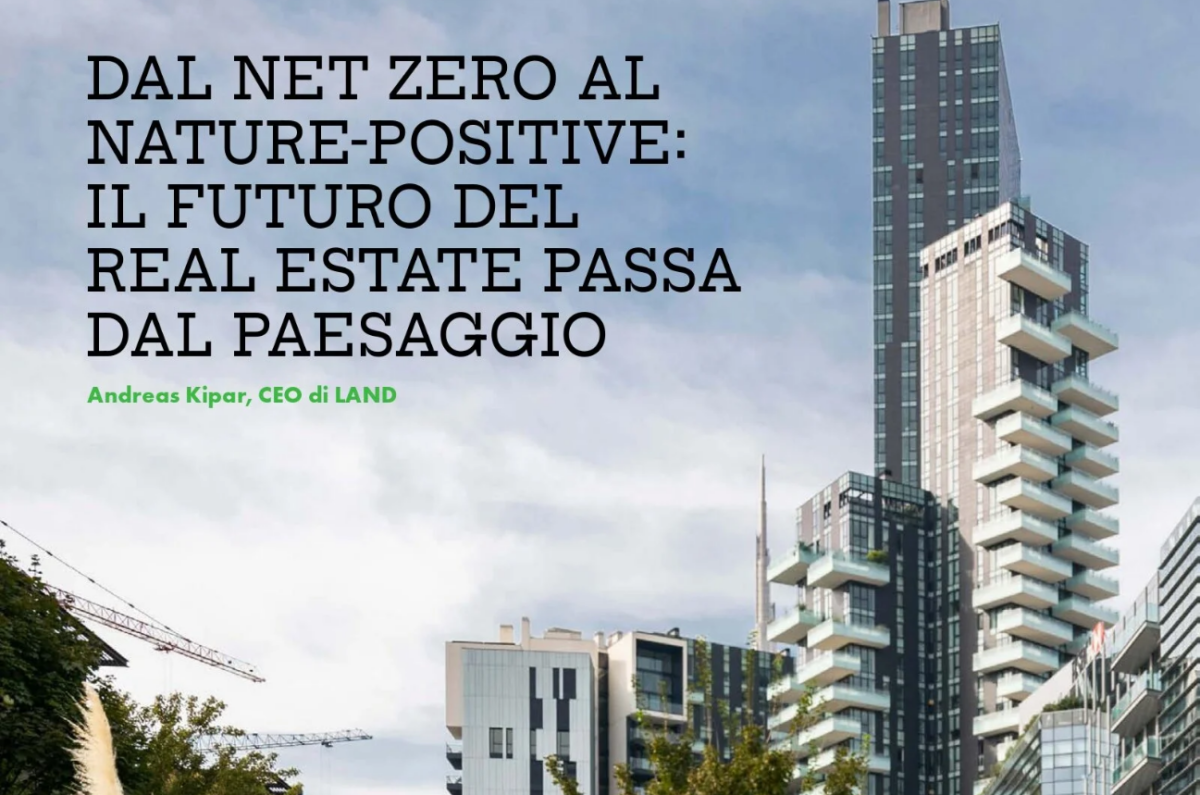
From Net Zero to Nature-Positive: The Future of Real Estate lies in Landscape
In the September 2026 issue of FocusQI, Andreas Kipar explores how the shift from Net Zero to Nature-Positive is reshaping Real Estate, calling for landscape-led design, measurable Natural Capital and Ecoverse's data-driven approach to regenerating cities and ecosystems.
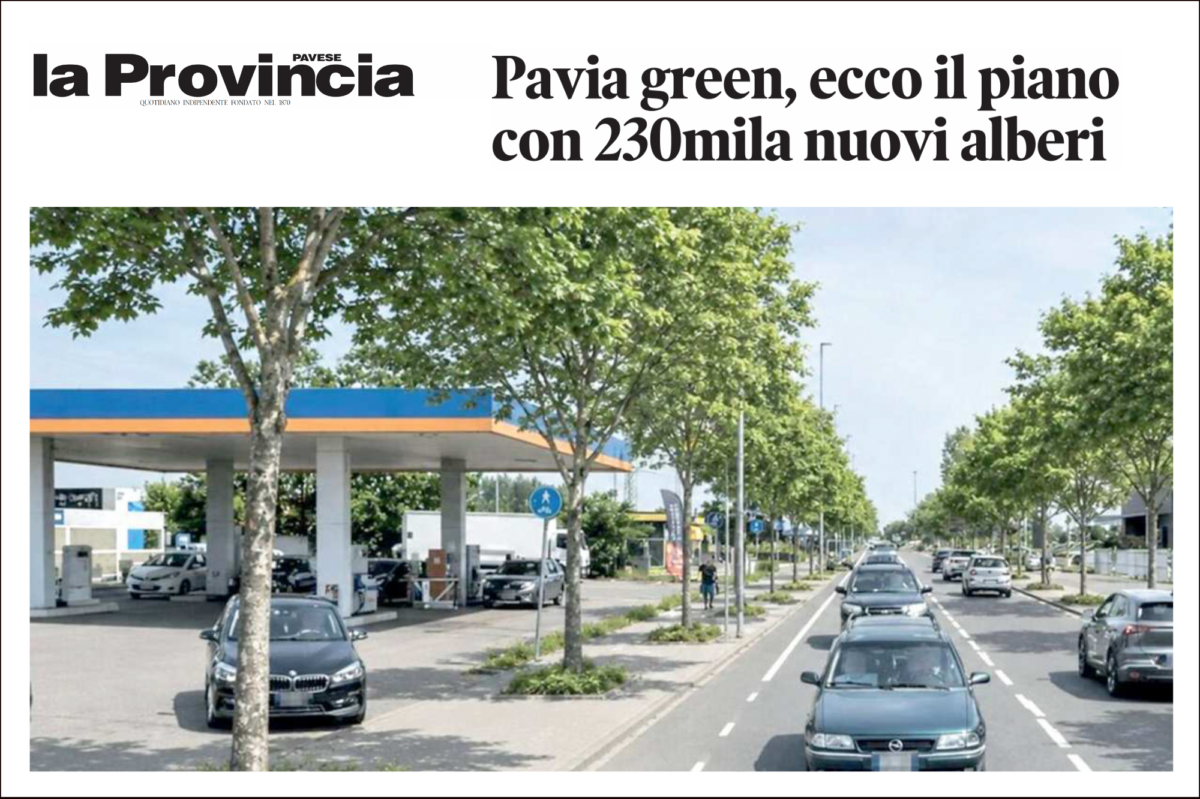
Pavia Green: a Landscape Strategy for a More Resilient City
La Provincia Pavese highlights LAND’s landscape vision for Pavia’s new urban plan, where green infrastructure becomes a key tool to mitigate heat, strengthen ecological connections and improve the city’s climate resilience.
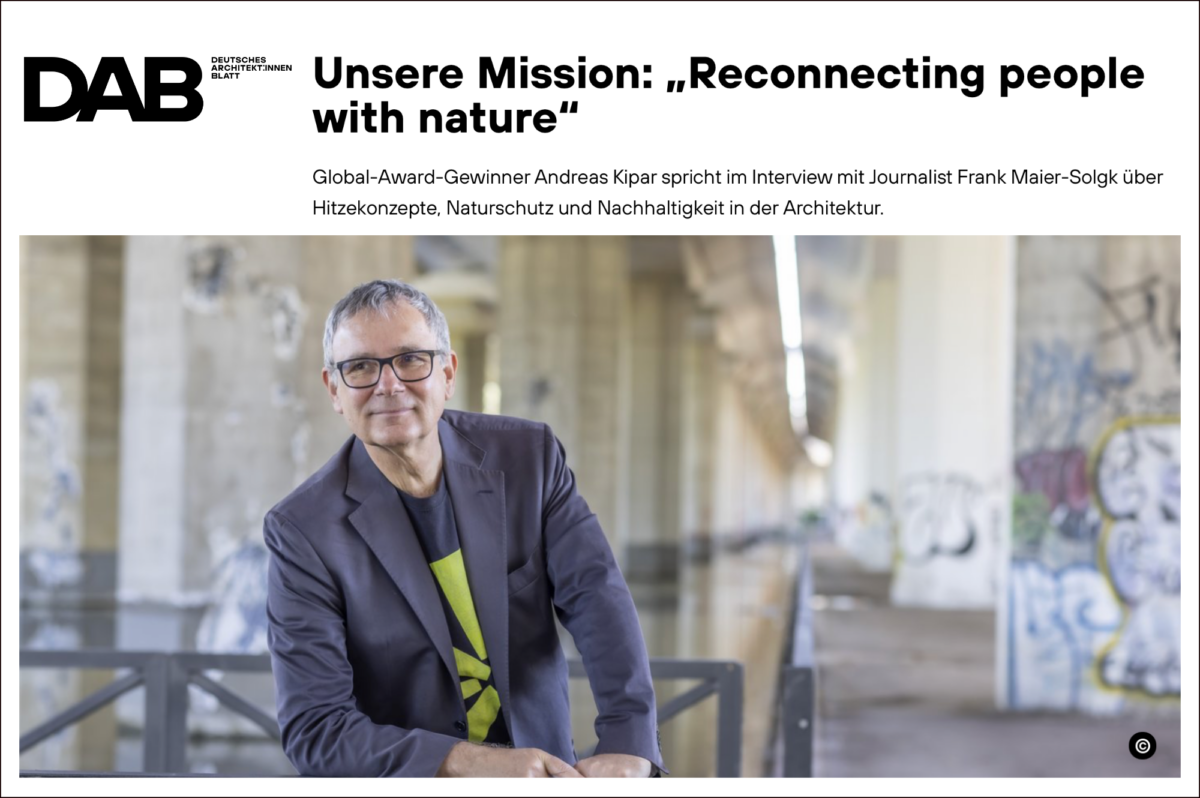
Reconnecting People with Nature: Andreas Kipar in DAB
In a recent interview with Deutsches Architektenblatt (DAB), LAND Founder and CEO Andreas Kipar reflects on climate adaptation, nature conservation and the role of landscape in shaping more resilient and liveable cities.
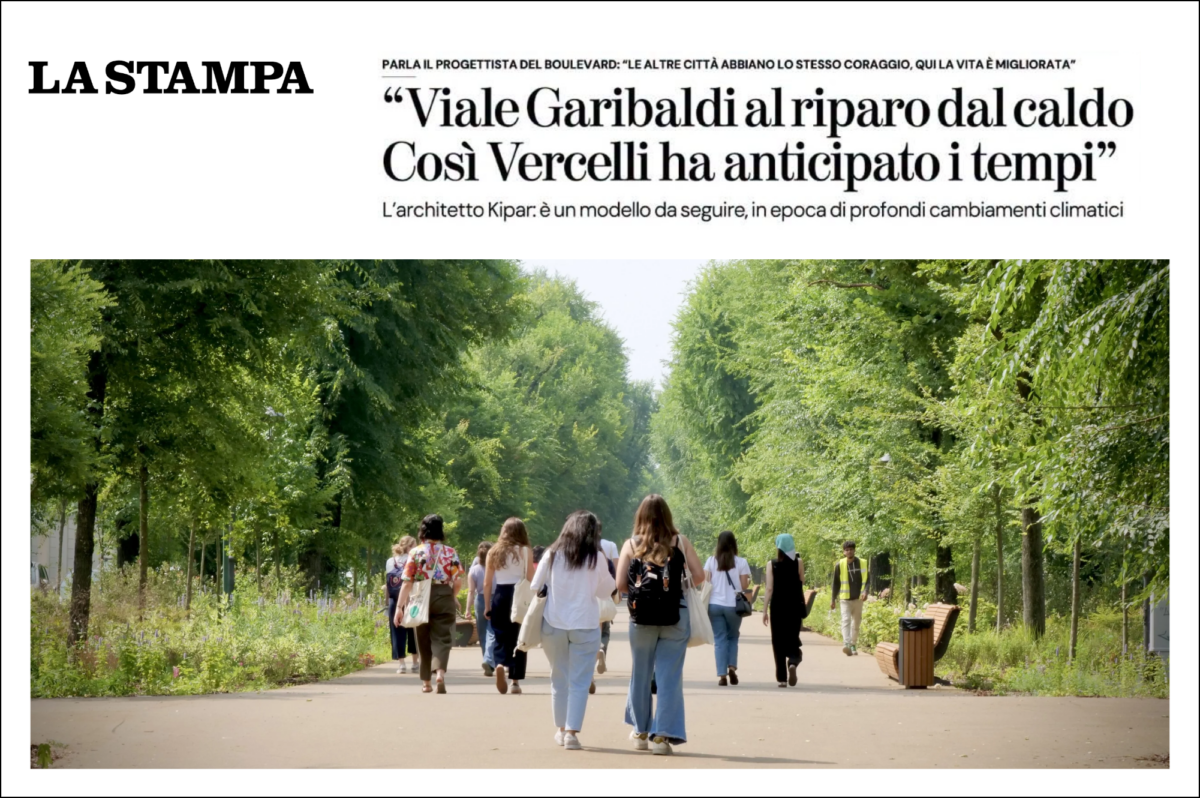
Vercelli anticipated the future: Garden Boulevard as a model for climate adaptation
As extreme heat becomes a new condition for urban life, the Garden Boulevard of Corso Garibaldi in Vercelli shows how public space can adapt through permeable surfaces, trees, biodiversity and a renewed relationship between Nature and the city.