Rettorato Roma Tre, Rome
Italy
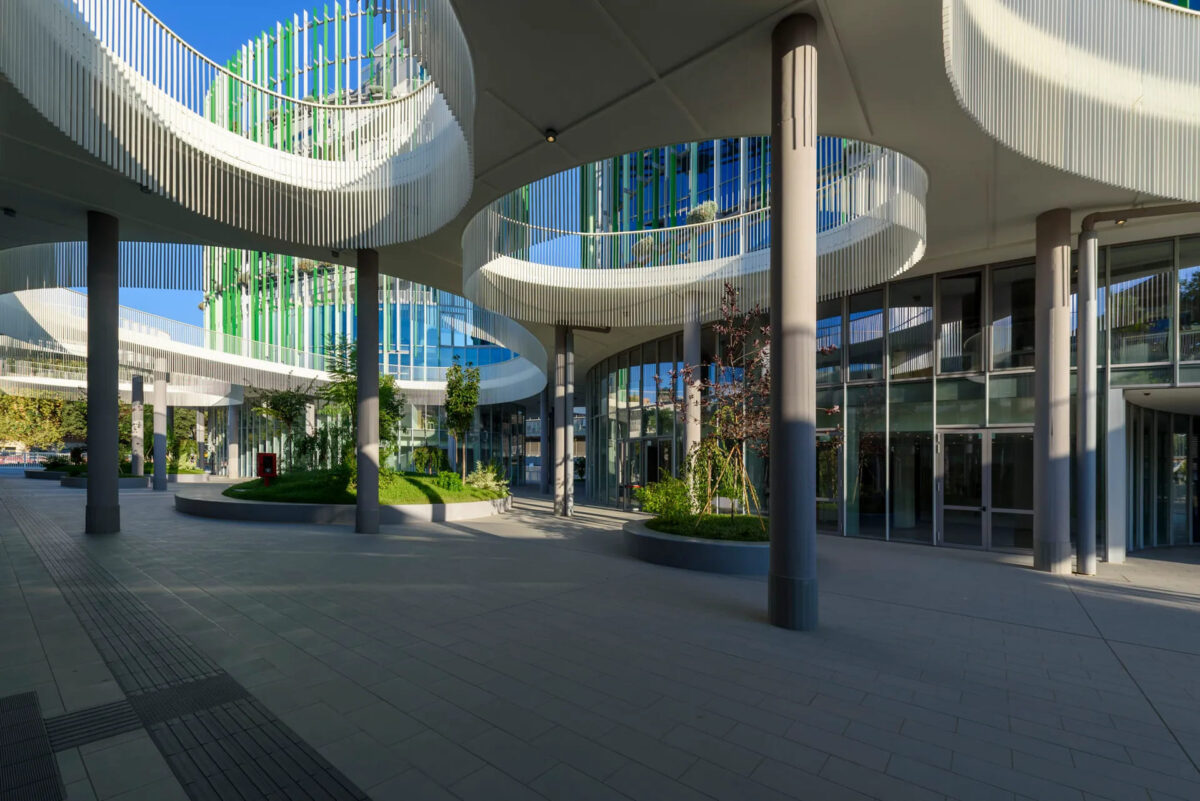
The Rettorato Roma Tre project integrates sustainability and urban regeneration through green roofs, vertical gardens, and biodiverse landscapes. Designed to improve microclimate regulation, reduce noise pollution, and enhance energy efficiency, the project transforms the university’s public spaces into a model of environmental innovation and ecological dialogue between architecture and nature.
The Rettorato Roma Tre project integrates sustainability and urban regeneration through green roofs, vertical gardens, and biodiverse landscapes. Designed to improve microclimate regulation, reduce noise pollution, and enhance energy efficiency, the project transforms the university’s public spaces into a model of environmental innovation and ecological dialogue between architecture and nature.
© Moreno Maggi
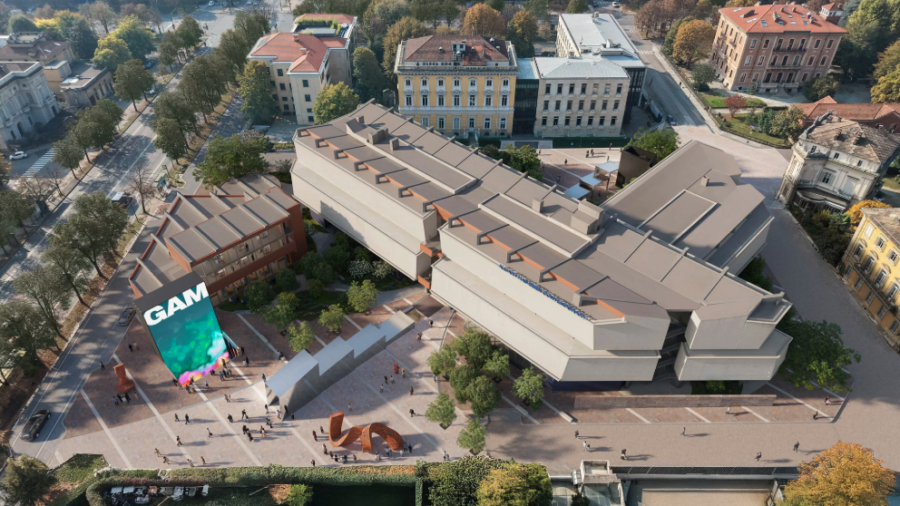
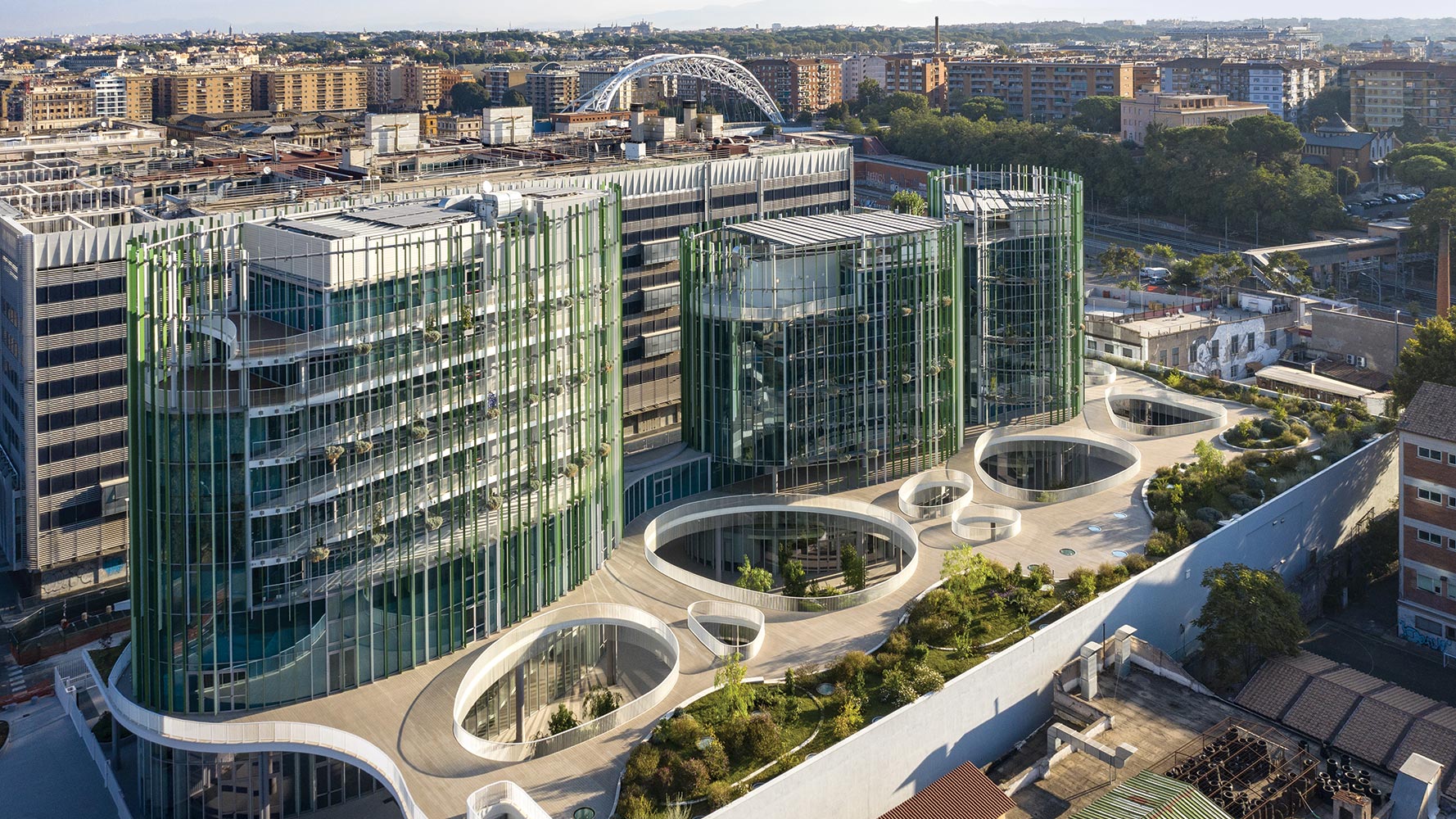
Located in Rome, the Rettorato Roma Tre is based on the concept of “diffused green technology,” where vegetation becomes an active architectural element. The project enhances urban biodiversity while fulfilling essential functions such as microclimate regulation, pollution absorption, and noise reduction.
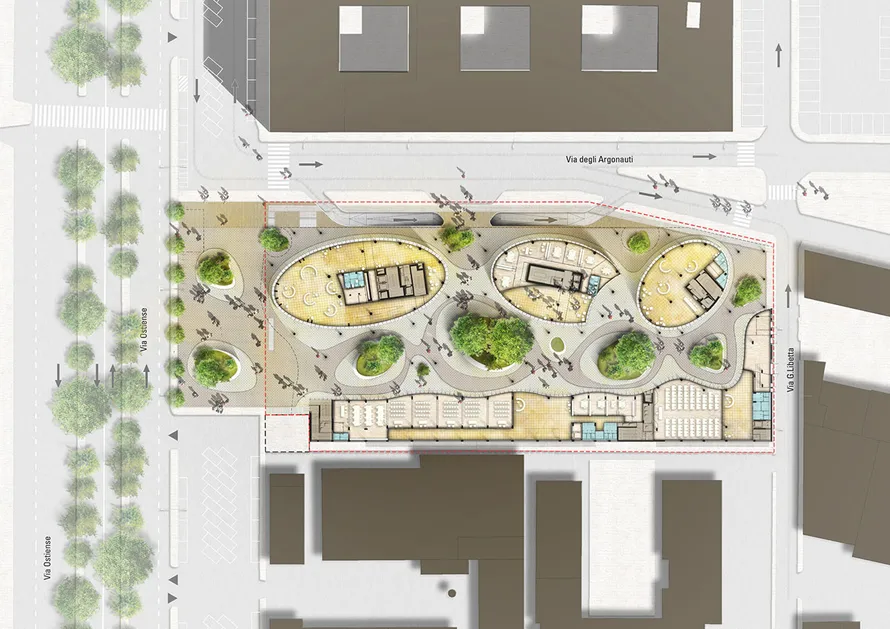
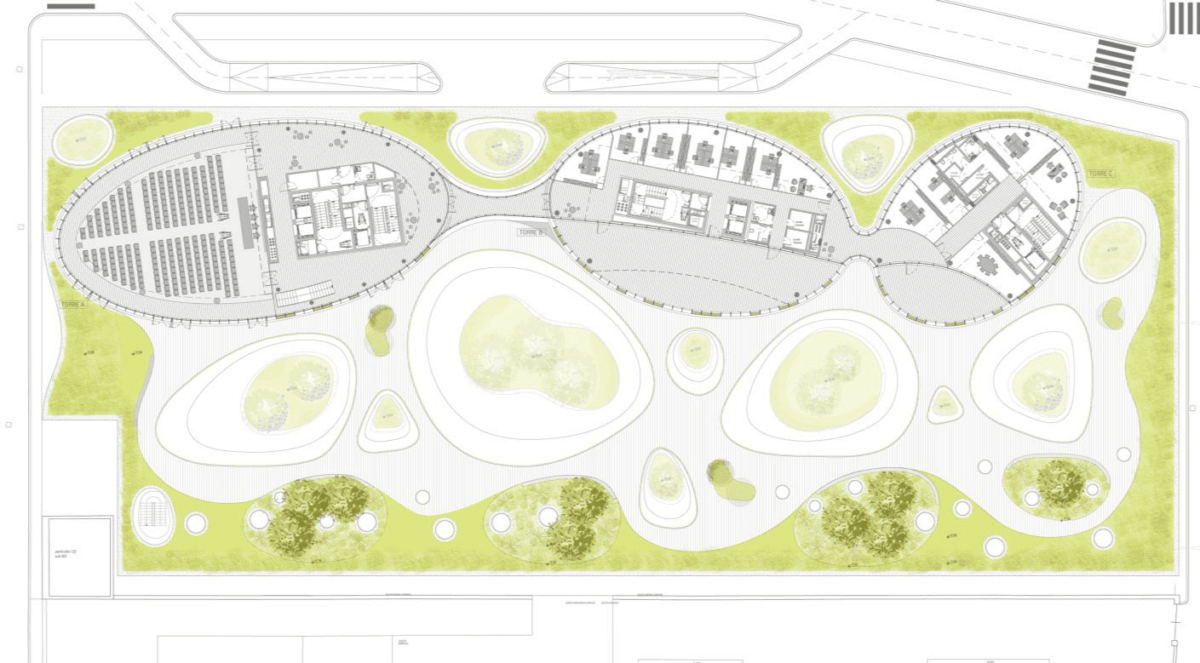
Three main green spaces define the intervention:
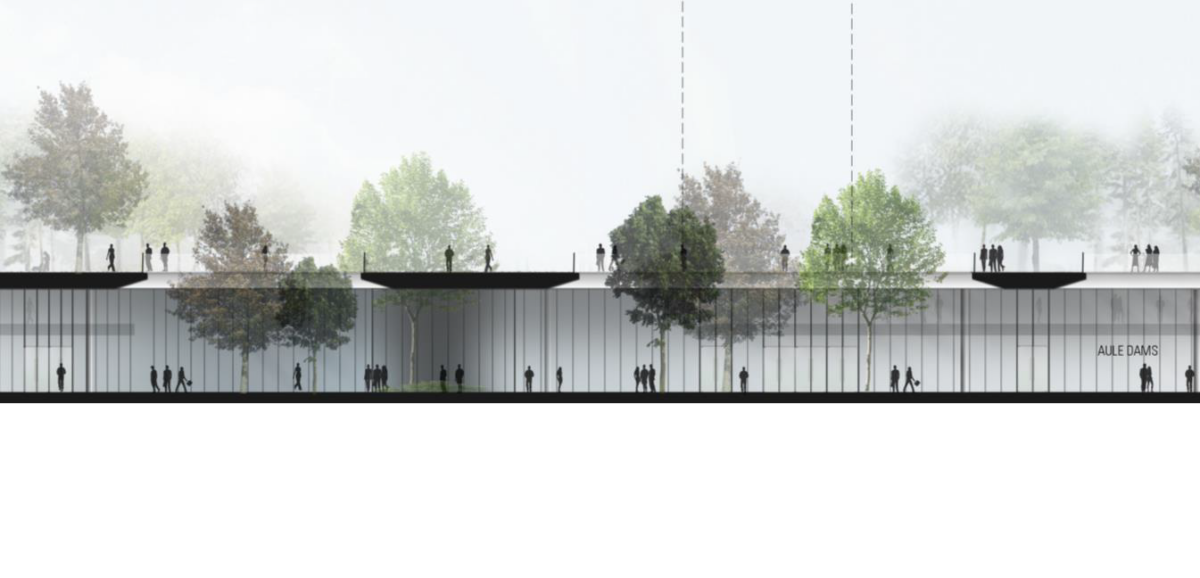
1. The Public Square – A pedestrian-friendly, permeable space that serves students and the wider community, enhancing accessibility and social interaction.
2. The Rector’s Garden – A rooftop green space that recalls the historical concept of terraces and hanging gardens, adding ecological value while improving insulation and thermal comfort.
3. The Green Façade – A system of climbing plants designed for solar protection, reducing radiation impact, regulating temperature, and optimizing energy performance.
With 1,500 m² of green roofs, 1 km of vertical greenery, 24 new trees, and 3,230 shrubs, the project contributes to reducing the urban heat island effect, improving air quality, and promoting sustainable urban development.
By integrating vegetation into the built environment, the Rettorato Roma Tre represents a pioneering approach to ecological architecture, ensuring a balance between urbanization, nature, and energy efficiency.
Office
People
Aurora FleresValerio BozzoliTommaso LorenzettiValeria PagliaroFederico Bressanelli Roberta Filippini, Sara Gangemi
Typology
Green Infrastructure
・1,500 m² of green roofs
・1 km of vertical greenery
Climate & Energy Efficiency
・Green facades reducing solar radiation and improving insulation
・Microclimate regulation enhancing thermal comfort and air quality
Urban Biodiversity
・24 new trees enhancing ecological balance
・3,230 shrubs improving air filtration and habitat diversity
Related projects