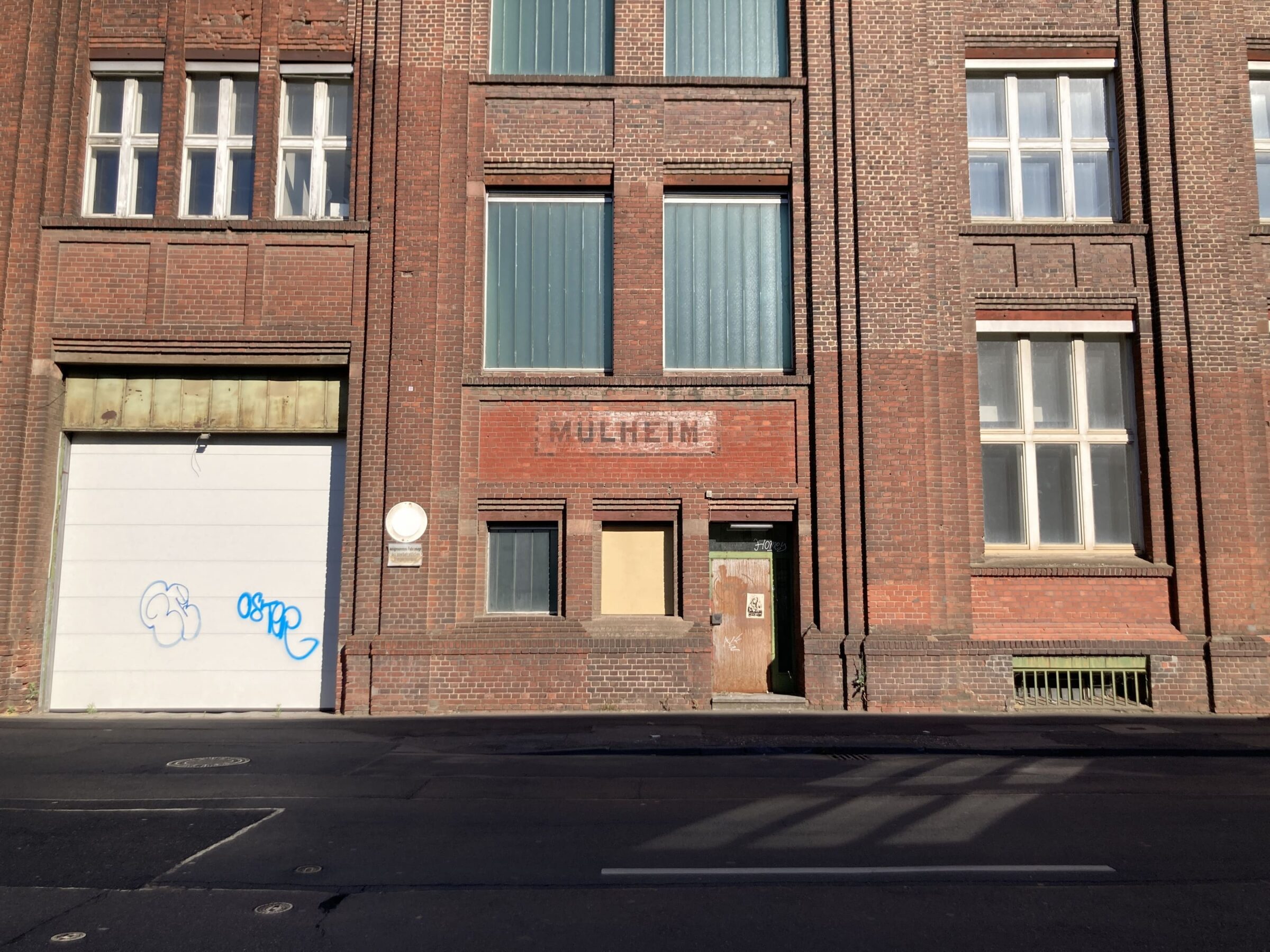
Cologne-Mülheim Development Framework, Köln
Germany
For the former industrial area Mülheimer Süden, we reimagined a fragmented urban territory as a coherent, future-oriented landscape, where open space becomes the structuring framework for development. By revealing potentials, addressing vulnerabilities, and guiding transformation across scales, the framework plan positions landscape as a strategic driver for resilient and integrated urban growth.
For the former industrial area Mülheimer Süden, we reimagined a fragmented urban territory as a coherent, future-oriented landscape, where open space becomes the structuring framework for development. By revealing potentials, addressing vulnerabilities, and guiding transformation across scales, the framework plan positions landscape as a strategic driver for resilient and integrated urban growth.
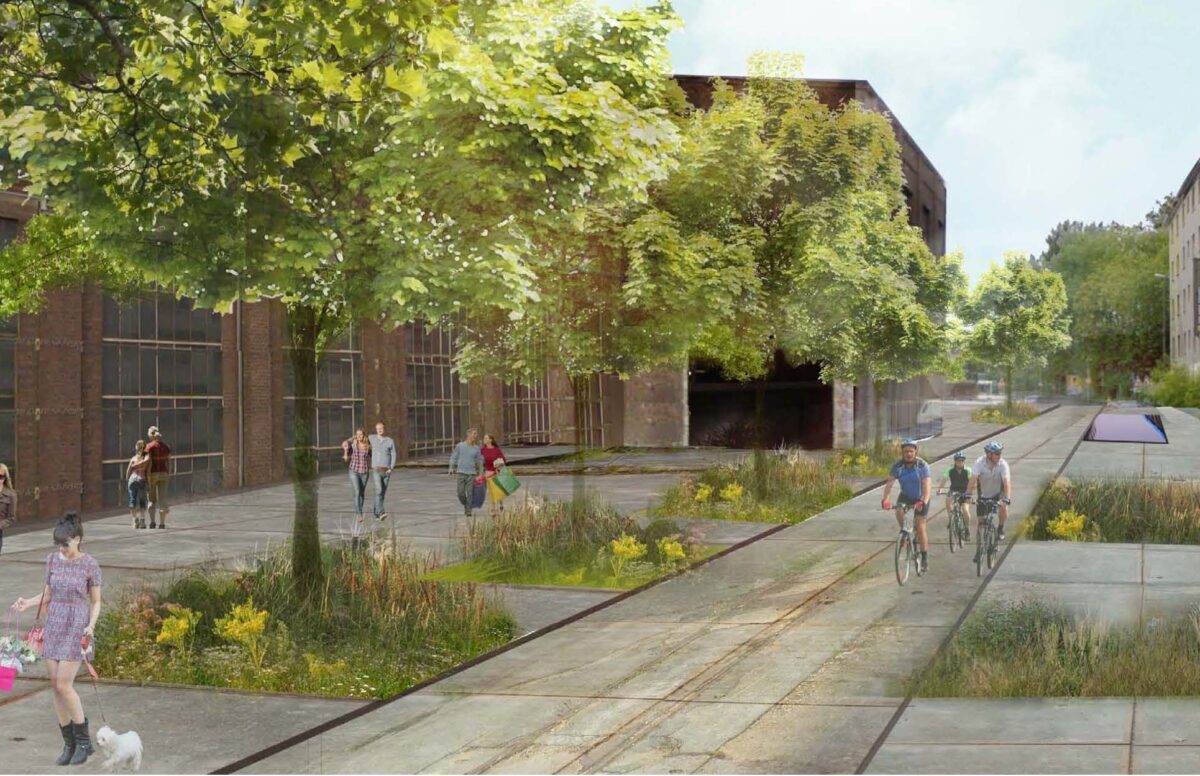
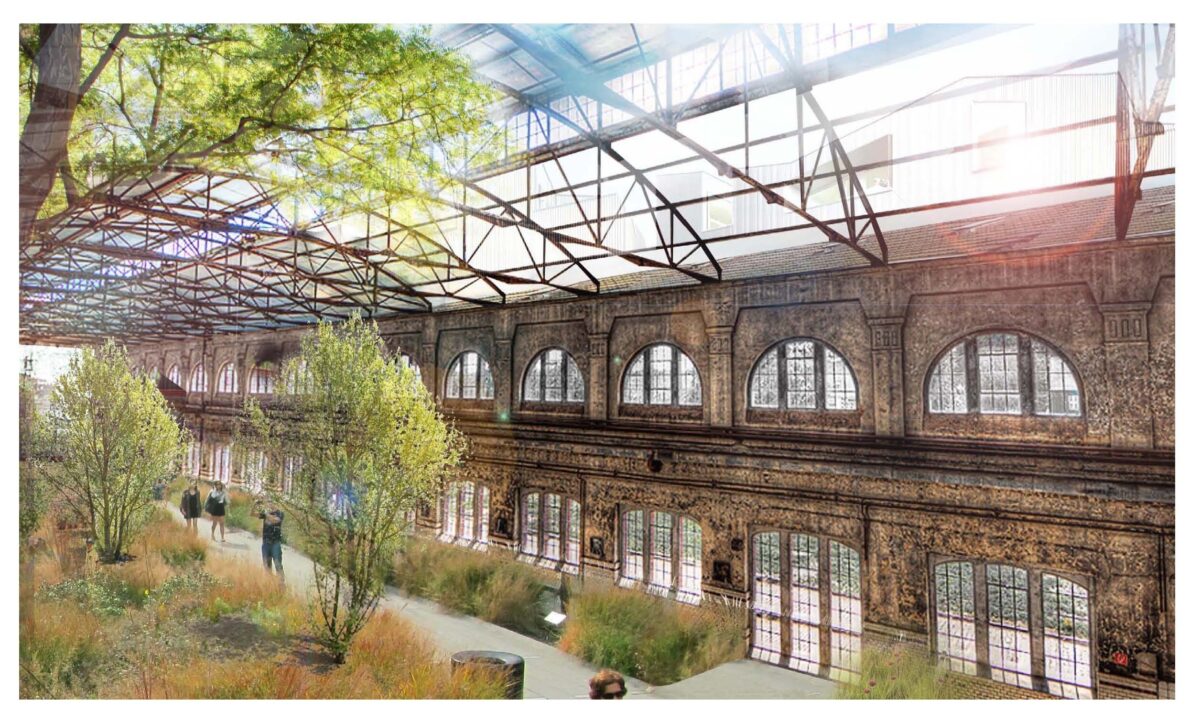
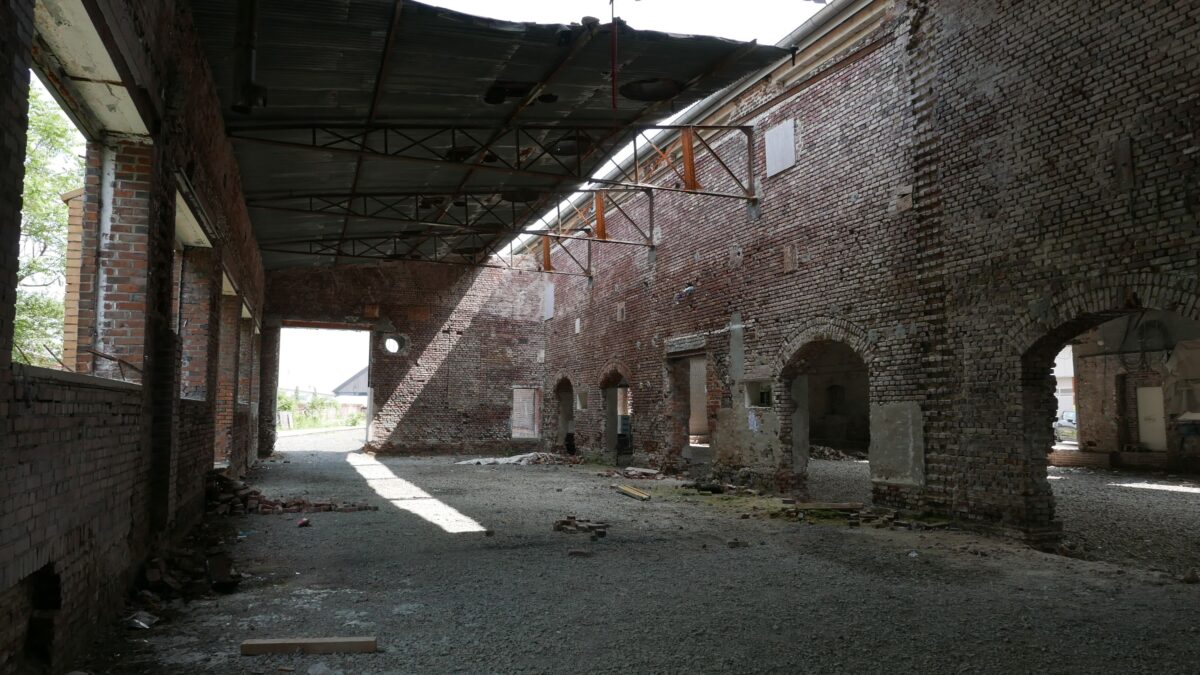
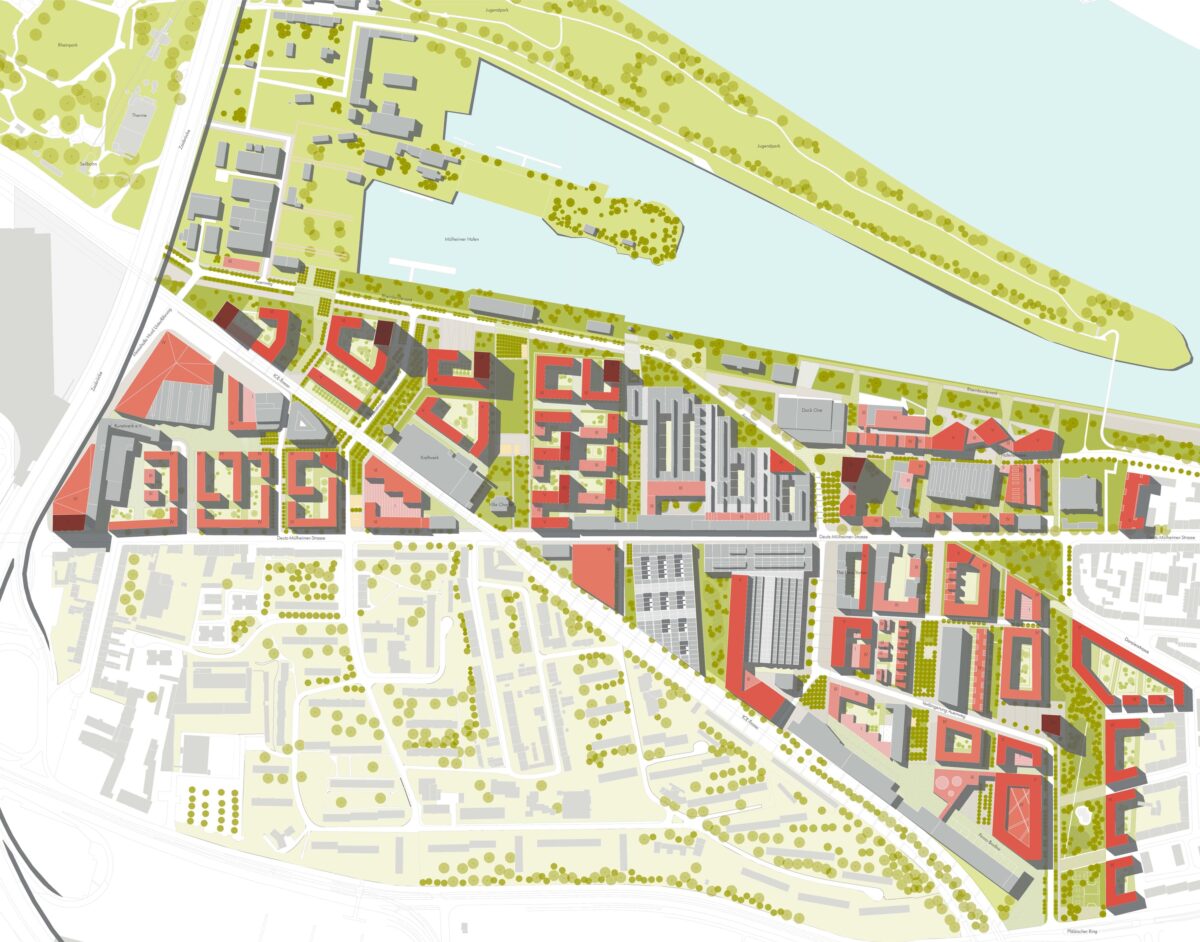
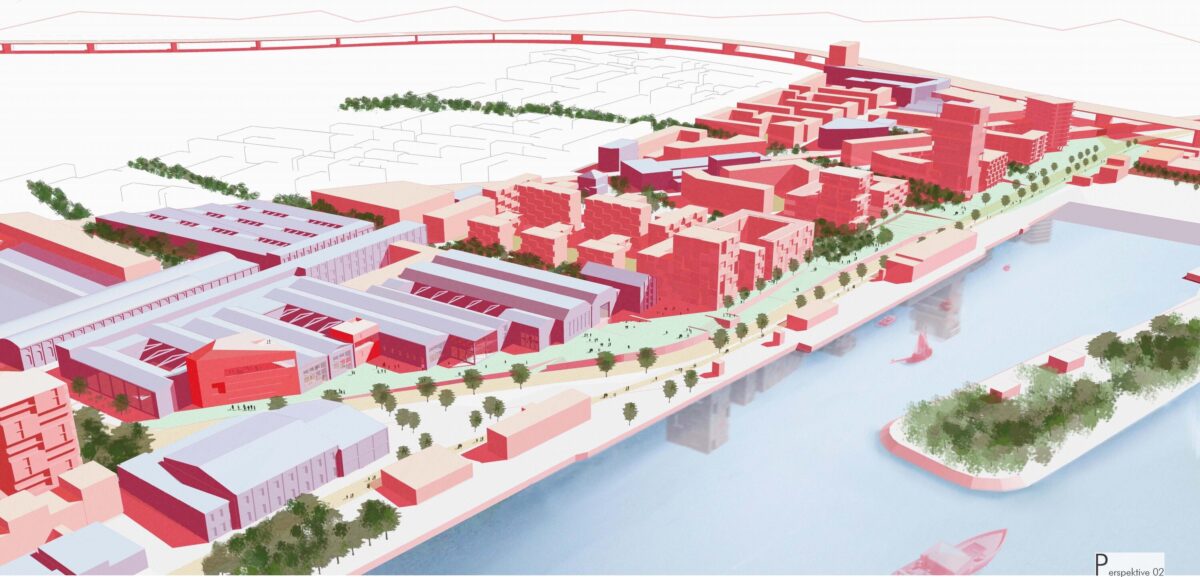
Cologne-Mülheim, once defined by its industrial heritage along the Rhine, is undergoing a profound transformation. Former production sites are opening up to new cultural, commercial, and residential uses, marking the transition from a mono-functional industrial district to a vibrant, mixed-use urban landscape.
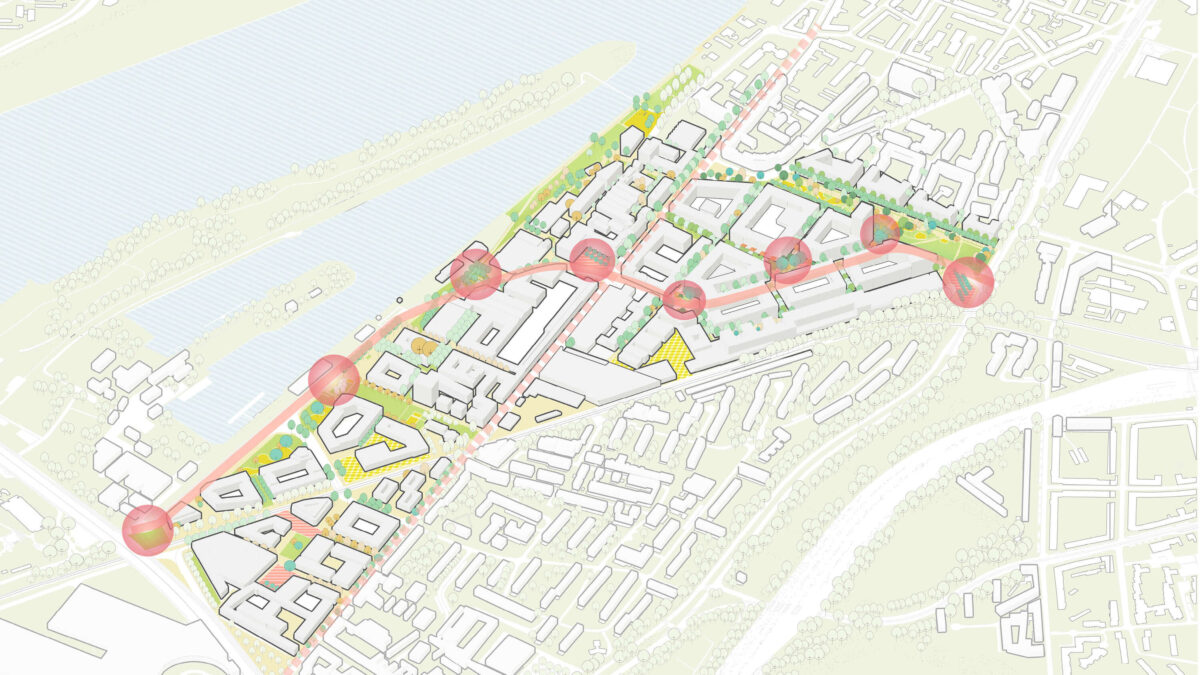
Our contribution to shaping this transformation starts with a long-term, participatory framework process initiated by the City of Cologne in 2013. At its core lies a simple yet powerful idea: regeneration is not driven by architecture alone, but by landscape as a connective and performative system. The project establishes a new spatial and ecological structure that integrates existing assets with future development, creating value through the interplay of culture and nature.
The backbone of this transformation is the “Green Comb”, a network of green corridors anchored by the Rhine promenade and extending deep into the district. The nine corridors reconnect the neighbourhood with the river, the Rheinpark, and the wider urban green system, while simultaneously acting as climate-responsive infrastructure. Oriented along prevailing wind directions, they function as ventilation corridors, improve microclimatic conditions, and enhance biodiversity.
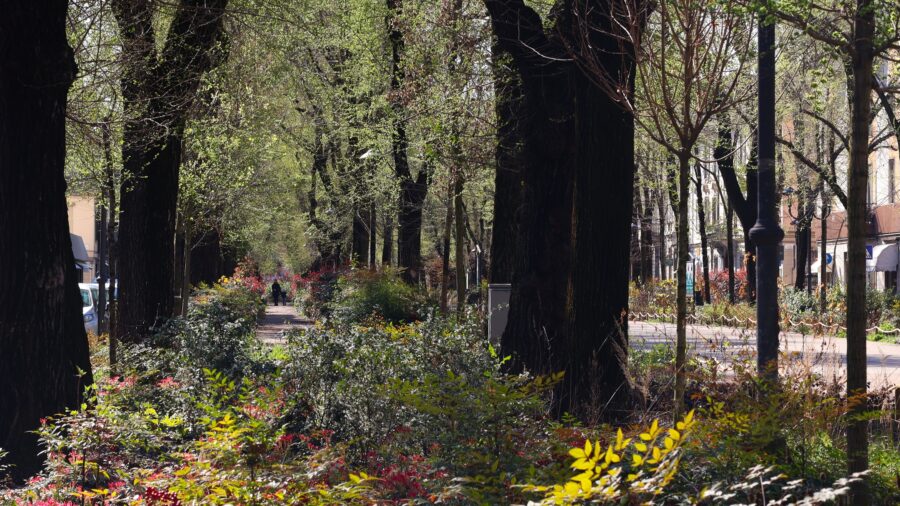
Each corridor is designed with a distinct spatial character, weaving together public, semi-public, and private open spaces: courtyards, shaded plazas, vegetated streets, and waterfront areas. A layered system of trees, shrubs, meadows, and perennial planting structures space, slows movement, and creates places for both interaction and retreat. What were once passages become destinations, spaces for everyday life, for all generations.
By transforming industrial fragments into a continuous, living landscape, the project redefines Mülheim as part of Cologne’s evolving green infrastructure. It demonstrates how post-industrial districts can become resilient, inclusive environments, where landscape not only frames the city, but actively shapes its future.
Related projects