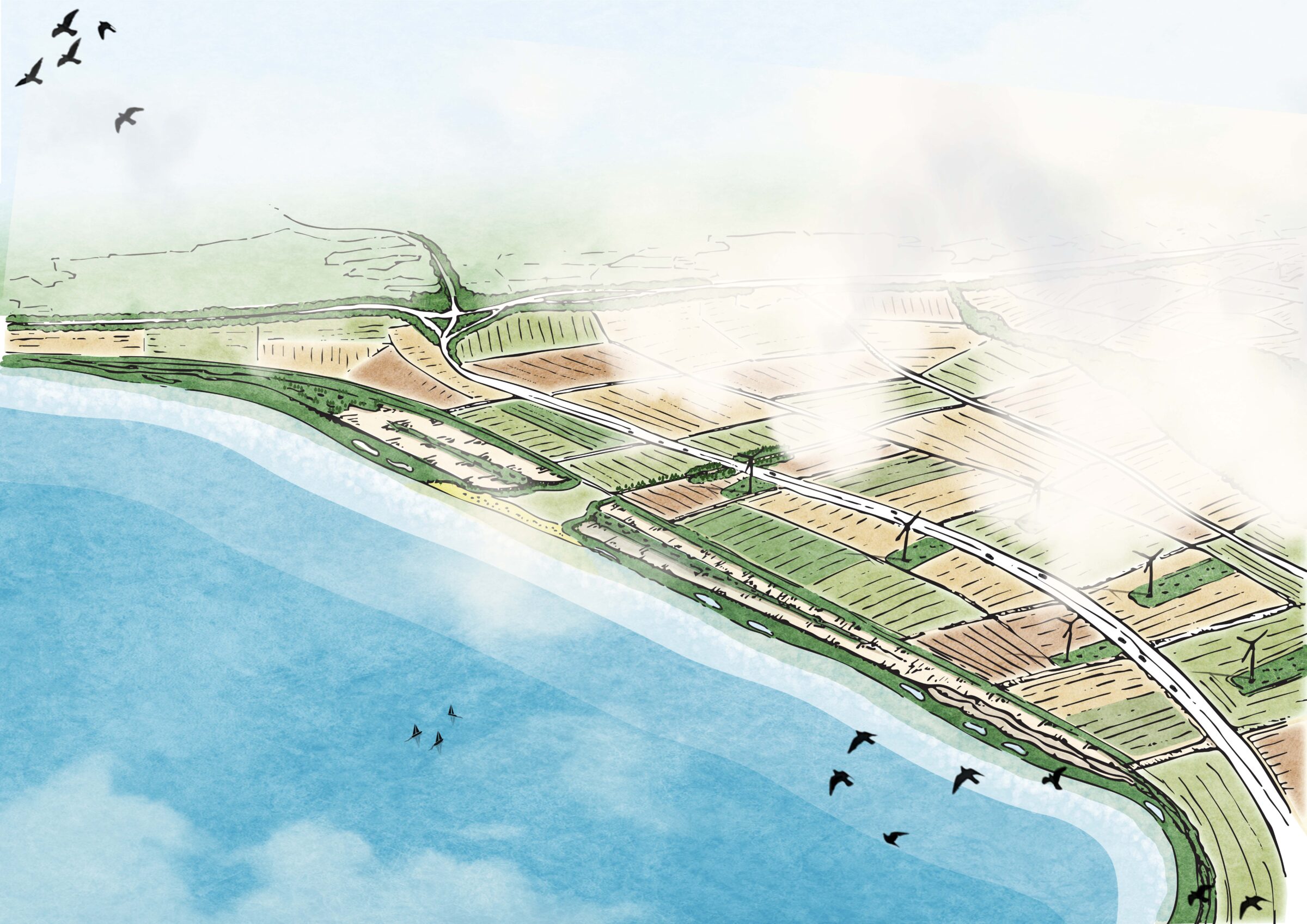
Eastern Lakeshore, Garzweiler
Germany
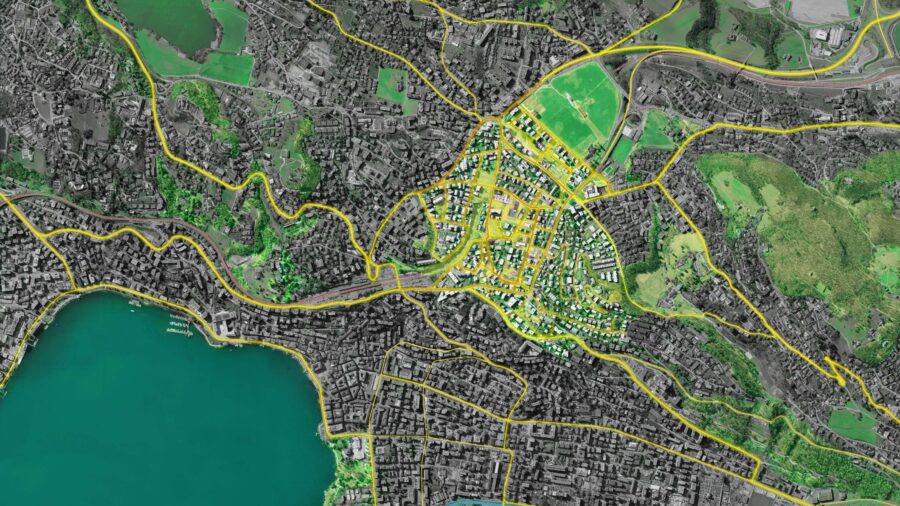
The planning concept for the eastern lakeshore of the Garzweiler open-pit mine elaborates on the objectives of the master plan for lake development developed by the LANDFOLGE Garzweiler special-purpose association and outlines a spatial vision for the post-mining reuse of the former mining landscape. Building on the technical and legal requirements of the lignite mining plan, a sustainable landscape is being created that integrates ecological, scenic, and social needs.
The planning concept for the eastern lakeshore of the Garzweiler open-pit mine elaborates on the objectives of the master plan for lake development developed by the LANDFOLGE Garzweiler special-purpose association and outlines a spatial vision for the post-mining reuse of the former mining landscape. Building on the technical and legal requirements of the lignite mining plan, a sustainable landscape is being created that integrates ecological, scenic, and social needs.
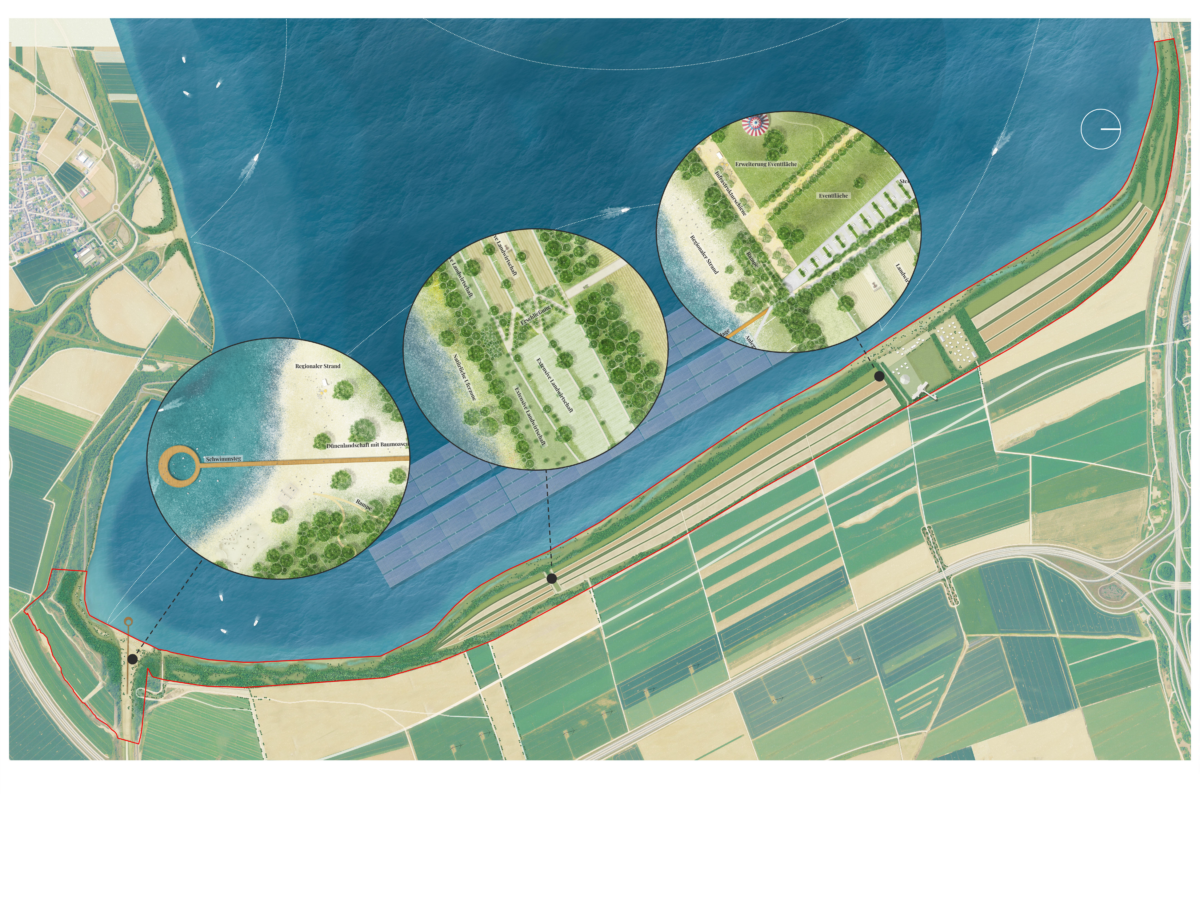
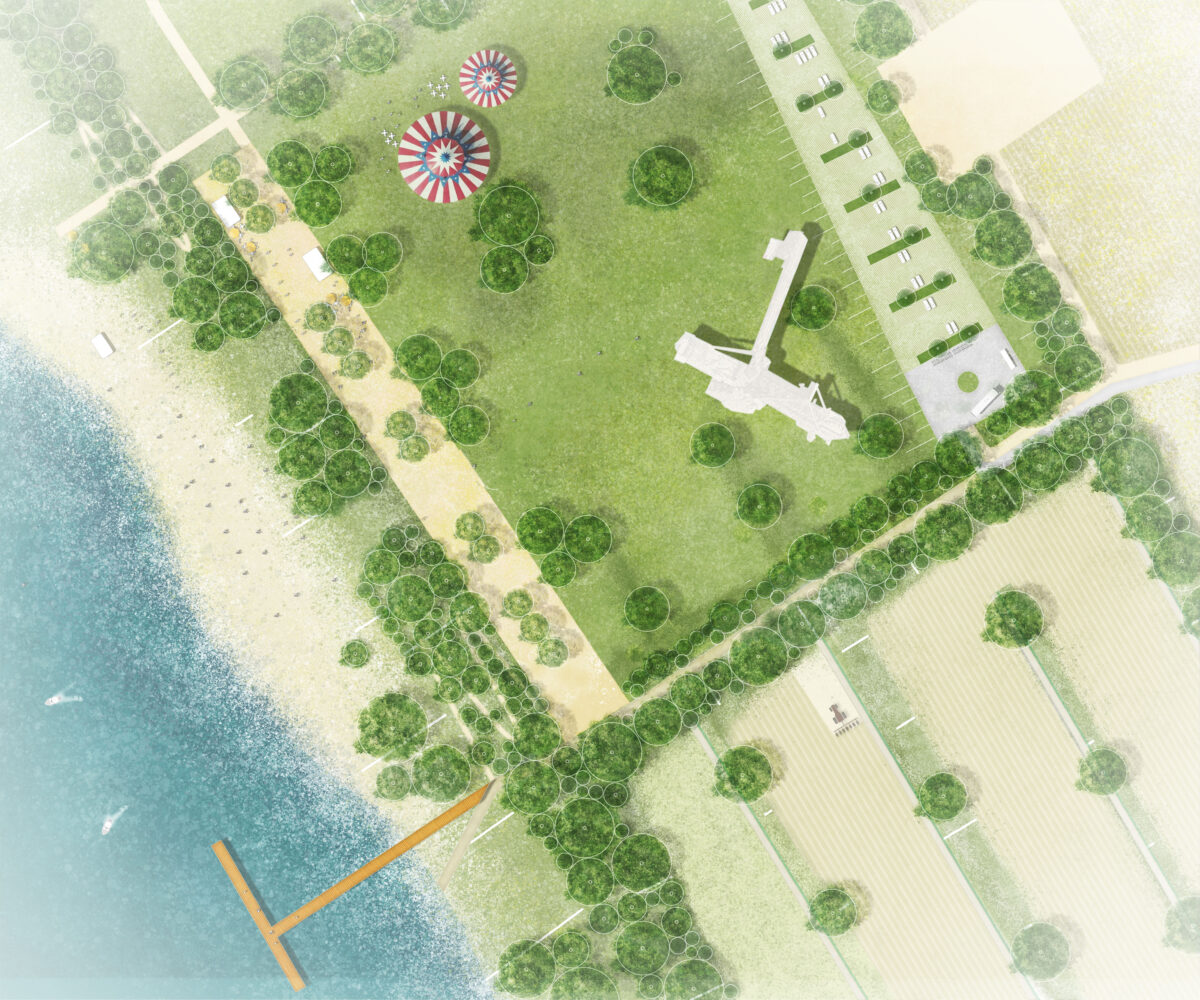
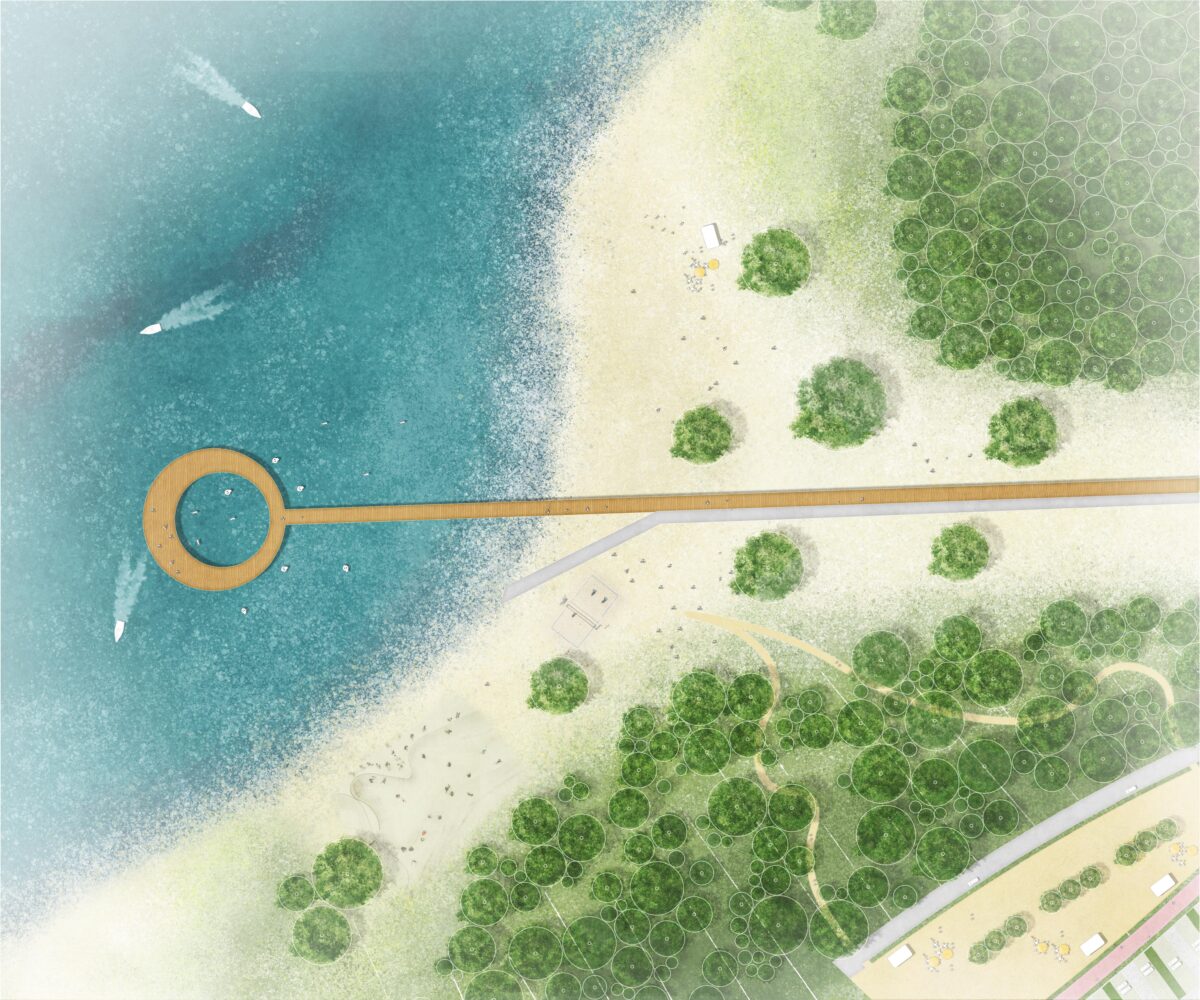
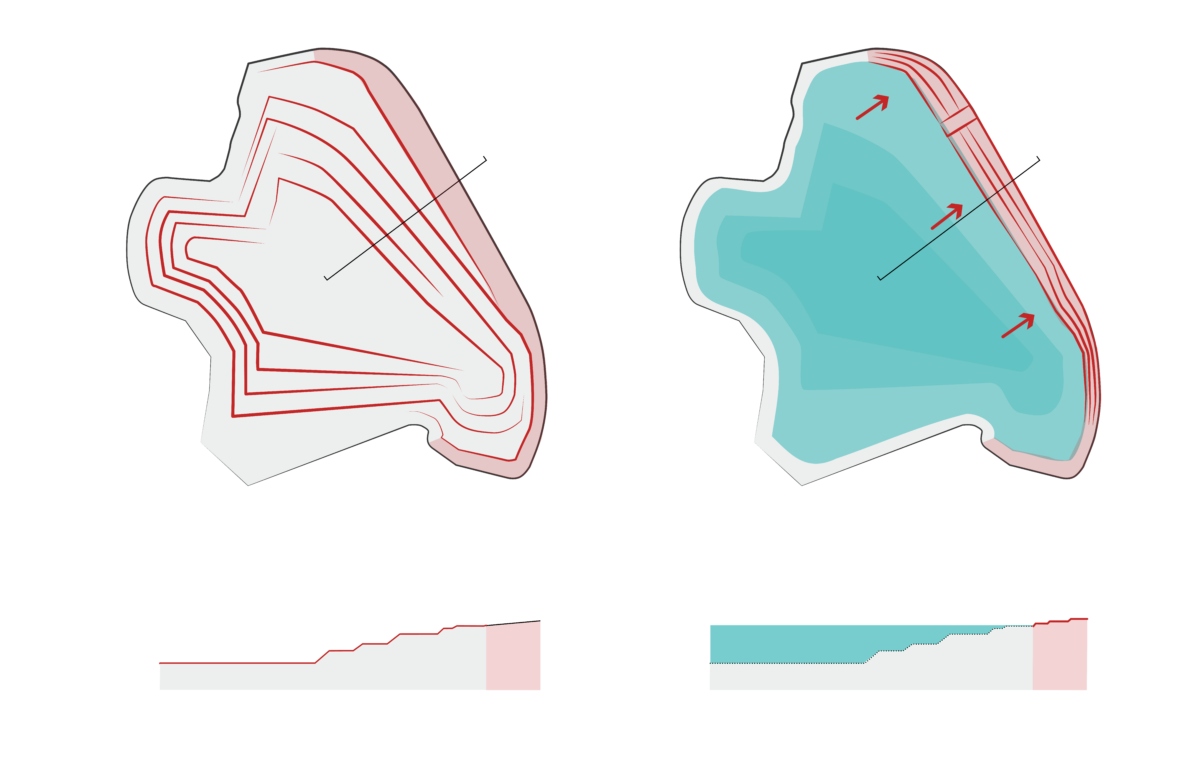
Garzweiler represents one of Europe’s most ambitious post-mining transformations. Following the end of lignite extraction, the former open-pit mine will gradually be flooded to form the future Garzweiler Lake, creating a new cultural landscape over the coming decades. The lake-filling process is expected to extend into the 2070s, offering a unique opportunity to shape the transition from an industrial extraction landscape into a resilient, multifunctional living environment where ecology, economy and society evolve together.
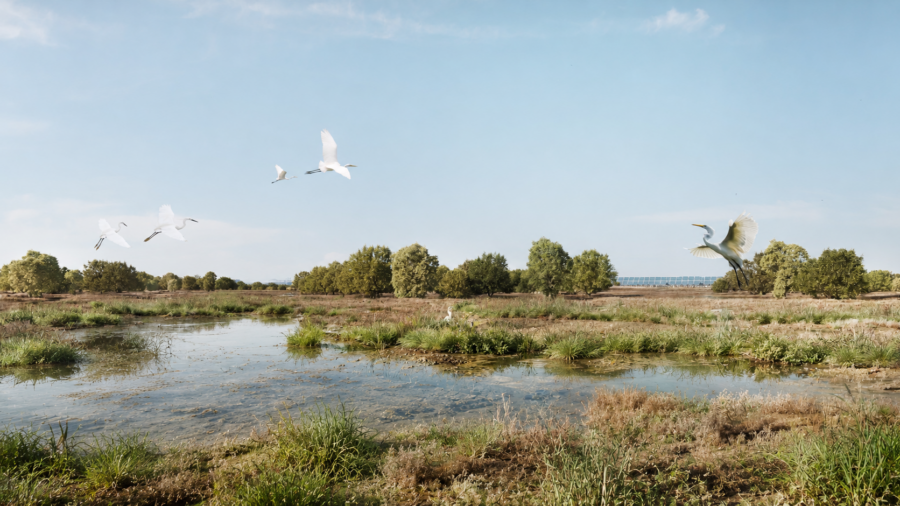
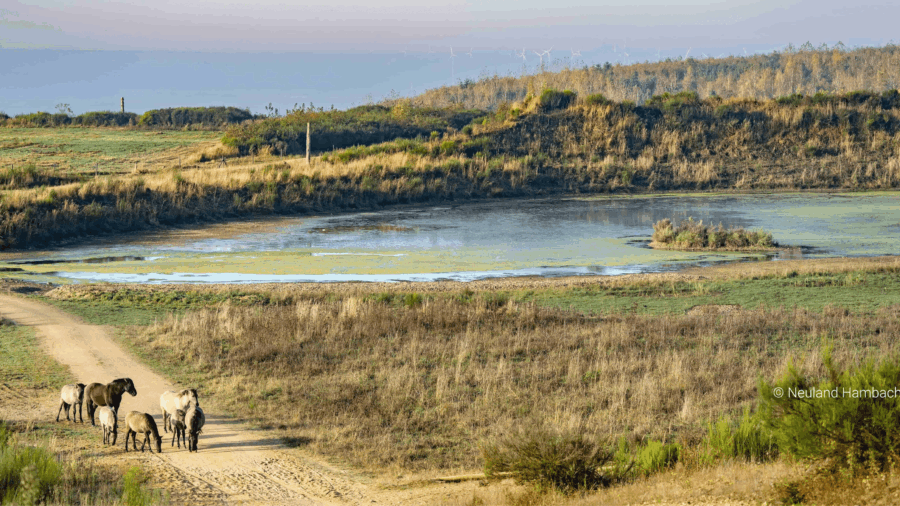
The central design element for the Östliches Seeufer is the open-pit mine’s distinctive terraced topography. Rather than erasing this legacy, the concept embraces and reinterprets it as a defining spatial identity. The terraces evolve into a layered shoreline landscape with near-natural vegetation, shallow water habitats, diverse soil conditions and accessible open spaces, creating a rich mosaic of biodiversity, recreation and environmental experience.
Guided by the vision of cultivating a productive landscape, the proposal integrates ecological restoration, regenerative agriculture, recreation and renewable energy within a coherent spatial framework. Conceived as a long-term transformation process through 2070, the project does not merely design a future lake; it choreographs the gradual emergence of a new landscape identity. In doing so, it demonstrates how the transformation of industrial heritage can become a resilient, nature-positive infrastructure that reconnects people with nature while making the passage of time visible in the landscape itself.
Office
People
Nadine Calaminus-TölleJulian AltmannAnna-Lena BauerAndreas KiparRoman Lichtmann
Services
nAIture Capital in NRW: AI‑powered ecosystem accounting for a Nature‑Positive Future Reclaiming Tomorrow’s Post-Industrial Landscapes
Typology
Strategic masterplanning at all scalesCultural heritage & tourism
Related projects