Newsletter #31: Learning from Nature's Intelligence
Never before have we had so much data. We can map ecosystems in real time, model climate scenarios decades into the future, monitor biodiversity from satellites, and quantify ecosystem services with increasing precision. We have become remarkably skilled at measuring Nature.
There is a curious paradox in the way we speak about Nature today.
Never before have we had so much data. We can map ecosystems in real time, model climate scenarios decades into the future, monitor biodiversity from satellites, and quantify ecosystem services with increasing precision. We have become remarkably skilled at measuring Nature.
And yet, the more we learn, the more we are confronted with something that cannot be fully measured: Nature’s extraordinary complexity.
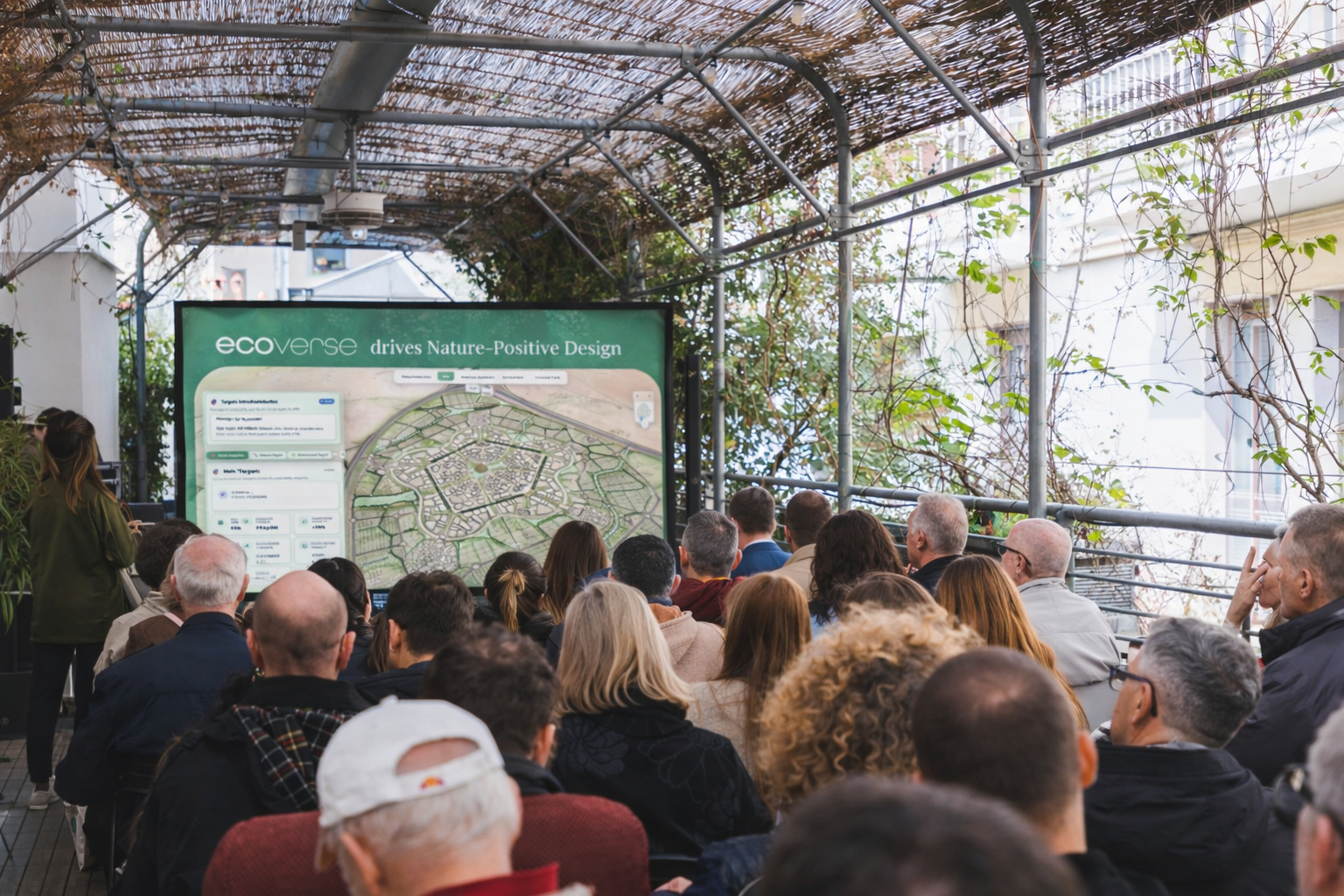
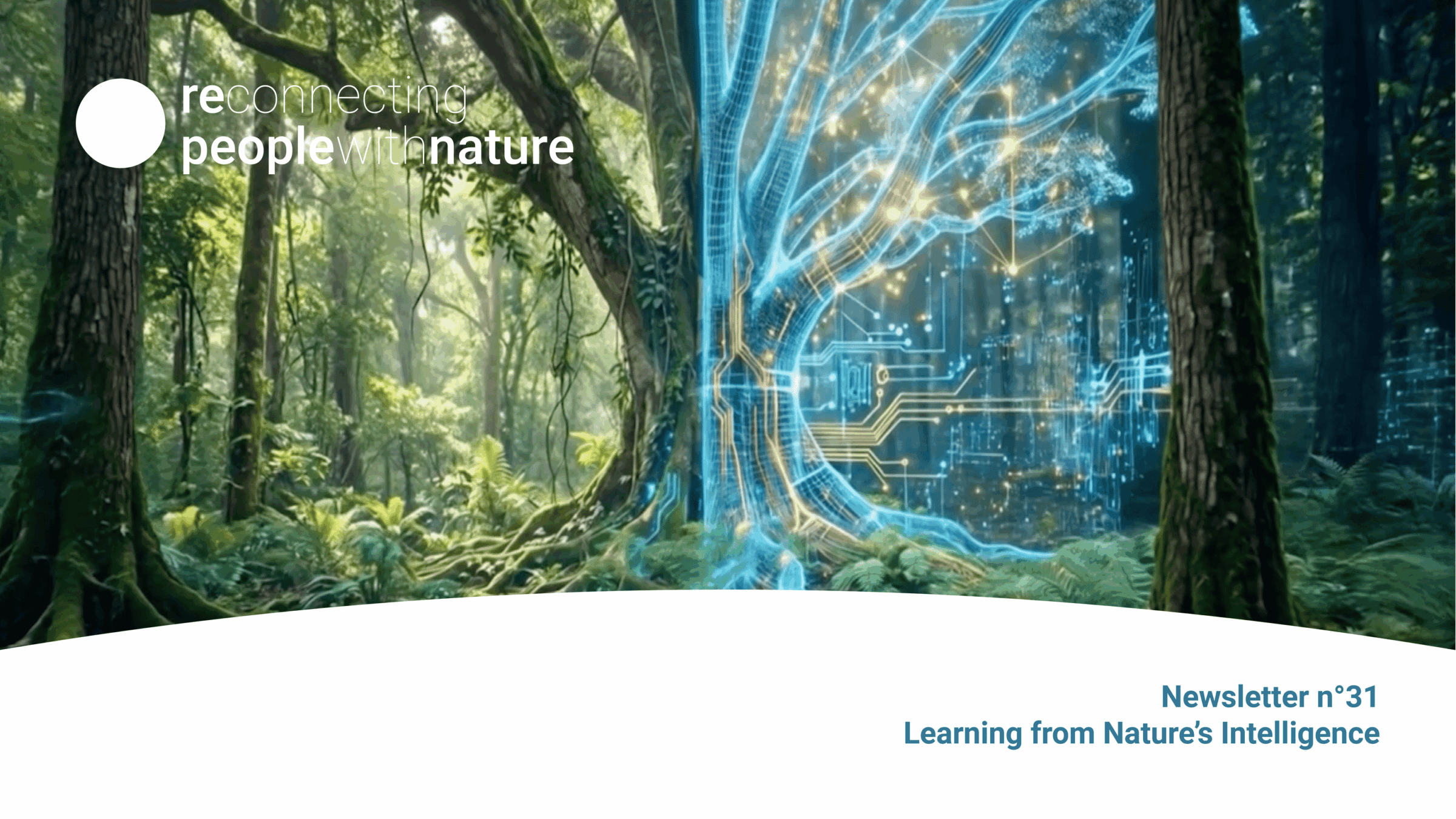
Launching Ecoverse – Design with Nature, a new platform integrating artificial intelligence, environmental analytics, and landscape design.
This is perhaps one of the most important lessons I have encountered throughout my professional life. Every landscape project begins with analysis, knowledge, and planning. But ultimately, no project succeeds because we have managed to control every variable. On the contrary, the most successful transformations often emerge when we recognize that living systems possess an intelligence of their own.
Nature is both magnificent and demanding. It is resilient, yet fragile. It is generous, yet uncompromising. Above all, it is dynamic. Nothing in Nature remains static. Rivers change their course, forests evolve through succession, wetlands expand and contract, species adapt continuously to changing conditions.
As designers, we frequently speak about creating solutions. Yet many of the qualities we seek to achieve already exist within natural systems. Water knows how to infiltrate, filter, and regenerate. Soil knows how to store and transform. Vegetation knows how to cool, connect, and heal. The challenge is not to invent these processes, but to recognize them and create the conditions in which they can unfold.
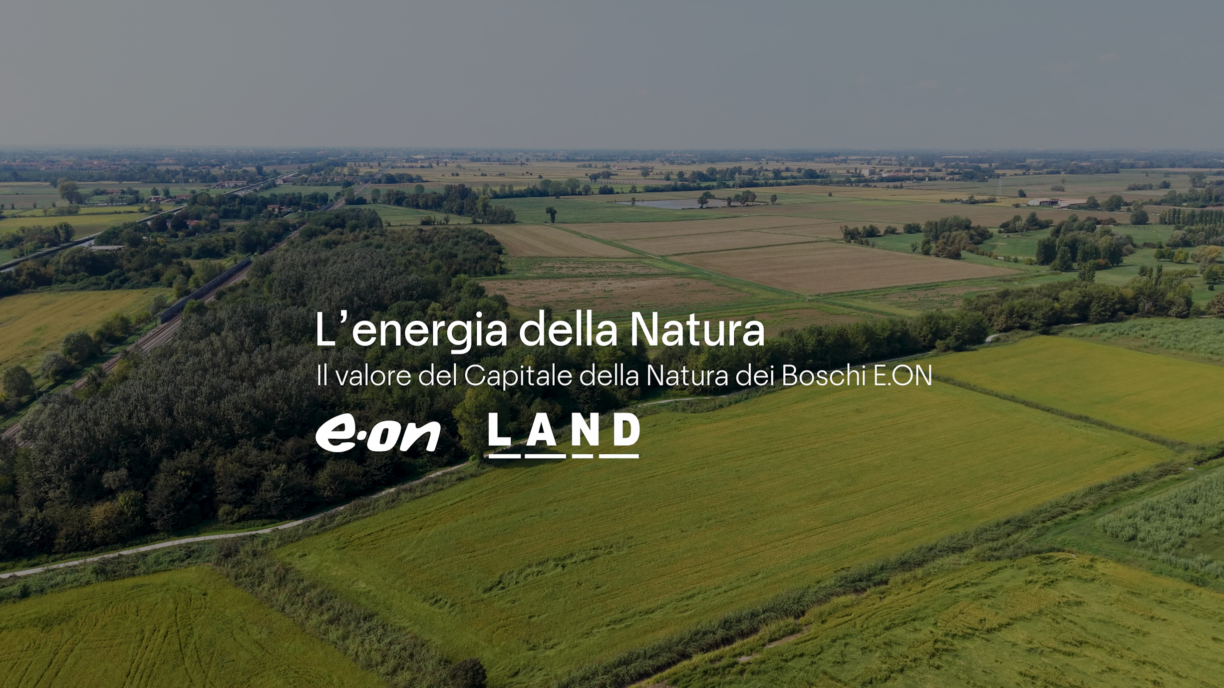
Looking back at many of LAND’s projects, I realise that this has always been part of our approach, even before concepts such as Nature-Based Solutions entered mainstream discourse. Whether transforming industrial landscapes, recovering degraded land, restoring ecological systems, or reshaping urban public space, the objective has never been to impose a final image onto a place. It has been to initiate a process, to create a framework within which Nature can once again become an active participant in the evolution of the landscape.
This requires a certain degree of humility.
Today, we are increasingly confronted with realities that resist linear solutions. Climate change, biodiversity loss, water scarcity, and urban overheating are not isolated problems. They are symptoms of complex systems under stress. Responding to them demands a different attitude. Not less expertise, but a broader understanding of our role.
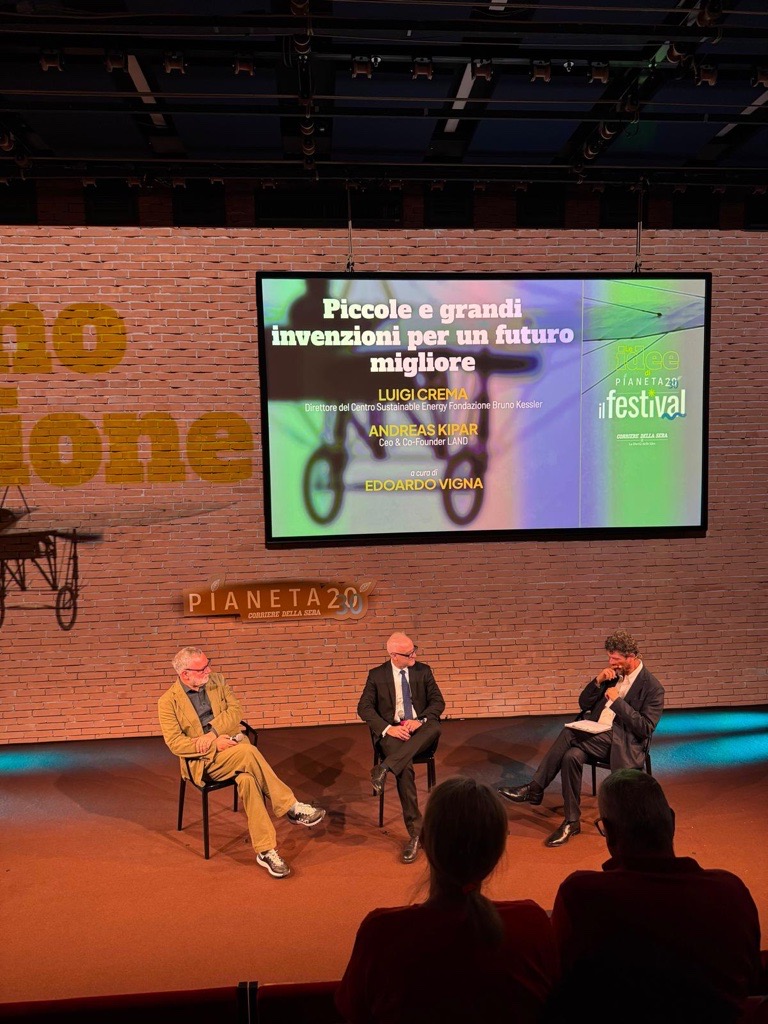
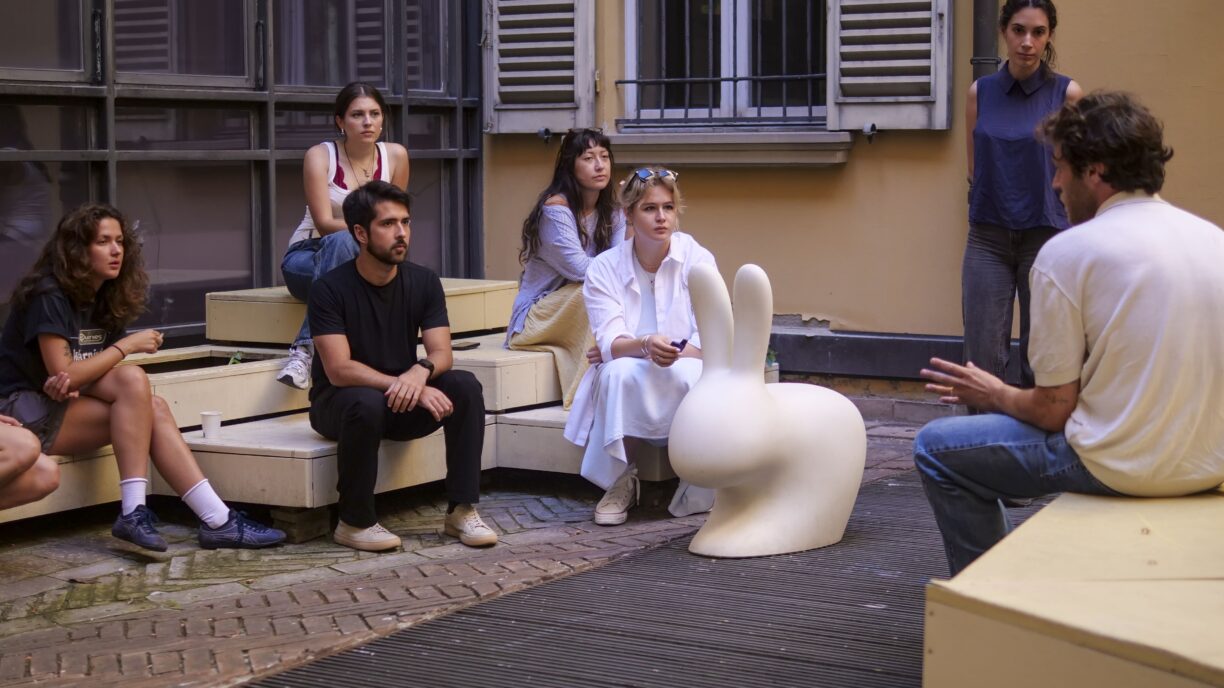
Speaking about innovation for a more sustainable future at Festival Pianeta 2030 by Corriere della Sera.
Many of these challenges are, in fact, the consequence of natural processes that have been pushed out of balance. For generations, we have altered water cycles, fragmented ecosystems, sealed soils, simplified landscapes, and disconnected ourselves from the systems that sustain life. Today, we are beginning to understand the implications of these actions.
Yet the more we learn, the more we realise how much remains unknown. Nature still contains a profound degree of mystery. Scientific research continues to reveal new relationships, new forms of intelligence, new dynamics operating across scales that we are only starting to comprehend, reaching into the depths of the cosmos.
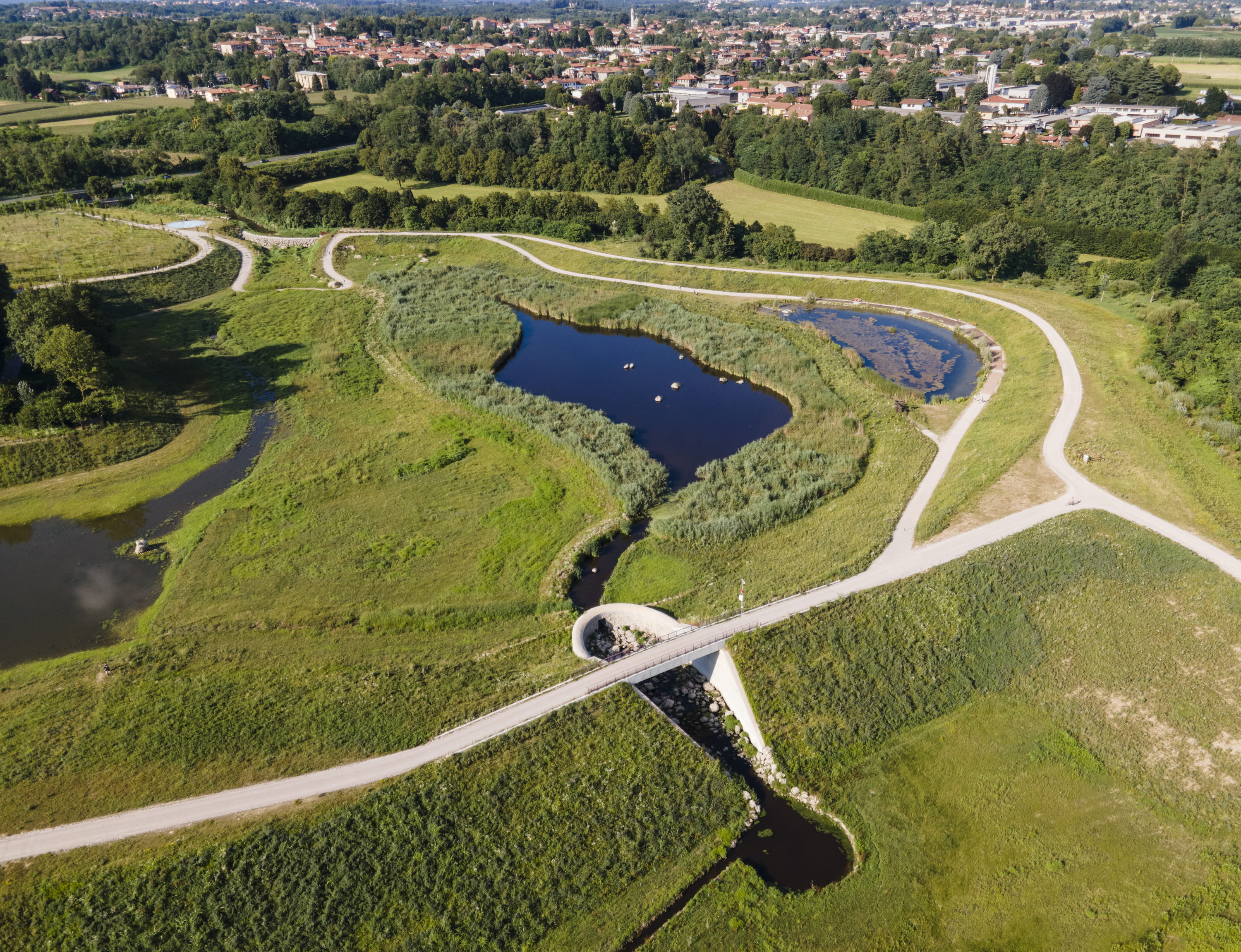
Parco del Lura, photo by Nicola Colella.
In his recent encyclical Magnifica Humanitas, Pope Leo XIV warns against the illusion that technological progress alone can resolve the challenges of our time. His appeal is not against innovation, but against the belief that efficiency, prediction, and control can replace wisdom, responsibility, and care. In many ways, the same lesson emerges from our relationship with Nature. Far from diminishing our role, this awareness invites a different form of responsibility: one grounded not in domination, but in stewardship.
This should not discourage us. On the contrary, it reminds us that our role is not to dominate Nature, but to collaborate with it. We are, in a sense, assistants to Nature: observers, interpreters, and facilitators of processes far greater than ourselves.
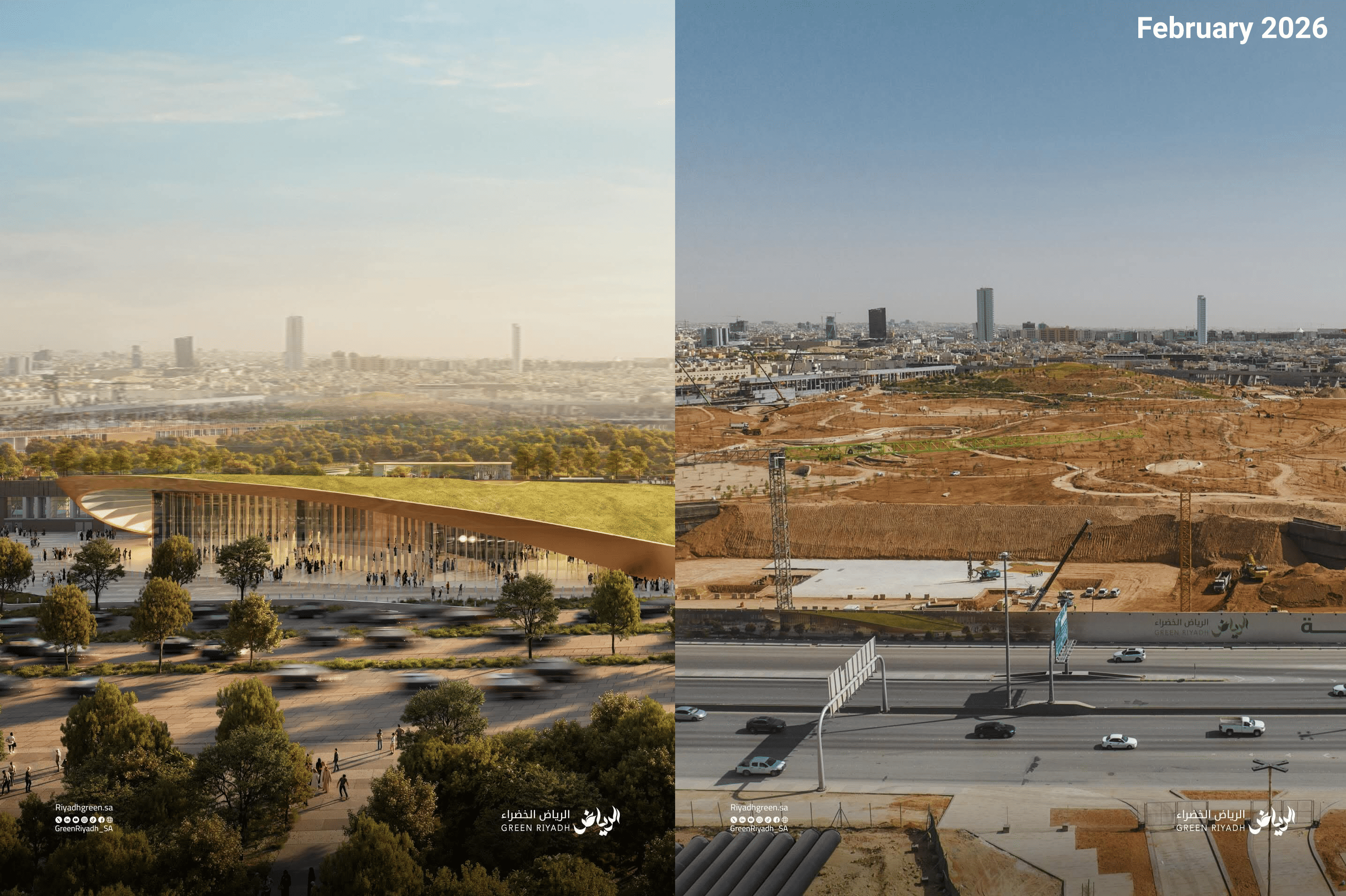
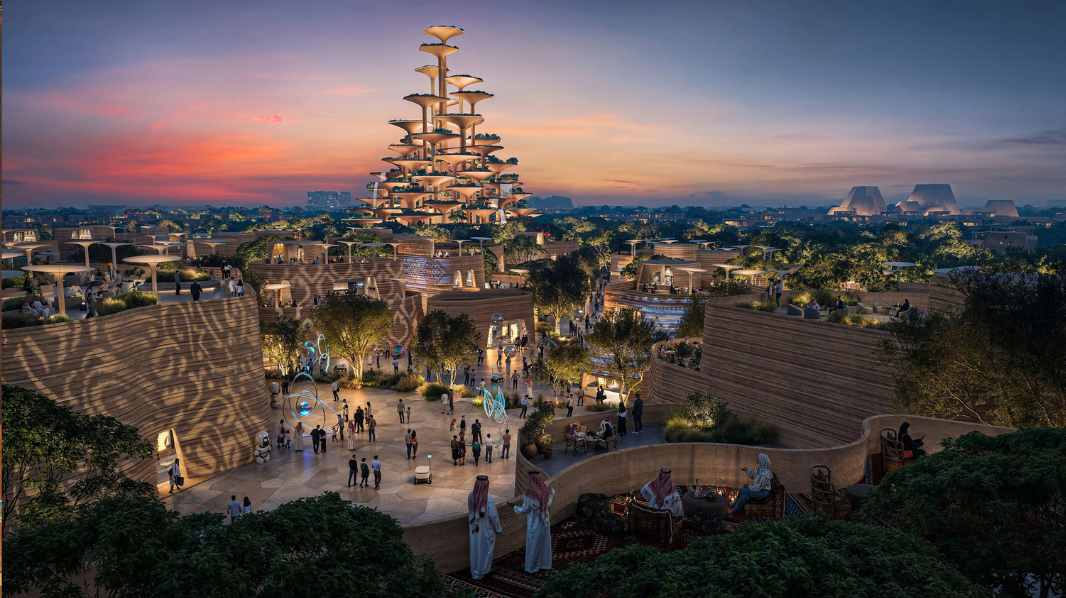
Al Urubah Park, Riyadh – from vision to reality.
This shift is increasingly visible beyond the world of landscape architecture. For many years, we asked how cities could become sustainable. Increasingly, the question is becoming different: how can cities contribute positively to the regeneration of Nature itself?
At the recent World Urban Forum, the OECD introduced its new framework for Nature-Positive Cities, while policymakers, researchers, and practitioners gather this week in Bonn for the UN Climate Meetings to advance global climate action. Although these initiatives emerge from different contexts, they share a common recognition: cities can no longer limit themselves to reducing environmental harm. They must become active agents of regeneration.
Perhaps the designer of the future will be defined more by the ability to guide processes. Less by creating objects and more by enabling relationships. Less by designing for Nature and more by designing with Nature.
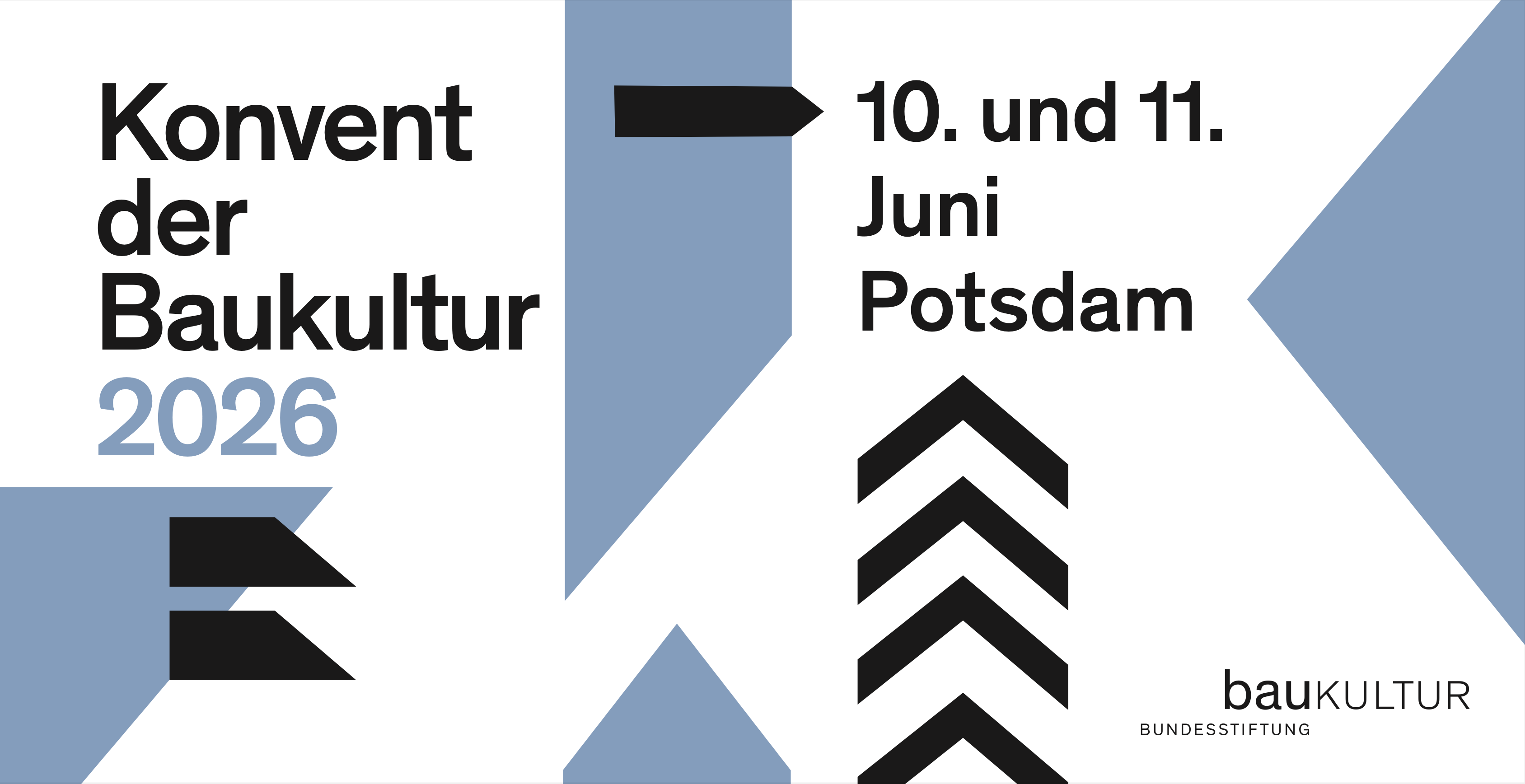
Meet me at Konvent der Baukultur 2026 on June 11th in Potsdam (Berlin).
This shift is also reshaping the way we think about Baukultur. Too often, discussions about the quality of the built environment focus exclusively on architecture or aesthetics. Yet the real quality of a place increasingly depends on its capacity to perform: to retain water, support biodiversity, improve microclimates, foster social interaction, and adapt over time.
Landscape becomes essential precisely because it operates across these dimensions simultaneously. It connects ecological, cultural, social, and economic systems. It reveals that the most resilient environments are rarely those that resist change, but those that are capable of evolving with it.
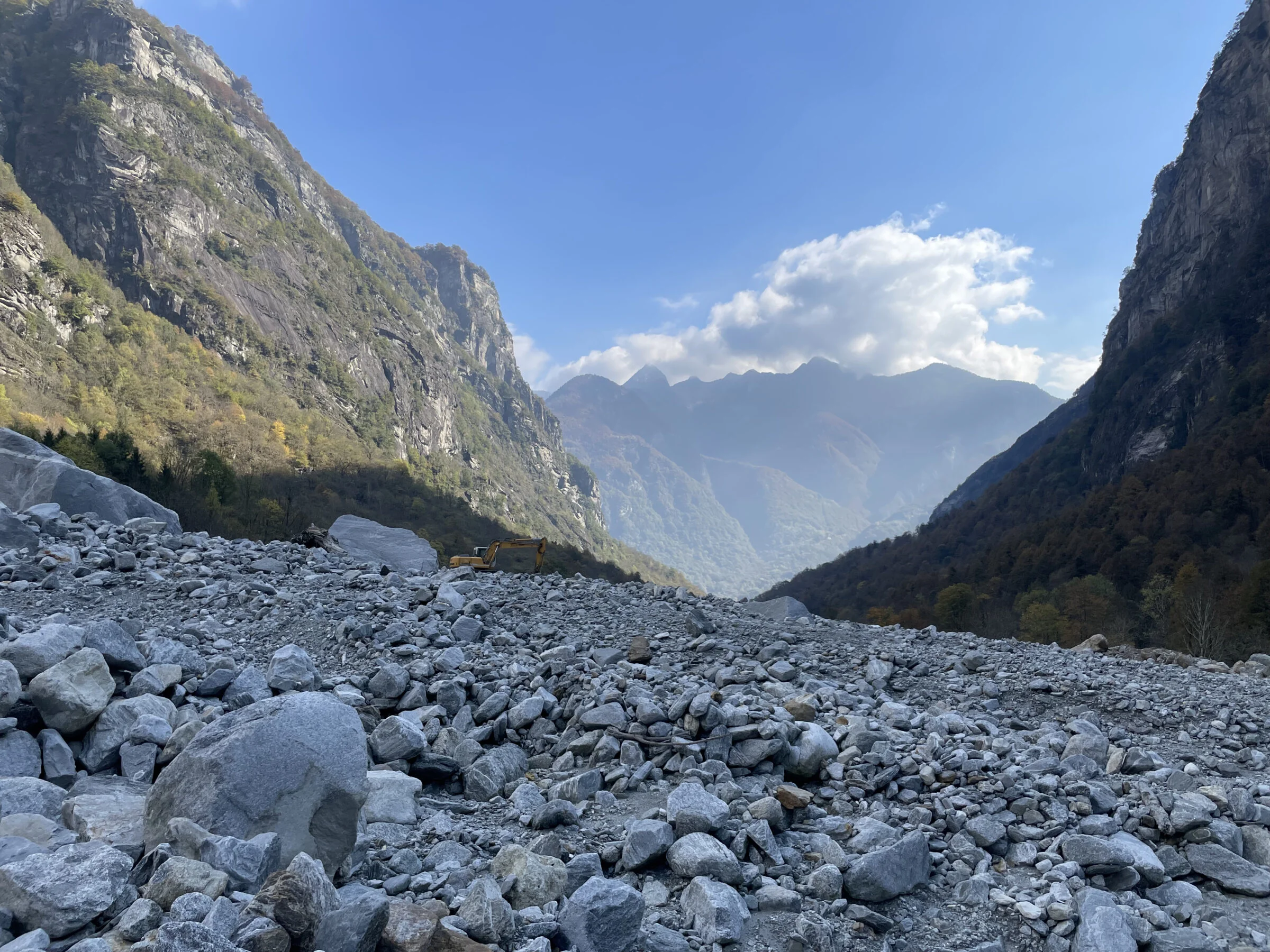
“The time of Nature” is our proposal selected for the landscape reconstruction after heavy debris flow in Val Bavona, Switzerland.
In many ways, this is the great opportunity of our time.
The environmental challenges we face are undeniably significant. But they also invite us to rethink our relationship with Nature itself. Not as a resource to be consumed, nor as a problem to be solved, but as a partner whose intelligence has been refined over millions of years.
We play an active part in Nature’s evolution. The more I work with landscape, the more I become convinced that the future will not be shaped by our ability to outsmart Nature.
It will be shaped by our ability to learn from Nature.
Don't miss out on our inspiring project stories, the latest research, and more.
All mandatory fields are marked with a *