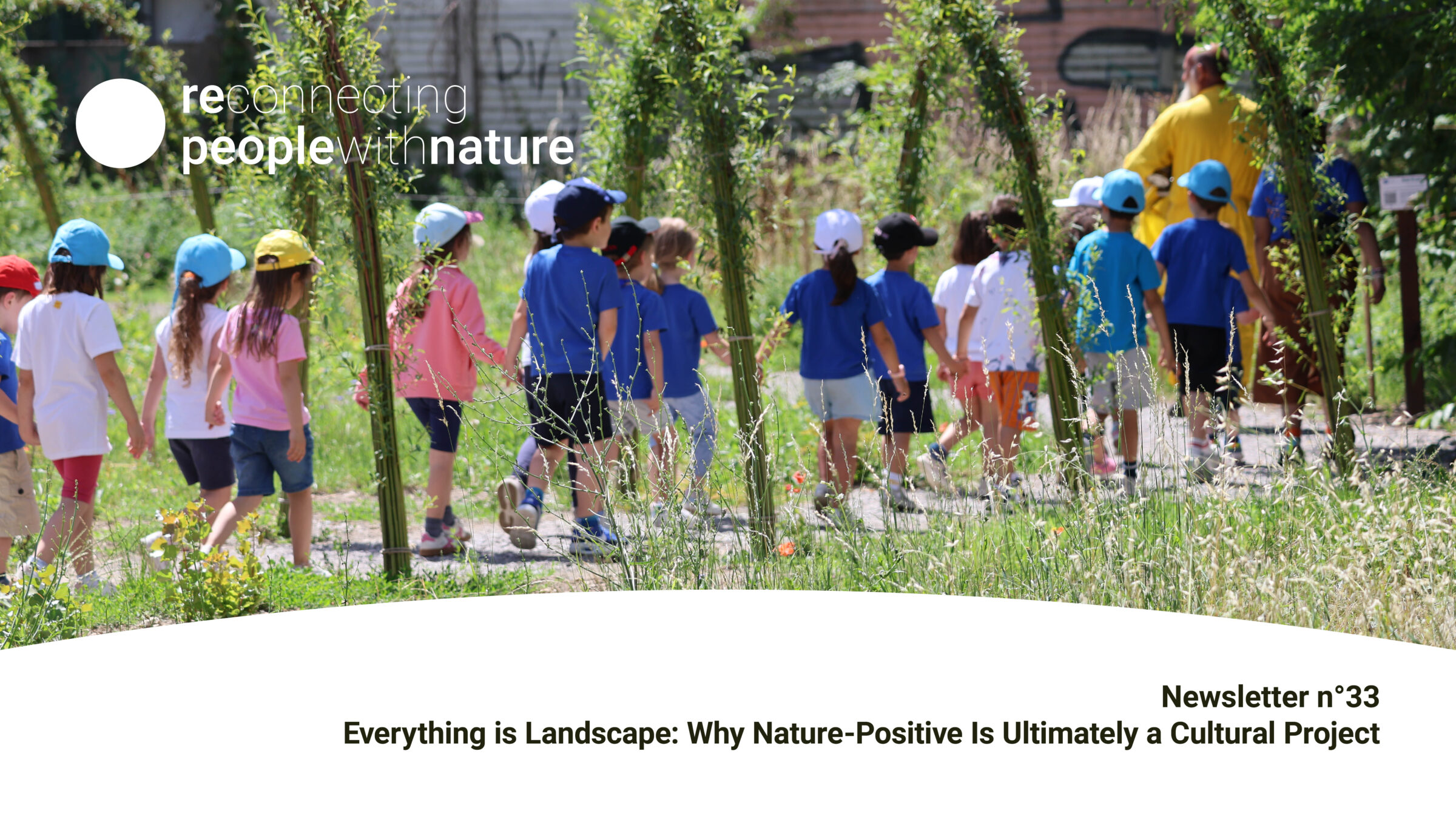
Newsletter #33: Everything is Landscape
Every summer reminds us that landscape is never just scenery.
As temperatures rise across Europe once again, we instinctively search for shade beneath trees, for streets where the air still moves, for parks, rivers and coastlines that offer relief.
At the height of the tourist season, millions of people travel in search of beautiful places.
But have we ever stopped to ask ourselves what truly makes a place beautiful?
What attracts us is rarely Nature alone. It is the relationship between Nature, culture and people that gives each place its unique identity.
This simple observation brings me back to a much older reflection.
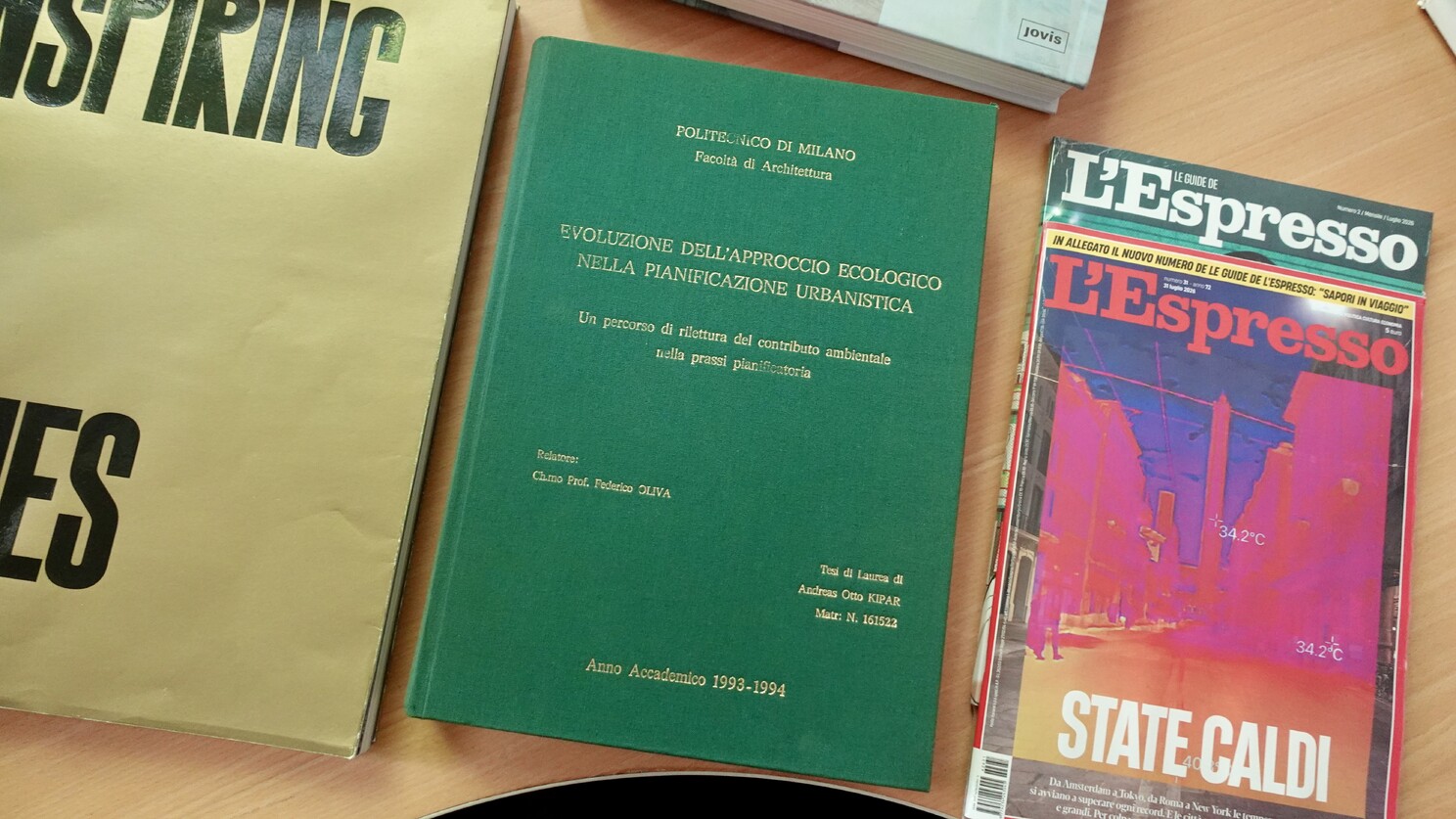
My graduation thesis at Politecnico di Milano: An evolution of the ecological approach within urban planning.
More than thirty years ago, while writing my graduation thesis at the Politecnico di Milano, I dedicated an entire chapter to Landscape as the Representation of Socio-Cultural Evolution. At the time, I argued that landscape was never merely a physical environment. It was the visible expression of the way societies relate to Nature, shaping and being shaped by it over time.
Looking back, I realize that this reflection was never mine alone. More than twenty-five years ago, the European Landscape Convention (Florence, 2000), gave institutional voice to the very idea that had inspired so many landscape architects before me: that landscape is not simply territory, but “an area, as perceived by people, whose character is the result of the action and interaction of natural and/or human factors.” Two decades later, that definition feels less like an academic statement than a practical necessity.
Perhaps even more remarkably, it affirmed that every landscape matters: urban and rural, extraordinary and ordinary, protected and degraded alike. In doing so, it shifted landscape from being an object of preservation to becoming a shared cultural responsibility, and one of the most powerful expressions of our collective quality of life.
Today we speak about biodiversity, ecosystem services, Natural Capital and, increasingly, Nature-Positive. These concepts did not exist in our professional language when I was a student. Yet they all point towards the same understanding.
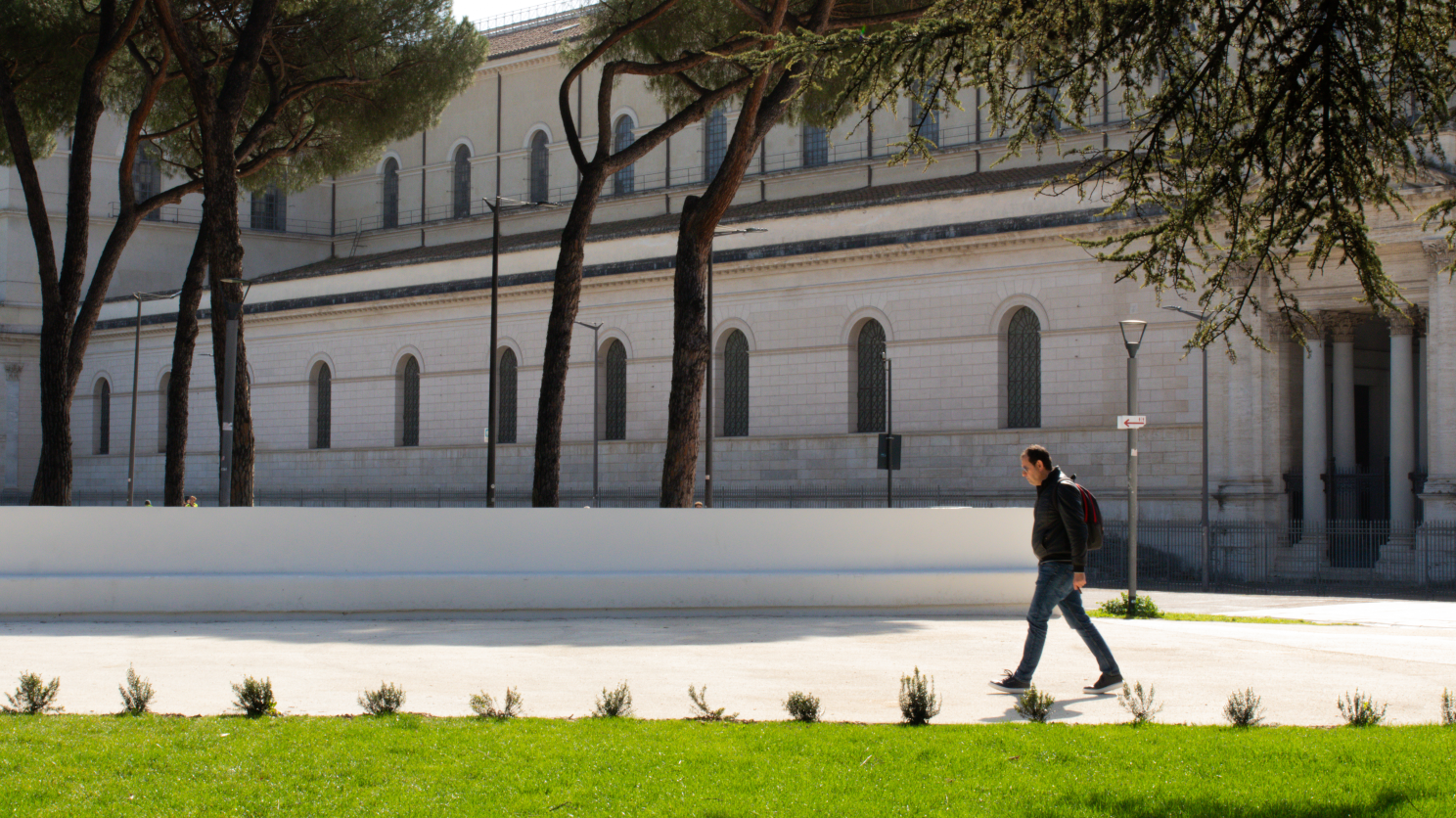
At Parco Schuster, in Rome, ancient history meets renewed urban landscapes.
Landscape is where Nature becomes culture, and where culture learns once again to work with Nature.
Seen through this lens, today’s Nature-Positive agenda is not a departure from landscape thinking, but its natural evolution. Nature-Positive is often understood simply as bringing Nature back into our cities. I believe it goes one step further. It asks us to add Nature wherever we shape our environment, rather than continuing to subtract it in favor of purely artificial systems. Its ambition is not simply to limit anthropic damage, but to leave every place richer in ecological value than we found it.
This does not mean turning cities back into wilderness.
Cities are among humanity’s greatest cultural achievements, and they should remain so. Nature-Positive is not about un-civilizing urban life; it is about creating urban landscapes where the degree of naturality responds intelligently to place, function and human needs. Every intervention, every planning decision, becomes an opportunity to restore cooling, biodiversity, water cycles, health and beauty, but without losing the identity of the city itself.
When we treat landscape as infrastructure rather than decoration, investments in Nature are no longer seen as optional amenities. They become essential systems supporting public health, climate resilience, economic vitality and social cohesion. This is where landscape architecture has always had something unique to contribute.
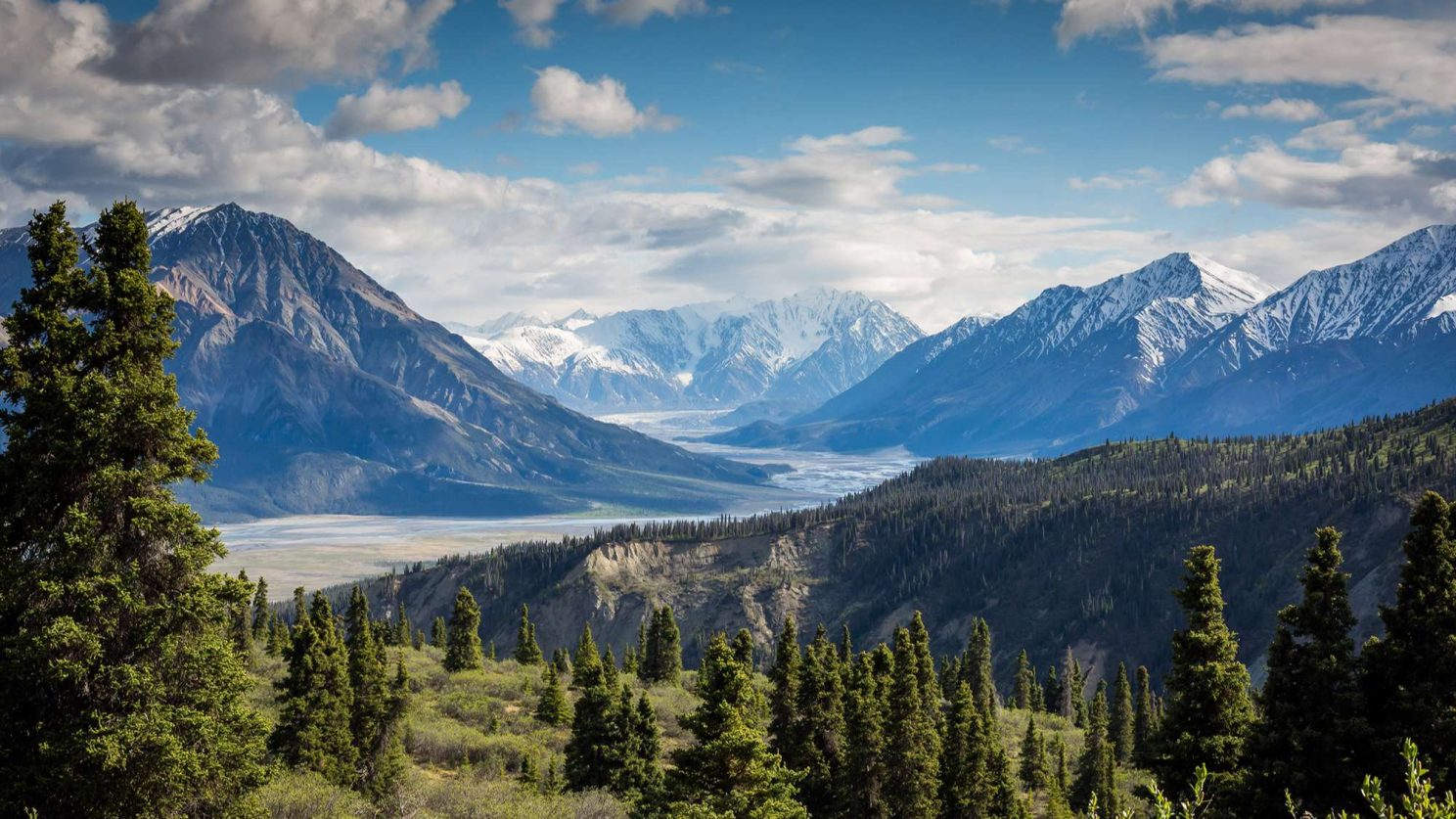
Yukon, Canada, preserves unique cultural and natural heritage. For thousands of years, the stewardship of Indigenous peoples has shaped and protected its wildlife.
The degree of human influence on Nature spans from untouched mountain valleys and coastlines to highly engineered metropolitan regions. Between these extremes lies an extraordinary diversity of landscapes. Their forms differ because cultures differ. The landscapes we create tell the story of how each society understands its relationship with Nature.
This is why I believe landscape to be the language through which Nature-Positive becomes reality.
Landscape is where biodiversity, climate adaptation, water management, public health, mobility and cultural identity cease to be separate objectives and become part of one living system.
This systemic understanding is increasingly shared across our profession. In recent conversations with the International Federation of Landscape Architects (IFLA) Climate Action Working Programme, one idea emerged repeatedly: climate action cannot be achieved through isolated interventions. It requires landscapes capable of connecting water, soil, vegetation, biodiversity and people across scales and disciplines. Perhaps our greatest task is not simply designing better places, but empowering every actor, from governments to local communities, to become an active contributor to Nature’s own regenerative capacity. Climate action, ultimately, means empowering Nature itself.
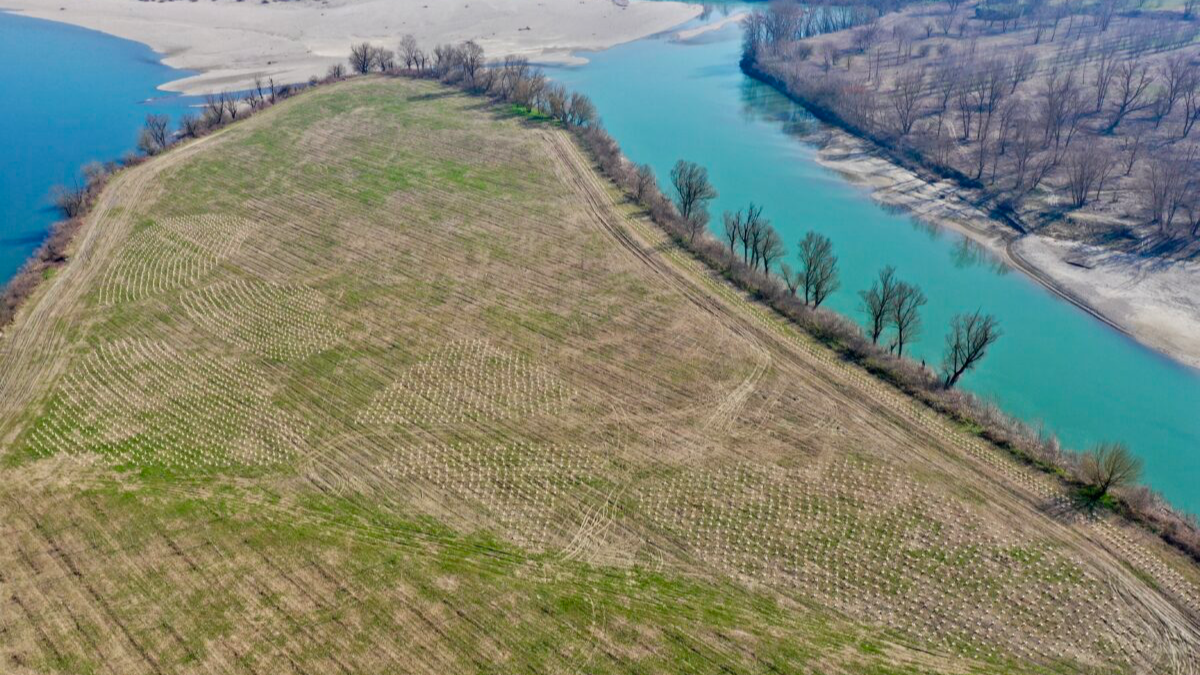
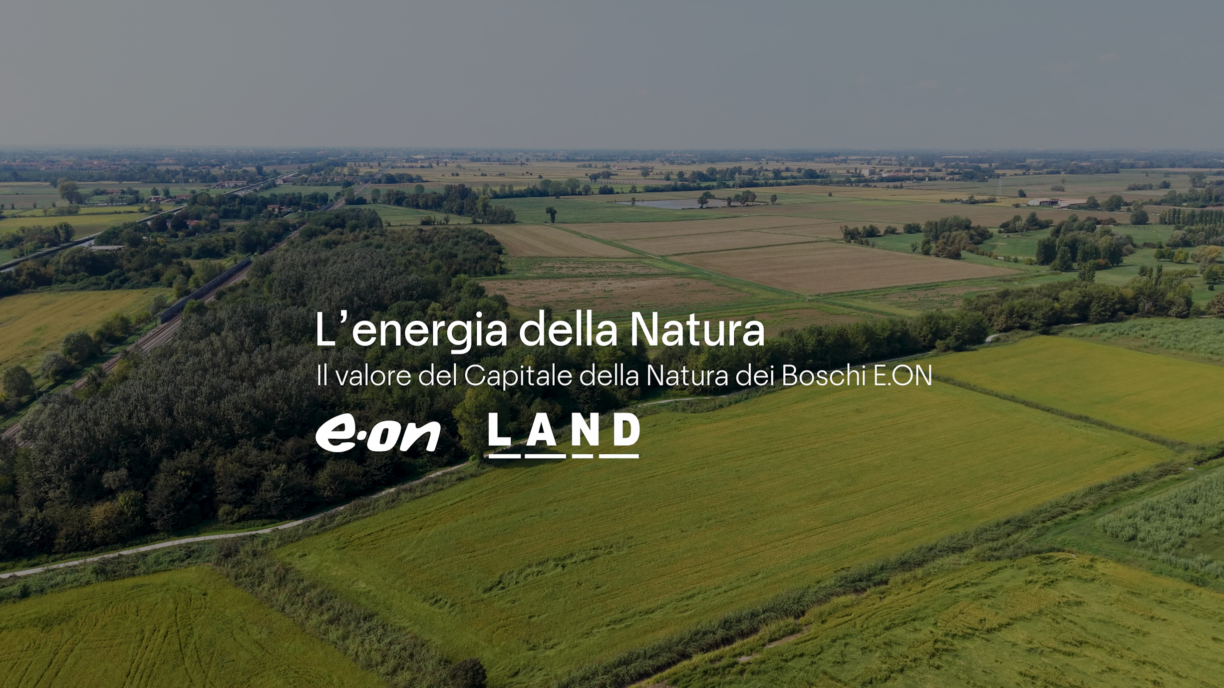
Despite intense anthropogenic pressures, Italy’s longest watercourse, the Po River, remains a natural and social asset of extraordinary value.
This becomes particularly evident during summers like the one we are experiencing today. Heat does not stop at administrative boundaries. Water does not follow planning departments. Trees, soils, rivers and public spaces work together, whether we design them to or not.
The real challenge, therefore, is no longer adding more Nature to our cities.
It is learning to understand cities themselves as landscapes.
This has always been the ambition of landscape architecture.
Not simply to design parks.
But to design relationships.
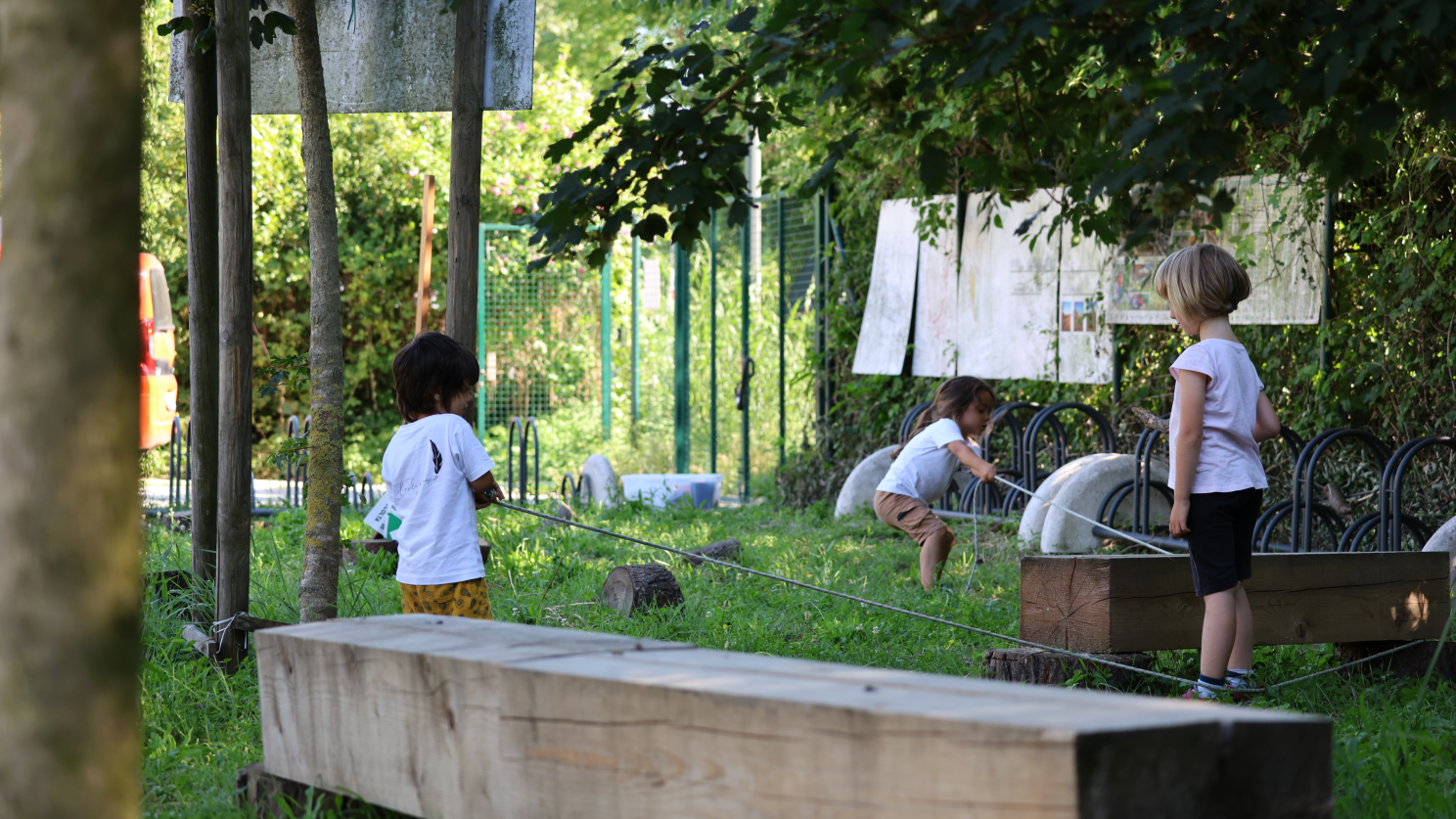
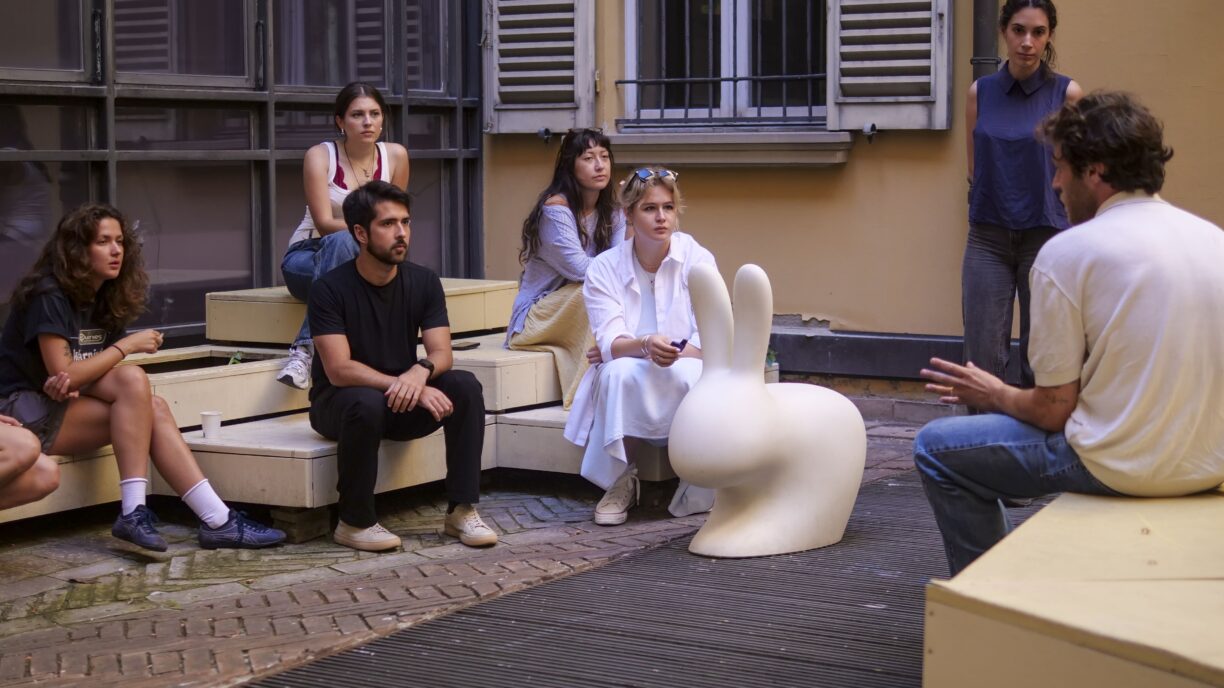
At Cascina Sant’Ambrogio in Milan, with HeritACT (Horizon Europe) we transformed cultural heritage into a driver of sustainable urban development.
Relationships between people and Nature.
Between ecology and economy.
Between memory and transformation.
Between the places we inherit and the places we leave behind.
Every civilization writes its values into the landscape. Roman roads, agricultural terraces, industrial regions and public parks all tell us something about the societies that created them.
Future generations will read our landscapes in exactly the same way.
They will understand whether we continued consuming Natural Capital, or whether we finally chose to regenerate it.
Perhaps this is why I believe landscape deserves to return to the centre of today’s conversation.
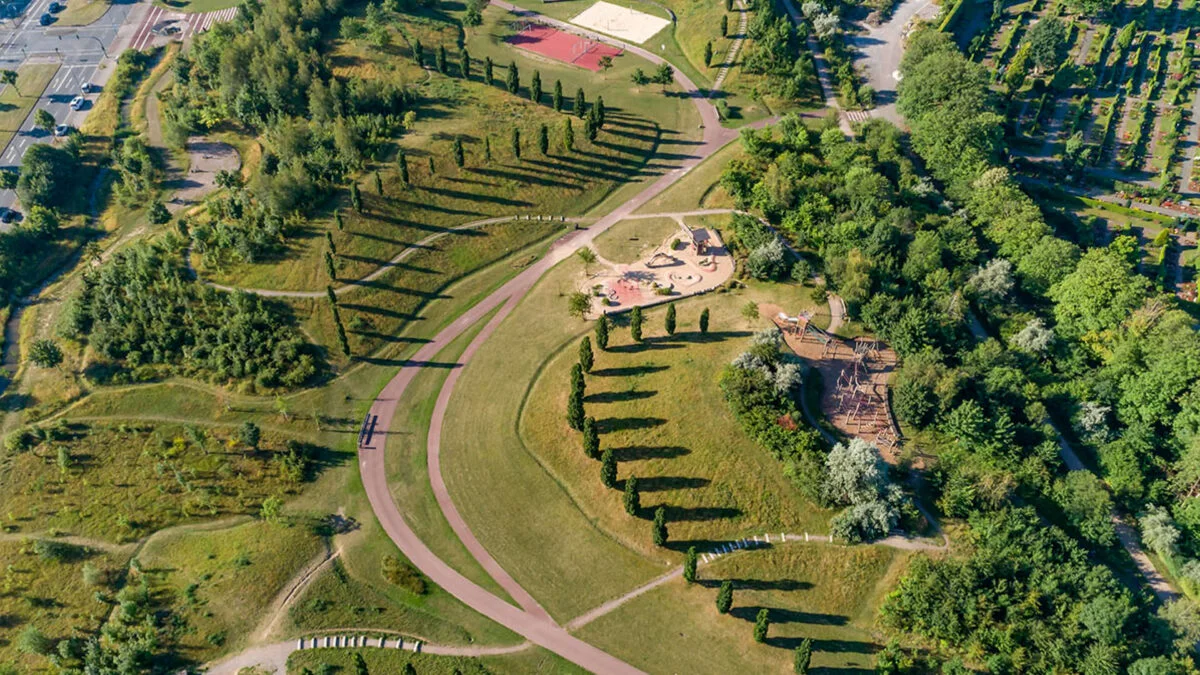
Krupp Park Five Hills in Essen is the fourth largest local recreation area in the city, and an exemplary revitalisation of inner-city brownfields.
Nature-Positive is not simply an environmental agenda.
It is a cultural one.
And culture has always found one of its clearest expressions in landscape.
Everything is landscape.
The words we use may evolve.
The responsibility they describe does not.
Today, as more than thirty years ago, I remain convinced that landscape is where our relationship with Nature becomes visible.
And perhaps, more importantly, where it can finally begin to change.