Innovating with Nature: Andreas Kipar at Festival Pianeta 2030
We joined the leading sustainability festival by Corriere della Sera in Milan, to explore how data, artificial intelligence, and ecological intelligence can help shape more resilient and Nature-Positive cities.
On June 6th, following World Environment Day, Andreas Kipar participated in the annual Festival Pianeta 2030, the sustainability forum promoted by Corriere della Sera, bringing together leading voices from research, technology, business, and public administration to discuss the future of cities and the environmental transition.
Opening the session on Innovation on the second day of the festival, Milan’s Councillor for Environment and Green Areas, Elena Grandi, highlighted the central role of technological innovation in addressing the challenges faced by contemporary cities and in supporting sustainable urban development.
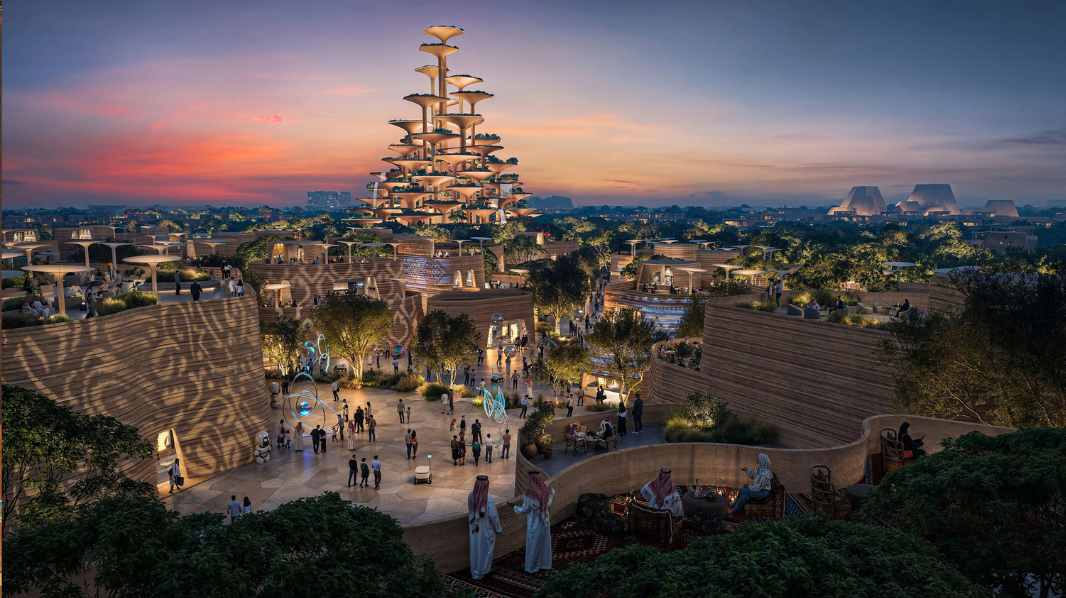
Within a panel dedicated to future scenarios, Andreas Kipar shared LAND’s perspective on the relationship between technology, landscape, and Nature, presenting Ecoverse, the new platform developed to integrate artificial intelligence, environmental data, and ecosystem intelligence into planning and design processes.
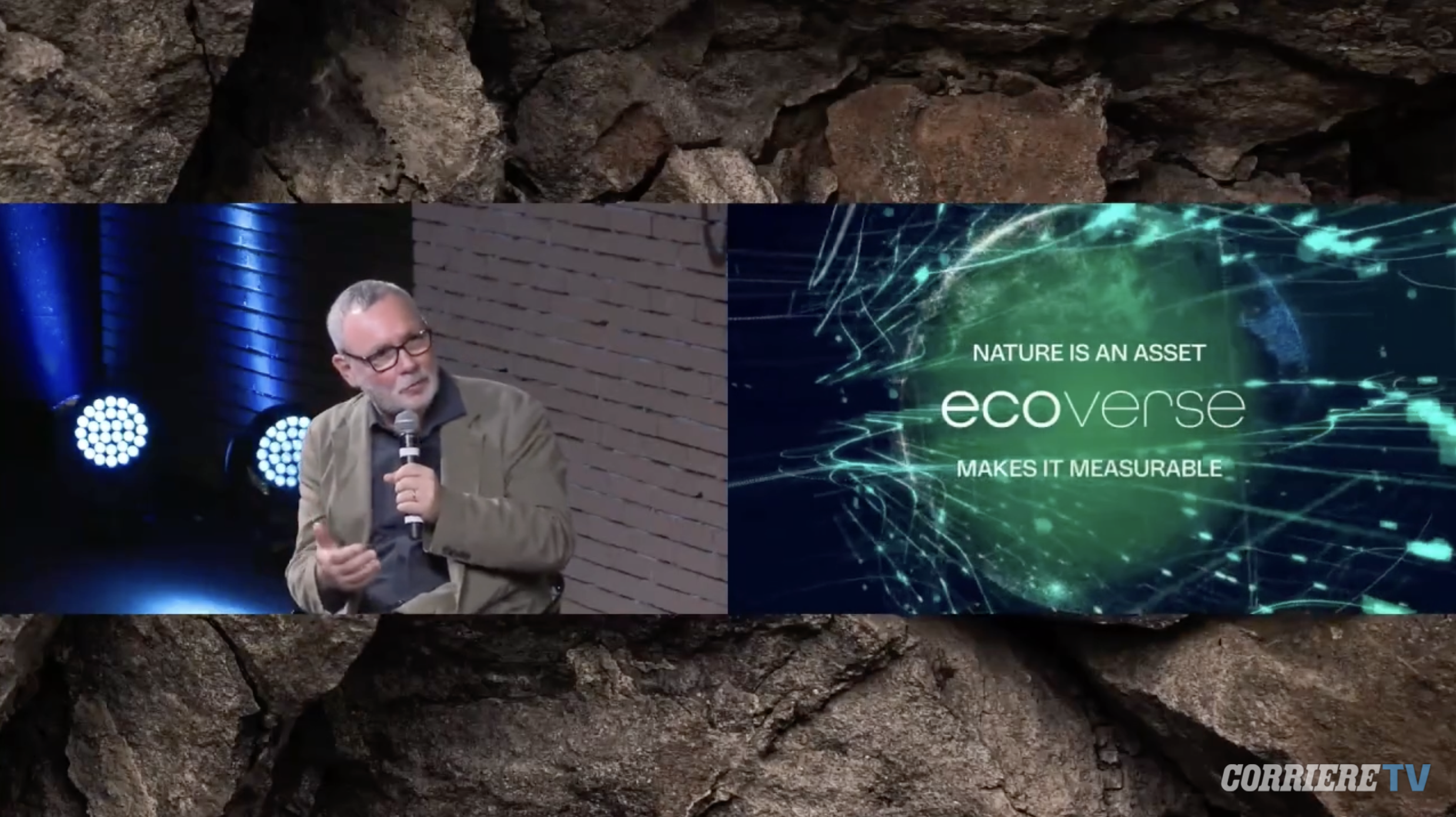
Born from the need to better understand and communicate the complexity of territorial transformations, Ecoverse is based on a simple but powerful premise: natural ecosystems generate essential services that support human well-being, urban resilience, and economic prosperity. By combining environmental, social, and economic data, the platform enables the exploration of future scenarios and supports more informed decision-making.
“More than 90% of European citizens actively seek contact with Nature,” Andreas Kipar noted during the discussion. “Data are essential tools for understanding urban, environmental, and economic dynamics, which are never disconnected from one another.”
Yet technology alone is not enough. One of the key themes emerging from the discussion was the importance of making complexity understandable. While data can reveal patterns and relationships that would otherwise remain invisible, the challenge lies in translating these insights into shared knowledge and actionable visions. In this process, artificial intelligence becomes a valuable ally, not as a substitute for human judgment, but as a tool to support better decisions and foster a deeper understanding of the systems that shape our cities.
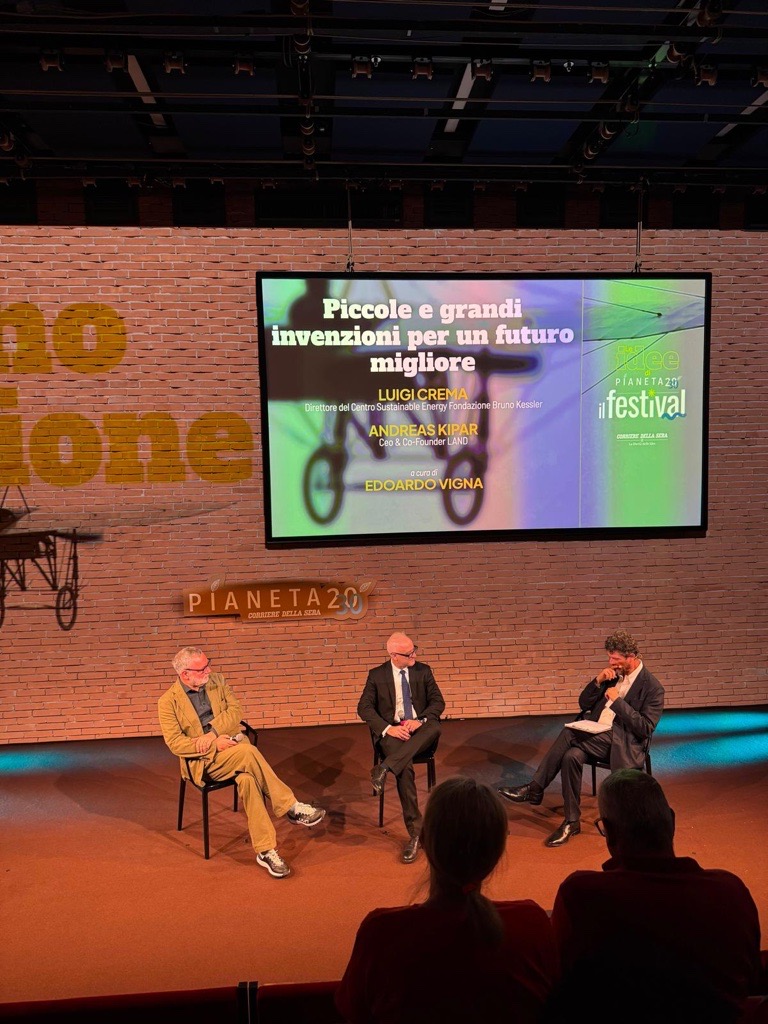
Moderated by Edoardo Vigna, editor at Corriere della Sera, and with the contribution of Luigi Crema, Director of the Sustainable Energy Center Foundation Bruno Kessler (Trento), the conversation reinforced a growing awareness shared across disciplines: the future of innovation is increasingly linked to our capacity to work with Nature rather than against it. As cities face mounting pressures from climate change, resource scarcity, and rapid urbanisation, integrating ecological intelligence into planning processes is no longer optional. It is becoming a fundamental condition for creating resilient, livable, and Nature-Positive urban environments.
Watch the full recording (in Italian) here.