Ecological Intelligence for the Future of Construction
At Future of Construction 2026, the international symposium hosted by ETH Zürich, LAND Research Lab shared insights from nAIture Capital in NRW.
[Cover Image: © Future of Construction / ETH Zürich]
How can artificial intelligence help shape more climate-resilient and Nature-Positive cities? And how can ecological value become a measurable parameter in planning and construction processes?
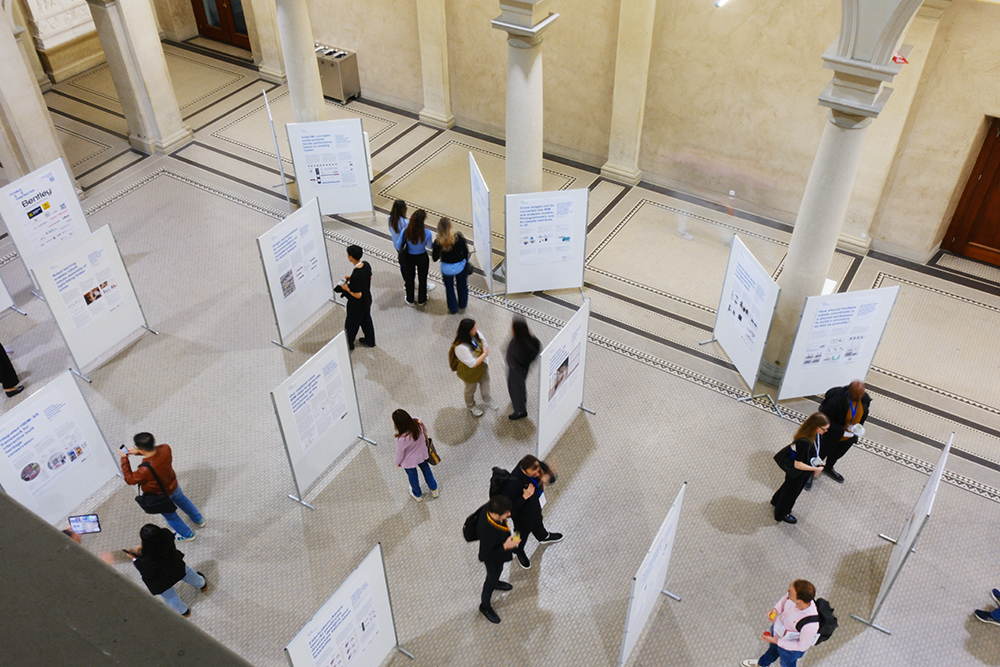
These questions were at the core of our contribution to Future of Construction 2026, the international symposium hosted by ETH Zürich. Bringing together researchers, practitioners, and industry leaders, the event explored the impact of AI, extended reality, and robotics on the architecture, engineering, and construction sector, encouraging new perspectives on design, construction, and the evolving role of human skills and agency.
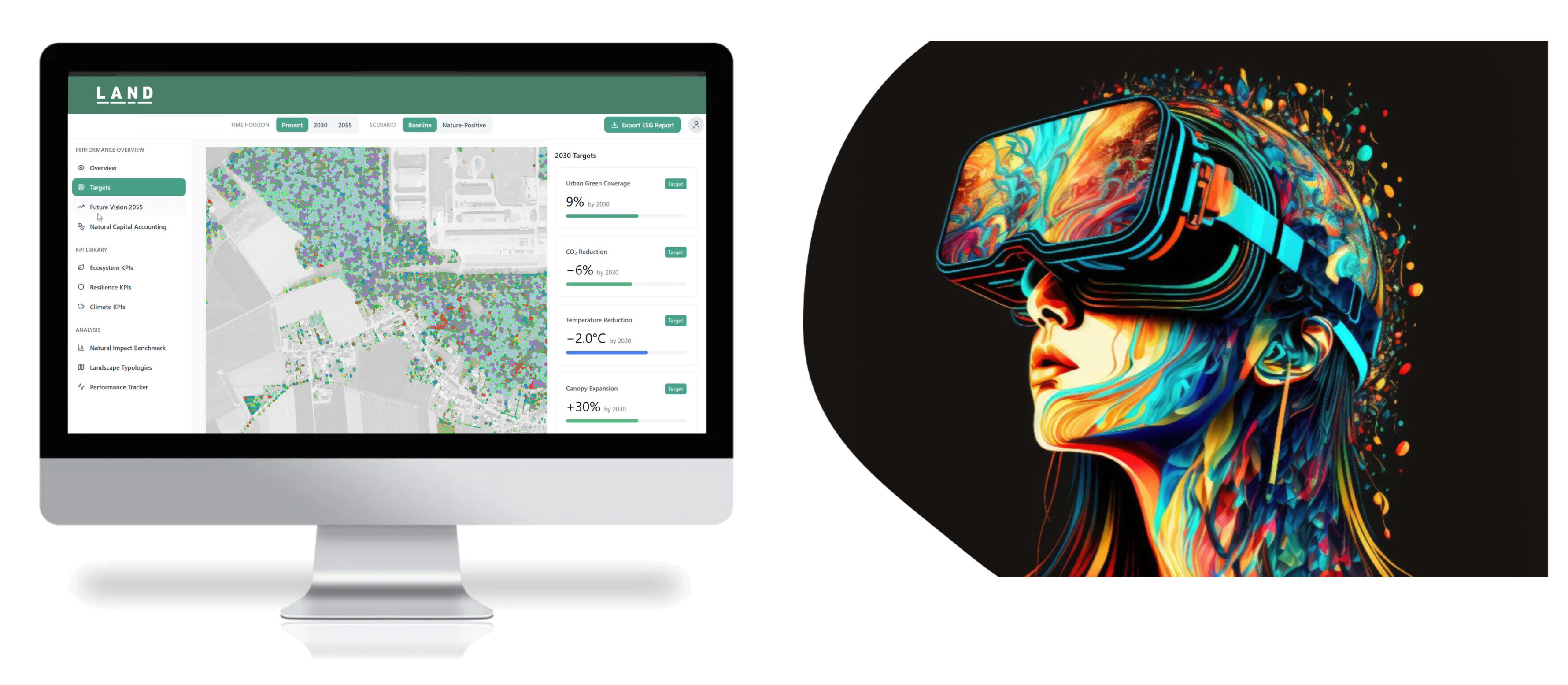
Representing LAND Research Lab, Niloofar Imani shared insights into nAIture Capital Accounting, the pioneering applied research project developed within the NEXT.IN.NRW programme funded by the European Union and North Rhine-Westphalia. The project combines artificial intelligence, ecological expertise and spatial data to support evidence-based decision-making throughout the construction value chain.

As the sector increasingly embraces AI, extended reality and digital fabrication, the challenge is no longer only how to build more efficiently, but also how to integrate ecological intelligence into planning processes from the earliest stages. The nAIture Capital Accounting platform addresses this challenge through a scalable web-based system capable of quantifying Natural Capital, assessing ecosystem services and supporting future-oriented planning scenarios.
By translating complex environmental data into actionable insights, the platform enables planners, developers and public authorities to evaluate the long-term ecological implications of projects before implementation. In this way, Nature becomes an active parameter in decision-making rather than a constraint assessed after the fact.
The discussion at ETH Zürich highlighted a growing awareness across academia and industry: the future of construction will depend not only on technological innovation, but on our ability to align digital intelligence with ecological resilience.
Don't miss out on our inspiring project stories, the latest research, and more.
All mandatory fields are marked with a *