Rounding up the first edition of the professional course on Nature-Positive cities
How can landscape guide us toward more resilient, future-proof cities? Together with FAST Ambiente Academy, LAND has successfully completed the first edition of the professional online course “Climate-Resilient Cities. Nature-Positive Solutions for Territorial and Landscape Planning.”
Together with FAST Ambiente Academy, LAND developed and delivered the professional online course “Climate-Resilient Cities. Nature-Positive Solutions for Territorial and Landscape Planning”, a programme designed to equip professionals, public authorities, researchers, and young graduates with the tools and perspectives needed to address the environmental challenges of contemporary cities.
Rooted in LAND’s Nature-Positive approach, the course offered an integrated framework to rethink urban development through the lens of landscape, positioning Natural Capital not as a constraint, but as a strategic resource for regeneration, resilience, and long-term value creation.
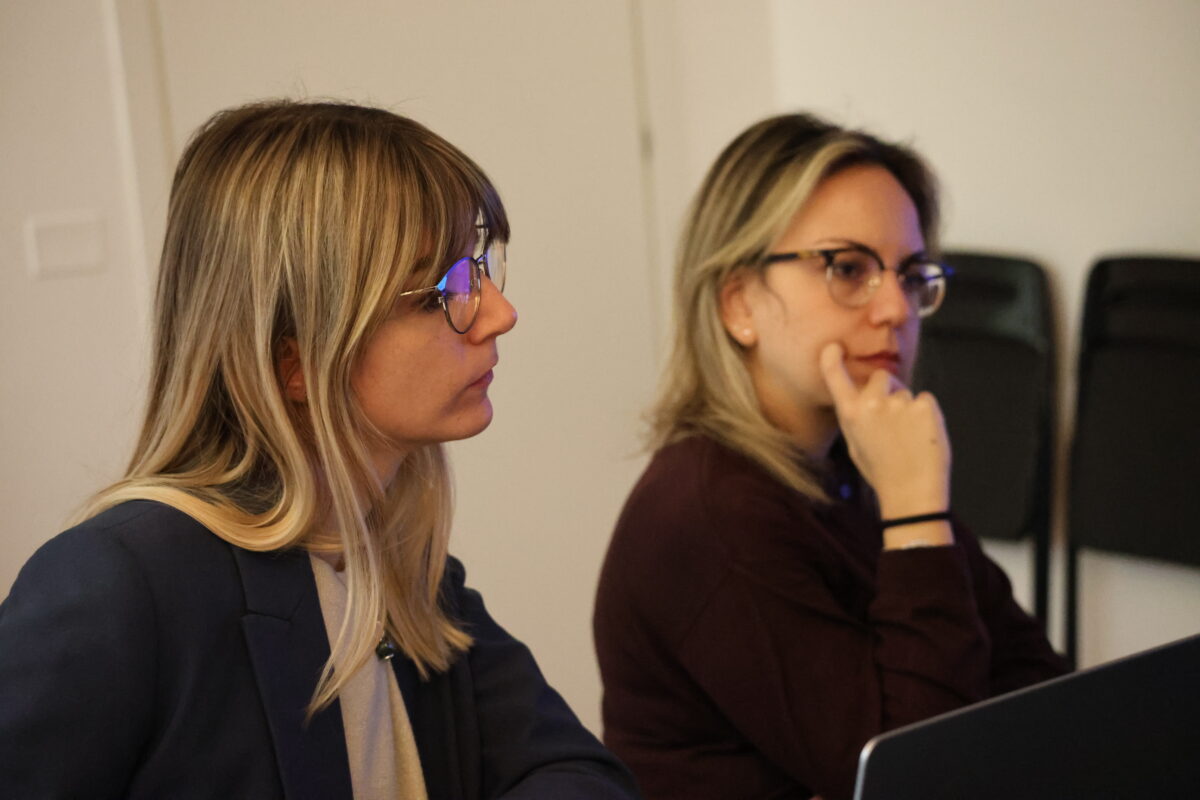
Across three interactive online modules, participants engaged with a combination of strategic vision and applied methodologies. Contributions by Andreas Kipar, Matteo Pedaso, Valentina Galiulo, Beatrice Magagnoli, and Margherita Bertolero guided participants through key topics, including environmental assessment, GIS-based tools, ESG and sustainability frameworks and the implementation of Nature-Based Solutions.
The course fostered an interdisciplinary dialogue between planning, design, and environmental sciences, encouraging participants to connect theory with practice and to reflect on their own professional contexts.
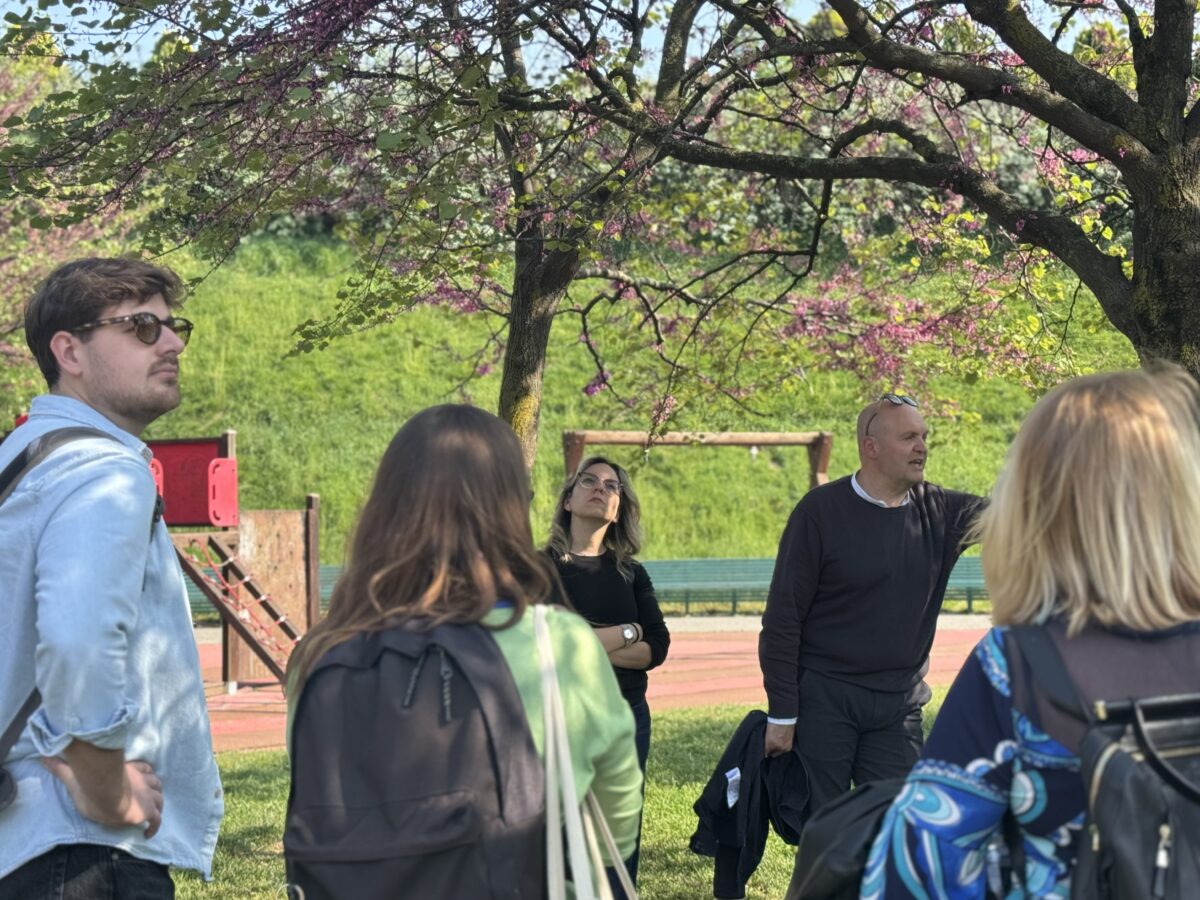
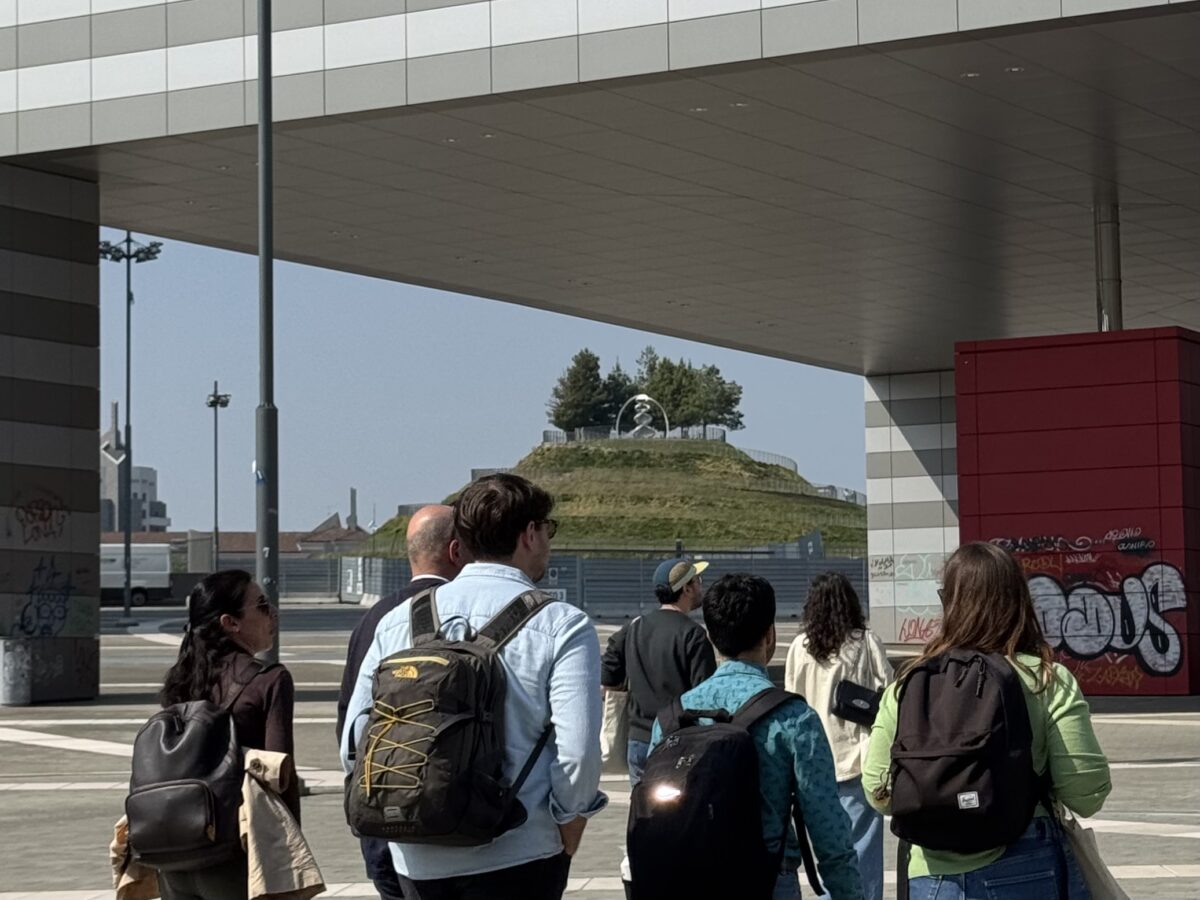
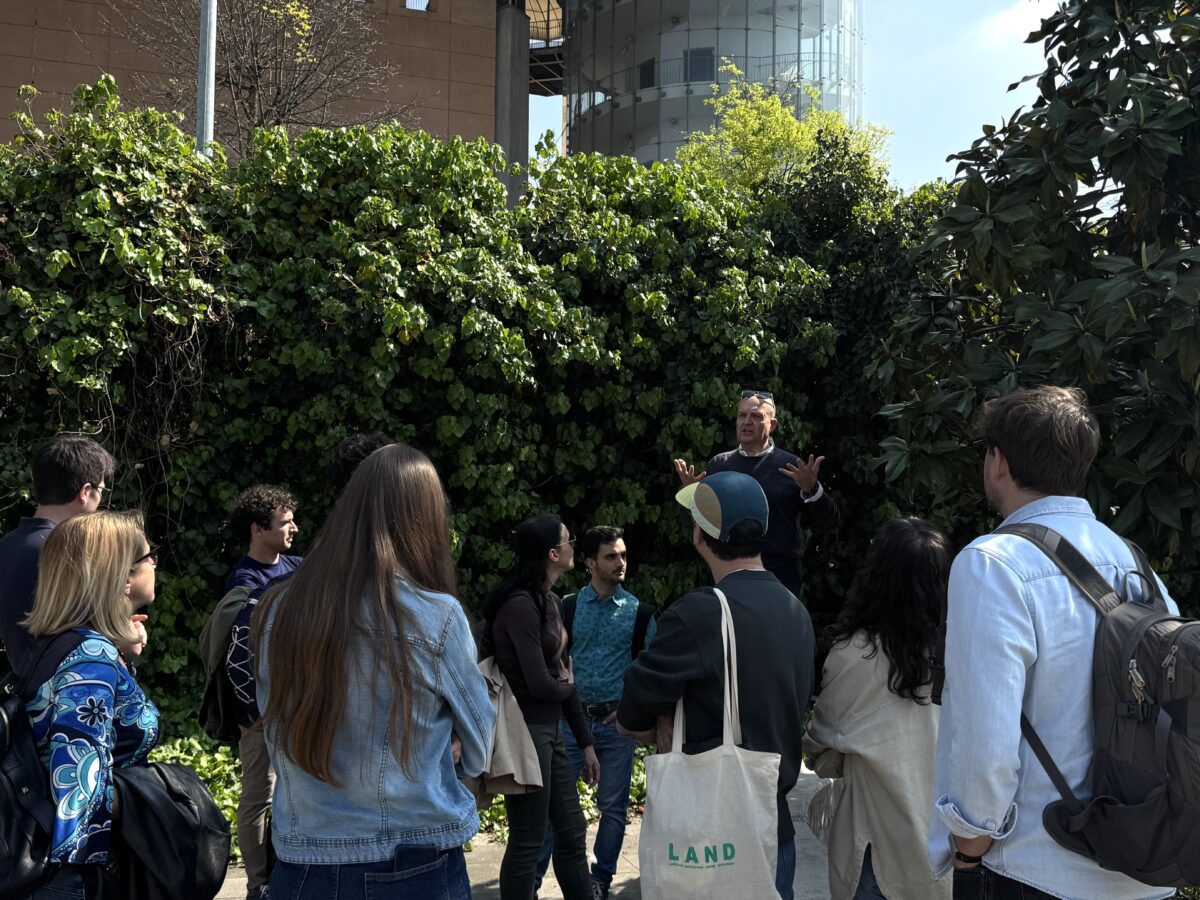
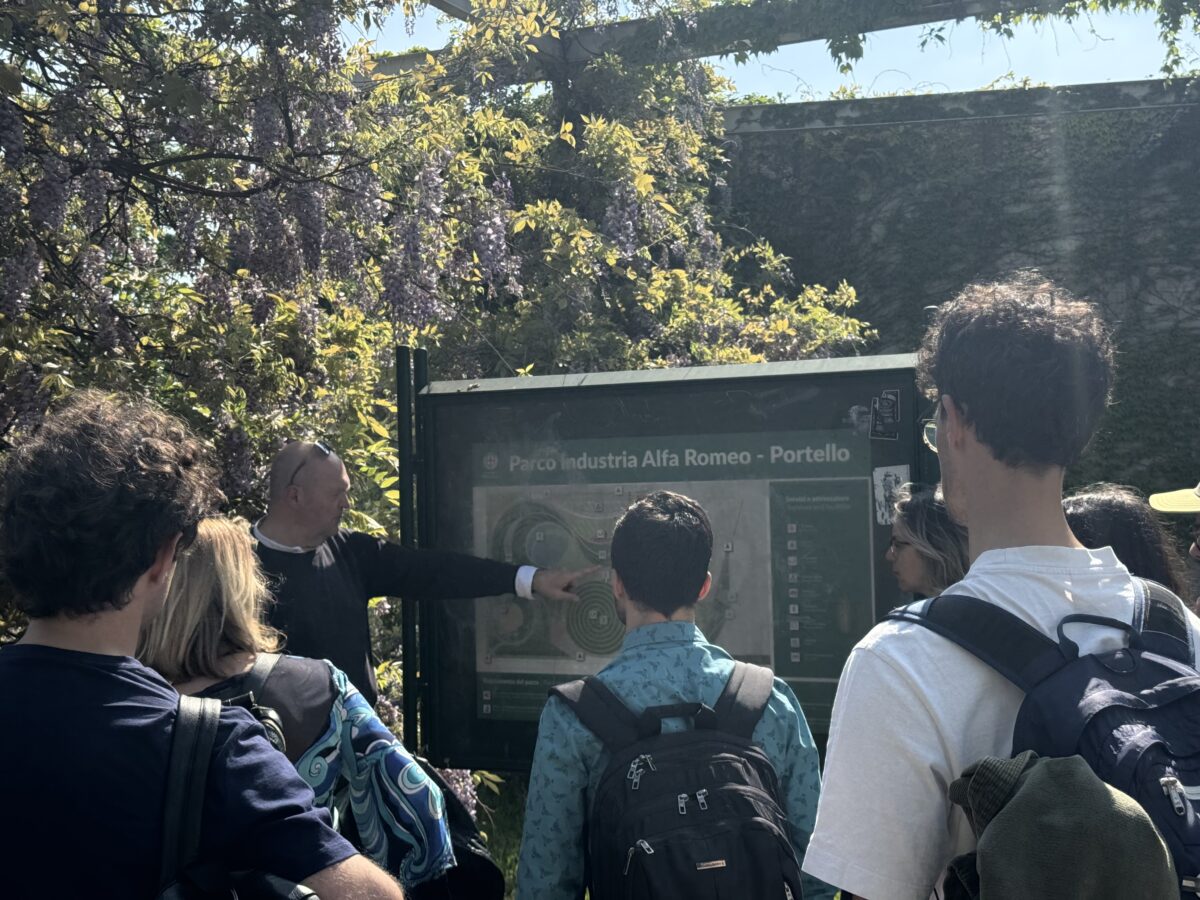
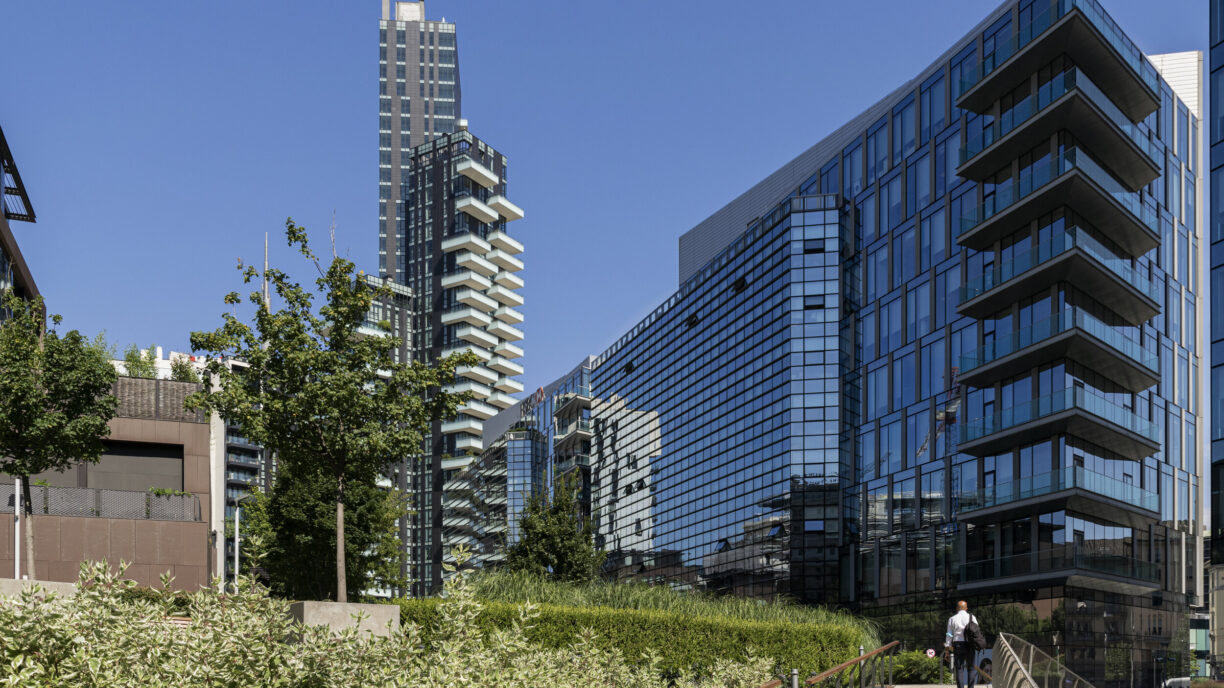
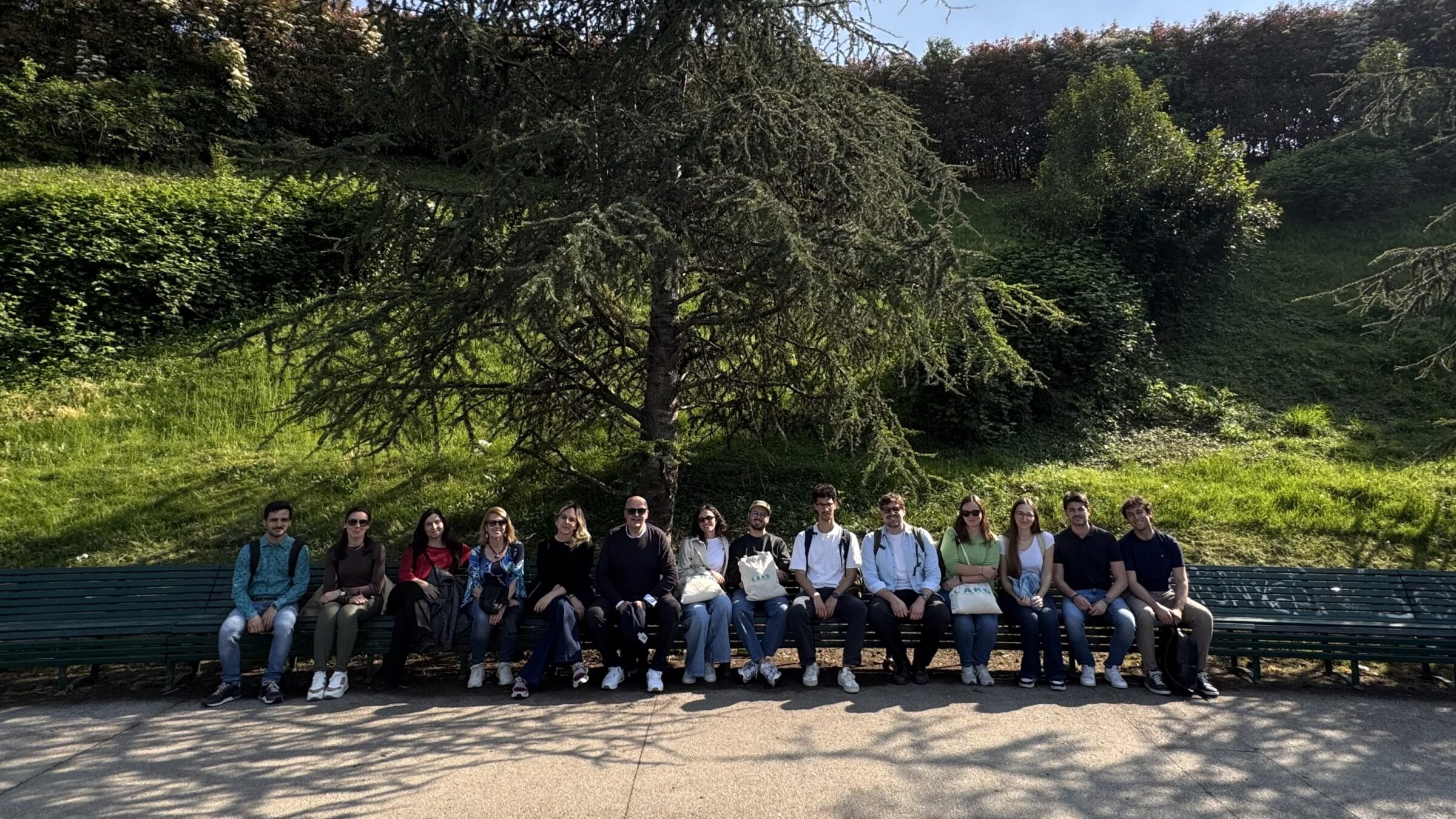
A highlight of the programme was its conclusion beyond the digital space: a site visit to Parco Industria Alfa Romeo (Parco Portello) in Milan, guided by architect Giuliano Garello. The visit offered a unique opportunity to experience firsthand the transformation of a former industrial site into a contemporary urban landscape—revealing not only the project’s design strategies and challenges, but also the stories and insights “behind the scenes.”
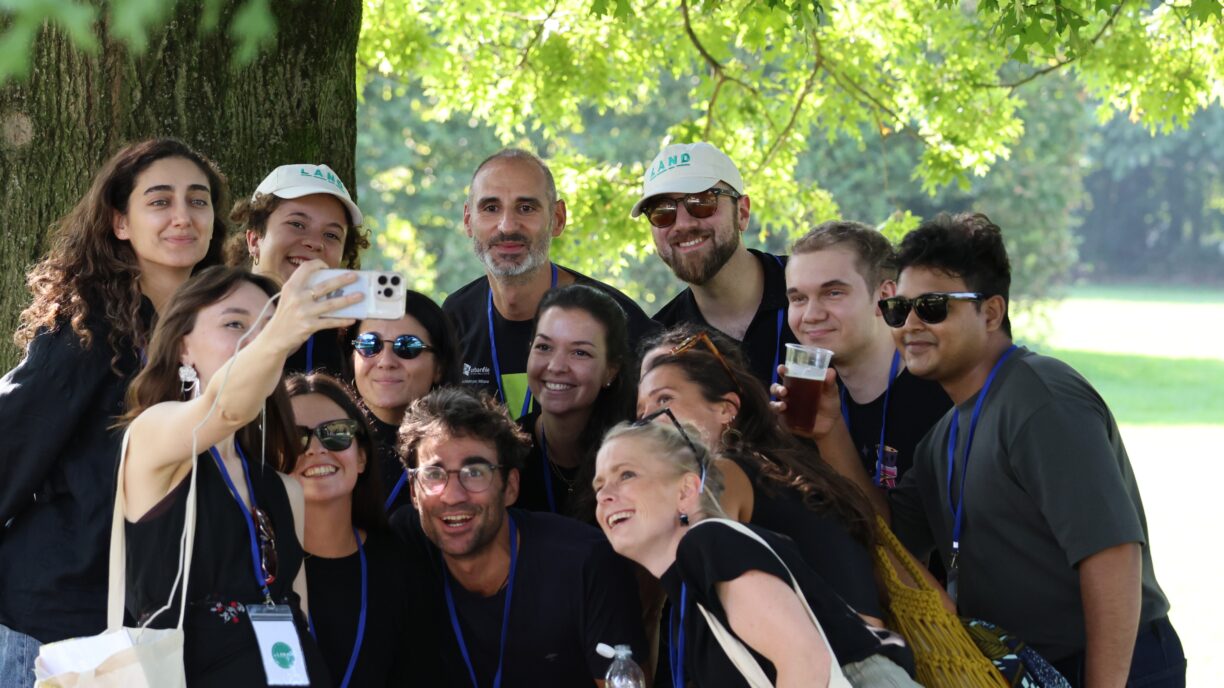
Structured to combine knowledge exchange, practical application, and shared reflection, the course enabled participants to directly transfer new insights into their work. Upon completion, attendees received professional training credits and became part of a growing community engaged in shaping climate-responsive cities.
This first edition marked an important step for the LAND Academy in building a shared culture of learning that bridges practice and research, and reinforces the role of landscape as a fundamental infrastructure for sustainable and resilient urban futures.
Date
17 April 2026
People
Valentina GaliuloMatteo PedasoGiuliano GarelloMargherita BertoleroBeatrice MagagnoliAndreas Kipar
Office