Bovisa Campus Nord Politecnico, Milano
Italy
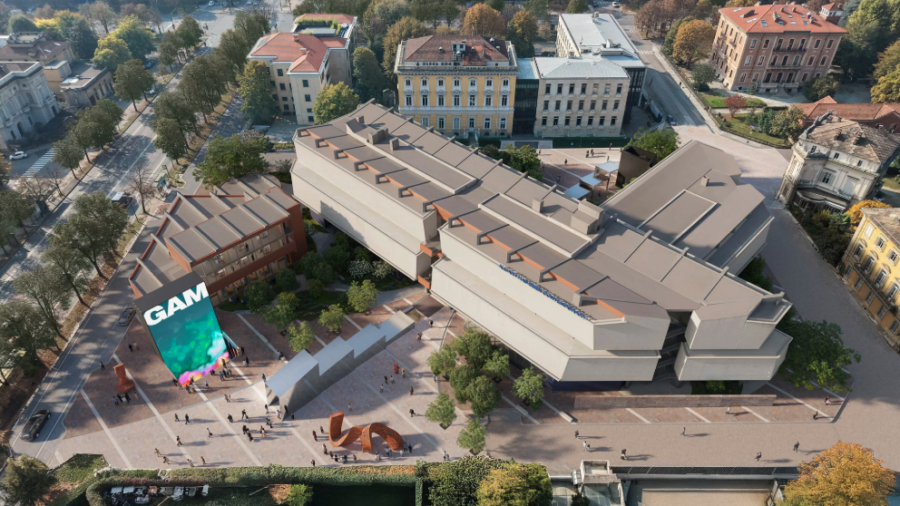
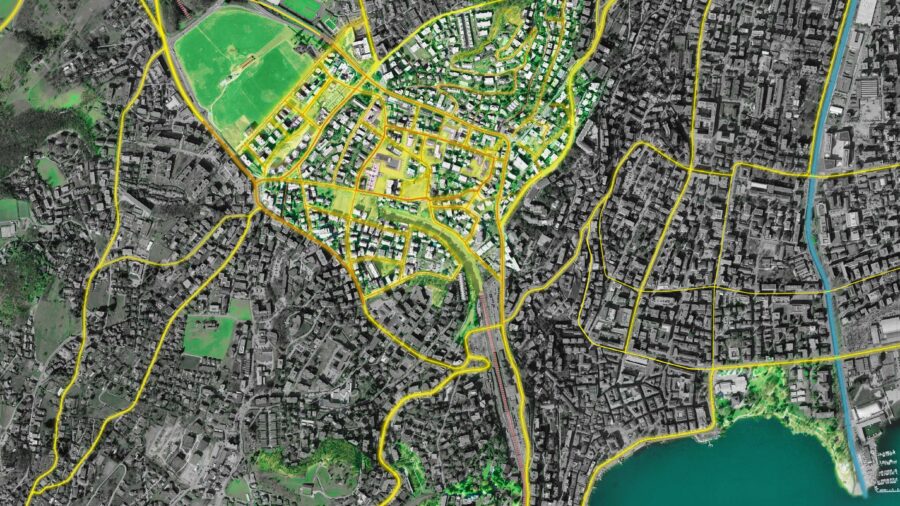
The project is part of the broader redevelopment of the area commonly known as “La Goccia”, a brownfield site located between the Milano Bovisa and Milano Villapizzone railway stations and the railway infrastructures connecting them. The masterplan has been developed under the guidance of RPBW – Renzo Piano Building Workshop; LAND Italia contributes to the project as a specialist consultant for landscape and environmental components.
The project is part of the broader redevelopment of the area commonly known as “La Goccia”, a brownfield site located between the Milano Bovisa and Milano Villapizzone railway stations and the railway infrastructures connecting them. The masterplan has been developed under the guidance of RPBW – Renzo Piano Building Workshop; LAND Italia contributes to the project as a specialist consultant for landscape and environmental components.
© Renzo Piano Building Workshop S.R.L.
© Renzo Piano Building Workshop S.R.L.
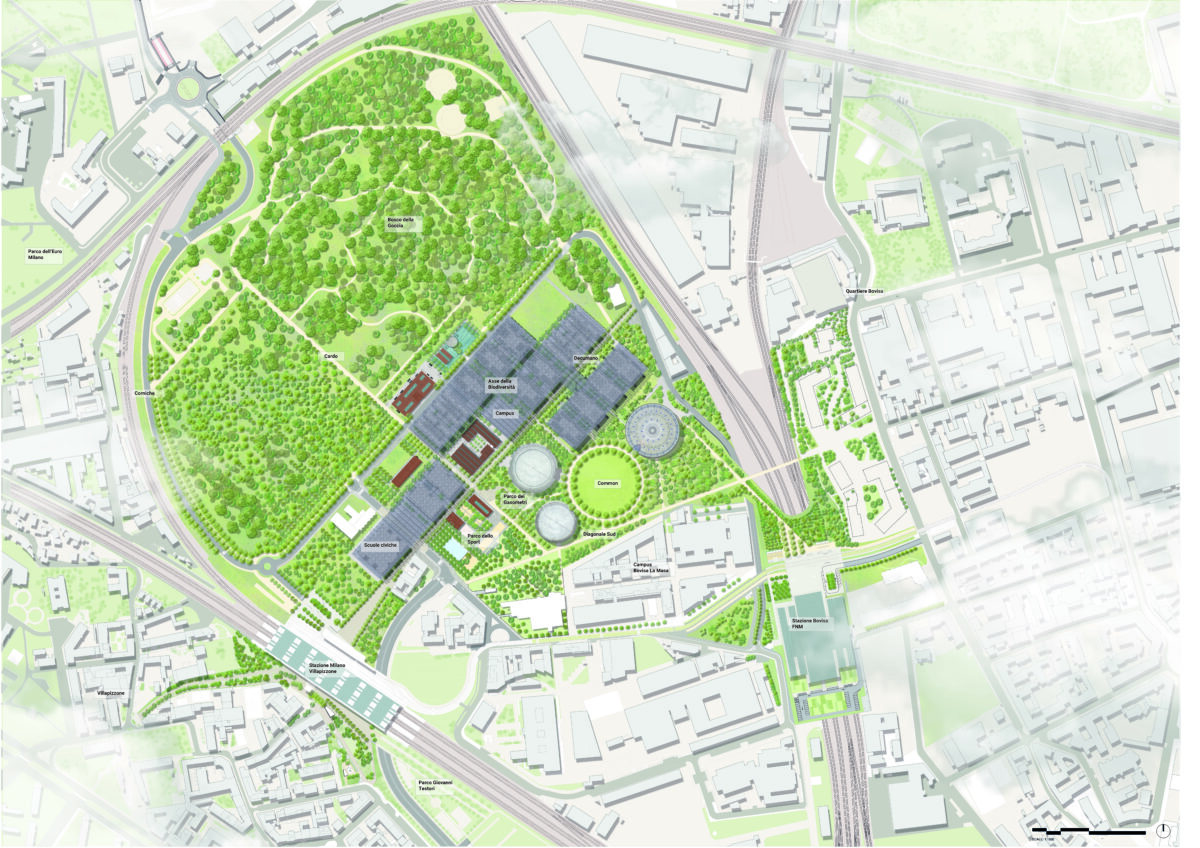
The Masterplan of Bovisa Campus Nord
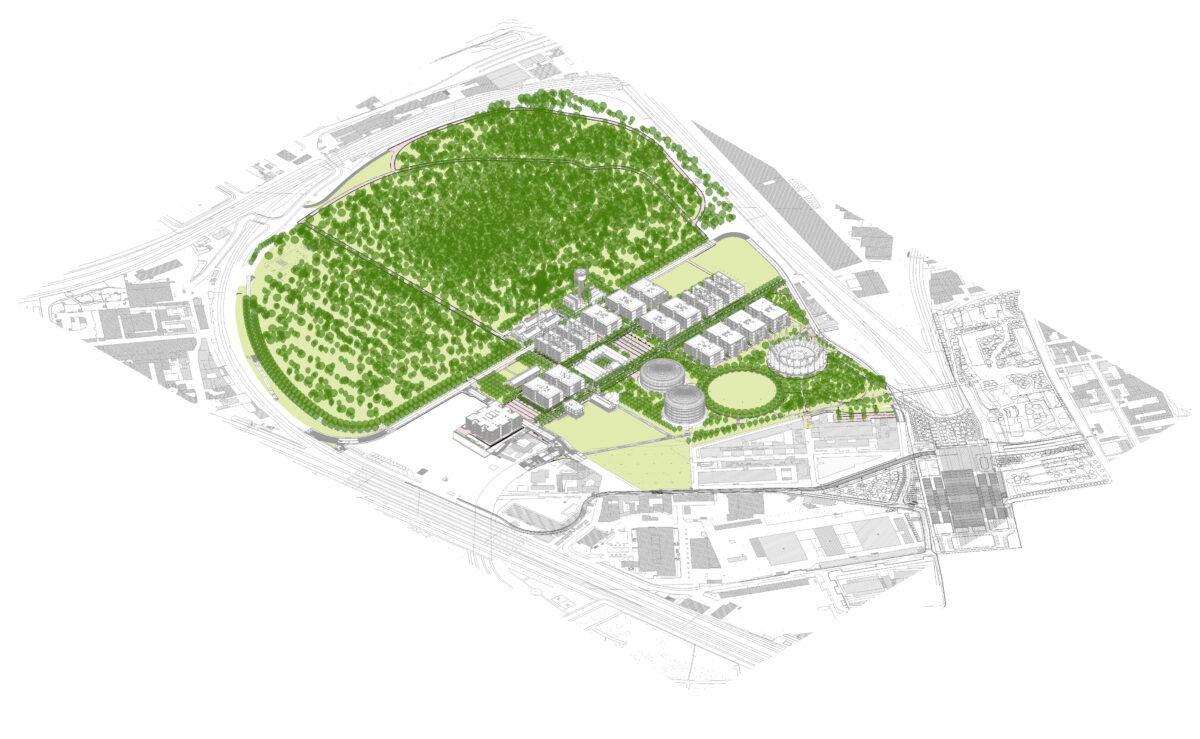
BIM model of the project
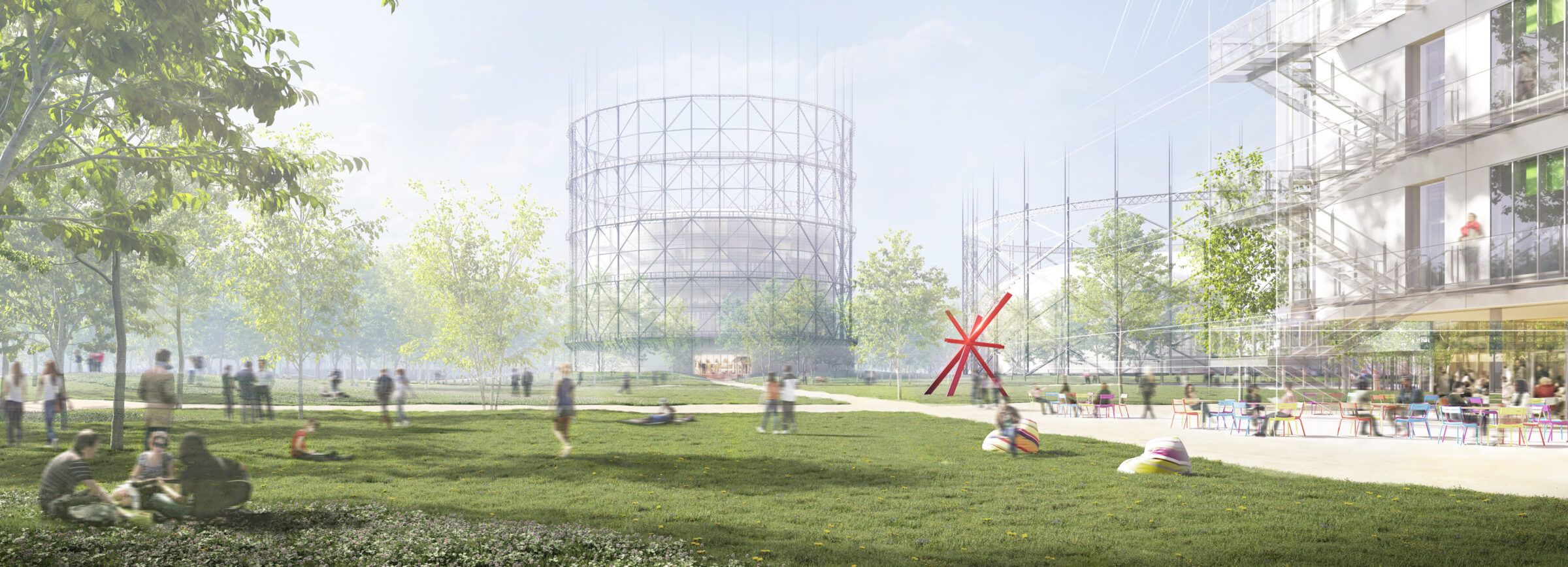
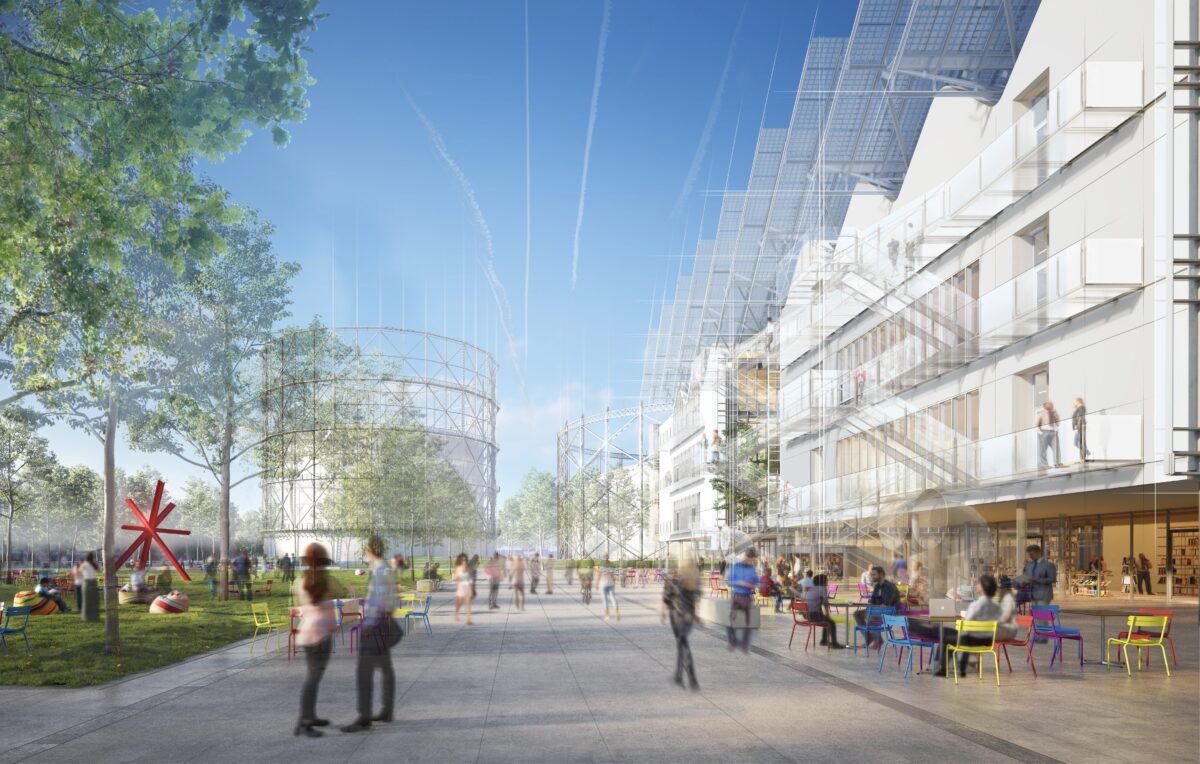
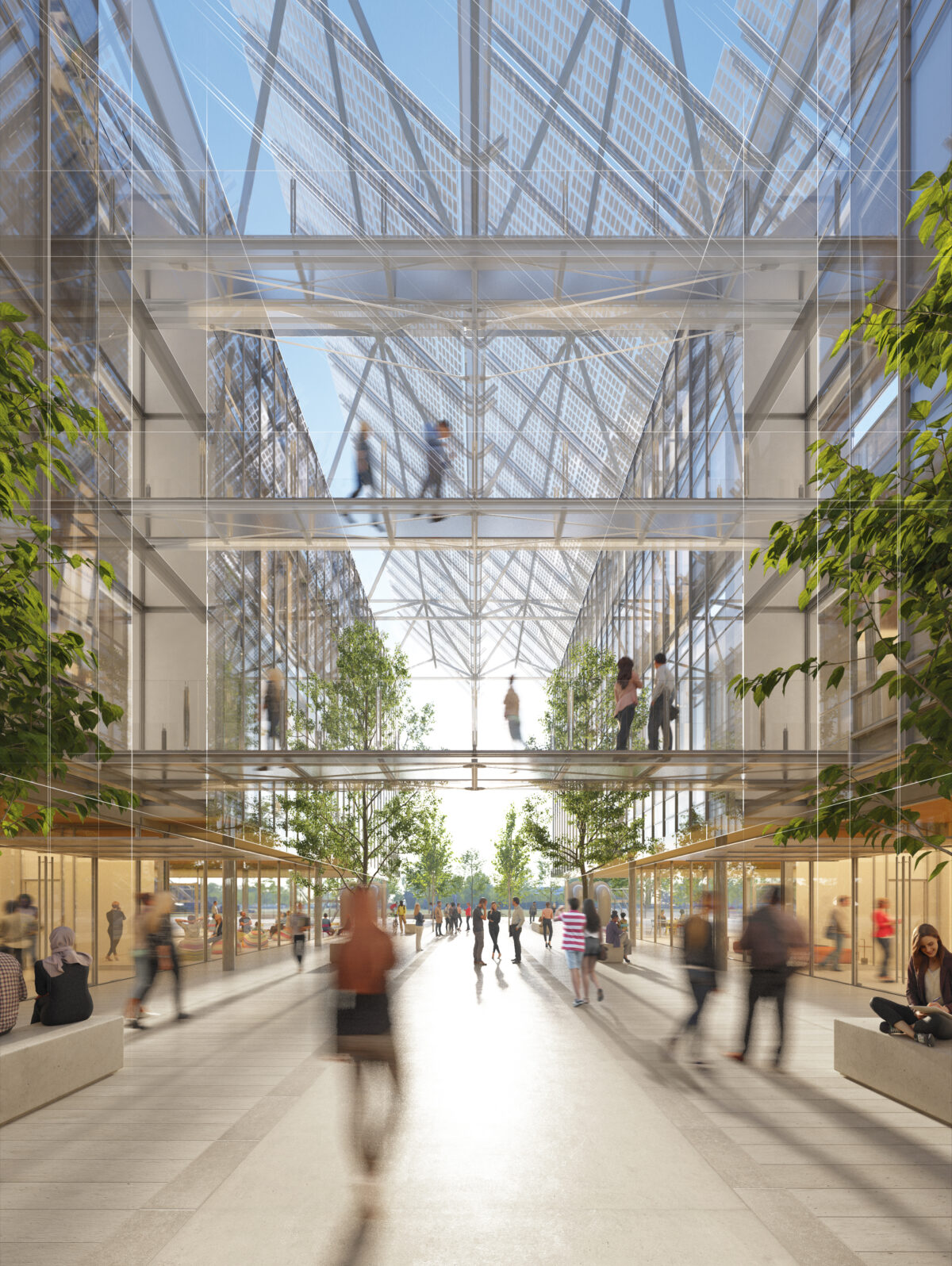
The masterplan for the new Bovisa campus of the Politecnico promotes a profound functional transformation of the area, establishing it as an innovation hub with a strong urban and public dimension. The project aims to integrate academic development, environmental quality, and openness to the city, recognizing collaboration between institutions as a key driver of urban regeneration.
Within this framework, the transformation of the area is based on the creation of an articulated system of green spaces, sports facilities, and ecological connections, while preserving the spontaneous woodland that has developed in the northern portion of the former industrial site. The overall objective is the creation of a new large urban park for the city of Milan, conceived as a new component of the “Raggi verdi” strategy.
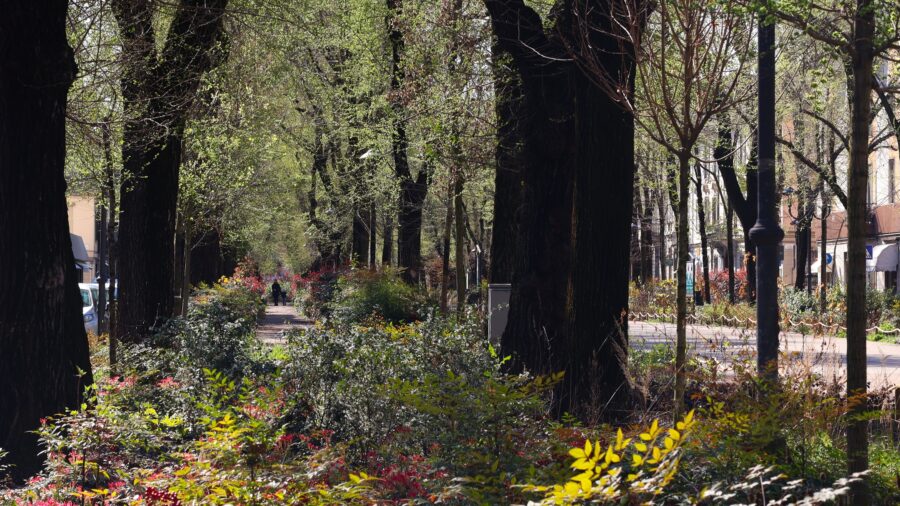
The main green connections are organized along two perpendicular axes: the “Asse della Biodiversità” running southeast–northwest, and the “Diagonale Sud”, running southwest–northeast. These axes take the form of wide tree-lined avenues primarily dedicated to pedestrian and cycling use, accompanied by ground-level green spaces designed to spaces designed to enhance biodiversity.
Between the new campus and the existing Campus La Masa lies the “Parco dello Sport”, a large area dedicated to sports facilities set within new green spaces. Another key element of the masterplan is the Common: a large open lawn, intentionally free of trees, designed to host large-scale events such as concerts, graduation ceremonies, and public gatherings.
In the south-eastern sector of the project, a wooded, sloped landscape is developed to reconnect with the new Bovisa railway station project, which includes a green park covering the railway tracks.
In the south-western sector, access to the refurbished Villapizzone station is reconfigured through the construction of a wide ramp, enabling a direct connection between the “La Goccia” area and the urban fabric located beyond the railway infrastructure.
Along the western edge of the site, the Corniche is also developed: a new vehicular and pedestrian–cycle connection running alongside the woodland and linking the new campus with the neighbourhoods north of the railway tracks.
Office
People
Shirly MantinAndreas KiparGiuliano GarelloArianna GalloAlejandro SuarezErika LandroValerio Bozzoli Luisa Cerlini, Lorenzo Bucciarelli
Typology
BIMUrban regeneration & developmentInfrastructuresParksEducational & leisure spaces
Green System
3.000 new trees
300.000 sqm of permeable areas
Extension
42 hectares
240.000 sqm of woodland areas
Accessibility and Inclusion
15.000 sqm of sport park
Related projects