New urban District, ex Alfa Romeo, Arese
Italy
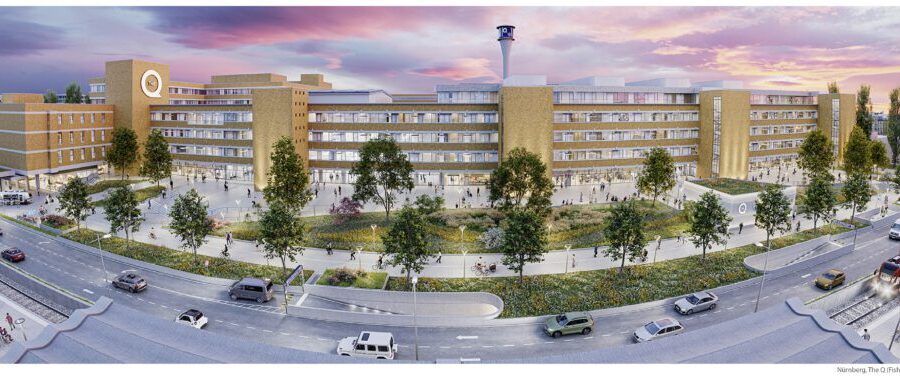
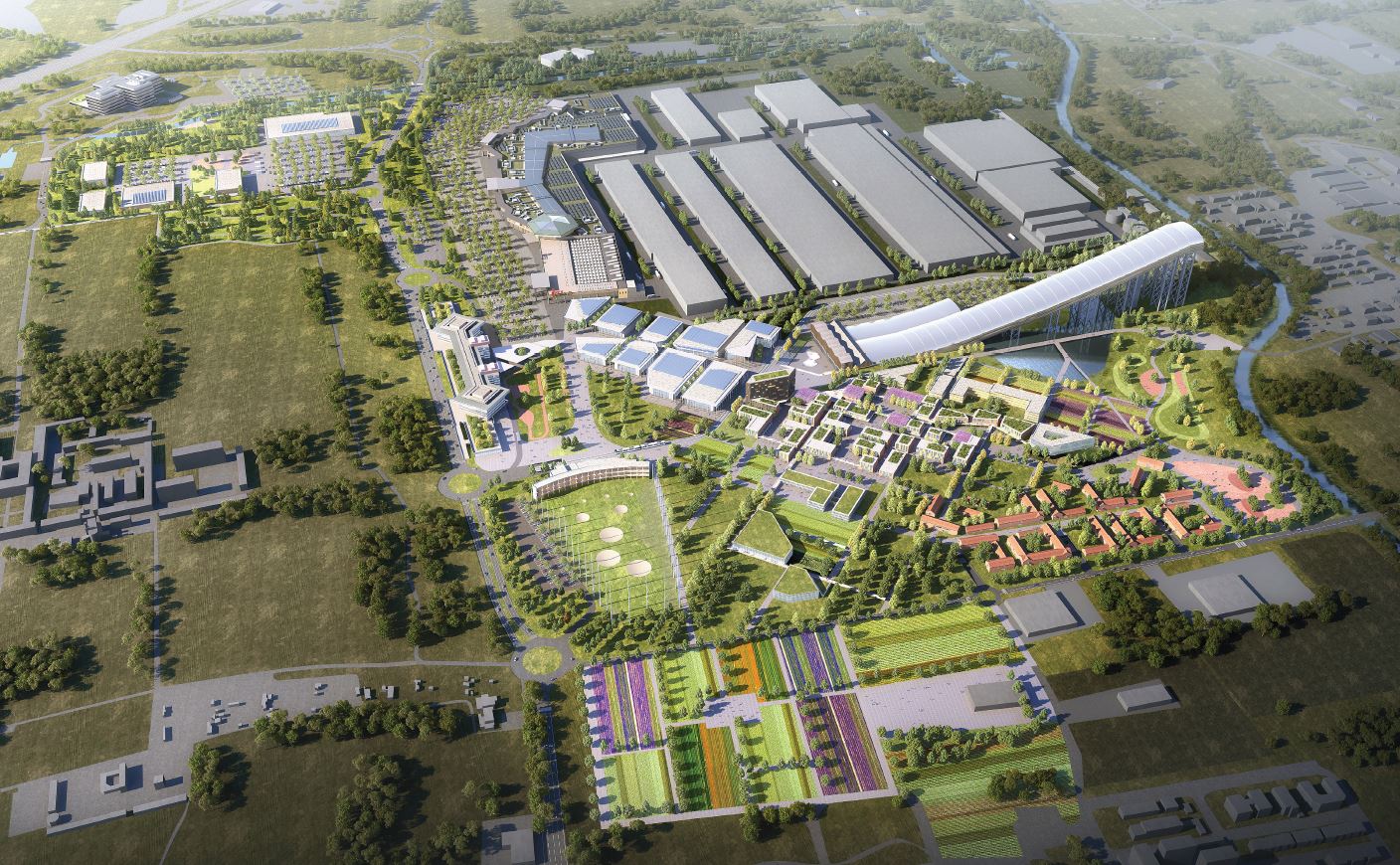
The redevelopment of the former Alfa Romeo area proposes a new urban district centered on an extensive green system. Anchored by an Urban Forest, the project regenerates fragmented territory, reconnecting it to the regional ecological network and transforming it into a multifunctional, climate-resilient, and socially inclusive metropolitan landscape.
The redevelopment of the former Alfa Romeo area proposes a new urban district centered on an extensive green system. Anchored by an Urban Forest, the project regenerates fragmented territory, reconnecting it to the regional ecological network and transforming it into a multifunctional, climate-resilient, and socially inclusive metropolitan landscape.
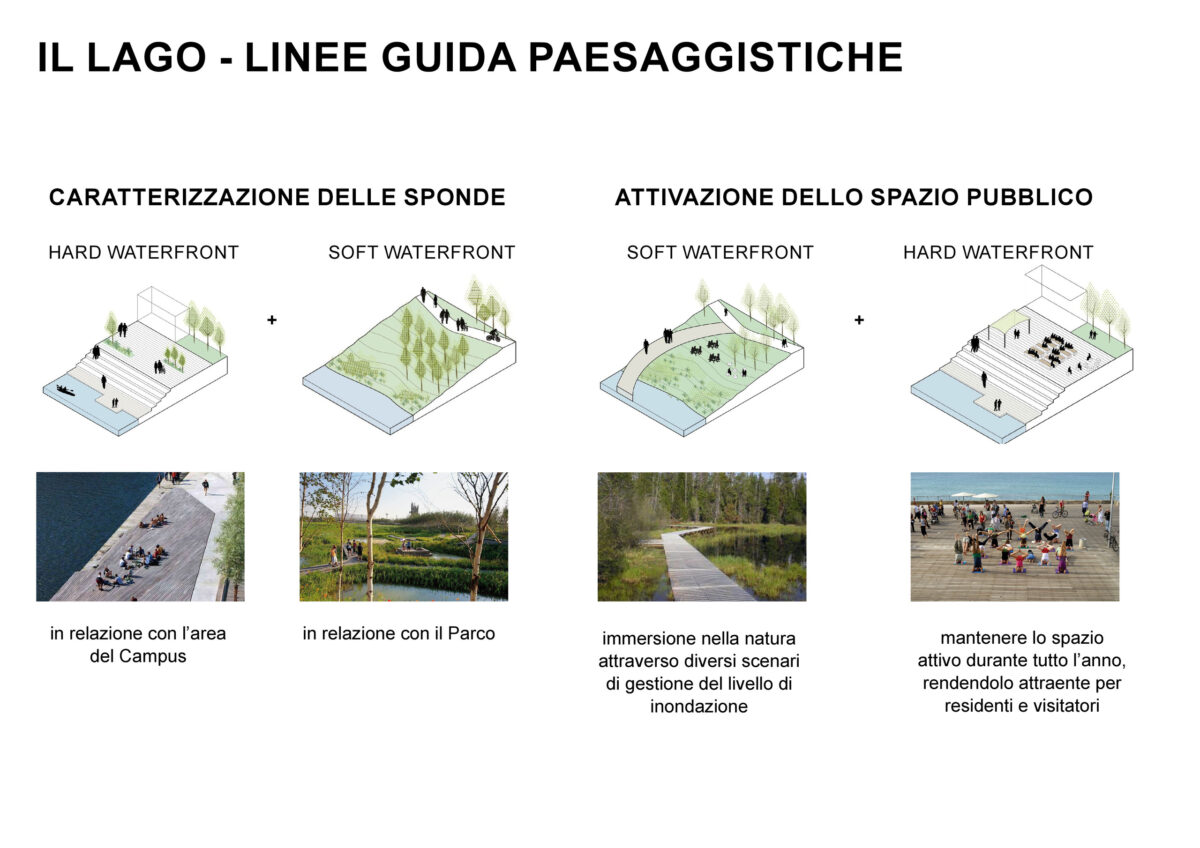
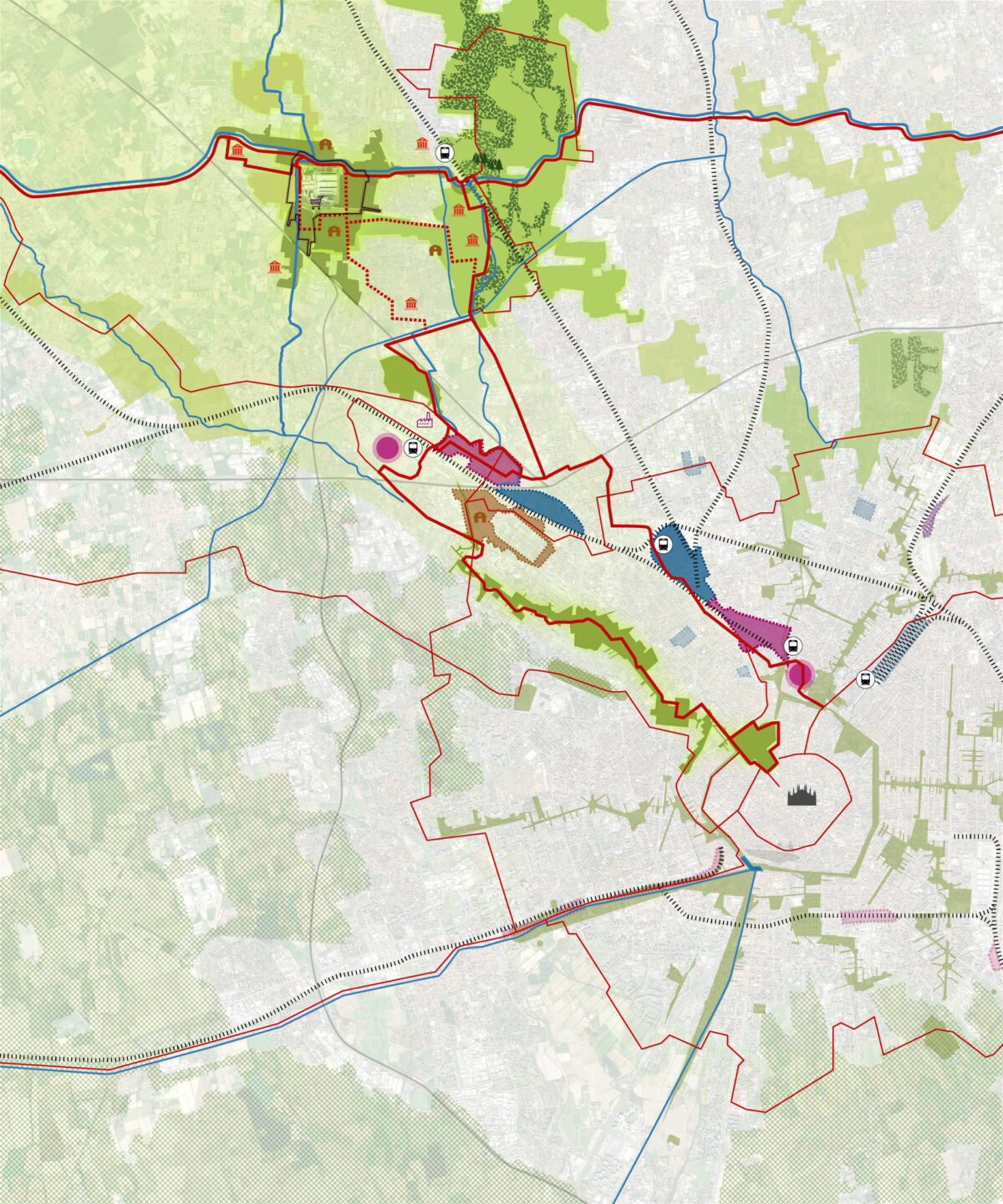
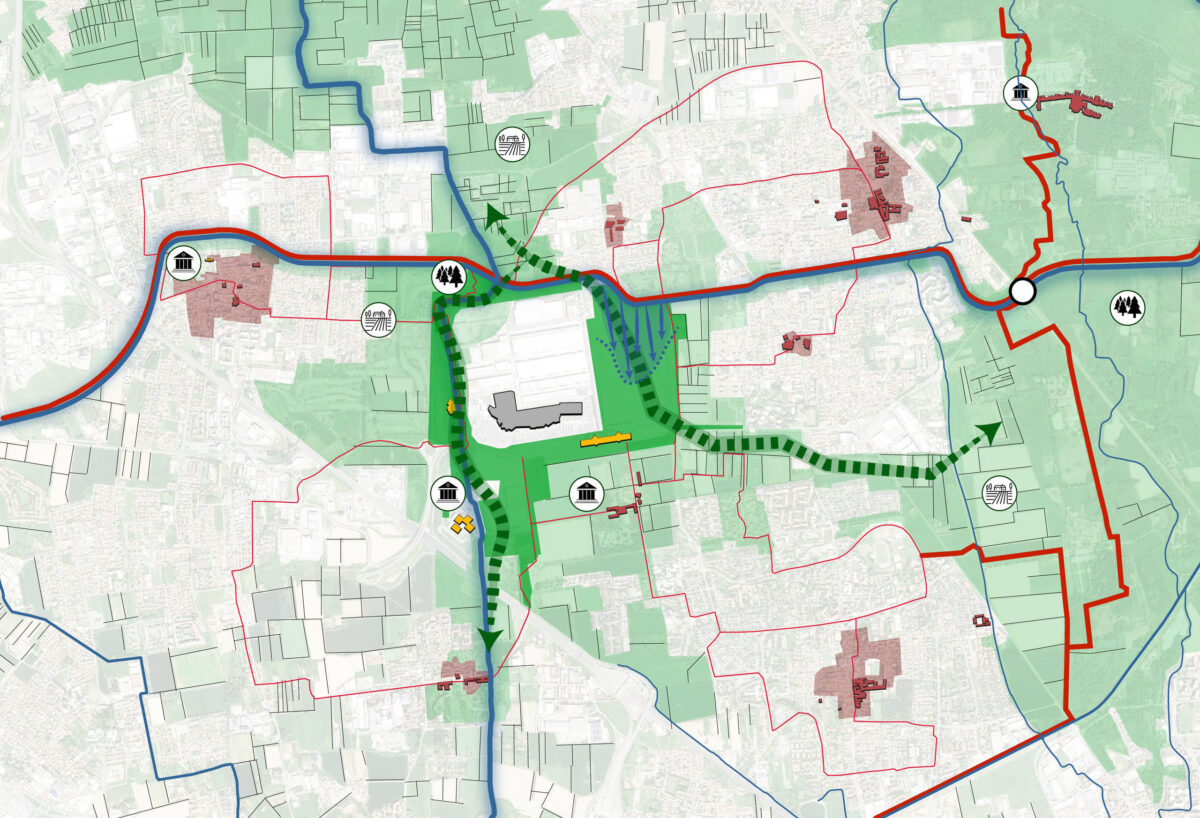
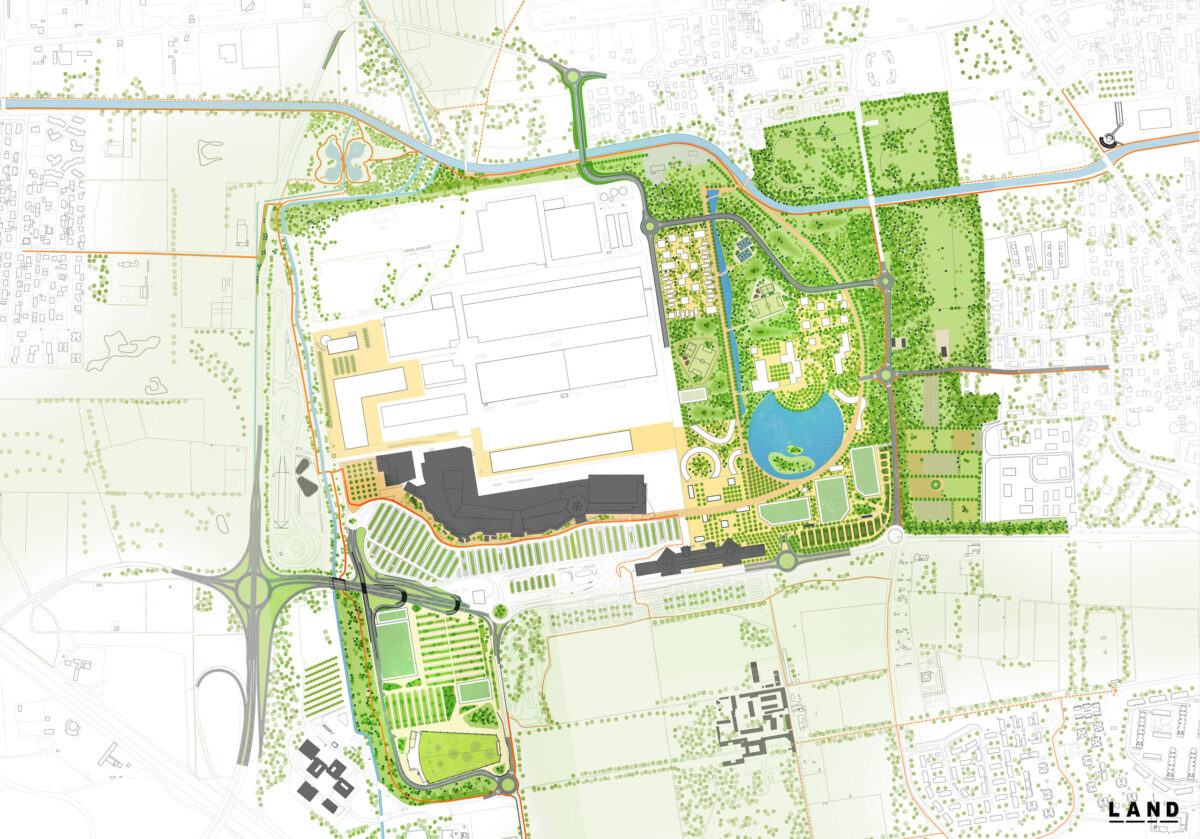
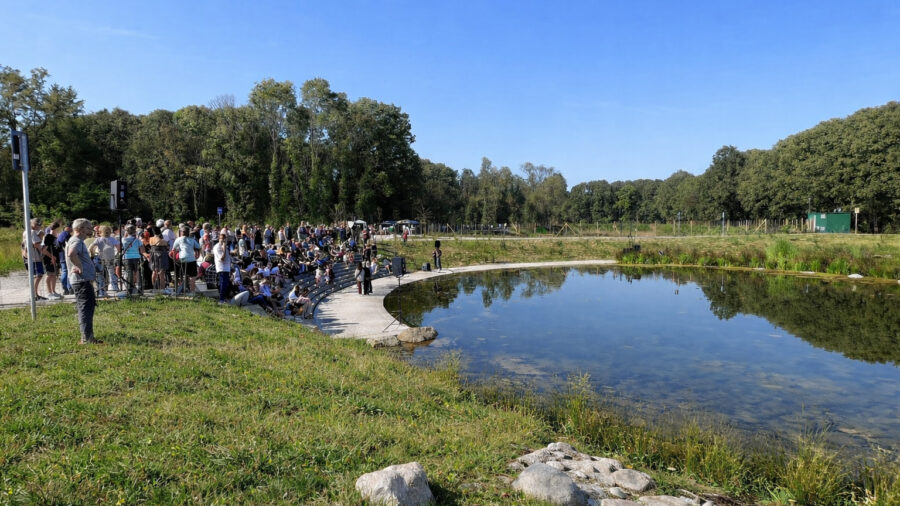
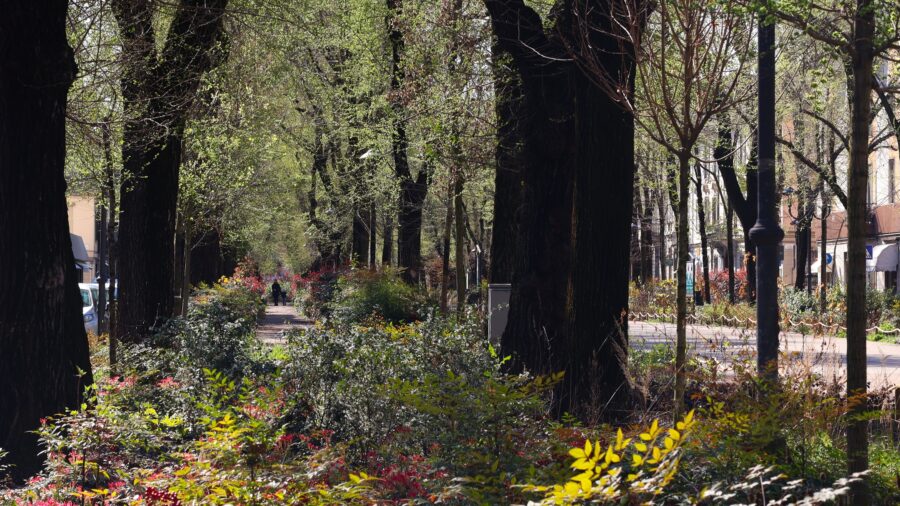
The strategic regeneration of the ex Alfa Romeo site introduces a new urban model based on nature. The core of the project is the creation of a large Urban Forest, acting as both an ecological infrastructure and a vibrant public space. This green system addresses the existing territorial fragmentation by linking the site to the supra-municipal ecological network. With wooded areas and a new water body, the natural landscape becomes the catalyst for the district’s transformation. The design enhances environmental comfort and supports diverse urban functions while integrating nature-based solutions to respond to climate change. The project promotes flexibility, sustainability, and resilience, enabling a dynamic relationship between people, nature, and the built environment. The Urban Forest is not just a space but a framework for new life patterns—offering areas to live, work, and gather. Through this vision, the district aims to become a model for future metropolitan redevelopment.
Green Spaces
・18 ha of new green areas
Sustainable Design
・3.5 ha of new basin
Social Impact
・3 Municipalities involved
Related projects