Porto Piccolo Baia Sistiana, Trieste
Italy
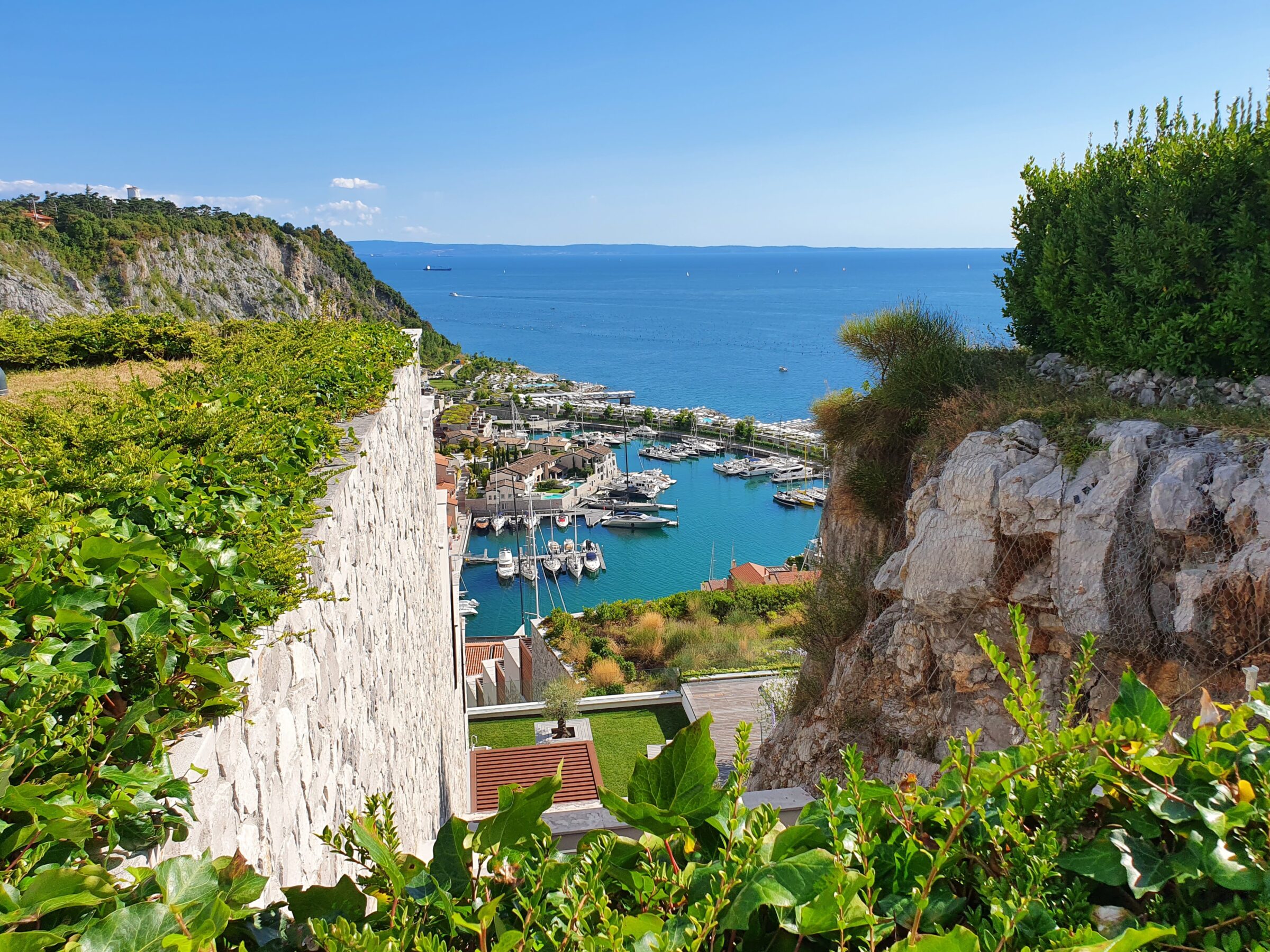
Porto Piccolo Baia Sistiana is a transformative coastal redevelopment project in Trieste, Italy, redefining the relationship between architecture and nature. Developed on a former quarry, the design integrates green infrastructure, sustainable urban planning, and a deep respect for Carsico’s landscape, cliffs, and the renowned Rilke Trail, ensuring environmental and social harmony.
Porto Piccolo Baia Sistiana is a transformative coastal redevelopment project in Trieste, Italy, redefining the relationship between architecture and nature. Developed on a former quarry, the design integrates green infrastructure, sustainable urban planning, and a deep respect for Carsico’s landscape, cliffs, and the renowned Rilke Trail, ensuring environmental and social harmony.
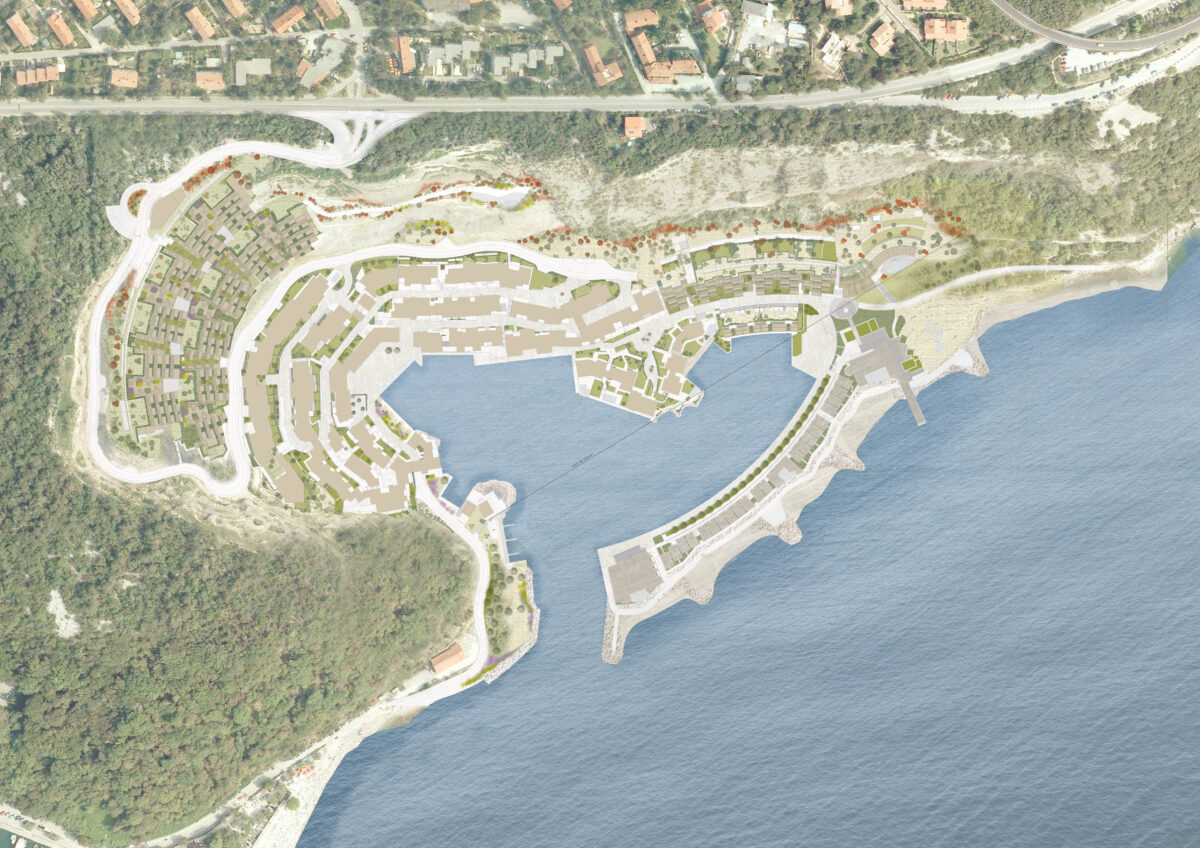
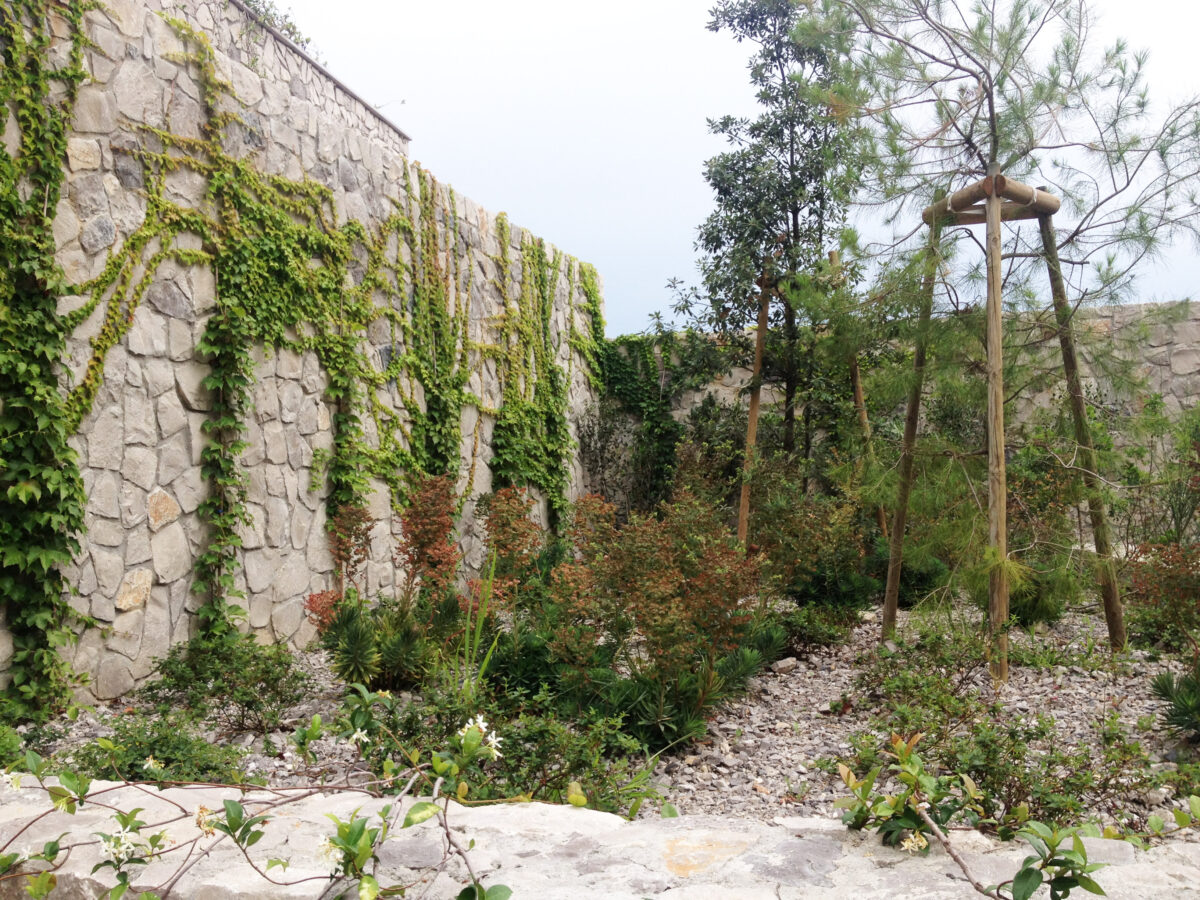
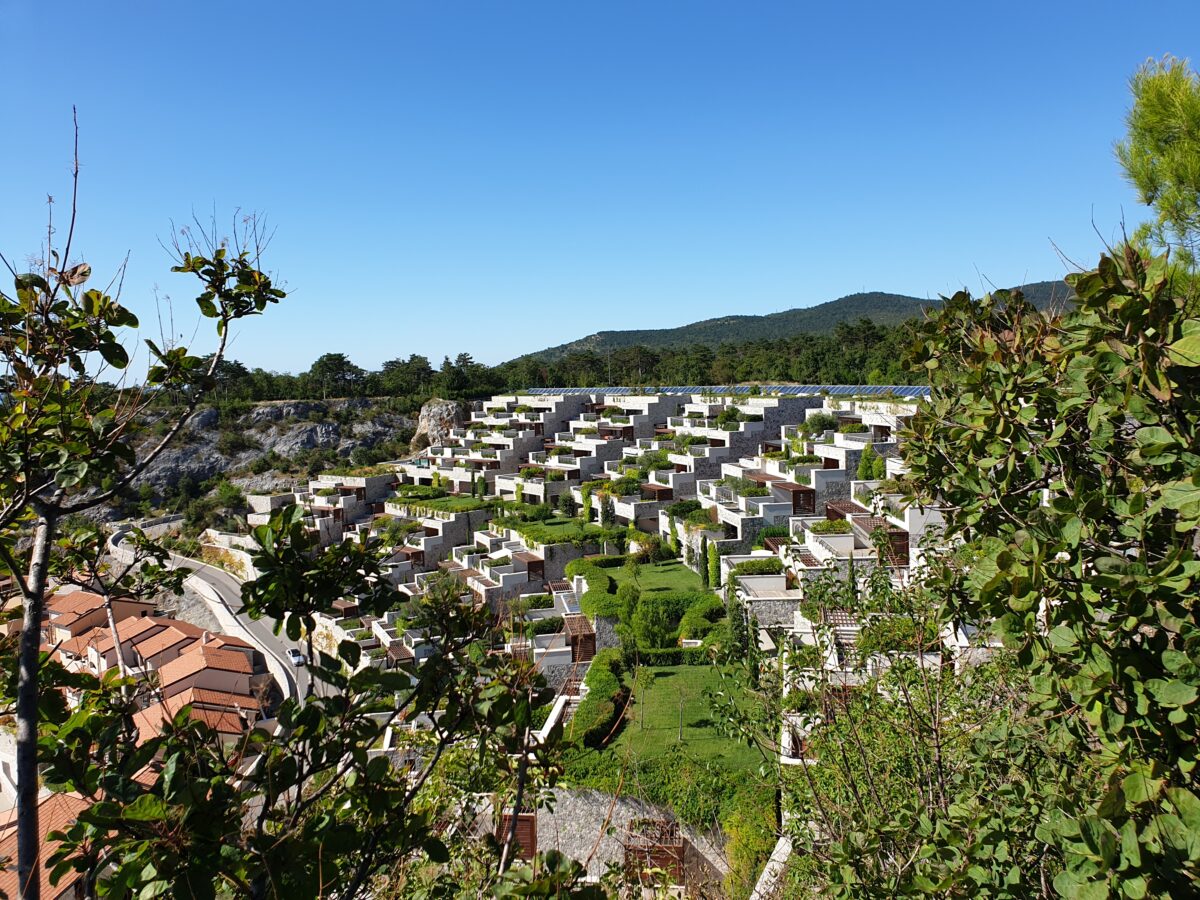
Located in the coastal area of Sistiana, Porto Piccolo is a benchmark in urban regeneration, demonstrating how sustainable design can restore and enhance natural environments. The project is positioned in an intricate ecological and geological setting, requiring an approach that balances new developments with environmental preservation.
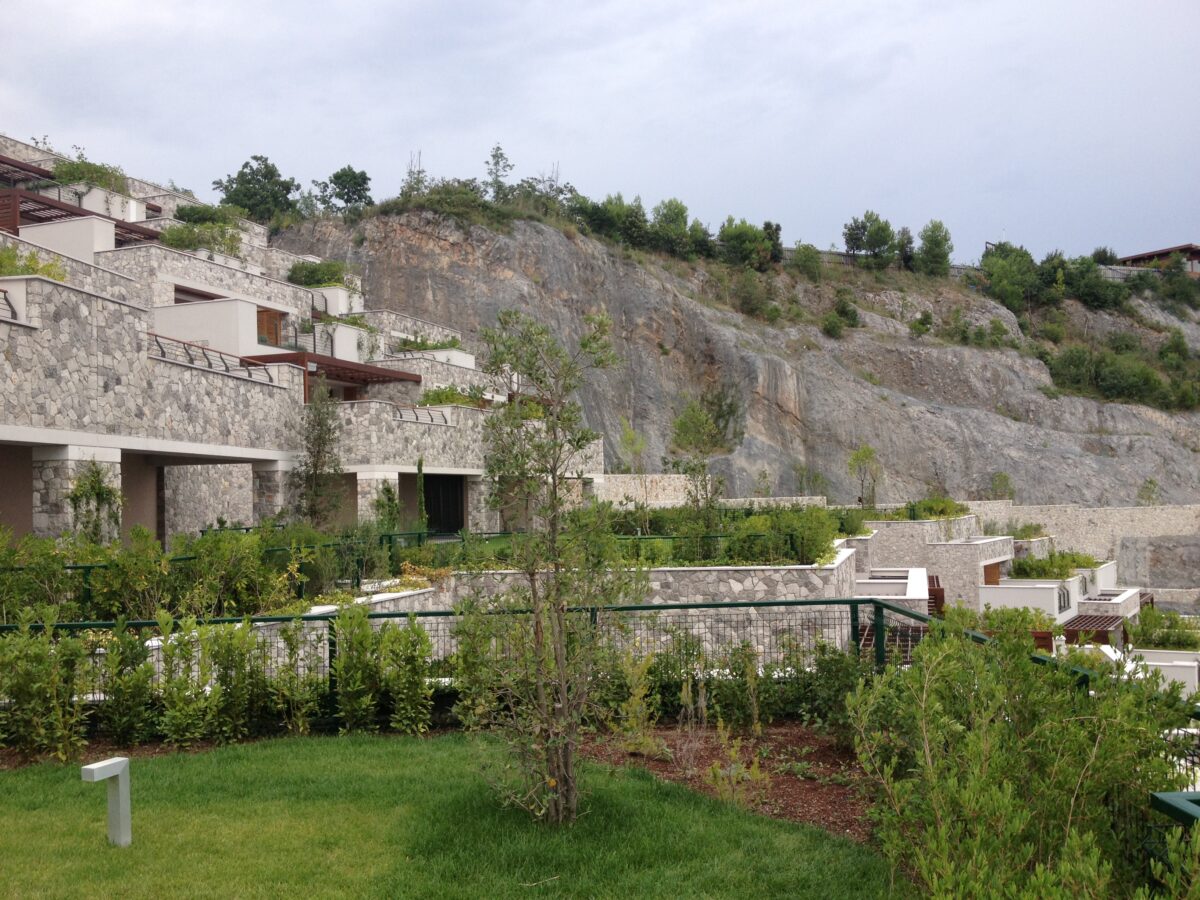
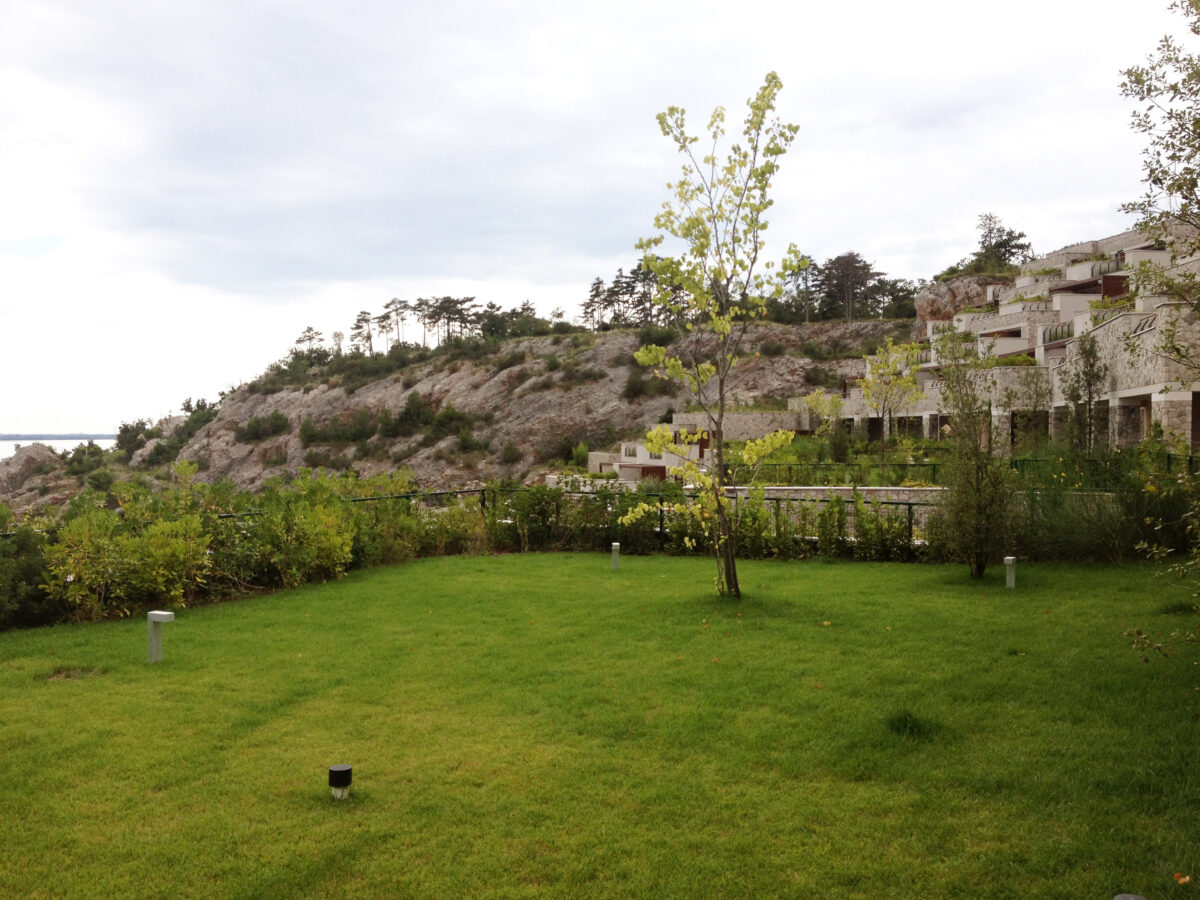
The landscape design responds to the site’s terraced morphology, structuring the intervention into three distinct landscape bands that transition from dense vegetation at higher elevations to open, mineralized spaces near the marina. This approach enhances the site’s natural character while supporting biodiversity and climate resilience. The project incorporates 4 hectares of green spaces, including 19,250 sqm of green roofs and 19,650 sqm of ground-level greenery, ensuring a seamless integration of ecological and built environments while mitigating the visual impact of new constructions.
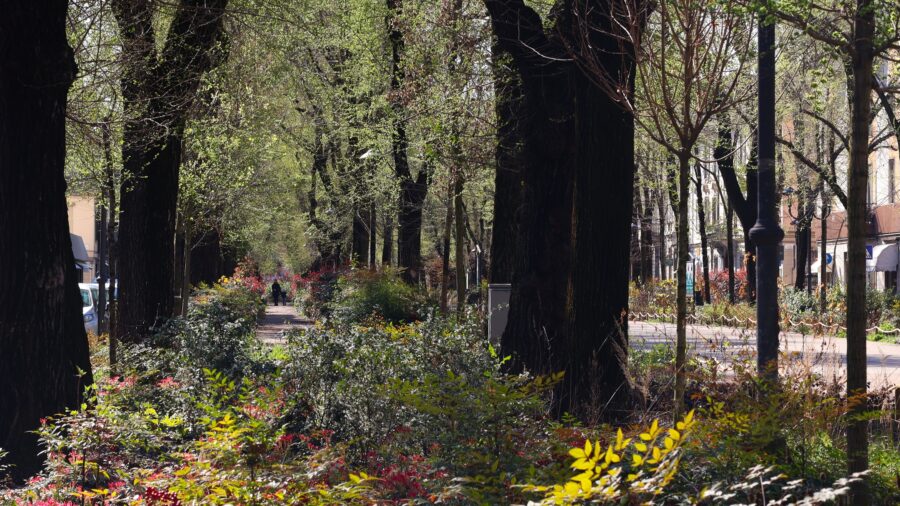
A key feature of the landscape intervention is the 585 newly planted trees and 8,450 sqm of diverse plantings consisting of native shrubs, ground covers, and climbing plants. These elements not only reinforce the natural identity of the site but also contribute to air purification, carbon sequestration, and improved thermal regulation for the built structures.
The green roofs and terraced gardens enhance energy efficiency and rainwater management while echoing the surrounding Carsico’s topography. The public realm is carefully designed with a network of pedestrian pathways, green plazas, and interconnected open spaces, promoting accessibility, leisure, and community engagement.
By respecting the coastal ecosystem and integrating innovative nature-based solutions, Porto Piccolo represents a visionary approach to waterfront development, setting a precedent for future regenerative projects.
Office
People
Valeria PagliaroMatteo PedasoMina FioreAndreas KiparValerio Bozzoli Nicola Canepa, Cecilia Pirani, Sandra Herrera
Typology
Vegetation & Green Spaces
・4 ha of total green area
・585 new trees planted
Sustainable Design
・19,250 sqm of green roofs
・19,650 sqm of ground-level greenery
Environmental Impact
・Terraced morphology for minimal land disruption
・Enhanced biodiversity & climate adaptation
Related projects