Vercelli anticipated the future: Garden Boulevard as a model for climate adaptation
As extreme heat becomes a new condition for urban life, the Garden Boulevard of Corso Garibaldi in Vercelli shows how public space can adapt through permeable surfaces, trees, biodiversity and a renewed relationship between Nature and the city.
In an interview with La Stampa, Andreas Kipar reflects on the project as a new model for climate adaptation rooted in public space. The intervention increases trees, biodiversity and the quality of the urban environment, while responding to the need for cooler, more accessible and more liveable places during the hottest months.
This does not simply mean planting more trees. It means building a natural infrastructure capable of offering shade, managing water, mitigating heat and creating more space for pedestrians, cyclists and social interaction. Soil, vegetation, water and public life are treated as parts of the same urban ecosystem.
For this reason, Garden Boulevard is not only a local regeneration project, but a model of climate adaptation that starts from public space and from quality of life. Vercelli shows that cities can act now, with courage, transforming streets and squares into resilient landscapes for the communities that use them every day.
Read the full article here [in Italian] (Download file)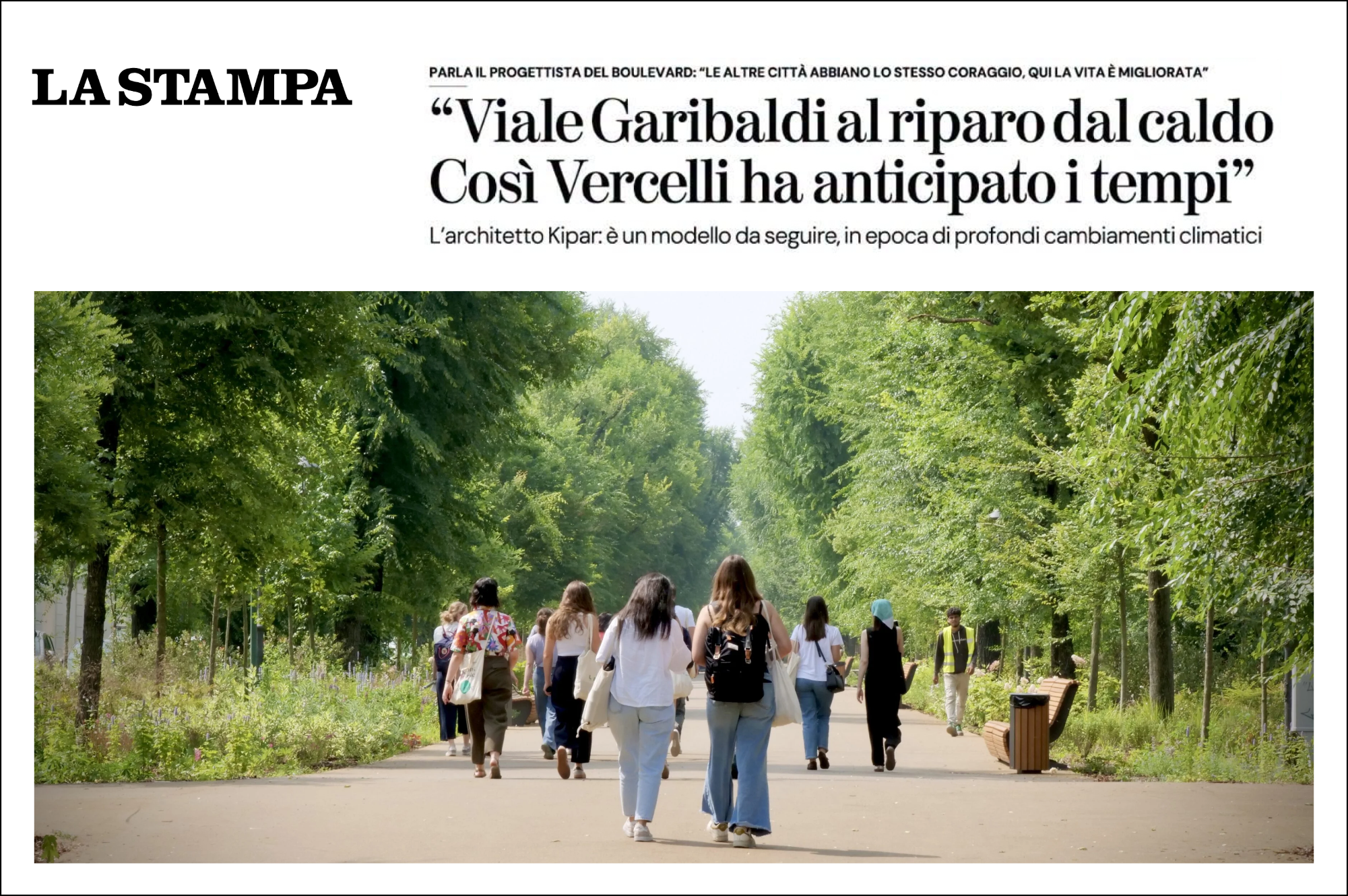
View other publications
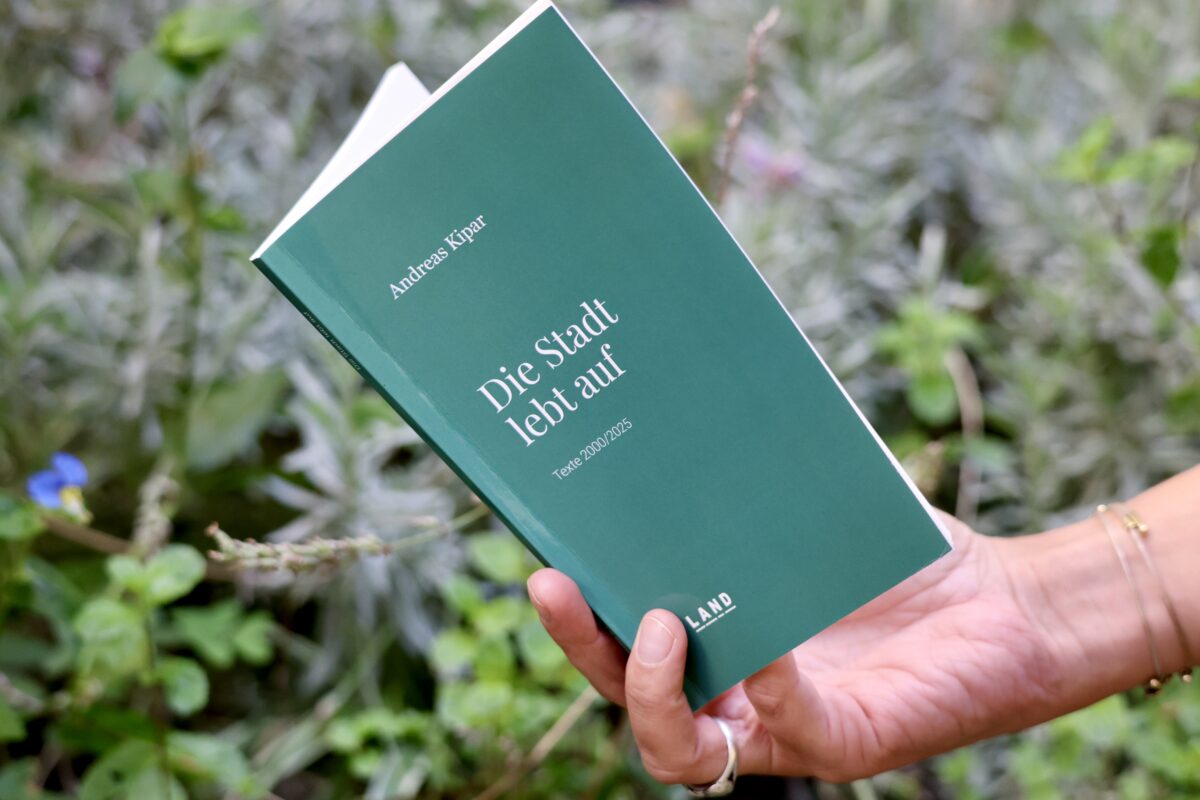
“Die Stadt lebt auf” by Andreas Kipar
As extreme heat becomes a new condition for urban life, the Garden Boulevard of Corso Garibaldi in Vercelli shows how public space can adapt through permeable surfaces, trees, biodiversity and a renewed relationship between Nature and the city.
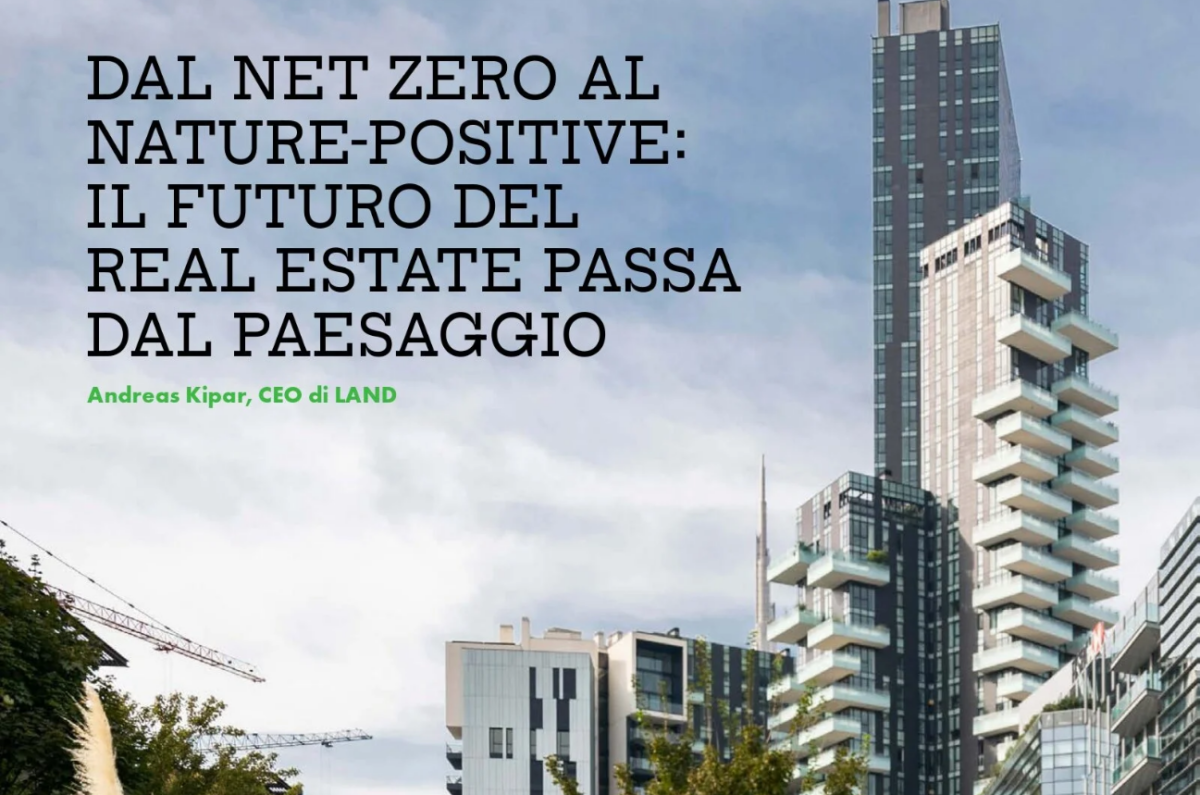
From Net Zero to Nature-Positive: The Future of Real Estate lies in Landscape
As extreme heat becomes a new condition for urban life, the Garden Boulevard of Corso Garibaldi in Vercelli shows how public space can adapt through permeable surfaces, trees, biodiversity and a renewed relationship between Nature and the city.