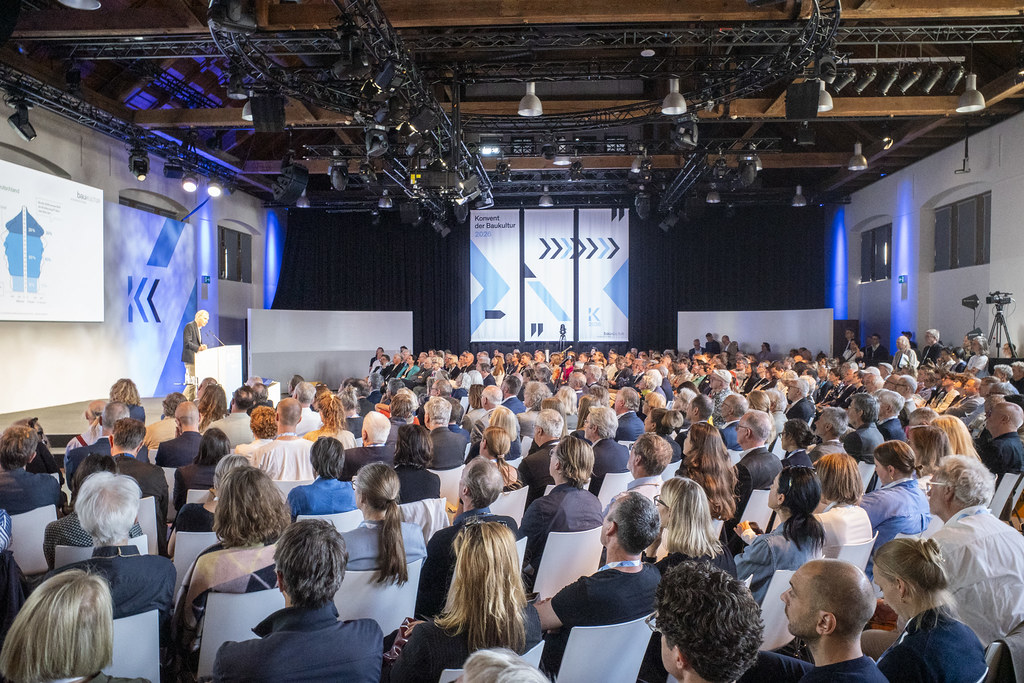
Andreas Kipar at Konvent der Baukultur 2026, Potsdam
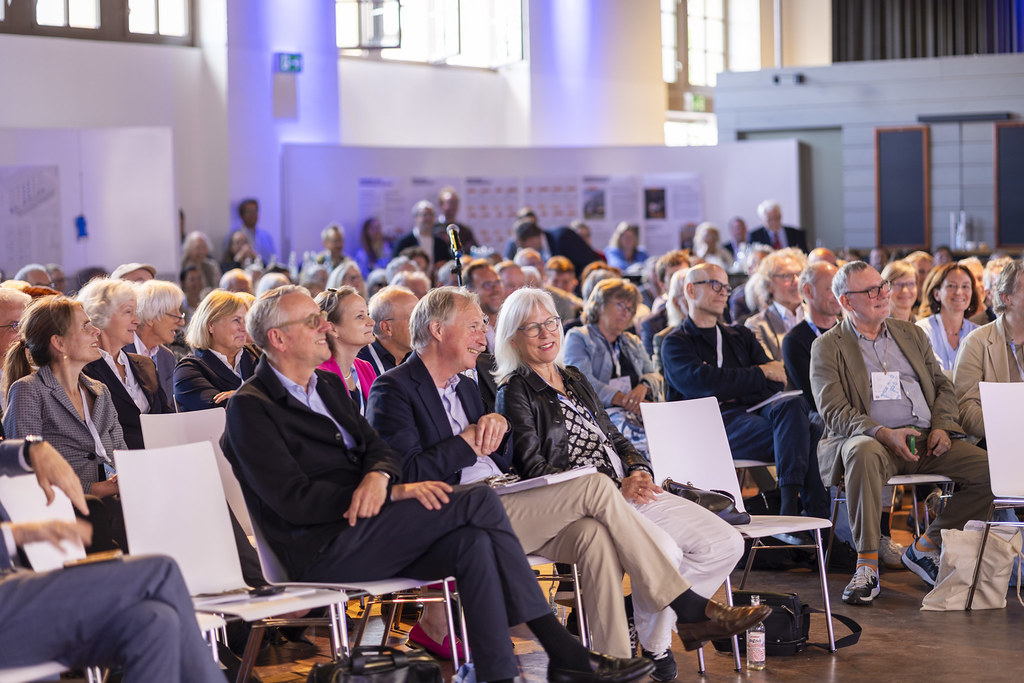
At the Konvent der Baukultur 2026 in Berlin, Andreas Kipar joined leading voices from planning, academia, and public administration to discuss the future of public space and the role of ecological thinking in shaping a resilient Baukultur.
How can Baukultur respond to the environmental and social challenges of our time?
This question was at the center of the Konvent der Baukultur 2026 in Potsdam (Berlin), a yearly event organized by Bundesstiftung Baukultur.
On June 11, Andreas Kipar joined the panel discussion “Öffentliche Räume” as part of the general debate on the current state and future of Baukultur in Germany. Together with Prof. Katja Benfer (Leibniz Universität Hannover / bbzl böhm benfer zahiri) and Franz-Josef Höing (Hamburg Ministry for Urban Development and Housing), he reflected on the evolving role of public space in an era marked by climate change, urban transformation, and growing societal expectations.
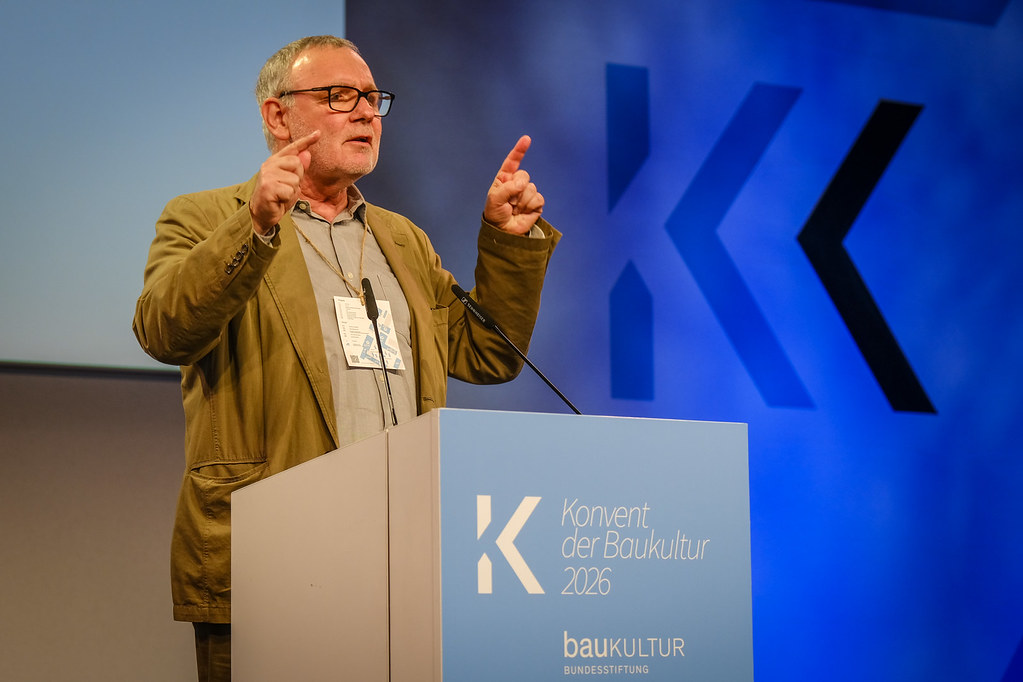
In his contribution, Andreas Kipar emphasized the need for an ecologically responsible Baukultur capable of generating urban landscapes that deliver essential ecosystem services. Public spaces must not only be functional and attractive; they must actively contribute to climate adaptation, biodiversity, water management, and human well-being.
As cities face increasing environmental pressures, the future of Baukultur lies in its ability to integrate ecological intelligence into the shaping of everyday spaces—transforming landscape into a driver of resilience, quality of life, and long-term sustainability.