From brown to green-blue: shaping the future of the Rhineland mining region
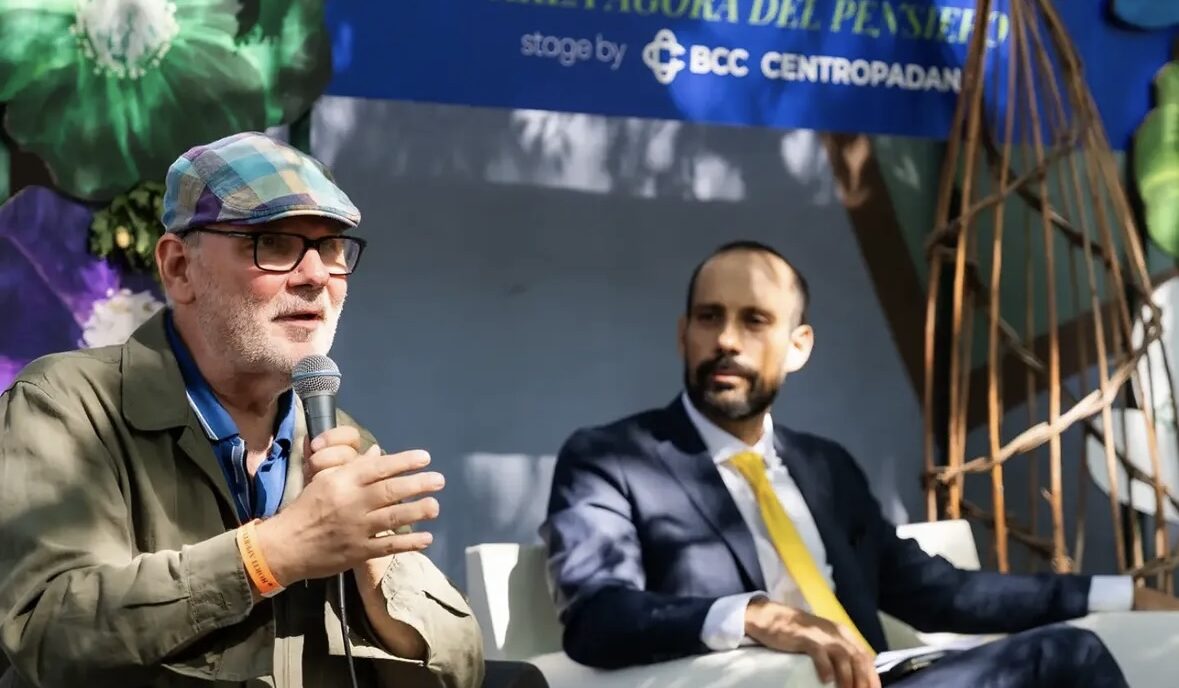
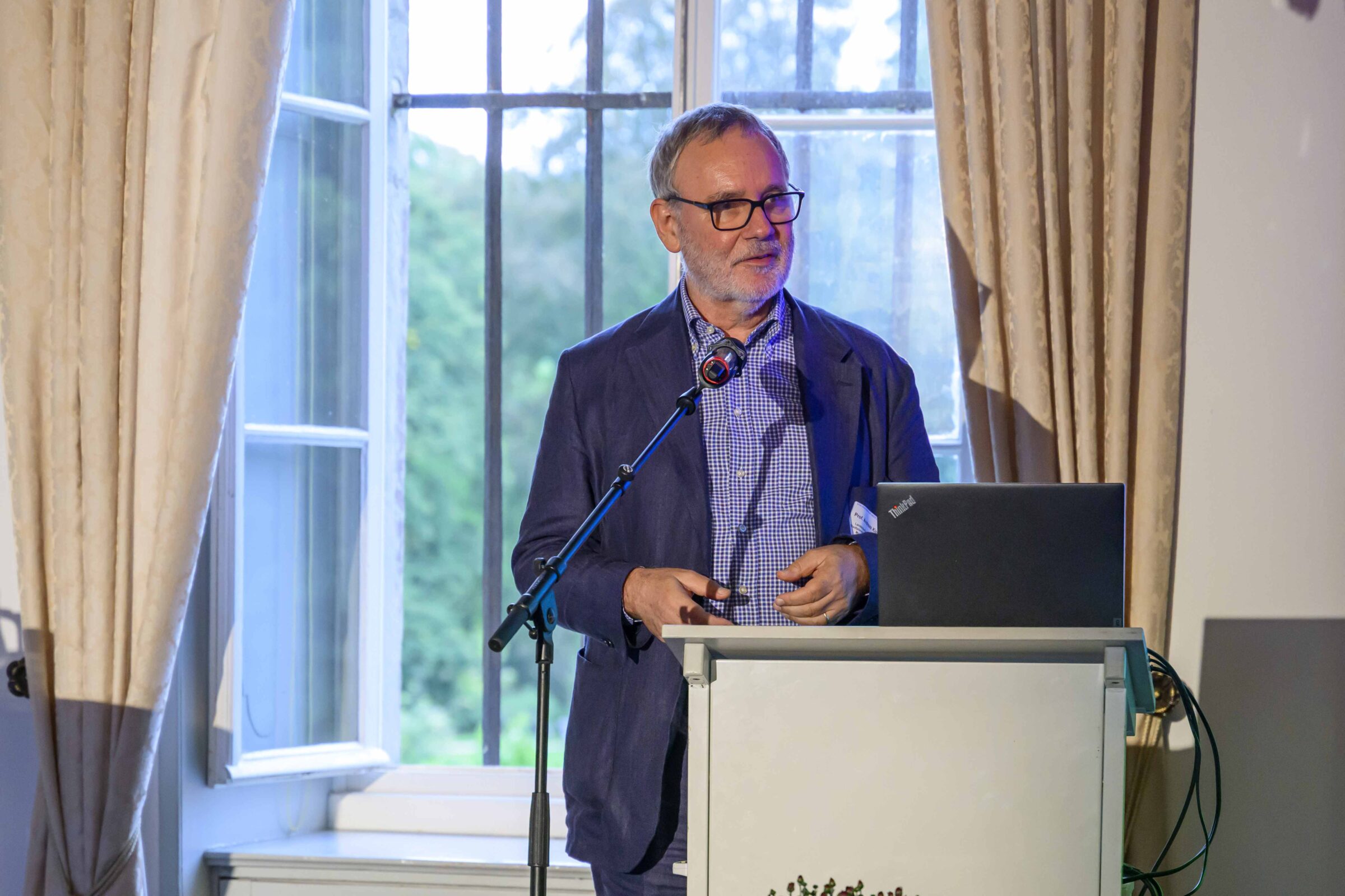
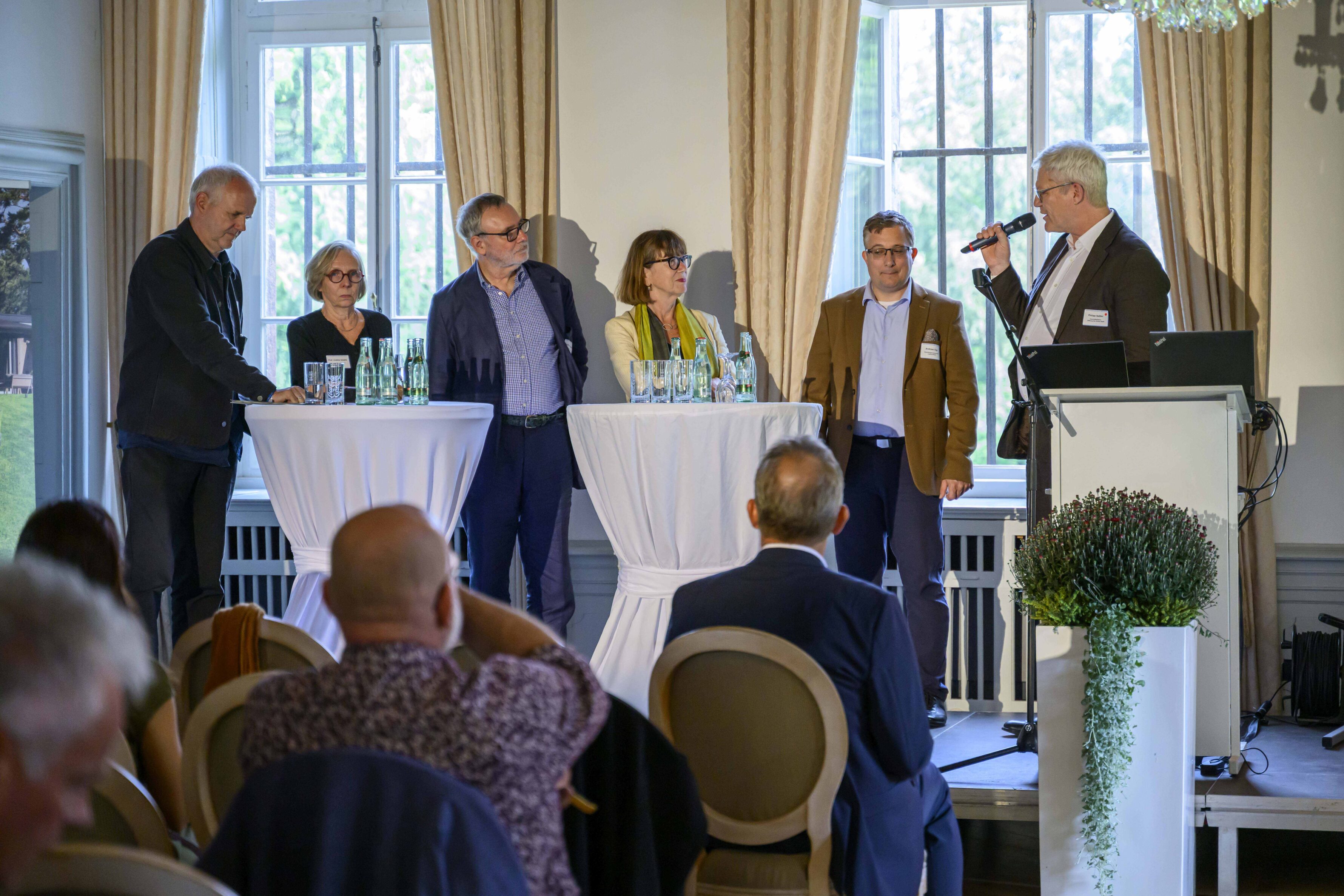
At Schloss Dyck, Andreas Kipar joined experts from landscape architecture, planning, research, politics and industry to discuss one of Europe’s most ambitious landscape transformations: the future of the Rhineland’s former lignite mining areas.
The transformation of the Rhineland mining region is a generational task. As Germany moves towards the end of lignite mining, vast areas shaped by decades of extraction are entering a new phase – one that raises fundamental questions about landscape, ecology, urban development and quality of life. The transition requires close collaboration between science, business, politics and society, with landscape and urban planning playing a central role.
©Walter Wolfgang
Under the title “Von Rheinbraun nach Grün-Blau” – from Rhine-Brown to Green-Blue, experts from across Germany and beyond gathered at Schloss Dyck to discuss how the green sector can contribute to this transformation and which new alliances, skills and approaches will be needed in the decades ahead. The programme brought together perspectives ranging from the conversion of former mining landscapes in Lusatia and central Germany to the future International Garden Exhibition IGA 2037 in the Rhineland. Andreas Kipar contributed both an impulse and to the wider discussion alongside representatives from landscape architecture, urban planning, public institutions and regional development.For Andreas, the challenge goes far beyond restoring what existed before. Landscape architecture can help turn areas marked by extraction into productive, resilient and liveable territories, while allowing natural processes to become an active part of their future development.
“The task for the future is not simply to repair, but to start from where nature itself is leading us: to observe it and, above all, to cultivate it.”
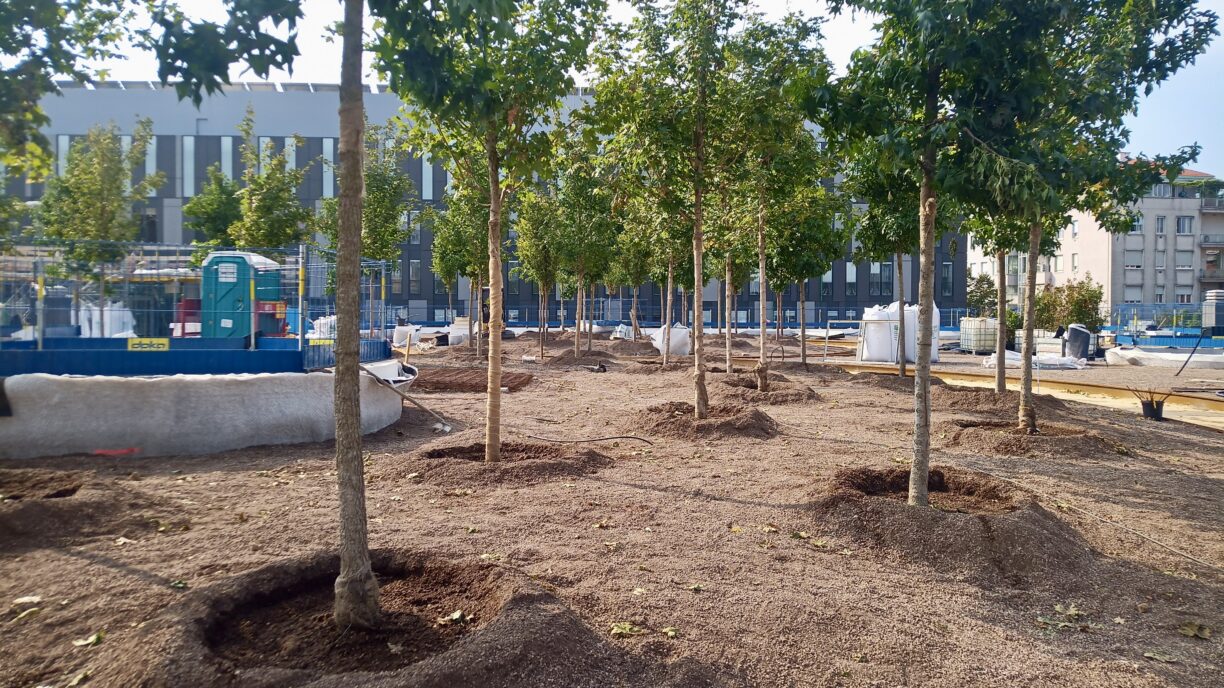
The scale of the transformation is immense. Former open-cast mines will gradually become new landscapes incorporating water, ecological systems, agricultural areas, recreational spaces and new forms of urban development. The process will unfold over several decades, making long-term thinking essential while, at the same time, creating tangible projects that allow people to experience the transformation as it happens.
This was also one of the central messages of the WDR Lokalzeit Düsseldorf report covering the event. Speaking about Garzweiler, Andreas emphasised that the transition represents a unique opportunity not only for planners and designers, but also for universities, businesses and a new generation of professionals: a collective invitation to actively shape one of Europe’s most significant landscape transformations.