Green Ray MI-LU Vision
Italy, Switzerland
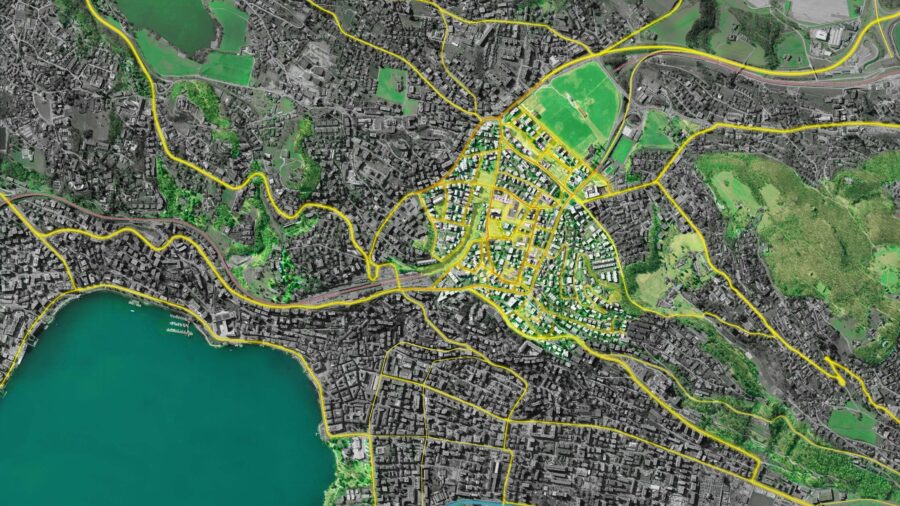
Raggio Verde MI-LU extends the Green Rays model from the urban to the territorial scale, connecting Milan, Varese, Lugano and Bellinzona. Across the Italian-Swiss border, landscape becomes an infrastructure linking urban systems, environmental resources, local identities and development perspectives within a shared territorial vision.
Client
-
Geography
Status
Year
2008 - ongoing
Area Size
-
Lead Consultant
LAND Italia, LAND Suisse
Partners
-
Key project datas
-
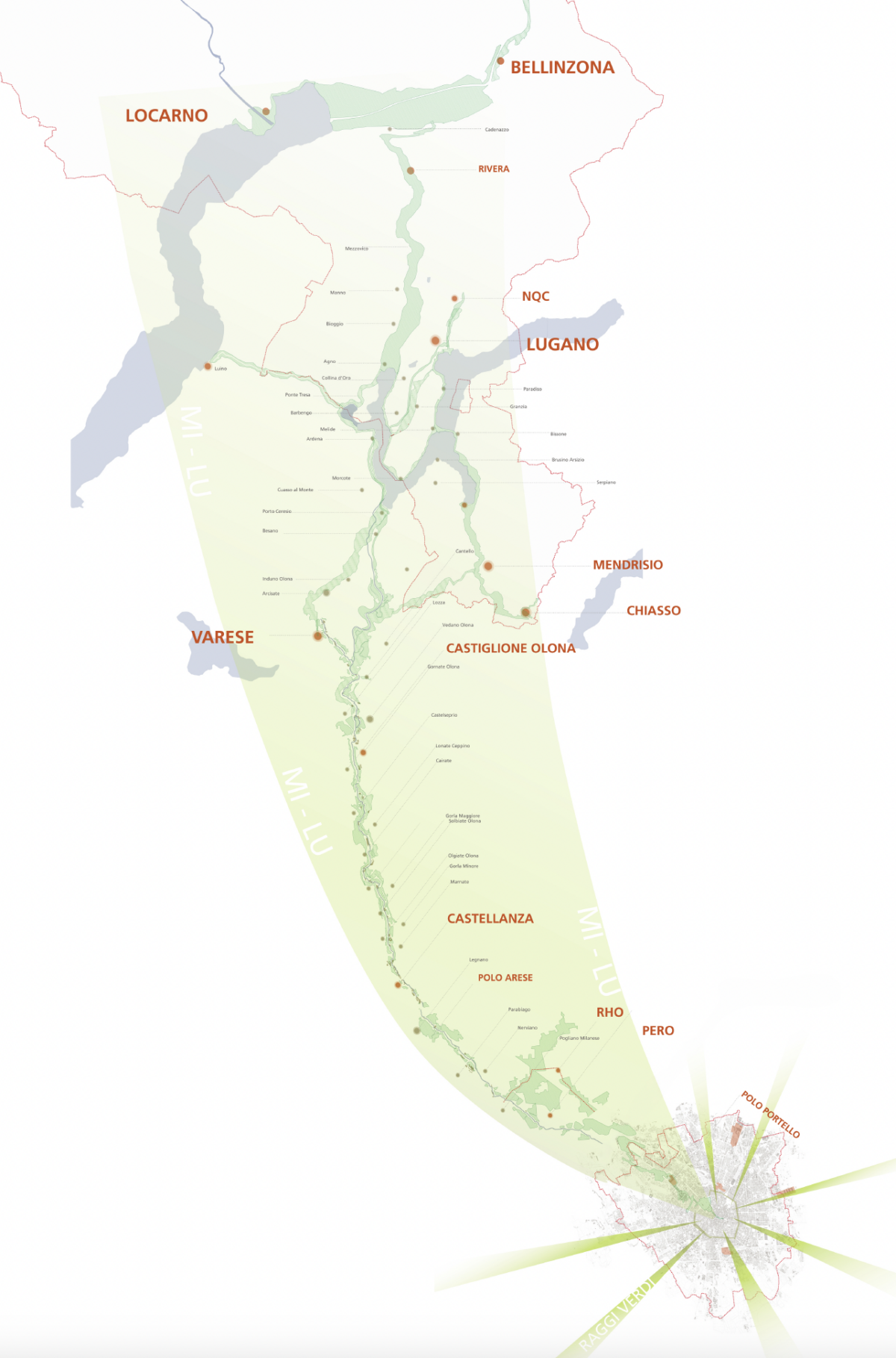
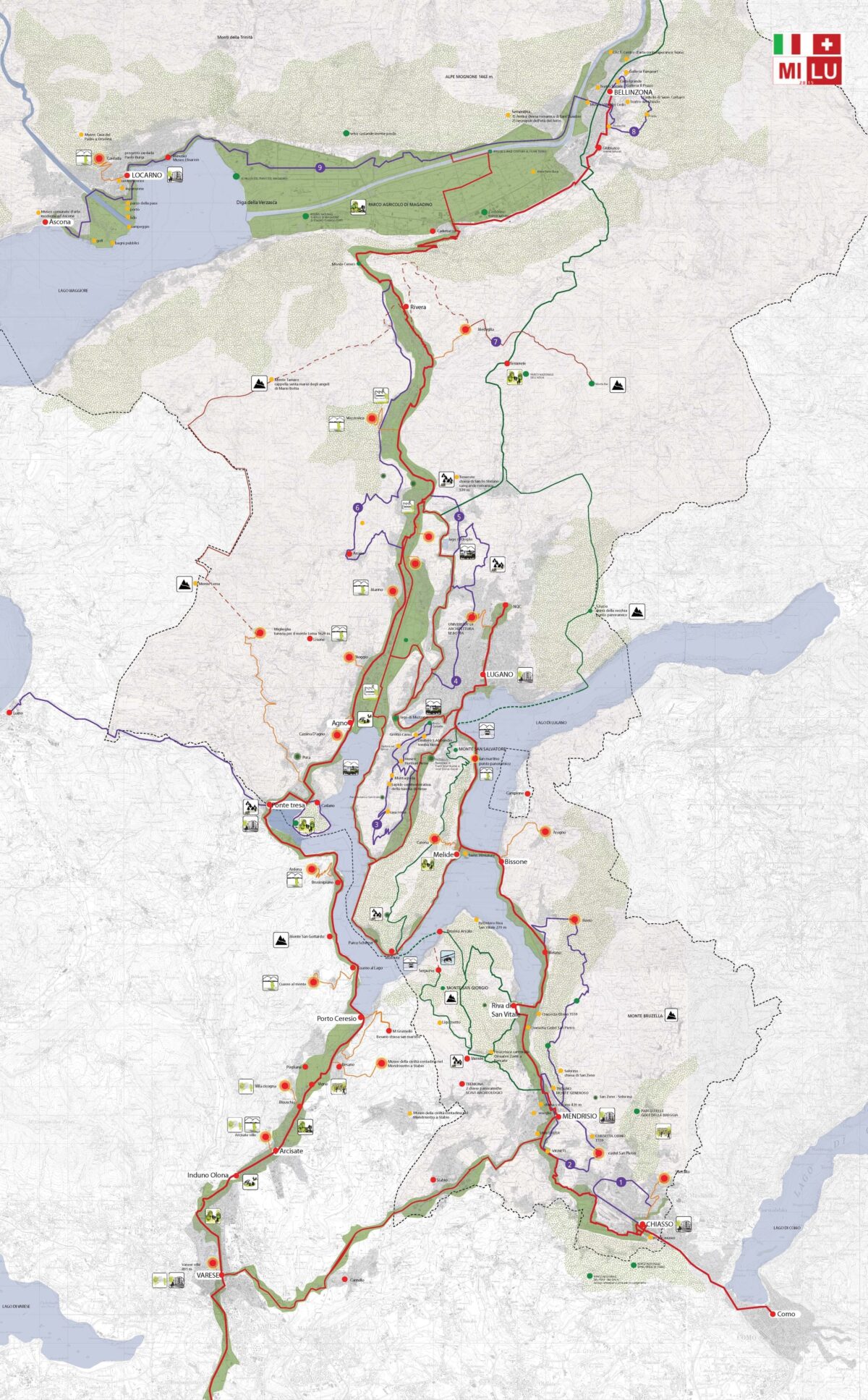
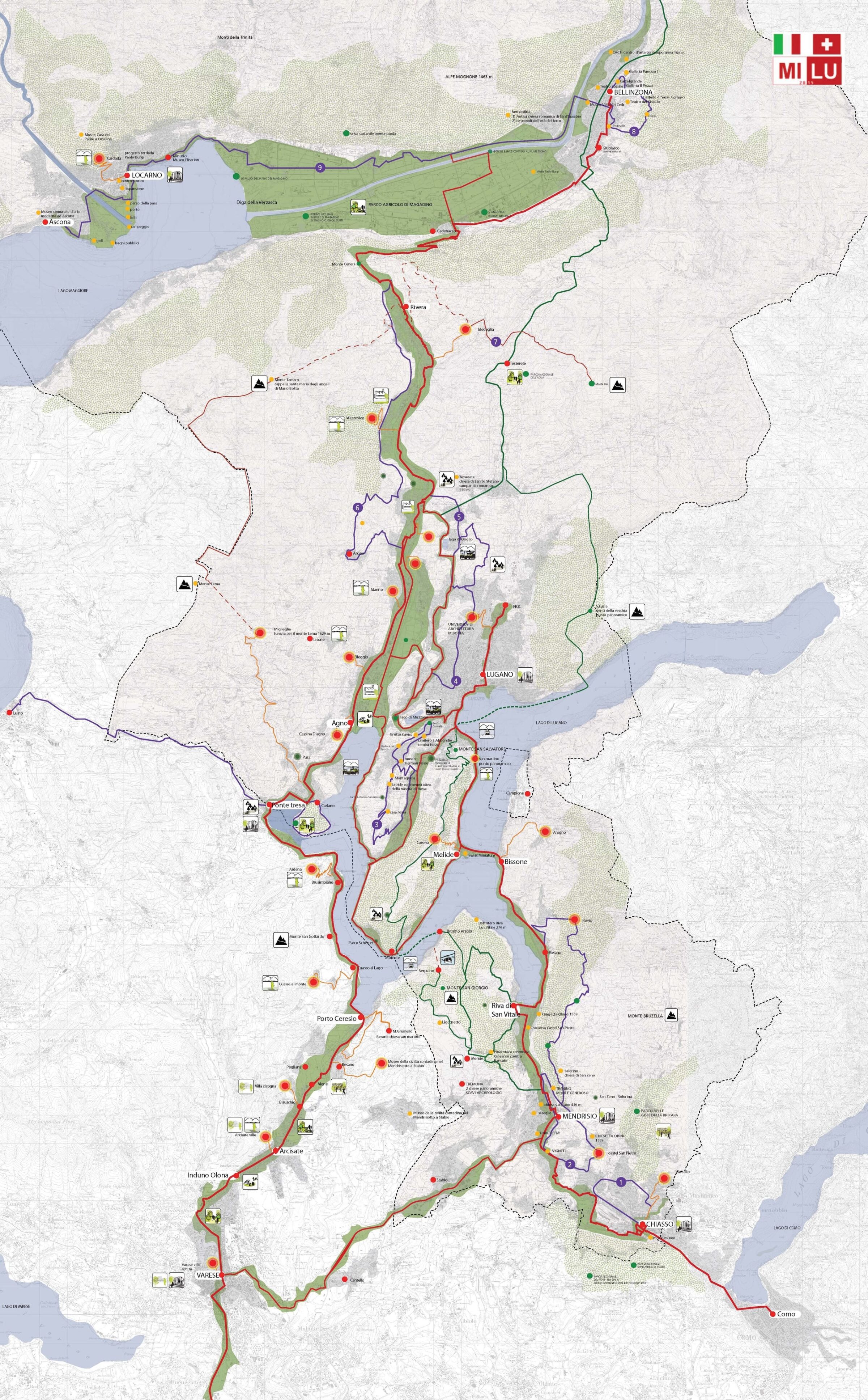
Raggio Verde MI-LU represents one of LAND’s most significant experiences in connecting Italy and Switzerland through landscape. Conceived to link Milan, Varese, Lugano and Bellinzona, the project interprets landscape as an infrastructure capable of bringing together urban systems, environmental resources, local identities and perspectives for territorial development.
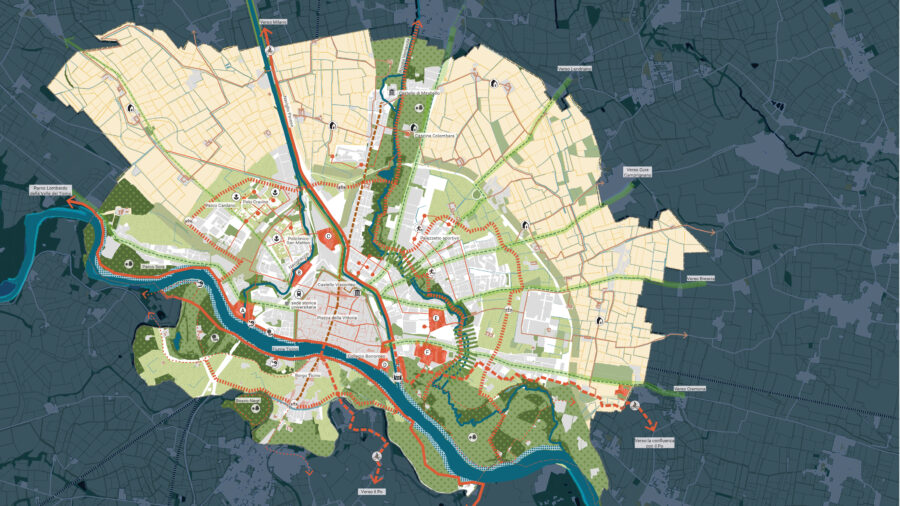
MI-LU extends the model of the Green Rays to a broader territorial scale, creating a network that involves 35 municipalities and more than 75 km of open spaces and routes for slow mobility. Rather than stopping at administrative boundaries, the project establishes connections across different territories and landscape systems.
Within this vision, the Olona Valley and the Varese area act as a hinge between Milan and Ticino. Landscape connectivity becomes a tool to support environmental regeneration, restore recognisability to places and integrate local interventions within a shared framework.
Developed also in relation to Expo Milano 2015, MI-LU anticipated themes that remain central today: limiting land consumption, strengthening cross-border cooperation and building continuous green networks. The project expresses a territorial approach in which landscape can connect different places and bring neighbouring territories together around a common vision.
Related projects