Pavia on the path to a Nature-Positive City
At Horti Aperti 2026, Andreas Kipar presented LAND’s vision for the Pavia Landscape Plan, exploring how natural capital, connected green systems and more space for trees can become strategic infrastructure for a more liveable and climate-resilient city.
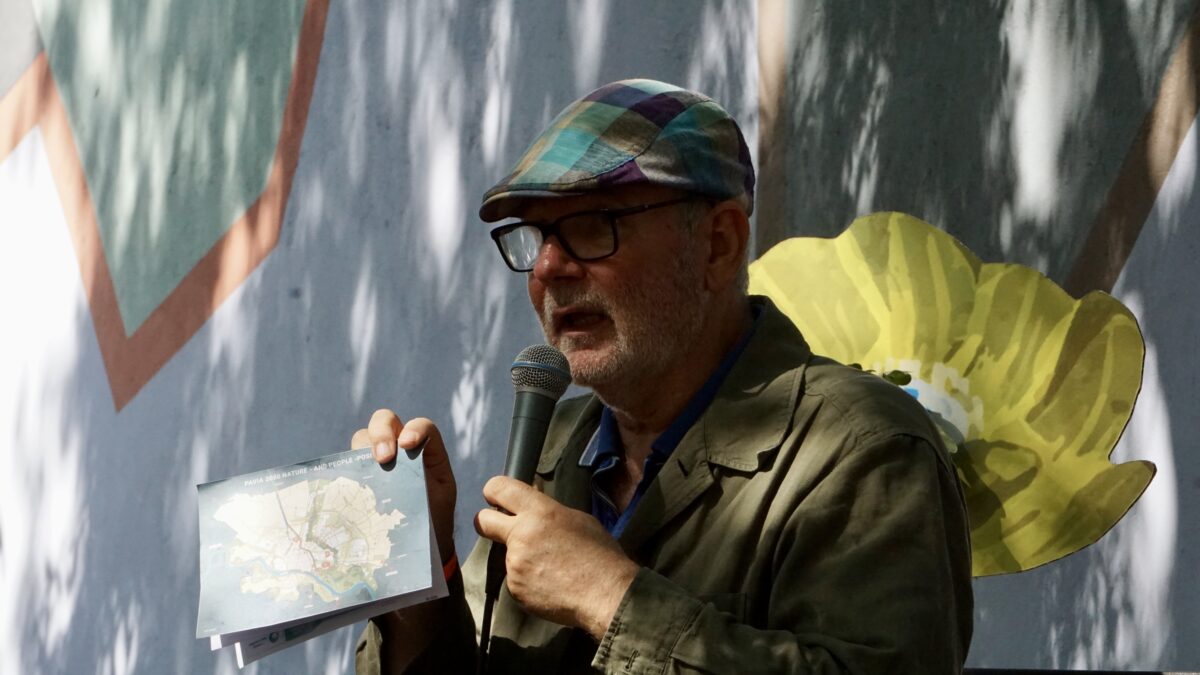
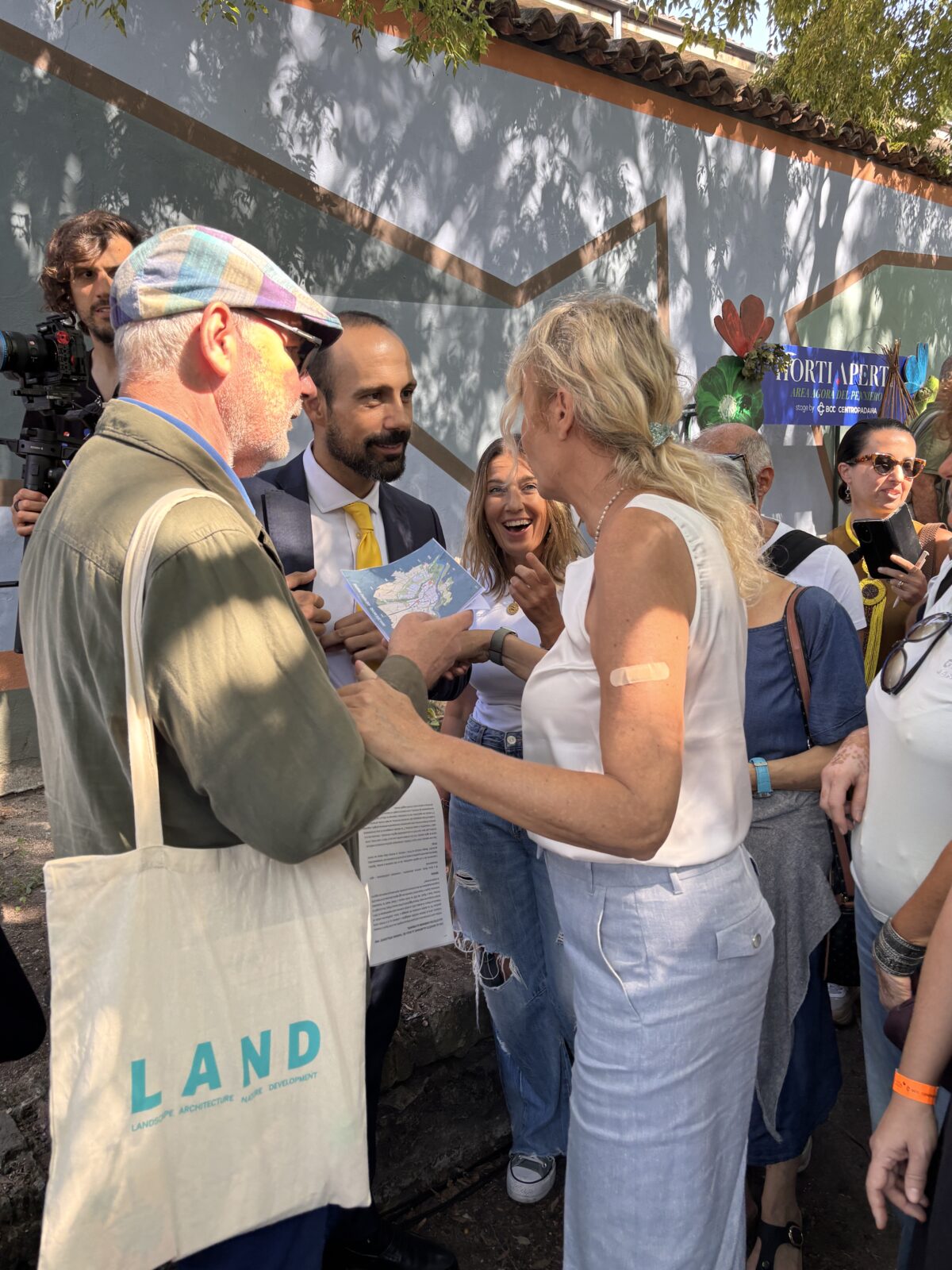
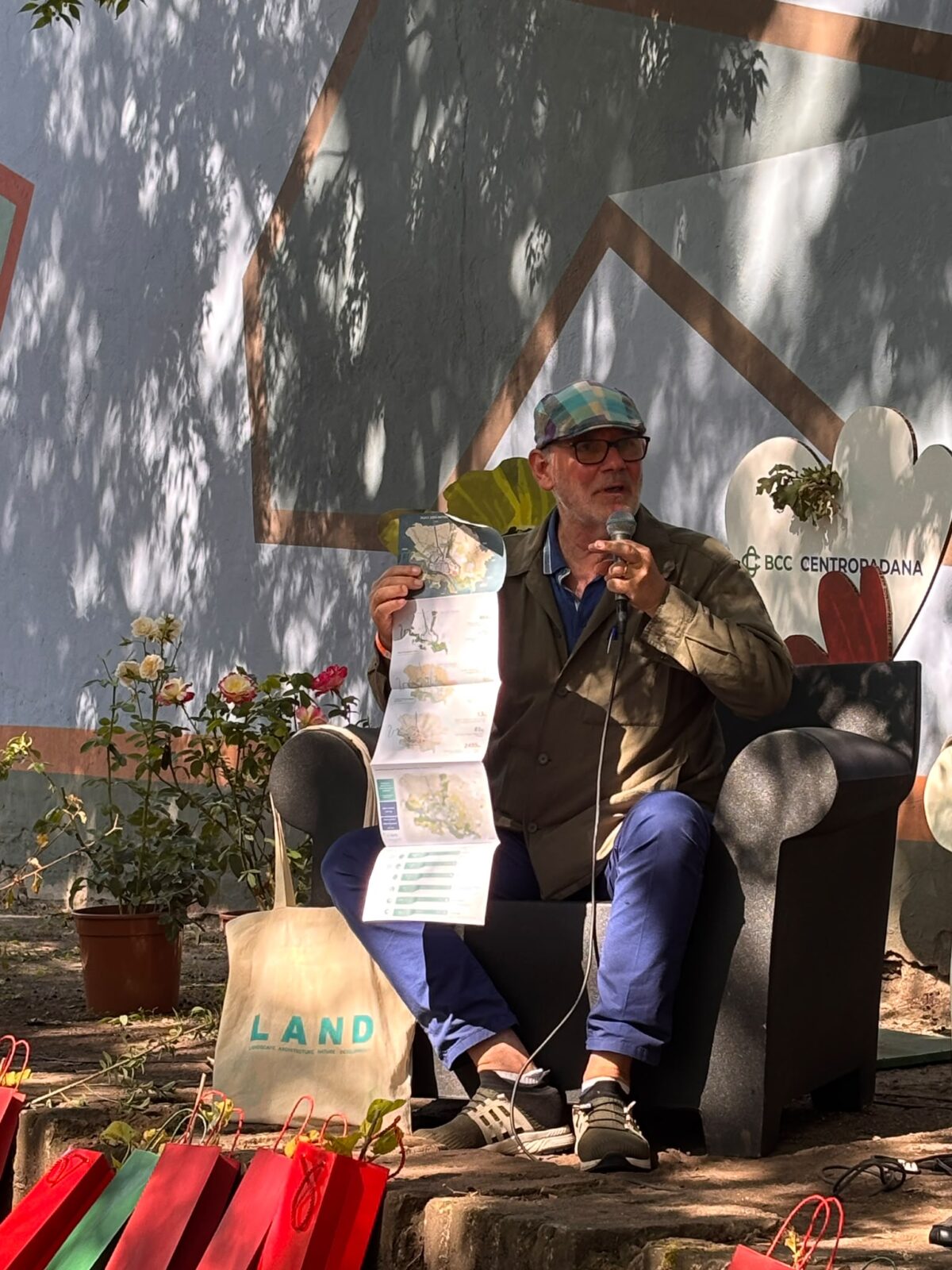
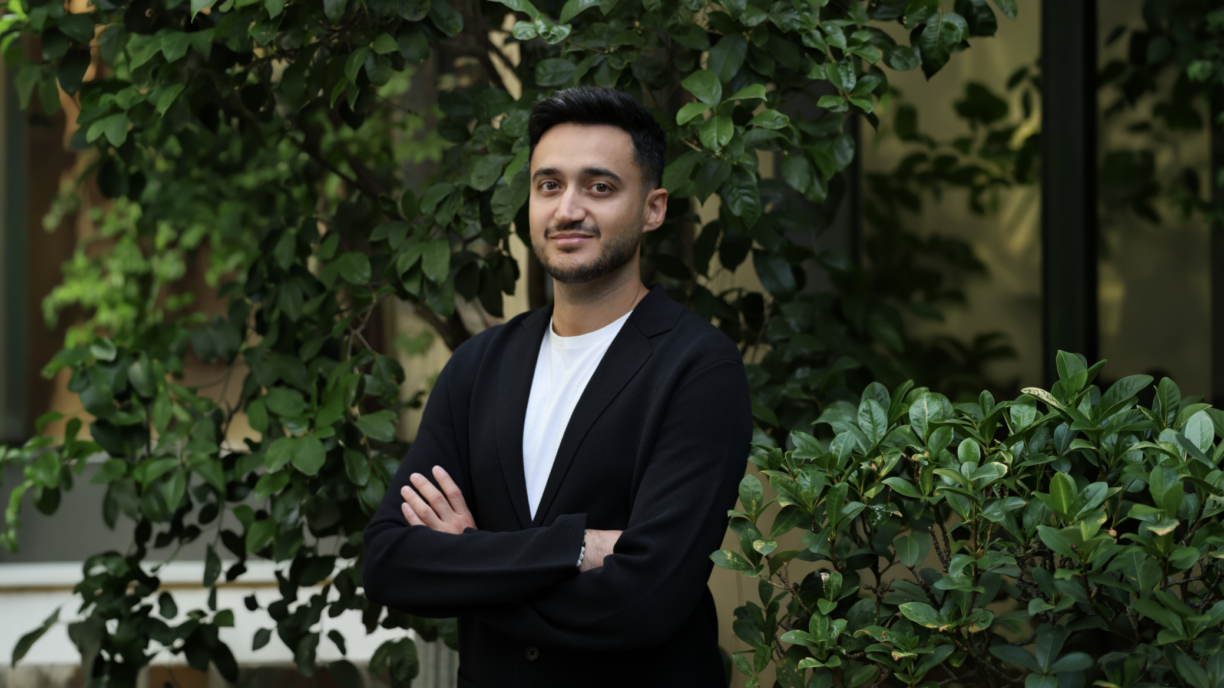
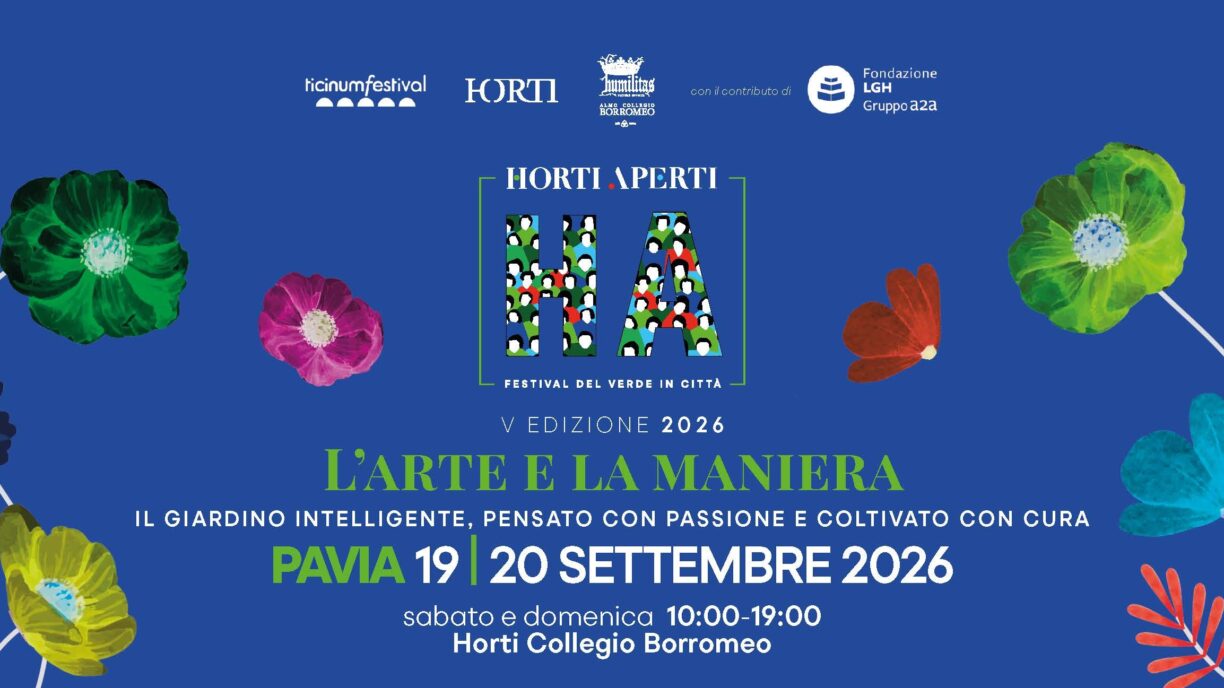
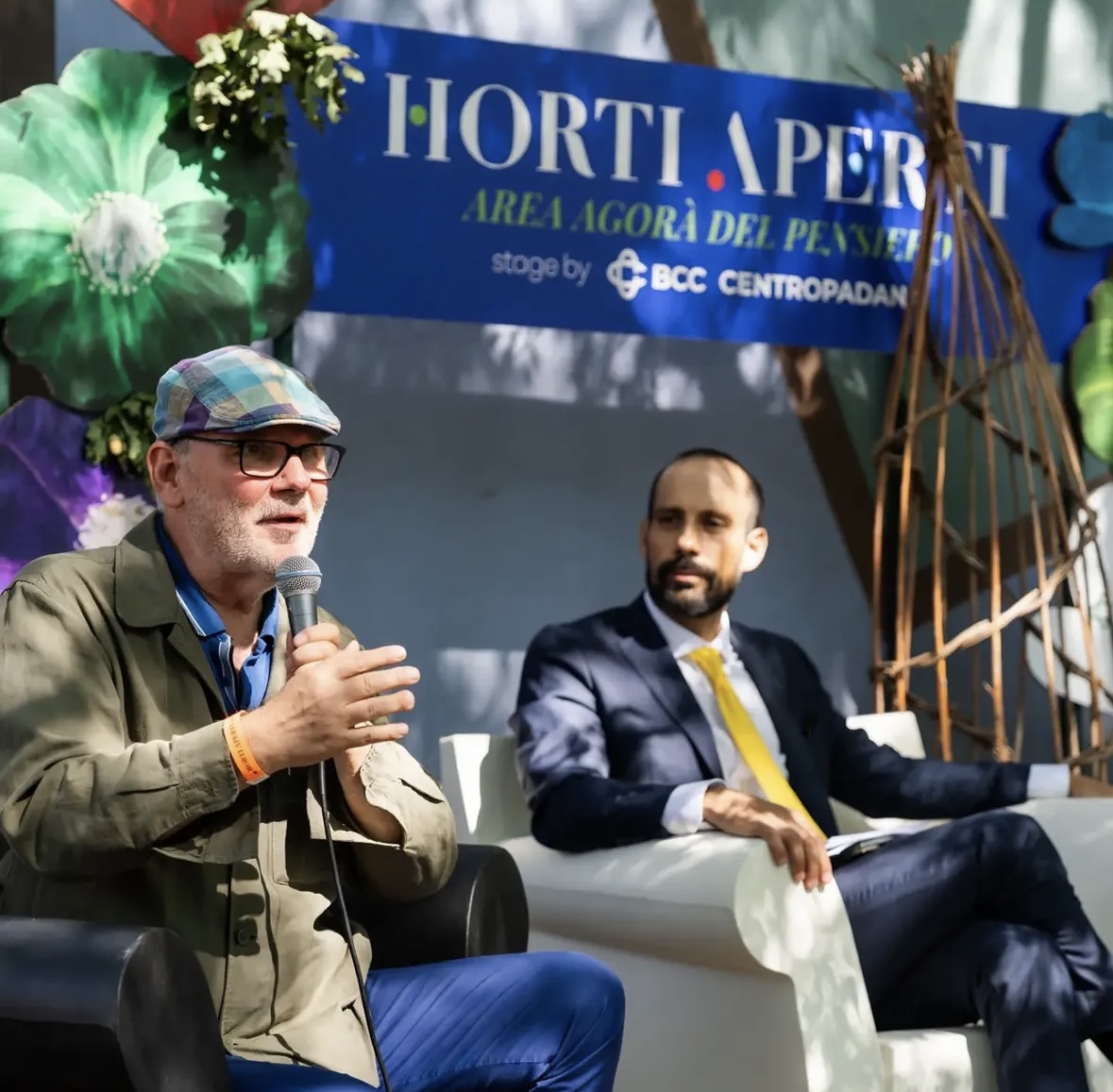
On Sunday 20 September, Andreas Kipar, joined Horti Aperti at the Almo Collegio Borromeo in Pavia for an open-air conversation dedicated to natural capital and the future of the city’s landscape.
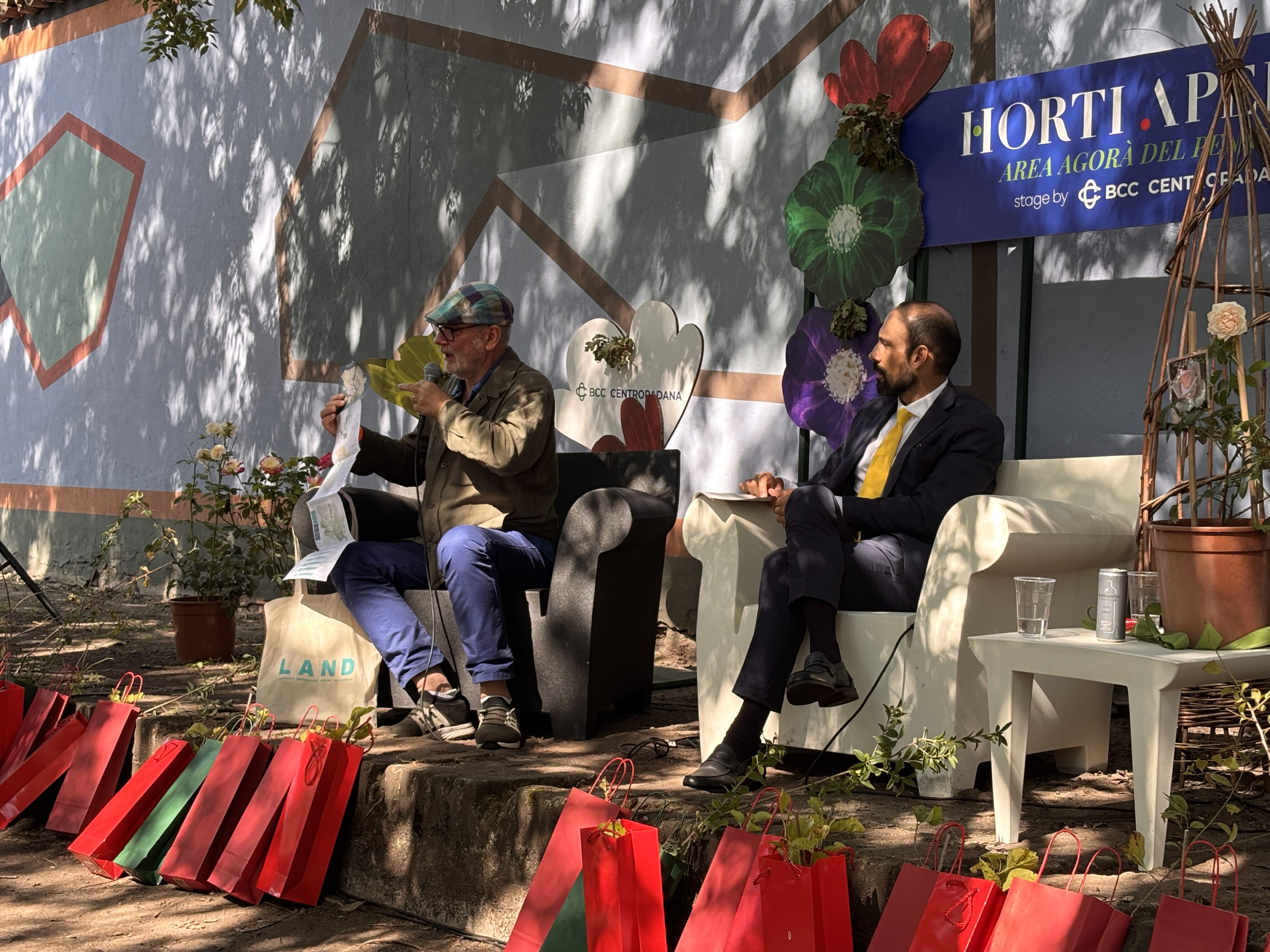
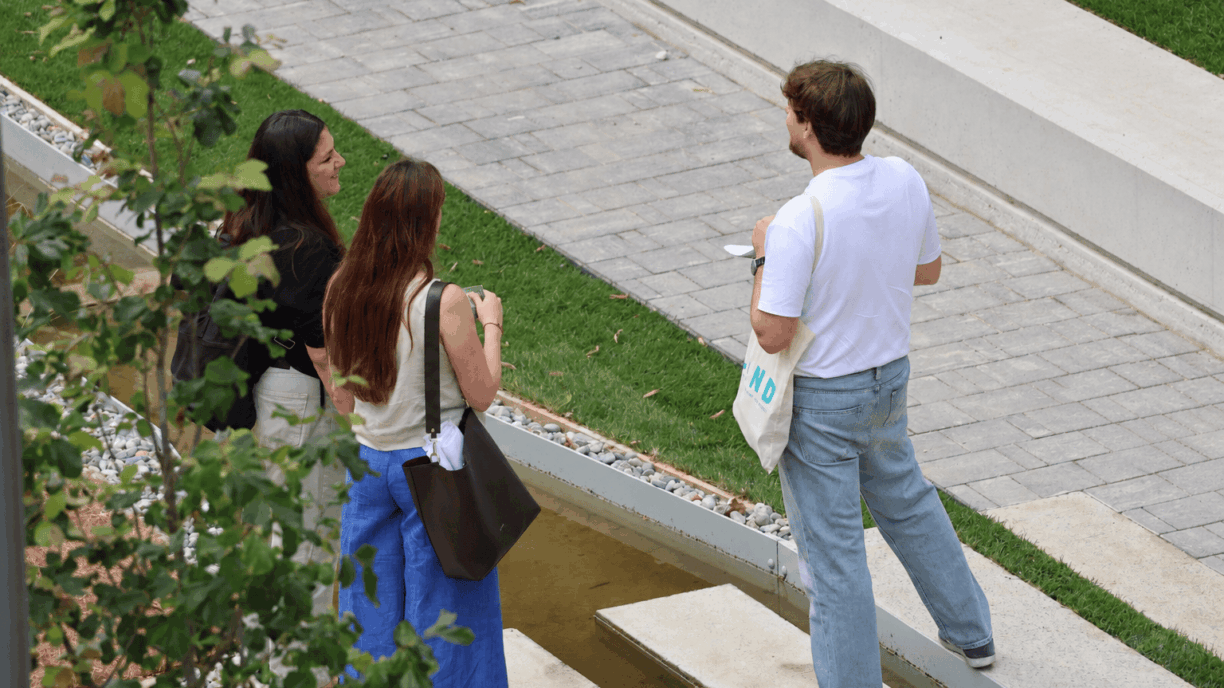
Set beneath the trees of the Horti, the discussion brought the scale of the festival’s “intelligent garden” to that of the entire city. The central question was simple: what does it mean to cultivate a city?
For Kipar, the answer begins with recognising Nature not as an addition to the urban fabric, but as infrastructure in its own right: capable of cooling streets and squares, managing water, supporting biodiversity and improving the everyday quality of public space.
“If we want more liveable cities, we have to start by giving trees the space they deserve. Today, that often means giving them ten times more space than we have traditionally allowed.”
From isolated green spaces to a connected landscape
Pavia already has an exceptional natural foundation. The challenge outlined by the Landscape Plan (Il piano del paesaggio di Pavia) developed by LAND is therefore not simply to create more green space, but to reconnect the natural systems that already surround and cross the city.
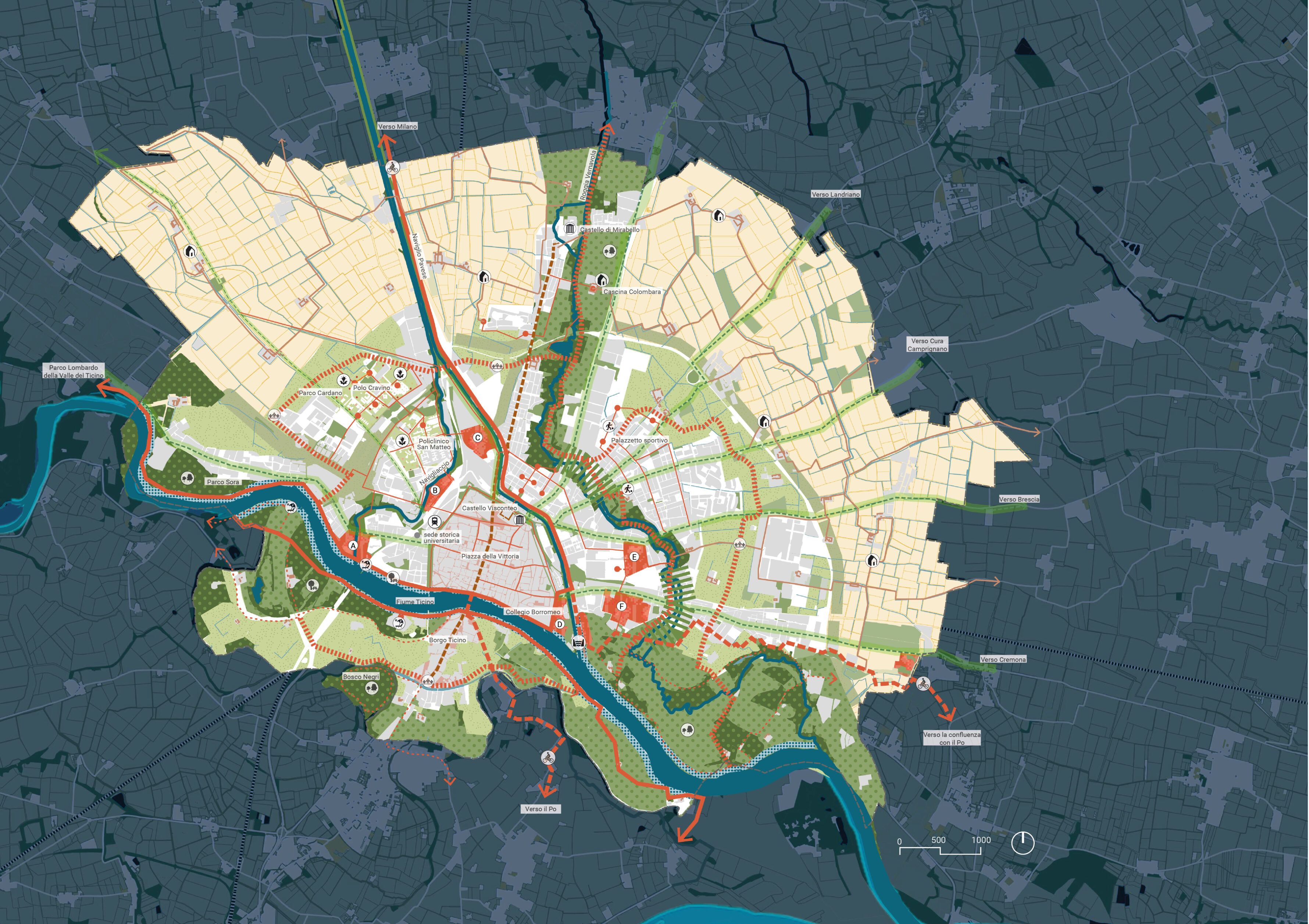
Pavia 2050 | Nature and People Positive
The plan envisages 464 hectares of new woodland linked to the Ticino Park and a further 172 hectares within the Vernavola system: a total of 636 hectares contributing to a broader ecological network between the city, its neighbourhoods, the countryside and its river landscapes.
Mayor Michele Lissia put the scale of this existing potential into perspective during the discussion, noting that the 130 hectares of the Vernavola Park already correspond to almost half the size of New York’s Central Park. The opportunity now is to strengthen this landscape, increase its tree cover and connect it more closely with the everyday life of Pavia.
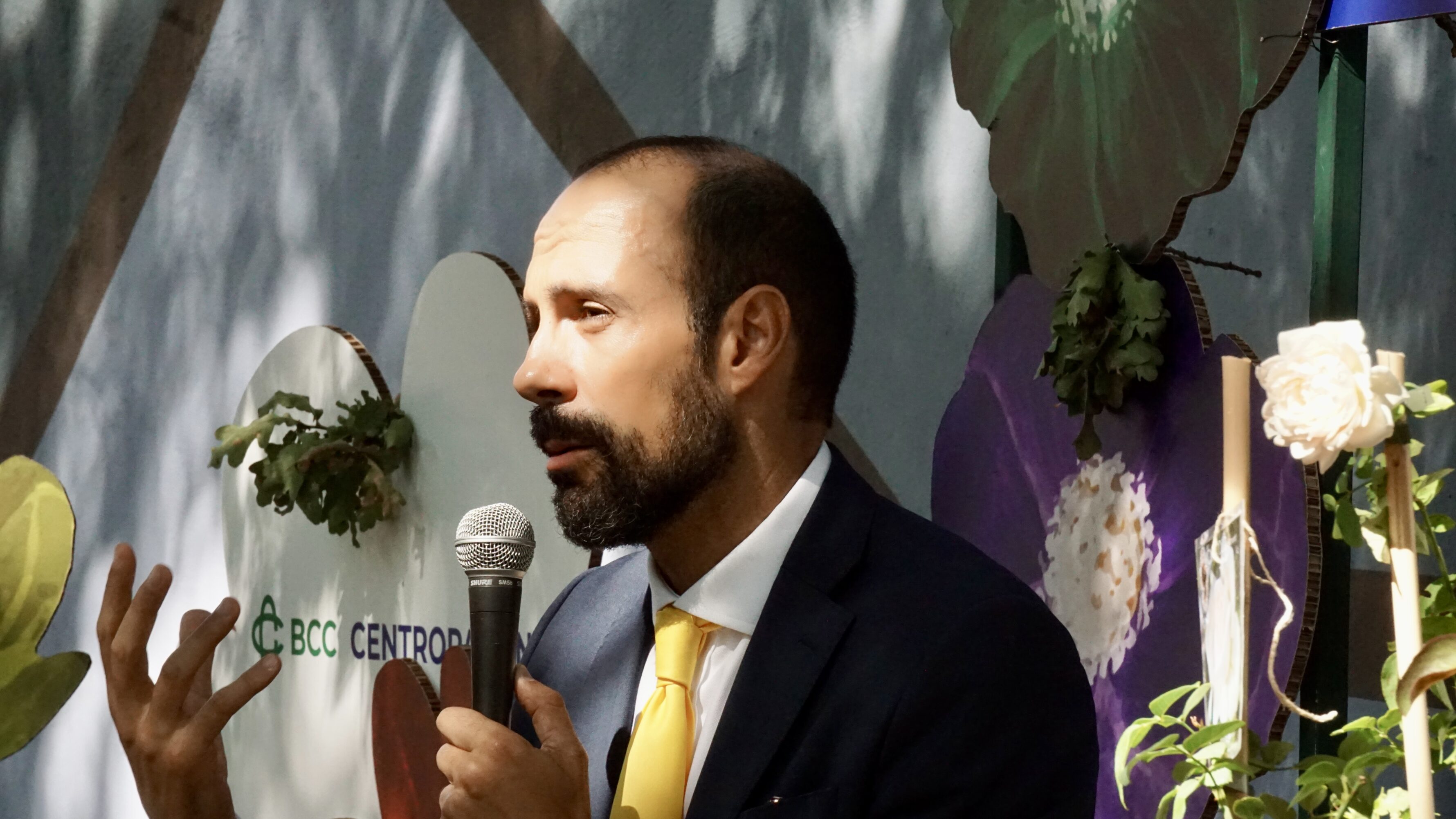
Michele Lissia, Mayor of Pavia
This shift from individual parks to a continuous green network is one of the central principles of the plan. Tree-lined radial routes, ecological corridors and pedestrian and cycling connections can link the city centre with its neighbourhoods, the Ticino, the Vernavola and the surrounding agricultural landscape.
Measuring the value of Nature
The Landscape Plan also looks beyond the conventional idea of urban greenery by treating natural capital as something that can be measured and monitored.
Indicators including carbon, oxygen, air pollutants, intercepted water and canopy cover make it possible to assess the ecosystem services generated by the city’s natural systems and to understand where new interventions can have the greatest impact.
This becomes particularly important in the context of climate adaptation. Analyses carried out for Pavia show a strong relationship between soil sealing and urban heat, with highly urbanised areas corresponding to the hottest surface-temperature hotspots and values reaching up to 56°C in the 2020–2024 summer reference period.
Creating shade, increasing permeable surfaces and bringing vegetation and water back into the urban fabric therefore becomes much more than an aesthetic question: it directly concerns urban comfort, health and resilience.
A landscape strategy for the whole city
The plan reads Pavia through five interconnected landscape cells: the Nature Corridor, the Innovation Laboratory, the Ticino River Park, the Urban Agro-ecosystem and the Pulsing Heart. Together, they expand the idea of landscape beyond parks and trees to include productive countryside, cascine, canals, former industrial areas, public spaces and major ecological corridors.
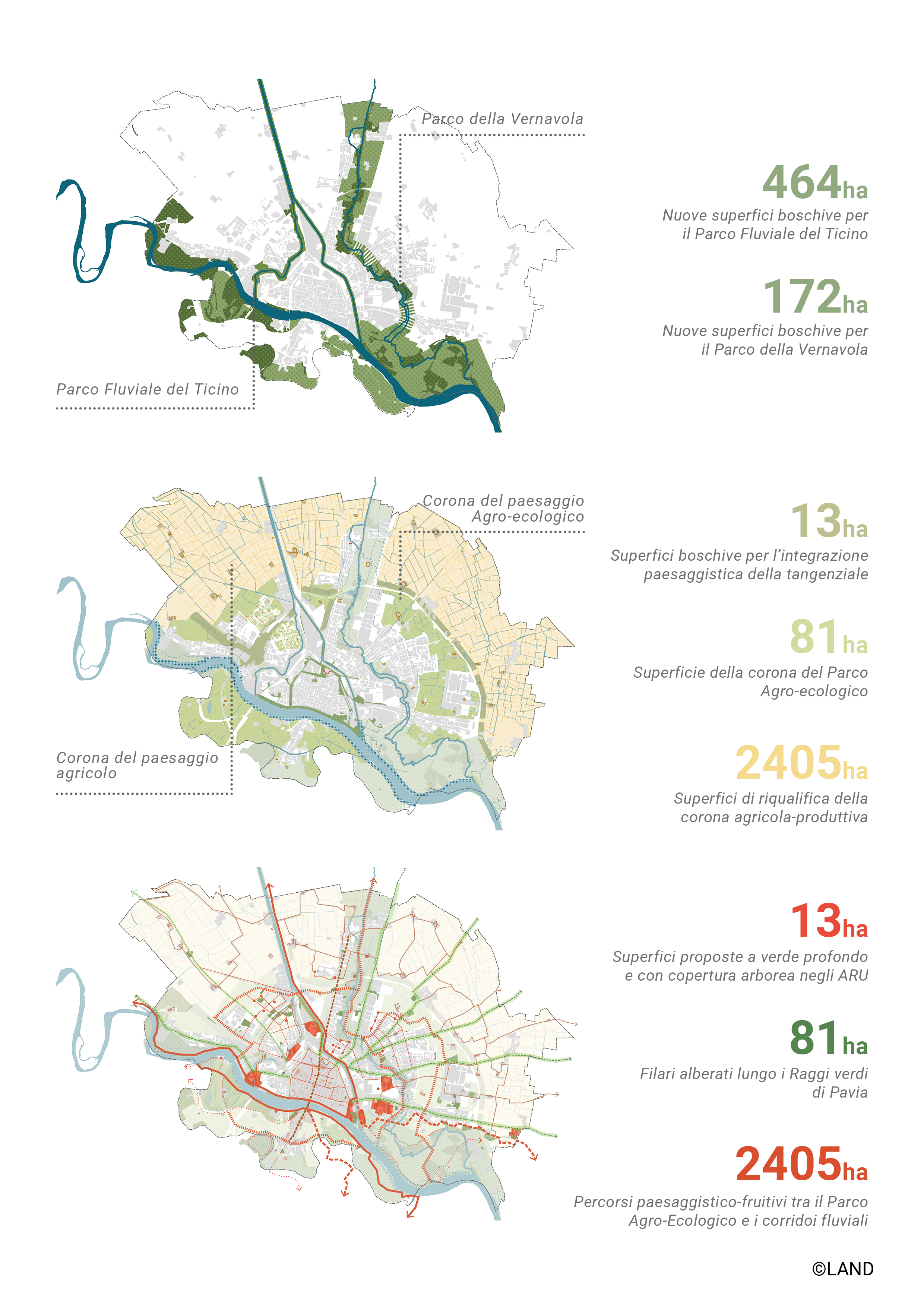
The same approach can also extend into the historic centre. Squares and streets can accommodate more shade, vegetation and permeable surfaces through carefully calibrated interventions that respect the identity of the existing city.
As Kipar stressed during Horti Aperti, the transition towards a Nature-Positive City requires moving beyond the idea of merely reducing environmental damage. The ambition is to create urban systems that actively regenerate natural capital and return more to Nature than they consume.
Pavia is already moving in this direction: from individual green spaces to a connected landscape, from greenery as decoration to Nature as living infrastructure.
And, sometimes, that transformation begins with something very simple: making more room for a tree.
Don't miss out on our inspiring project stories, the latest research, and more.
All mandatory fields are marked with a *