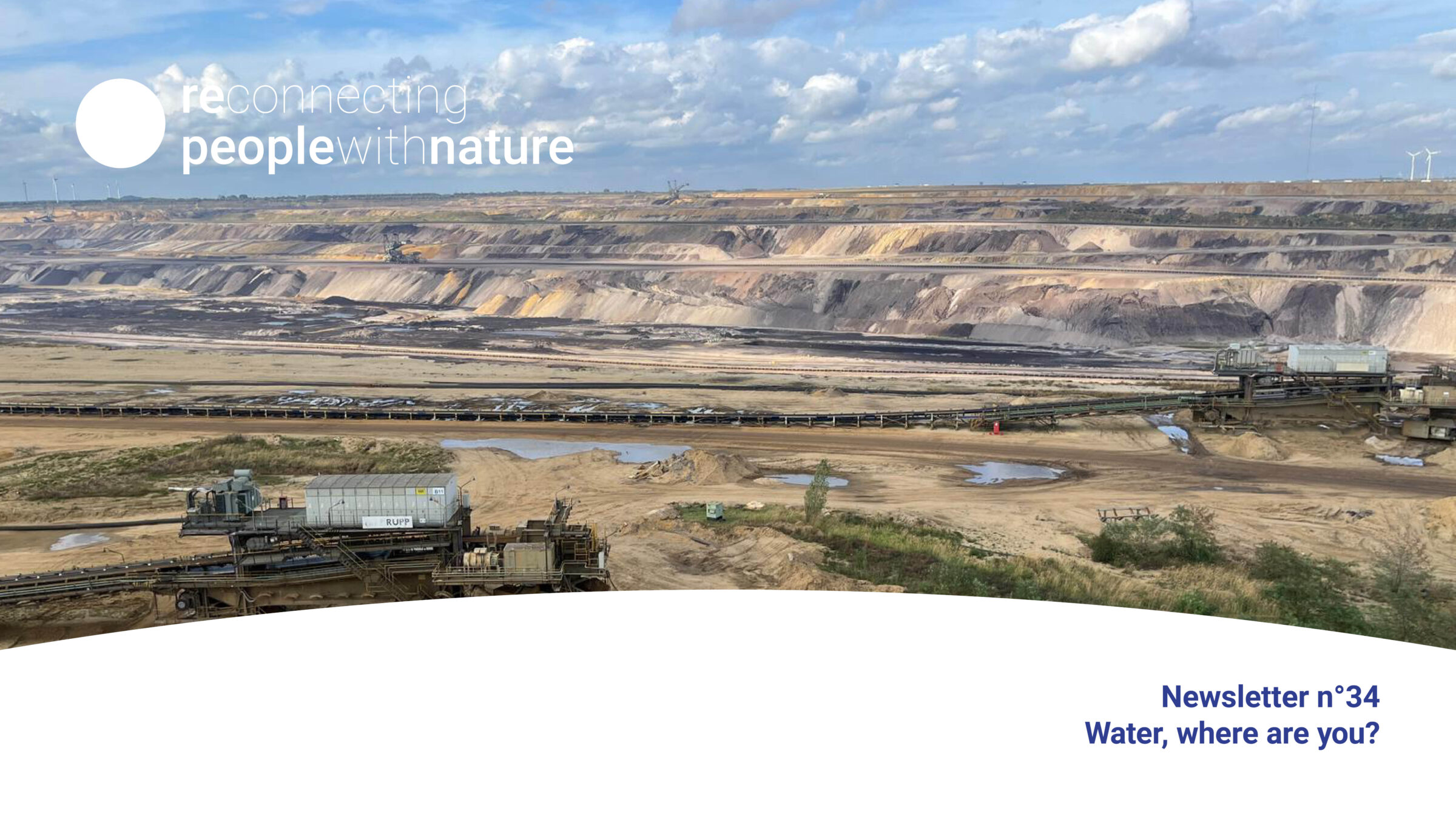
Newsletter #34: Water, where are you?
Today, when we look for signs of life beyond Earth, one of the first
things we search for is water. From the traces of ancient water on Mars
to the mysterious geysers of Jupiter’s moons, water is one of our most
powerful indicators that life might exist.
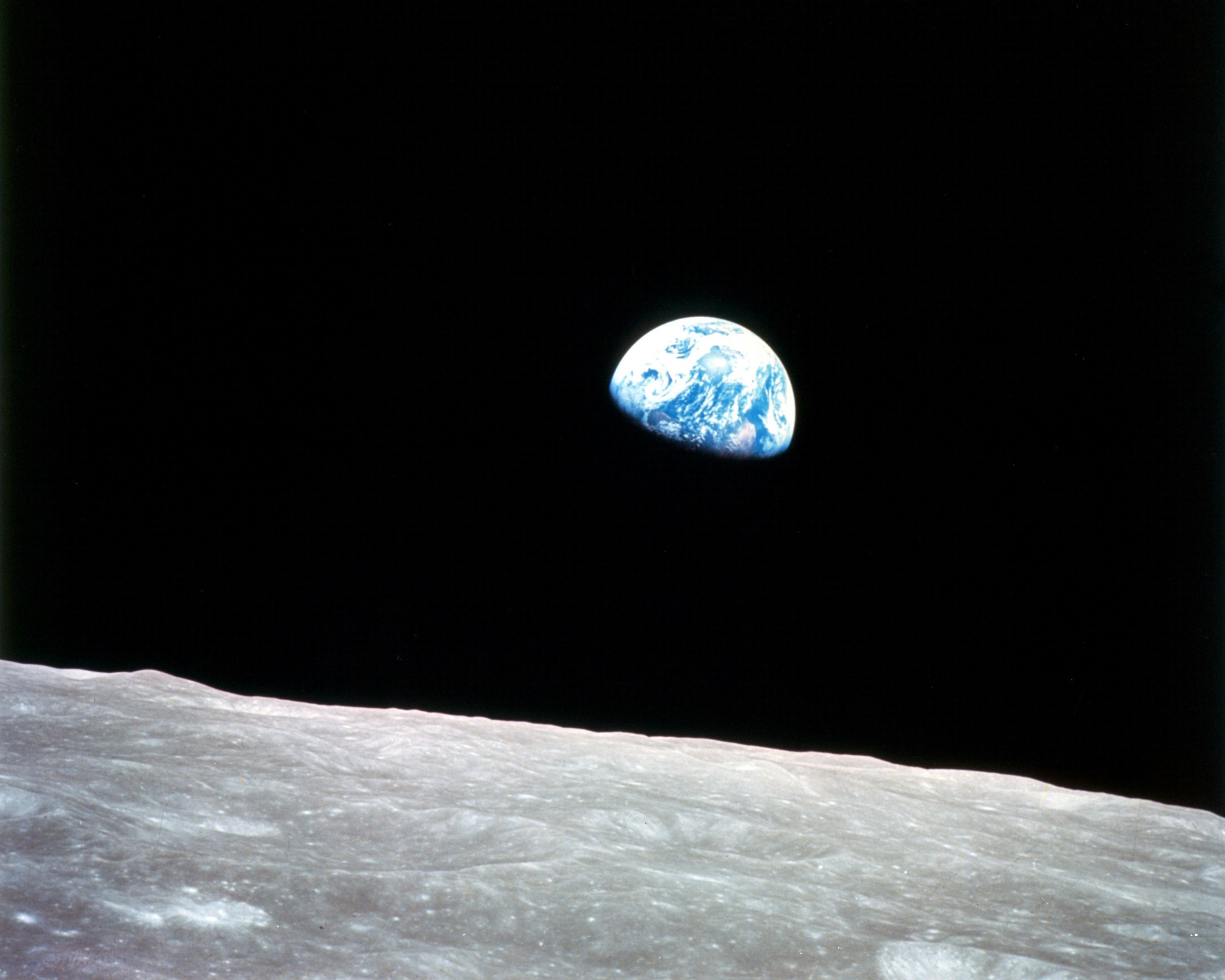
And yet, here on Earth, the blue planet captured so famously by Apollo 11, we still tend to treat water as something abundant, almost invisible.
This summer, Nature is once again reminding us how quickly this balance can change. Low water levels in Europe’s main rivers, such asthe Rhine, the Donau or the Po, are affecting ecosystems, agriculture, transport and industry. Suffering under extreme heat and drought, leaves are turning dry and brown long before the beginning of autumn.
Imagine looking back at today from 2070. What will we think of water then?
We need to start seeing water differently. Not simply as a resource to manage, but as a force that shapes our landscapes, our cities and ultimately our future life.
Recently, I found some food for thought in Garzweiler, one of Europe’s largest open-pit mines, at the heart of the Rhineland mining region.
For decades, Garzweiler’s landscape was defined by the extraction of lignite, fuelling Germany’s entire industrial system. Today, following the famous Kohleausstieg (2020), the coal phase-out, the enormous 48 km² open pit is facing a radically different future: people are dreaming about a Garzweiler Lake. The process of filling the lake will take decades, extending into the 2070s and creating a new landscape over a timescale that reaches far beyond any individual project, political cycle or generation.
This is not simply a question of filling a hole left by industry. It is an opportunity to transform an extraction landscape into a resilient, multifunctional living environment, one where economy, ecology and society can evolve together.
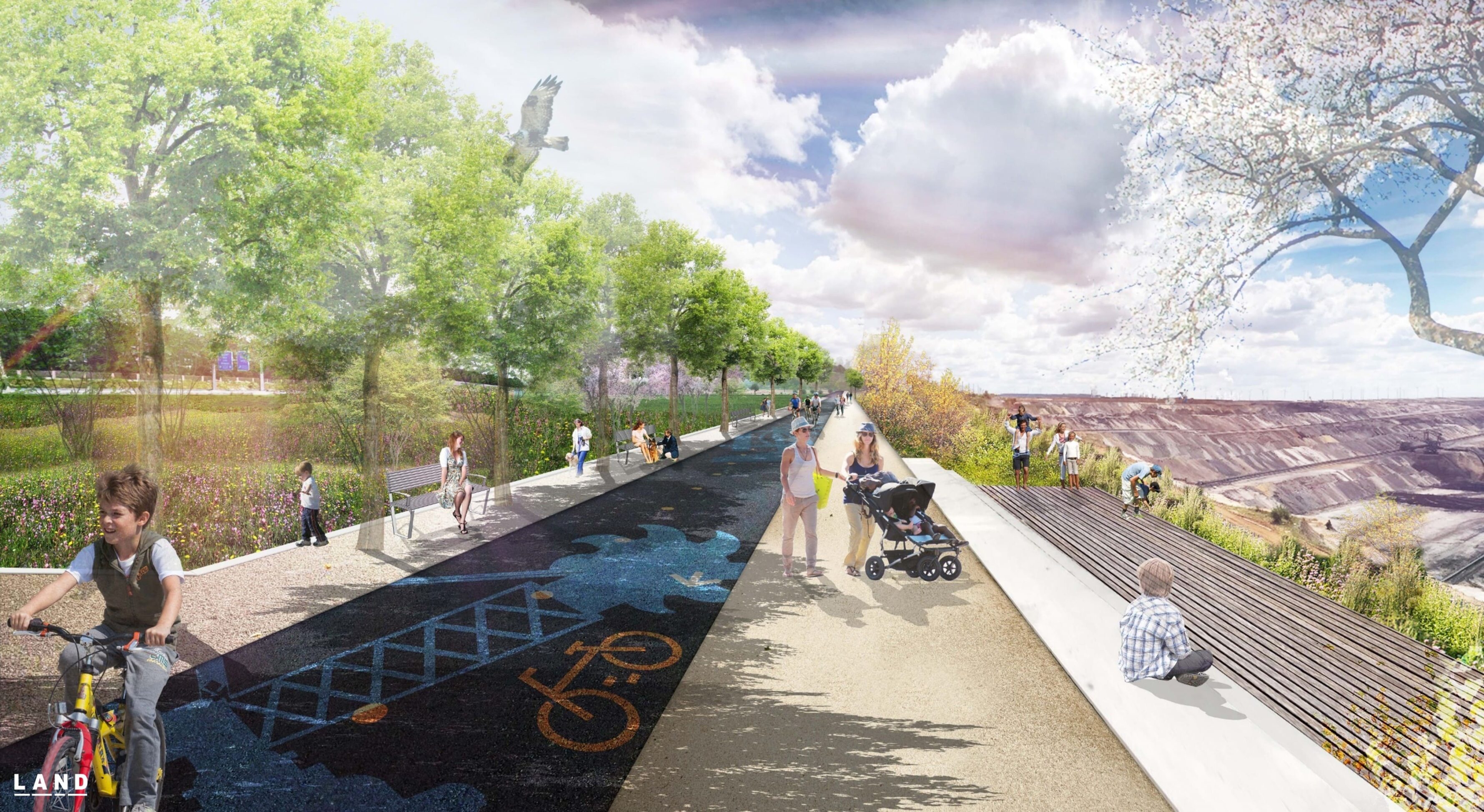
Leitbild Grünes Band Garzweiler | 2019
The answer is not only bigger infrastructure. It is a different way of thinking about water.
Green roofs, infiltration trenches, green strips, depaving and locally managed rainwater can transform the way cities deal with water.
Instead of sending rainwater away as quickly as possible, we can retain it, let it infiltrate and evaporate, and use it to cool our environment.
This is the principle of the sponge city: water becomes part of the urban landscape and a resource for improving microclimate, air quality, biodiversity and public space.
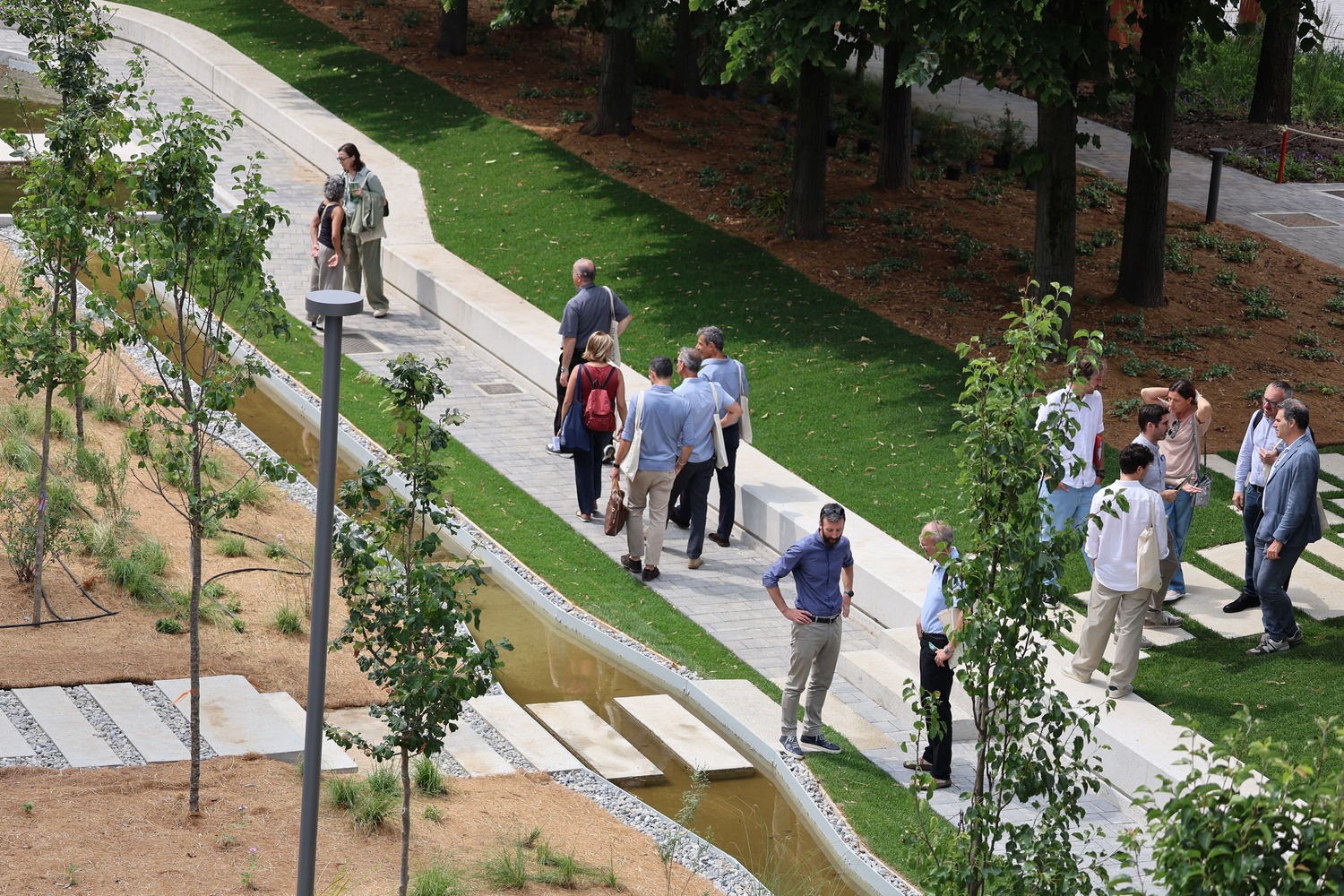
Campus Bovisa Durando, Politecnico di Milano | 2026
Natural rainwater management is a true multitalent. It connects climate adaptation with health, education, social cohesion and biodiversity. Even small interventions can create multiple benefits.
And this is not an entirely new idea.
Look at the historic icons of our cities: from the gargoyles of the Duomo di Milano, designed to manage rainwater, to the sophisticated hydraulic systems of historic gardens such as Villa Lante in Rome. For centuries, our cities have long found ways to collect, move, store and celebrate water.
Perhaps the lesson for us today is not that we need to invent everything anew.
We need to remember how to design with water.
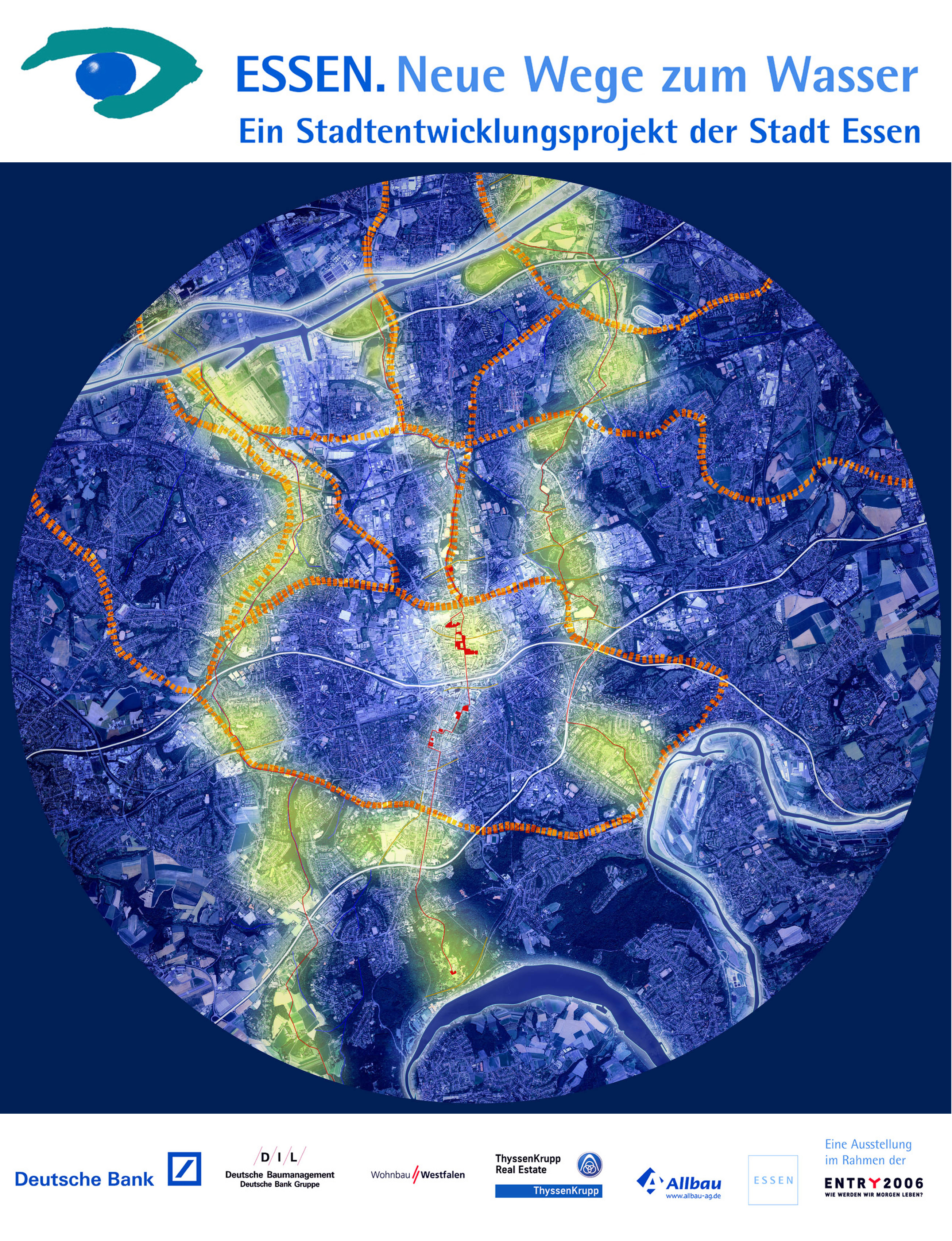
“ESSEN. New Paths to Water” | 2006
But making this shift requires us to put water much closer to the center of how we plan and develop our territories.
We will need to work differently across four areas.
First: urban development.
The principles of the sponge city need to be integrated from the very beginning. Protection from heavy rainfall and the improvement of the urban microclimate should become fundamental planning objectives, not considerations added once the problems are already there.
Second: the energy transition.
The water sector will not only be an actor, but part of the solution.
Water and waste water contain energy potential that can be harnessed through technologies such as aquathermy, using heat from water bodies, sewers or wastewater treatment plants and turning existing resources into new energy sources.
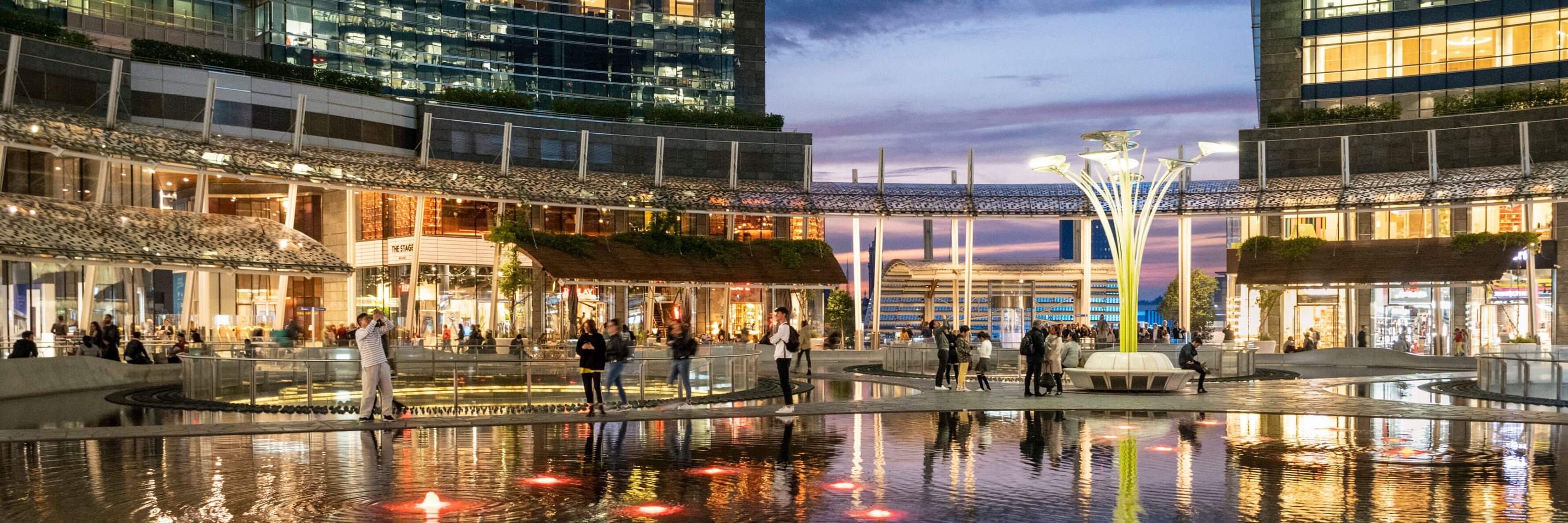
Piazza Gae Aulenti, Milan | 2024 (ph. Nicola Corella)
Third: health.
Wastewater can also become a source of knowledge. By analyzing wastewater data, we can gain insights into the health of populations and strengthen public health monitoring.
The water sector becomes not only infrastructure, but part of public health provision.
And fourth: settlement and economic development.
Water needs to be considered before we decide where and how to build.
No new residential development, industrial site or commercial settlement should be planned without understanding its relationship with water from the outset.
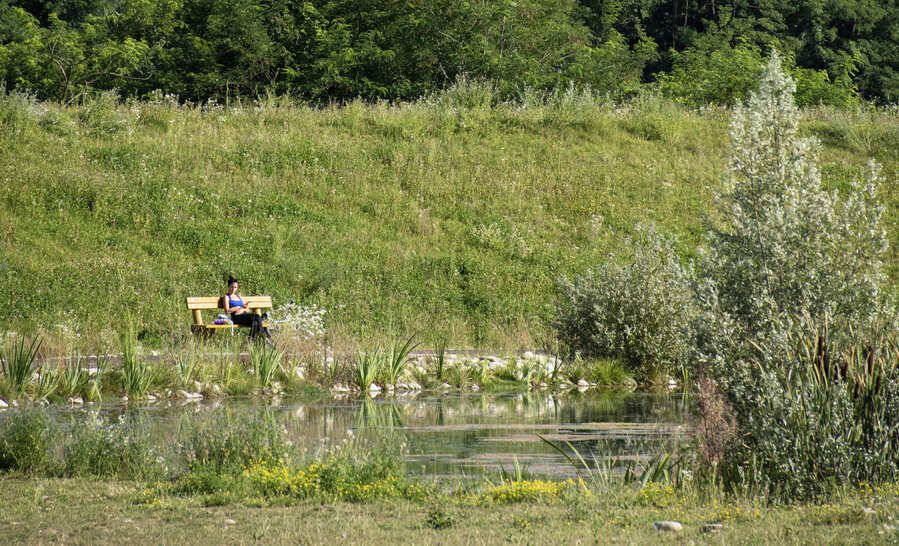
Lura River Retention Basins | 2019 (ph. Nicola Corella)
This is where the question becomes bigger than the city.
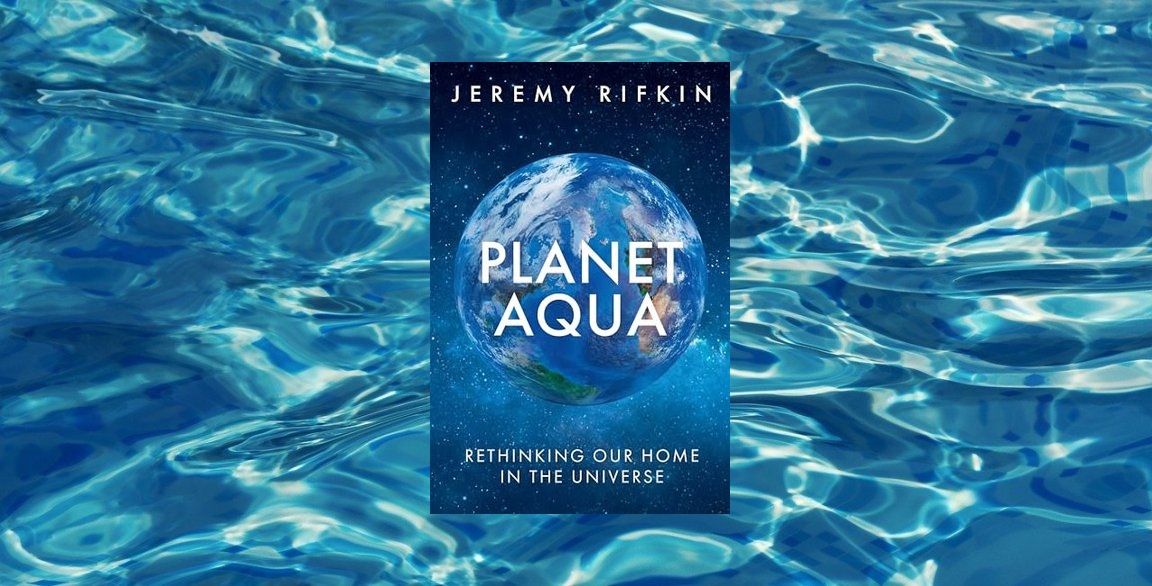
Jeremy Rifkin’s Planet Aqua: Rethinking Our Home in the Universe offers an important impulse: water is not simply another resource within our systems. It is one of the fundamental conditions around which life, ecosystems, economies and societies are organised.
For generations, we have lived with the assumption of abundance. Water has been something we could abstract, transport, drain and consume almost without thinking about its true value.
But what if, in 2070, we look back at our time and realize that we were living through the moment when water stopped being invisible?
Perhaps water will become one of the most valuable forms of capital we have.
Not because we have turned it into a commodity, but because we have finally understood its true value.
The transformation of Garzweiler will take decades. The transformation of our cities has already begun.
The question is whether we will continue to design around water or learn to design with it. It is a question about the future of our landscapes, oursocieties and our planet.
Water is the new existential question. And it needs to be part of the solution from the very beginning. Don’t forget that!