LANDlers back to school
Back to school, but this time on the other side of the classroom. Several LANDlers bring their professional experience into universities across Europe and beyond, creating a valuable exchange between academic research, teaching and practice. We asked them what they teach, what motivates them and how their work at LAND influences the way they approach the classroom.
We asked some of our lecturers at LAND what they teach, what motivates them and how their work at LAND influences the way they approach the classroom.
And these are the answers we got:
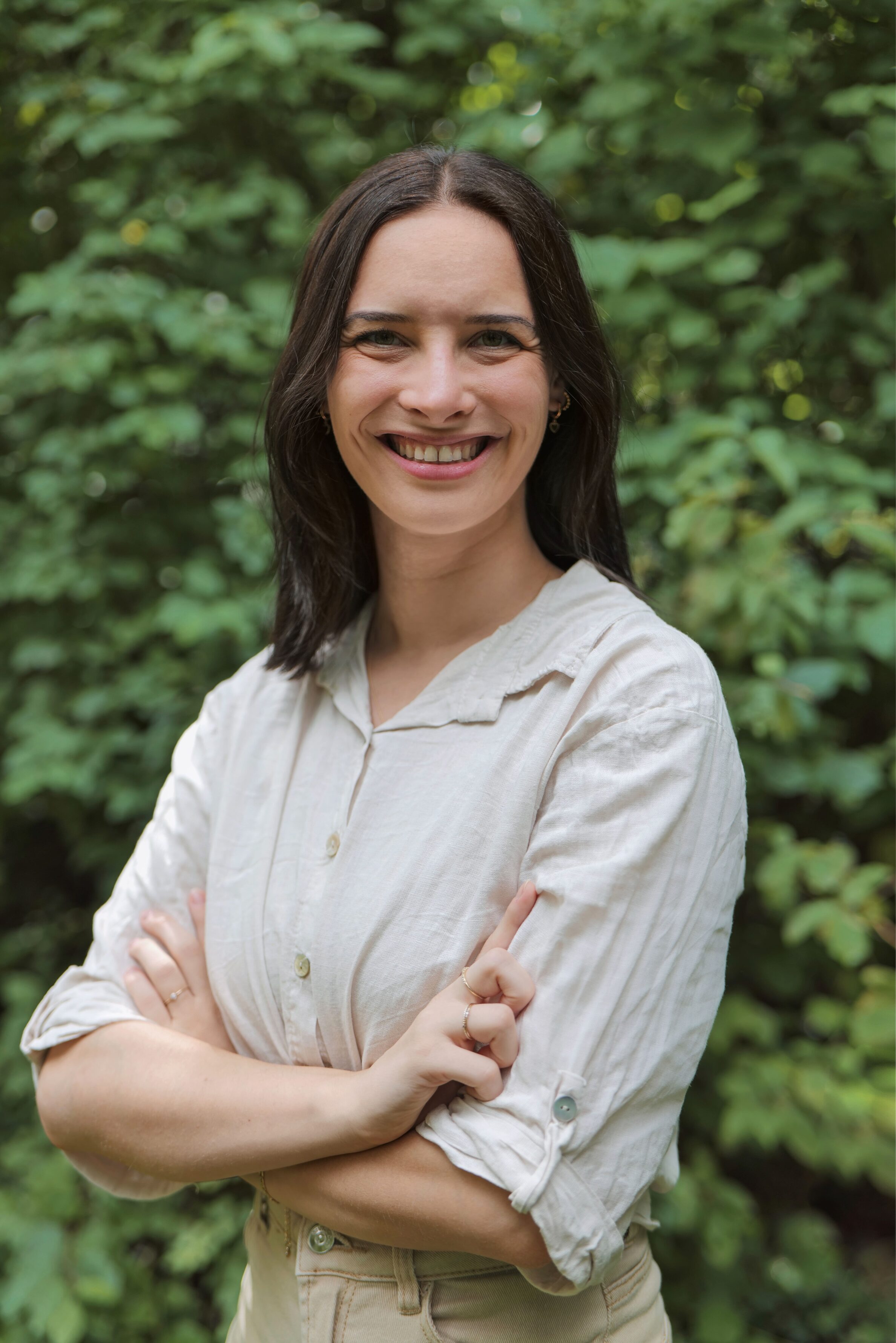
Amelie Meißner, Landscape Architect, LAND Germany
What subjects do you teach, and at which university or institution?
I taught the course Excursion to Landscape Planning I at the Institute of Landscape Planning (ILAP) at BOKU University in Vienna. This semester, the course focused on transforming former railway station areas into nature-positive and liveable urban neighbourhoods. Together with the students, we explored neighbourhood development and urban transformation processes directly on site.
What motivated you to start teaching?
I was motivated by the opportunity to contribute to a learning environment that still feels very close to my own academic experience. Having completed my Master’s in 2025, while already working during my Bachelor’s, I can relate well to the students’ perspective while also sharing insights into what comes next beyond university. I particularly value the opportunity to connect practical planning work with my PhD research at BOKU and to show how the two can inform each other. Teaching allows me to bring these perspectives together through an open, applied and reflective exchange with students.
How long have you been teaching there? Is this your first experience as a teacher?
I have been involved in teaching at BOKU University since 2022, initially as a tutor across different teaching formats. This semester was my first experience as a lecturer, making it an important step for me. I am especially grateful to the institute for giving me the opportunity to gain this experience at an early stage in my academic career.
How does teaching influence your work at LAND, and vice versa?
At LAND, I work on complex transformation processes where planning goes far beyond design. It also involves negotiation, long-term responsibility for our landscapes, and understanding impacts across different scales. Bringing this experience into teaching helps me show students that landscape planning is not an abstract discipline, but a way of addressing real conflicts, dependencies and future possibilities. At the same time, teaching encourages me to question established routines and return to practice with a more critical and reflective perspective.
Looking back on your teaching experience so far, what has been the most rewarding or enriching moment for you?
One of the most rewarding moments was a small planning exercise in which students developed a concept for a fictional site and pitched their ideas. The aim was to interpret a place, define a guiding idea and translate it into a spatial and narrative concept. I found it particularly interesting to see how many groups drew inspiration from natural processes and atmospheres, such as shifting leaf shadows, and transformed these observations into planning ideas. Watching their concepts become clearer and more precise throughout the exercise was especially rewarding. It reminded me that teaching is not only about transferring knowledge, but also about creating the conditions for students to test, challenge and sharpen their own way of thinking.

Alejandro Suarez, Landscape Architect, LAND Italia
What subjects do you teach, and at which university or institution?
I teach at Politecnico di Milano, mainly within design studios. I also occasionally contribute to more theoretical courses, including urban design, landscape design and building typology.
How long have you been teaching there? Is this your first experience as a teacher?
I have been working as a teaching assistant for around three and a half years, and I occasionally give lectures as well. My first experience with teaching actually goes back to my Bachelor’s studies in Colombia, at Pontificia Universidad Javeriana. That was when I first realised how much I enjoyed teaching and decided it was something I wanted to continue pursuing.
What motivated you to start teaching?
I find helping others extremely rewarding. Being able to explain something that may feel straightforward to you, but is completely new to someone else, can be very fulfilling. Teaching is also valuable for me personally because it forces me to break down concepts that I might otherwise take for granted. It makes me question how well I really understand an idea and pushes me to find the clearest way to communicate it to someone encountering it for the first time.
How does teaching influence your work at LAND, and vice versa?
The relationship works in both directions. Through teaching, I am constantly exposed to new projects, fresh ideas and different ways of approaching design, which helps me remain open-minded and curious. At the same time, my experience at LAND brings a strong practical dimension into the university environment. I often work with academics and researchers who have a deep theoretical background, so being able to bring real project experience into the discussion helps create a valuable bridge between theory and practice.
Looking back on your teaching experience so far, what has been the most rewarding or enriching moment for you?
One of the most rewarding moments is when a student comes to you feeling genuinely stuck or confused, and you are able to help them find a way forward. Seeing that shift in their understanding, and knowing that your guidance may have inspired or encouraged them, is one of the most fulfilling parts of teaching.
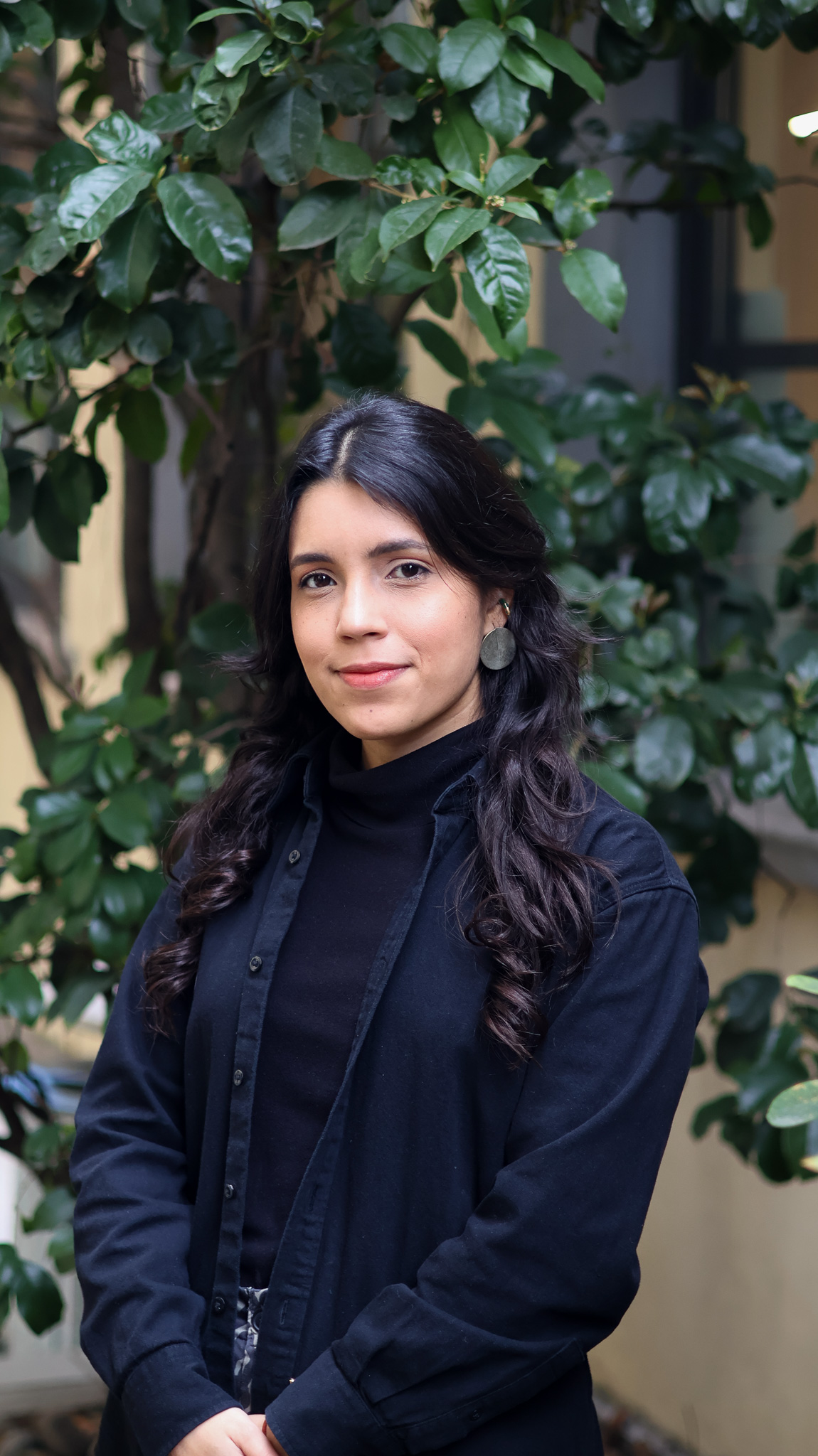
Laura C. Parra, Cultural Landscape Specialist & Project Manager, LAND Italia
What subjects do you teach, and at which university or institution?
I teach at Politecnico di Milano, within the Landscape Architecture – Land Landscape Heritage Master’s programme at the Piacenza campus. More specifically, I teach in the Landscape Studio.
What motivated you to start teaching?
Teaching has always been close to me, as both my father and my brother are teachers, and my father is a pedagogue. On a professional level, I also see teaching as an important bridge between academic research and practice, allowing knowledge and experience to flow in both directions.
How long have you been teaching there? Is this your first experience as a teacher?
I started teaching at Politecnico di Milano in 2024, first in Piacenza and then for one semester in Milan. Before that, during my Bachelor’s studies in Colombia, I also taught representation courses at Universidad Pontificia Bolivariana in Medellín, focusing on tools such as Illustrator and InDesign.
How does teaching influence your work at LAND, and vice versa?
Teaching has helped me become more open to different ideas and approaches. It teaches you to recognise the potential in every proposal and to help students develop their ideas further, rather than immediately judging them. This mindset is also very valuable in my work at LAND, where collaboration and the ability to build on different perspectives are essential.
Looking back on your teaching experience so far, what has been the most rewarding or enriching moment for you?
The most rewarding moment is seeing students reach their final exams and realise how far they have come, also thanks to the guidance and advice shared along the way. For me, teaching is about helping more than criticising: understanding what a professor is asking for, translating that into constructive feedback, and giving students the confidence to keep developing their own knowledge and ideas.
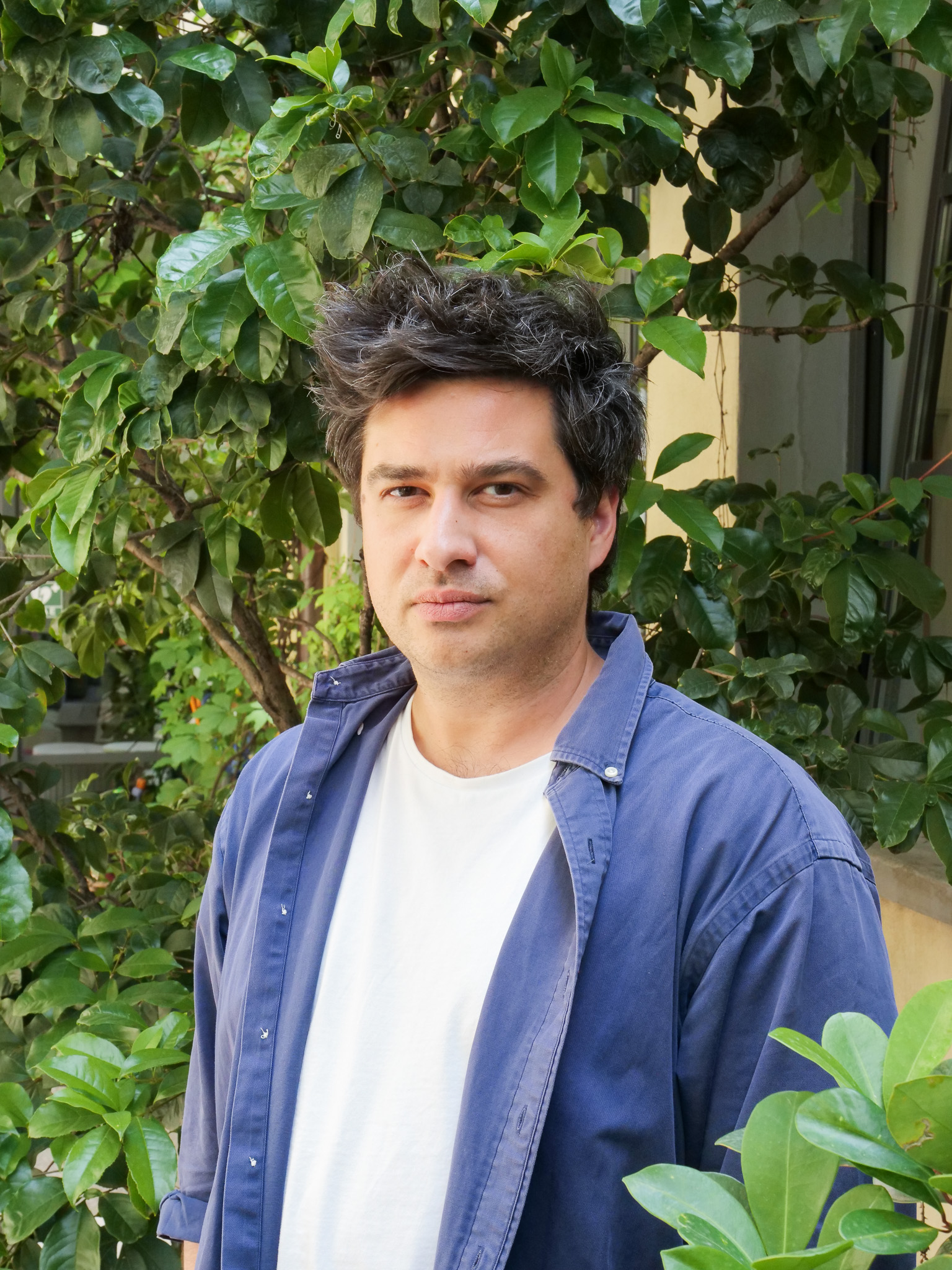
Lawand Barazi, Architect & Project Director, LAND Italia & LAND MENA
What subjects do you teach, and at which university or institution?
I teach Urban Renovation within the “Taller de Proyectos Urbano-Arquitectonicos II”, Bachelor’s Degree Programme in Architecture” Academic year 2025/2026 at the Universidad Técnica Particular de Loja (UTPL), in Ecuador.
What motivated you to start teaching?
I’ve always enjoyed teaching, and when this opportunity came up, it felt like a natural fit. There’s something clarifying about it, too: if you can explain an idea clearly to others, it usually means it has become clear in your own mind first, and that isn’t always as easy as it sounds.
How long have you been teaching there? Is this your first experience as a teacher?
I began with a week-long workshop in August 2025, and then taught a full semester as a Visiting Professor. It isn’t my first experience, I taught “Architectural Project” in Kurunegala, Sri Lanka, back in 2012, for Civil Engineers.
How does teaching influence your work at LAND, and vice versa?
The two feed each other. Teaching is good practice for working with a team, and working with a team is good practice for teaching, both come down to guiding people through a process while leaving room for their own thinking.
Looking back on your teaching experience so far, what has been the most rewarding or enriching moment for you?
After the course, the municipality and the university decided to hold an exhibition of the students’ work in a public space, inside the project area. That was the most rewarding part: the project was warmly received by everyone involved: the locals, the municipality, the university and the students themselves. Seeing the work resonate beyond the classroom made the whole experience worthwhile.
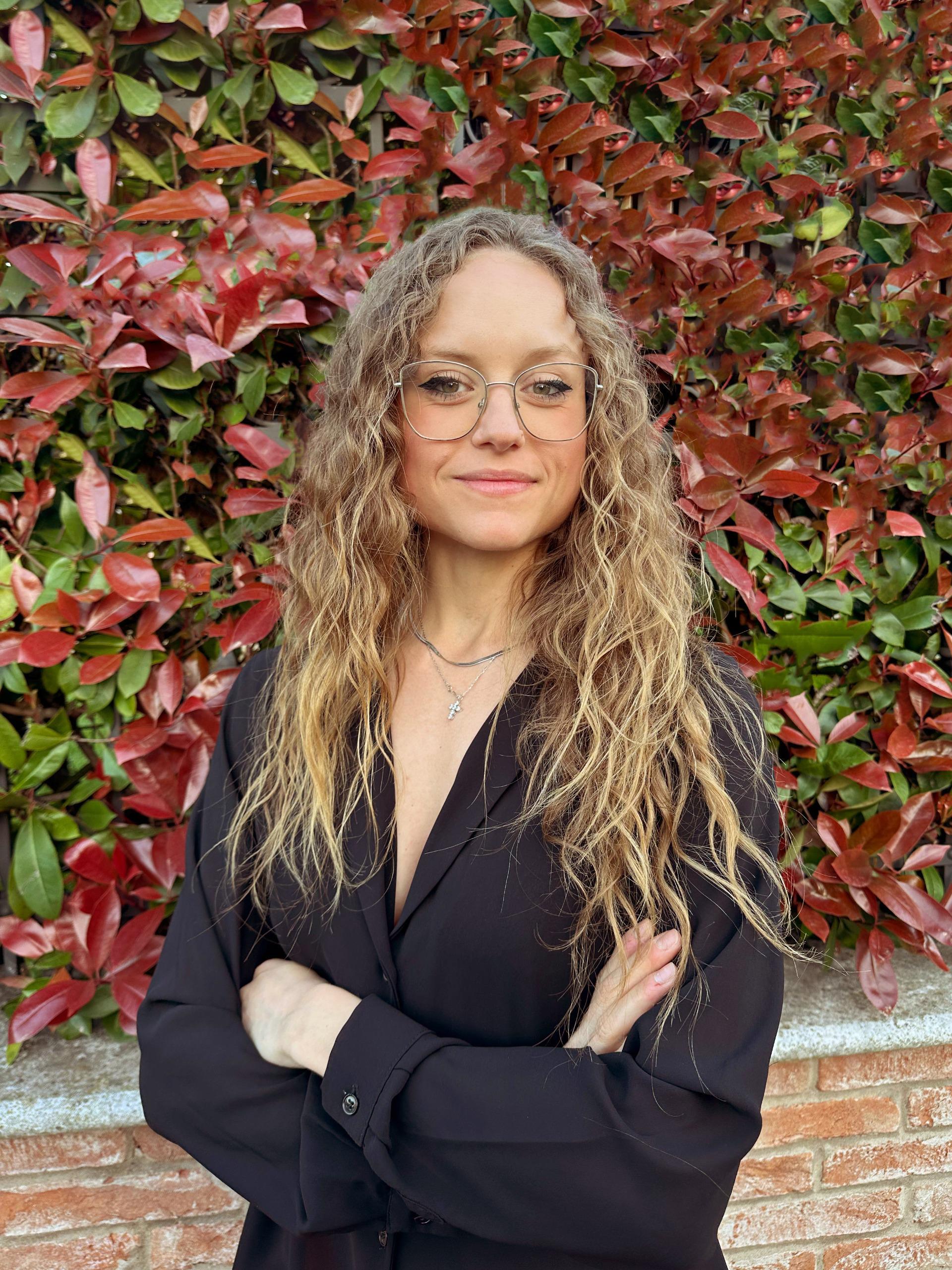
Giorgia Zagaglia, Landscape Architect, LAND Italia
What subjects do you teach, and at which university or institution?
I teach Urban Environmental Design Studio within the Sustainable Architecture and Landscape Design programme at Politecnico di Milano’s Piacenza campus. The course focuses on the process of developing a real design project. This semester, we are working on the regeneration of industrial and productive areas in Piacenza’s peri-urban context, exploring guidelines and sustainable strategies for the future development of logistics and production sites.
What motivated you to start teaching?
Teaching reminds me that you never stop learning, especially when working with young students who bring fresh perspectives and different cultural backgrounds into the classroom. Many of the students came from China and South America, while only one out of thirty-five was Italian. This made the exchange particularly stimulating, because their ways of approaching the design process were often very different and brought new ideas that even tutors and professors had not considered. Many students were also curious about LAND and about how professional practice works outside the academic environment. Their questions created an interesting bridge between university and the real world of design.
How long have you been teaching there? Is this your first experience as a teacher?
I have been teaching for six months, and this is my first experience as a teacher. My approach has been partly inspired by a course I attended in Piacenza in 2021, where the professor discussed urban transitions and the development of metropolitan areas, including Milan, Bogotá and Tokyo. What stayed with me was the cultural and sociological perspective: the idea that cities are shaped by people, their relationships and the way they live. I was also inspired by his teaching method, which was based on debate and active participation. The more students interacted, the richer the discussion became. I try to bring the same approach into my own teaching, encouraging exchange and participation in the classroom.
How does teaching influence your work at LAND, and vice versa?
Teaching requires patience, clarity and the ability to keep people engaged. These are skills I also use in my work at LAND, especially when preparing presentations, offers and proposals. Teaching has strengthened my ability to communicate ideas clearly and build a connection with different audiences, whether they are students or clients.
Looking back on your teaching experience so far, what has been the most rewarding or enriching moment for you?
One of the most rewarding moments was at the end of the course, when students came to thank me personally. Through the individual lessons, I was able to support them throughout the process, share insights into how things really work in professional practice, and hopefully inspire them as they developed their own approach.
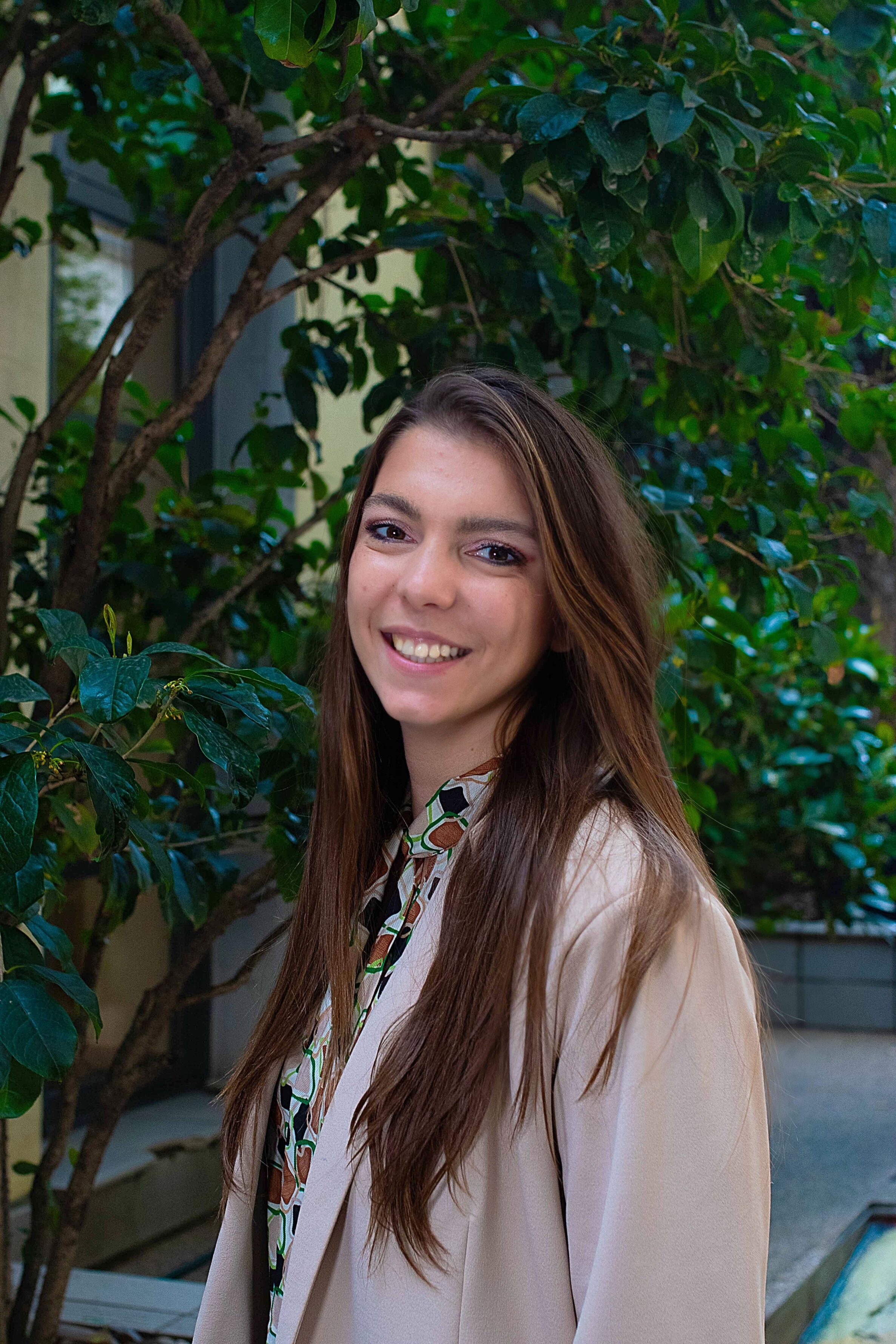
Aurora Bosia, Architect, LAND Italia
What subjects do you teach, and at which university or institution?
I teach in the Master’s programme at Politecnico di Milano, within the Building Conservation and Design course, where I also support the Landscape section as a teaching assistant.
What motivated you to start teaching?
It was a great opportunity to engage with students and with ideas that are still open, spontaneous and unstructured. I also see teaching as an exchange between Politecnico and LAND: a way of giving and receiving knowledge while exploring the role that landscape can play within the university environment.
How long have you been teaching there? Is this your first experience as a teacher?
This is my first experience. I started in February as a thesis assistant.
How does teaching influence your work at LAND, and vice versa?
My work at LAND strongly influences the way I approach teaching, especially the idea of always starting from Nature and people. At the same time, Politecnico offers a very dynamic and experimental environment, giving me a different perspective and encouraging me to look at projects and ideas from new angles.
Looking back on your teaching experience so far, what has been the most rewarding or enriching moment for you?
The most rewarding part has been seeing how much the students developed throughout the course. They all started from scratch, but by the end they were able to apply what they had learned very effectively in their projects. During the process, you almost do not realise how quickly they are learning and growing.
Don't miss out on our inspiring project stories, the latest research, and more.
All mandatory fields are marked with a *