From Nature to nAIture: LAND Research Lab at Bauhaus-Universität Weimar
Exploring how ecological intelligence, data, and landscape thinking can shape the future of resilient urban development with IUDD students.
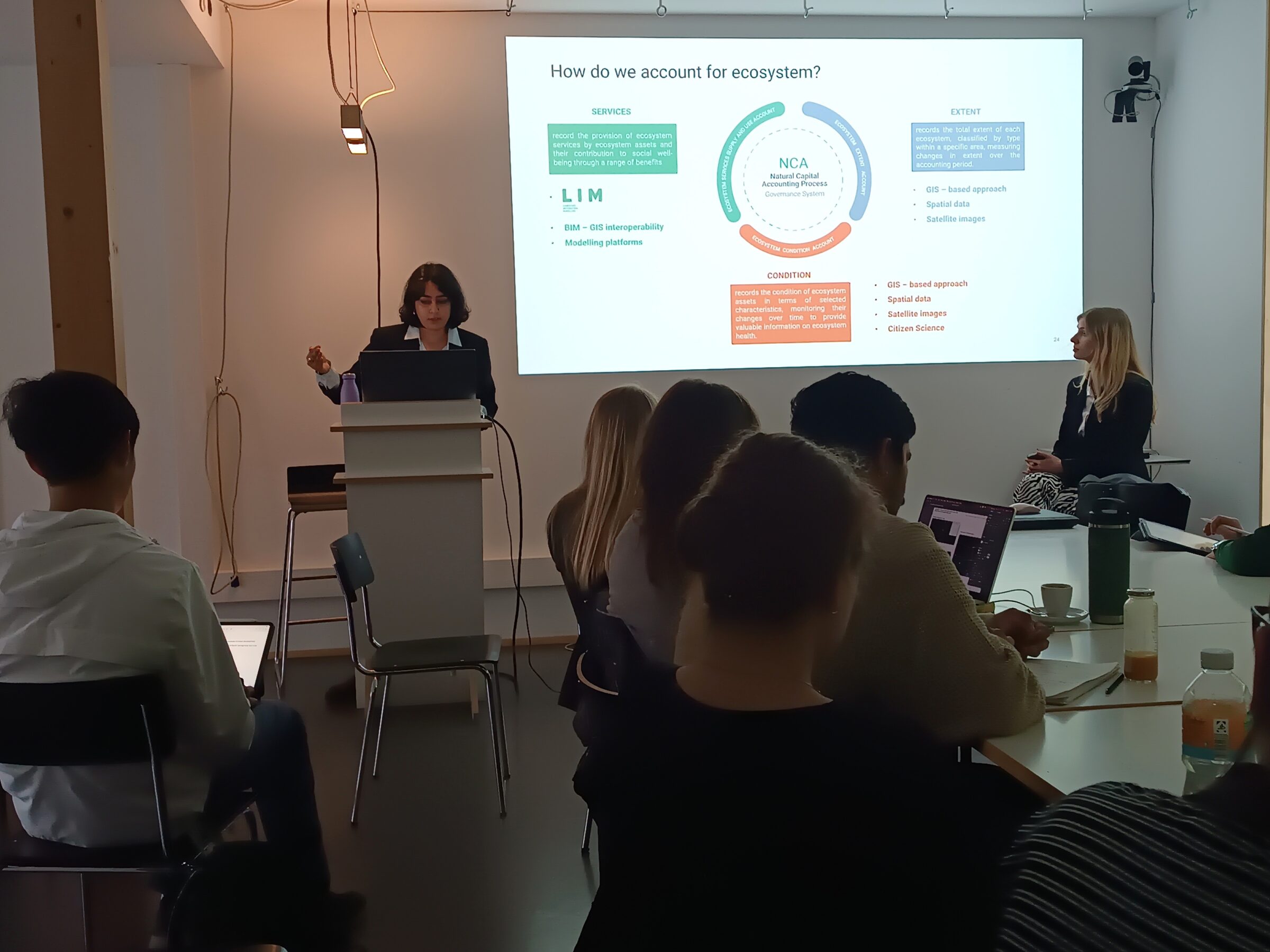
As part of the Integrated Urban Development and Design (IUDD) programme at Bauhaus-Universität Weimar, Niloofar Imani and Mariia Pogodaeva from the LAND Research Lab delivered a lecture entitled “From Nature to nAIture: Data-Driven Ecological Intelligence for Urban and Landscape Planning.”
Coordinated by Prof. Philippe Bernd Schmidt, the lecture offered an opportunity to share methodologies, tools, and reflections emerging from our applied research initiatives across Europe and the Middle East, exploring how data-driven ecological intelligence can support more resilient, adaptive, and Nature-positive forms of urban and territorial transformation.
Moving from landscape observation to advanced analytical frameworks, the presentation addressed the growing role of AI-supported planning, Natural Capital Accounting, ecosystem services assessment, and spatial data integration within contemporary landscape and urban design practices. Through case studies developed by the LAND Research Lab, the session highlighted how technology can help reveal ecological patterns, vulnerabilities, and opportunities that often remain invisible within conventional planning approaches.
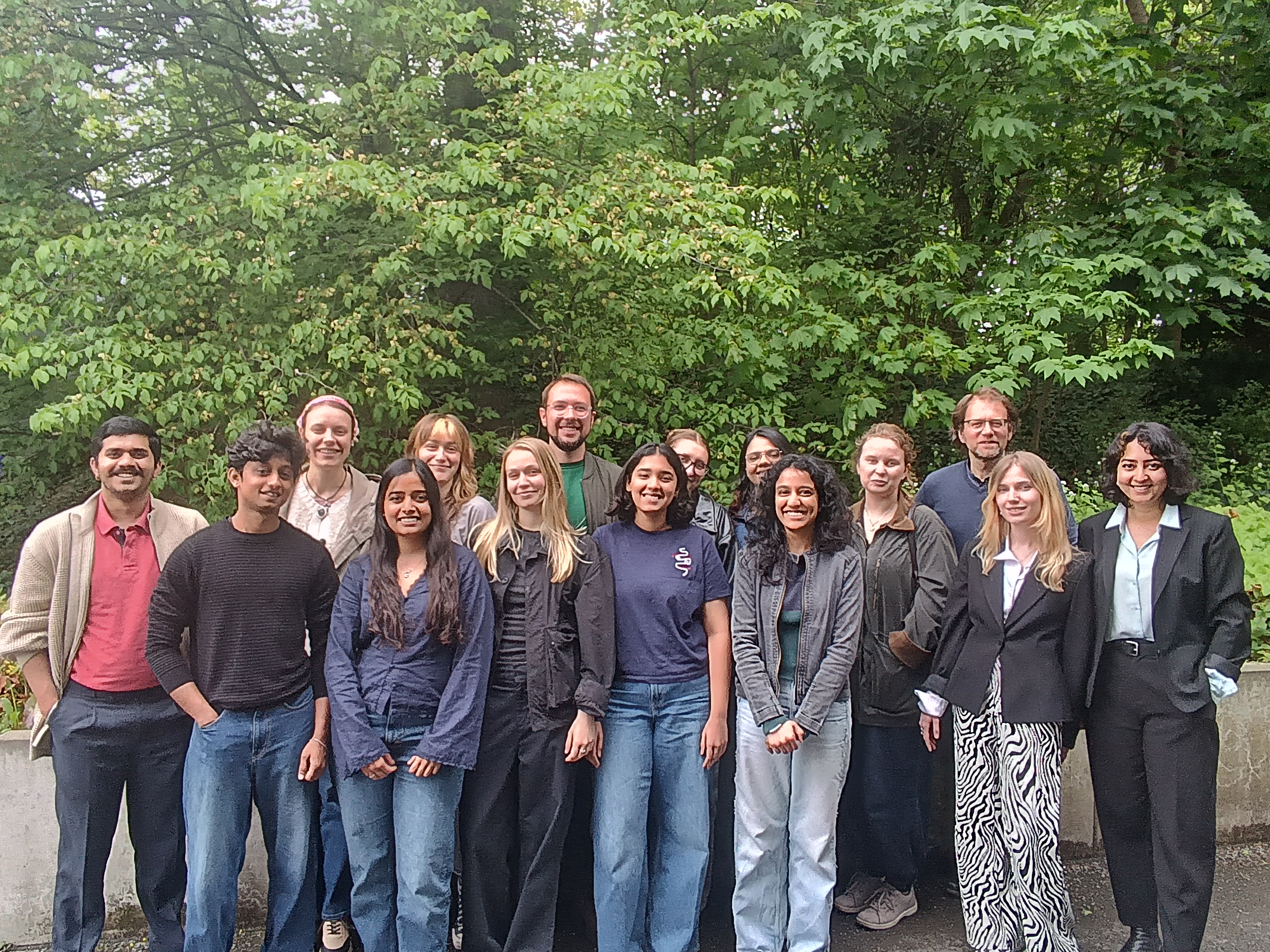
The session further established a foundation for joint brainstorming with the students around current impact‑related challenges and their evolving understanding of their own agency and responsibility as practitioners of tomorrow. The exchange with students and researchers at Bauhaus-Universität Weimar marked another meaningful step in the growing collaboration between the university and the LAND Research Lab within the framework of the LAND Academy.
Through the LAND Academy, we continue to cultivate partnerships between practice, research, and education, creating spaces where applied professional experience and academic exploration can mutually inform one another. In a moment of profound environmental transformation, these exchanges become essential to developing the tools, knowledge, and collective imagination needed to design future landscapes in harmony with Nature.