Care for the land, shape the future
In an interview with Pambianco Design, Andreas Kipar explores how landscape solutions can restore urban biodiversity, rethink post-industrial sites, and turn climate challenges into opportunities for cities and communities.
In an interview with Pambianco Design, Andreas Kipar retraces a 30-year journey at the intersection of landscape, ecology, and urban regeneration. The transformation of disused spaces, such as former industrial areas and traffic hubs, can lead to a new form of urban resilience rooted in permeability, biodiversity, and citizen engagement.
From the long-term vision behind Milan’s Raggi Verdi to the depaving strategy that’s freeing up 445,000 square meters of impermeable surface across Italy, Kipar explains how LAND is driving a shift toward nature-based solutions. He highlights how digital tools like LIM (Landscape Information Modelling) and AI-powered platforms are enabling data-driven decisions that align ecological and economic goals.
This regenerative approach doesn’t just mitigate climate risks, it also redefines the cultural narrative of our cities, where soil becomes infrastructure, and Nature becomes Capital.
Interview by Chiara Sessa
Pambianco Design magazine - Prendersi cura dell'esistente (Download file)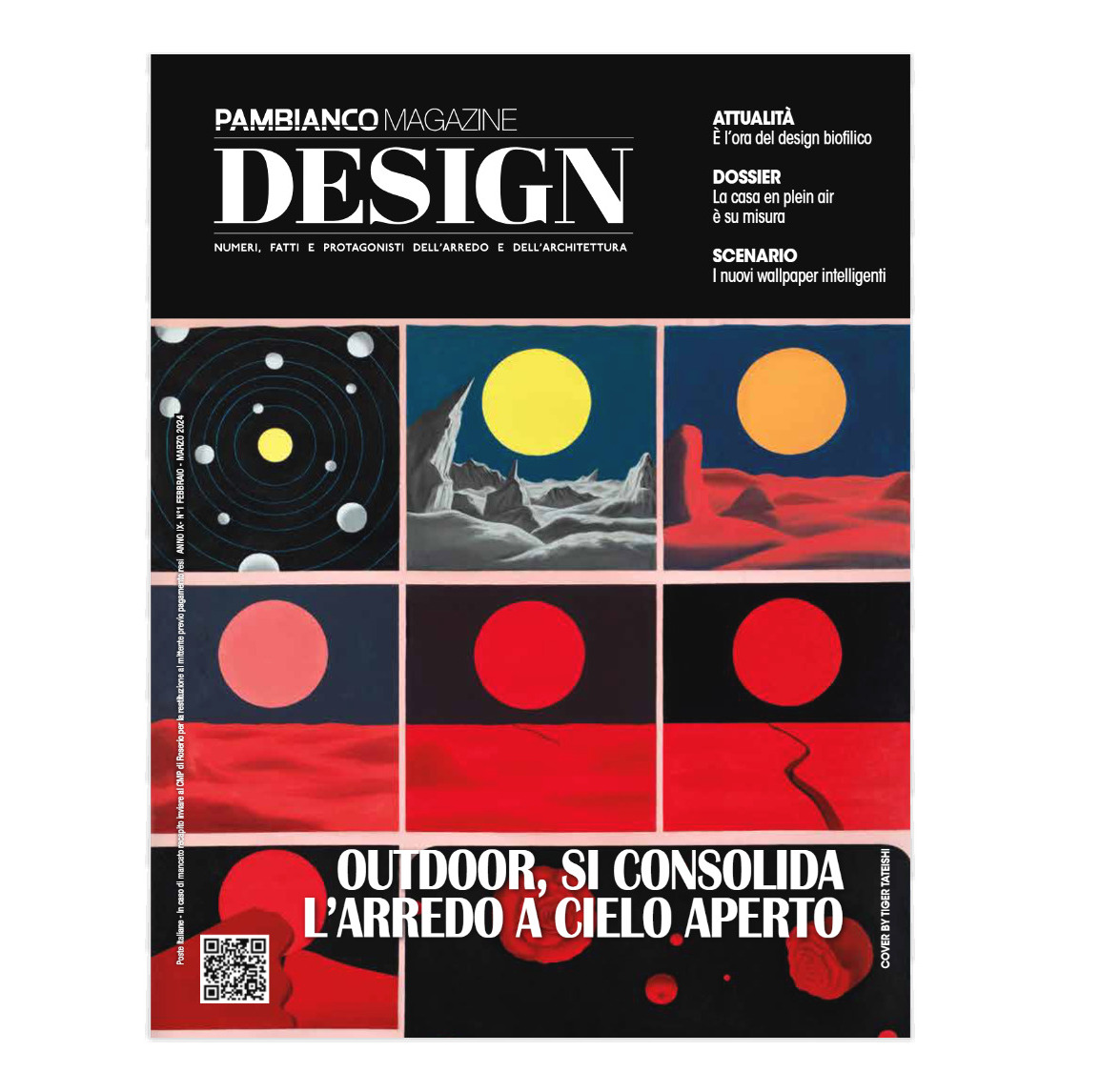
View other publications
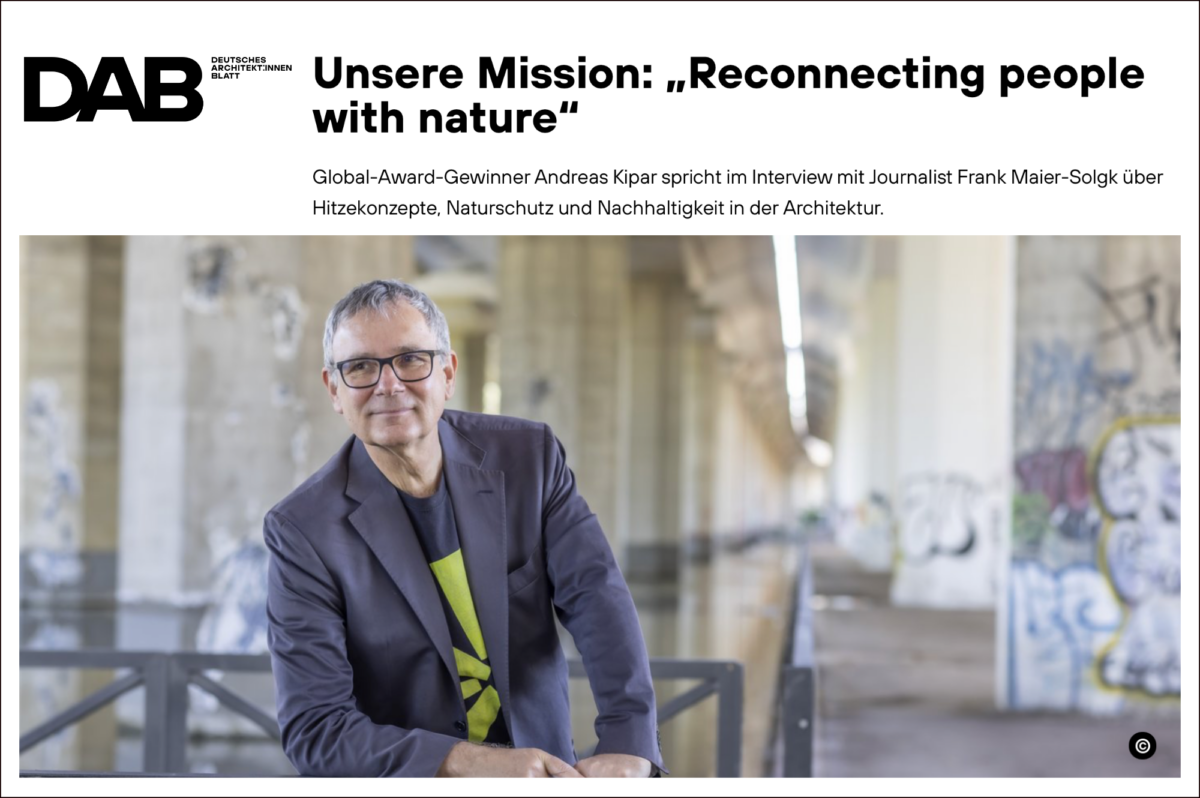
Reconnecting People with Nature: Andreas Kipar in DAB
In an interview with Pambianco Design, Andreas Kipar explores how landscape solutions can restore urban biodiversity, rethink post-industrial sites, and turn climate challenges into opportunities for cities and communities.