Exploring the interplay between Mobility and Landscape
Mobility and landscape are intrinsically linked, shaping how people navigate spaces. Mobility serves as the backbone of a functional system, while landscape provides the framework that sustains it. Our collective efforts emphasize the need to integrate both to create sustainable, meaningful environments.
Amélie Cossé, Director of the Montreal office of Momentum Transport Consultancy, explores the need for a holistic approach to transport planning, using our joint project in the Yukon as a case study. She advocates for data-driven, community-centered planning that balances quantitative insights with qualitative human experiences. While traditional infrastructure often disrupts historical and ecological connections, integrating a place’s identity into transport systems can help reverse the effects of past planning decisions, shift the mobility pyramid, and support the growing movement toward sustainable, people-centered urban design—both in Canada and globally.
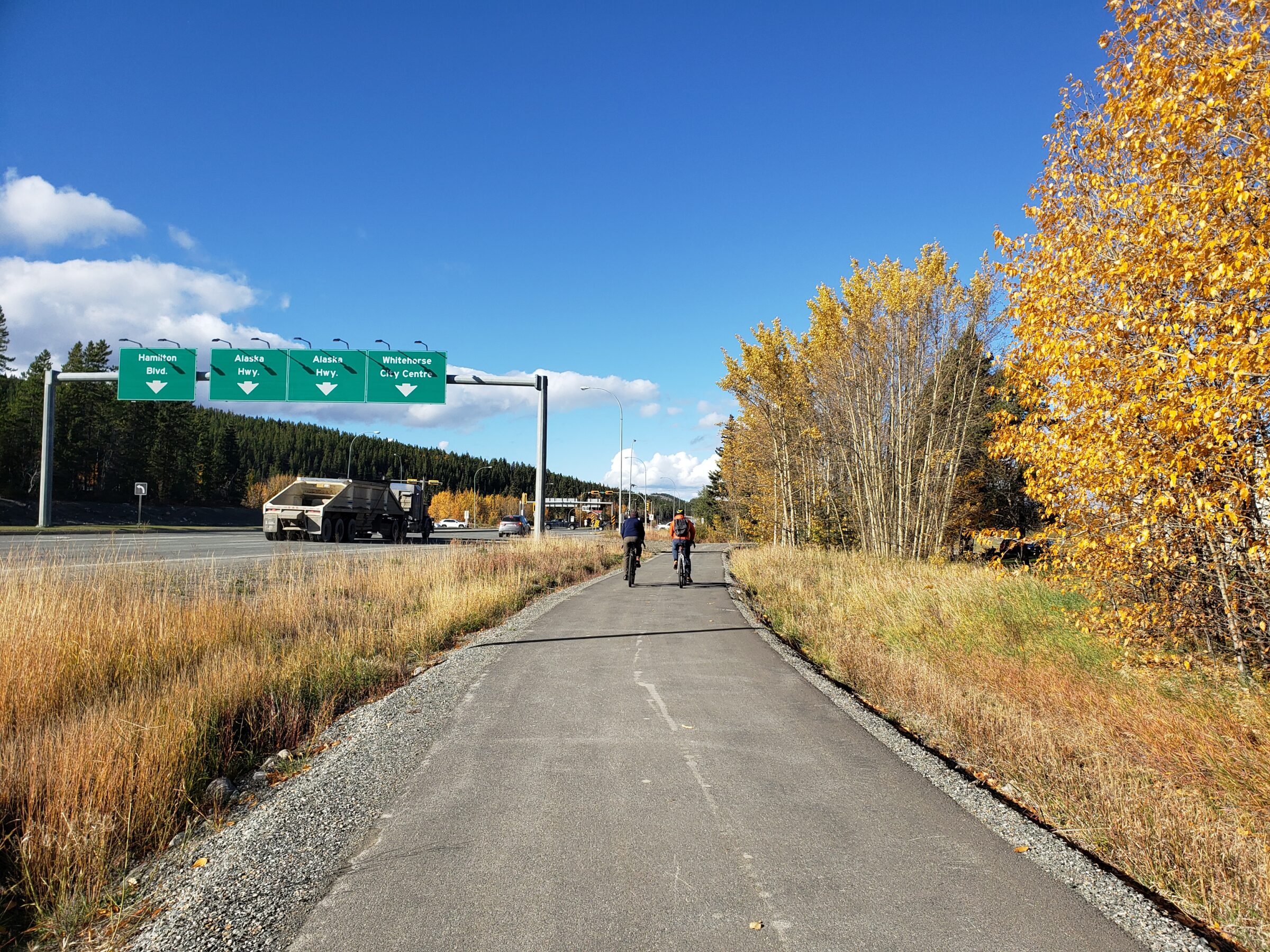
This approach is reflected in our project in the Yukon, where a crucial highway also passes through lands of historical and spiritual significance to First Nations communities. Originally a natural route, its development disrupted connections between people and the environment. Our proposal introduces a walking and cycling trail alongside the highway, offering a holistic perspective where mobility and landscape function together, rather than separately. Unlike traditional designs, where landscapes are secondary, we view them as active elements in the project.

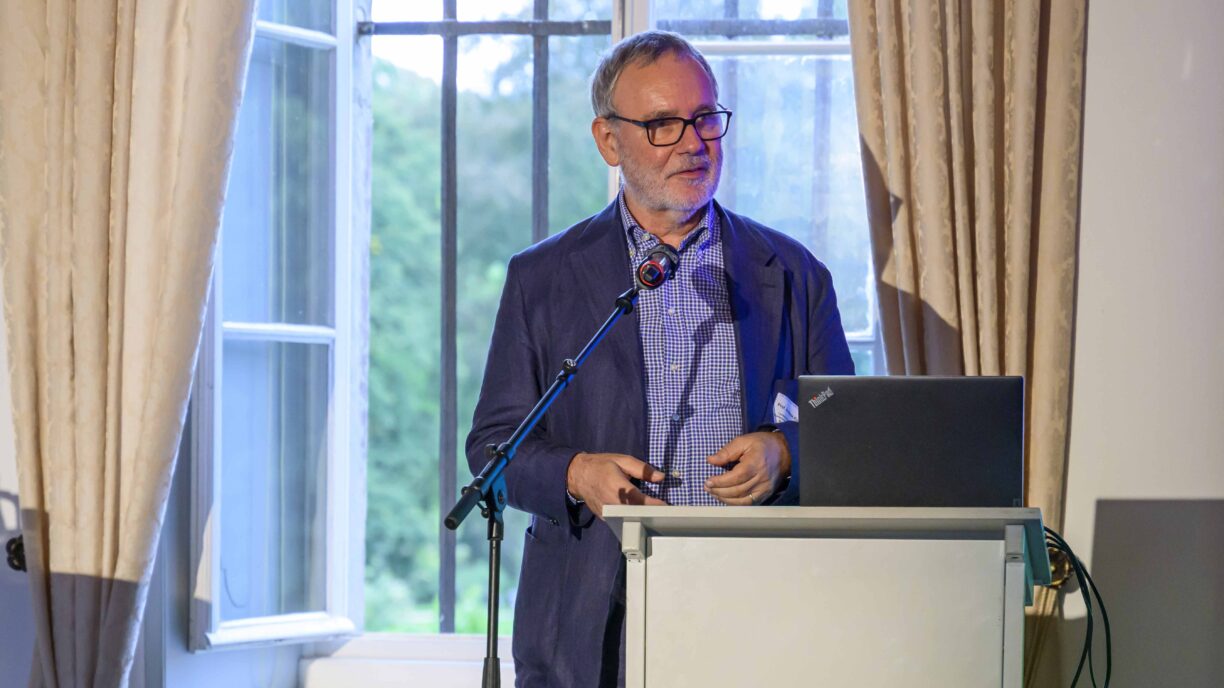
Amélie Cossé, Director of the Montreal office of Momentum Transport Consultancy
Discussions with planners and engineers often reveal a tendency to prioritize infrastructure over the environment. In the Yukon, where nature is abundant, it’s easy to overlook the delicate balance of the ecosystem. Unlike urban areas, where green spaces are scarce and highly protected, the challenge here is ensuring development doesn’t disrupt ecosystems but integrates with them. Thoughtful planning can maintain connectivity for both human mobility and wildlife movement.
This integration requires a shift in mindset to be replicated, recognizing that mobility systems should work with the land rather than impose upon it. By designing transportation networks that account for environmental and cultural significance, we can create spaces that reflect both human needs and ecological sustainability.
The power of Data and Community Insights in Urban Planning
As with your landscape projects, our approach is rooted in evidence-based planning, balancing quantitative data with qualitative insights from communities. While forecasting data is valuable for planning future transportation needs, it is important to design for the future we want—not just for what we expect to happen. Data-driven decisions must be paired with a vision for the future, ensuring that our designs not only respond to current trends but also shape the desired outcomes. Proactive planning can encourage behavioral shifts, such as prioritizing pedestrian and cycling infrastructure to reduce reliance on cars.
Community feedback, though less structured than data metrics, offers invaluable insights. The emotional and experiential relationship we have with the land is often not captured in numbers, but it plays a vital role in shaping the success of projects.
Data also helps identify imbalances in space allocation, revealing how cities often prioritize vehicles over pedestrians and cyclists. This understanding allows for smarter urban planning that enhances accessibility and sustainability.

Schwatka Lake from Miles Canyon Road – Photo by Amélie Cossé
Identity and Mobility: shaping places through movement
Mobility is deeply intertwined with a place’s identity. The past informs the present: previous infrastructure decisions, such as highways cutting through neighborhoods, disrupted urban connectivity. Today, cities are reversing such impacts by replacing roads with pedestrian spaces and restoring waterfront access.
The evolution of urban mobility reflects shifting societal values. While North America has developed around cars, Europe has prioritized pedestrian-friendly environments. Today, resistance to pedestrianization and bike lanes echoes past opposition to mobility changes. Scholars like Peter Norton documented early pushback against automobiles in the 1920s and 1930s, when citizens demanded speed controls and raised moral concerns about traffic safety. Yet, cities adapted, integrating cars into daily life. If mobility has transformed before, it can do so again. Just as we moved from carriages to automobiles, a new revolution is possible. The challenge and opportunity lie in balancing a place’s historical identity with modern transportation needs.
Infrastructure decisions have long-lasting consequences, shaping not only mobility patterns but also the character and functionality of urban spaces. Some cities have successfully repurposed highways into green spaces or pedestrian zones, demonstrating that past mistakes can be rectified through innovative planning.
Recognizing these imbalances is crucial to designing more inclusive and accessible cities. Mobility planning must evolve beyond functionality to consider environmental sustainability, cultural identity, and human experience, ensuring that our built environments serve both people and nature effectively. By integrating these principles, we can create spaces that not only support movement but also enrich the communities they serve.