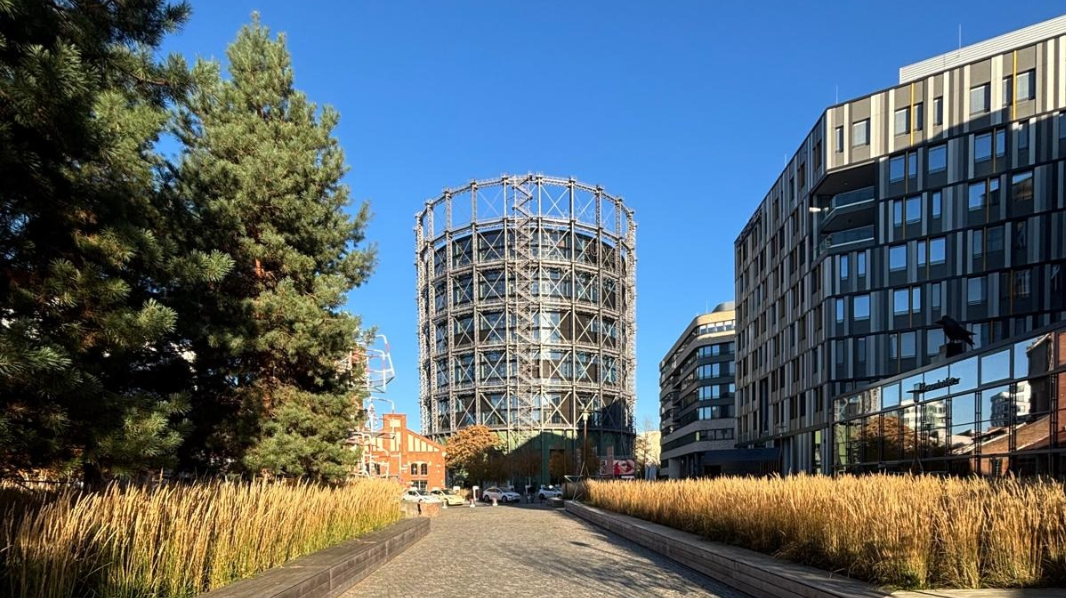
Andreas Kipar in Berlin: from climate adaptation to the urban spaces of tomorrow
Between the Klimaanpassung congress on 5 November and the 8th bdla Entwerfer:innen-Gespräche the day after, Andreas Kipar took part in two moments of dialogue in Berlin, from the Nature-Positive city to the public spaces that connect people and Nature and will shape cities for generations.
What if climate adaptation were not only a response to heat and heavy rainfall, but an opportunity to rethink how cities are lived? In Berlin, this question guided two days of dialogue, between 5 and 6 November 2026, with Andreas Kipar among the voices taking part.
The first stop was Klimaanpassung – Der Berlin Kongress, hosted by the Berlin Senate Department for Mobility, Transport, Climate Protection and Environment at the Werkstatt in the EUREF-Campus. The congress took stock of the first year of the Berlin Climate Adaptation Act, which made Berlin the first German federal state to set binding and measurable requirements. At its centre were proven measures, concrete projects and best practices, along with an exchange between administration, districts, science, planning, associations and business.
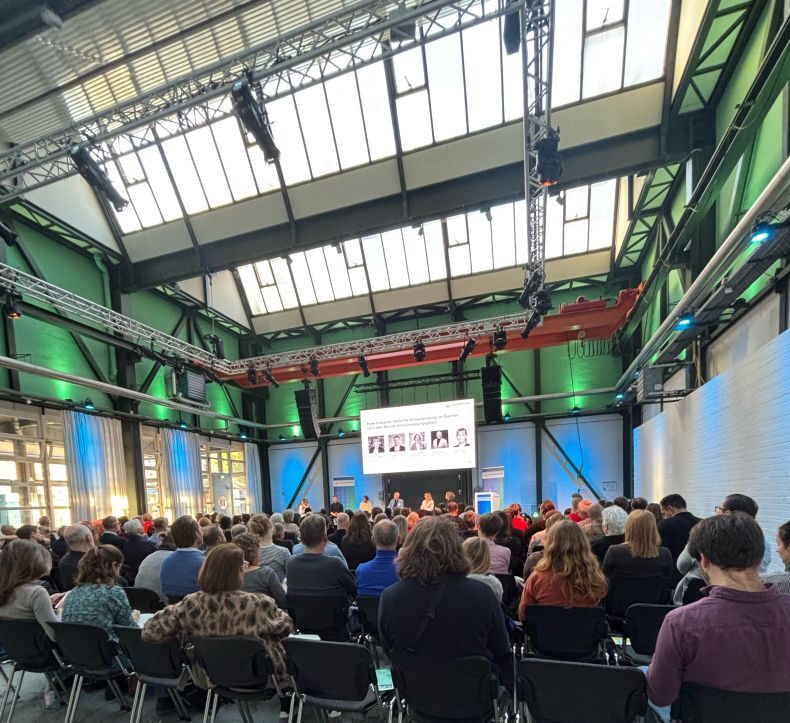
Klimaanpassung – Der Berlin Kongress 2026
Cities face similar challenges, yet their responses to heat, heavy rainfall and limited space depend on different physical, social and administrative conditions. This is why international perspectives made the difference. Kipar shared the stage with Giulia Castellazzi, with whom he had worked in the LAND community some years ago, and with Anton Nikitin, Chief Sustainability Officer of the City of Vilnius. Berlin, Milan and Vilnius: three cities with different starting points, shared challenges and great potential to learn from one another.
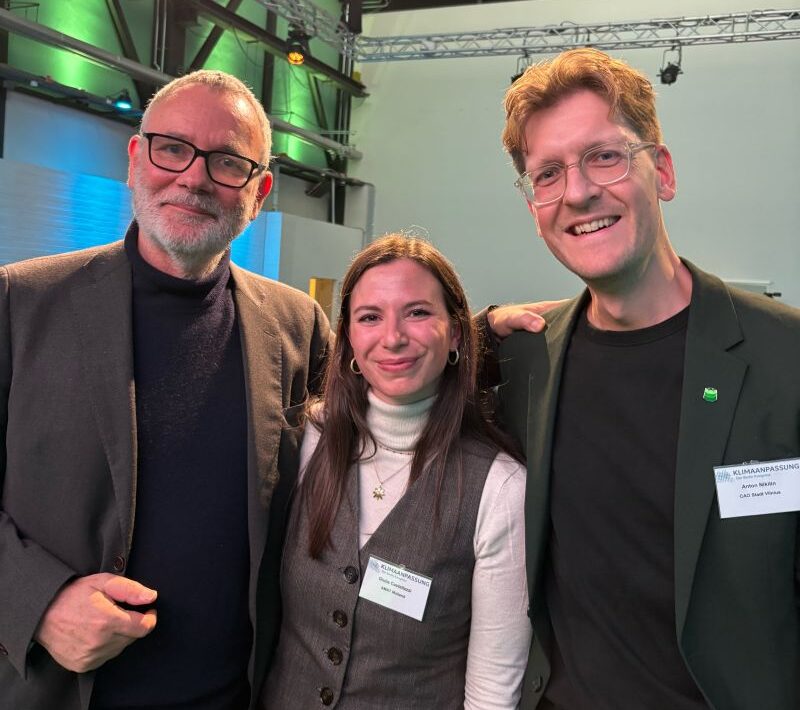
Andreas Kipar, Giulia Castellazzi and Anton Nikitin at Klimaanpassung 2026
In his talk “Climate adaptation as an opportunity: towards the Nature-Positive city”, Kipar brought the perspective of landscape architecture into the programme, reflecting on how cities can become not only more climate-resilient, but also living, Nature-Positive habitats. The challenges are by now well known: what matters is implementation, which calls for courage, collaboration and the willingness to recognise Nature as the foundation of our society.
The questions that accompanied the congress remained open to everyone in the room. Which approaches can be adapted elsewhere? What obstacles arise during implementation? And how can experience in planning and public administration benefit colleagues across city boundaries?
The dialogue in Berlin did not stop there: the next day, its gaze moved further ahead. On 6 November, Kipar took part in the 8.bdla-Entwerfer:innen-Gespräche 2026 (Designers’ Talks) of the Bund Deutscher Landschaftsarchitekt:innen bdla, held under the motto “Stadträume / future reality”.
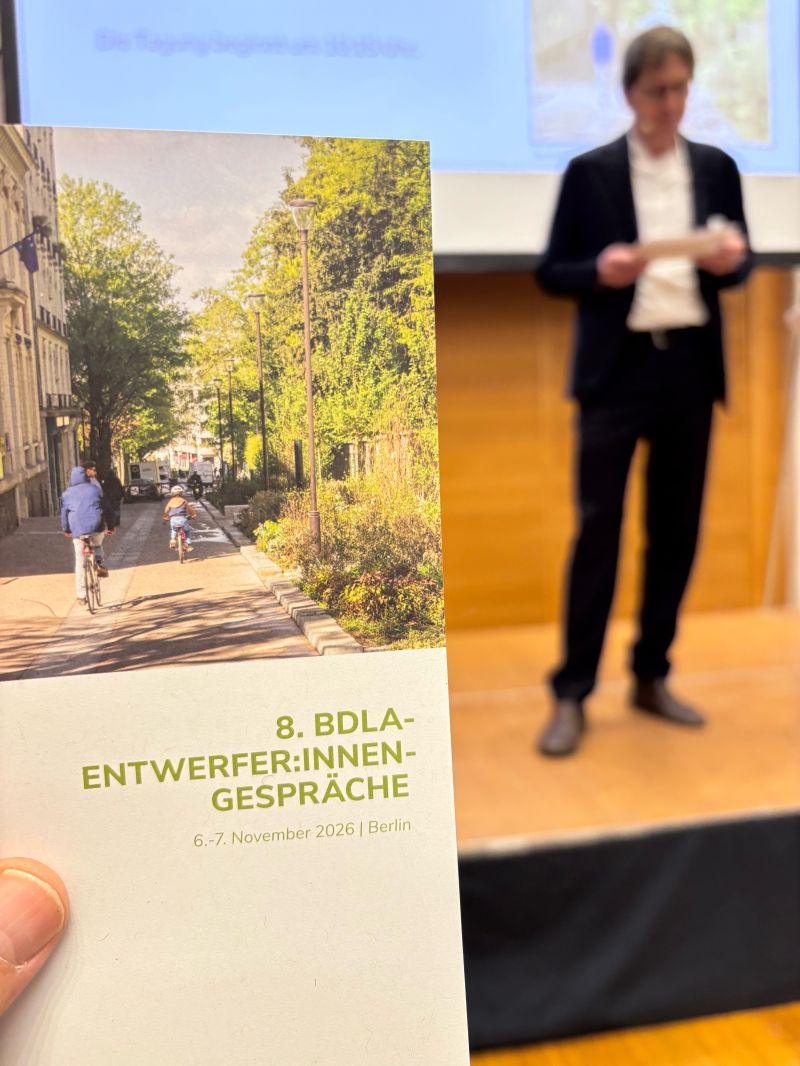
8.bdla-Entwerfer:innen-Gespräche 2026
In his contribution, “Reconnecting People With Nature”, he asked a simple question: how do we design today the urban spaces in which we want to live tomorrow? Public open spaces connect people and Nature, and it is here that climate adaptation, biodiversity and quality of life become tangible in everyday life. What we design today will shape the city for generations to come.
From climate adaptation to the design of tomorrow’s urban spaces, thanks to both platforms for making possible these dialogues that reflect LAND’s commitment to a landscape-led approach and reconnects cities, people and Nature, placing Nature at the heart of how cities adapt and take shape.
Don't miss out on our inspiring project stories, the latest research, and more.
All mandatory fields are marked with a *