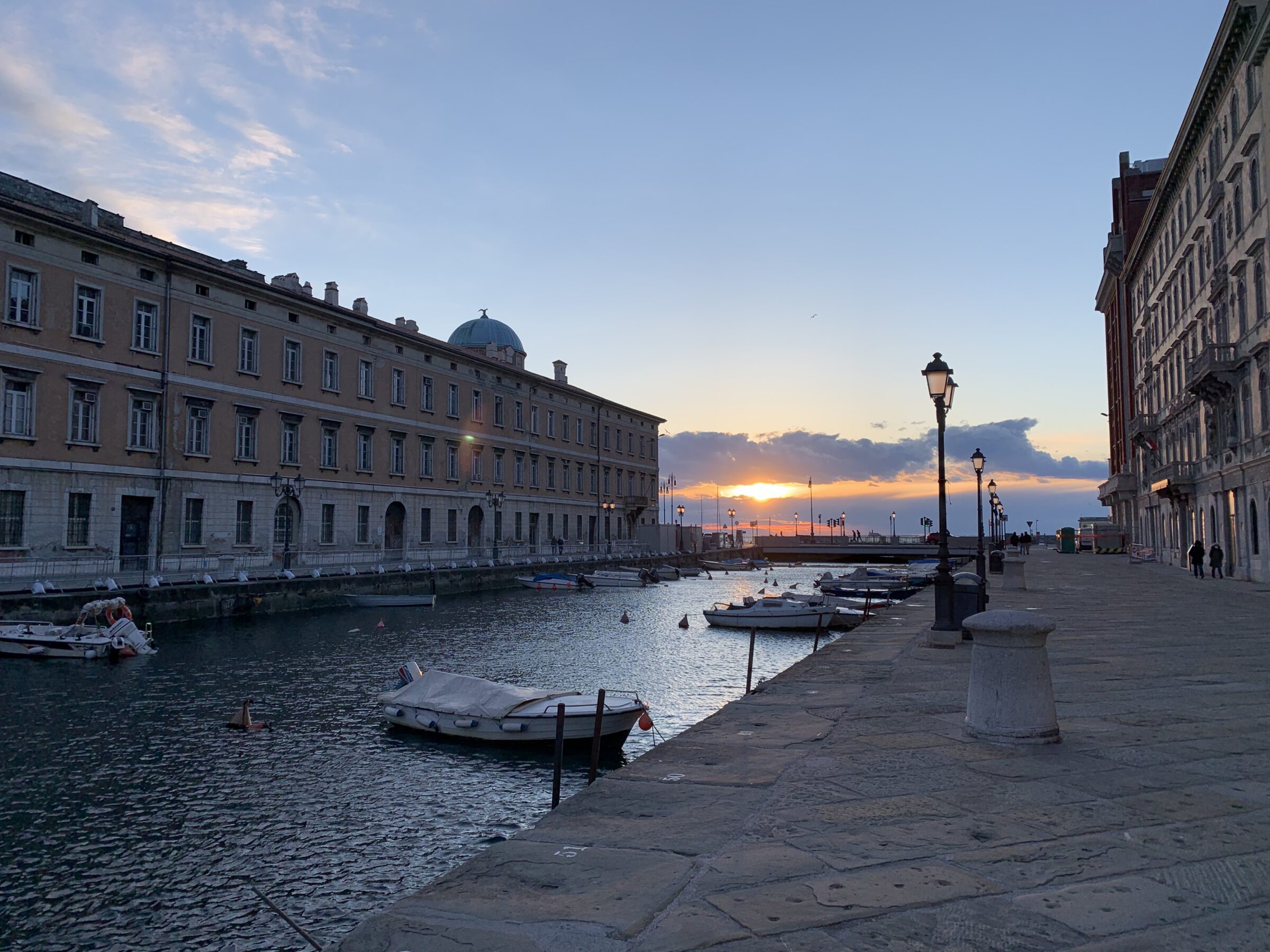
Trieste: A Nature-Positive Laboratory Between the City, the Sea and the Karst
From the city centre to the coast, landscape becomes the framework for reconnecting people, Nature and place through a Nature-Positive approach.
Trieste is not simply a city to pass through; it is a city to return to. A place of thresholds and connections, where the sea meets the Karst plateau, the port engages with the urban fabric, and memory becomes a living resource for imagining the future.
In recent years, Trieste has embarked on a profound transformation, restoring centrality to public space, landscape and urban quality of life. This journey was recognised at the European level when the city was named European City of the Year 2022 by the Academy of Urbanism, acknowledging its ability to foster development, opportunity and new relationships between infrastructure, Nature and communities.
Within this process, Porto Vecchio – now Porto Vivo stands as one of its most significant symbols. Long disconnected from the everyday life of the city, this extensive system of spaces, buildings, piers and infrastructure is once again becoming an integral part of the urban fabric. No longer a boundary, but a new urban centre; no longer an inaccessible void, but an open, accessible and shared landscape.
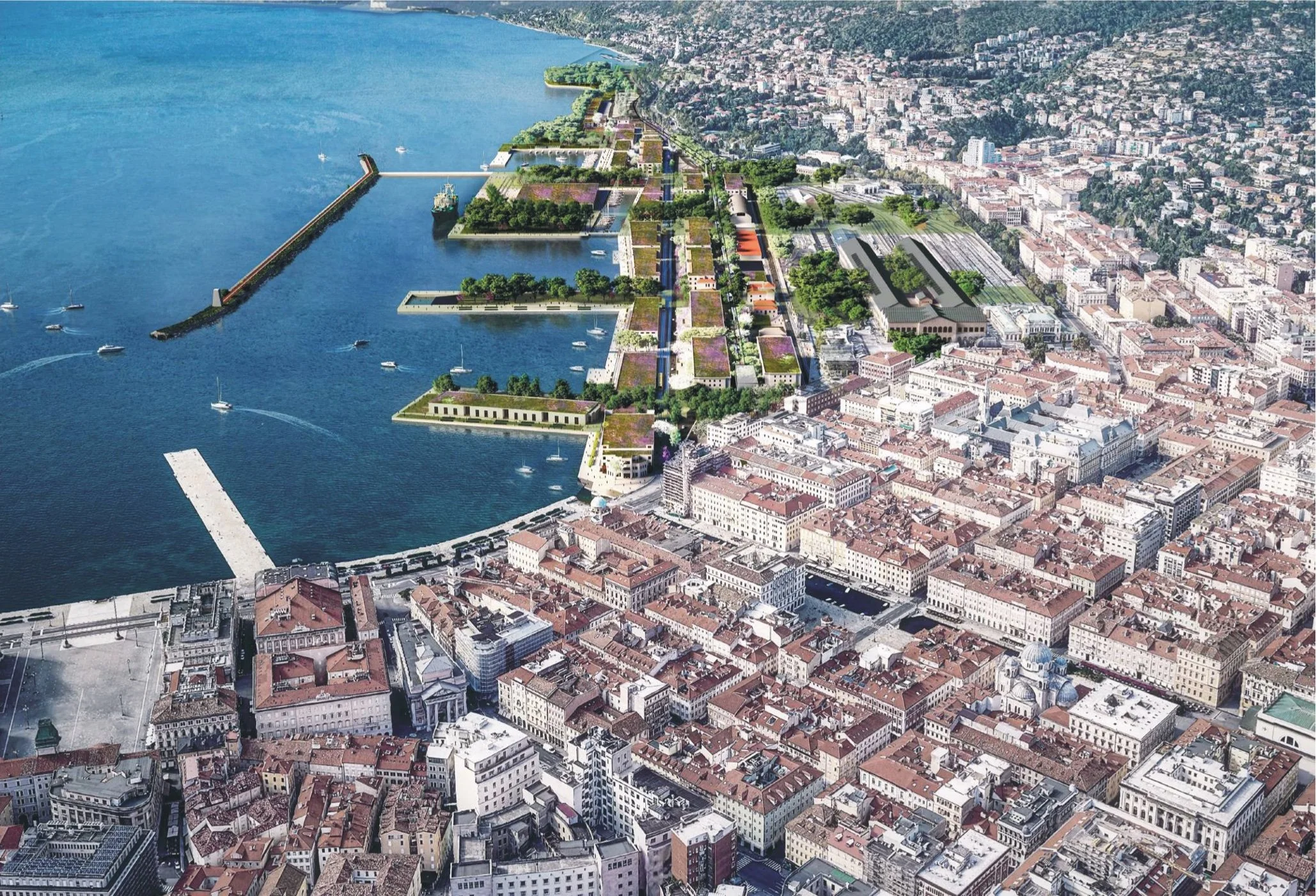
Porto Vecchio-Porto Vivo-Trieste
For LAND, contributing to Trieste’s transformation means working towards a profound reconnection: between the city and the sea, between the Karst and the waterfront, between industrial heritage and new forms of urban Nature. From the open space masterplan for Porto Vecchio to the Passaggio Libertà project, and the vision presented at the 2025 Architecture Biennale in the Italian Pavilion exhibition TERRÆ AQUÆ, the underlying principle remains the same: landscape is not a decorative element, but an ecological, social and cultural infrastructure.
The vision for Porto Vivo is rooted in this very understanding. Open spaces become the structural framework of regeneration: an “urban musical score” composed of axes, pauses and transversal connections, capable of restoring the relationship between the consolidated city and its waterfront. The routes running parallel to the sea, together with the piers, green areas and new public spaces, create an urban composition where Nature and culture once again engage in dialogue.
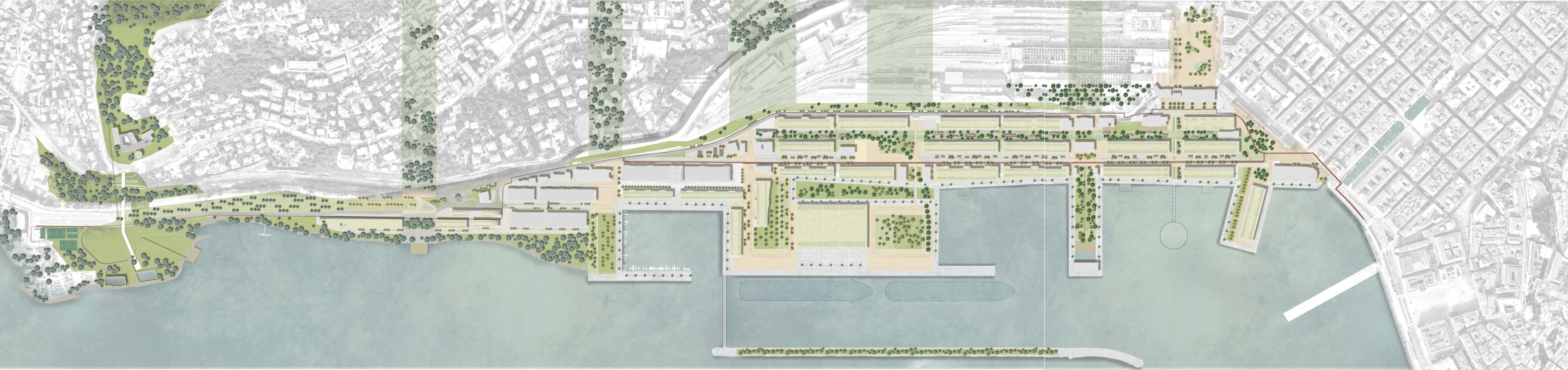
Porto Vecchio Masterplan
In this way, Trieste offers a tangible interpretation of a Nature-Positive approach—not merely by mitigating the impacts of urban development, but by creating new conditions for biodiversity, accessibility, wellbeing and climate resilience. Green infrastructure is no longer treated as an ornamental feature; instead, it becomes a high-performing system that retains rainwater, improves the urban microclimate, strengthens ecological corridors and gives people spaces to meet, walk, pause and breathe.
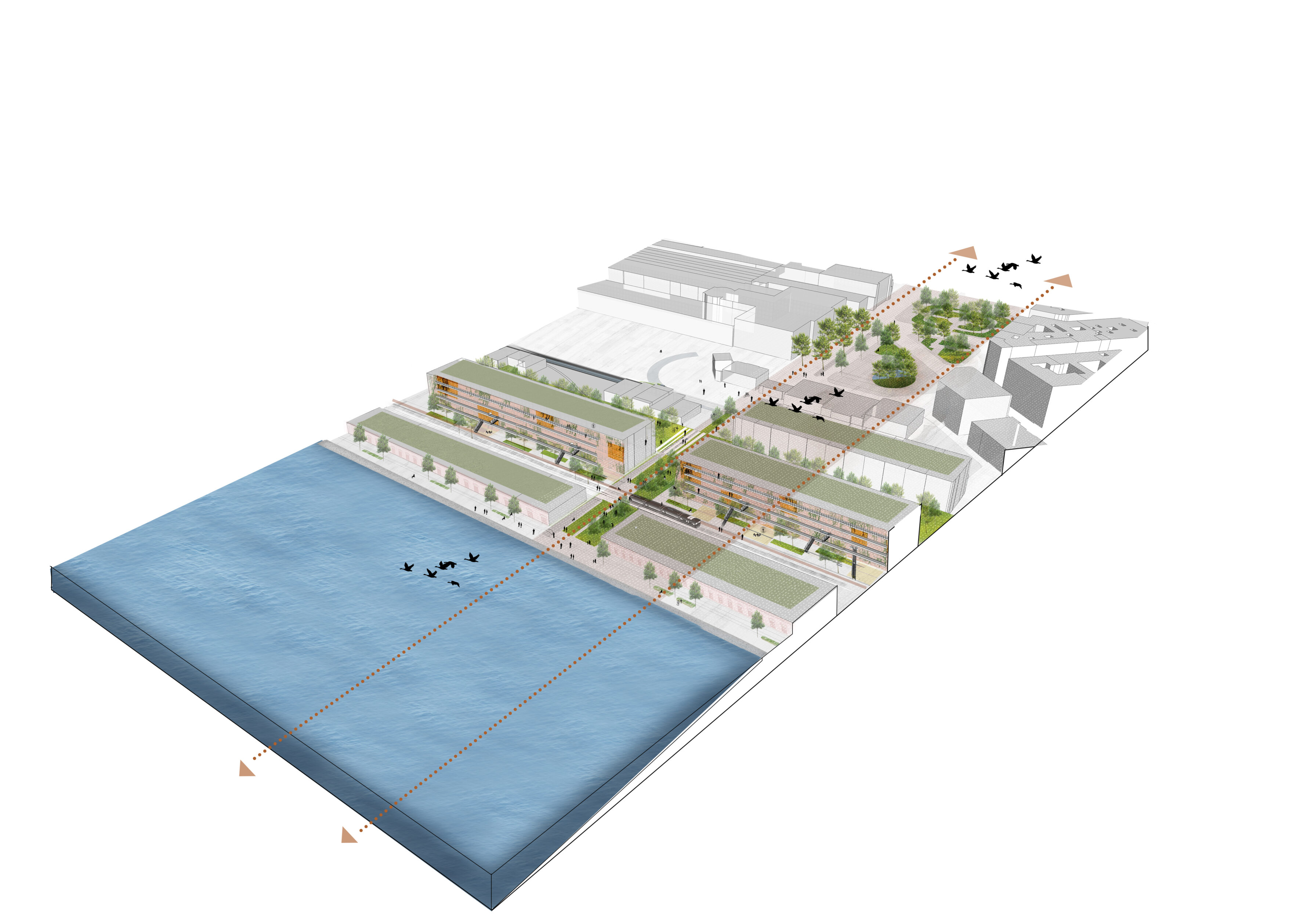
Passaggio libertà, Trieste
Passaggio Libertà also forms part of this broader vision. The area between Piazza Libertà, Largo Città di Santos and the entrance to Porto Vivo becomes both a symbolic and physical threshold linking the railway station, the city and the sea. Here, the Karst landscape enters the urban realm through stone, water and native vegetation, transforming a space of movement into a micro-landscape that expresses Trieste’s deepest identity.
This narrative is further enriched by Porto Piccolo Baia Sistiana, where the regeneration of a former quarry has demonstrated how architecture and Nature can coexist within a fragile and complex coastal environment. With four hectares of green spaces, green roofs, new tree planting and public spaces carefully integrated into the site’s terraced topography, the project represents another important contribution to a broader reflection on the future of coastal landscapes.
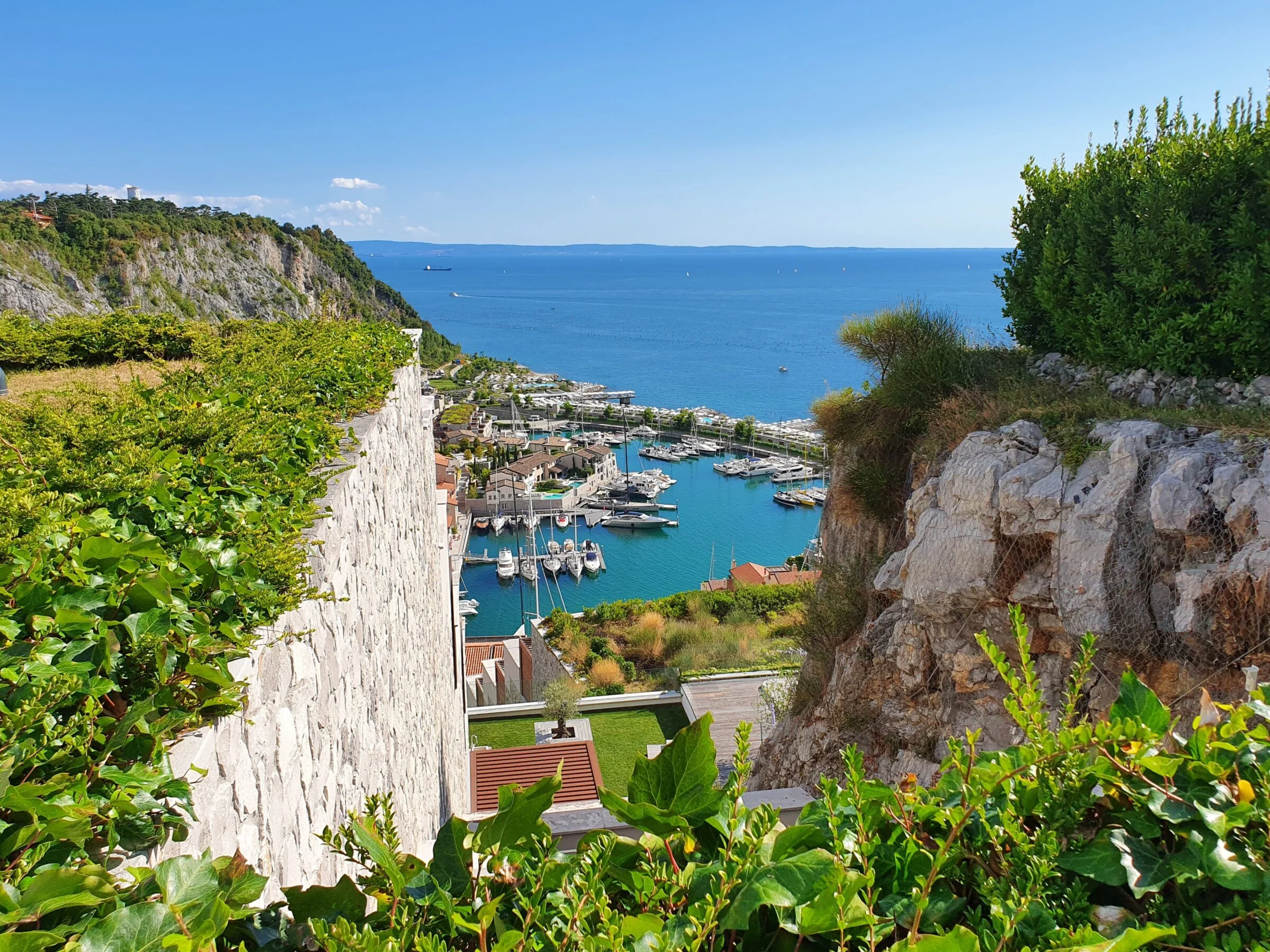
Porto Piccolo, Baia Sistina, Trieste
Today, Trieste is demonstrating that urban regeneration can no longer be understood solely as the transformation of buildings or infrastructure. It is a cultural, ecological and social process that demands vision, governance and the ability to listen. In this sense, the city’s work offers a valuable example for many other port cities, both in Italy and around the world—cities facing the challenge of reopening their edges, reconnecting historically separated waterfronts, and creating new public spaces capable of responding to the climate and social challenges of our time.
Trieste reminds us that the future of cities can emerge precisely from reconnecting what has remained separated for too long: the built and the unbuilt, the port and the city, the Karst and the sea, Nature and everyday life.
This is where landscape becomes a project.
And this is where a city can truly become Nature-Positive.
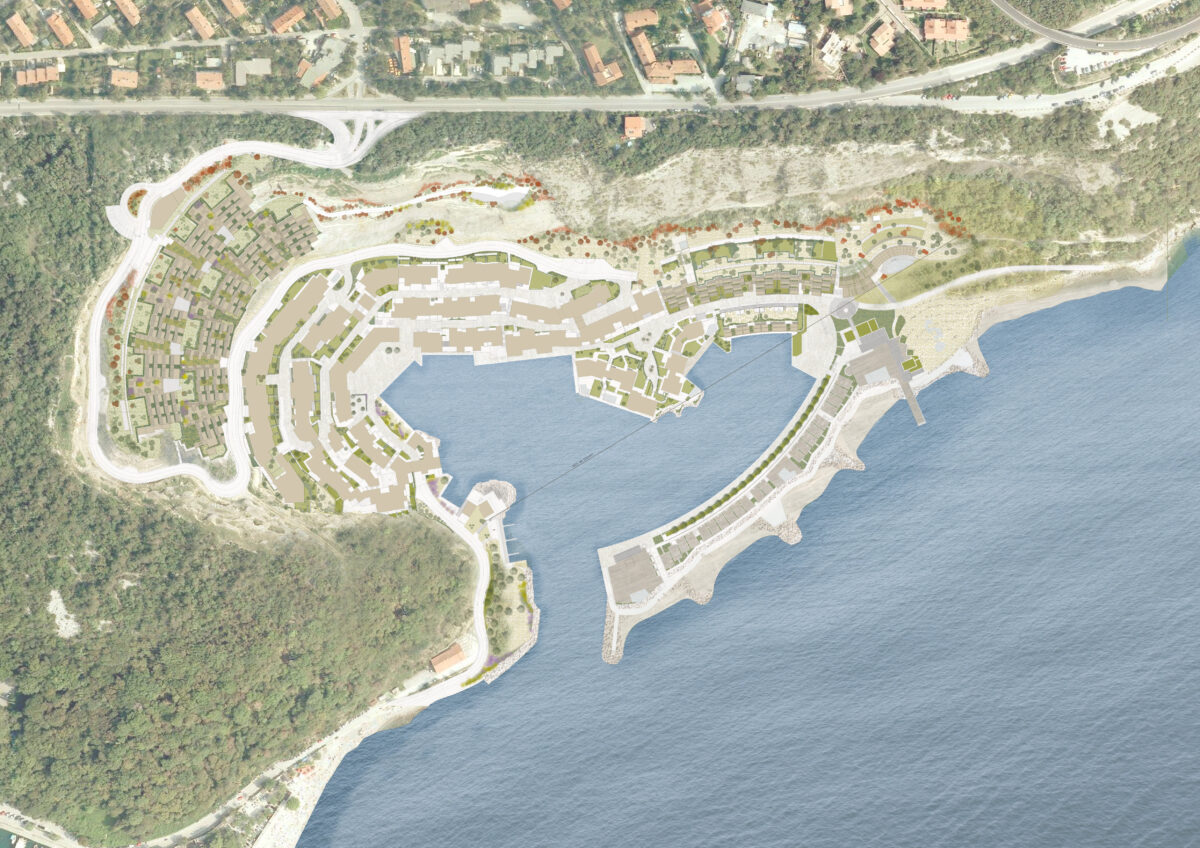
Porto Piccolo, Baia Sistina, Planimetria Generale
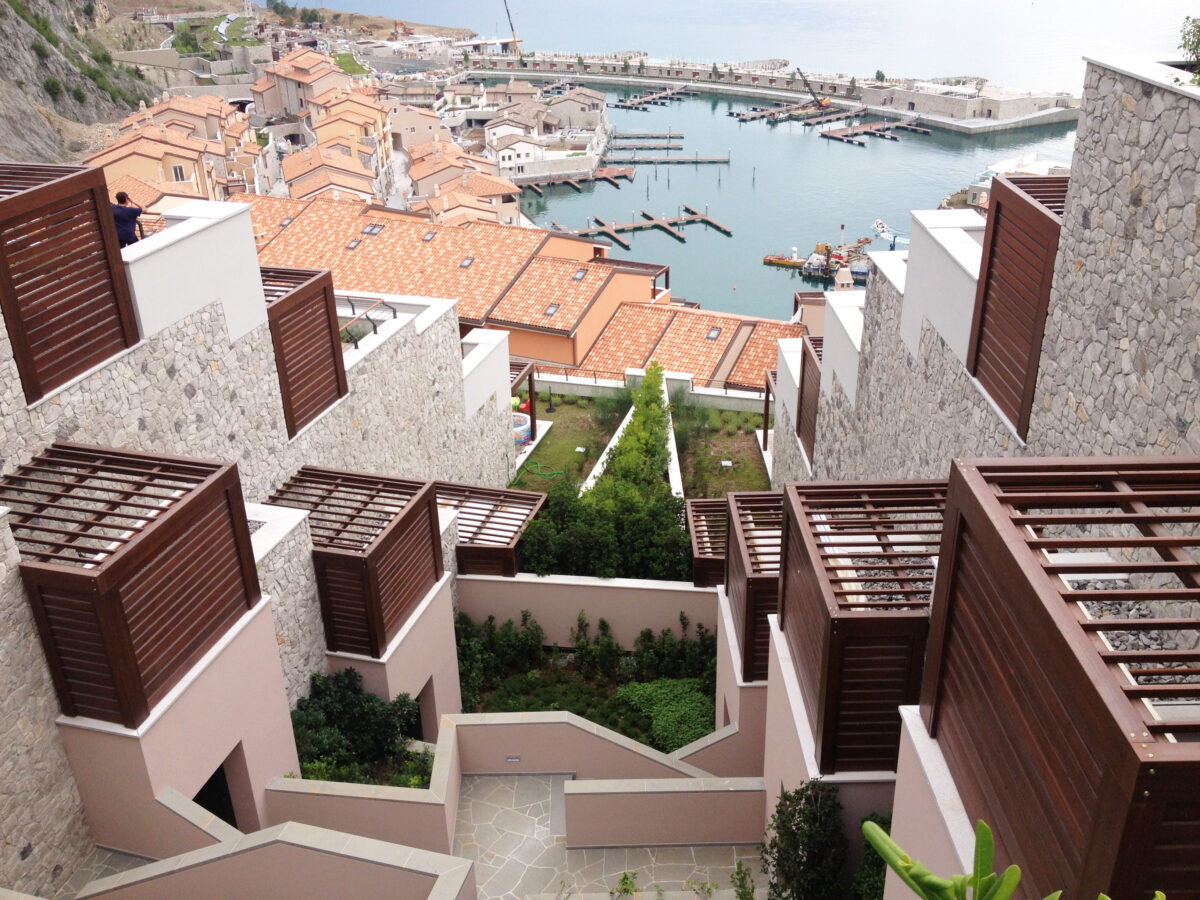
Porto Piccolo,Baia Sistina
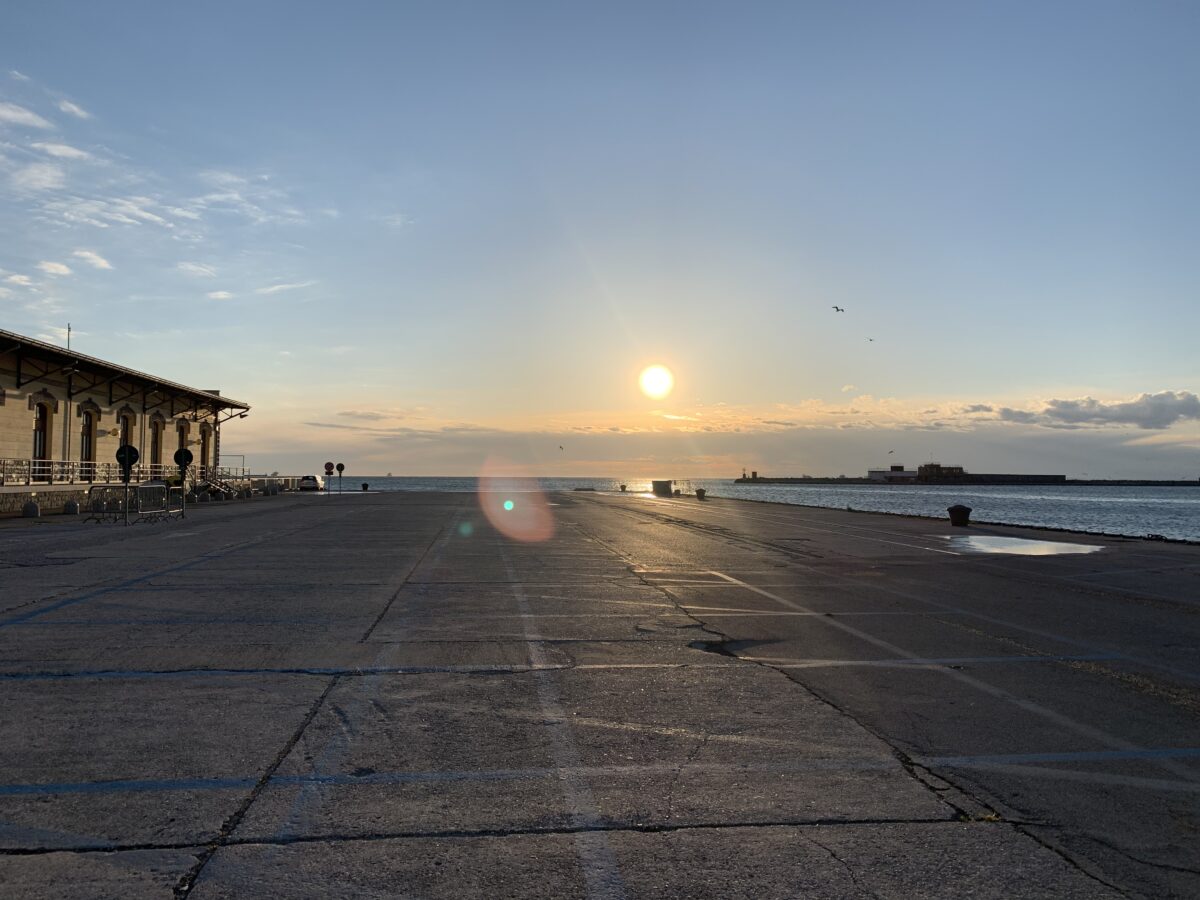
Porto Vecchio - Porto Vivo, Trieste
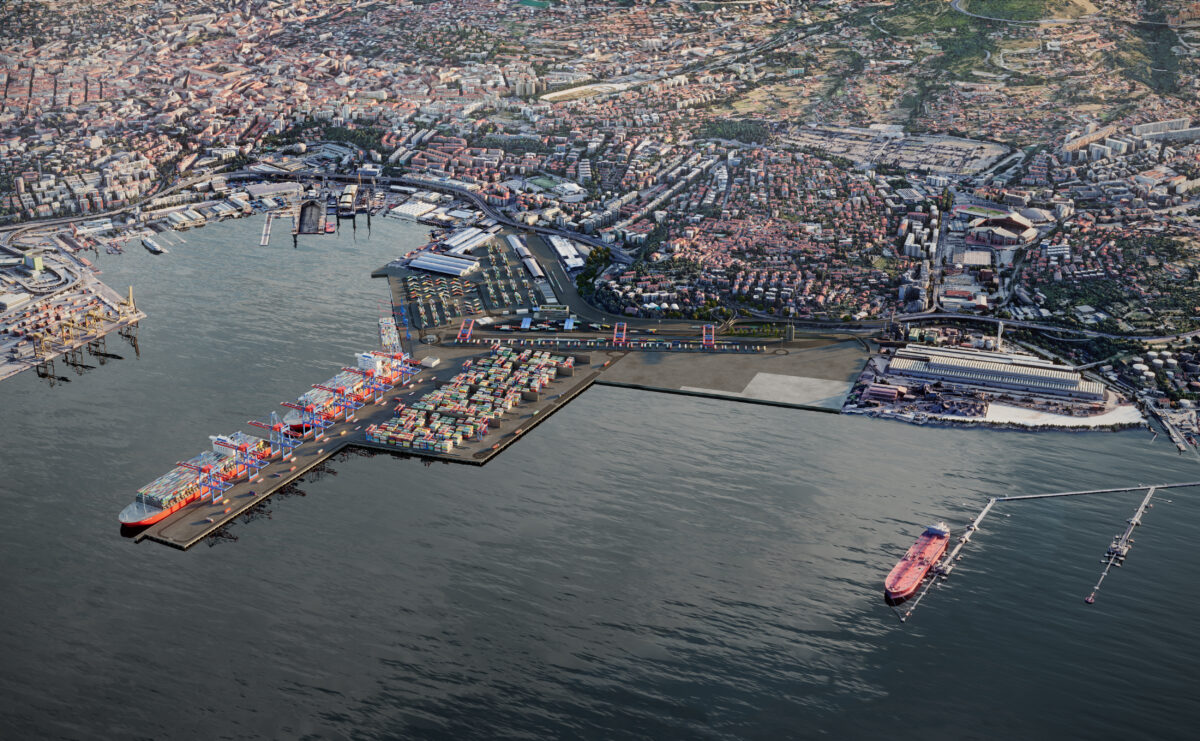
Porto di Trieste