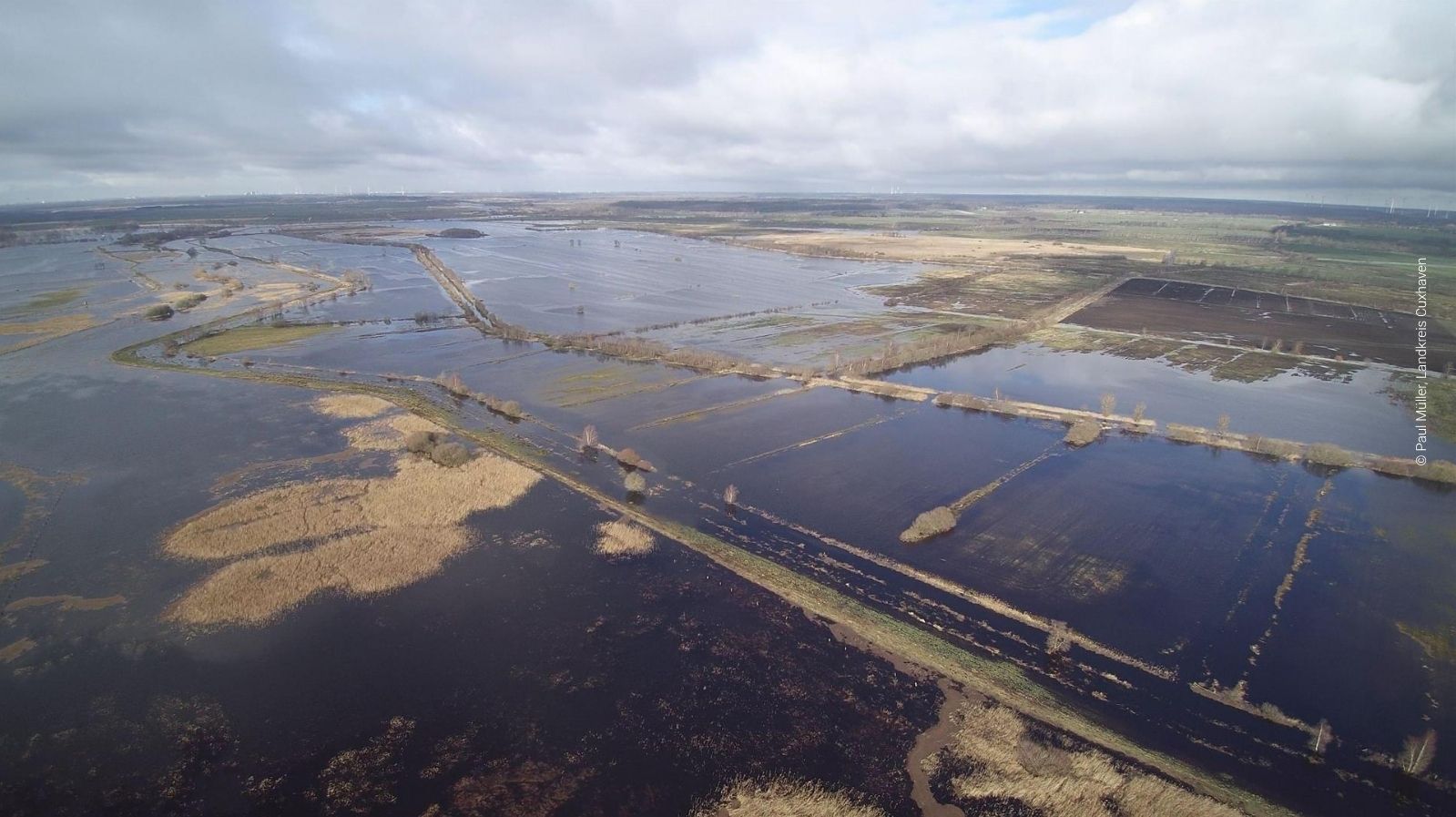
Landscape Concept for the Geeste Floodplain, Cuxhaven District
Germany
The Geeste floodplain is one of Northern Germany’s most characteristic water landscapes, shaped by centuries of agricultural cultivation and water engineering. Today, increasing climate extremes, ranging from prolonged droughts to heavy rainfall and flooding, challenge the existing balance between water, land use and settlement. Rather than treating these pressures as isolated technical problems, the project “All in the Same Boat – A Cooperative and Cross-Sectoral Regional Landscape Concept for the Geeste Floodplain” understands water as the organizing principle of a resilient regional landscape, transforming climate adaptation into an opportunity for ecological, economic and social renewal.
The Geeste floodplain is one of Northern Germany’s most characteristic water landscapes, shaped by centuries of agricultural cultivation and water engineering. Today, increasing climate extremes, ranging from prolonged droughts to heavy rainfall and flooding, challenge the existing balance between water, land use and settlement. Rather than treating these pressures as isolated technical problems, the project “All in the Same Boat – A Cooperative and Cross-Sectoral Regional Landscape Concept for the Geeste Floodplain” understands water as the organizing principle of a resilient regional landscape, transforming climate adaptation into an opportunity for ecological, economic and social renewal.
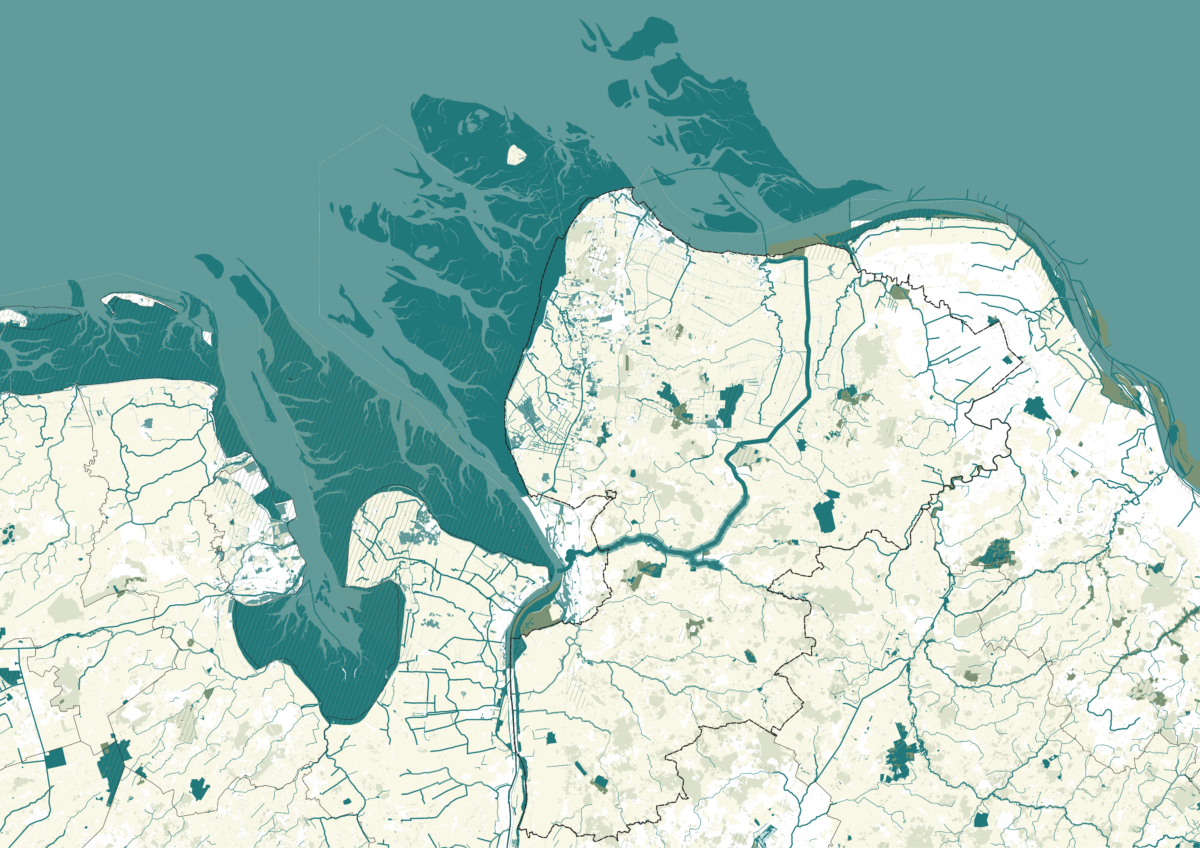

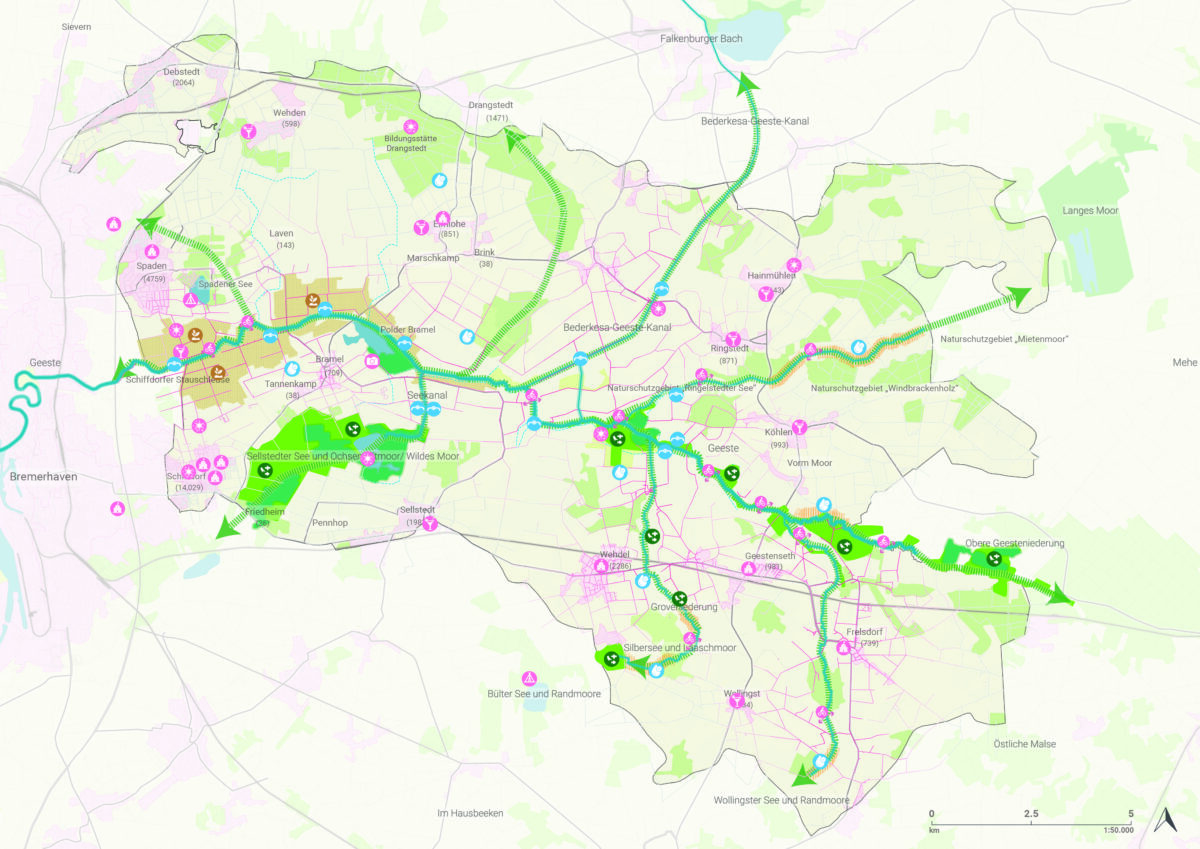
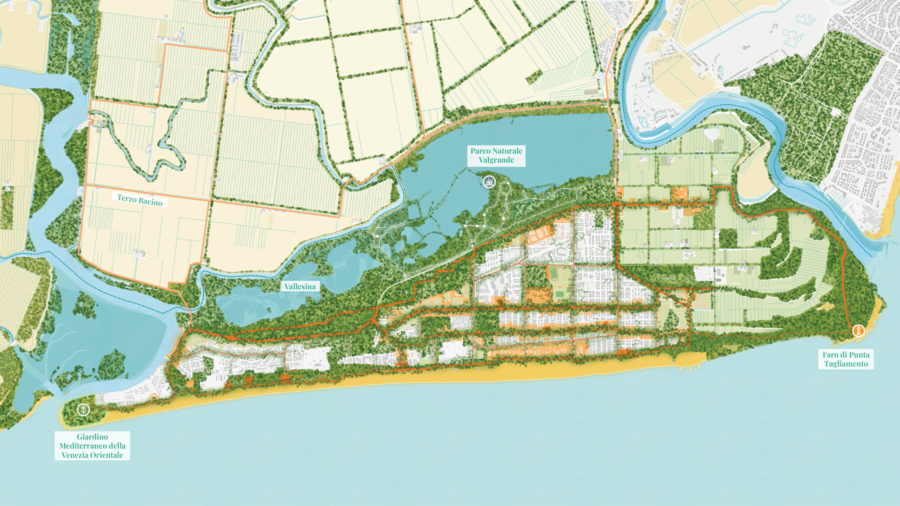
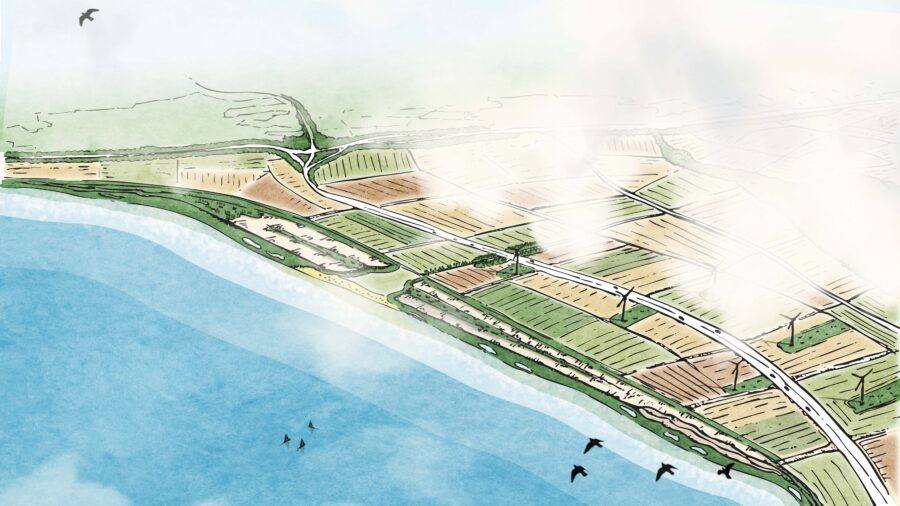
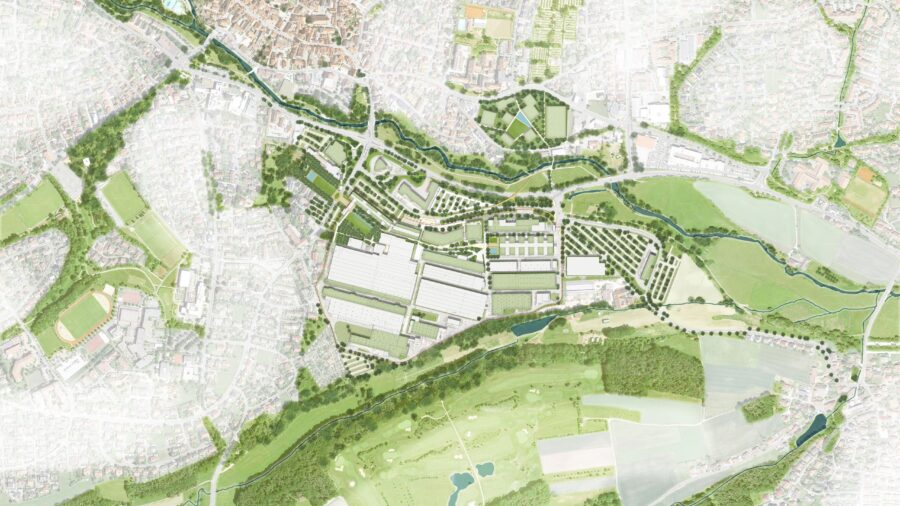
Developed within the Lower Saxony funding programme for the strategic realignment of water management, the project established an integrated landscape concept that reconciles competing land-use demands across the Geeste floodplain. Areas were evaluated for their potential to support adaptive water management through retention landscapes, controlled flood polders, restored floodplains and, where appropriate, de-diking measures. Special attention was given to maintaining the productivity of an agricultural landscape that lies partly below the river’s water level and depends on continuous drainage while simultaneously increasing resilience to future climate conditions.
Rather than addressing water management sector by sector, the concept brings together agriculture, nature conservation, climate adaptation, tourism and regional development within a single spatial framework. Through a structured participatory process, municipalities, landowners, farmers, water authorities and environmental organisations jointly developed solutions, allowing conflicts to be addressed early and transformed into shared opportunities.
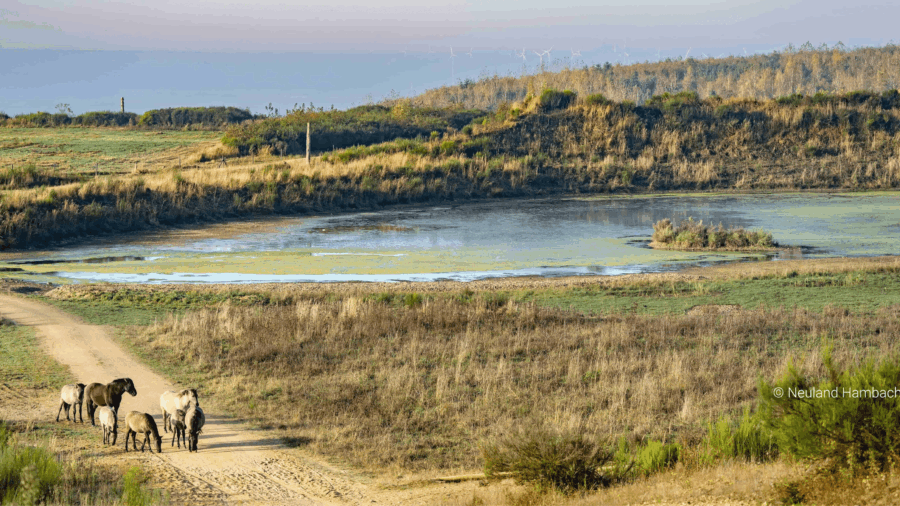
Guided by the vision of cultivating a productive water landscape, the project demonstrates how multifunctional landscapes can deliver ecological restoration, climate resilience and regional value creation simultaneously. Healthy soils become carbon sinks, adaptive land management strengthens agricultural viability, and new floodplain landscapes create accessible spaces where people can experience water as part of everyday life. The result is not simply a water management strategy, but a long-term landscape vision that reconnects people with nature while establishing the Geeste lowland as a resilient infrastructure for future generations.
Office
People
Roxanne IngmannsJulian AltmannAnna-Lena BauerMark van der WoudeAndreas Kipar
Services
Landscape planning in the Geeste lowland Designing With People: How Participation Shapes Sustainable Landscapes Newsletter From Protection to Action
Typology
Environmental MitigationSustainability ConsultingStrategic masterplanning at all scales
Related projects