Landscape as the Foundation of Transformative Urban Development
At this year’s expert conference “Zwischen Alt und Anders. Umbaukultur für eine lebendige Zukunft” in Linz, Michael Gräf, Director of LAND Austria, delivered a keynote highlighting a central message: Sustainable transformation begins with the landscape.
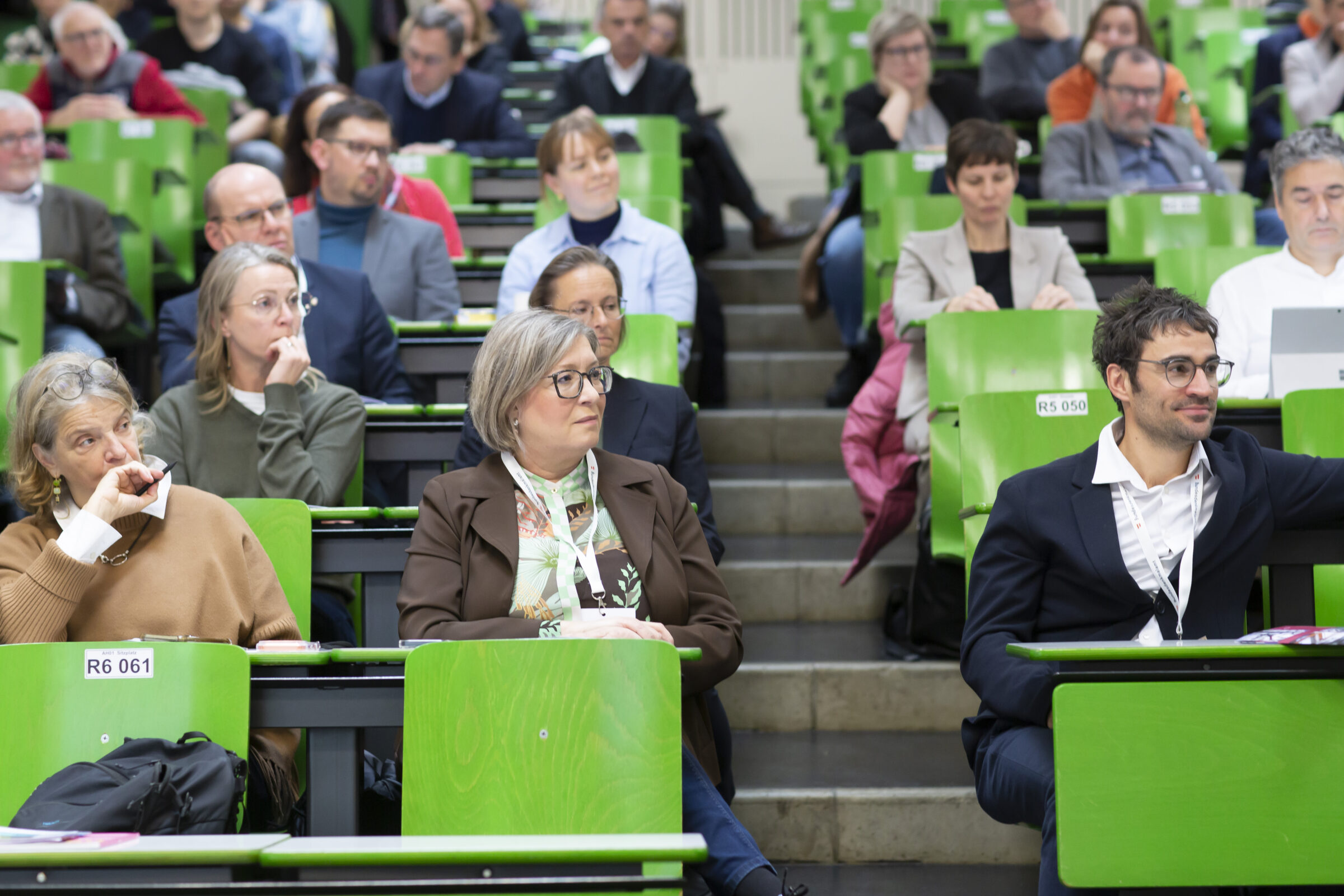
Promoted by the Austrian Federal Monuments Office (Bundesdenkmalamt), the event brought together planners, public institutions and practitioners to explore strategies for adapting cities and regions through careful, future-oriented transformation. Michael Gräf’s contribution, “Landscape as the Foundation of Future-Proof Spatial Development”, emphasized the need to rethink planning paradigms in times of climate change, biodiversity loss and increasing urban pressure.
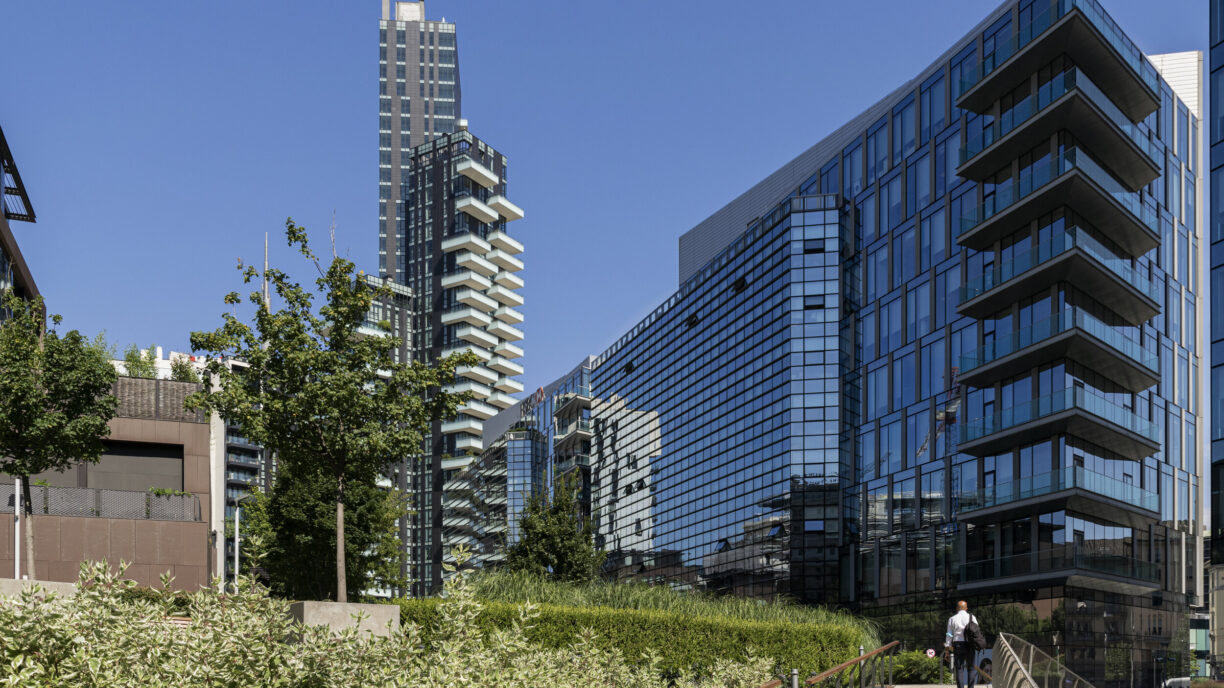
In his keynote, Michael Gräf underlined that landscape must be understood not as an aesthetic backdrop, but as the fundamental layer on which resilient settlements are built. He presented LAND’s Raggi Verdi model as a strategic example of how landscape can guide mobility, microclimate, identity and social cohesion. Going far beyond the “15-minute city”, the network of Green Rays developed for the city of Milan forms a robust, interconnected urban landscape that links neighbourhoods, supports slow mobility, and strengthens ecological resilience.
Umbaukultur, the culture of careful transformation, demands more than technical planning. It requires respect for existing structures, clarity in intervention, courage to transform and above all: collaboration across sectors. Communities, tourism stakeholders, landowners, agriculture and regional institutions all need to sit at the same table to shape a shared vision. Transformation, Michael Gräf noted, happens incrementally, not through large leaps: “From know-how to do now” — it is time to operationalise sustainable strategies.
The keynote was part of the panel “Spatial Planning as Foundation” moderated by Clemens Quirin (afo architekturforum oberösterreich) with contributions by:
- Helena Weber, Berktold Weber Architekten
- Alexandra Puchner, Business Upper Austria
- Thomas Rockenschaub, Regional Planning, Government of Upper Austria
Together, the panel explored how landscape, architecture and governance can work hand in hand to create future-proof urban and rural environments.
LAND Austria continues to advance landscape-led approaches to sustainable spatial development, placing ecological systems, mobility and community needs at the centre of planning. The insights shared at the Linz conference reaffirm the importance of landscapes as drivers of transformation, and as the foundation for resilient, liveable places.
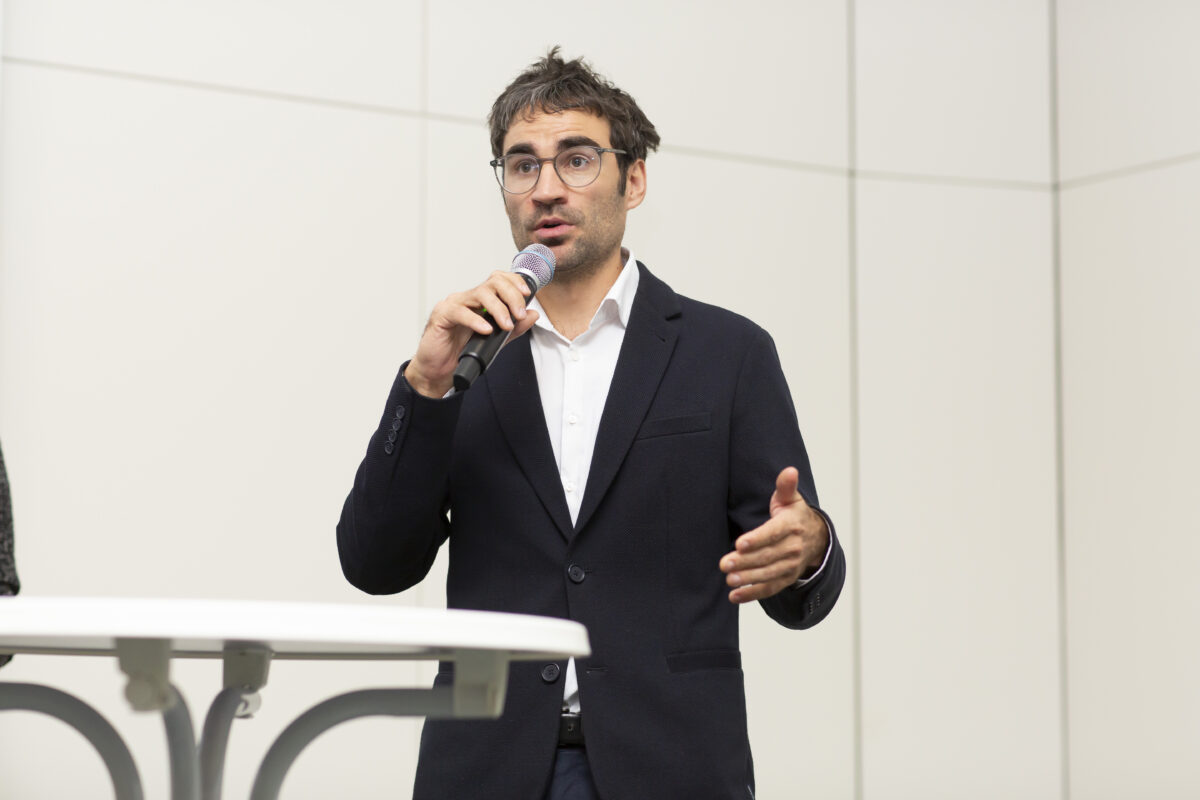
© Bundesdenkmalamt-ph. Bettina Neubauer-Pregl
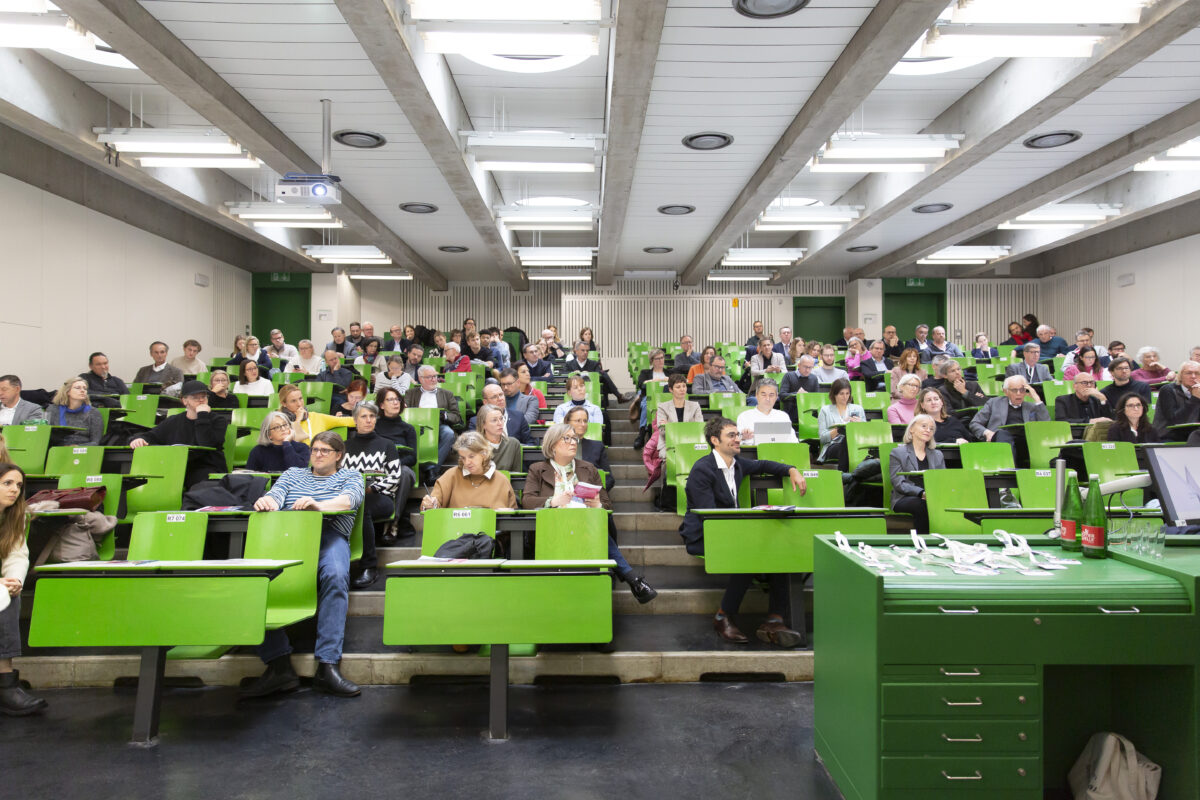
© Bundesdenkmalamt-ph. Bettina Neubauer-Pregl