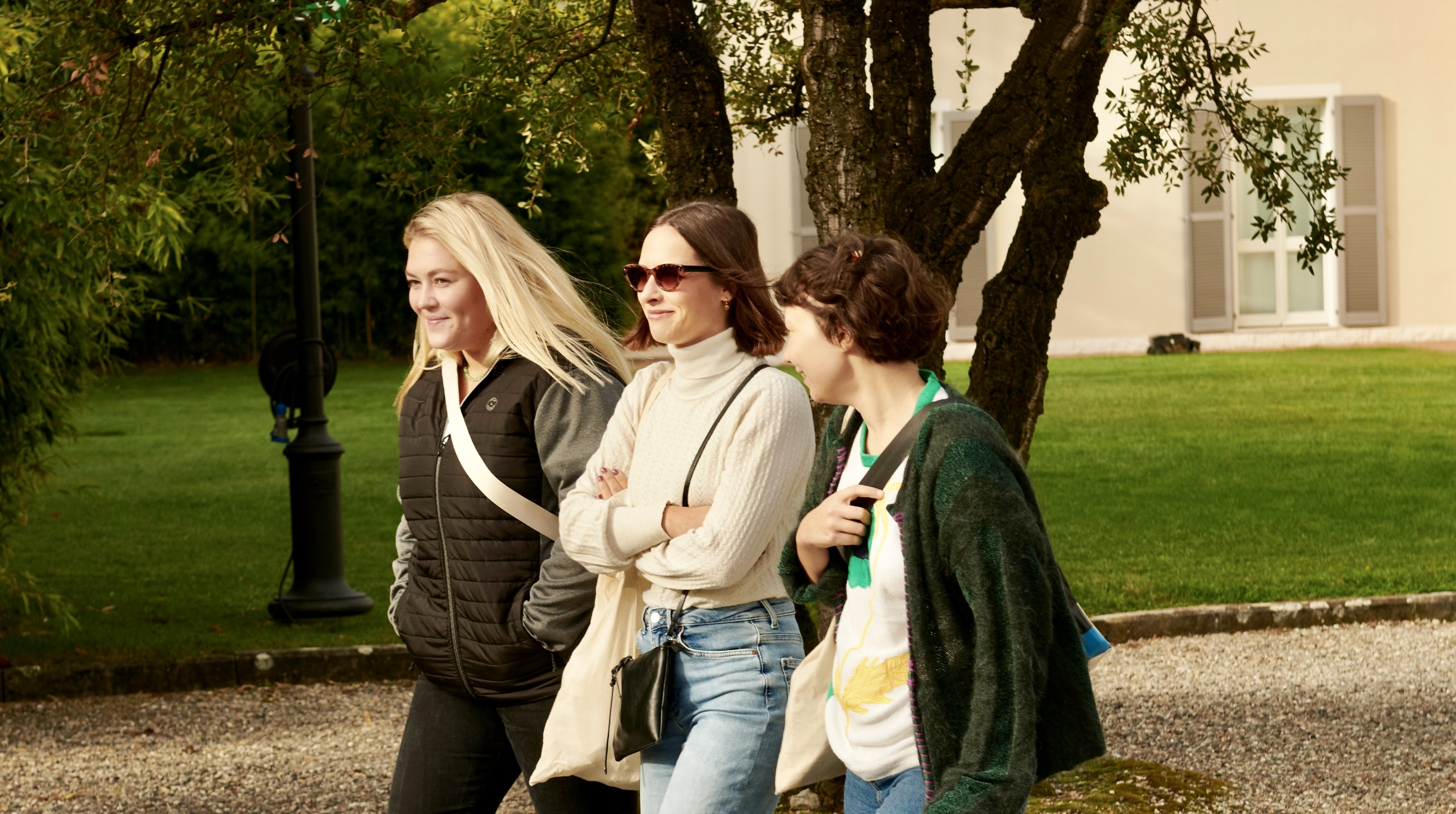
Spatial Justice in Contemporary Landscape Planning in an interview with Amélie Meißner
“Landscape is where change becomes visible and it is our ground, as landscape planners, on which we confront the challenges of our time and reimagine them spatially”
1. Dear Amélie, let’s start with your journey at LAND: how has your experience as a working student shaped your view of landscape planning in practice?

Amélie Meißner, Landscape Architect, LAND Austria
I started working at LAND at the same time I began my master’s degree in landscape planning at BOKU University in Vienna, exactly two years ago now. From the very beginning, I worked on diverse projects, such as the Semmering masterplan, various urban-scale competitions, or conceptual design strategies all over Europe. One of the most formative experiences for me has been my ongoing involvement in municipality development projects in South Tyrol, which I’ve been involved in for over a year and a half now. This work has deepened my appreciation and interest in strategic planning on a regional scale. Across all these projects, I’ve come to understand that landscape is more than a physical space: it’s a platform for communication, and transformation. From the scale of a village square to an entire region, landscape challenges us as planners to balance historical context, current demands, and future development. So, landscape is where change becomes visible and it is our ground, as landscape planners, on which we confront the challenges of our time and reimagine them spatially.
2. As you are now completing your master’s thesis on greenspace justice could you briefly explain what the concept means, and why equal access to green space is so crucial in today’s urban environments?
Spatial justice is anything but simple, it’s a topic that resists a short definition and rightly so: It touches on everything from philosophical schools, policy making to daily lived experience and in my case, it’s taken a master’s thesis to even begin scratching the surface.
Spatial justice is a multidimensional concept that examines how resources, services, and with thatopportunities are distributed across space. In the context of green space justice, research shows a clear disparity: not all urban residents benefit equally from the many well-documented advantages of urban greenery (such as cooling, recreation, and mental restoration, just to name a few). Particularly vulnerable groups, including low-income households, elderly people but also people without private gardens, or those without a car, are more dependent on high-quality, nearby public green spaces. And as climate change intensifies urban heat, these disparities become even more critical and crucial to address.
In my thesis, written under the supervision of Thomas Thaler, deputy head of the Institute of Landscape Planning at BOKU University, I explore how different philosophical theories of justice such as utilitarianism or John Rawls’s view on justice influence the way green space is understood and allocated in an urban context. Each framework highlights different priorities, resulting in very different perspectives on who should benefit. In this context urban green infrastructure should not only be functional but it must be context-sensitive, and responsive to the needs of the local circumstances.
3. What role can landscape planning play in promoting spatial justice and environmental equity in cities? Are there any design approaches or policies that particularly impressed you during your research?
During my research phase, I came across a lecture held by Edward Soja, a leading urban theorist known for his work on spatial justice. One issue he highlights that really influenced me during the writing process and understanding of the topic is that planning decisions are never socially innocent: they always shape and impact the lives of those who inhabit the space. This insight underscores the social and ethical dimension of planning and the importance of addressing spatial justice in every stage of a planning process.
Efforts have been made to develop measurable parameters that make greenspace justice both visible and applicable within planning practice, often through the definition of minimum standards. Various scientific publications or planning frameworks have contributed to increasing awareness of the issue. To name one example, the recently released STEP 35 urban development plan in Vienna proposes the integration of green space indicators into planning procedures and introduces minimum requirements to ensure more equitable access to urban green spaces.
Still, greenspace justice is highly context-specific, and more research and integration into practice are urgently needed.
4. LAND places strong emphasis on inclusive, Nature-Positive design. In your view, what are the most pressing sustainability goals that landscape practitioners should integrate into their daily work?
I now introduced you to the topic of greenspace justice, but topics like these don’t exist in isolation: they are deeply connected to broader sustainability challenges, especially how we manage land as a limited and increasingly contested resource. One sustainability goal that emerged as particularly relevant during my master’s at the BOKU University was SDG 11: Sustainable Cities and Communities. I was able to explore this goal in greater depth through the interdisciplinary EPICUR course, which engages students from across the world in critically examining the UN Sustainable Development Goals through applied, context-specific analysis.
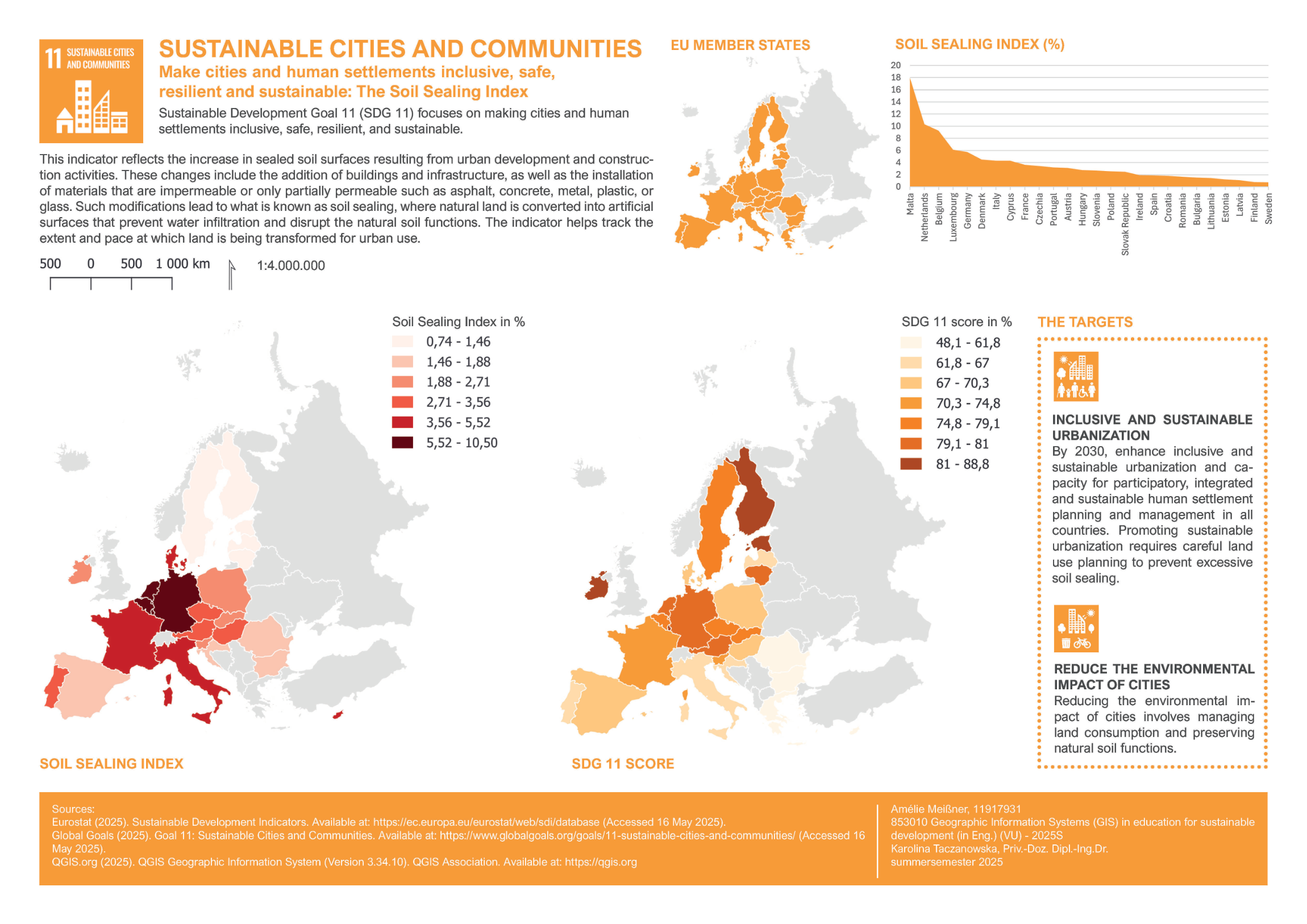
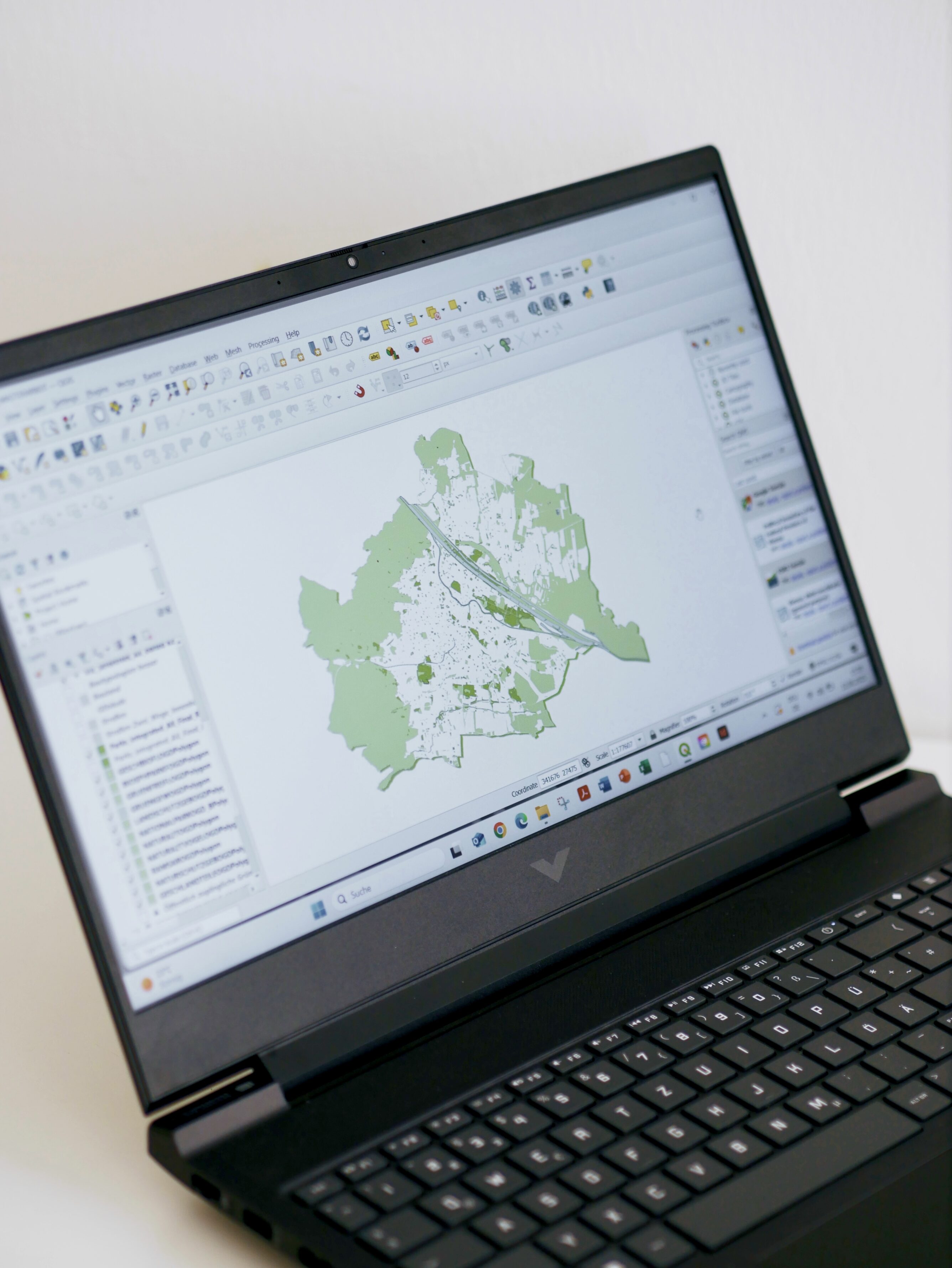
Within this goal, soil sealing is a key indicator: measuring how much land is lost to impermeable surfaces. The current rate of soil consumption is obviously unsustainable, driven by pressures from housing, infrastructure, and economic development. In a GIS-based analysis, I compared sealing levels across EU member states to assess their progress toward SDG 11.
It is well established that soil is a resource with critical ecological functions. Protecting it should be a core focus of landscape planning, from small-scale projects to our large strategies.
For me personally, this is what nature-positive design is about: creating spaces that respect natural limits, support biodiversity, and serve the needs of all people. It’s a responsibility we carry as landscape planners to shape spaces that are not only sustainable, but also just and future oriented.
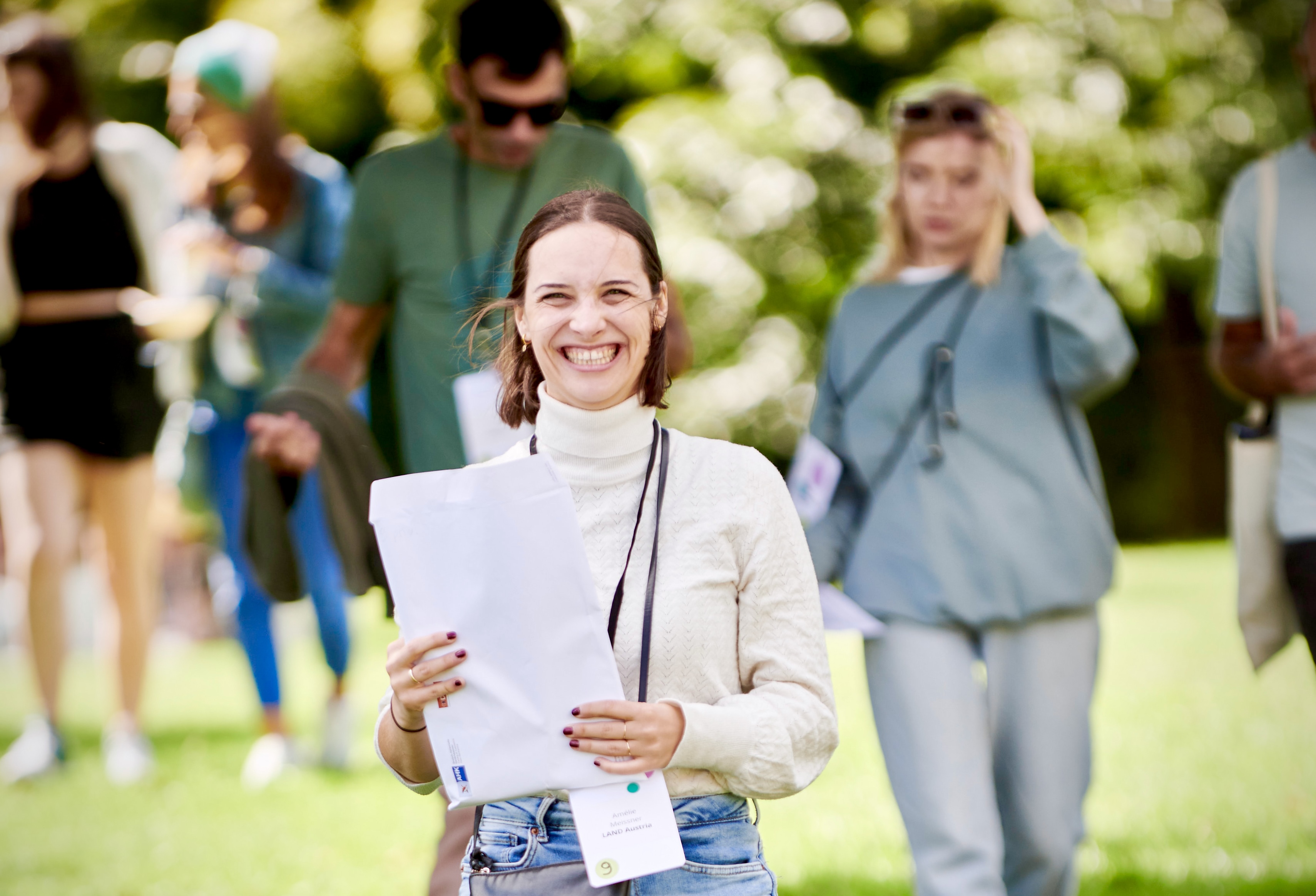
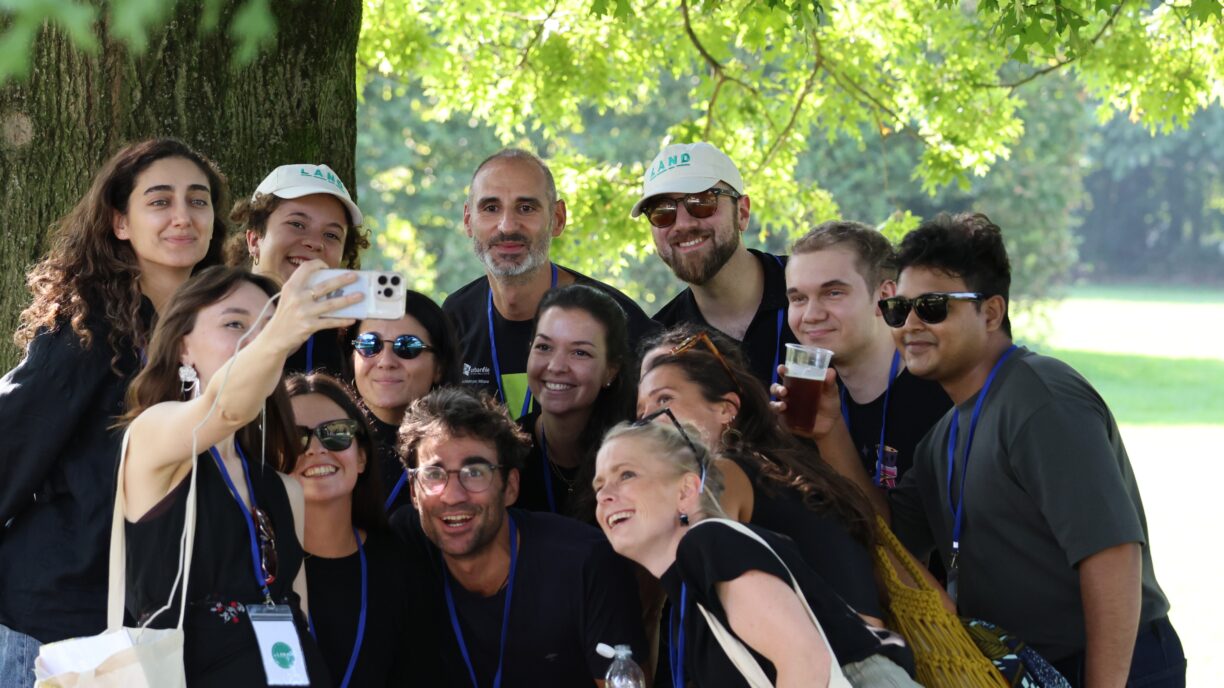
Amélie at LANDconnects 2024 in Milan
Don't miss out on our inspiring project stories, the latest research, and more.
All mandatory fields are marked with a *