Vetra Building public spaces regeneration, Milan
Italy
The Vetra Building public spaces regeneration reimagines the urban landscape surrounding Milan’s historic heart, enhancing the relationship between the Basilica of San Lorenzo and Parco delle Basiliche. Through the renewal of streets, squares, and green corridors, the intervention strengthens pedestrian connectivity, restores identity to fragmented public spaces, and merges historical heritage with a contemporary vision of urban life.
The Vetra Building public spaces regeneration reimagines the urban landscape surrounding Milan’s historic heart, enhancing the relationship between the Basilica of San Lorenzo and Parco delle Basiliche. Through the renewal of streets, squares, and green corridors, the intervention strengthens pedestrian connectivity, restores identity to fragmented public spaces, and merges historical heritage with a contemporary vision of urban life.
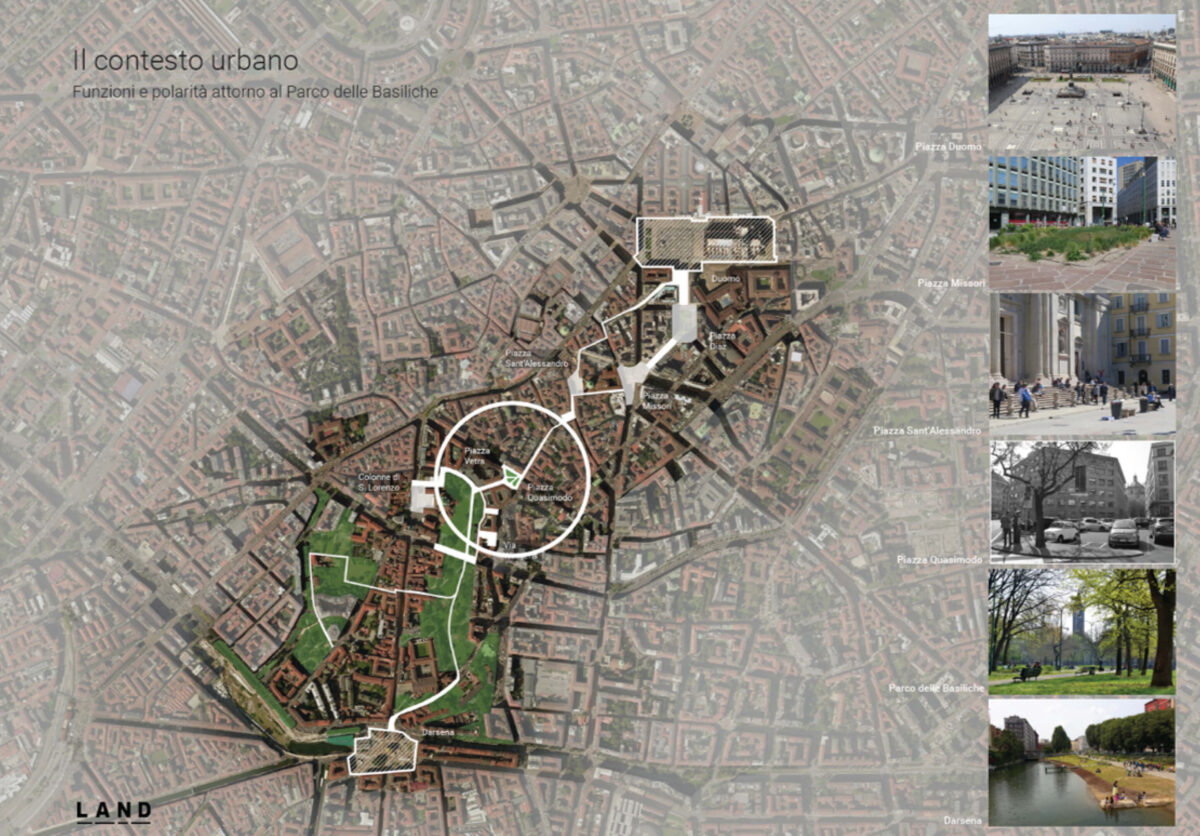
“This project takes up and further develops the regeneration of Milan’s historic center, oriented toward slow mobility and a renewed connection with Nature itself, focusing on a key stretch along the axis that links Piazza Duomo to the Darsena,” says Andreas Kipar. “Just as with the new Policlinico, here too the freeing of public space through permeability allows us to reactivate and stitch back together the urban fabric of the city’s core, shaping a kilometer made of Nature and Culture.”
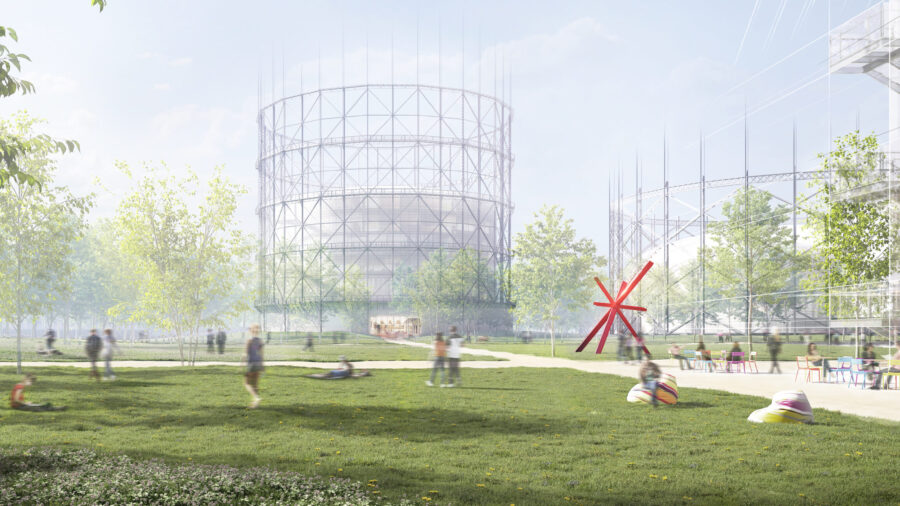
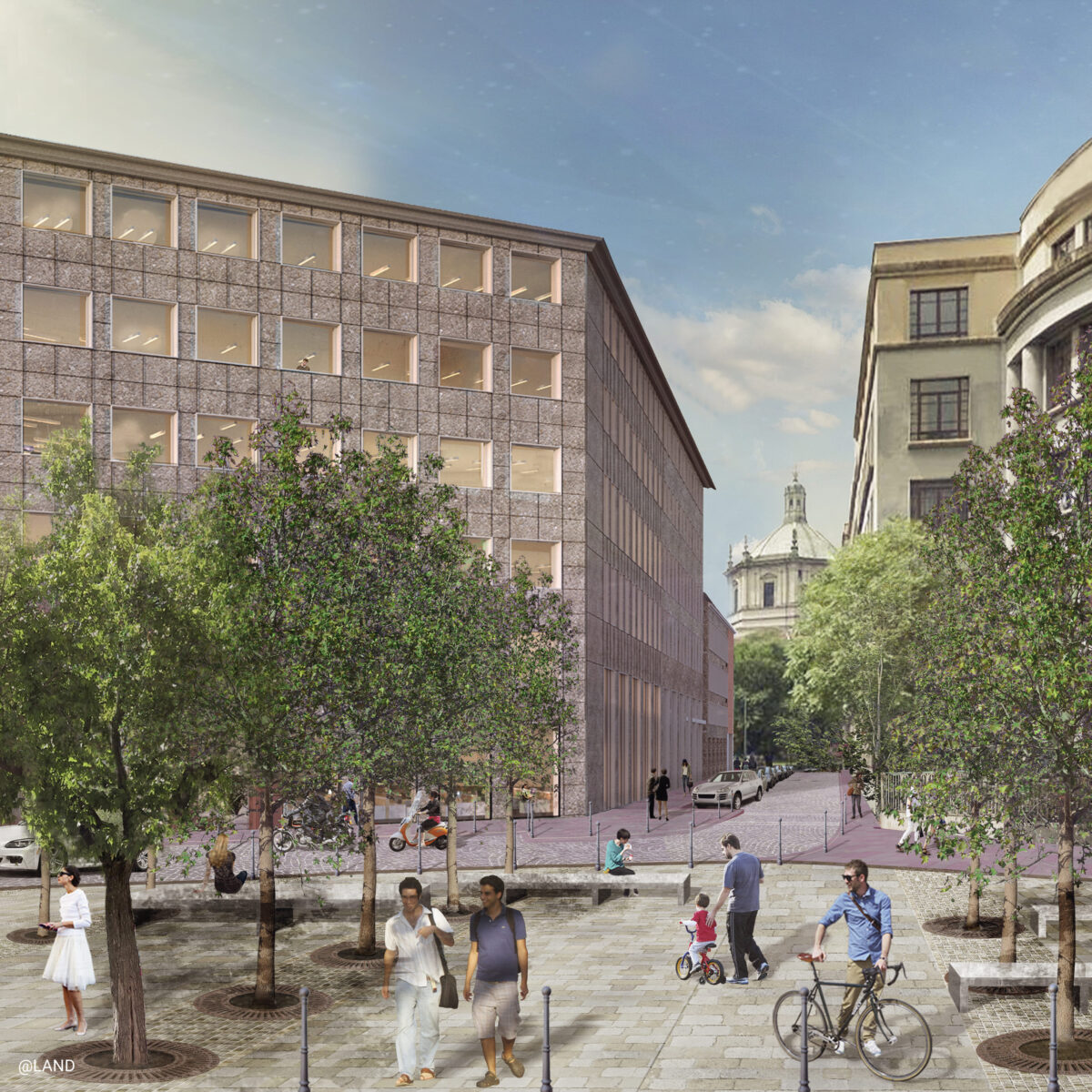
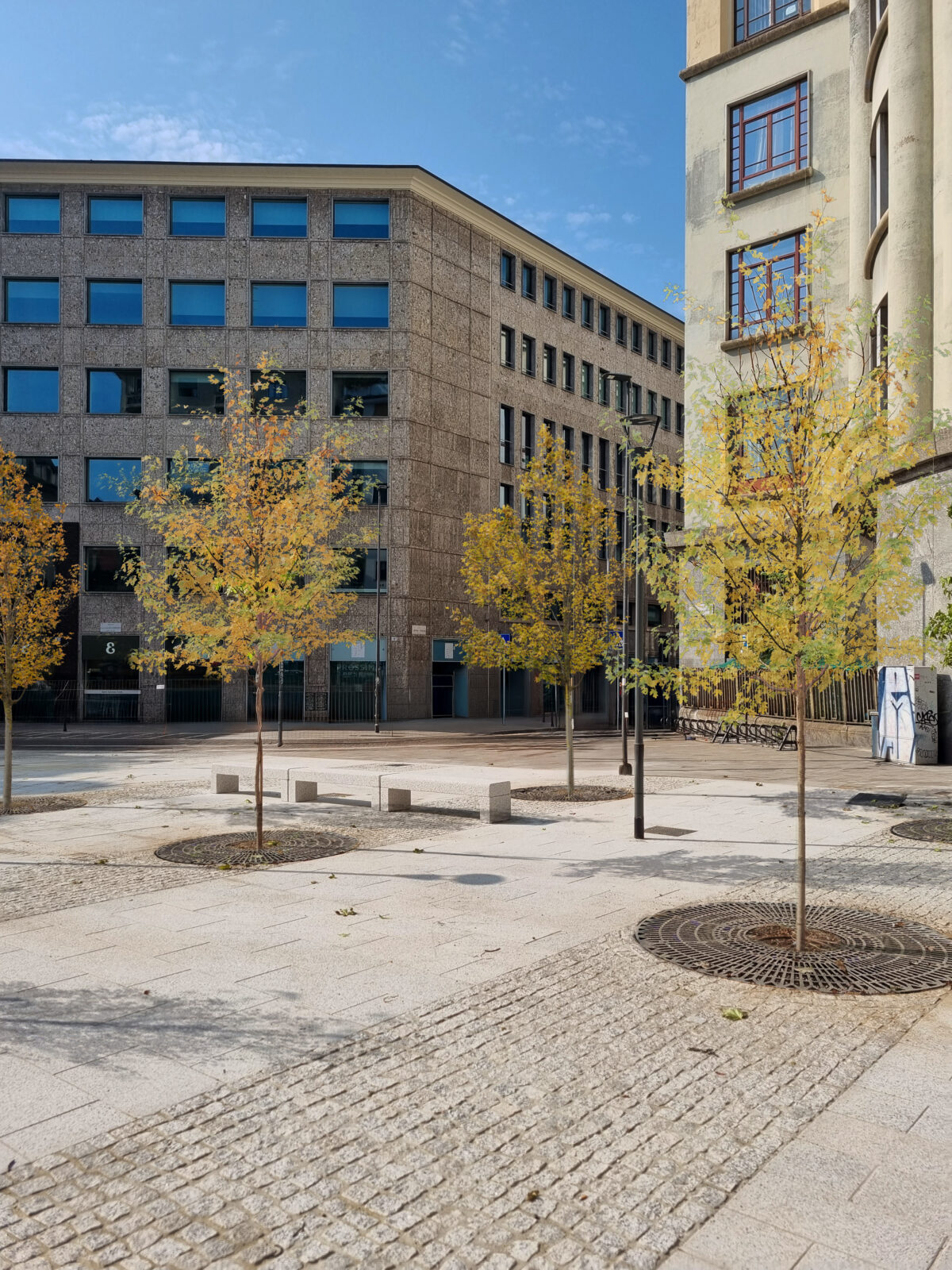
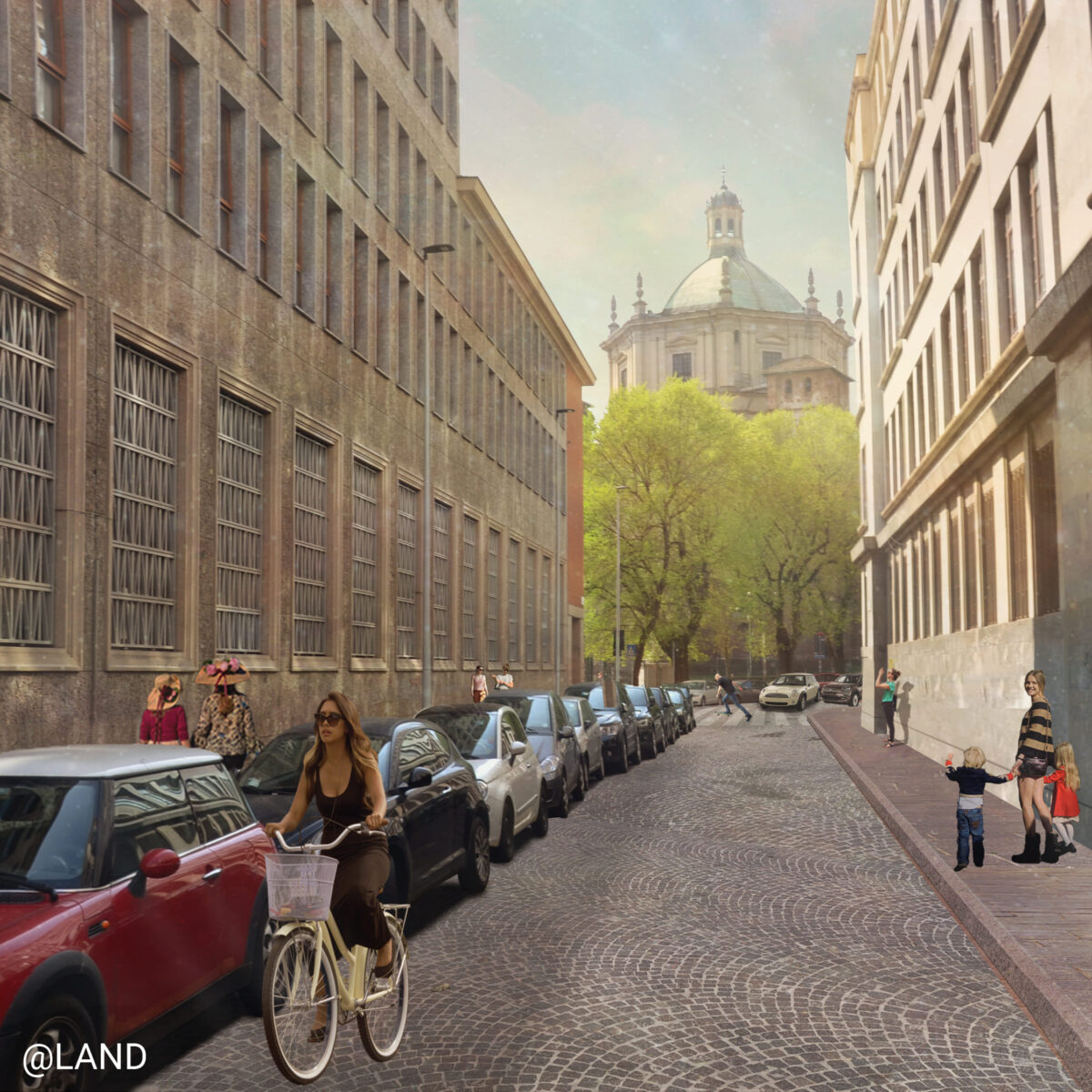
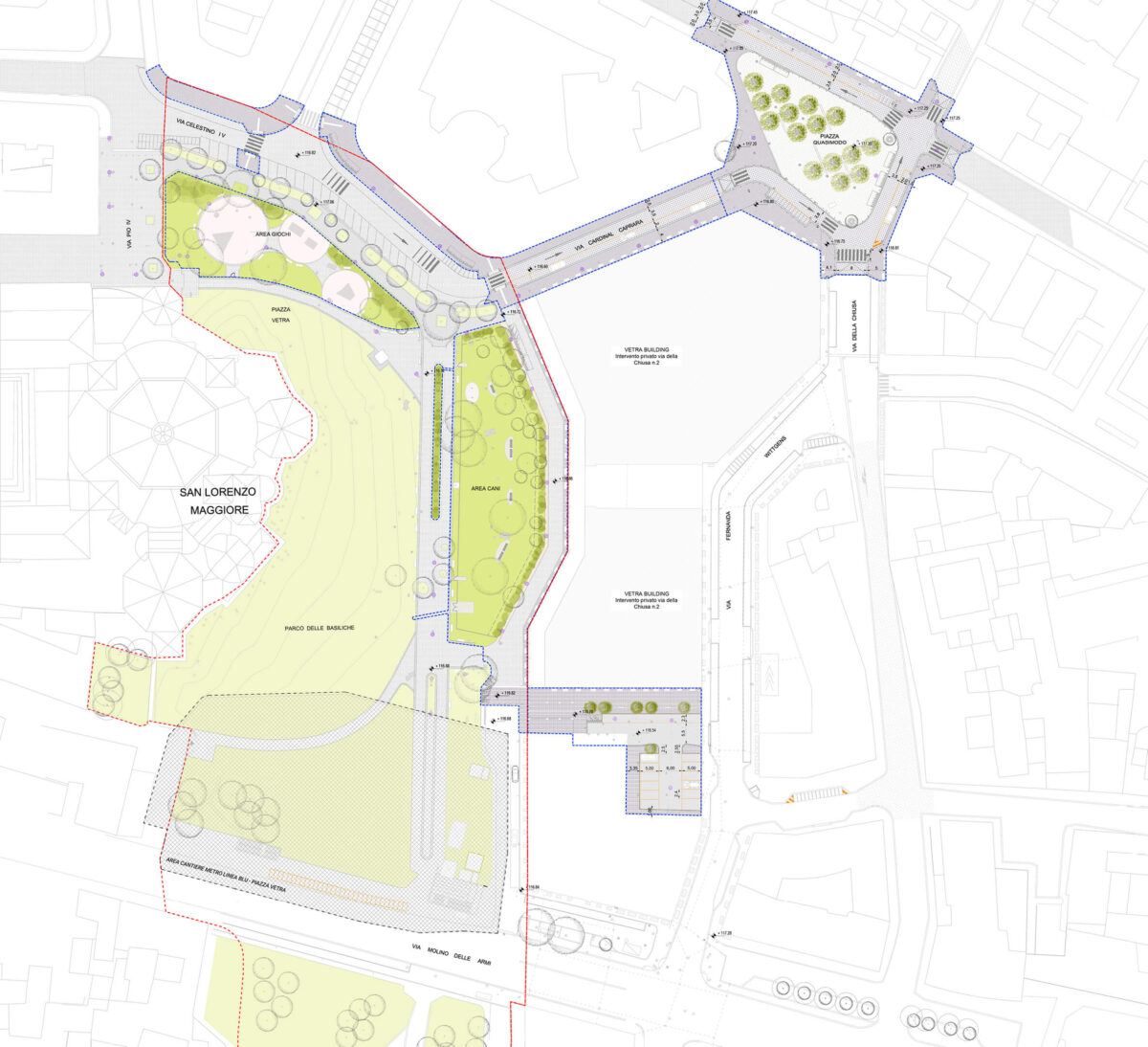
The transformation around the Vetra Building defines a new public identity for an area long dominated by traffic and fragmentation. At Piazza Quasimodo, the redesign prioritizes pedestrians and greenery over vehicles, eliminating surface parking and creating a 1,000 sqm pedestrian island framed by mature trees and natural stone paving. The elevation of the entire surface to sidewalk level enhances accessibility and expands the sense of openness, visually connecting the square to the façades that define it. The new layout integrates bike racks, benches, and shaded rest areas, establishing a lively urban space that reflects the Lombard tradition of stone craftsmanship while directing one’s gaze towards the historical church, and inviting social use.
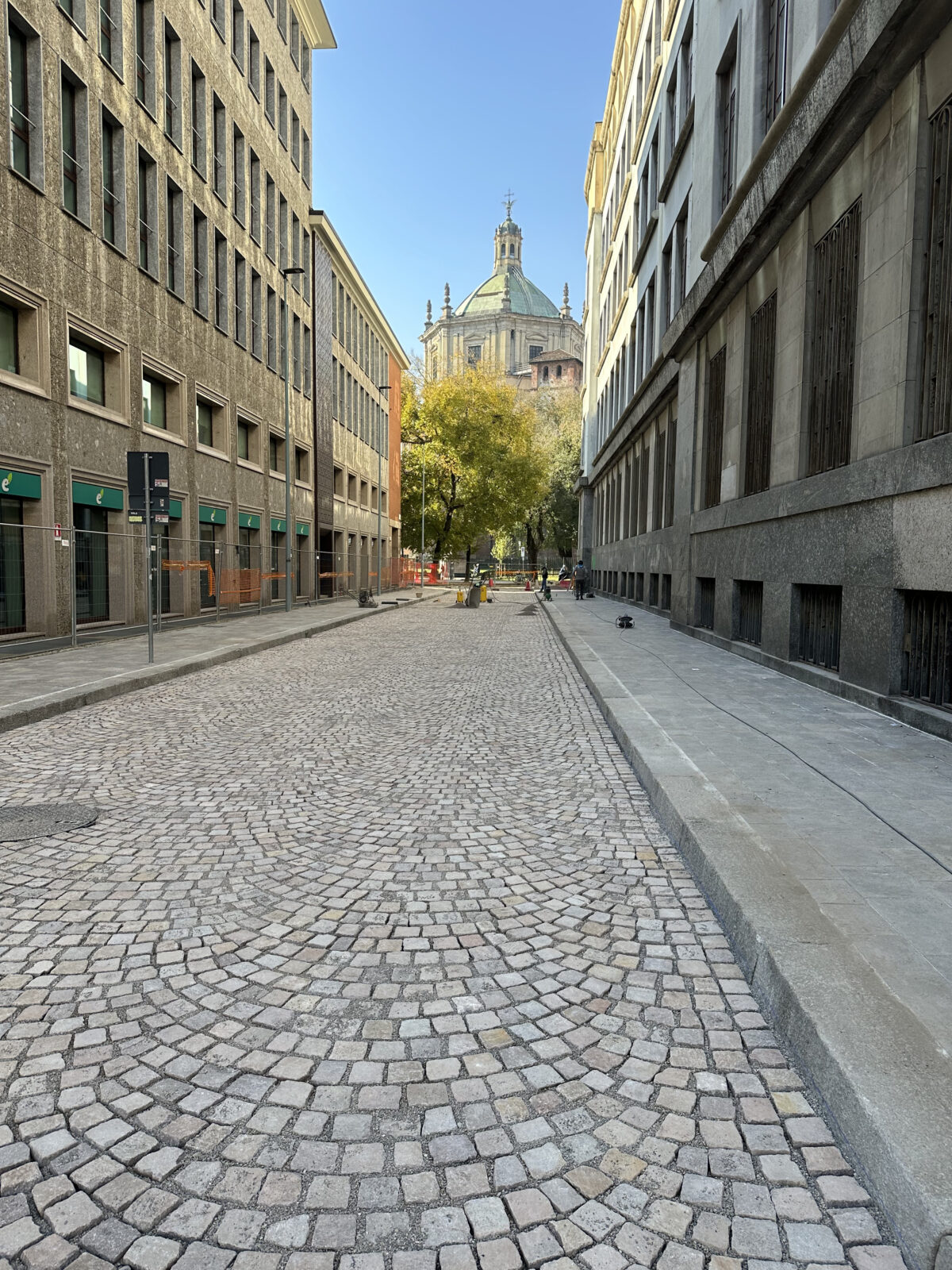
Further connections are restored along Via Caprara and the Vetra portico, where three entrances, from Via Cardinal Caprara, Via Wittgens (opened by the recent Vetra Building project by IlPrisma), and Piazzetta Wittgens (extending the pedestrian axis of the recent Vetra metro station project), create visual and physical continuity between the dense urban fabric and Piazza Vetra. These passages, equipped with new paving and urban furniture, act as thresholds linking the historic churchyard to the park, fostering permeability and community interaction.
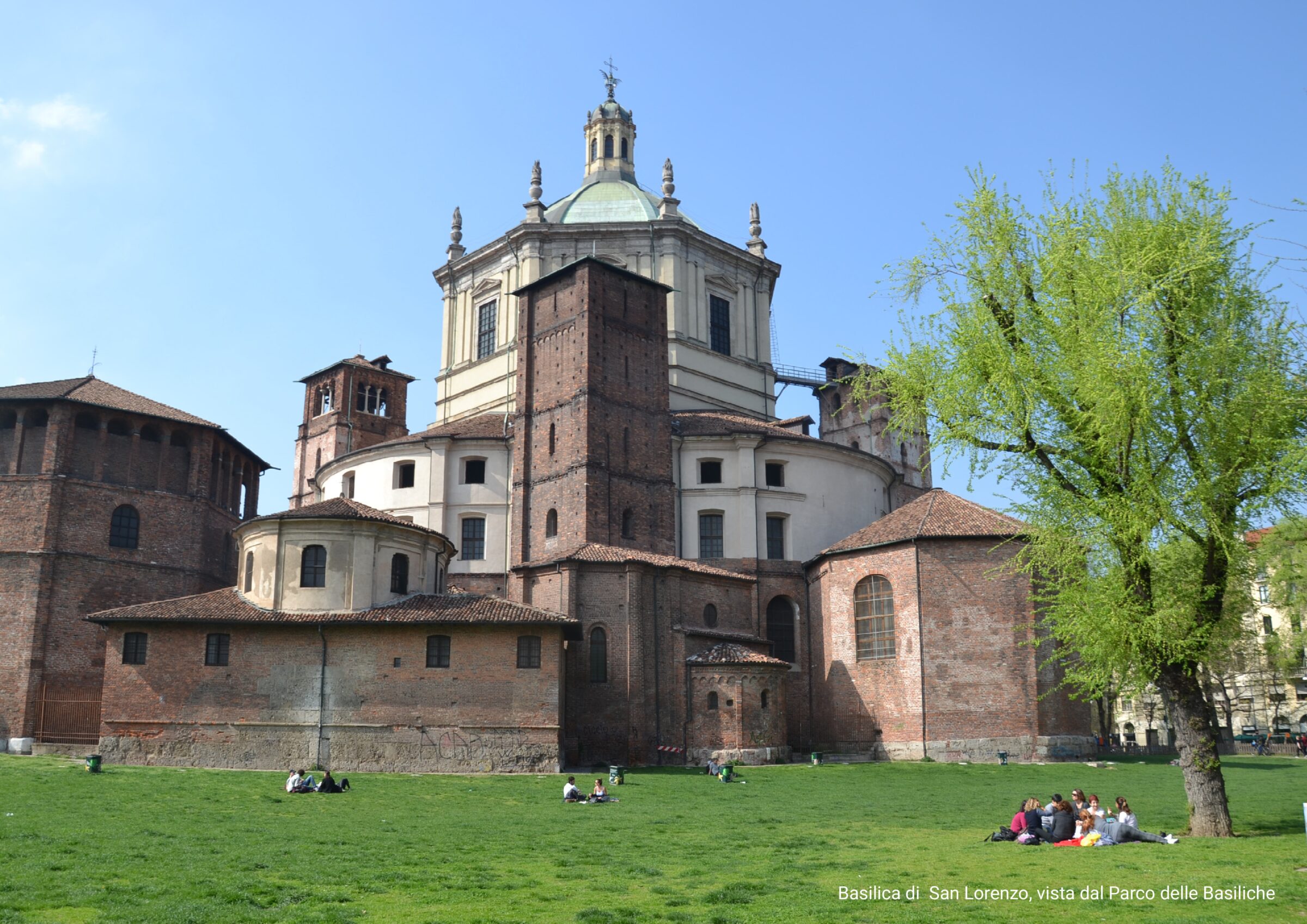
Within Parco delle Basiliche, 2,500 sqm of restored green areas, including playgrounds and a dog park, enrich biodiversity and usability. Drawing inspiration from Architect Pierfausto Bagatti Valsecchi’s historical design, the project extends the green border around the Basilica’s apse, transforming it into a soft, ecological edge that mediates between architecture, nature, and public life.
Office
People
Gianluca DanziValerio BozzoliTommaso LorenzettiValeria PagliaroFederico BressanelliAndreas KiparLawand BaraziOttavia Franzini Roberta Filippini, Ilaria Sangaletti
Typology
Green System
21 new trees
425 sqm of shrub areas
Ecological Value
2,500 sqm restored green areas
3,600 kg CO₂ absorbed yearly
Mobility & Access
1,000 sqm new pedestrian areas
1 km restored paths
Related projects
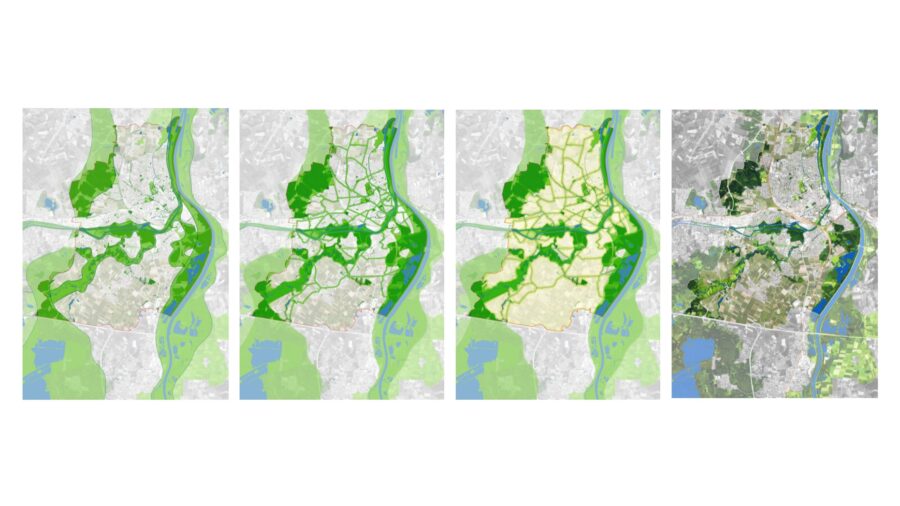
Technical Framework “Environment–Climate–Climate Change”, Rosenheim
Technical Framework “Environment–Climate–Climate Change”, Rosenheim