Parco del Valentino, Torino
Italy
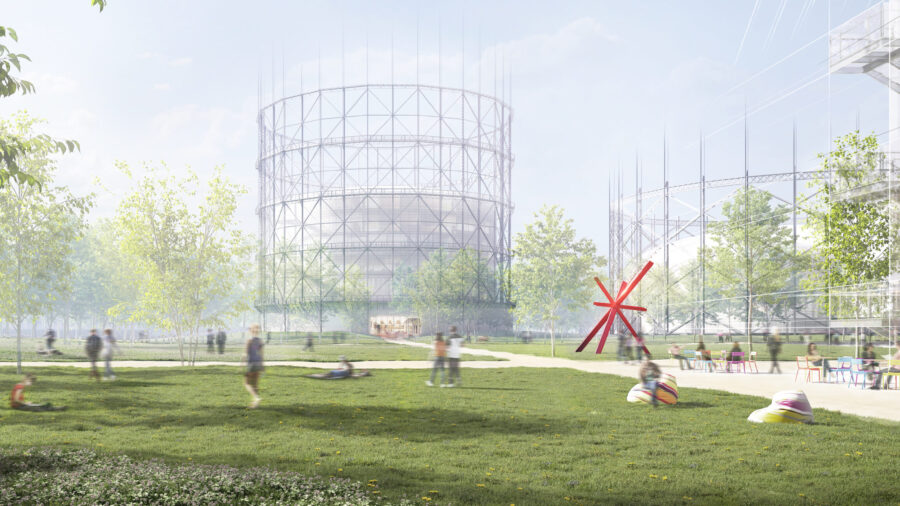
The regeneration of Parco del Valentino follows a phased approach, focusing on improved accessibility and permeability through landscape enhancement and respect for the area’s historical and cultural heritage. Funded by the National Recovery and Resilience Plan and part of a broader urban redevelopment project led by the city administration, the park aims to enhance Turin’s ecological productivity, providing citizens with visible and measurable sustainability benefits.
The regeneration of Parco del Valentino follows a phased approach, focusing on improved accessibility and permeability through landscape enhancement and respect for the area’s historical and cultural heritage. Funded by the National Recovery and Resilience Plan and part of a broader urban redevelopment project led by the city administration, the park aims to enhance Turin’s ecological productivity, providing citizens with visible and measurable sustainability benefits.
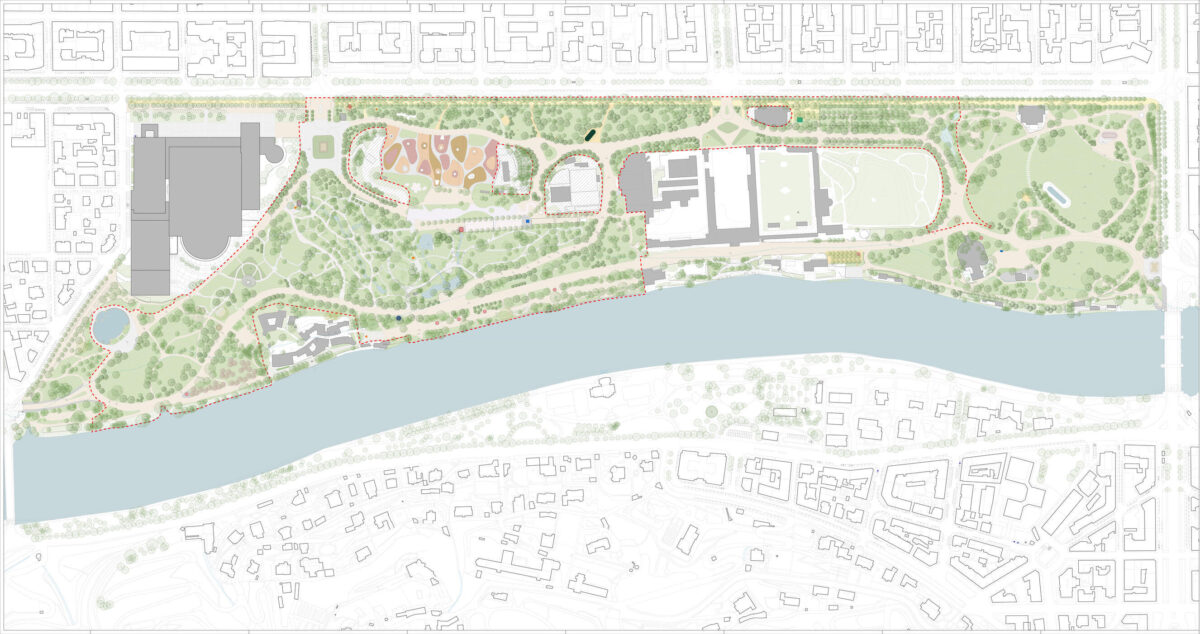
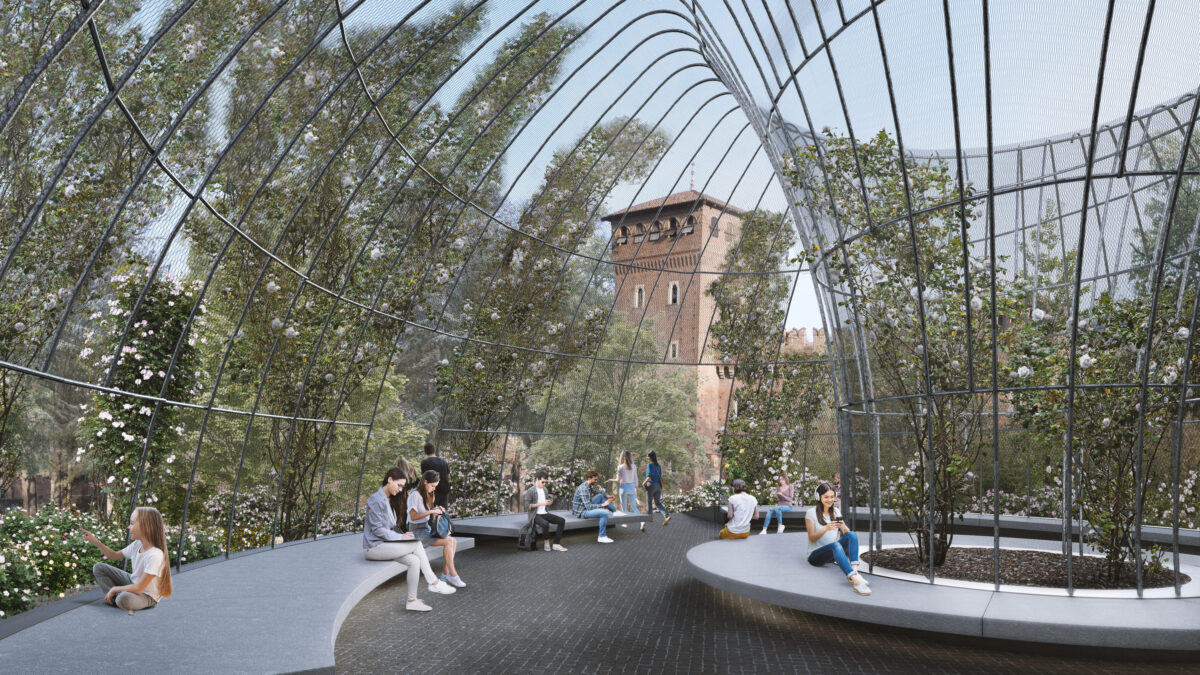
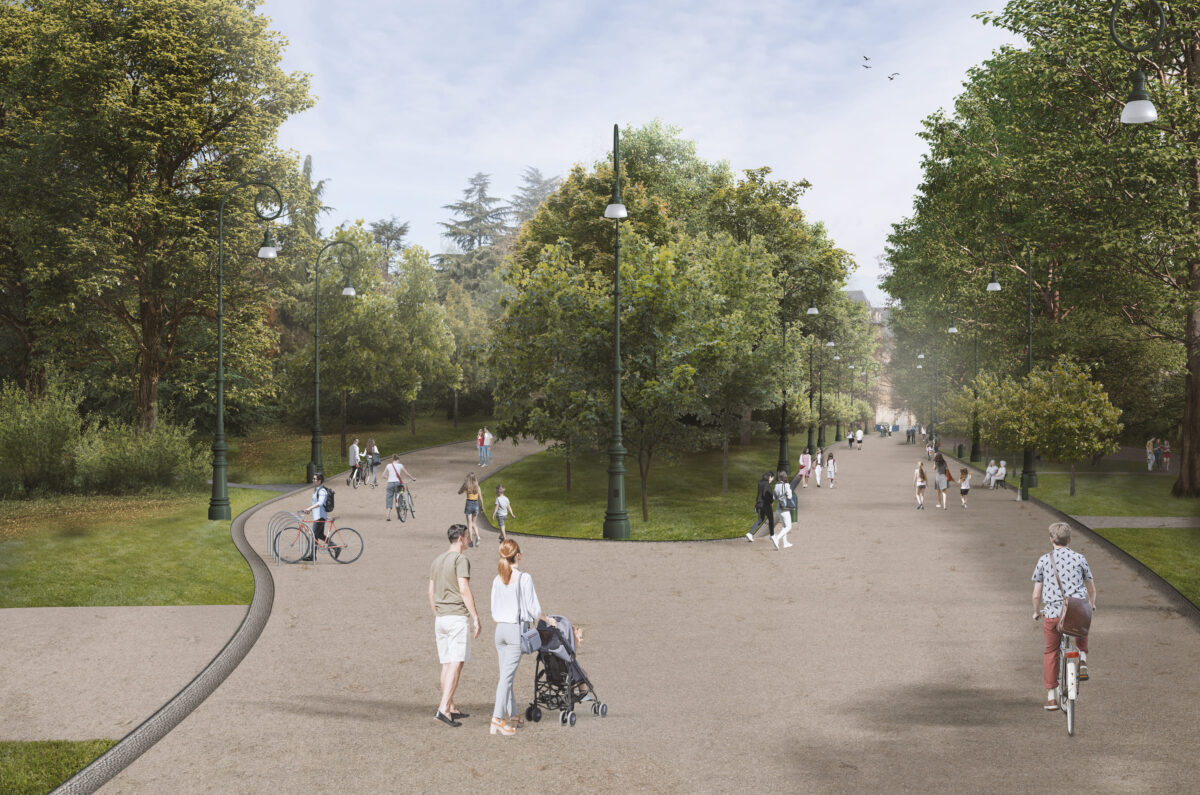
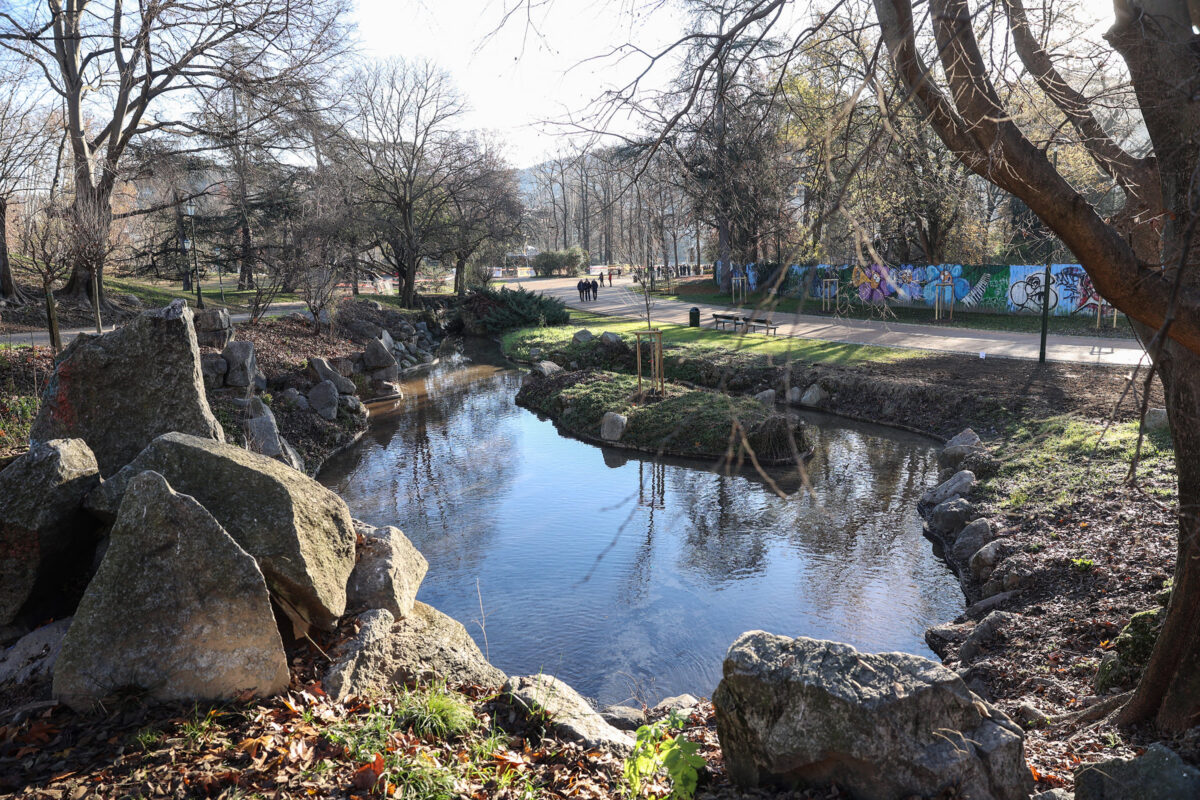
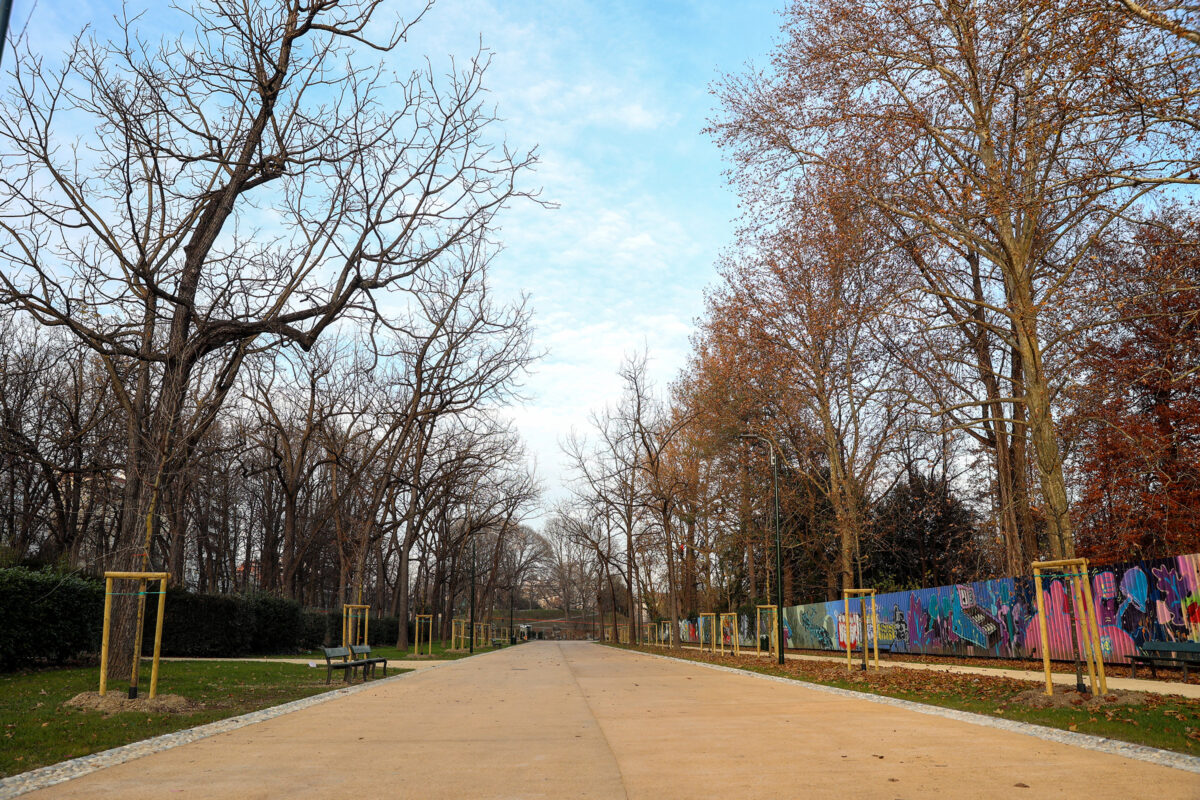
The regeneration project of Parco del Valentino has been structured into progressive implementation phases to revitalize one of Turin’s most iconic green spaces.
Phase 1 focused on the stretch along Viale Mattioli, between the Promotrice delle Belle Arti and Viale Virgilio, officially inaugurated on 20 December 2024.
The current phase 2 extends to Viale Crivelli axis, connecting the Borgo Medievale to the Castello del Valentino, and included the riverfront area of kiosks.
The masterplan aims to enhance pedestrian continuity, improve environmental quality, and reinforce the park’s cultural-historical identity. Each intervention integrates ecological principles, including soil regeneration and increased permeability, while respecting the park’s heritage value. The project underscores a model of urban green regeneration that strengthens biodiversity, accessibility, and sustainable public use, setting a precedent for future landscape restoration in urban contexts.
The redevelopment of Parco del Valentino, conceived as a connecting element between the urban fabric and the grandeur of the Po River, echoes the municipal project for the river’s revitalization – also in terms of navigability – a symbol of nature entering the city as a driving force for socio-economic rebirth and a true infrastructure combined with the city’s green spaces.
Green Implementation
・20,000 m² new meadows
・555 new trees
Soil Regeneration
・65,000 m² sealed surfaces removed
・36,000 m² new permeable surfaces
Area of intervention
・20 ha total area
・boulevards' width: 16-20 m -> 9 m
Related projects
Technical Framework “Environment–Climate–Climate Change”, Rosenheim
Technical Framework “Environment–Climate–Climate Change”, Rosenheim