GreenInCities: shaping a greener future for our cities
The magazine ACER highlights this pioneering initiative funded by Horizon Europe (2024–2027), transforming urban environments through NBS, advanced technologies, and a participatory approach to mitigate climate change and build resilience.
Coordinated by the Institute for Advanced Architecture of Catalonia (IAAC), GreenInCities involves a multidisciplinary group of 31 international partners, including universities, research institutes, public administrations, and companies.
As ACER magazine reports, the project operates across eleven European cities, featuring five “Leader Cities” (Barcelona, Prato, Nova Gorica, Athens, Helsinki) and six “Follower Cities”. The fundamental objective is to develop and test methodologies and tools that operationalize collaborative planning approaches, regenerating vulnerable and degraded areas through the co-creation of innovative solutions.
The project adopts a holistic perspective that treats Nature as a stakeholder, integrating health metrics not just for humans, but also for flora and fauna, such as pollinators and small mammals. This ensures that planning is both inclusive and addresses the evolving challenges of climate emergency and biodiversity loss.
A key output is the GreenInCities Sustainable Renaturing Toolbox, a collection of essential tools and methodologies designed to facilitate the co-creation and replicability of NBS. Its quantitative assessment and diagnostic tools include indexes developed by LAND such as Heatwave Potential Risk (HPR), Microclimatic Performance (MPI) and Park Cool Islands (PCI).
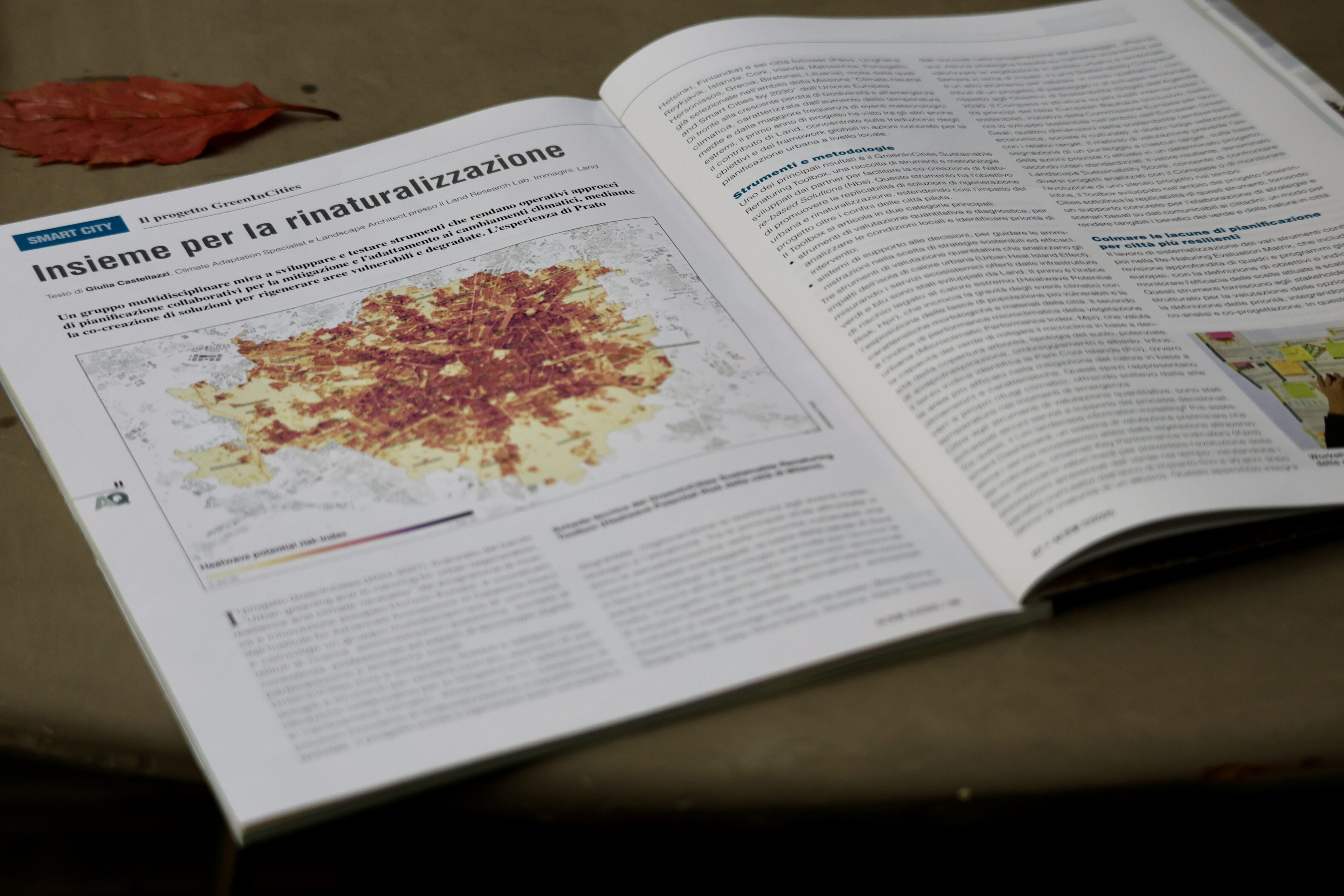
Furthermore, contributions include decision support tools like LAND Sustainability Compass, which qualitatively assesses a landscape project’s contributions toward the principles of the New European Bauhaus (sustainable, inclusive, beautiful) and the UN Sustainable Development Goals (SDGs) of Agenda 2030.
The Italian city of Prato is the pilot case of the project and a recipient of the “EU Mission Label Climate-Neutral and Smart Cities“. The intervention area is the multi-functional San Paolo school complex, a strategic location within the city’s Urban Forestation Strategies.
The initial phase involved the active participation of 170 students and institutional stakeholders, aiming to co-create a masterplan that promotes slow mobility, socialization, and green solutions for mitigating urban heat islands.
The GreenInCities approach combines quantitative analysis, co-creation, and active citizenship engagement, ensuring that planning is guided by both scientific data and community needs and aspirations. This approach is crucial for overcoming systemic barriers, bridging the gap between local ambitions and wider European directives for a more resilient and sustainable urban future for all.
Read here the full article (in Italian): (Download file)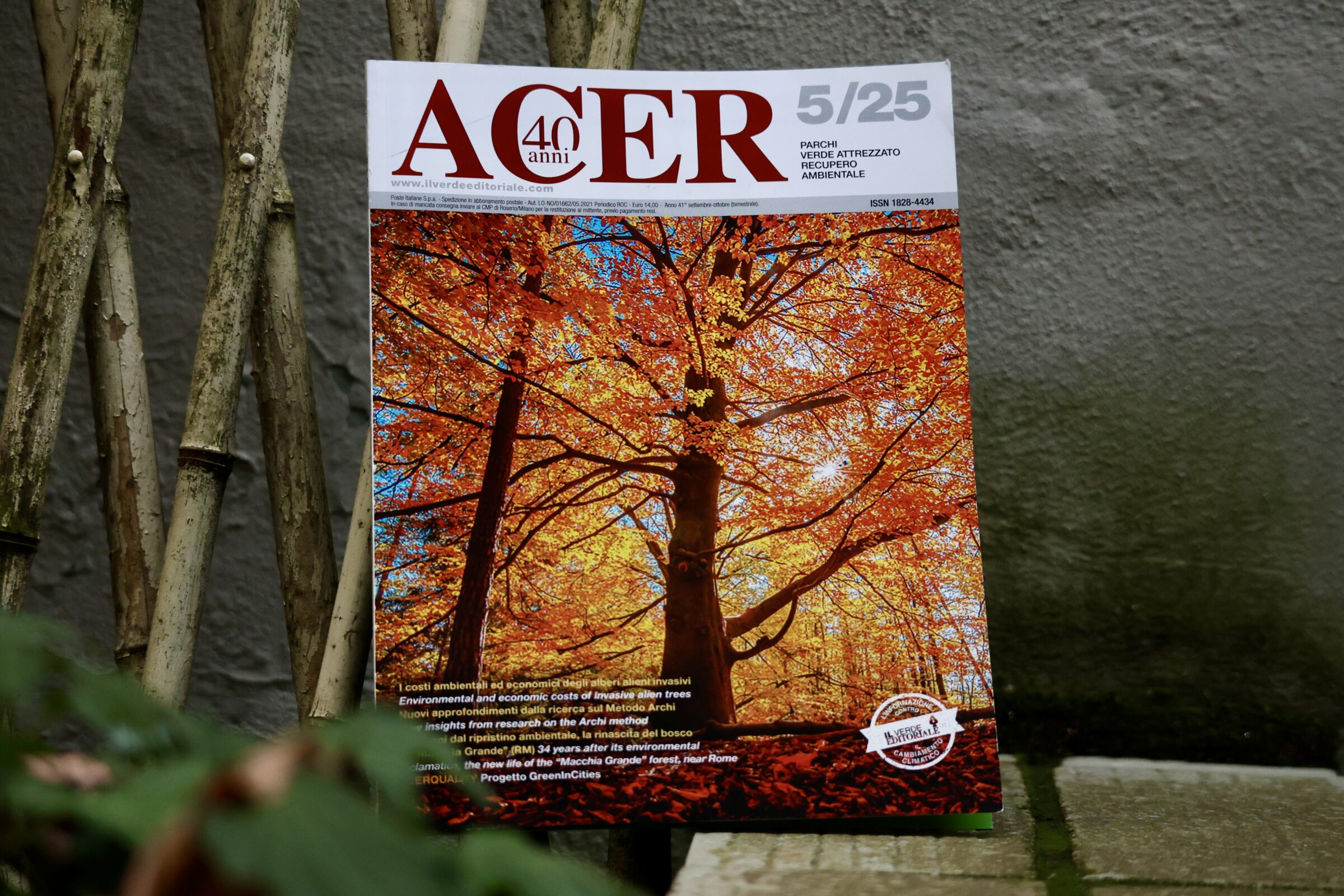
View other publications
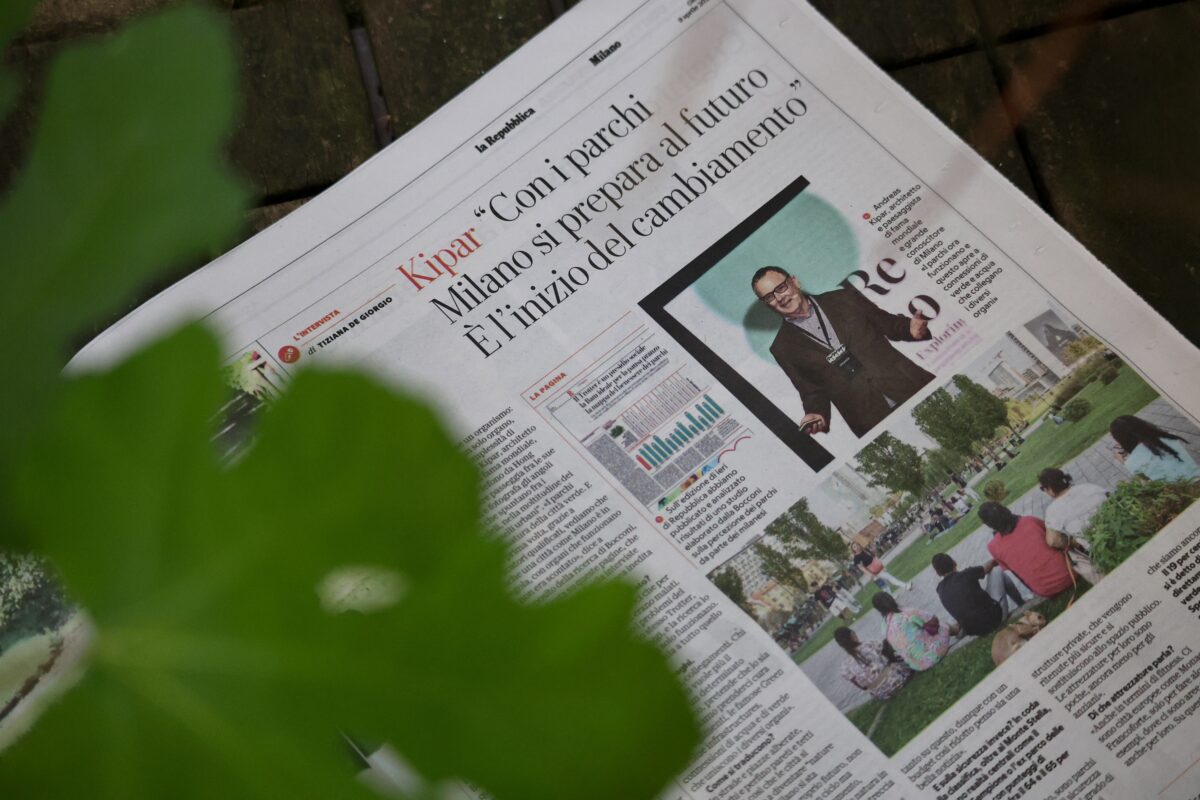
Milan’s green future: parks as drivers of urban transformation
The magazine ACER highlights this pioneering initiative funded by Horizon Europe (2024–2027), transforming urban environments through NBS, advanced technologies, and a participatory approach to mitigate climate change and build resilience.
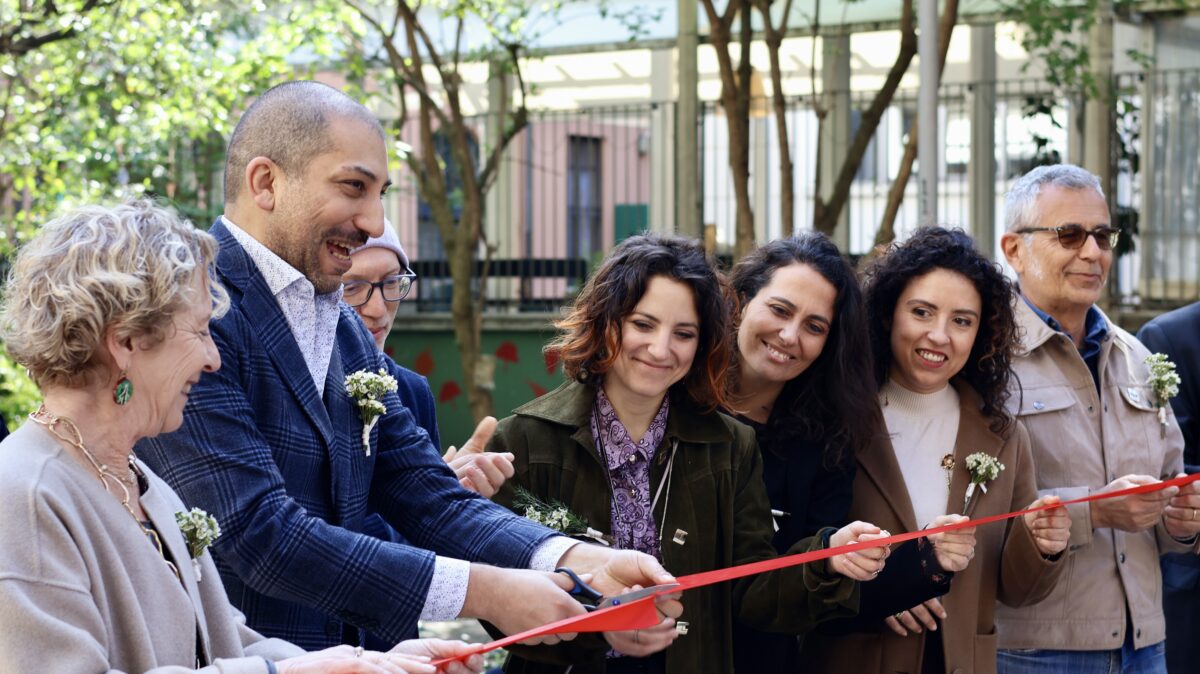
spazioBACCA: a bucolic corner in the heart of Brera
The magazine ACER highlights this pioneering initiative funded by Horizon Europe (2024–2027), transforming urban environments through NBS, advanced technologies, and a participatory approach to mitigate climate change and build resilience.
The Garden Boulevard in Vercelli awarded for “Resilient City”
The magazine ACER highlights this pioneering initiative funded by Horizon Europe (2024–2027), transforming urban environments through NBS, advanced technologies, and a participatory approach to mitigate climate change and build resilience.