Cultivating a Collaborative International Network at the European Green City Forum
Our mission to reconnect people with Nature is steadily gaining momentum, cultivating a growing community and spreading globally through a broad, inclusive network.
In the face of today’s pressing social and environmental challenges, there is an urgent need to convey our message with a more interdisciplinary and international approach embracing new formats, deeper expertise, and more tangible action.
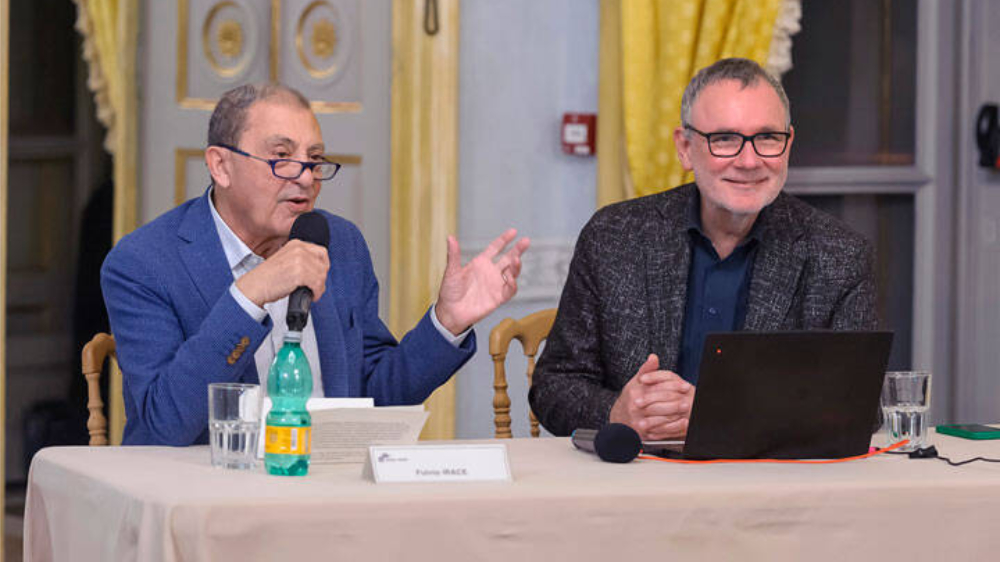
We strongly felt this need during the European Green City Forum, organized by Green City Italia in collaboration with Regione Lombardia. On the morning of June 6, the forum brought together voices from across the continent, connecting Milan, various Lombardy municipalities, and international sustainability experts.
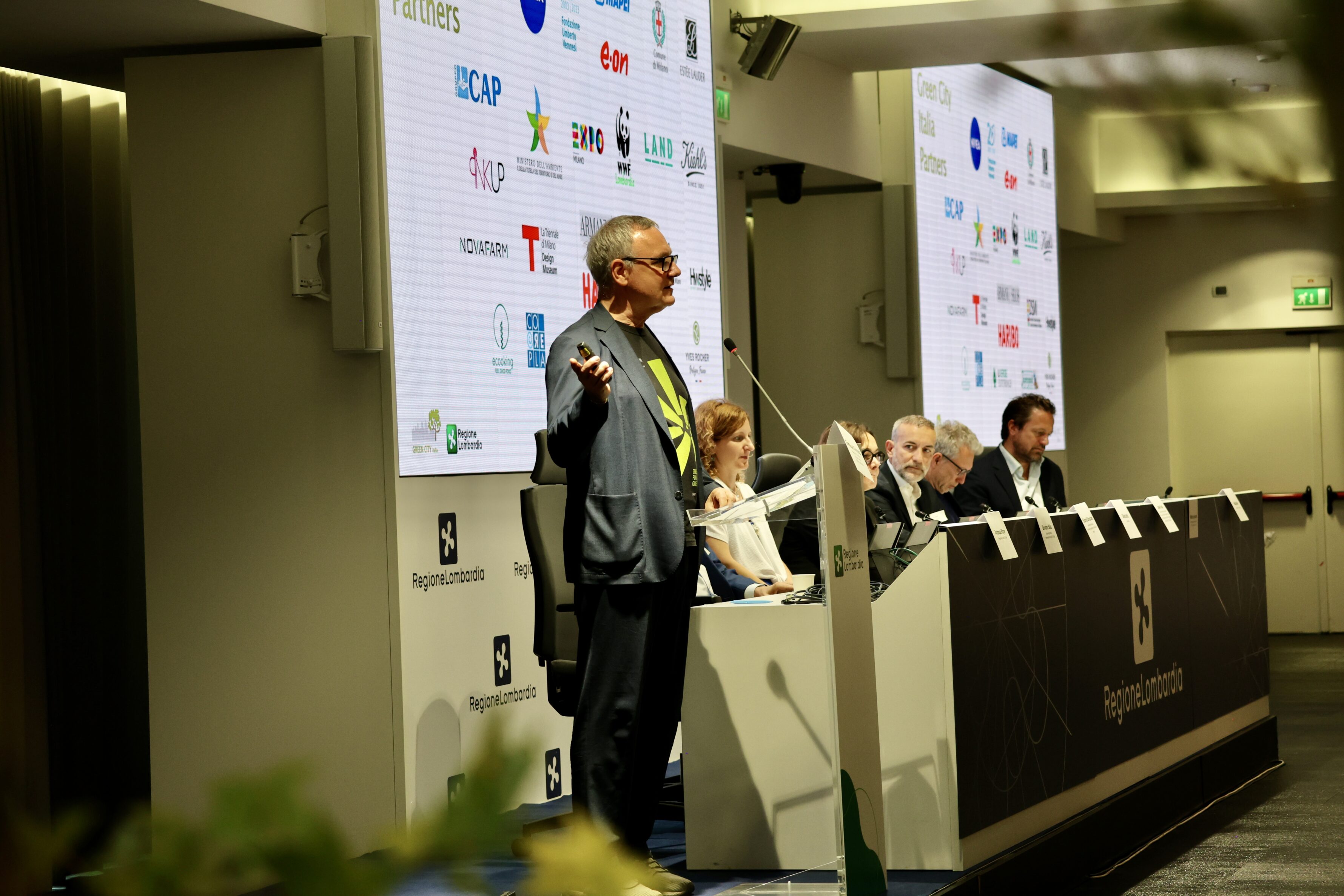
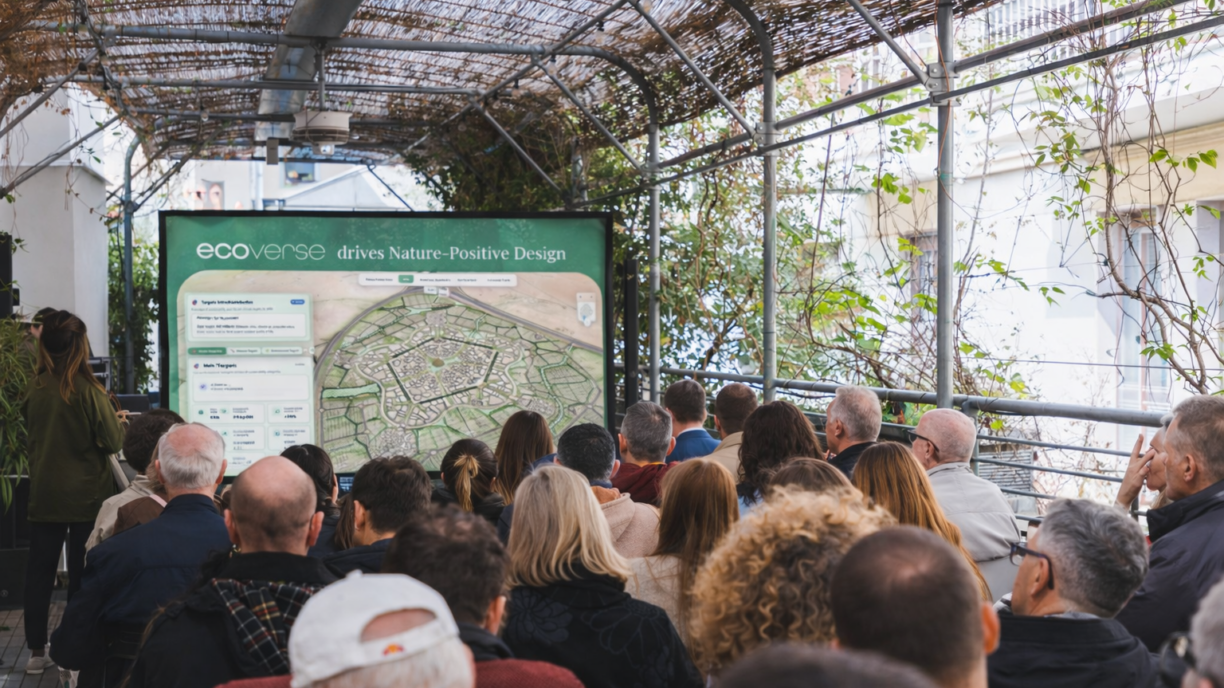
The event served as a platform for cross-countries dialogue on urban regeneration at the intersection of nature, innovation, and active citizenship. It gathered experts, academics, local administrators, and representatives from other European Green Cities to share strategies and concrete, scalable solutions for sustainability and climate resilience. The forum offered valuable insights into moving beyond traditional urban planning models, outlining a new paradigm shaped by collaboration.
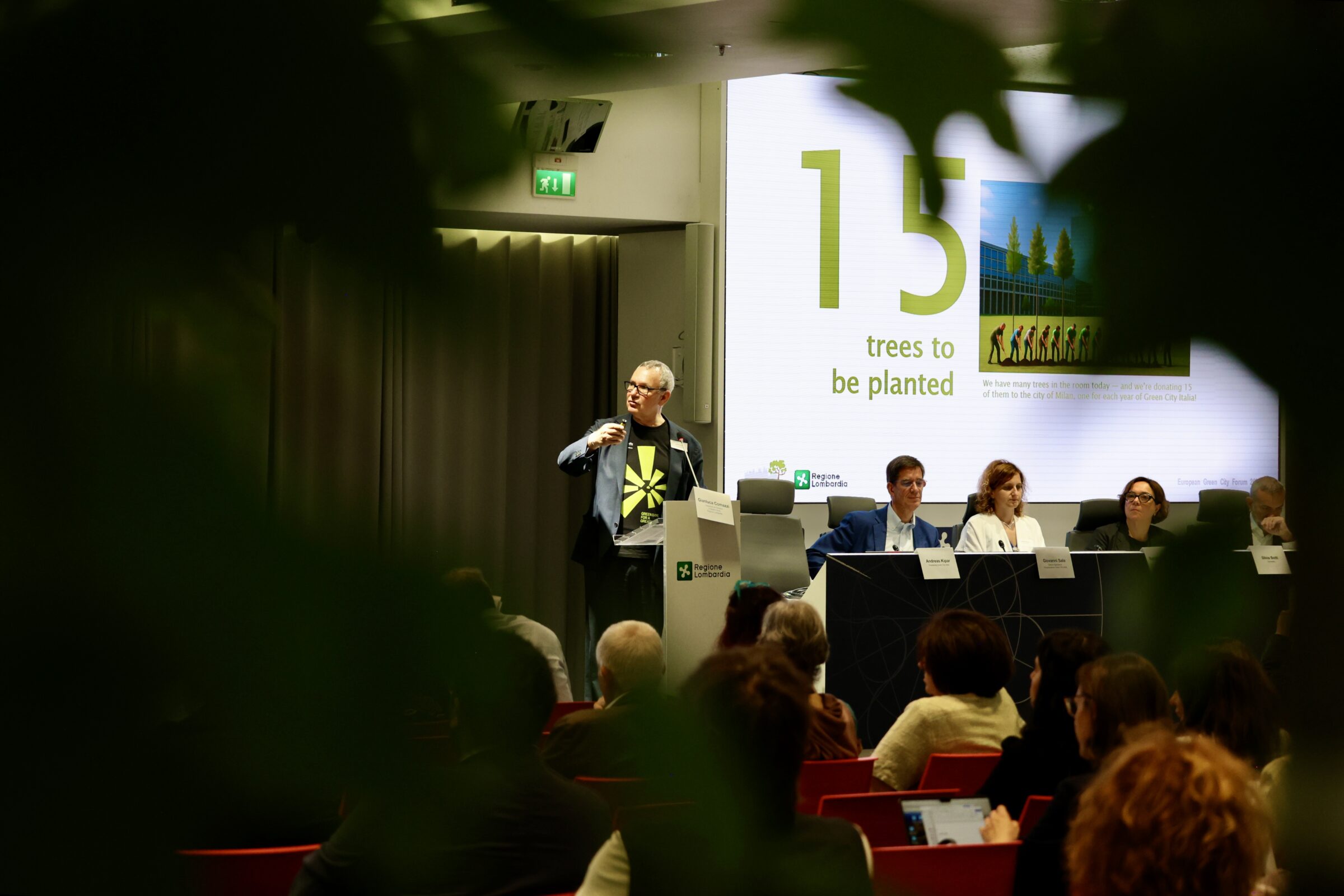
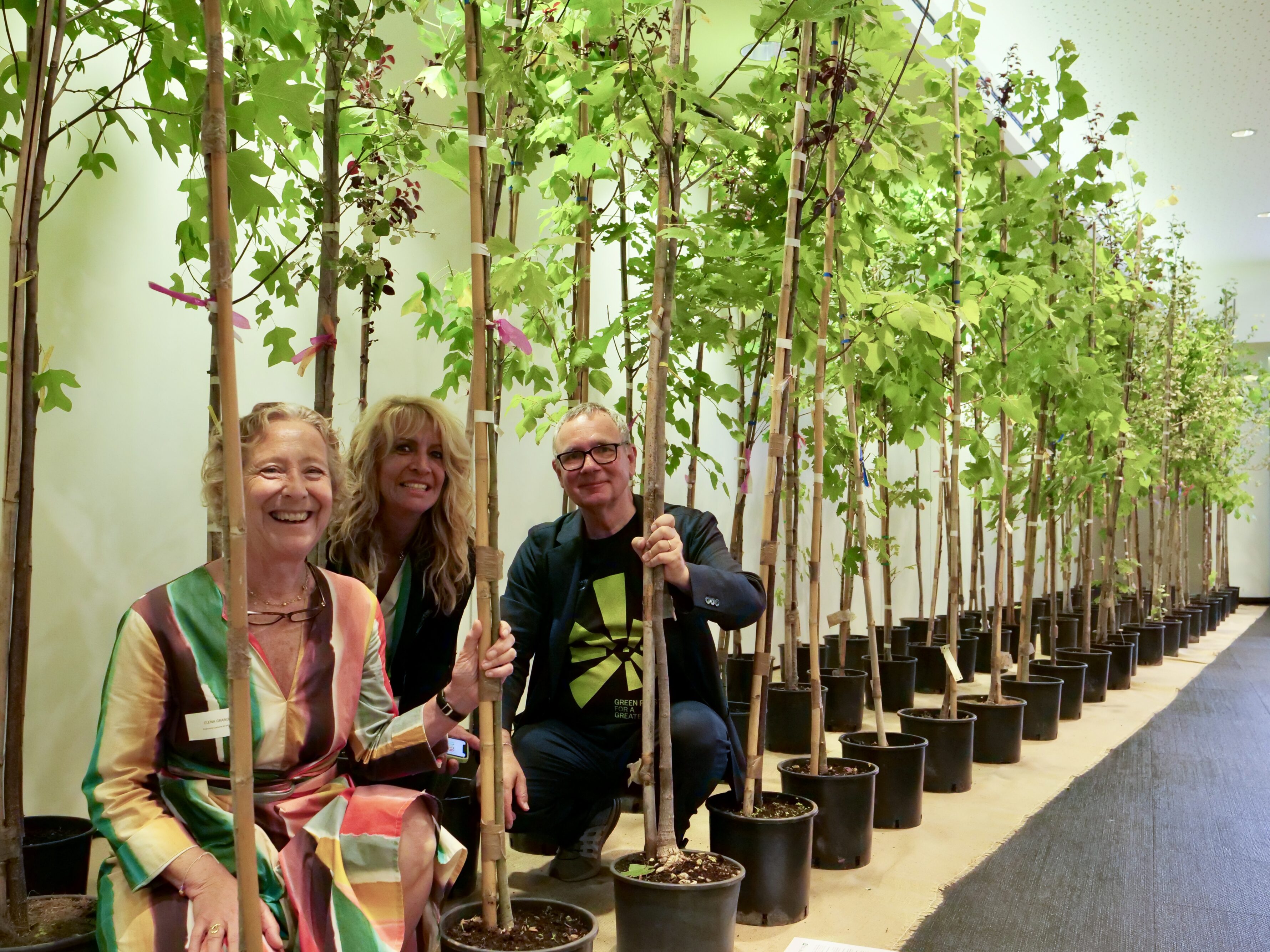
Held in the evocative Sala Biagi at Palazzo Lombardia, the venue was transformed into a living environment, featuring numerous tree specimens from Peverelli’s nursery. Symbolically, 15 of these trees were selected for future planting by Elena Grandi, Milan’s Councillor for Green Areas, with support from Andreas Kipar, President of Green City Italia.
Following the institutional greetings by Gianluca Comazzi, Councillor for Territory and Green Systems of Regione Lombardia, Andreas Kipar delivered an inspiring keynote:
“When Green City Italia was founded 15 years ago, we were isolated. Today, we’re connected with cities like Zurich, Vienna, and Berlin. Most importantly, we are aligned with international initiatives and networks such as the World Economic Forum, the United Nations, and the Green Deal. We’re gathered here to share strategies for reconnecting with Nature and advancing the transition from Nature-Positive Cities to Nature-Positive Landscapes. Together, we promote a new Economy of Nature. A Nature that creates value by transforming our cities into living laboratories. From Regione Lombardia’s depaving strategy to the opportunities presented by the Nature Restoration Law, we can break the mold and give space to the dynamic vitality of landscape, making sustainability visible and measurable for the well-being of us all.”
From urban regeneration and depaving to biodiversity promotion, green and blue infrastructure, active participation, and ecological citizenship, the forum explored a wide range of topics. Five panels focused on fostering innovative models for Nature protection and enhancement in cities: models that are replicable at the regional level and beyond.
The first panel, moderated by Silvia Botti of One Works Foundation, examined the policies and regulations necessary to support the ecological transition. Highlights included a compelling call by Javier Arpa Fernandez of Technische Universiteit Delft for radical climate education, sharing examples of visionary architects working with marginalized communities to rediscover indigenous relationships with Nature. Sabrina Bresciani from Politecnico di Milano presented “NetZero Cities,” a project aimed at creating coordination platforms for achieving climate neutrality across Europe.
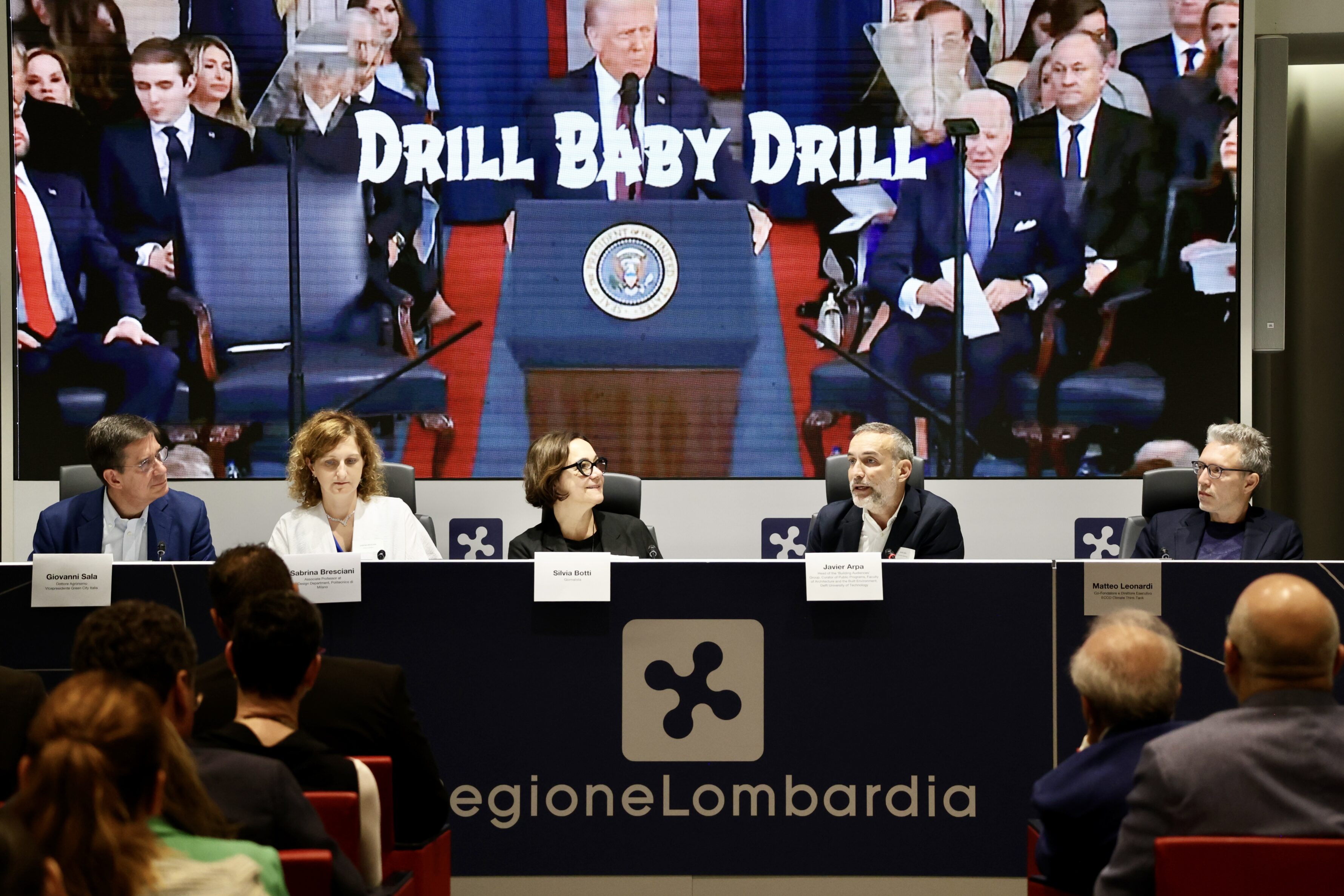
The social dimension of the ecological transition emerged as a key theme. As Matteo Leonardi of the ECCO think tank noted, the transition affects every aspect of daily life, requiring multi-level policies that support governance frameworks and climate laws tailored to national contexts within an overarching strategy. Economic implications were addressed by Mattia Mor, who referenced the Nature-Factory Manifesto, presented at Davos by LAND and Porsche Consulting, as a means of blending public and private capital through innovative business models.
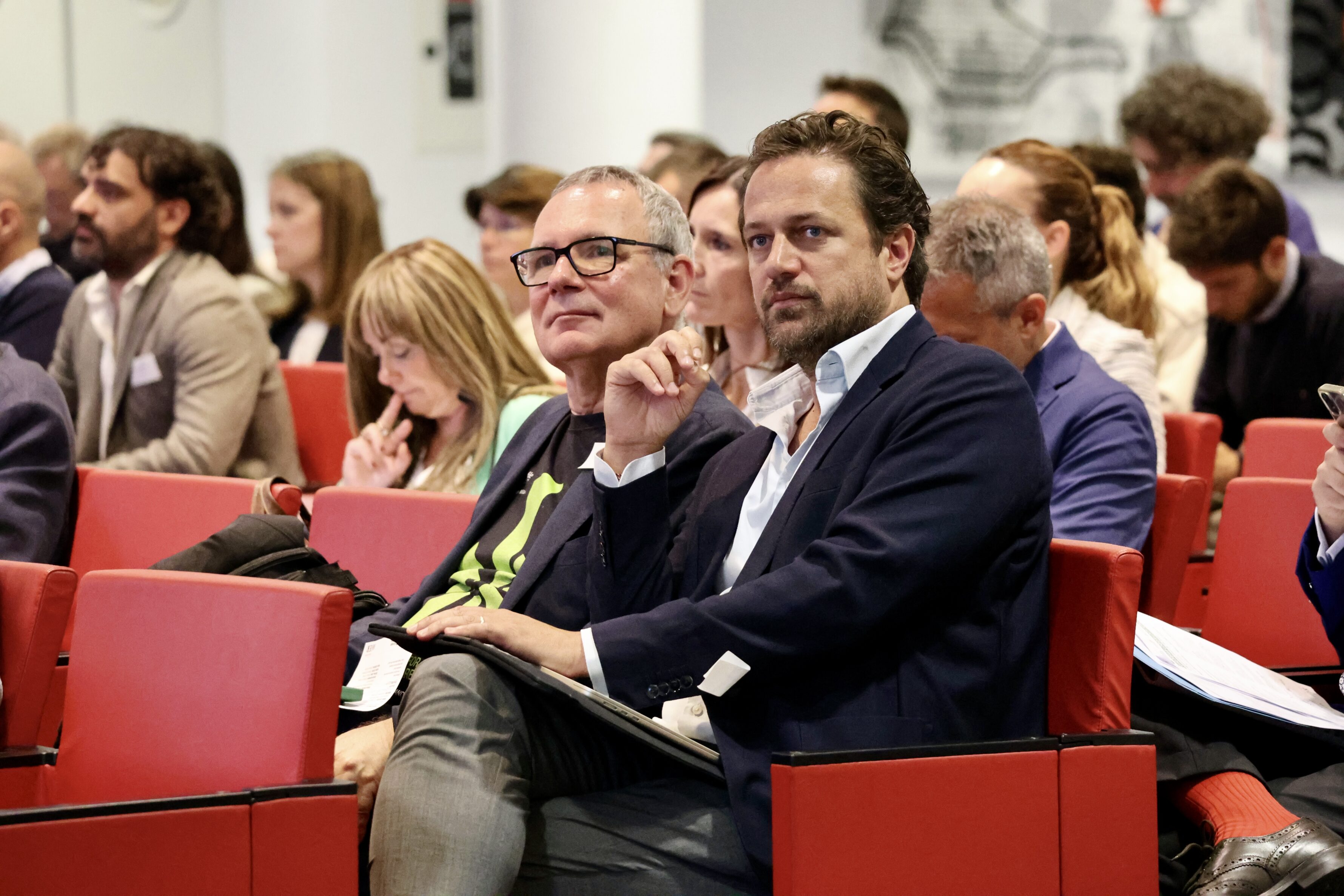
In the roundtable moderated by Edoardo Croci, President of Italia Nostra, the discussion focused on how European Green Cities serve as models for regional decarbonization and resilience policies, enhancing ecosystem services, boosting urban biodiversity, and promoting sustainable mobility.
Don't miss out on our inspiring project stories, the latest research, and more.
All mandatory fields are marked with a *
A standout example came from Germany: Philipp Sattler of Grüne Stadt Berlin and Cordula Vielhauer of GrünBerlin illustrated Berlin’s green transformation, driven by ongoing collaboration between private companies and city authorities to create “perception spaces”, urban areas interconnected through Nature. Cristina Zanini echoed this vision by offering insights into Switzerland’s diverse and evolving landscapes.
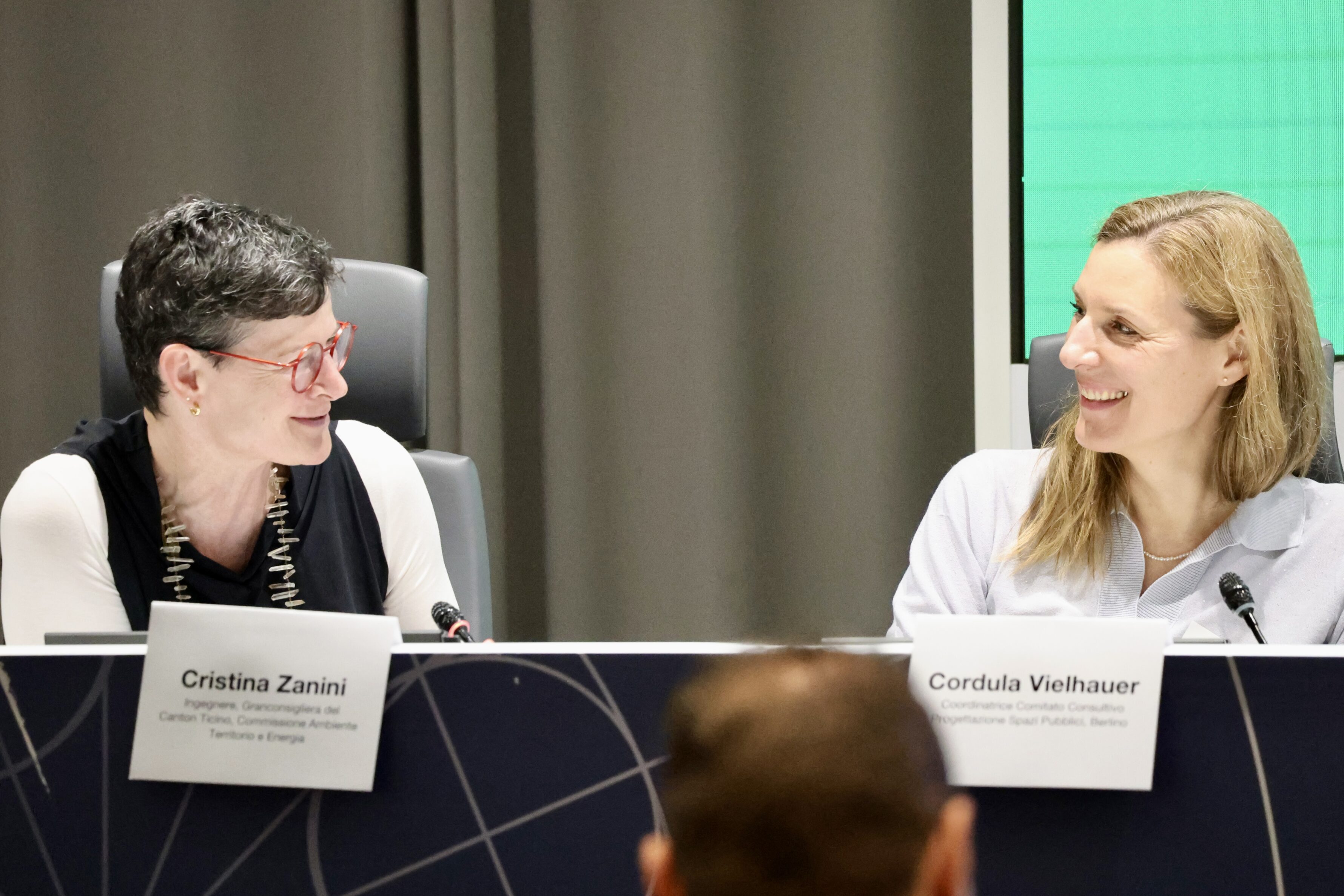
After the panel showcasing recent green initiatives from Lombardy municipalities that won the Città per il Verde Award (organized by ACER magazine, the event’s media partner), the final session — led by Maria Chiara Voci — shifted focus to innovation, featuring the contribution on participative AI by Sampo Ruoppila, and brought attention back to Milan, now a candidate to become Italy’s first Nature-Positive City.
Elena Grandi reaffirmed the vital role of public-private collaboration in recent achievements, including the Air-Climate Plan, the Climate Alliance, and the Citizens’ Assembly for Climate. The engagement of companies and residents is crucial to reclaiming urban space through permeable surfaces that reduce extreme weather impacts and mitigate the heat island effect. This commitment aligns Milan with other European cities through the Climate City Contracts, which harness the expertise of universities, research centers, developers, and public agencies to further climate action. This openness to new approaches is also embodied in the upcoming Green and Landscape Plan of Milan, which will feature a comprehensive network of green areas, ecological corridors, and pedestrian pathways to revitalize the city’s urban fabric.
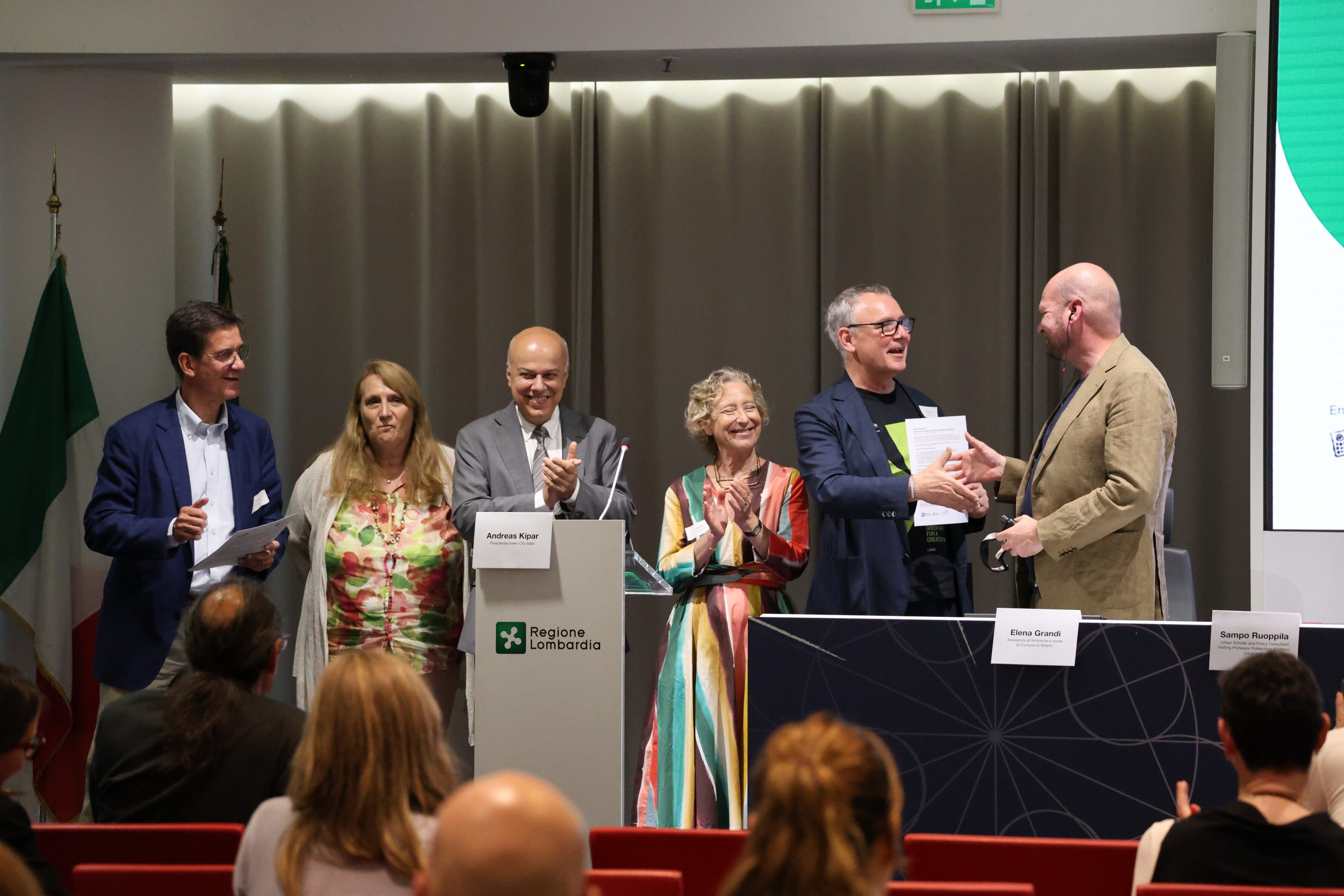
To officially conclude the event, several speakers and participants signed the Green Charta 2025 – Toward More Livable, Resilient, and Connected Territories. This document builds upon and expands the original Green Charta signed in 2010, marking a renewed commitment to a greener, more sustainable future.
We learned that on the path to Nature-Positive Cities and Landscapes, every territory has the potential to become a Green City. Cross-border collaboration and a shared vision are increasingly vital to empowering local communities and fostering a Nature-based economy that views landscapes as living infrastructure essential to our quality of life and resilience.
The European Green City Forum has opened new avenues for dialogue and engagement on urban greening. More international events await in the second half of the year, with the goal of expanding regional discussions on Nature and Sustainability and extending their impact beyond Europe’s borders.