A new Vocabulary connecting Regenerative Design and Sustainability
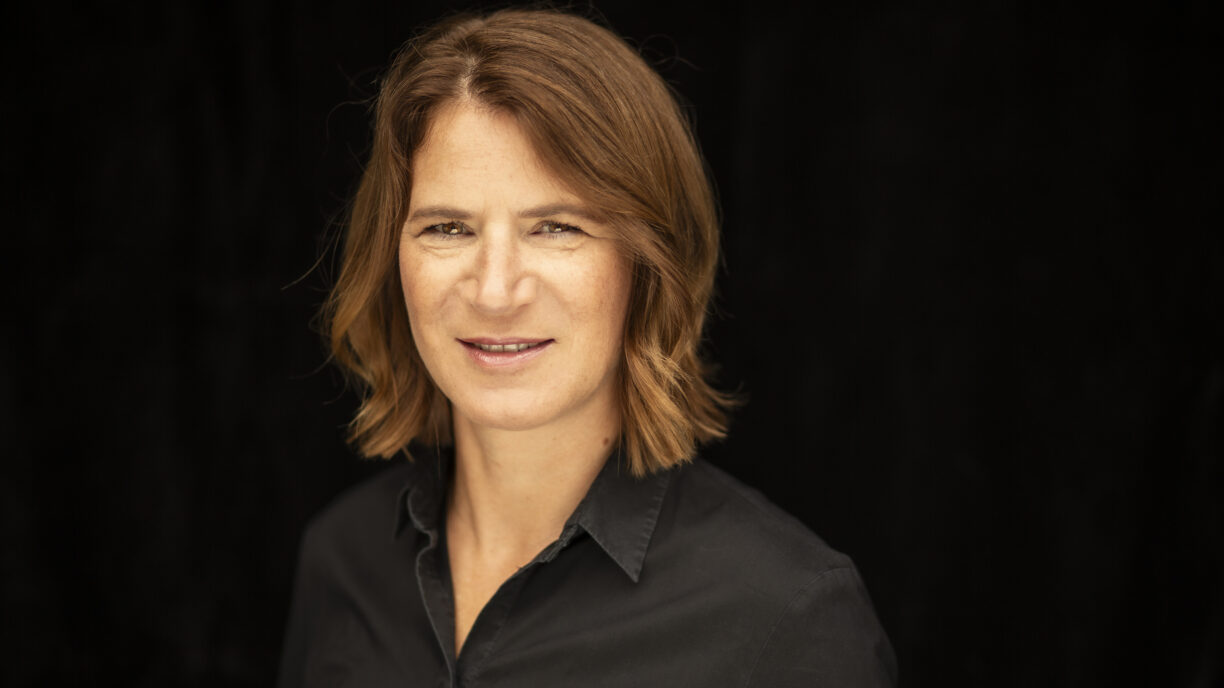
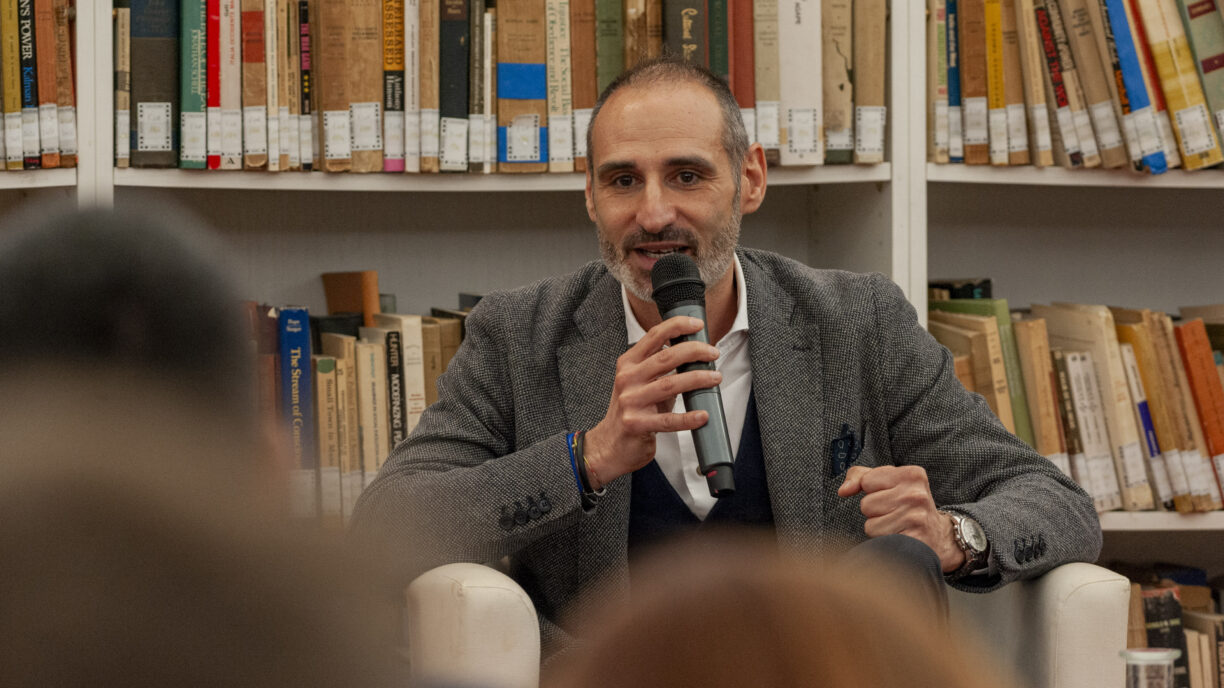
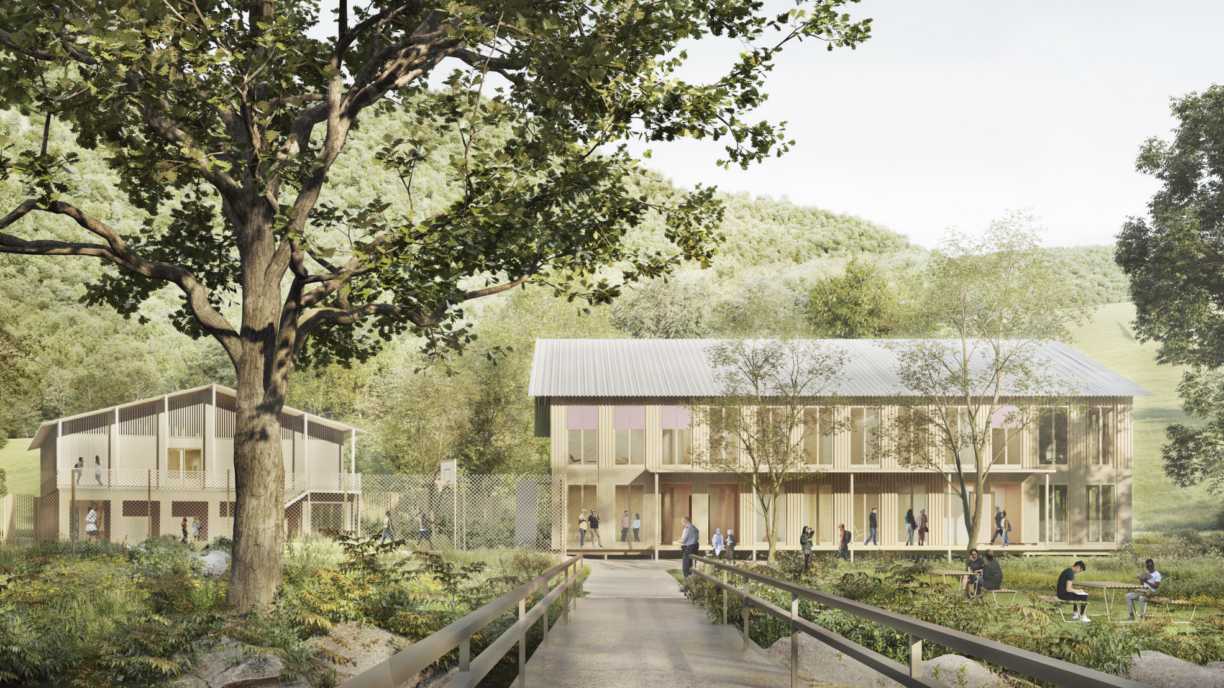
Manuel R. Cisneros, Director of Environmental and Regenerative Strategies at Sid Lee Architecture - the Montreal-based creative firm supported by LAND Canada for the Pleasantville masterplan study in St. John’s, developed by Canada Lands Company / Société immobilière du Canada - shares his vision for the future of design.
Building places for life requires rethinking our relationship with landscape and biodiversity, not as an afterthought, but as essential assets integrated in the design process. As the Nature-Factory Manifesto connects diverse worlds by positioning Nature as a pillar of economic development, a new participatory and cross-disciplinary collaboration is needed — both in Canada and globally — to prioritize long-term thinking and shape a better tomorrow for living spaces.
Manuel Cisneros, Director of Environmental and Regenerative Strategies at Sid Lee Architecture
The language around sustainability is evolving. Increasingly, we talk about regenerative design: a more powerful, forward-looking concept that frames projects not merely as sustainable, but as high-performing, intelligent, and deeply valuable. When conceived with intention, the built environment can generate long-term benefits for public health, well-being, infrastructure, economy, people and communities.
Long-term thinking in a short-term world
We’ve long operated in systems where value is measured primarily in economic terms. But today, we’re recognizing that social and environmental value, when considered through a long-term lens, naturally translates into value, which can eventually be expressed in economic terms. This aligns closely with the principles outlined in your Nature-Factory Manifesto. It’s time to move beyond short-term thinking and start designing with a century-long horizon.
In an industry often driven by quick returns and rapid turnover, long-term thinking is challenging but necessary. Buildings may stand for a hundred years or more, and our planning should reflect that reality. As designers and planners, we must look beyond fleeting market trends. Our responsibility is to shape environments that support resilient, thriving communities and ecosystems over time.
We are not alone in this shift. Economic sectors, including financial institutions, are increasingly adopting ESG frameworks. If you want to be economically resilient, you must also be environmentally responsible. It’s no longer a luxury; it’s a core strategy for risk management. For instance, resilient infrastructure can reduce the need for costly insurance on vulnerable sites.
Design beyond the object
Design today is no longer just about isolated objects: it’s about systems, cycles, and impact. By asking the right questions early, we can integrate water, energy, material loops, and social needs into the design process. It’s about understanding how people live, share, and connect.
Affordability, too, requires a systemic approach. Instead of simply reducing square footage, we can reimagine housing models through co-ownership, co-rental, and shared community spaces. These solutions not only enhance accessibility, but they also reshape our understanding of inclusive design.
We also need to consider future adaptability. Using materials like wood or steel instead of concrete can enable flexibility and circularity. The same principle applies to landscaping: incorporating green infrastructure from the beginning leads to better water management, increased biodiversity, and long-term cost-efficiency.
Collaboration over silos
One of the biggest barriers to regenerative design is the siloed nature of our disciplines. The solution? Learn to speak each other’s language. We don’t need to be experts in every field, but we must collaborate with empathy and curiosity.
Nature-based solutions embody this shift. They are often more cost-effective and offer multiple co-benefits, yet they’re still considered secondary to traditional “hard” infrastructure. This mindset must change. Climate change is not the root cause of environmental collapse, it is a symptom. The deeper issue is our ongoing destruction of nature.
As landscape architects, you already see the world through a holistic lens. I agree: a building is only one part of a much larger ecological and cultural network. Increasingly, what happens around the building matters more than what happens within. Orientation, rain water, shading, healthy soils, and ecosystems. These aren’t extras, they are essential.
Circularity is another shared principle. Nature creates no waste, why should we? A truly circular building mimics natural processes, where every material has a life before and after the project. To change mindsets, we must communicate these ideas clearly, using simple, relatable language.
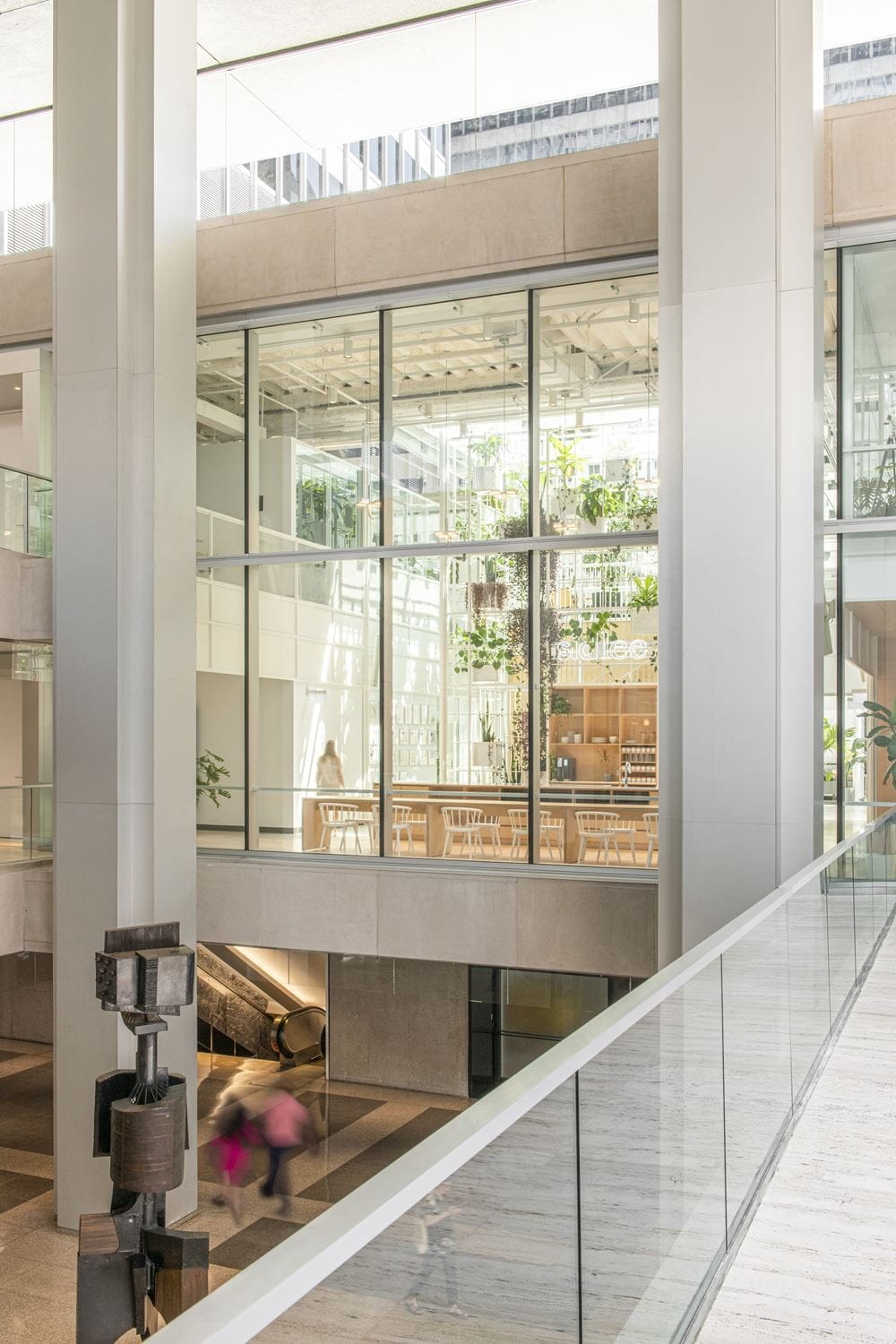
Sid Lee “Biosquare”, the creative firm headquarters in Montreal
Designing spaces for Life
At the heart of all this is a simple but powerful idea: we’re not just building structures, we’re creating spaces for life. That includes human life, of course, but also trees, soils, pollinators, and ecosystems that bring places to life and make them resilient. Some call me a “tree-hugger,” but the real issue is that we’re actively killing life instead of creatively and respectfully trying to reorganize its elements for our needs. The more we bring life—natural and human—back into our projects, the closer we get to addressing the true problem.
In this perspective, ESG becomes just an empty term unless it is grounded in a renewed approach to design and unless we prioritize and emphasize the social dimension of our work. We must restore user participation, encourage collective engagement, and foster collaboration among professionals. I would call this collective intelligence: a driving force that can genuinely enrich our projects through a circular and inclusive approach.
Design and development strategies should be systemic, integrated, and holistic. When applied effectively, they transform into a shared mission with a unified goal: designing spaces where life — in all its forms — can truly thrive.