UrbAlytics - Horizon 2020
Italy
UrbAlytics is an innovative research initiative integrating Artificial Intelligence and remote sensing to assess urban heat island (UHI) effects and climate adaptation strategies. Developed within the AI4Copernicus H2020 project, the study focuses on Milan and Naples, using high-resolution mapping and Nature-Based Solutions (NBS) to enhance urban resilience and mitigate extreme heat.
UrbAlytics is an innovative research initiative integrating Artificial Intelligence and remote sensing to assess urban heat island (UHI) effects and climate adaptation strategies. Developed within the AI4Copernicus H2020 project, the study focuses on Milan and Naples, using high-resolution mapping and Nature-Based Solutions (NBS) to enhance urban resilience and mitigate extreme heat.
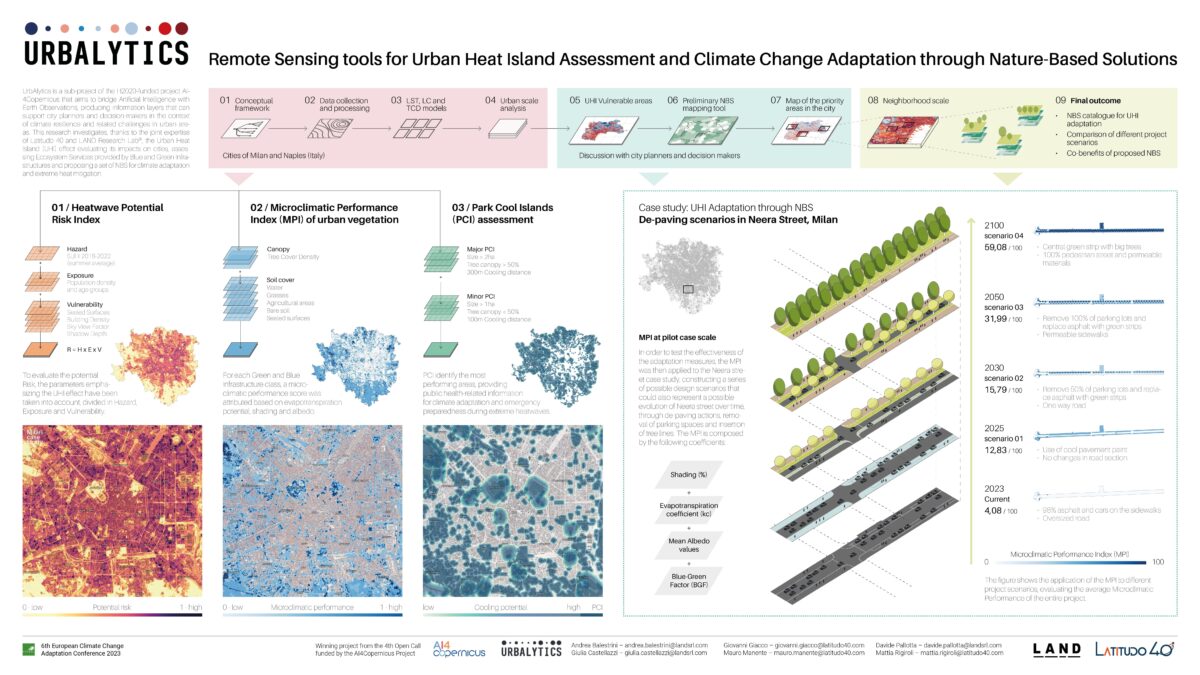
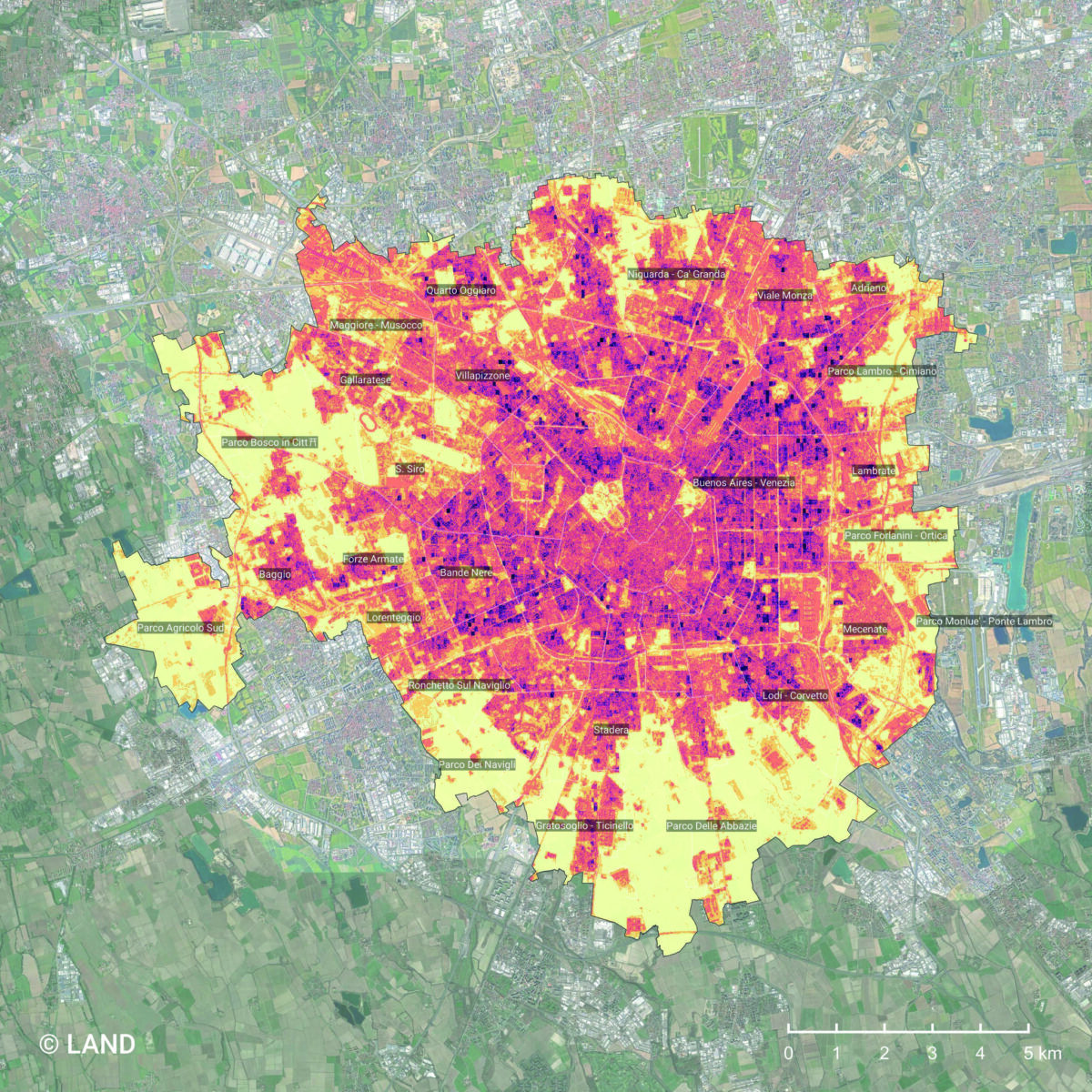
Milan case study - Heatwave Potential Risk (HPR) index
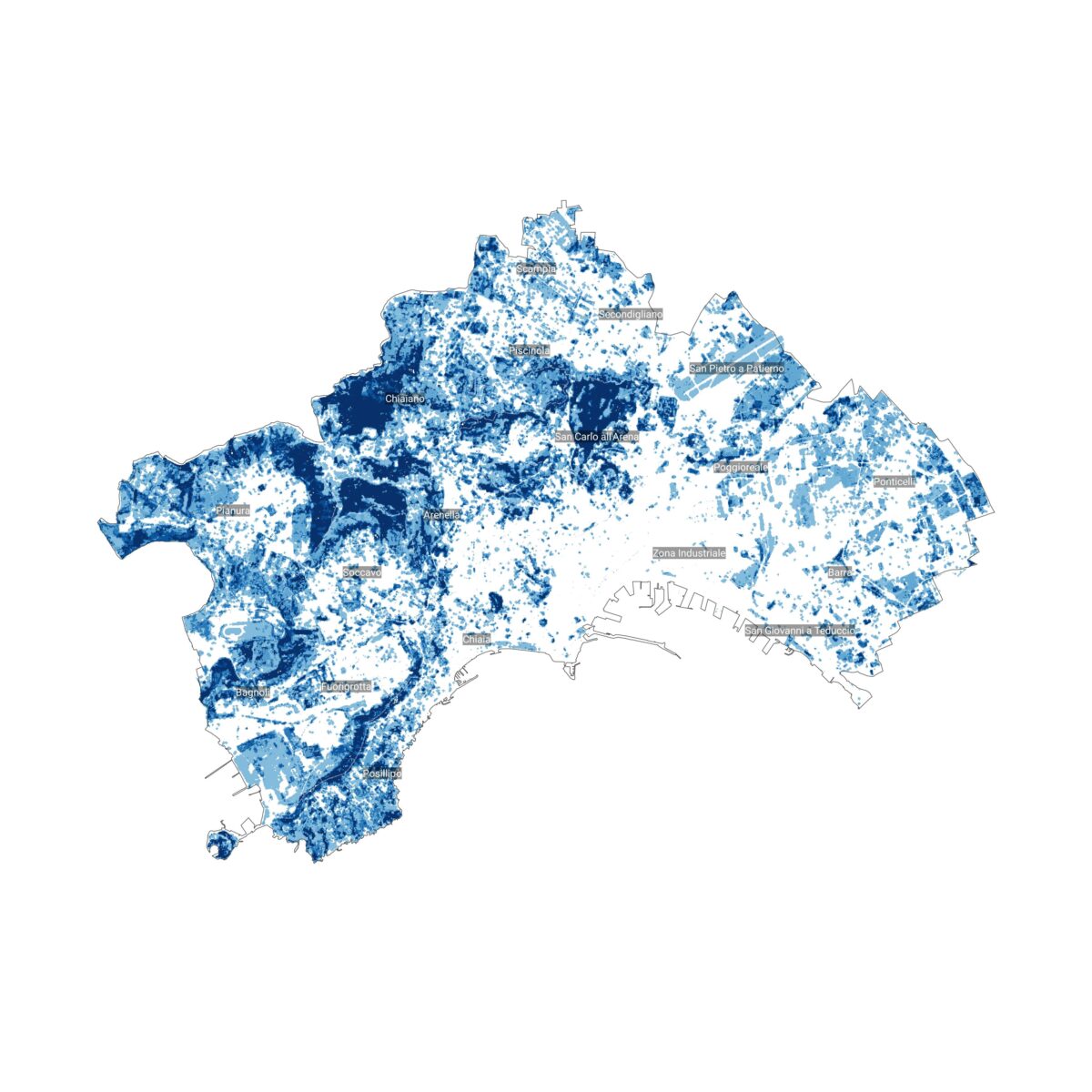
Naples case study - Microclimatic Performance Index (MPI)
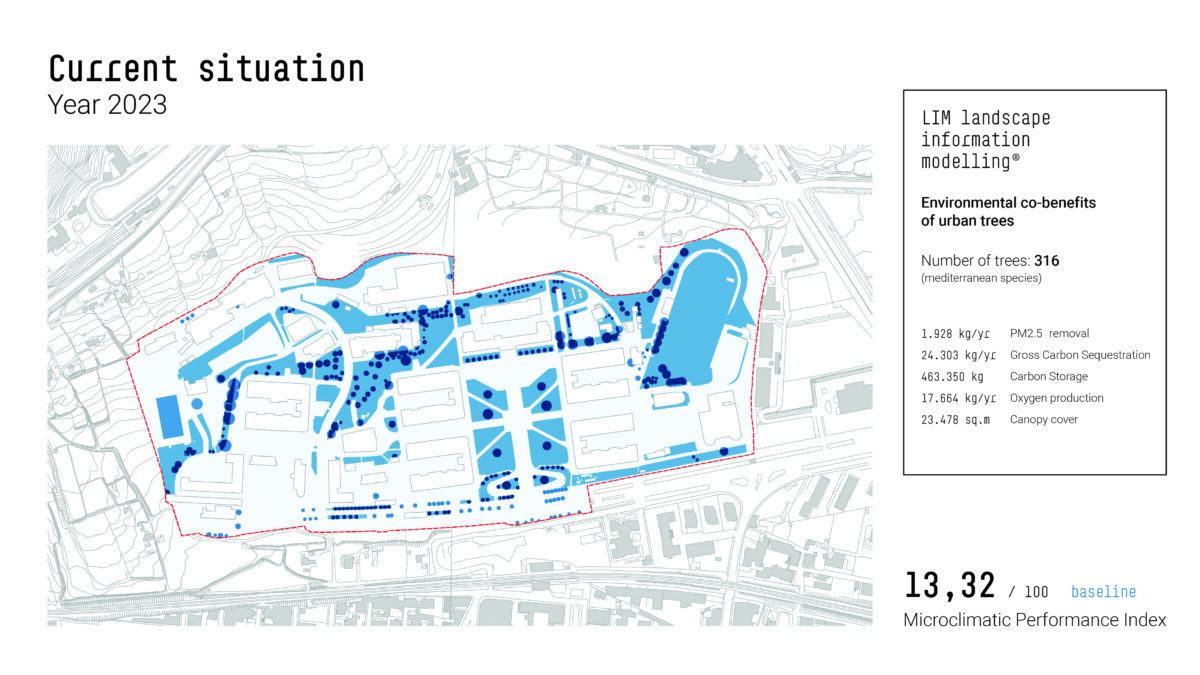
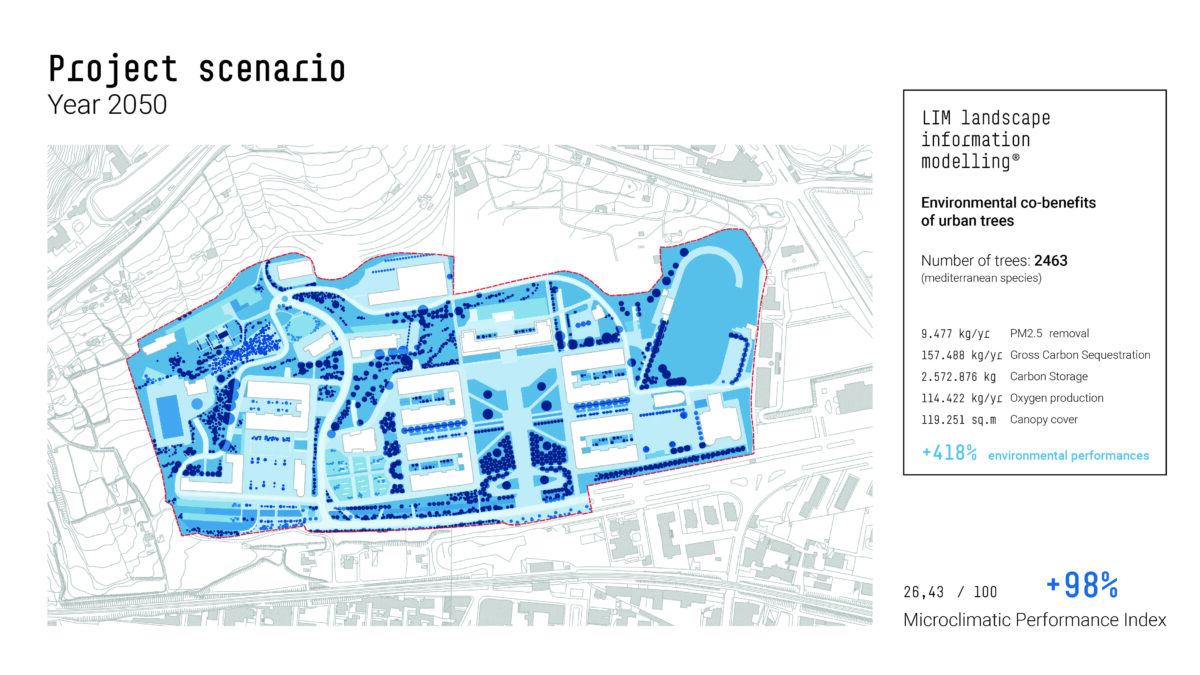
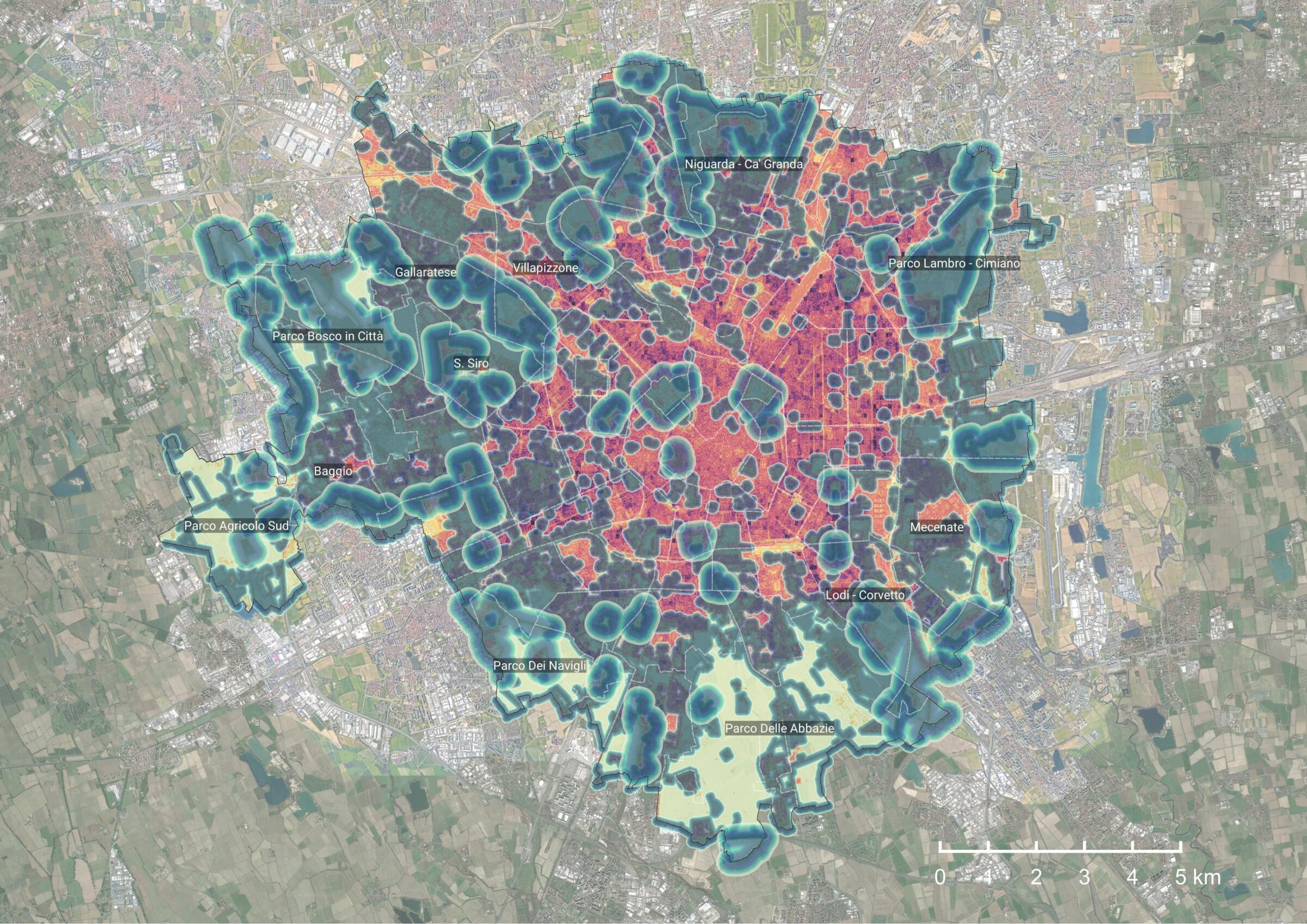
As cities face increasing climate challenges, the impact of urban heat islands (UHI) becomes a pressing concern. UrbAlytics applies advanced AI-powered remote sensing techniques to evaluate the intensity of UHI effects, analyzing key indicators such as land surface temperature, tree cover density, soil permeability, and evaporative cooling capacity. The project combines Heatwave Potential Risk Index (HPR) and Microclimatic Performance Index (MPI) to assess urban vulnerabilities and identify high-priority areas for intervention.
In Milan and Naples, LAND and its research partners have mapped high-resolution datasets, integrating them into a decision-making framework for climate adaptation. By applying Nature-Based Solutions (NBS), the project provides urban cooling strategies, including de-paving solutions, enhanced tree canopies, and the integration of blue-green infrastructure. The study demonstrates how urban vegetation and sustainable design can significantly reduce local temperatures and improve overall urban livability.
The project also serves as a policy support tool, offering city planners a data-driven approach to design climate-responsive cities. By quantifying the cooling potential of different green infrastructures, UrbAlytics provides actionable insights into how urban regeneration strategies can contribute to climate resilience. The findings are instrumental in guiding sustainable urban planning across Europe and beyond.
Related projects

nAIture Capital in NRW: AI‑powered ecosystem accounting for a Nature‑Positive Future
nAIture Capital in NRW: AI‑powered ecosystem accounting for a Nature‑Positive Future