Technical Framework “Environment–Climate–Climate Change”, Rosenheim
Germany
As part of the Integrated Urban Development Concept (ISEK) for the City of Rosenheim in southern Bavaria, LAND Germany developed the technical framework “Environment–Climate–Climate Change” in collaboration with Raumposition and Weatherpark. While the ISEK provides a long-term strategic foundation for Rosenheim’s future, our specialist concept deepens its key objectives through a climate- and nature-based lens, suggesting a potential sustainable footprint of the city.
As part of the Integrated Urban Development Concept (ISEK) for the City of Rosenheim in southern Bavaria, LAND Germany developed the technical framework “Environment–Climate–Climate Change” in collaboration with Raumposition and Weatherpark. While the ISEK provides a long-term strategic foundation for Rosenheim’s future, our specialist concept deepens its key objectives through a climate- and nature-based lens, suggesting a potential sustainable footprint of the city.
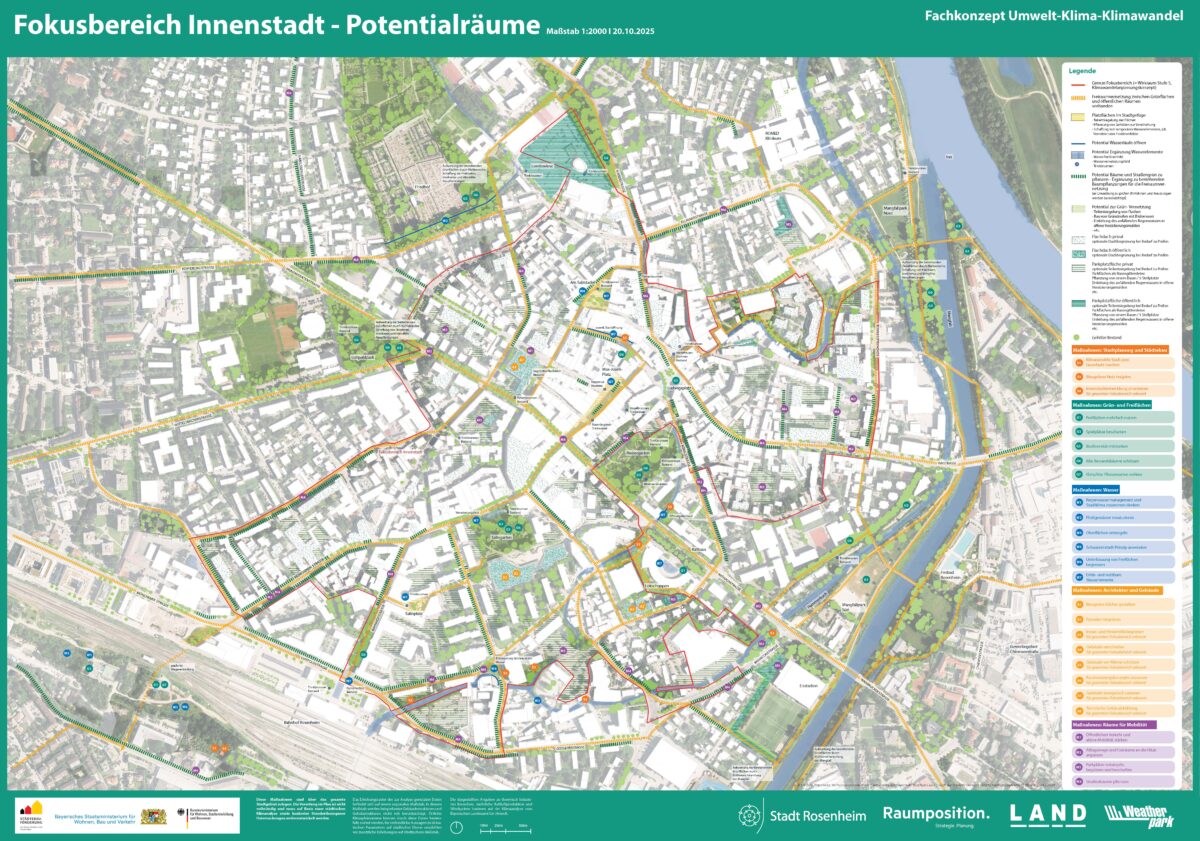
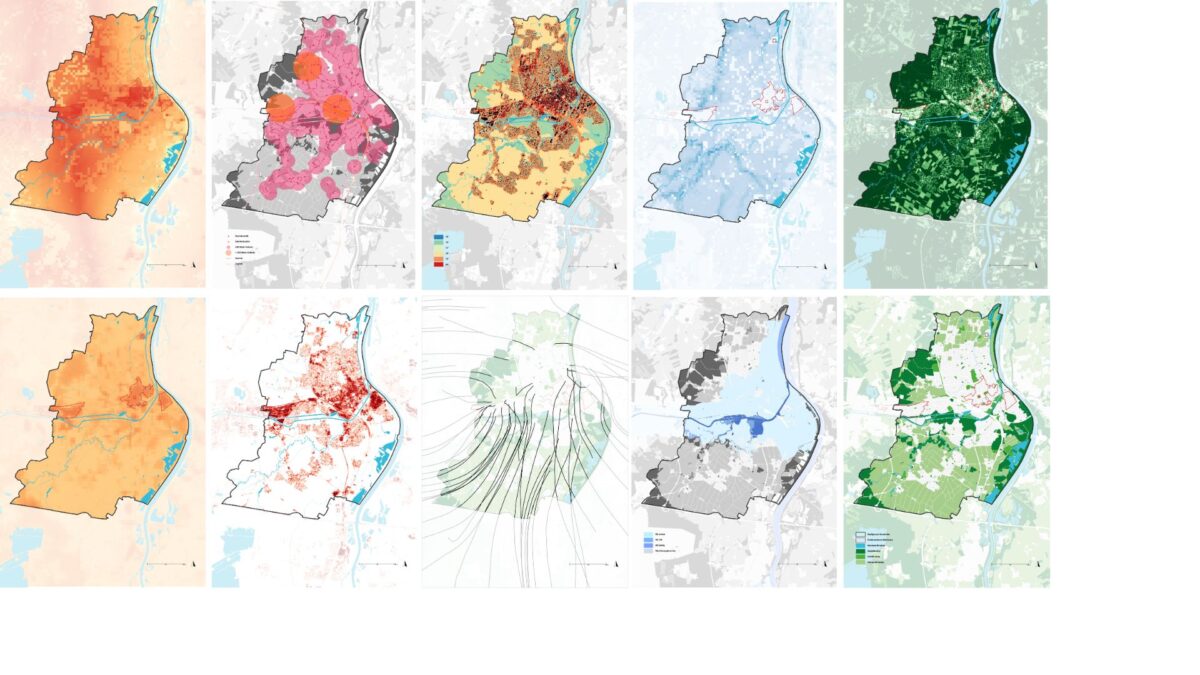
Cities are both major drivers of climate change and highly vulnerable to its impacts. Rosenheim has already taken important steps toward climate-resilient urban development, including the 2023 Climate Adaptation Strategy, created through an extensive participatory process involving politics, administration, business representatives, and the local community. Yet many existing planning tools would profit from further integration of climate mitigation and adaptation. Strengthening these instruments and aligning them with effective implementation is essential.
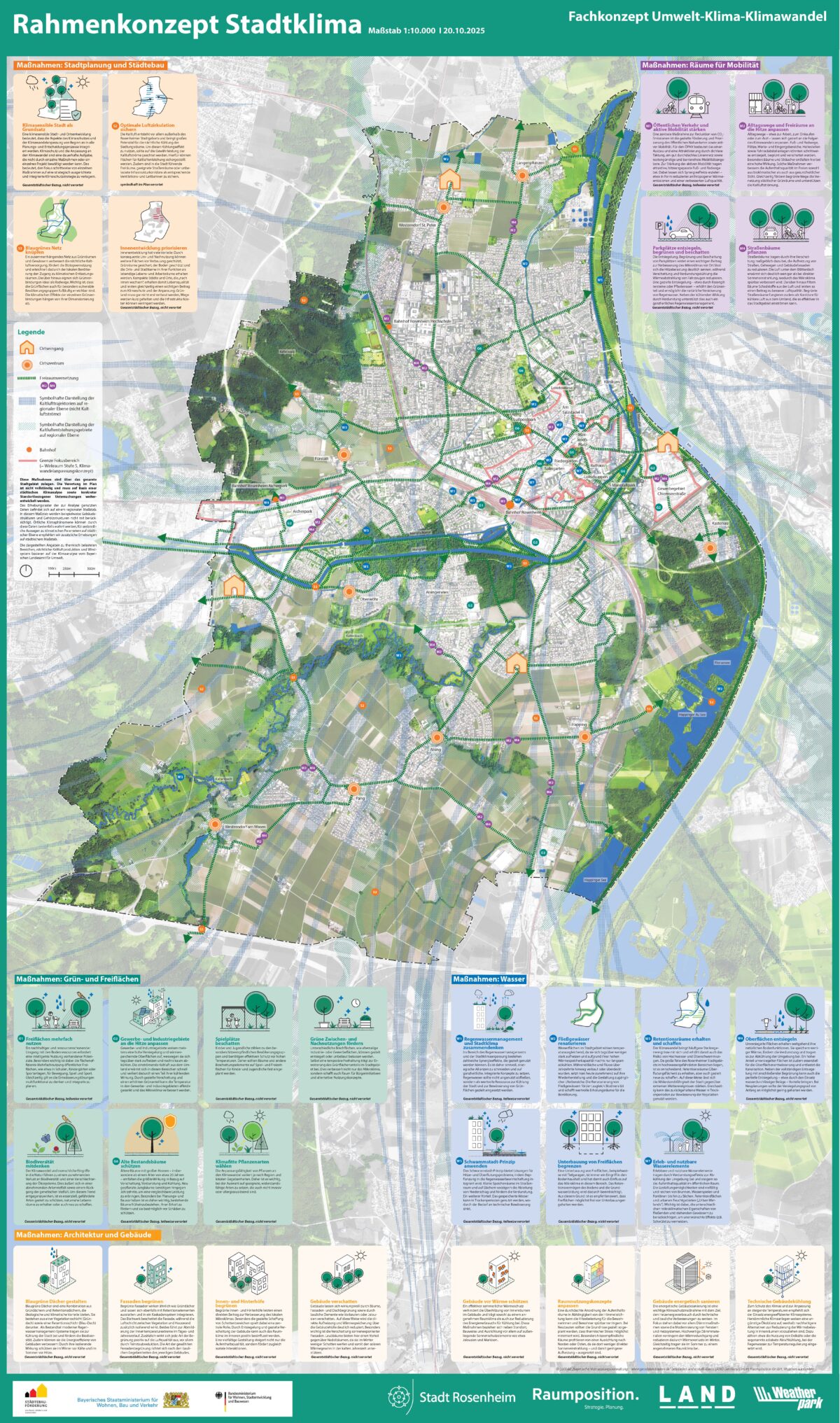
The concept builds on comprehensive GIS-based analyses of environmental and climate data, complemented by on-site assessments of vulnerable urban areas — from the heat-stressed inner city to industrial zones and rural neighbourhoods. Each district was provided with a tailored catalogue of climate-responsive measures.
From this foundation, the project develops four guiding objectives for Rosenheim’s future:
- Climate-resilient urban development
- Climate-effective green and open spaces
- Sustainable land management
- Resilient public spaces
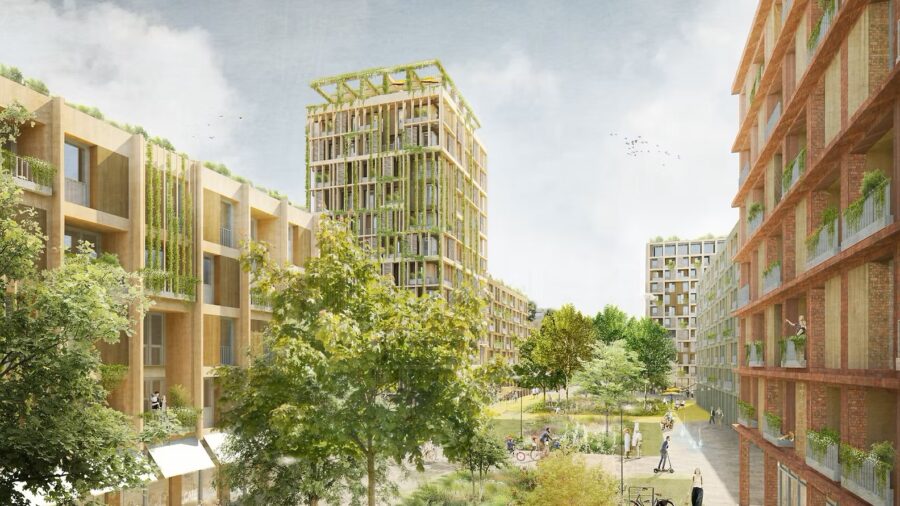
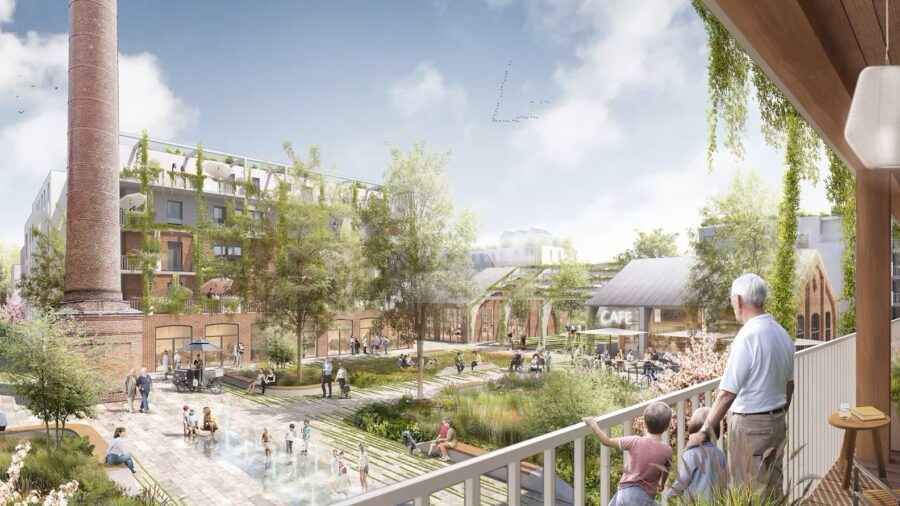
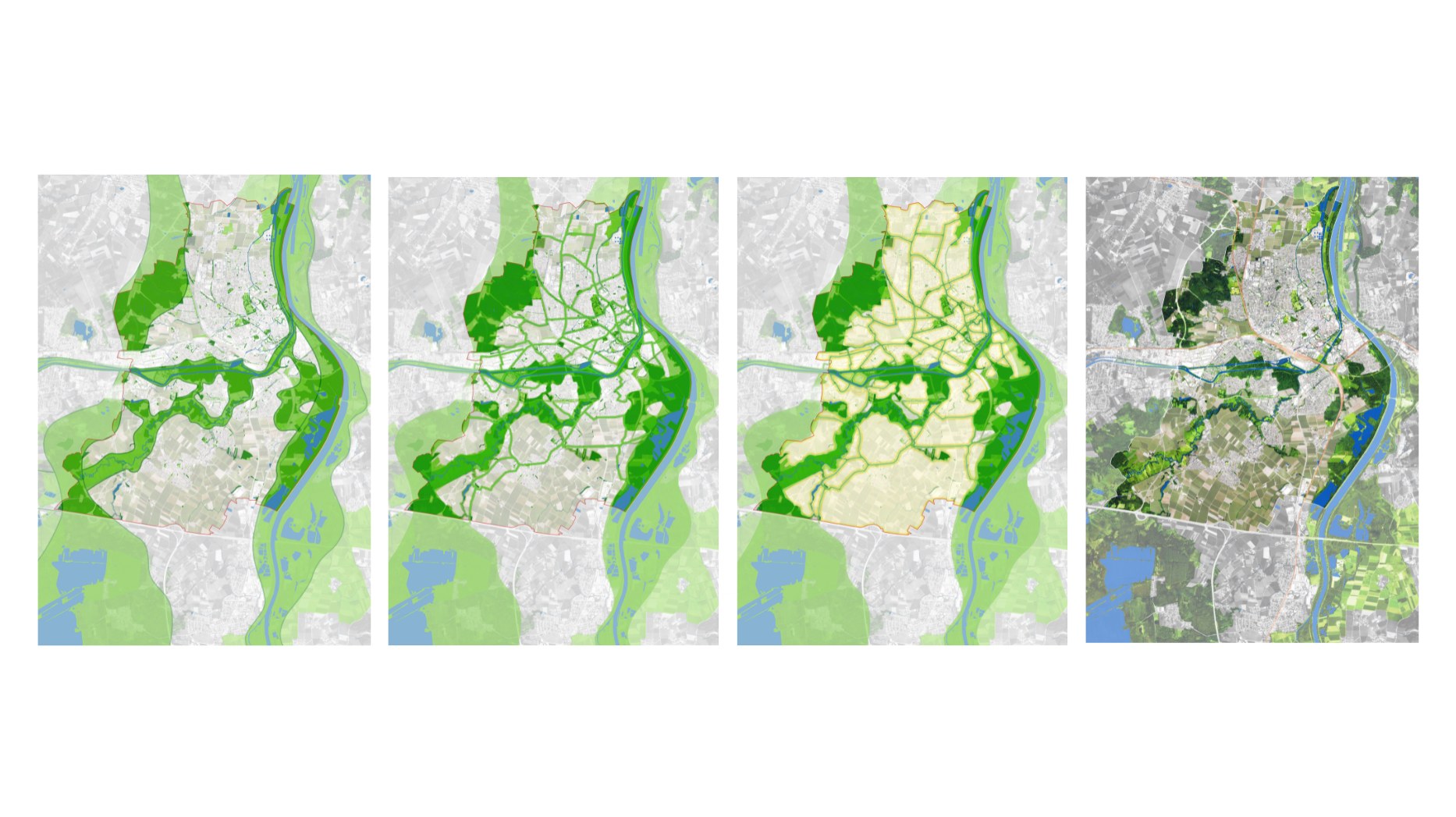
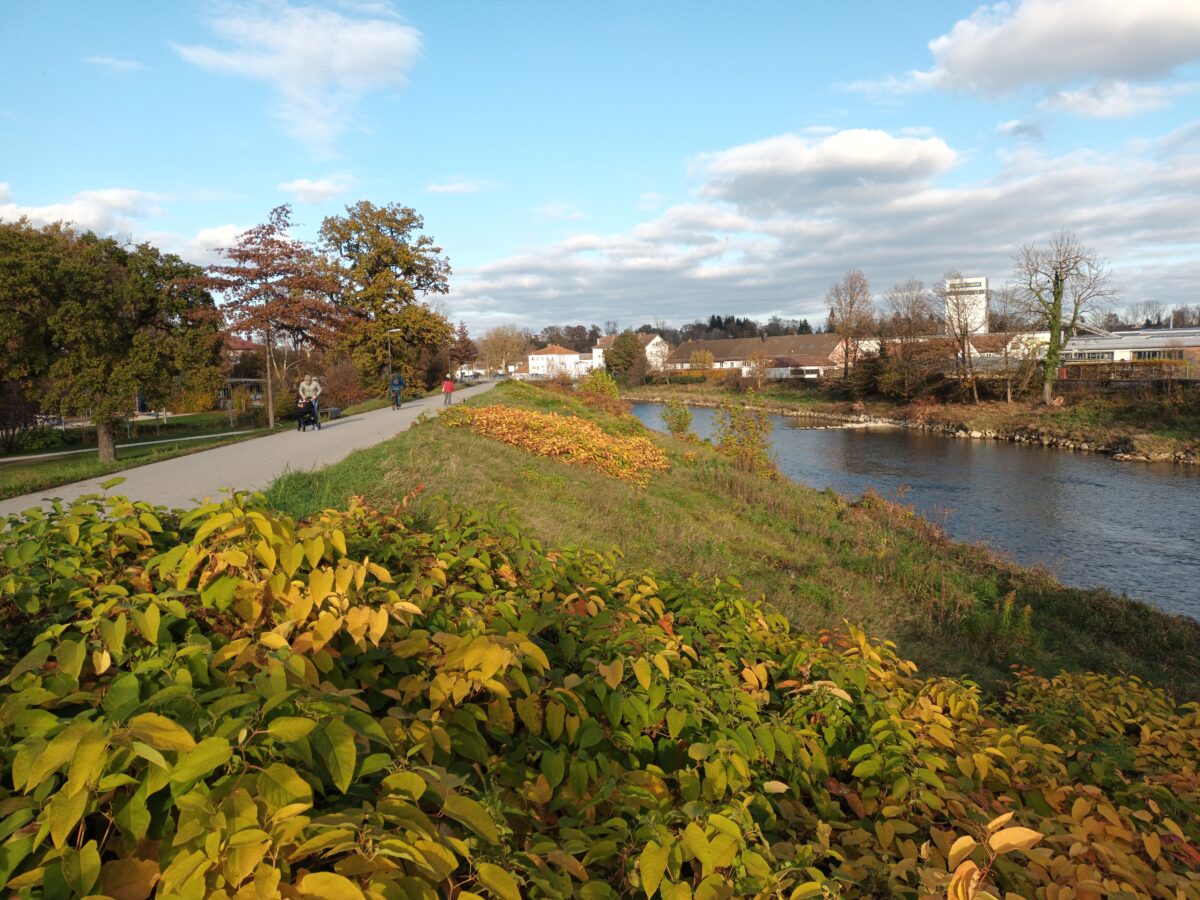
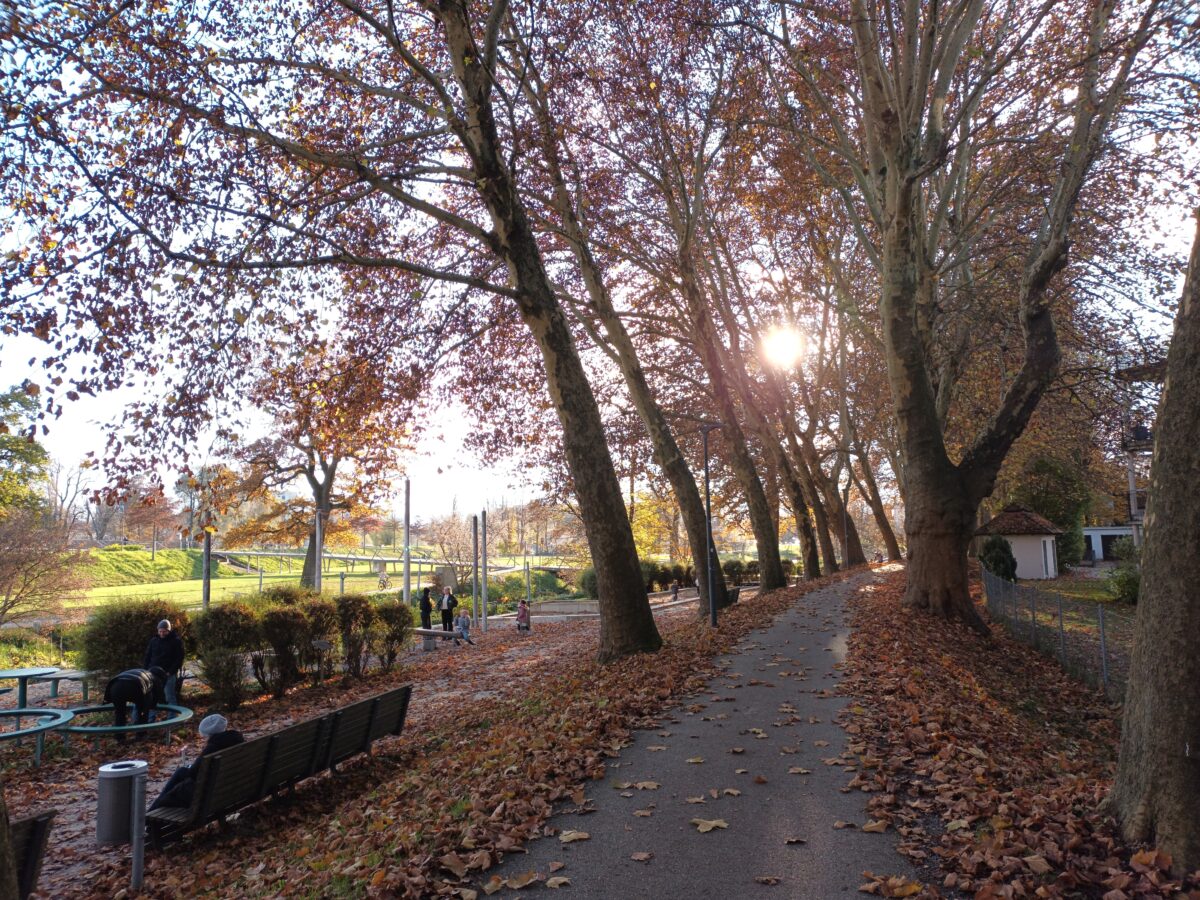
To support these goals, the framework offers a toolbox of actionable strategies, addressing topics such as air-flow corridors, blue-green infrastructure, heat island mitigation, temporary use, rainwater management, depaving and sponge-city principles, as well as active mobility. Because every urban environment has its own challenges and potentials, these measures are designed to be adaptable to local ecological and spatial conditions. The focus lies on a large-scale networking of green spaces and water structures. A contribution to biodiversity and climate improvement can be achieved through a close-knit green and water system, as well as the promotion of environmentally friendly mobility strategies up to small-scale proposals for unsealing and greening buildings.
The result is a forward-looking, practical, and scalable approach that equips Rosenheim with both immediate and long-term tools for a climate-positive and resource-efficient urban future.
Read more about it here.
Related projects

nAIture Capital in NRW: AI‑powered ecosystem accounting for a Nature‑Positive Future
nAIture Capital in NRW: AI‑powered ecosystem accounting for a Nature‑Positive Future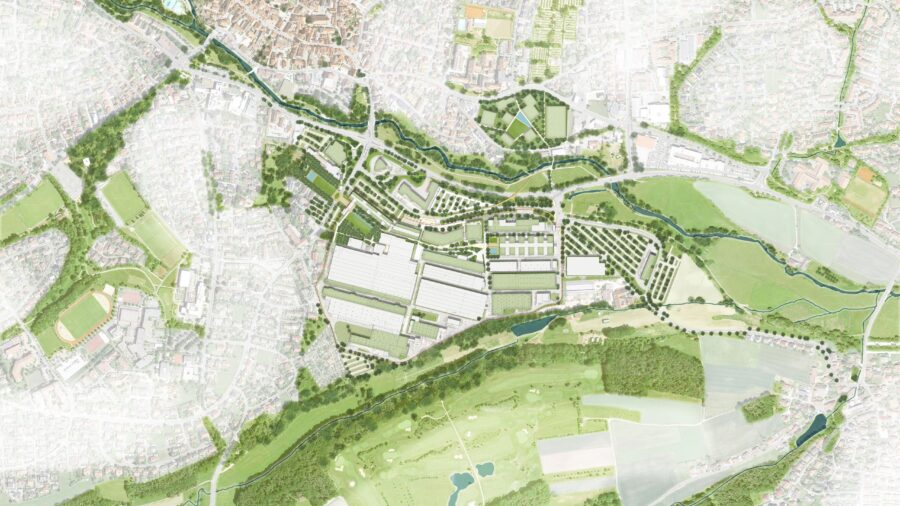
Strategic Campus Development Framework, Schaeffler Areal Herzogenaurach
Strategic Campus Development Framework, Schaeffler Areal Herzogenaurach