Schwarz Group Campus, Bad Friedrichshall
Germany
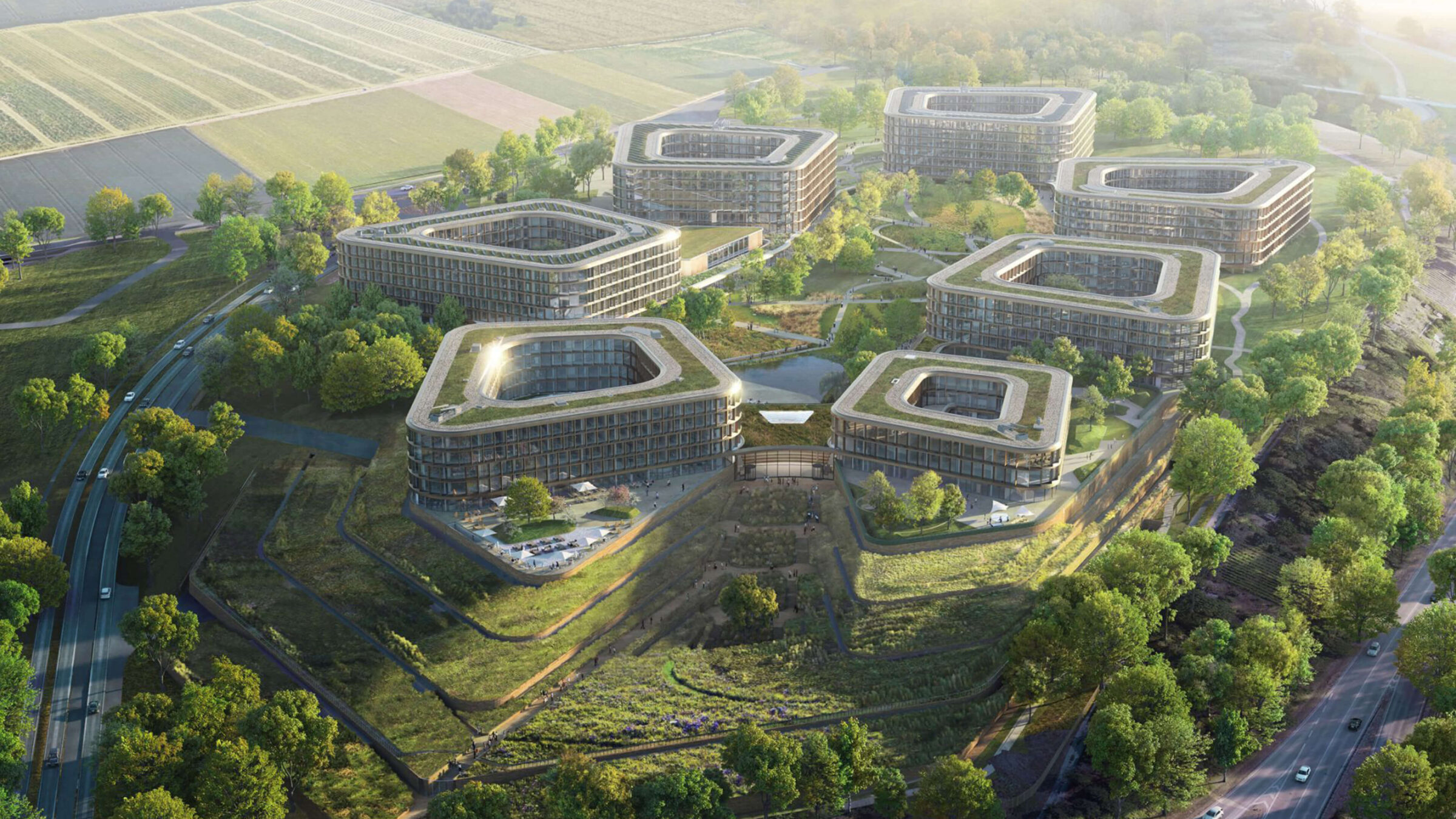
The new Schwarz Group Campus in Bad Friedrichshall reimagines the workplace as a living landscape. Designed for more than 3,500 employees, the campus brings together offices, restaurants, childcare facilities, and shared amenities within a cohesive green framework that strengthens wellbeing, fosters community, and enhances ecological performance.
Client
Schwarz Immobilien Service GmbH & Co. KG
Geography
Status
Year
2018-ongoing
Area Size
15,4 ha
Partners
JSWD Architekten GmbH & Co. KG, Köln
The new Schwarz Group Campus in Bad Friedrichshall reimagines the workplace as a living landscape. Designed for more than 3,500 employees, the campus brings together offices, restaurants, childcare facilities, and shared amenities within a cohesive green framework that strengthens wellbeing, fosters community, and enhances ecological performance.
Client
Schwarz Immobilien Service GmbH & Co. KG
Geography
Status
Year
2018-ongoing
Area Size
15,4 ha
Partners
JSWD Architekten GmbH & Co. KG, Köln
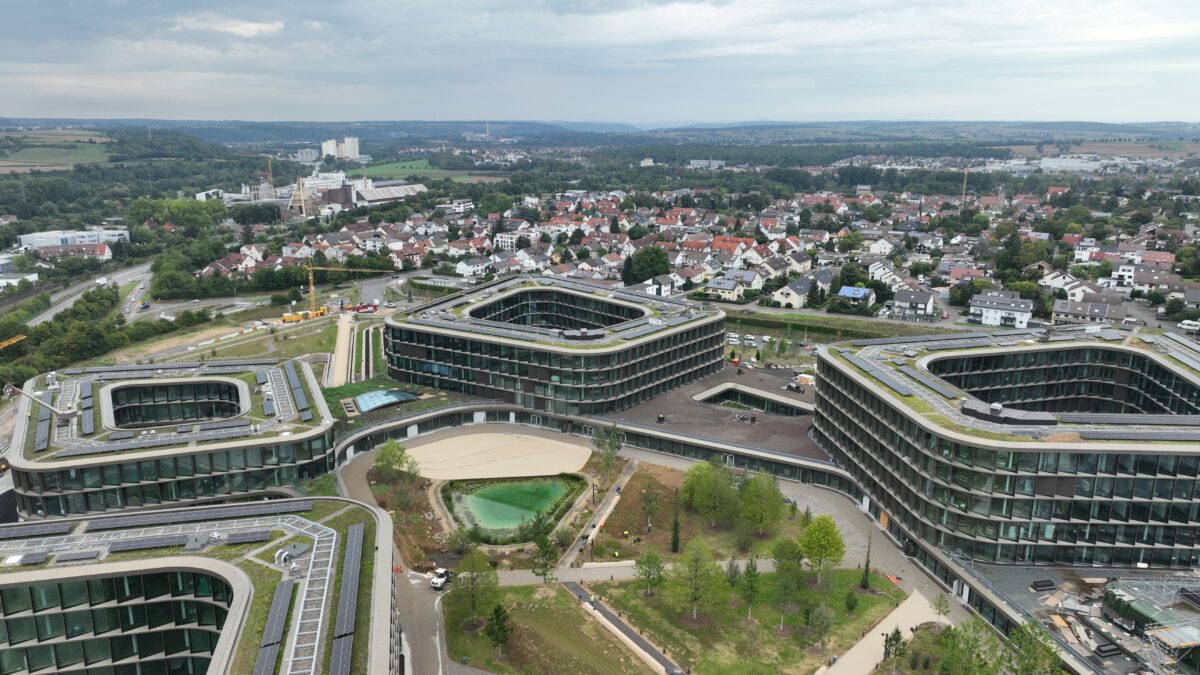
Photo courtesy of JSWD Architekten
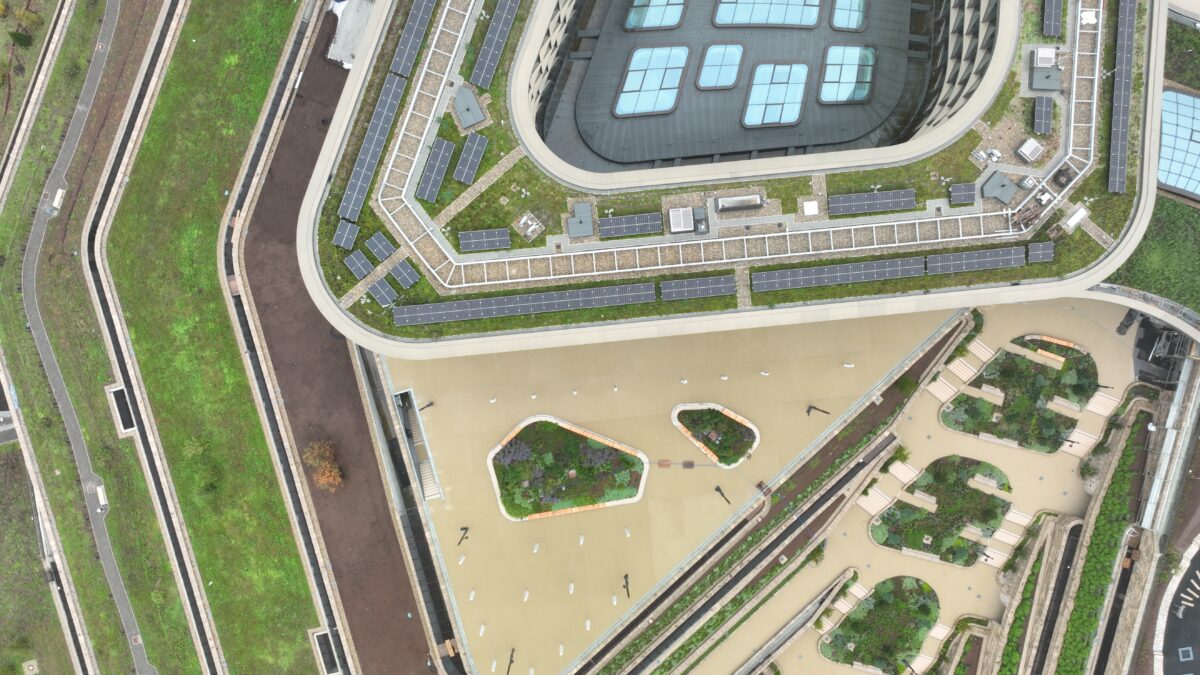
Photo courtesy of JSWD Architekten
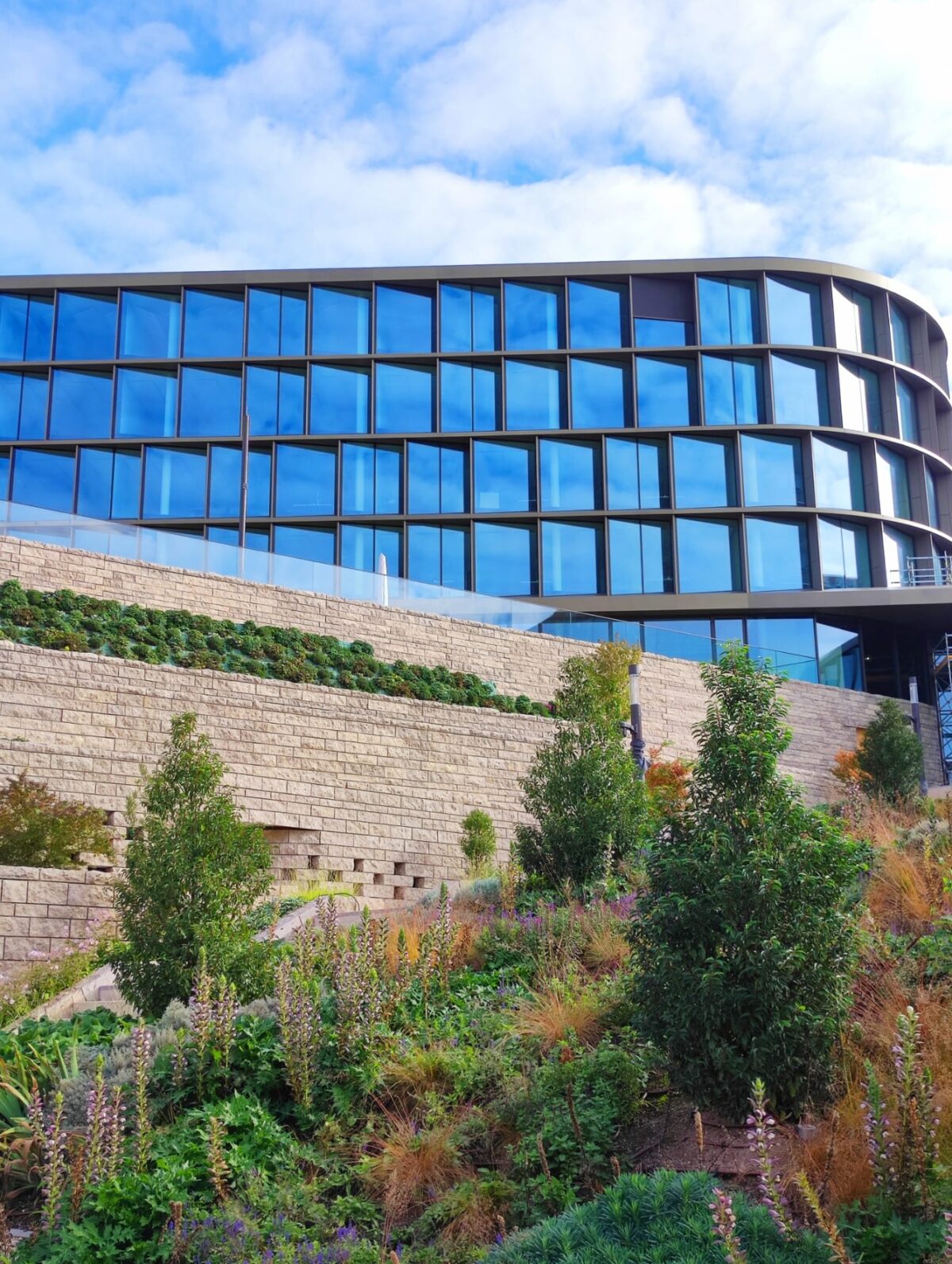
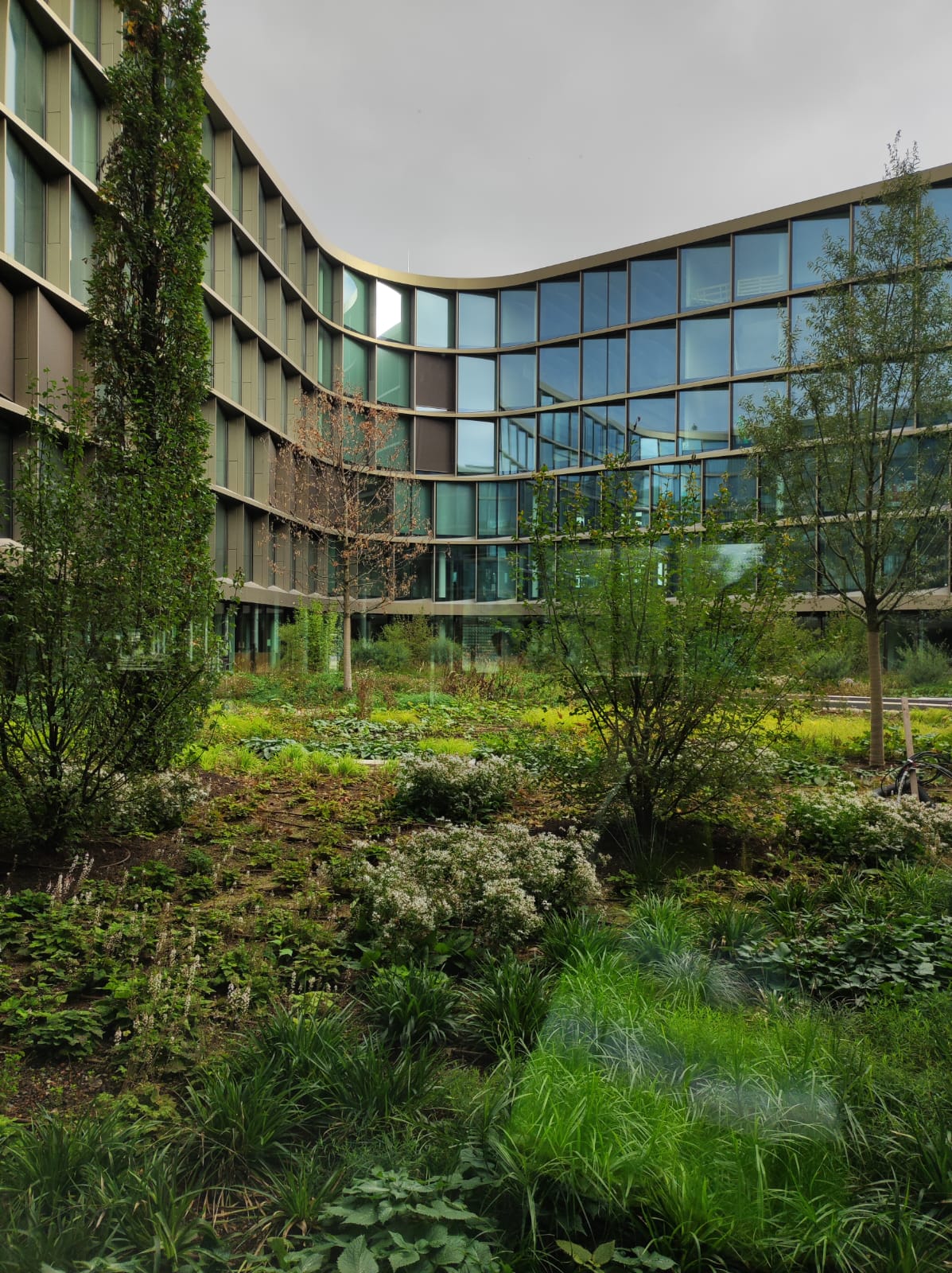
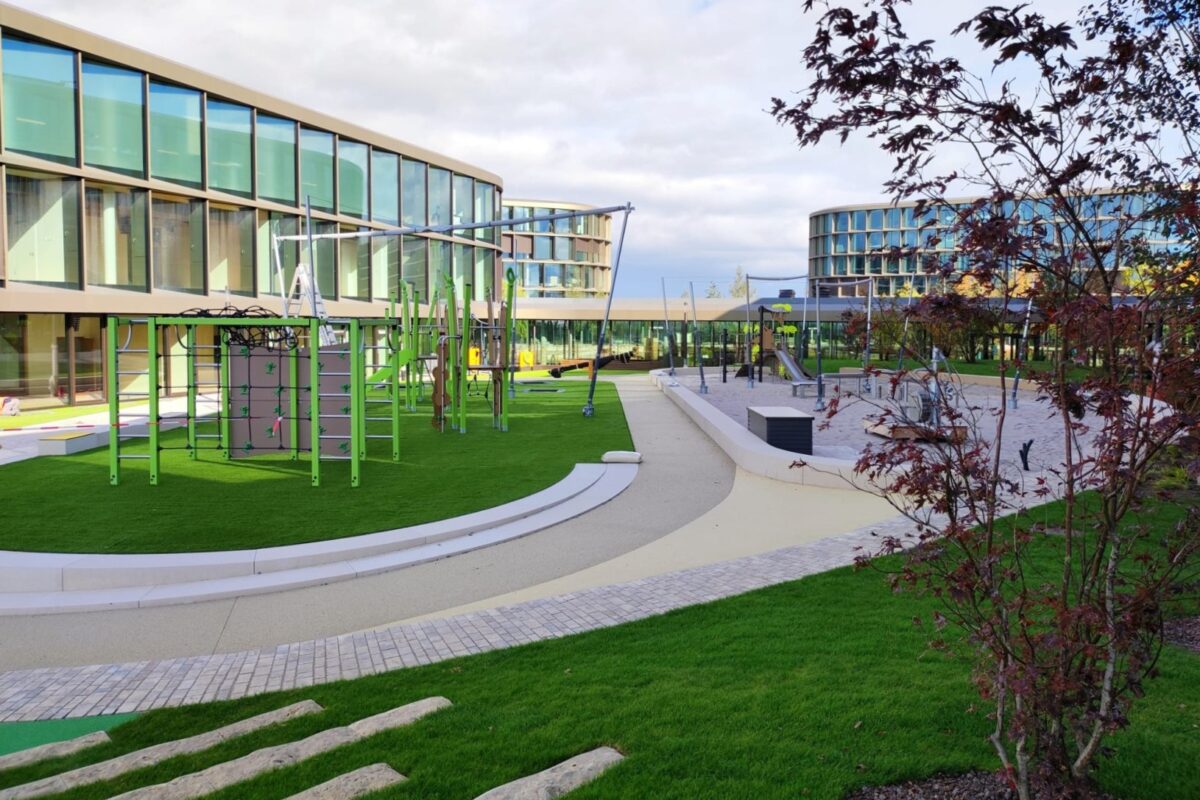
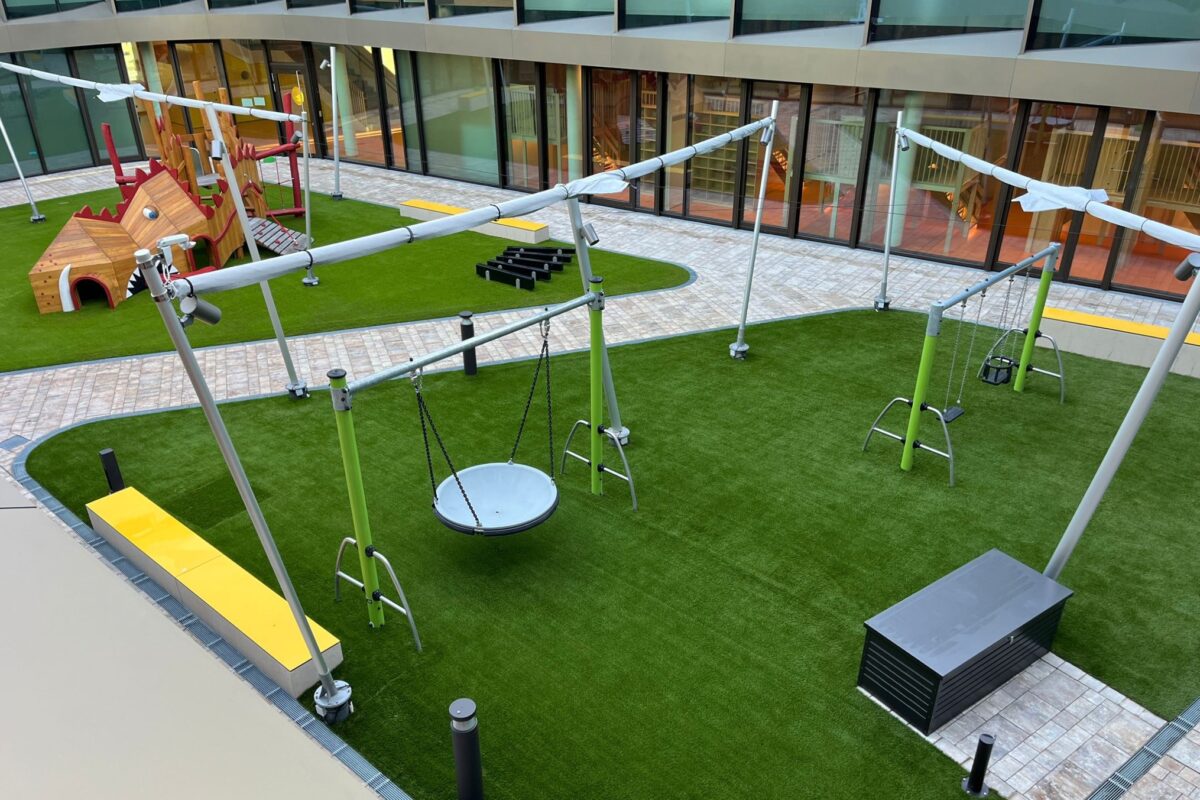
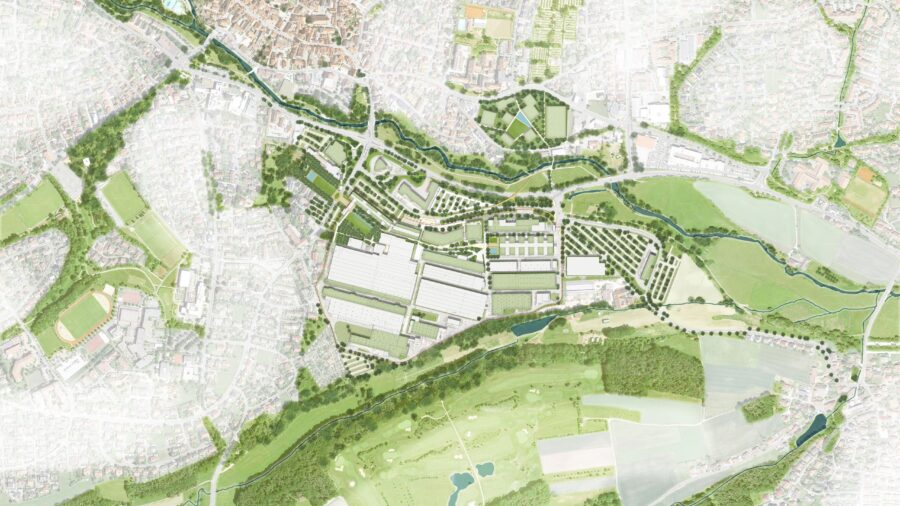
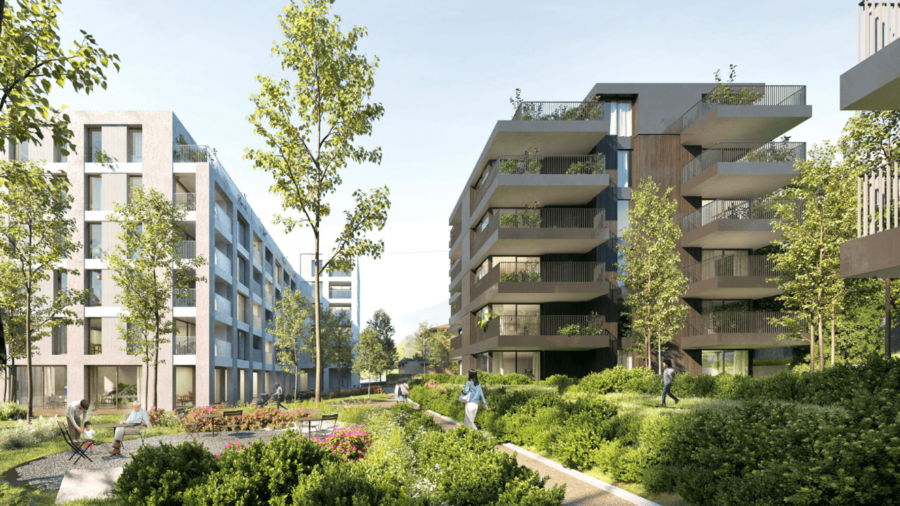
LAND Germany developed the open space strategy around a simple yet powerful idea: extending the surrounding landscape through the site and into the heart of the campus. Set within the agricultural landscapes of the Heilbronn region, the buildings are arranged like petals within a larger green structure. A continuous sequence of spaces creates connections between the campus and its surroundings while establishing a network of meeting places, gardens, and shared outdoor environments.
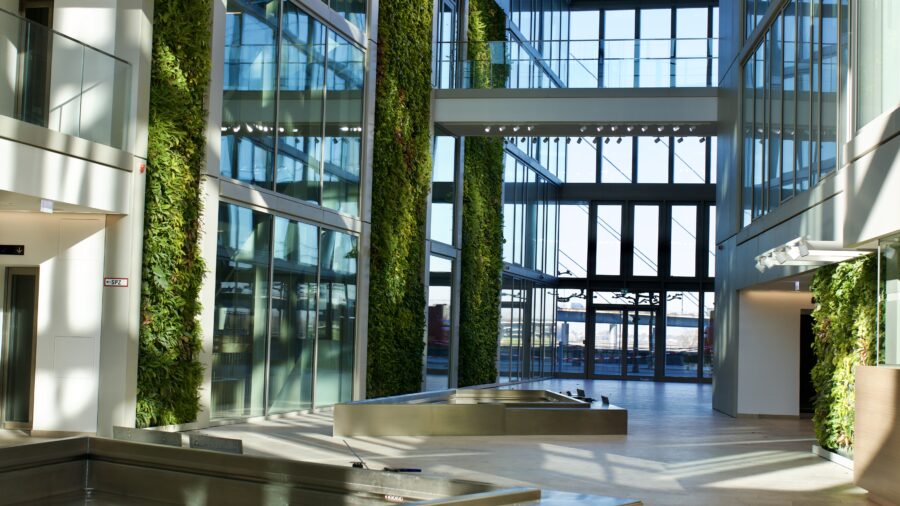
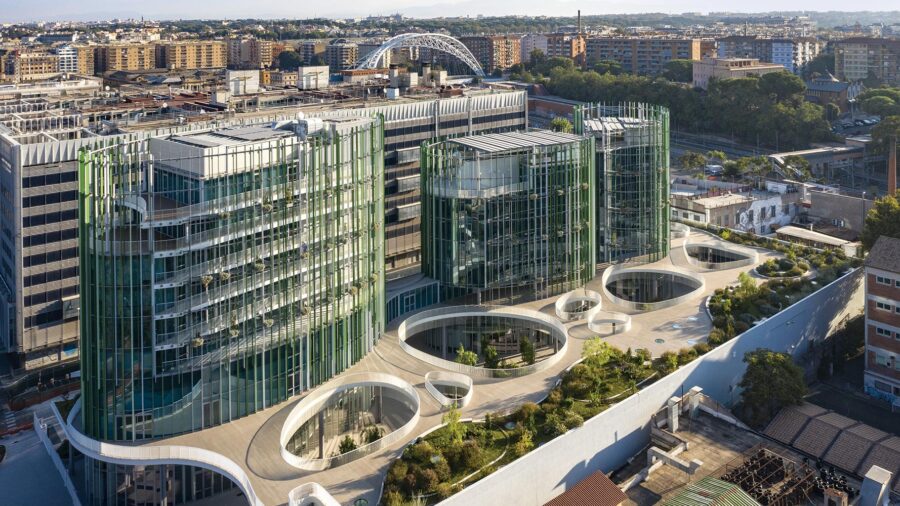
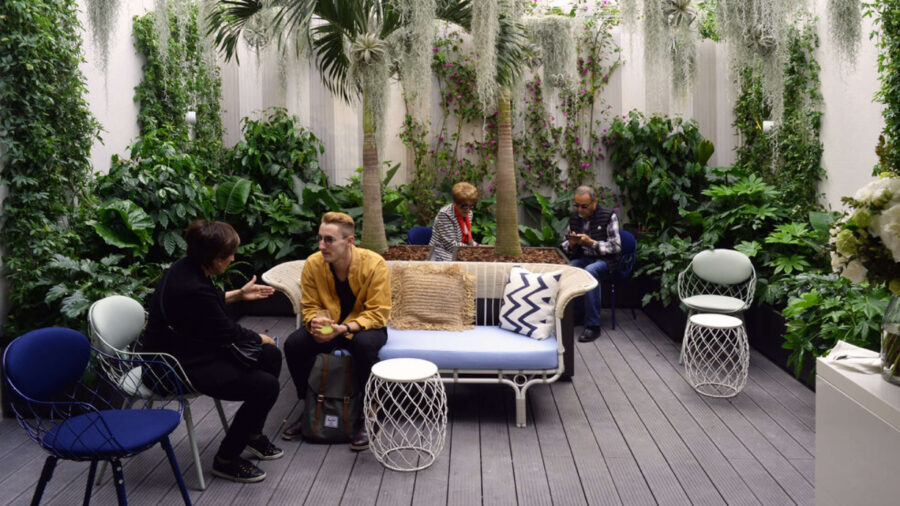
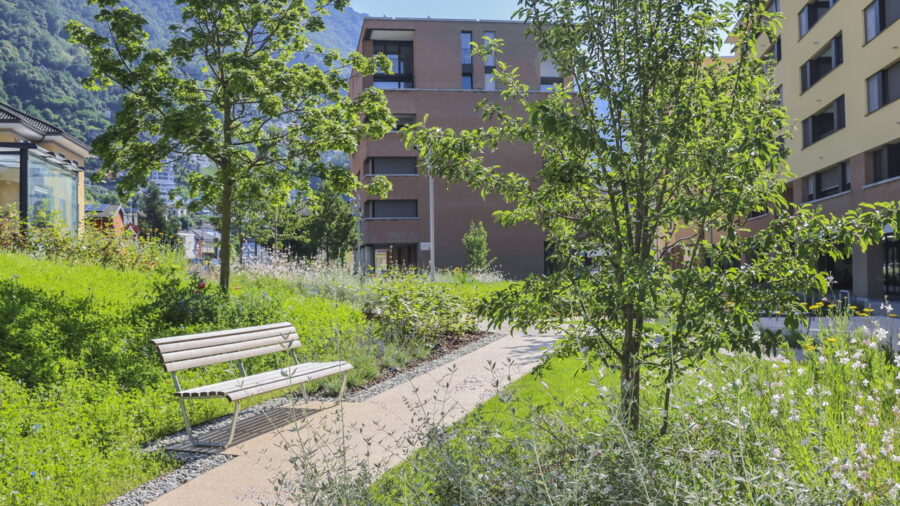
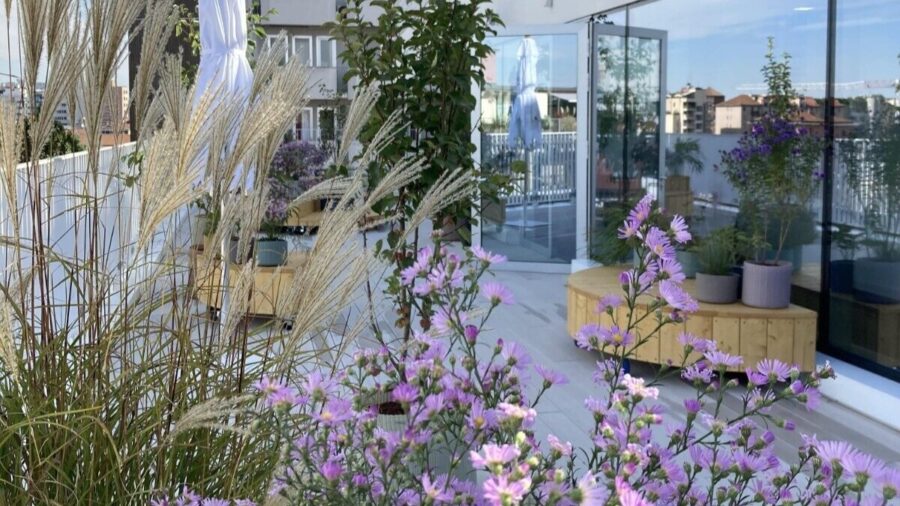
At the center of the campus, a lush garden forms a vibrant green oasis and the social heart of the development. Rich planting, shaded gathering spaces, and diverse vegetation create a direct experience of Nature throughout the working day. The landscape design continues across rooftops through extensive and intensive green roofs integrated with photovoltaic systems, contributing to climate adaptation, biodiversity enhancement, and sustainable rainwater management. Nature becomes not a backdrop, but an active component of daily life and work.
The project combines regional identity with environmental innovation. Agricultural patterns, native vegetation, and local materials are reinterpreted to create a contemporary landscape rooted in place. This approach extends to the campus Drachenfels kindergarten, where imaginative outdoor play environments and natural materials encourage exploration, learning, and connection with nature. Together, architecture and landscape form a resilient ecosystem that promotes social interaction, ecological value, and a strong sense of belonging demonstrating how workplaces can become catalysts for healthier communities and more sustainable futures.
Related projects