SGL Carbon former industrial site redevelopment, Ascoli Piceno
Italy
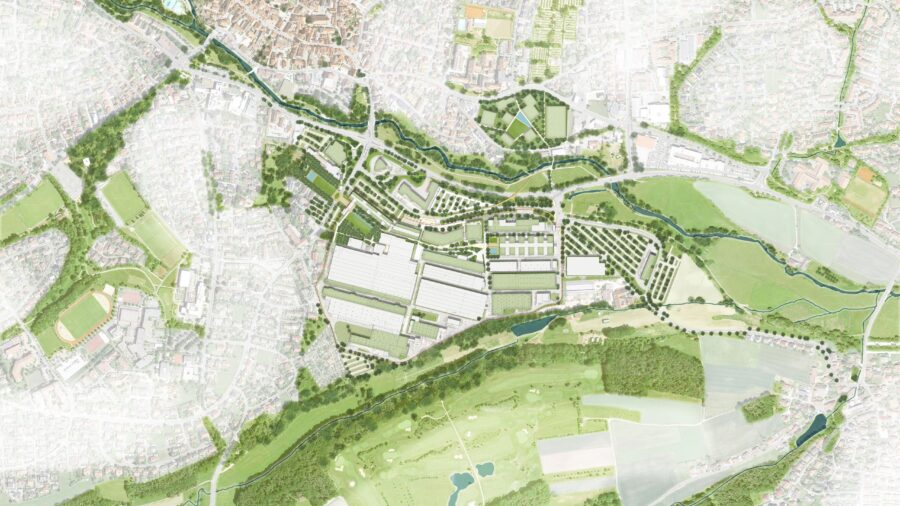
The strategic regeneration of the former SGL Carbon industrial site in Ascoli Piceno reimagines a dismissed area as a resilient and productive green core. This project merges nature, memory, and innovation, aiming to restore biodiversity, enhance environmental quality, and activate new socio-cultural and ecological functions for future generations.
The strategic regeneration of the former SGL Carbon industrial site in Ascoli Piceno reimagines a dismissed area as a resilient and productive green core. This project merges nature, memory, and innovation, aiming to restore biodiversity, enhance environmental quality, and activate new socio-cultural and ecological functions for future generations.
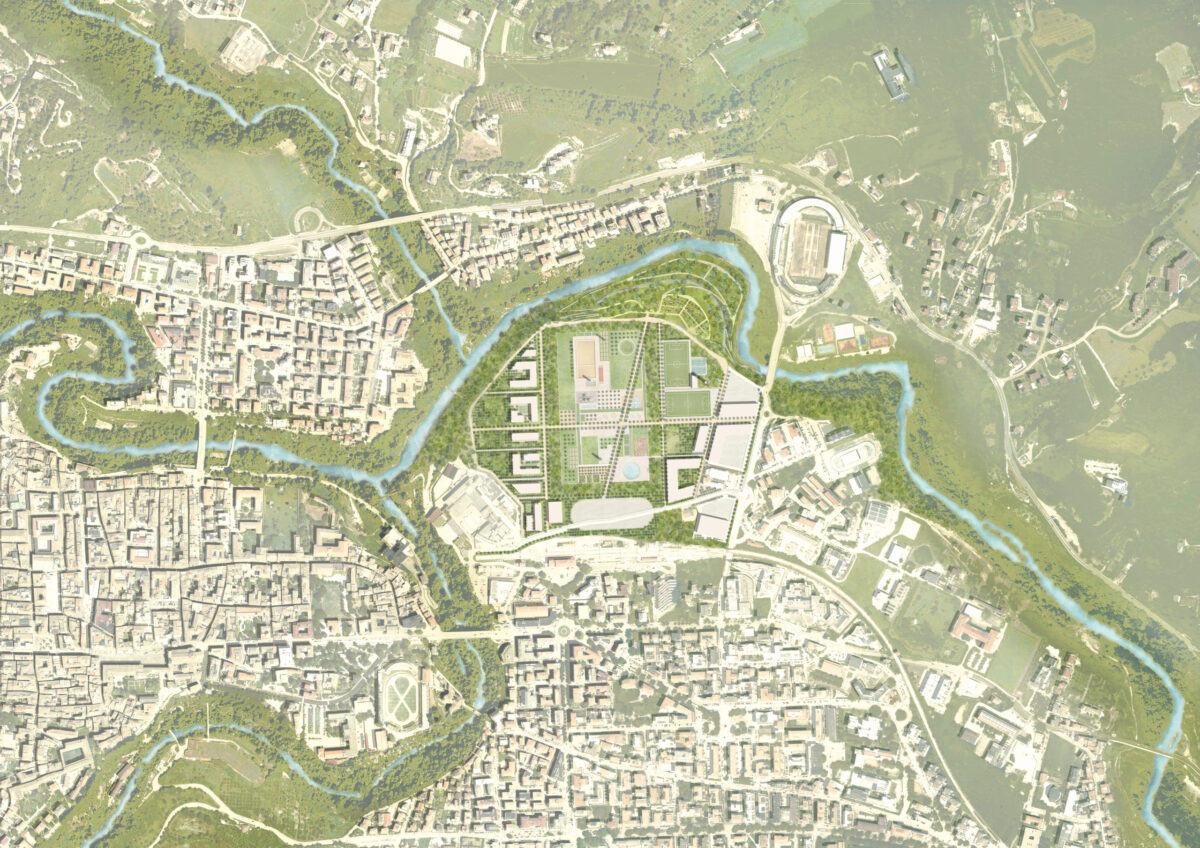
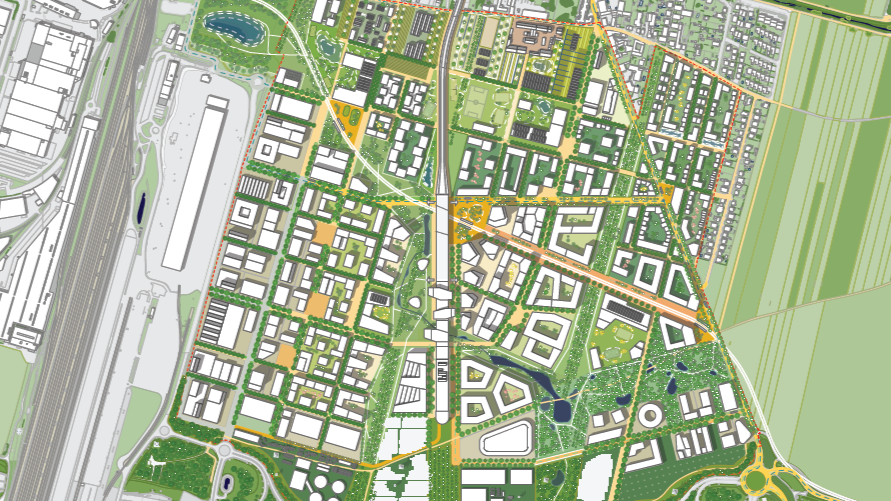
Strategic masterplan
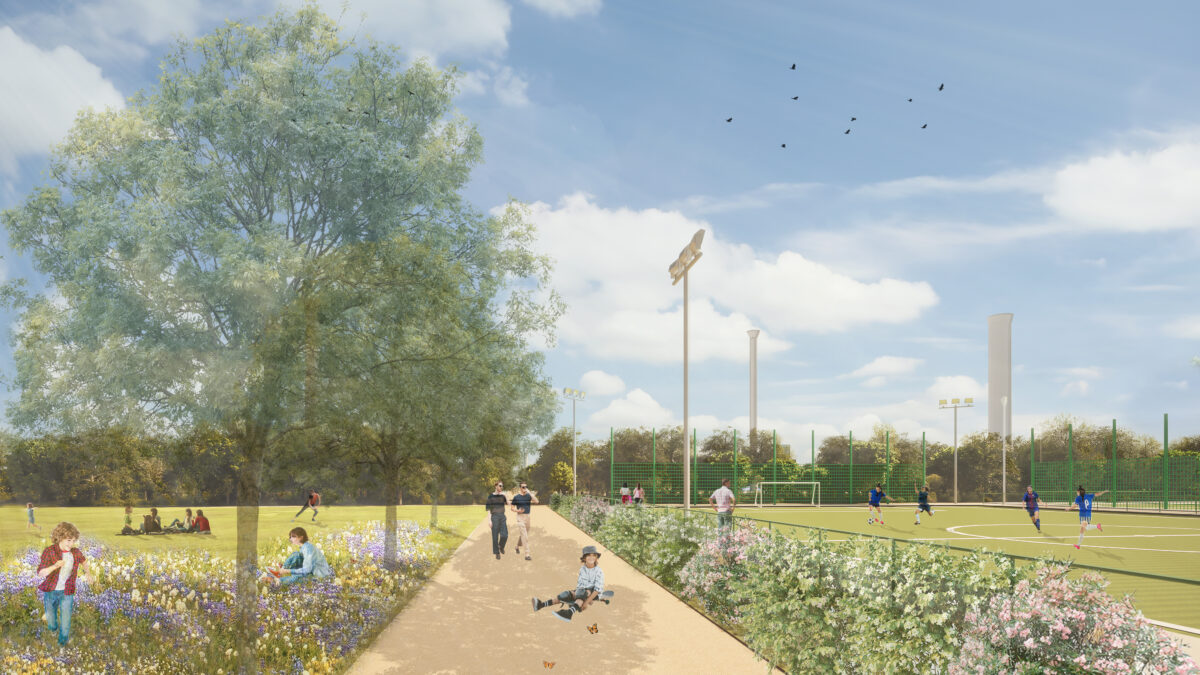
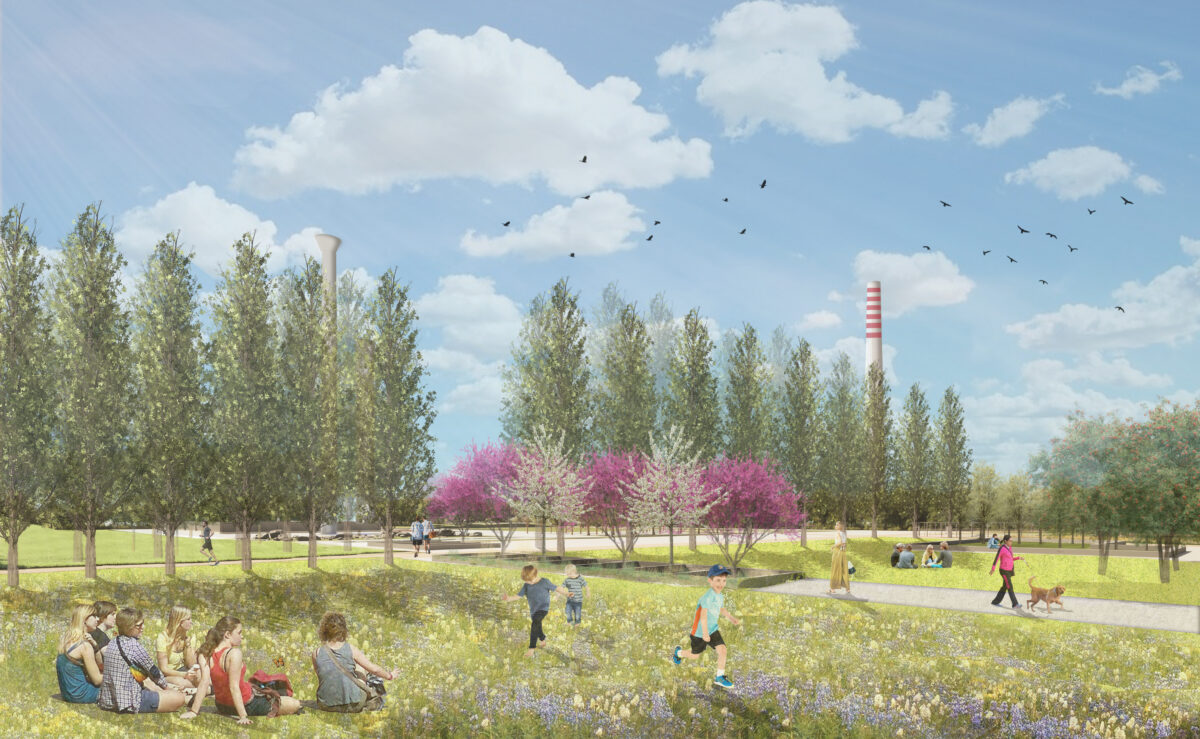
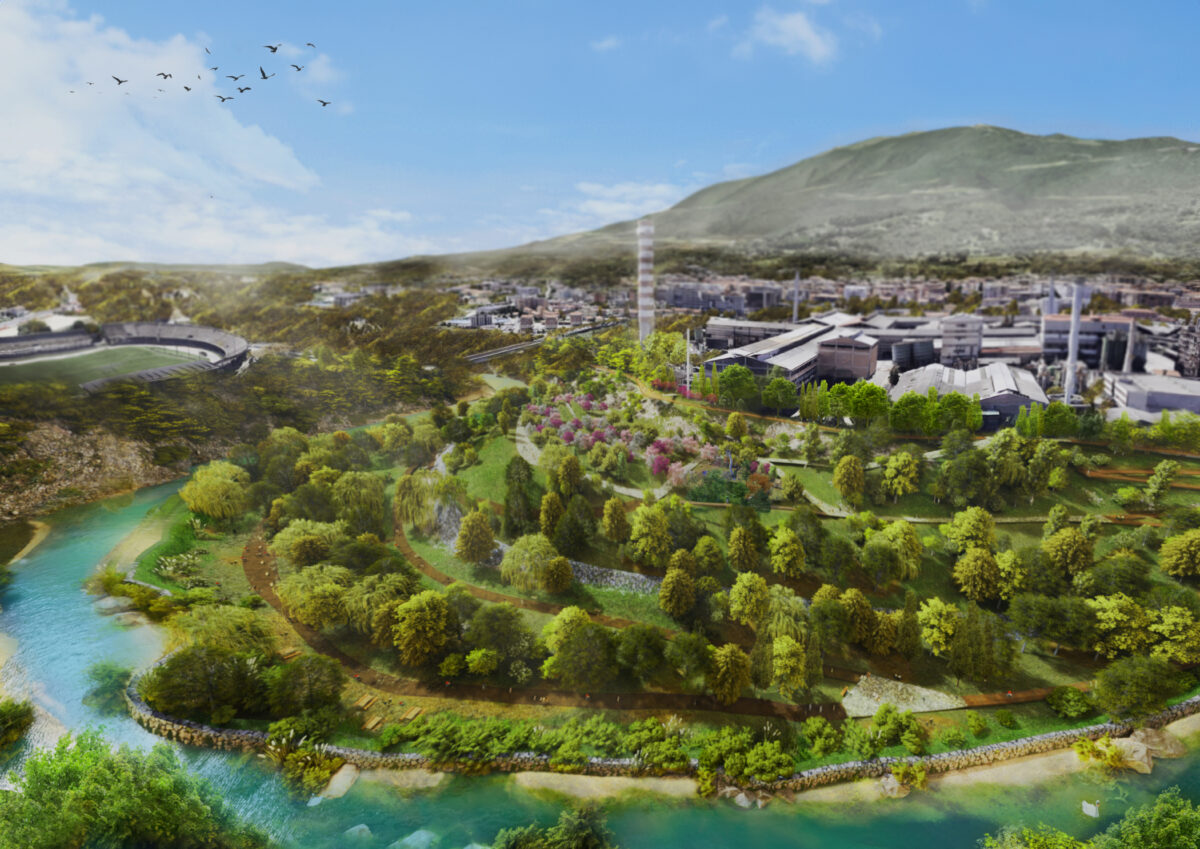
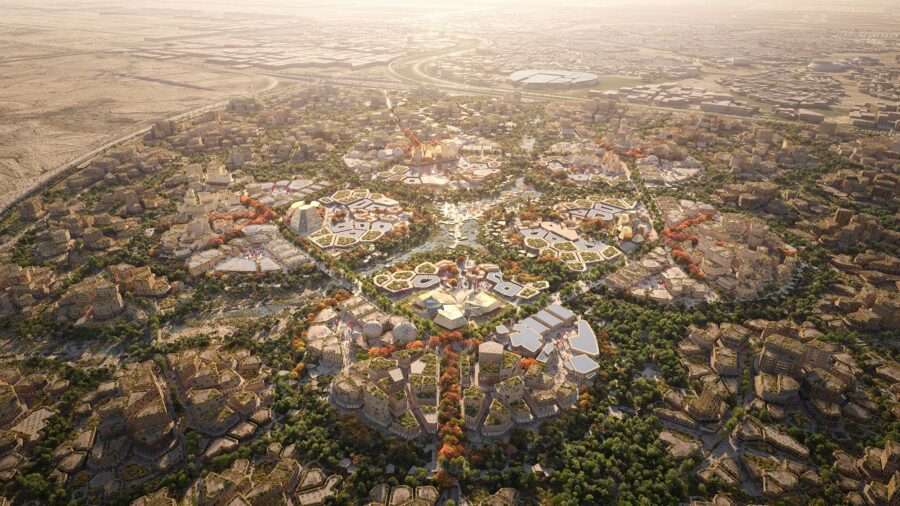
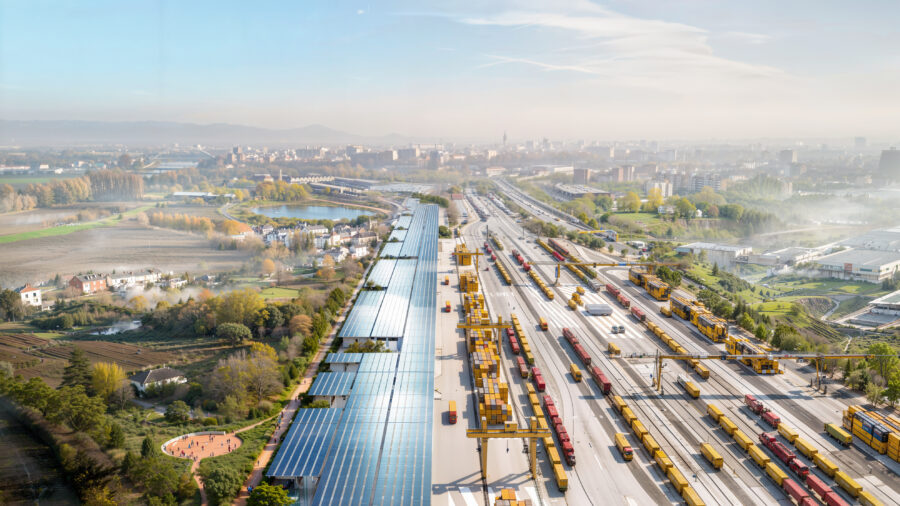
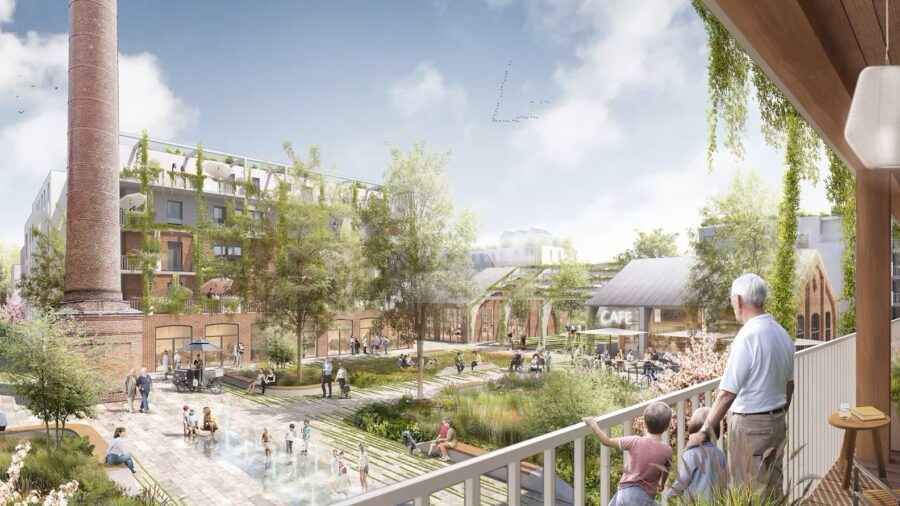
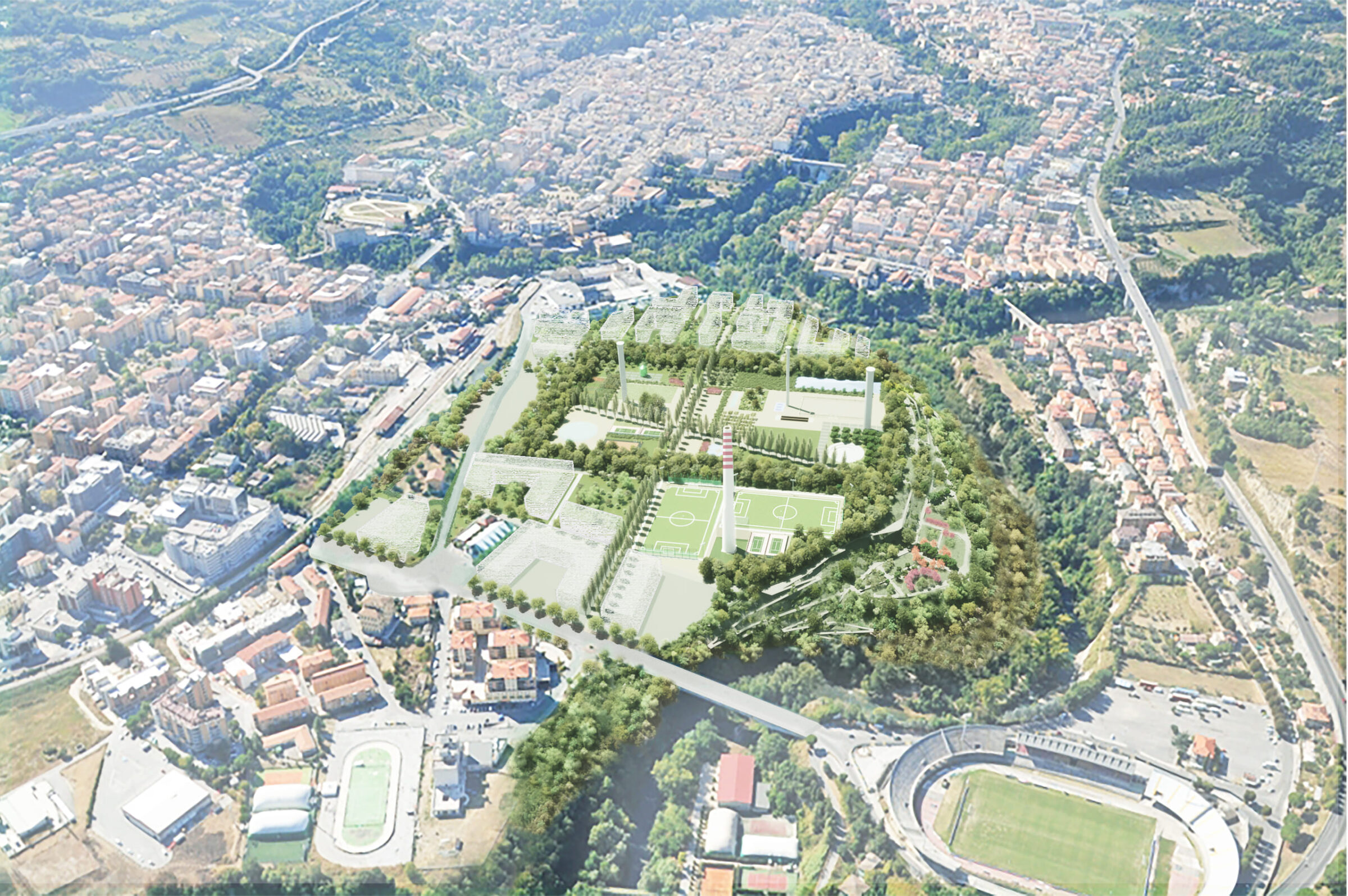
Rooted in a vision of ecological and cultural regeneration, the masterplan redefines a highly symbolic site—once emblematic of industrialisation—into a new “factory of nature.” Guided by three key principles, the project addresses landscape restoration, urban and social regeneration, and memory preservation. Iconic industrial elements are reinterpreted as public landmarks, anchoring community identity and value.
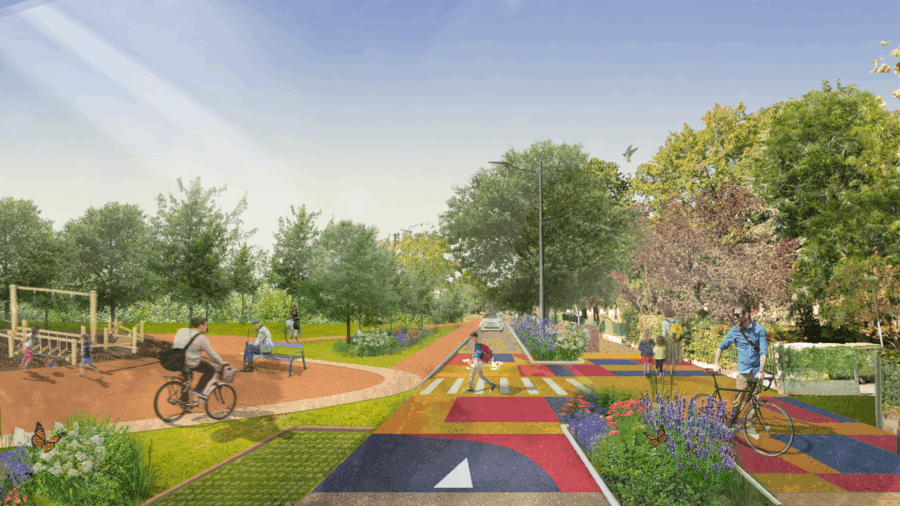
A 24-hectare ecological network, developed along the Tronto River, is designed to restore habitats, increase biodiversity, and promote climate resilience. Over 2,500 trees will populate the site, creating a new green lung for the city. The masterplan integrates Ascoli Piceno’s historic urban fabric—its cardo and decumanus axes—linking cultural heritage with new ecological and functional systems. Landscape-led planning fosters a cohesive urban framework, combining green and blue infrastructure with nature-based solutions.
Strategic objectives include improving environmental quality, reconnecting urban and natural systems, and supporting socio-cultural development. Research and innovation underpin the project’s implementation, encouraging a shift towards adaptive and inclusive urban landscapes.
Collaborative initiatives such as participatory design forums and the “first rain basin” pilot program enhance community engagement and deliverability.
Office
People
Shirly MantinLorenzo PirosaAndreas KiparLara FraccadoriSara FerraroSara CecereLudovica VeneroniGiulia CastellazziValentina Galiulo Benedetta Monzino, Andrea Fumero, Lorenzo Bucciarelli
Typology
Urban regeneration & developmentStrategic masterplanning at all scales
Related projects
Strategic Campus Development Framework, Schaeffler Areal Herzogenaurach
Strategic Campus Development Framework, Schaeffler Areal Herzogenaurach