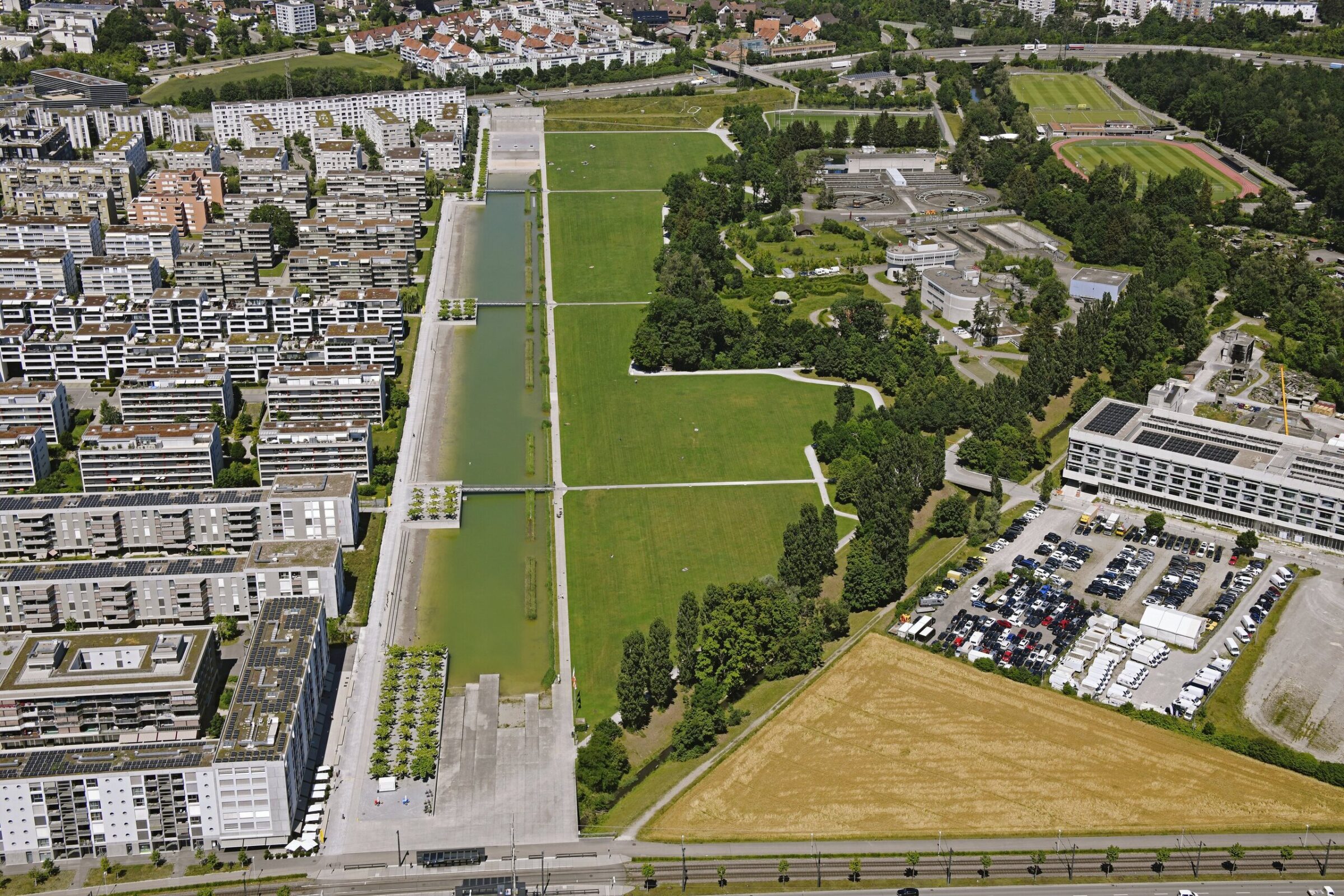
REK Raumentwicklungskonzept, Opfikon, Canton Zürich
Switzerland
The Spatial Development Concept (Raumentwicklungskonzept) for Opfikon defines a strategic framework to guide sustainable growth, enhance public space, and support long-term climate resilience through integrated planning, spatial analysis, and inclusive participation within the Zurich metropolitan context.
Client
Stadt Opfikon
Geography
Status
Year
2023 - 2025
Area Size
559 ha
Lead Consultant
LAND Suisse
Partners
OnSITE Partners GmbH, EBP Schweiz AG, moderat GmbH
The Spatial Development Concept (Raumentwicklungskonzept) for Opfikon defines a strategic framework to guide sustainable growth, enhance public space, and support long-term climate resilience through integrated planning, spatial analysis, and inclusive participation within the Zurich metropolitan context.
Client
Stadt Opfikon
Geography
Status
Year
2023 - 2025
Area Size
559 ha
Lead Consultant
LAND Suisse
Partners
OnSITE Partners GmbH, EBP Schweiz AG, moderat GmbH
©City of Opfikon
©City of Opfikon
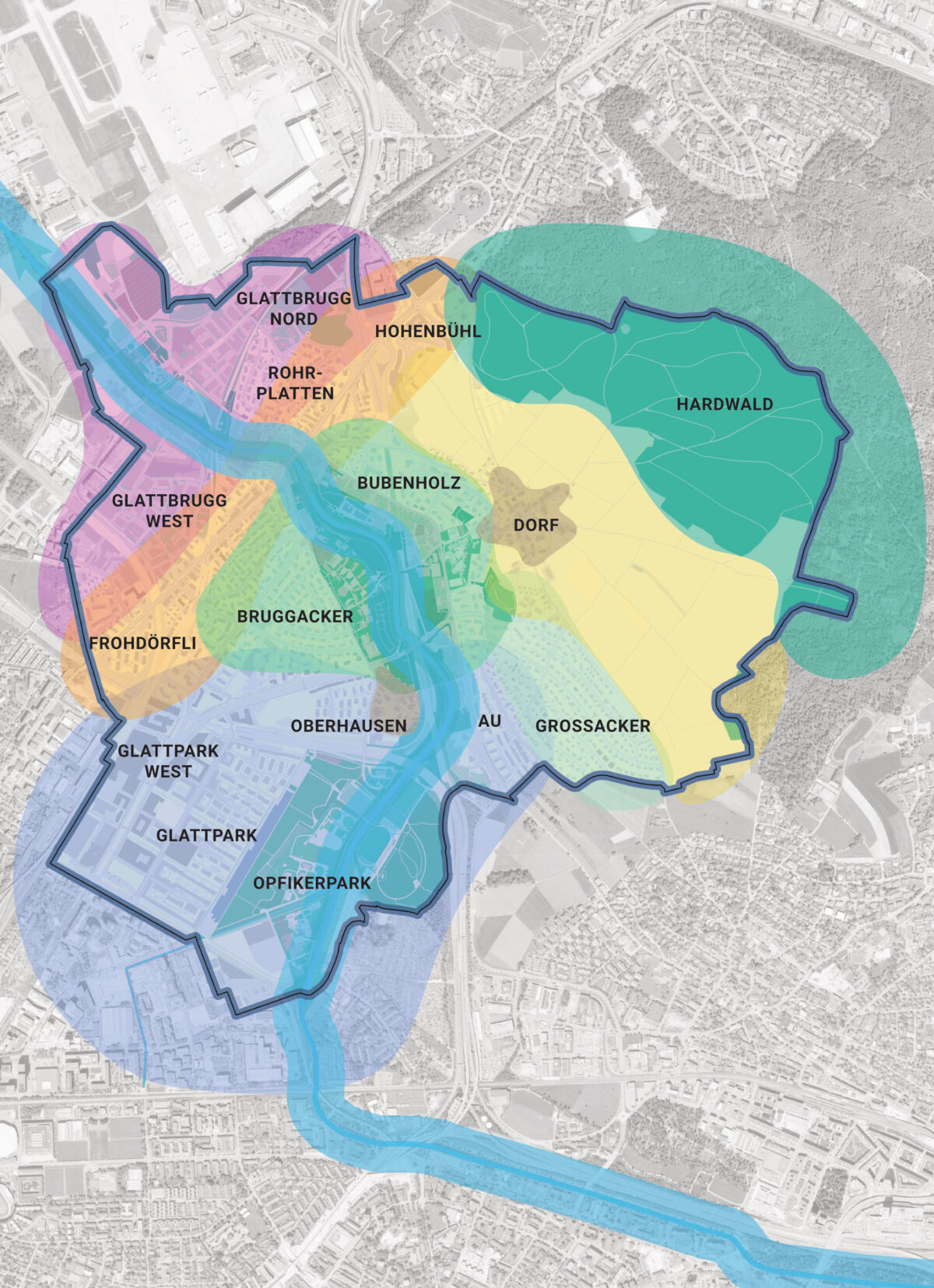
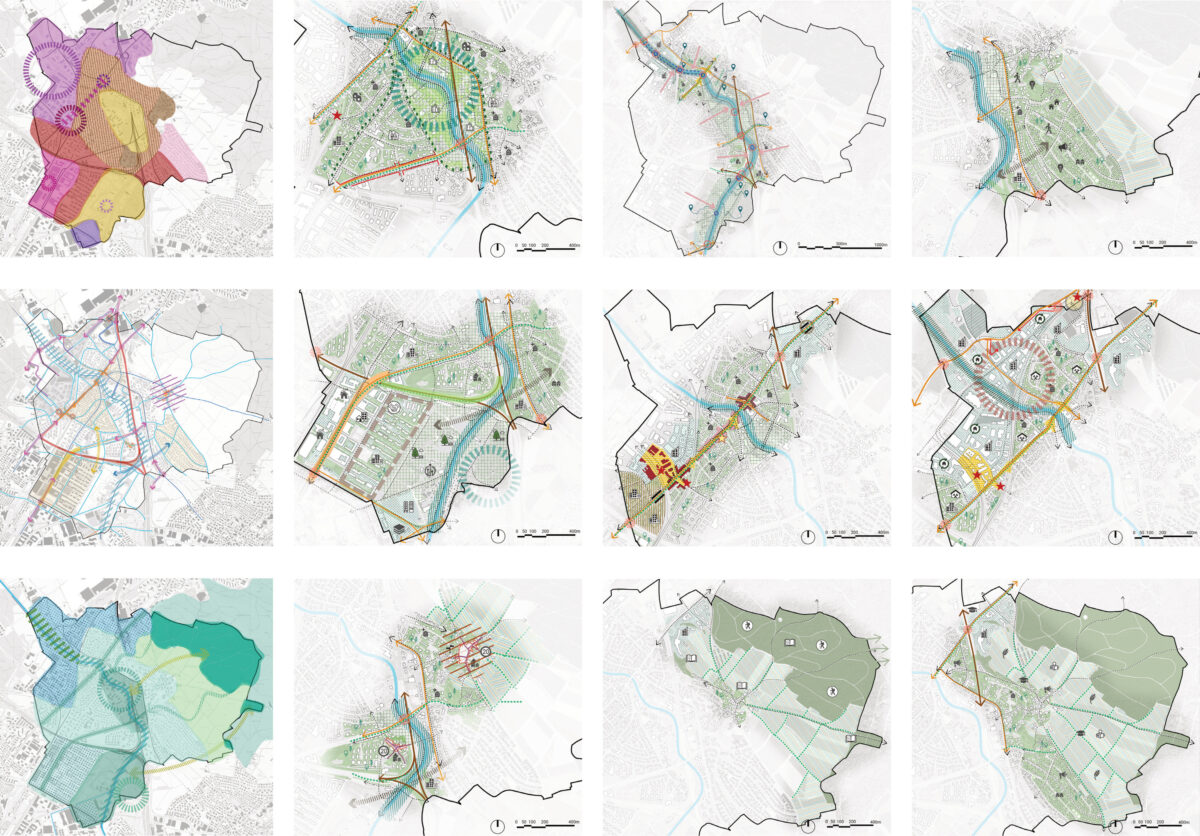
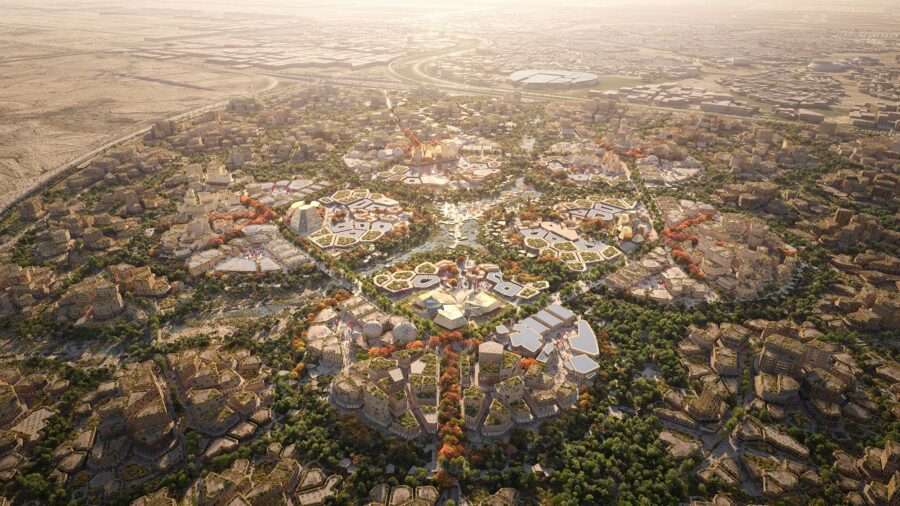
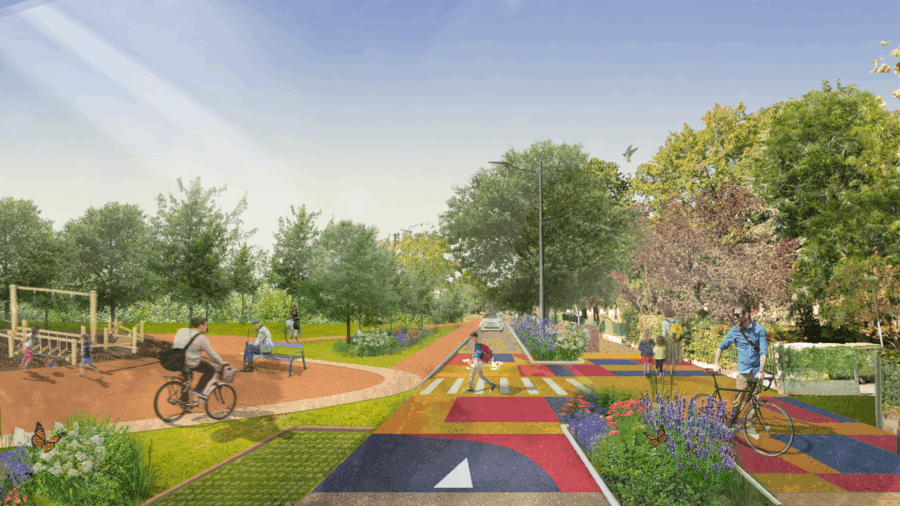
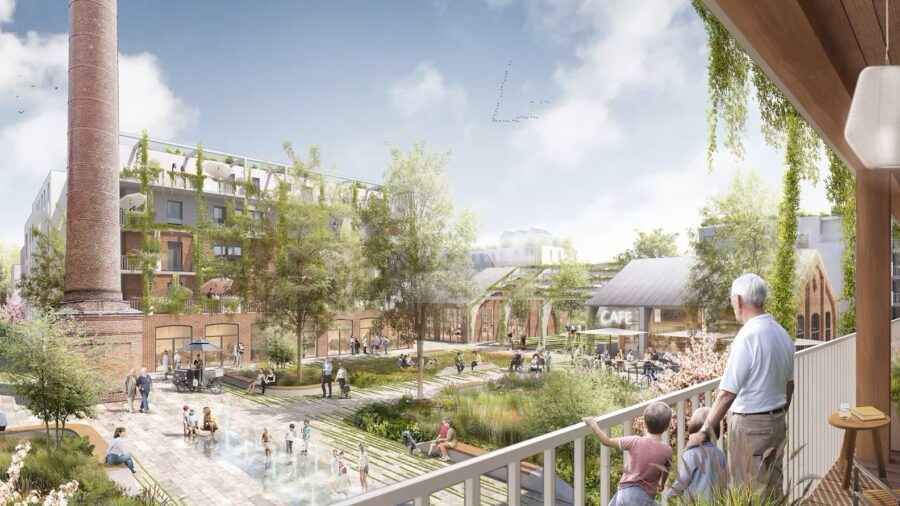
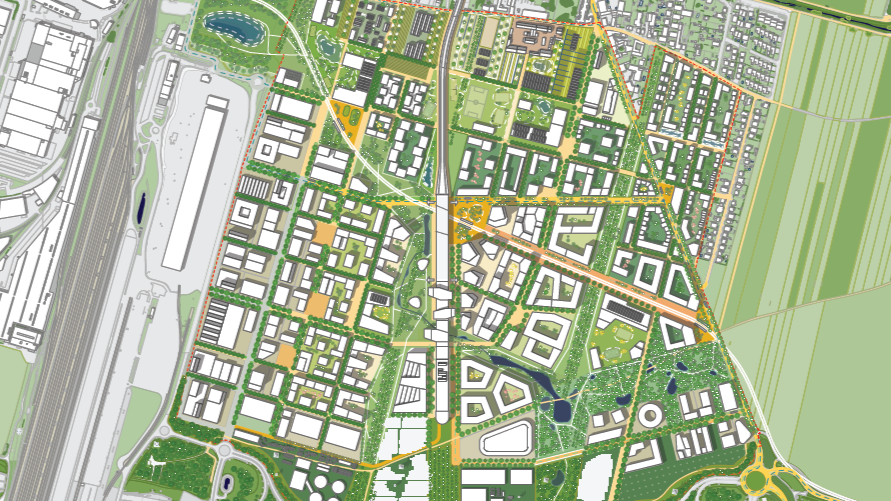
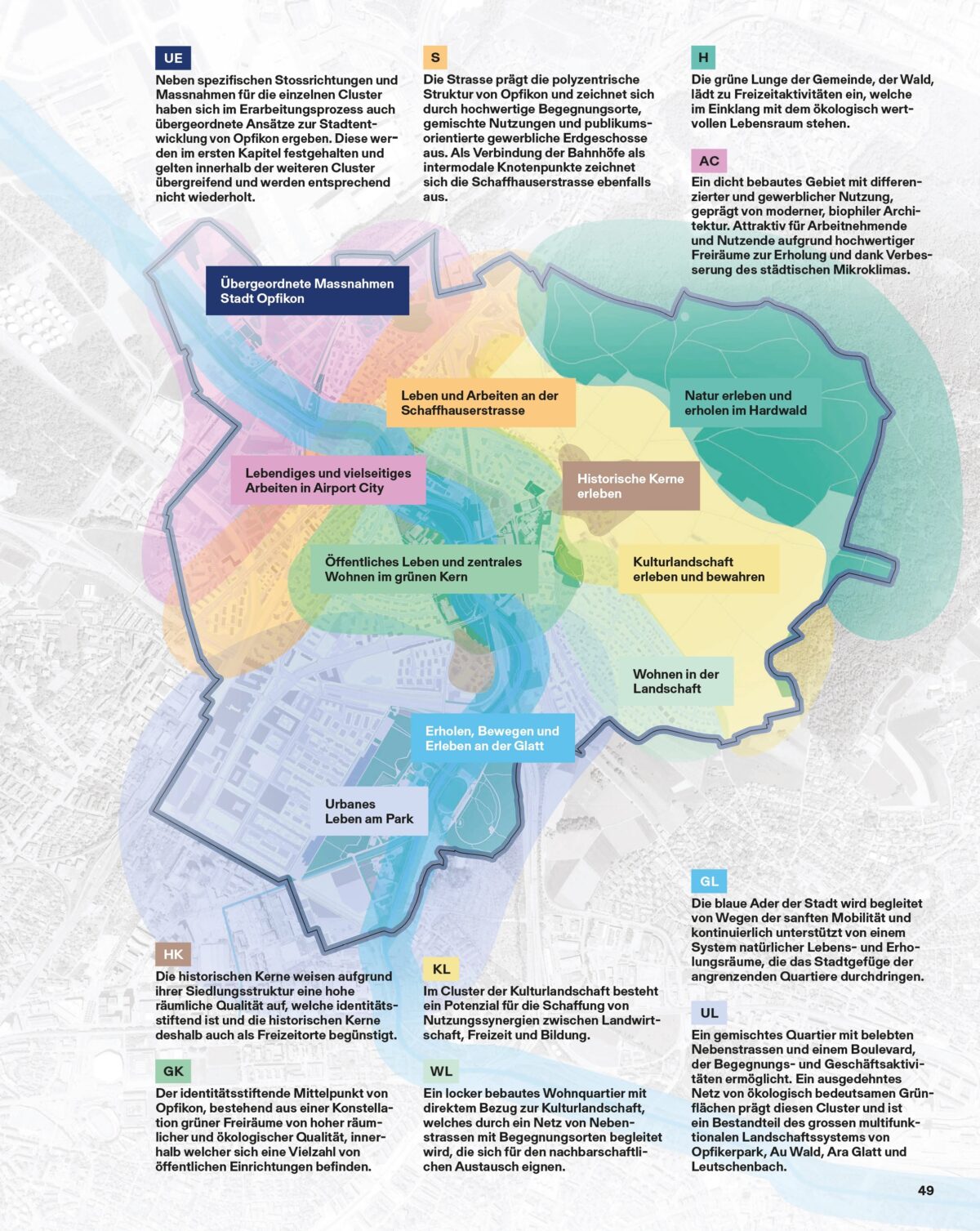
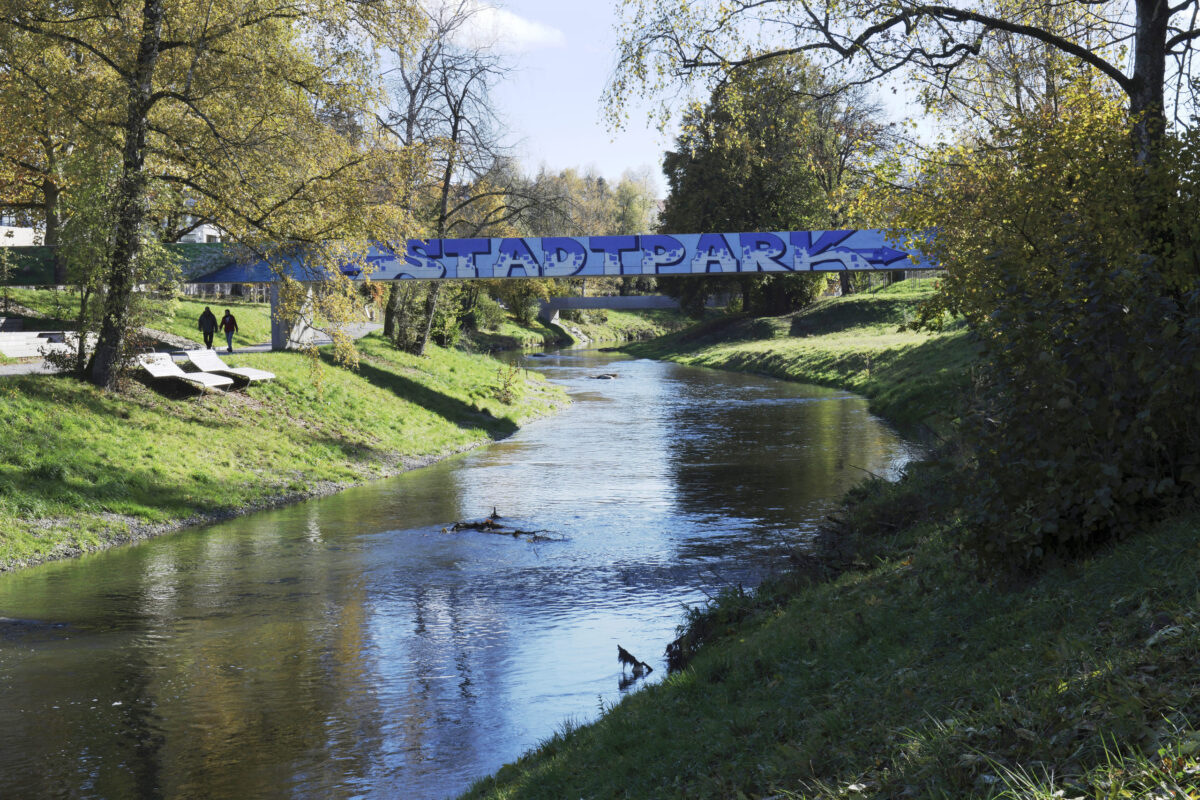
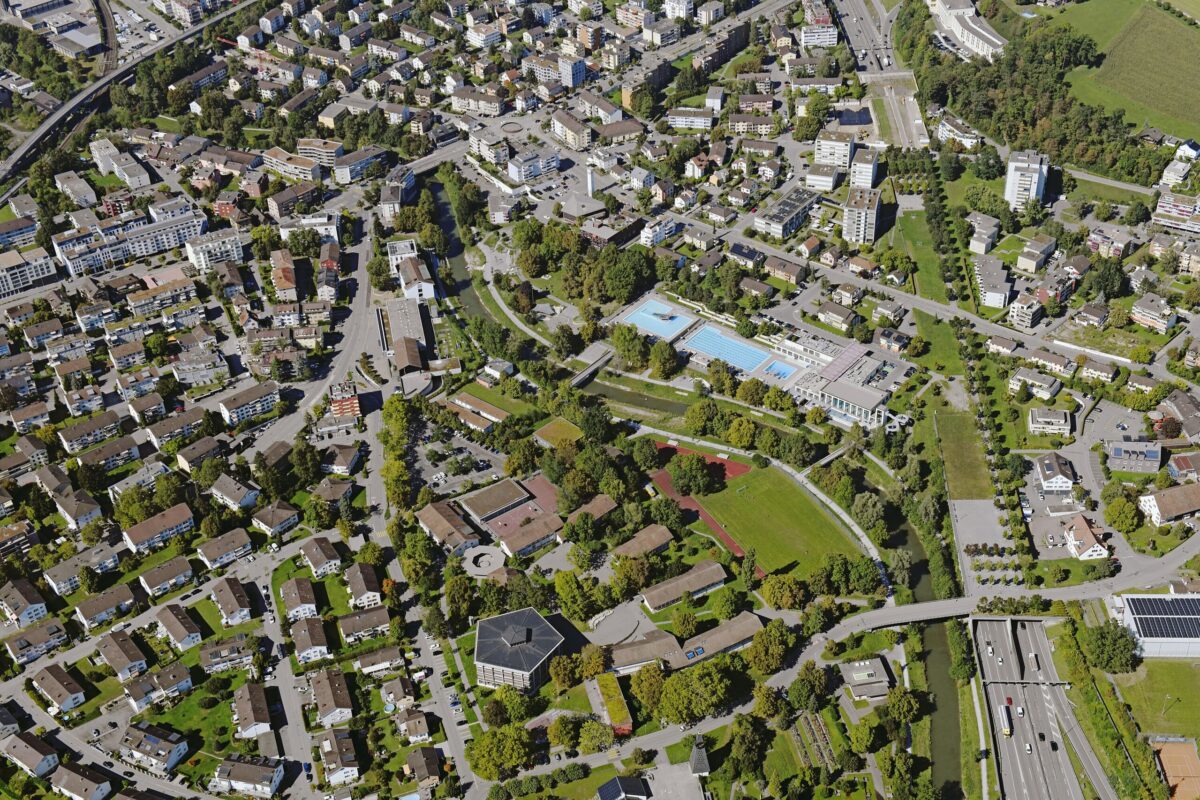
The REK (Raumentwicklungskonzept) for Opfikon lays the foundation for a future-oriented urban strategy. Developed to address the city’s spatial and environmental challenges, such as flight noise and fragmented development, the plan shifts the focus from traditional densification models to a more balanced approach rooted in quality of life and ecological resilience. The REK is structured around five interrelated thematic fields: settlement development, landscape and open space, mobility, economy, and social infrastructure.
Through deep spatial analysis and a strong participatory process, the plan reflects a diversity of local perspectives and needs. It prioritizes green infrastructure, walkability, and functional connectivity, while enhancing Opfikon’s identity within the broader Zurich metropolitan area. The concept aims not only to guide future land use, but also to foster cross-sector synergies across planning, sustainability, and public engagement. Its implementation is designed in phases, with the complete revision of urban planning instruments scheduled for 2028.
Related projects
Strategic Campus Development Framework, Schaeffler Areal Herzogenaurach
Strategic Campus Development Framework, Schaeffler Areal Herzogenaurach