Parco Schuster, Rome
Italy
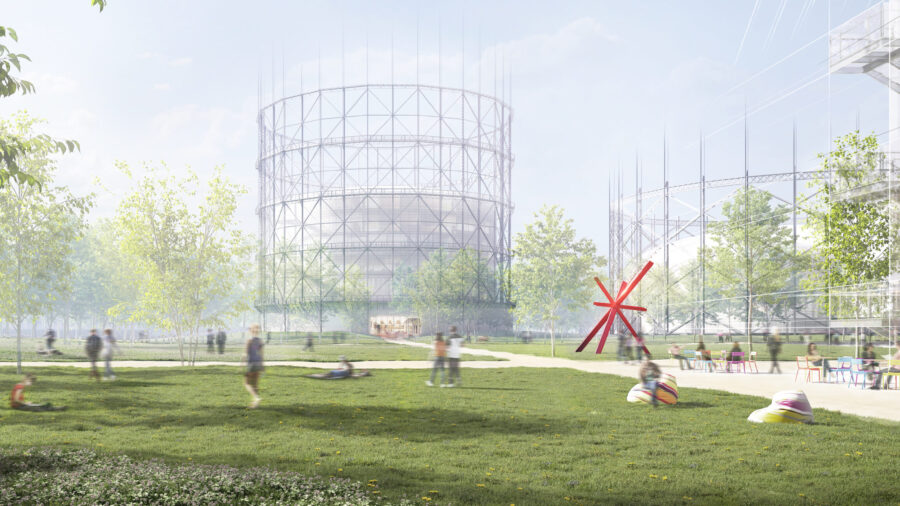
The Parco Schuster project near to the Tiber, delivers a comprehensive vision for the park’s restoration and enhancement as part of the Giubileo 2025 initiatives. This intervention balances two fundamental design approaches: on the one hand, it focuses on restoring and upgrading existing areas and pathways, aiming to return the park’s well-established spaces to the community with improved accessibility; on the other, it introduces new green areas and activation zones that breathe new life into the park, fostering social inclusivity and reinforcing its identity.
The Parco Schuster project near to the Tiber, delivers a comprehensive vision for the park’s restoration and enhancement as part of the Giubileo 2025 initiatives. This intervention balances two fundamental design approaches: on the one hand, it focuses on restoring and upgrading existing areas and pathways, aiming to return the park’s well-established spaces to the community with improved accessibility; on the other, it introduces new green areas and activation zones that breathe new life into the park, fostering social inclusivity and reinforcing its identity.

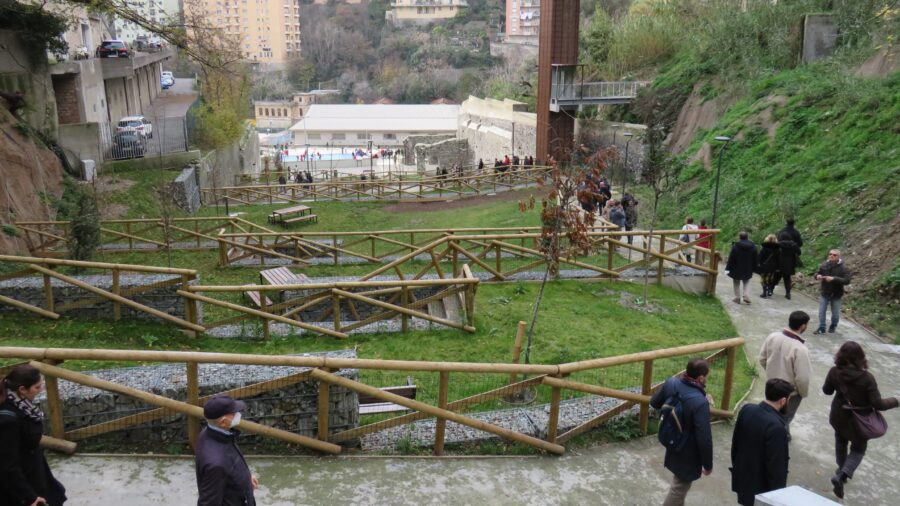
Playground in Parco Schuster. Image by Alessandro Argentesi
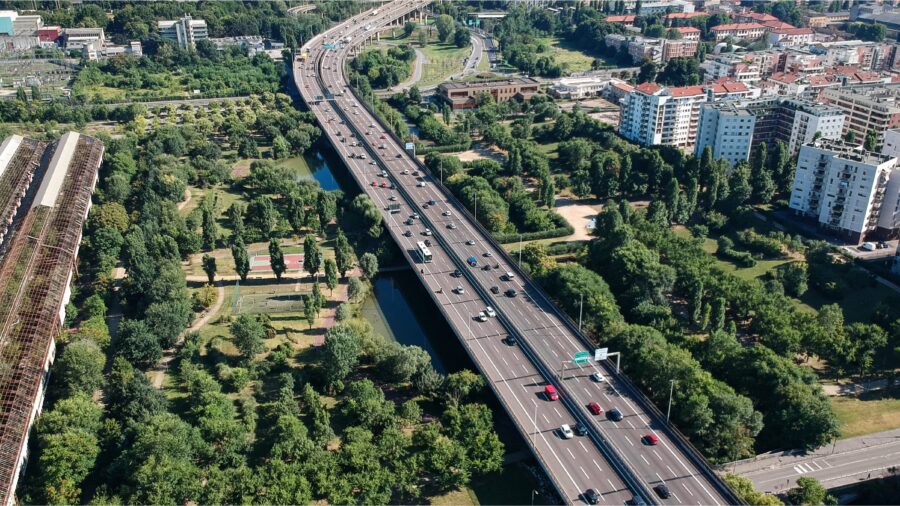
Parco Schuster, located within the Ostiense district near the Tiber River, is an essential public space for the city of Rome and is now the protagonist of the green redevelopment projects promoted by Giubileo 2025 Spa in the areas adjacent to the Vatican and the Jubilees Basilicas.
Its redevelopment is, therefore, a valid part of the more general process of integrating the central areas with existing parks and nature reserves, enhancing the rich heritage of the landscape consisting of the Roman countryside. The strategy takes the form of activating the territory through the development of new spaces of aggregation and the enhancement of the recognisability of the peripheral areas; the creation of interconnected public domains through a network of ‘slow’ connections; the promotion of urban and regional parks located in the outskirts of Rome.
In respecting the park’s current layout and established trees, the project plan will refurbish and clean existing Roman travertine and granite surfaces, ensuring maximum accessibility throughout the site. A significant element within this vision is the enhancement of the “Asse del Pellegrino” (Pilgrim’s Axis), the diagonal route linking Via Ostiense to the Basilica’s entrance. This pathway, lined with a row of Arbutus trees positioned in harmony with the Basilica’s architectural rhythm, will guide visitors towards the main entrance, complemented by a sequence of service buildings and a long, linear concrete bench.
Related projects