HeritACT - Horizon Europe
Italy
HeritACT, an initiative under the Horizon Europe program, transforms cultural heritage into a driver of sustainable urban development. By integrating placemaking strategies and innovative design solutions, the project fosters inclusive, community-driven regeneration across European cities, enhancing environmental resilience and cultural identity.
HeritACT, an initiative under the Horizon Europe program, transforms cultural heritage into a driver of sustainable urban development. By integrating placemaking strategies and innovative design solutions, the project fosters inclusive, community-driven regeneration across European cities, enhancing environmental resilience and cultural identity.

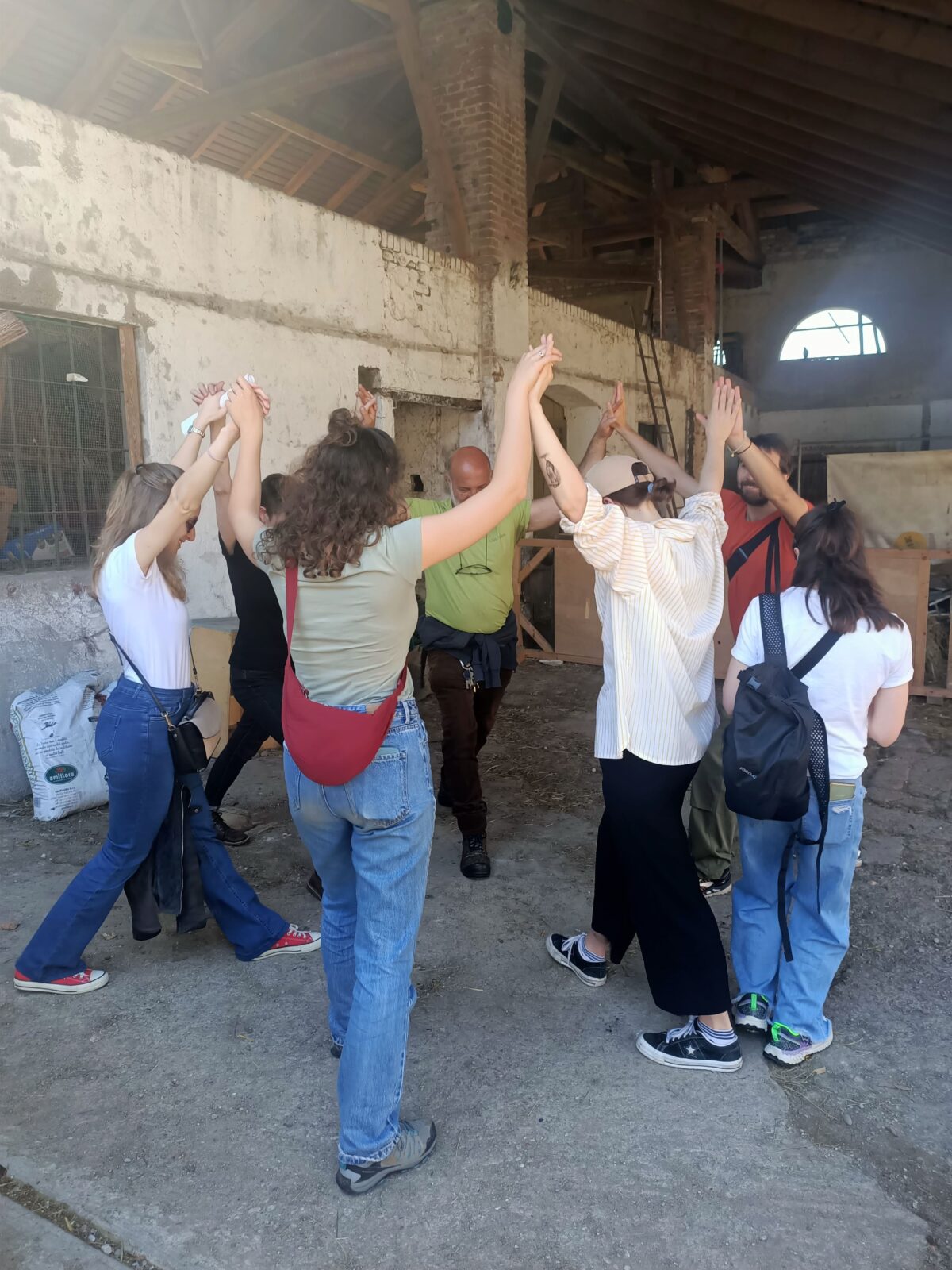
Bodystorming, Cascina Linterno
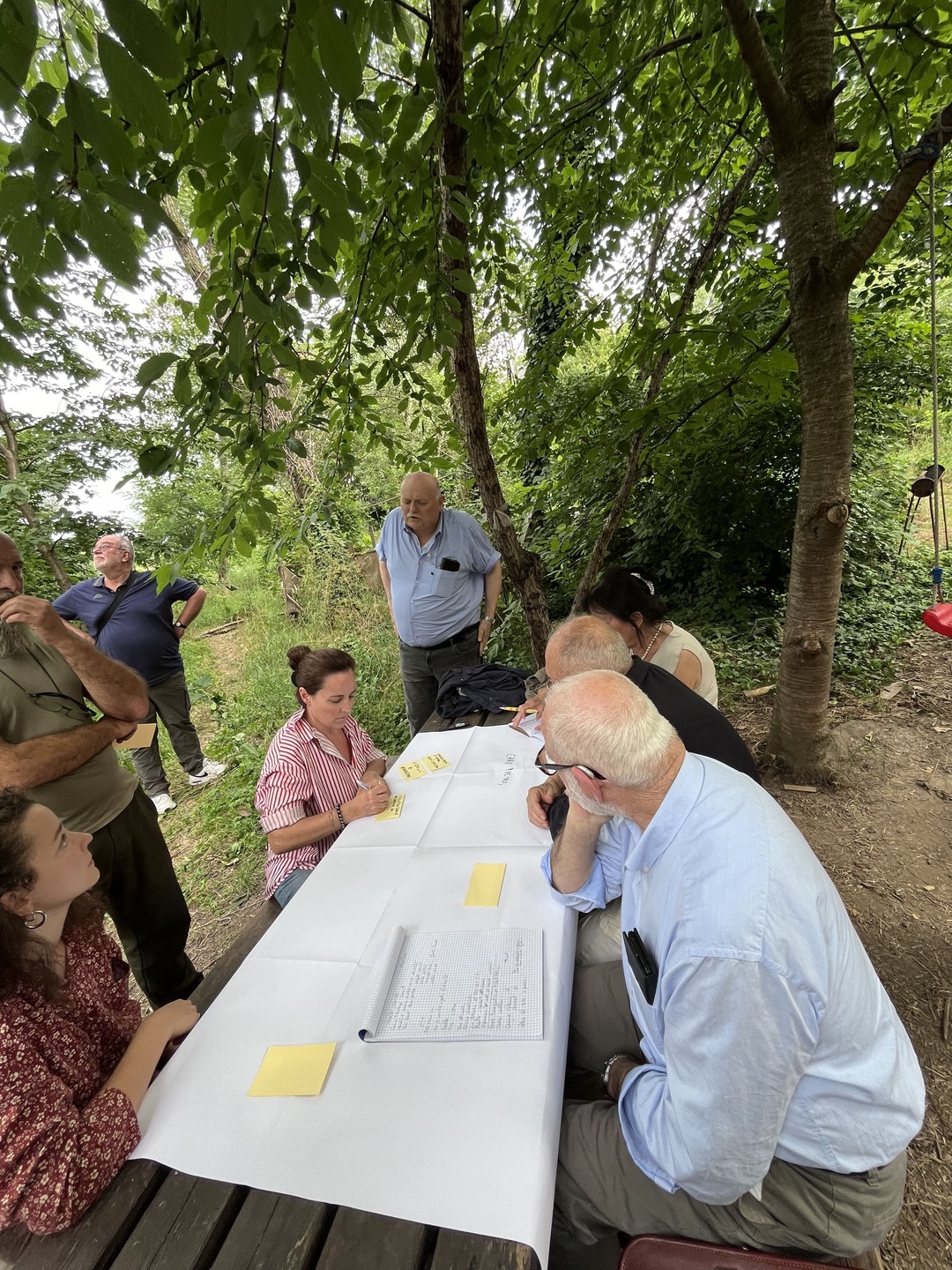
Group activity with local stakeholders in Cascina Linterno
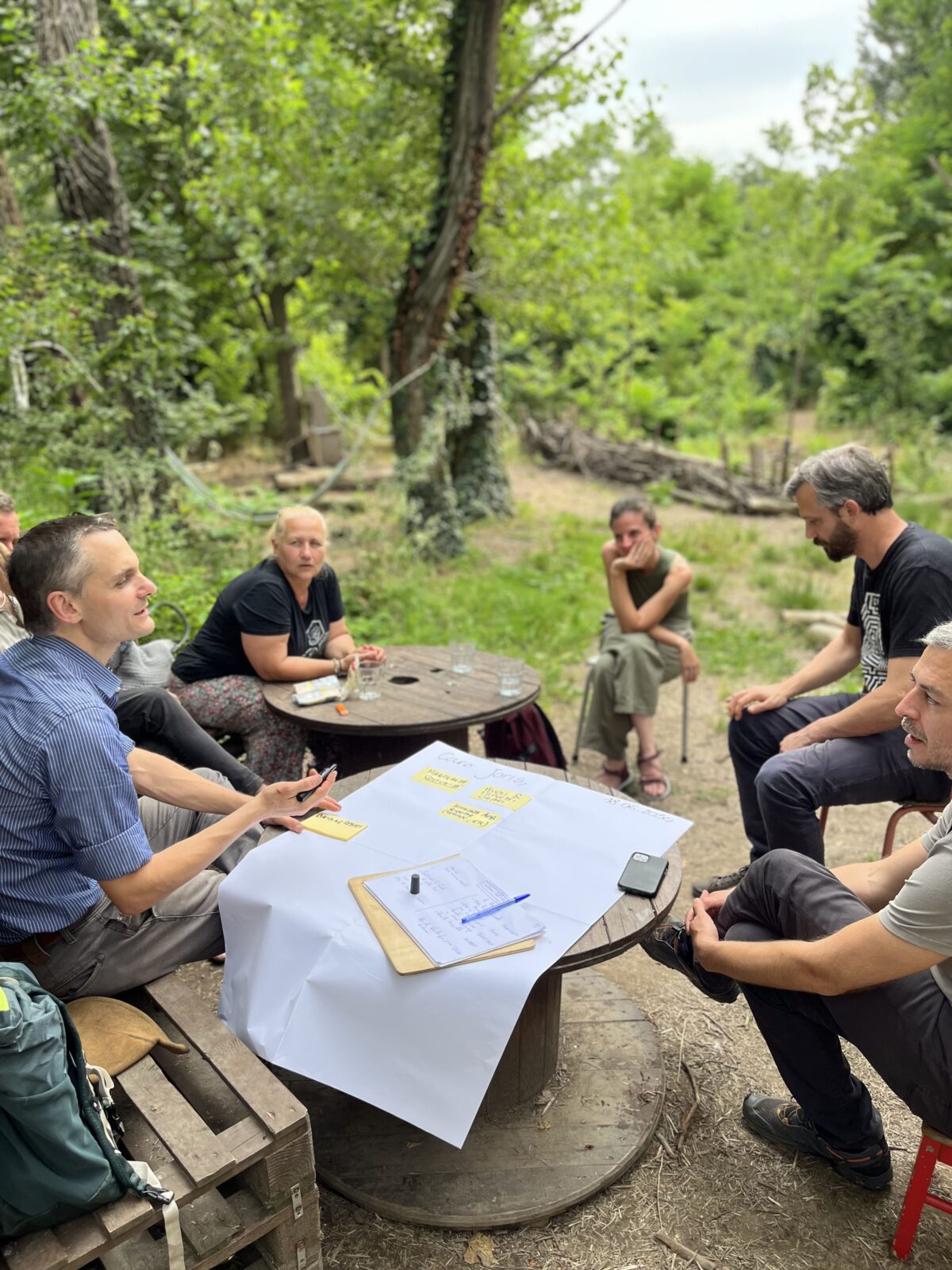
Group activity with local stakeholters in Cascina Sant’Ambrogio
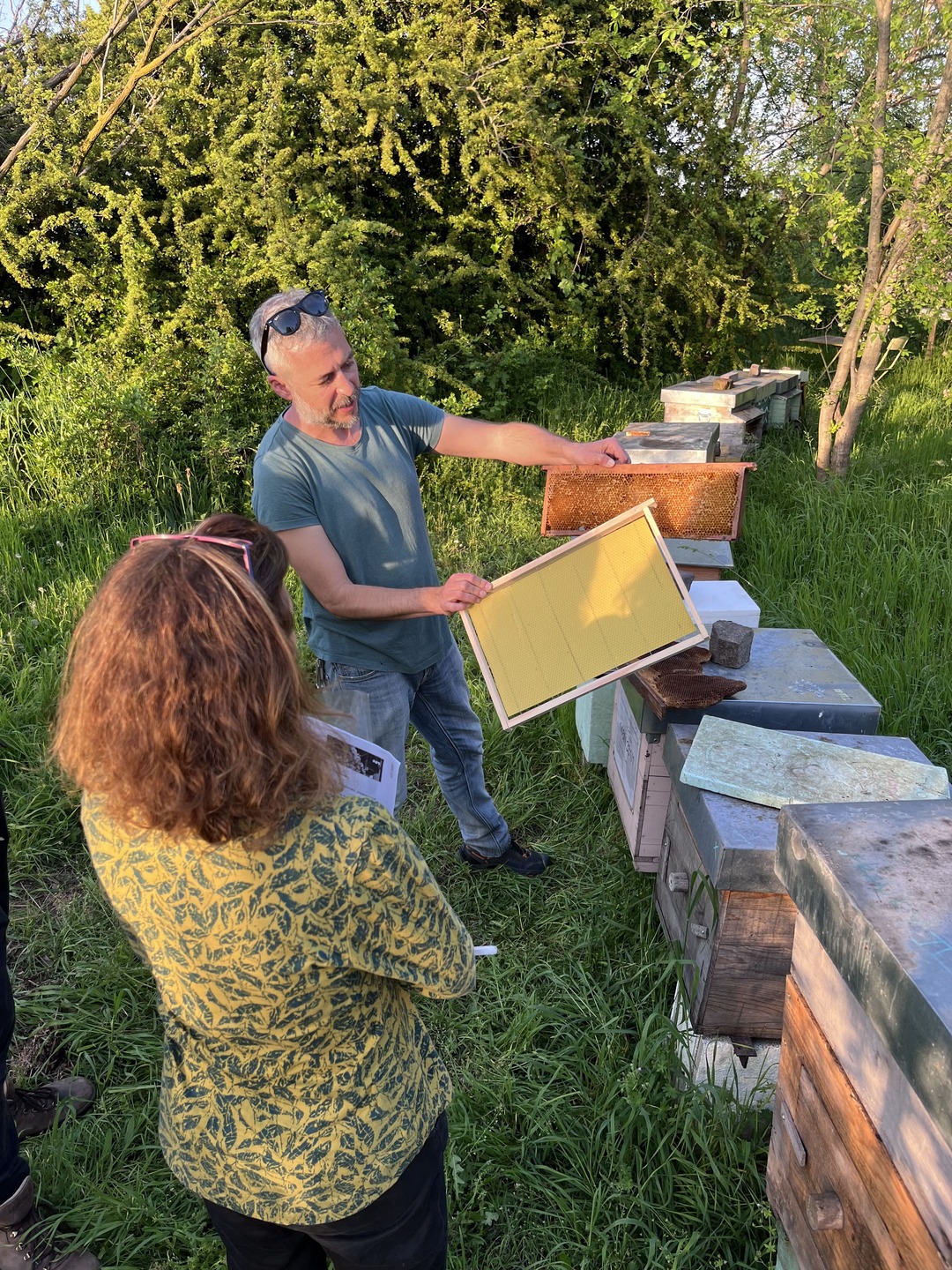
Bee hive presentation
HeritACT redefines urban regeneration by placing cultural heritage at the heart of sustainable city-making. This European Commission-funded project explores new methodologies for activating historical sites as dynamic, community-led spaces that foster social inclusion, climate adaptation, and economic sustainability. Centered on the New European Bauhaus vision, HeritACT merges architecture, policy, and digital innovation to create a replicable framework for cultural-driven urban renewal.
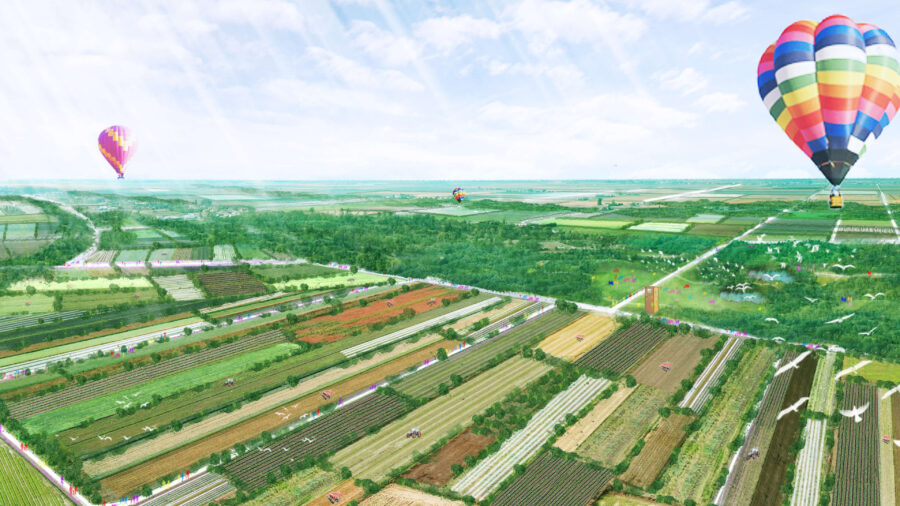
With three pilot locations—Milan (IT), Ballina (IR), and Elefsina (GR)—the project engages citizens, stakeholders, and institutions in participatory design processes. In Milan, the initiative focuses on the city’s CASCINE, historical rural-urban sites with strong cultural and ecological value. Through placemaking strategies, these areas are reimagined as green infrastructure hubs that address climate resilience while promoting community cohesion.
HeritACT’s approach extends beyond local implementation, providing transferable knowledge for cities across Europe. Through 14 partner organizations, it develops practical tools, policy recommendations, and creative solutions to ensure that cultural heritage contributes to inclusive, resilient, and future-proof cities.
This methodology emphasizes co-creation, recognizing heritage sites as catalysts for public engagement and sustainable urban transformation. The project’s digital and design tools enhance accessibility and usability, empowering local communities to shape their environments. By integrating cultural, environmental, and economic aspects, HeritACT sets a new benchmark for sustainable urban heritage regeneration, demonstrating that cultural assets are not just remnants of the past, but essential elements of a thriving future.
LAND Nature-based Solutions for Cultural Heritage Re-activation
The Biodiversity Clock – Cascina Sant’Ambrogio
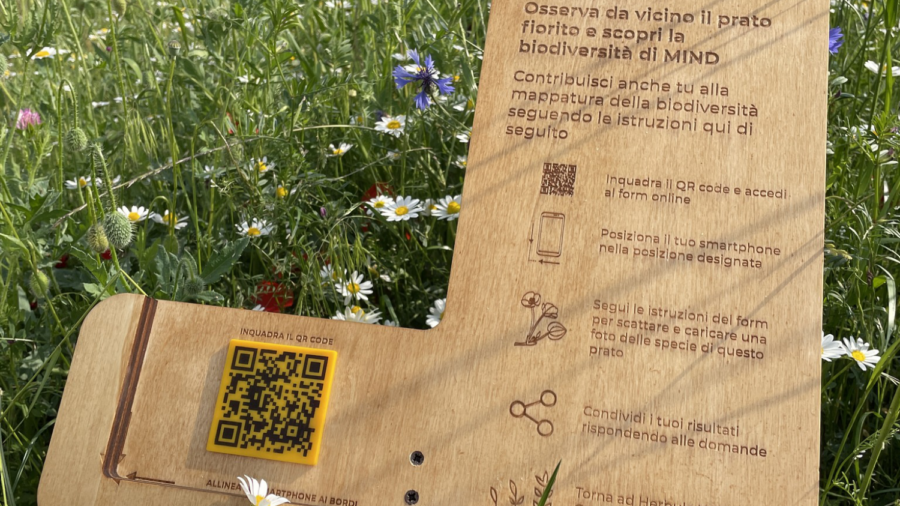
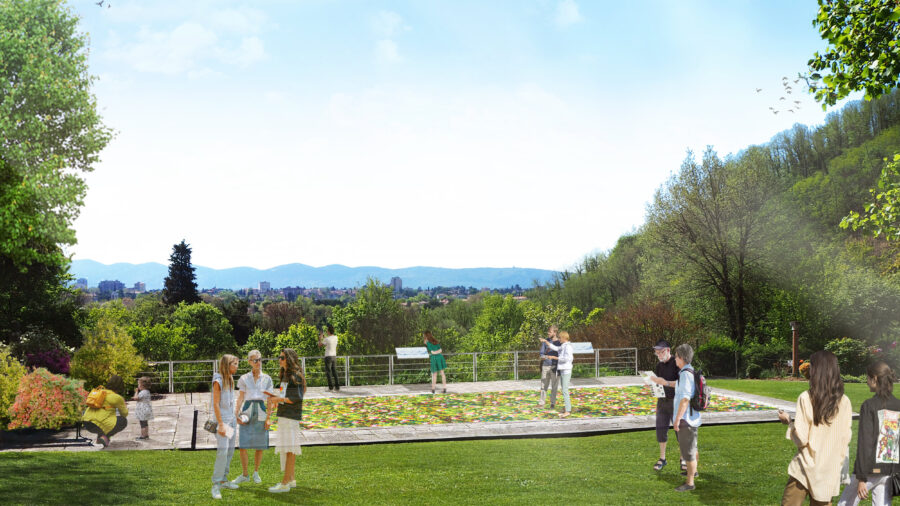
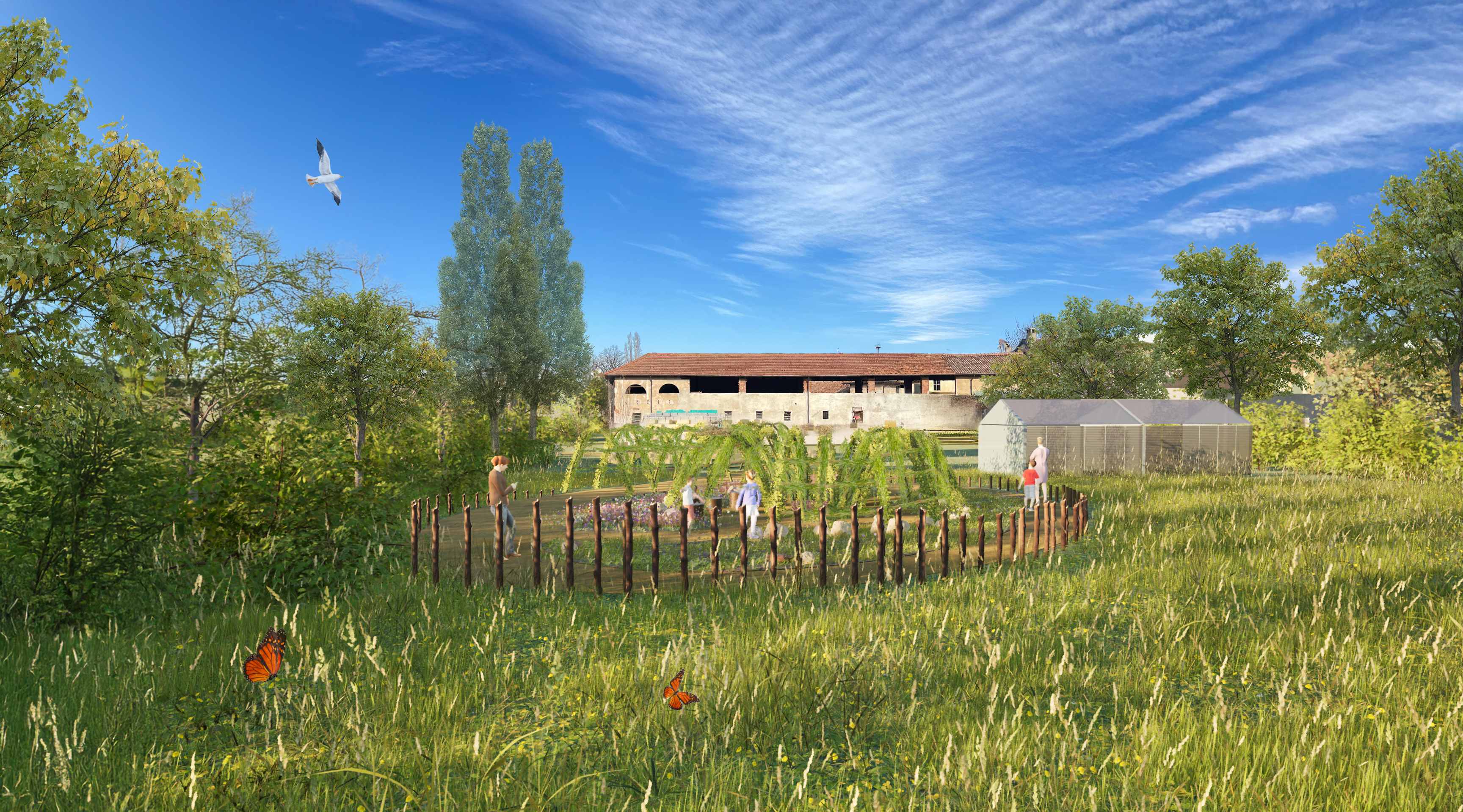
The Biodiversity Clock is a new public space created with natural components as part of the European project HeritACT and designed by LAND Italia. The intervention integrates landscape ecology, art, and education, drawing inspiration from the principles of the New European Bauhaus—Beauty, Sustainability, and Community—and from the historical tradition of Milan’s cascine.
The project unfolds as an elliptical pedestrian path leading to a circular space defined by wooden elements symbolizing the passage of time, while maintaining open views toward the historic Linterno façade. At its center, a sensory garden with flowering and nectar-rich species is combined with an area dedicated to soil regeneration practices, making natural cycles and ecological processes visible and understandable.
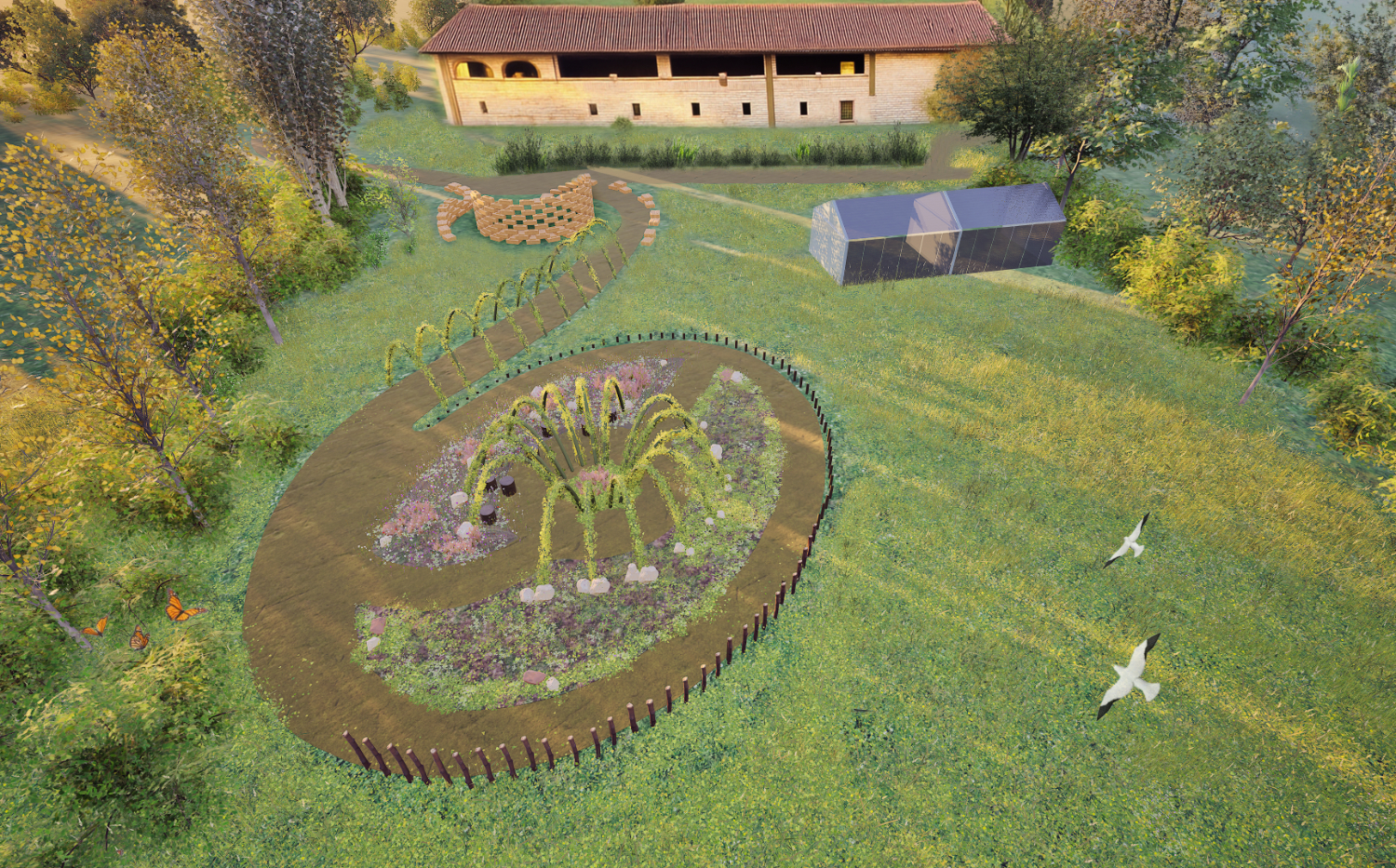
Along the elliptical path, living willow structures create shaded areas and green tunnels that change shape and color throughout the seasons, accompanied by flowering meadows that evolve over the year. The use of natural and permeable materials allows the path to function as a Nature-based Solution (NbS), improving rainwater drainage, reducing water stagnation, and increasing local biodiversity in alignment with the objectives of Parco Agricolo Sud Milano.
Designed as an inclusive and accessible public space, the Biodiversity Clock serves as an outdoor learning environment and a place for social interaction, promoting participation, environmental awareness, and shared responsibility. In this project, biodiversity is understood as both tangible and intangible cultural heritage of Milan’s cascine: tangible in the soils, water systems, flowering species, and pollinators inhabiting the space; intangible in traditional knowledge, seasonal rhythms, and collective care practices.
The Biodiversity Clock translates this heritage into a living landscape—open, accessible, and educational for all.
The realization of the intervention was made possible through funding from the European Commission under the HeritACT project, the direct collaboration of Comune di Milano for construction management, the execution of works by Cooperativa Il Giardinone, and the artistic willow structures curated by Anna Patrucco – Salici Intrecciati.
E.C.O.P.L.A.Y. Ground – Cascina Sant’Ambrogio
E.C.O.P.L.A.Y. Ground (Environmentally Connected Oasis for Play, Learning, Awareness and Youth) is an inclusive, nature-based urban playground that integrates art, play, and landscape at Cascina Sant’Ambrogio.
Inspired by the New European Bauhaus principles—Beauty, Sustainability, and Community—the project combines aesthetic quality, environmental responsibility, and social inclusion within a single spatial framework. Overall, E.C.O.P.L.A.Y. Ground shapes a small urban garden and a living public space capable of strengthening social interaction, ecological quality, and the cultural identity of the site.
Developed within the framework of the European HeritACT project and following the landscape design by LAND Italia, the intervention demonstrates how Nature-based Solutions, integrated with creative play and artistic expression, can regenerate public space while responding to environmental challenges and community needs.
The project transforms a transitional area into a space dedicated to play, learning, and social exchange through a stabilized earth pedestrian path that connects the public entrance from Via Cavriana to the historic courtyard of the Cascina. The path itself functions as a Nature-based Solution: through the use of permeable materials, it addresses water stagnation issues by promoting infiltration and proper rainwater drainage. Environmental performance and everyday usability are therefore integrated, improving accessibility while reinforcing the ecological value of the area.
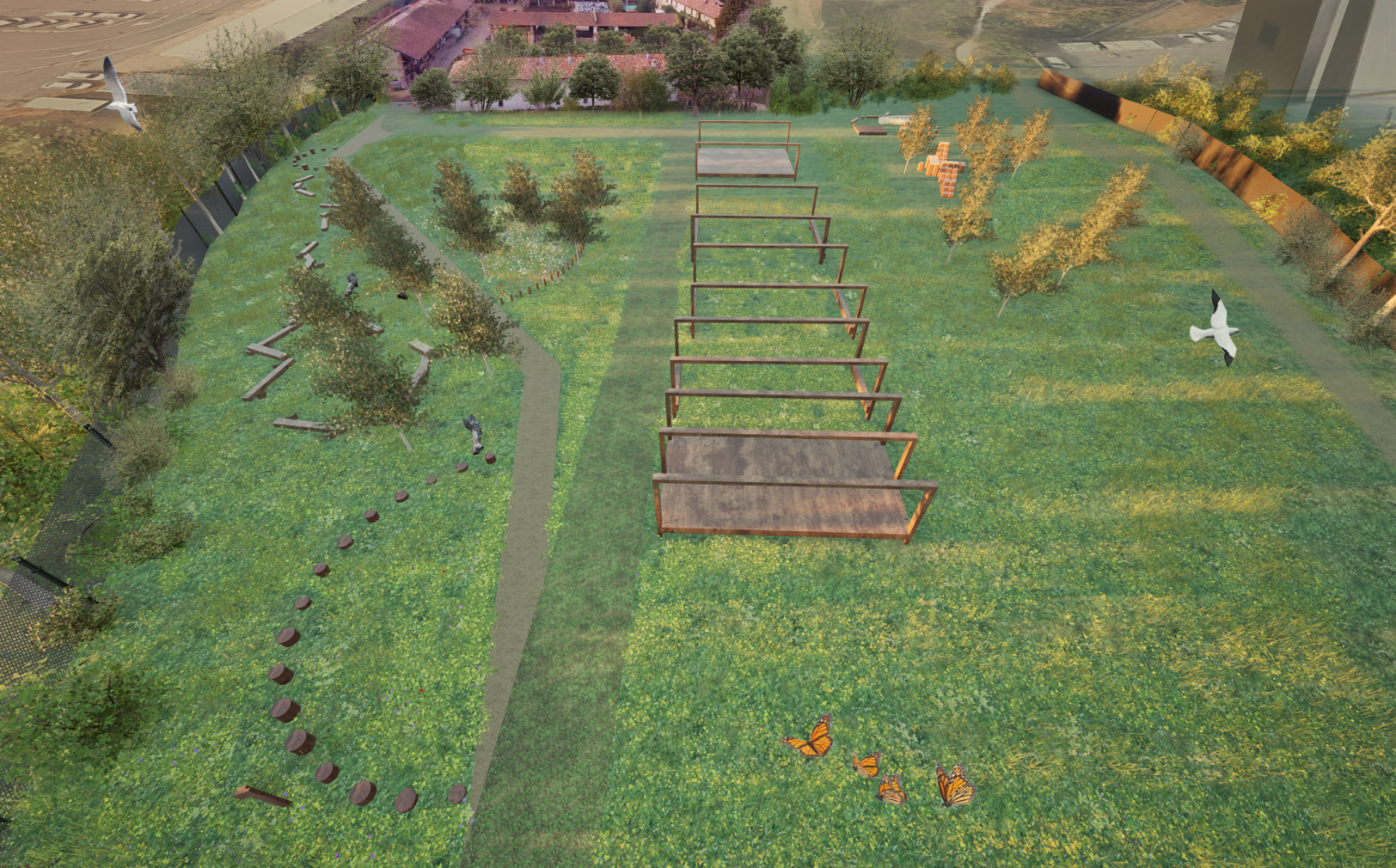
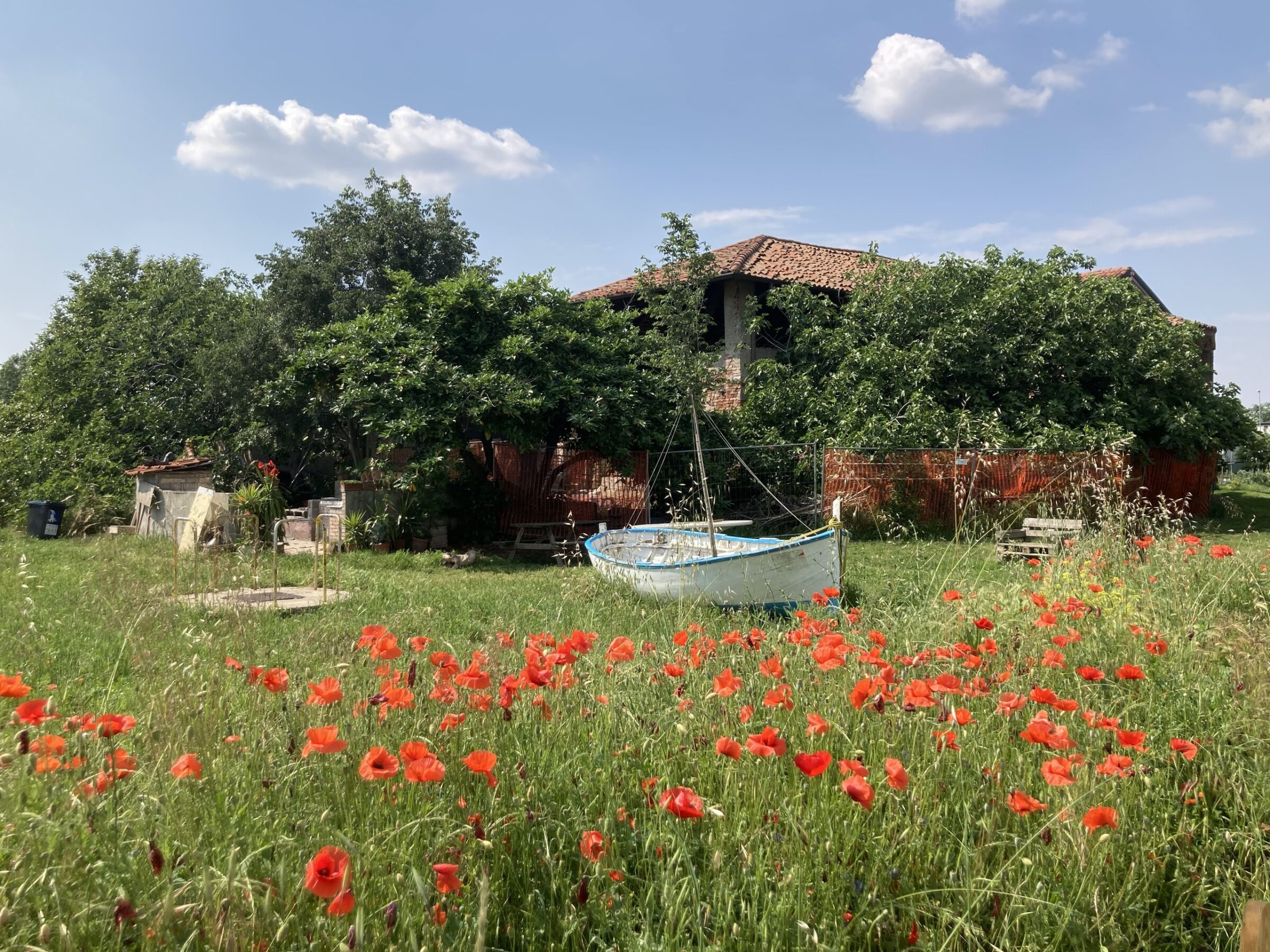
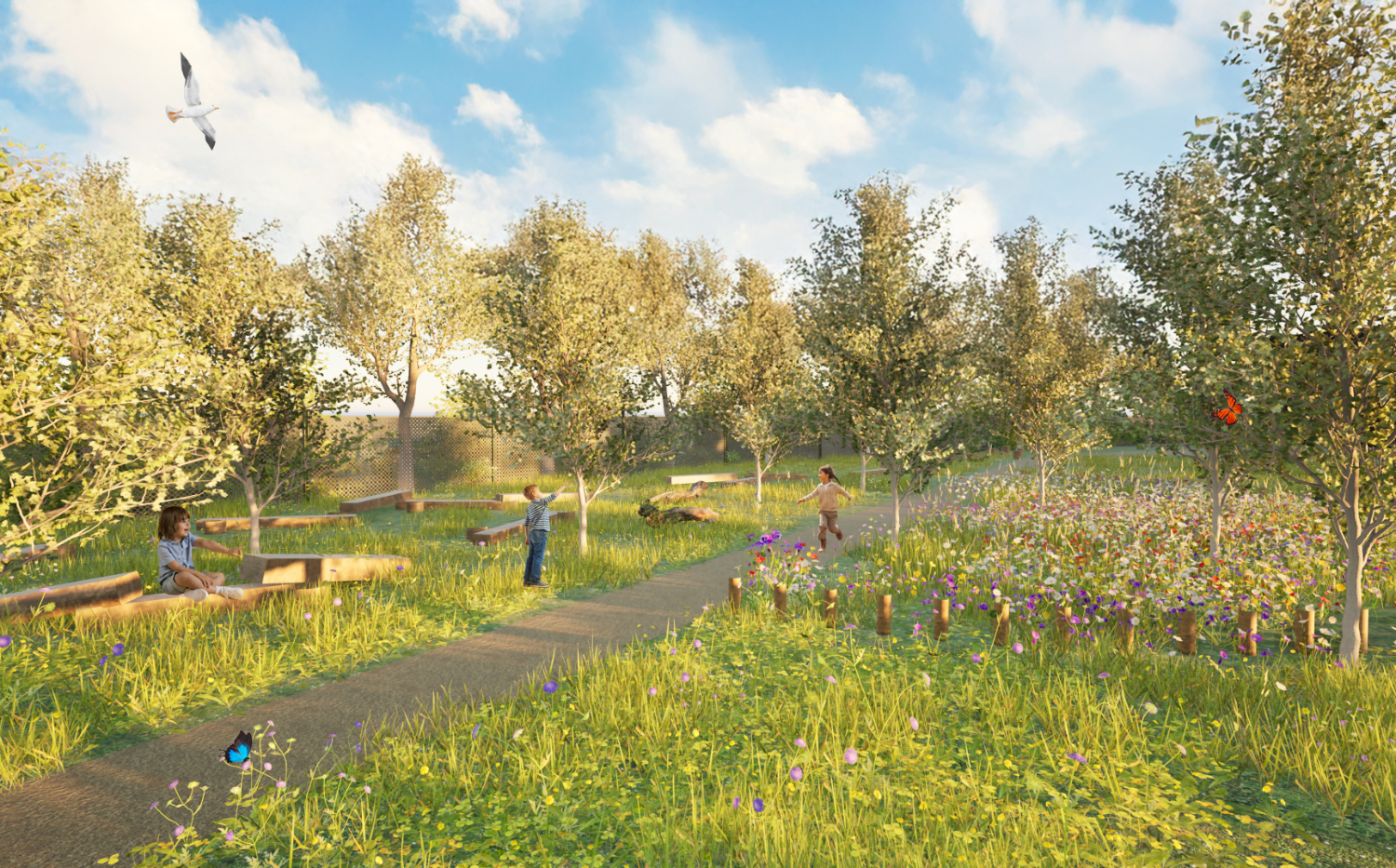
Along the route, spaces for play, gathering, and rest are developed using natural and recycled materials derived from forest management activities. The path opens into a semicircle defining a flowering meadow for pollinators and welcoming a pre-existing boat, transformed into the heart of a children’s imaginative environment—the Pirate Island. This narrative setting intertwines nature, play, and storytelling, encouraging creativity, exploration, and symbolic play in close contact with the landscape.
Meeting and resting areas are conceived as open green spaces that combine existing polyphytic lawns with newly introduced flowering meadows composed of native species, fostering biodiversity and supporting pollinating insects. Low wooden elements subtly define different zones, while recycled timber beams provide informal seating and gathering points, encouraging pause, sharing, and inclusive use of the space.
The realization of E.C.O.P.L.A.Y. Ground was made possible thanks to funding from the European Commission, construction management by Comune di Milano, and implementation by Cooperativa Il Giardinone.
Office
People
Andreas KiparKsenia KuzminaCarlotta FontanaRoxana SalaLaura C. ParraValentina GaliuloAndrea BalestriniLavinia DonatiNicoletta Piersantelli Virgilio Diaz Guzman, Julia Treichel, Eleonora Esposito
Typology
Global Collaboration
・14 partners across cities, universities, and grassroots organizations
・Focused on heritage activation for sustainable development
Cultural & Creative Hubs
・3 early-stage regeneration sites across Europe
・Developing innovative cultural and creative urban hubs
Scalable Knowledge
・Local experiences can be applied across Europe
・Promoting Cultural Heritage and New European Bauhaus principles
Related projects

nAIture Capital in NRW: AI‑powered ecosystem accounting for a Nature‑Positive Future
nAIture Capital in NRW: AI‑powered ecosystem accounting for a Nature‑Positive Future