GrünNEUsiedl – Urban Agriculture for Rothneusiedl
Austria
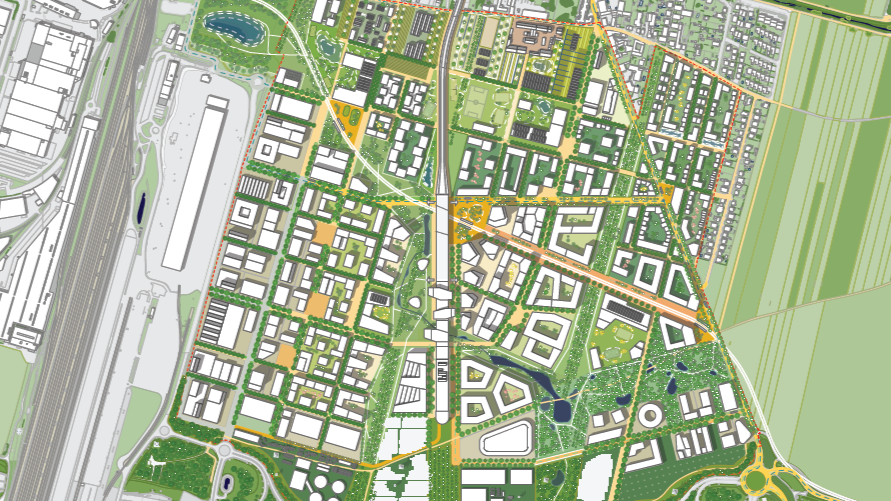
GrünNEUsiedl envisions a new urban model for Rothneusiedl, combining agriculture, ecology, and urban life on Vienna’s fringe. Instead of a monolithic extension, the district grows from historical roots into a polycentric, green, and climate-responsive neighbourhood defined by local identity, mobility, and a deep integration of productive landscapes.
Client
City of Vienna
Geography
Status
Year
2024
Lead Consultant
LAND Austria
Partners
Franz und Sue ZT GmbH, KCAP GmbH, DI Dr. techn. Harald Frey / TU Wien – Institut für Verkehrswissenschaft
GrünNEUsiedl envisions a new urban model for Rothneusiedl, combining agriculture, ecology, and urban life on Vienna’s fringe. Instead of a monolithic extension, the district grows from historical roots into a polycentric, green, and climate-responsive neighbourhood defined by local identity, mobility, and a deep integration of productive landscapes.
Client
City of Vienna
Geography
Status
Year
2024
Lead Consultant
LAND Austria
Partners
Franz und Sue ZT GmbH, KCAP GmbH, DI Dr. techn. Harald Frey / TU Wien – Institut für Verkehrswissenschaft
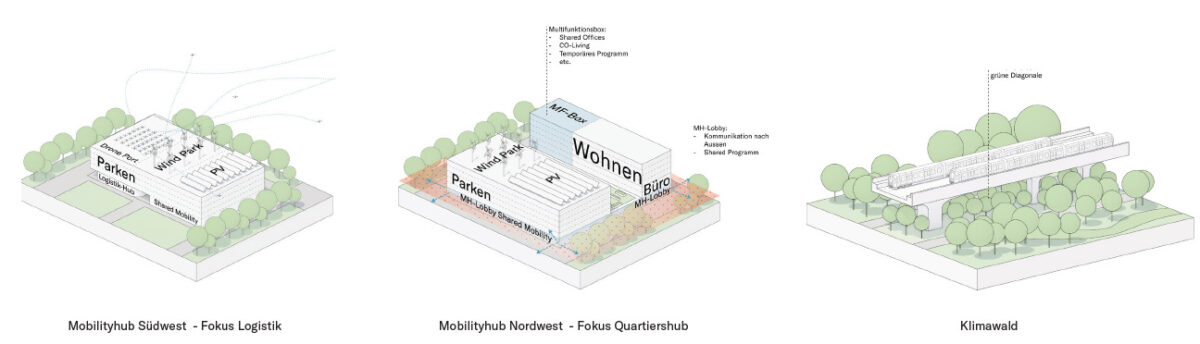
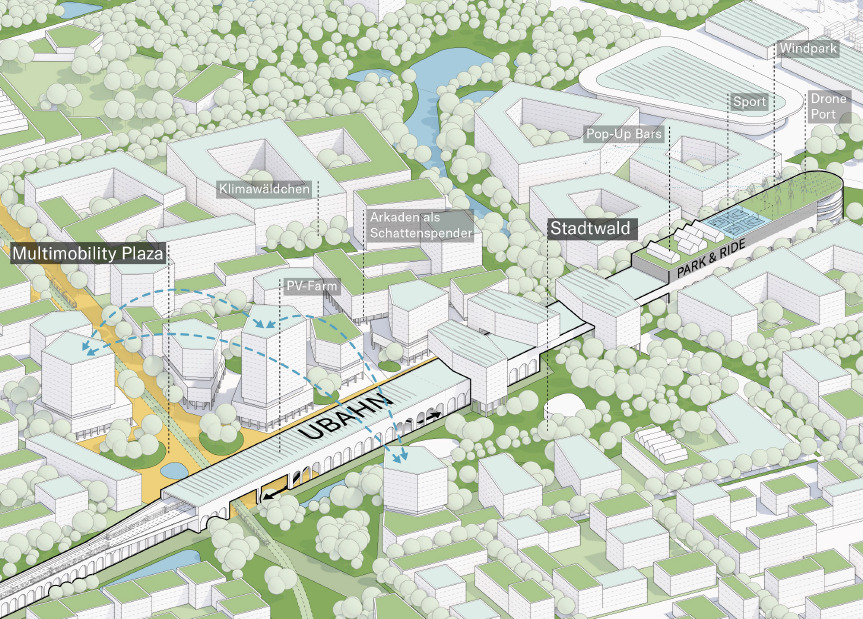
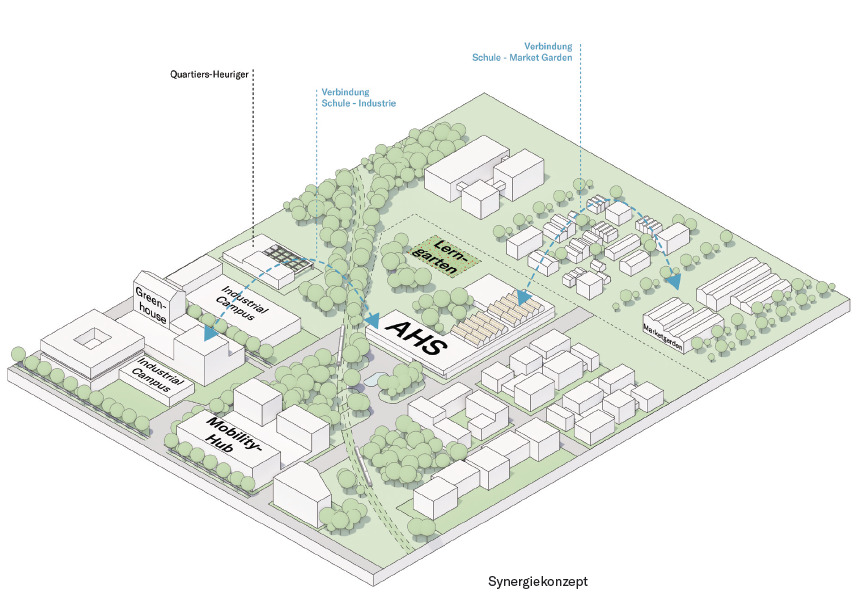
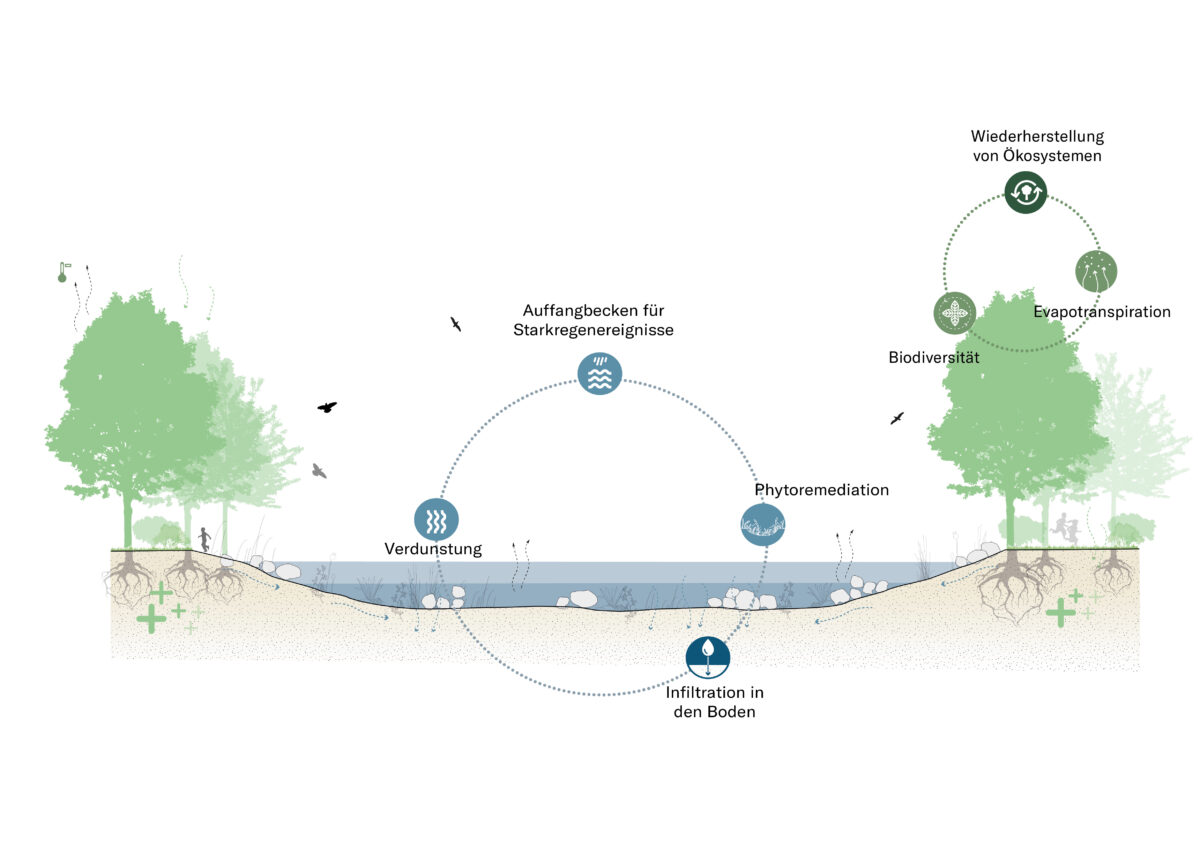
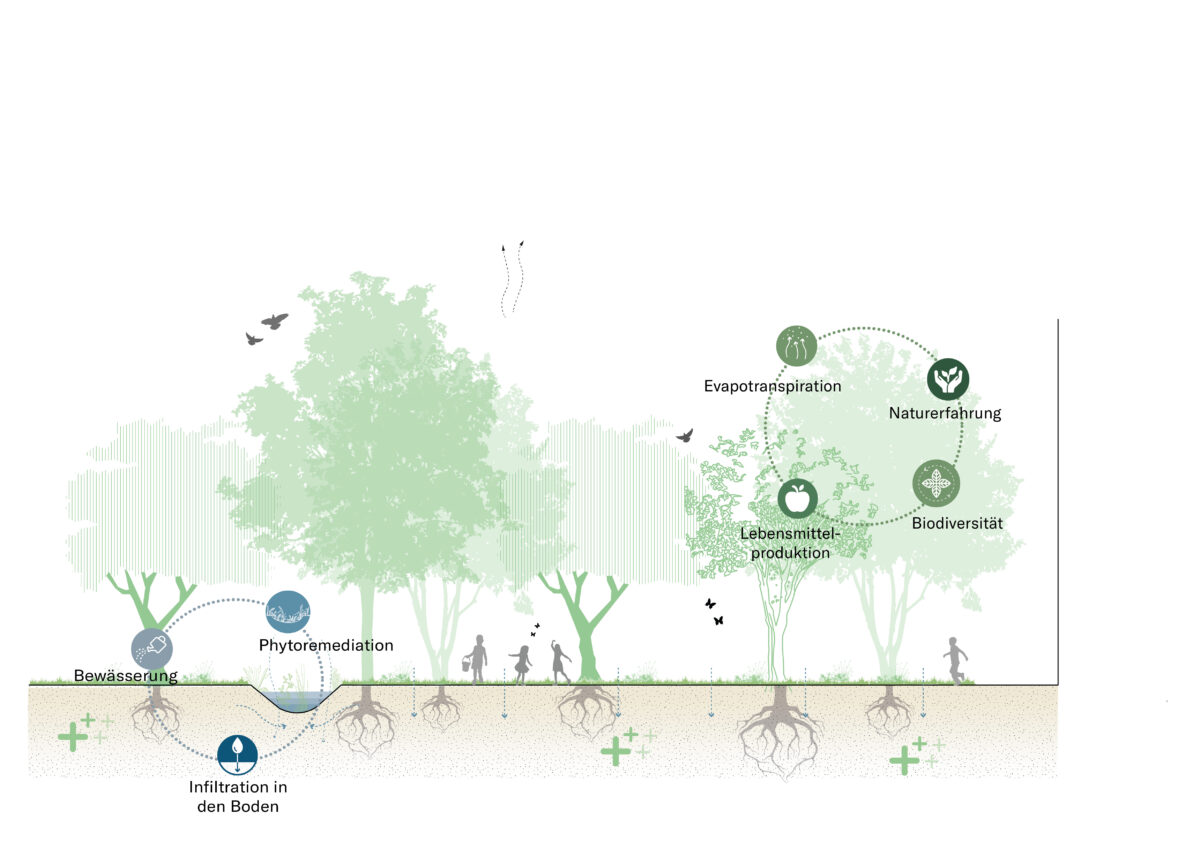
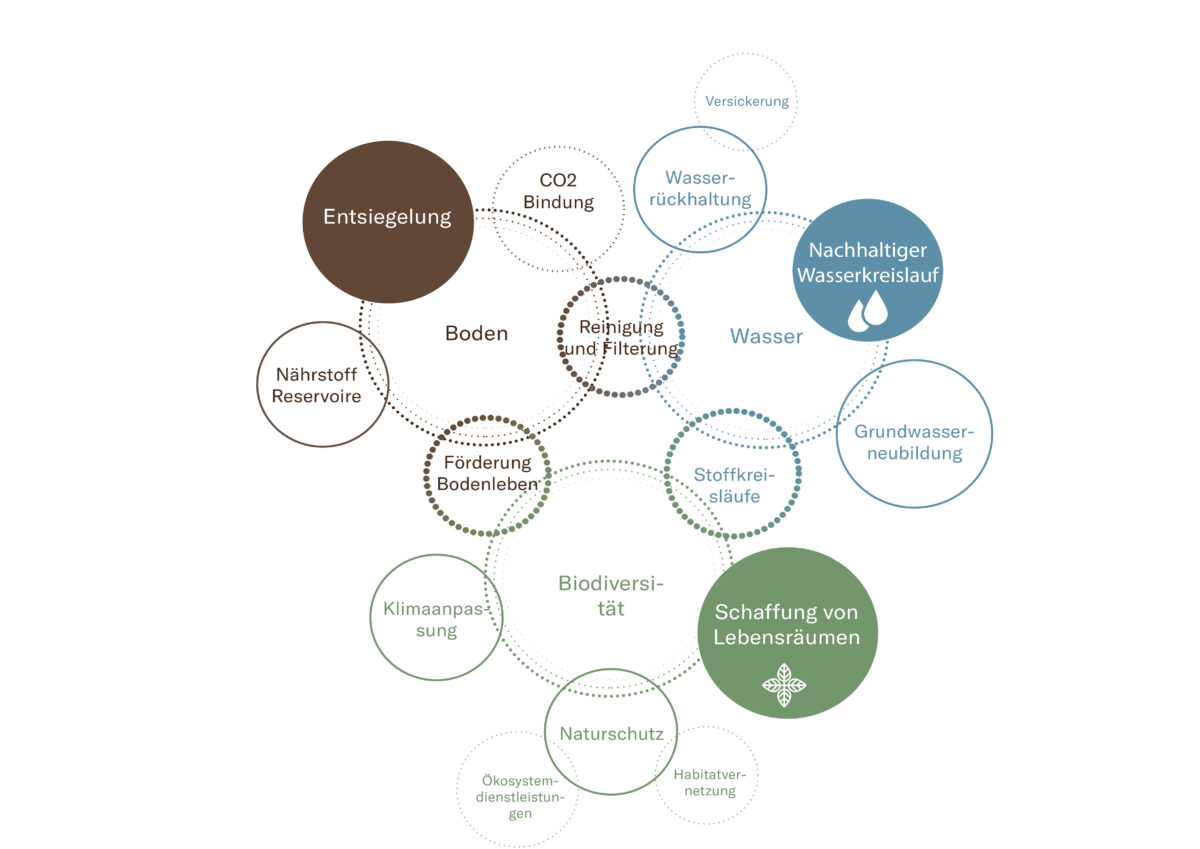
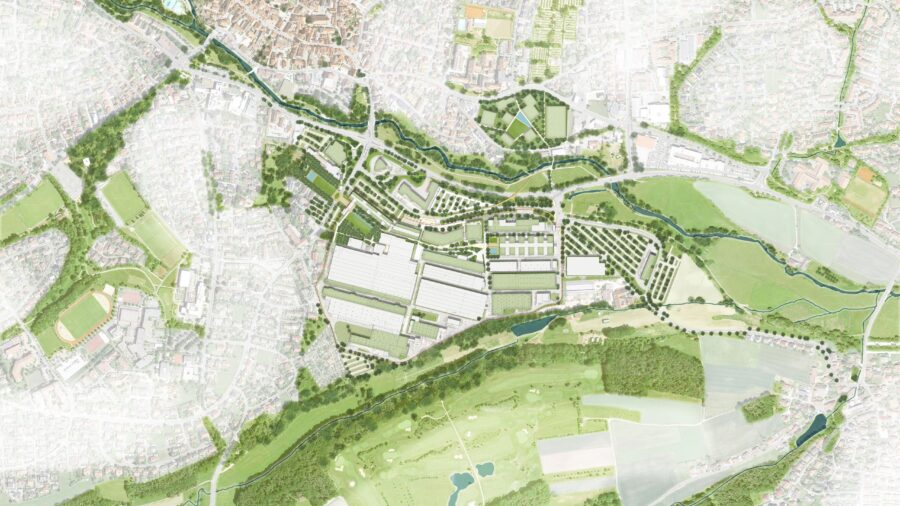
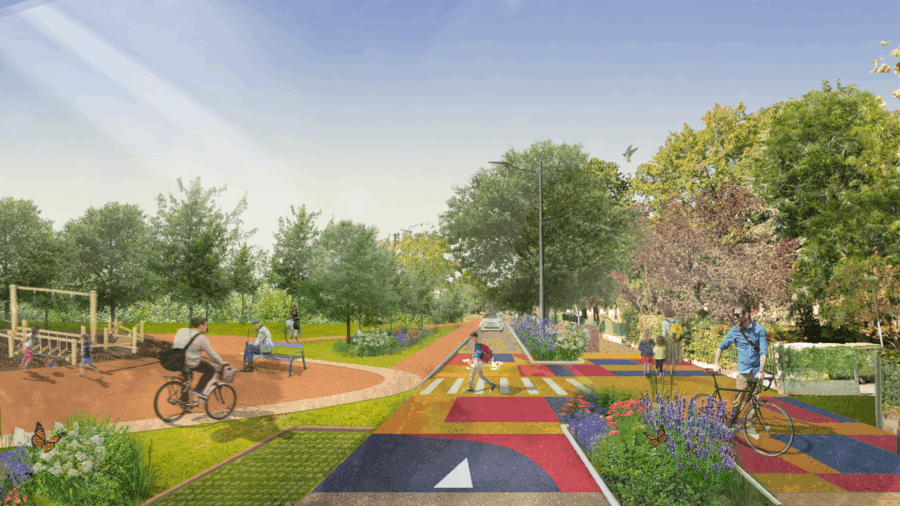
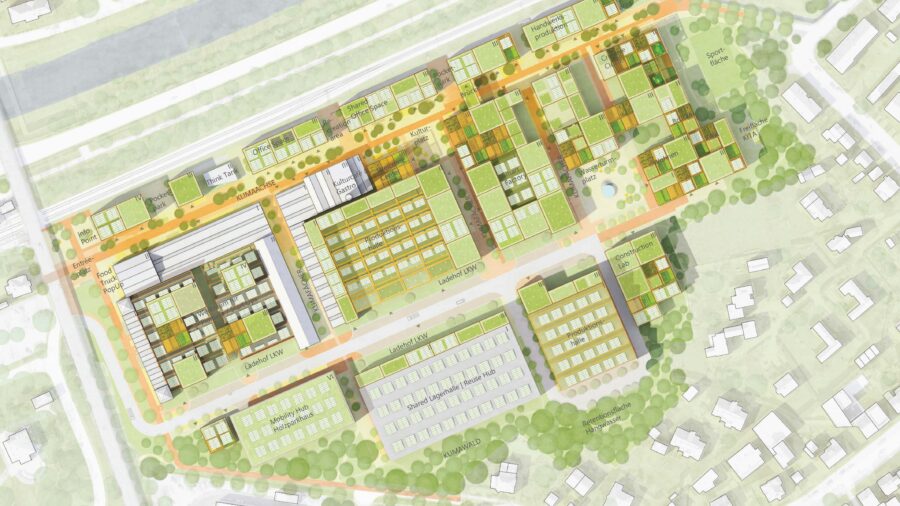
GrünNEUsiedl proposes a future-oriented vision for the development of Rothneusiedl, a historically agricultural zone at Vienna’s southern edge. Rather than applying rigid zoning, the project overlays modular, polycentric structures onto existing systems through infrastructure corridors, educational nodes, and diagonal green connectors.
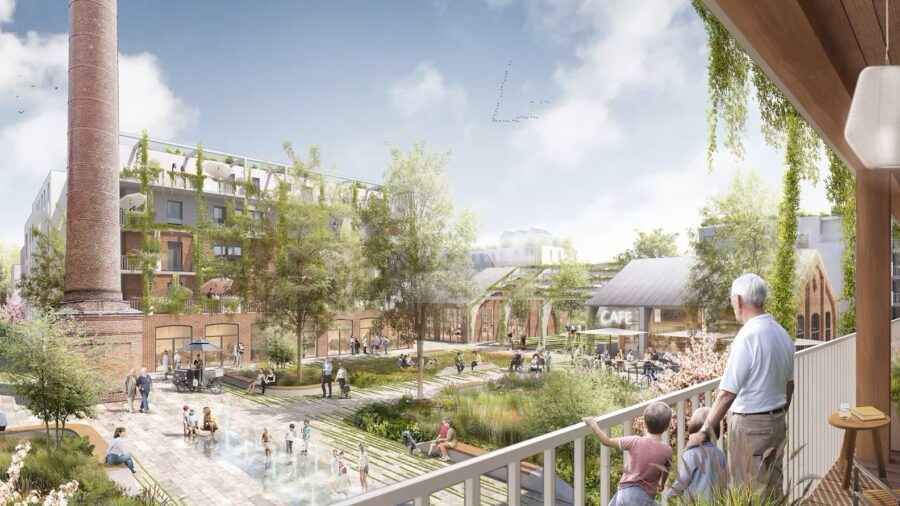
Inspired by agrarian patterns, the masterplan promotes dense, mixed-use development interwoven with urban farming, renewable energy, and sponge-city principles. At its core is a “15-minute city” logic, where daily life functions—work, leisure, education—are reachable by foot or transit, enhancing livability and minimizing environmental impact.
The standout feature is the “Green Calling Card”: a productive landscape combining energy, food, research, and recreation. It serves as both an ecological buffer and a bold symbol of identity.
Avoiding rigid grids, the plan evolves from local ecology and community traditions, creating an adaptable framework that supports resilience and inclusivity. Instead of expansion, the project reframes how urban and rural systems can coexist.
Among 26 entries, the design was awarded 5th place, recognizing its innovative approach to sustainable urbanism.
Related projects