The "Treehouse" of Biasca: the new Cantonal School Campus embraces Greenery combining education, Nature, and community
A capillary Nature offering the community recreational and cultural areas immersed in greenery, while respecting the agricultural and productive vocation of the surrounding territory. These are the key elements of the winning project for the open spaces of the new Cantonal School Campus in Biasca.
Developed around the area occupied by the middle school, its double gymnasium, and swimming pool, the landscape intervention by LAND Suisse will complement the structural redevelopment of the complex, overseen by Campana Herrmann Pisoni architects. The project exhibition, officially unveiled today at the Swiss Railpark in Biasca in the presence of the designers and cantonal authorities, will remain on display for a week.
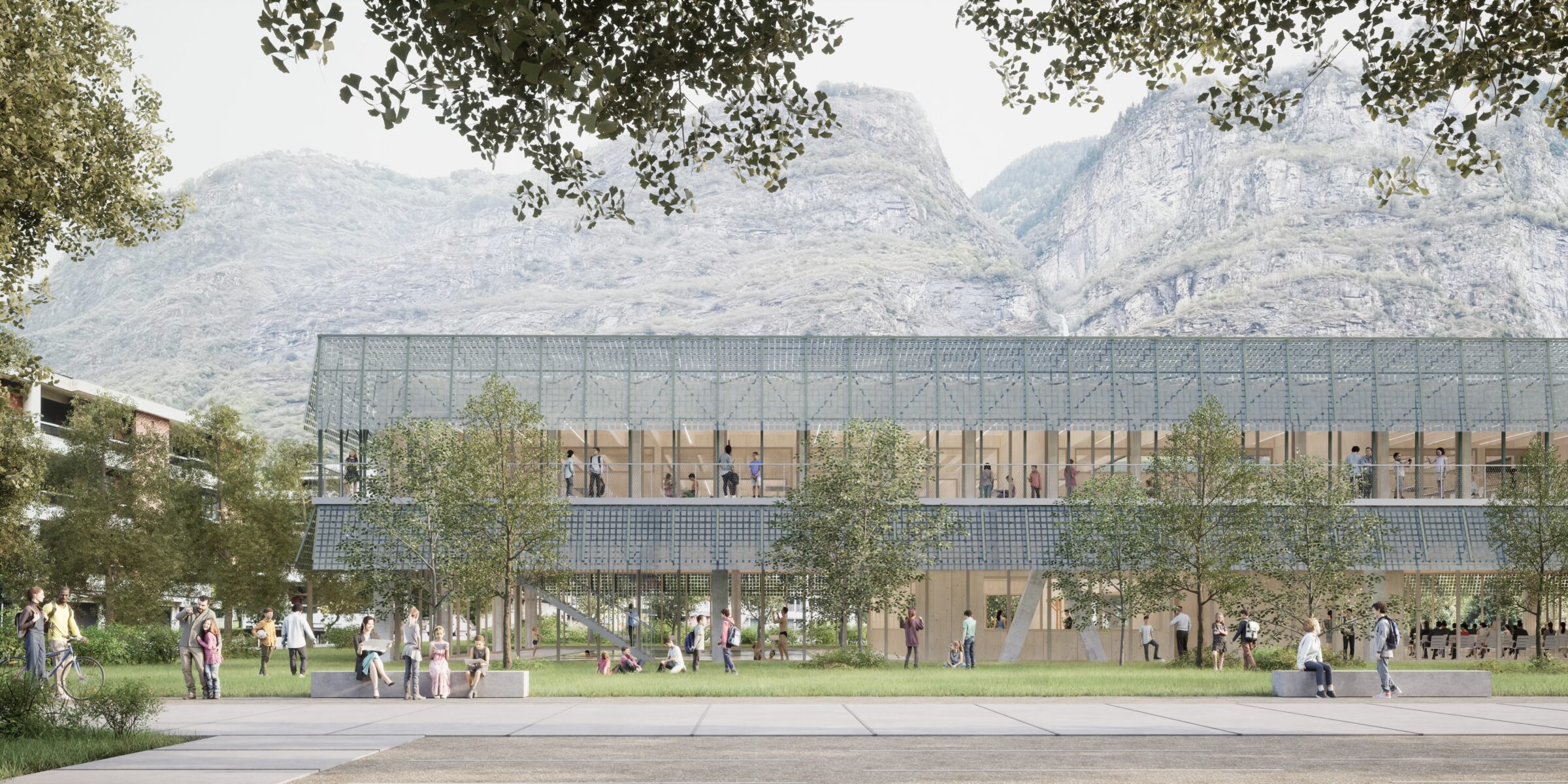
A green infrastructure that permeates a school site, giving it a distinctive identity and reinterpreting public space for the benefit of the community. A complex featuring 9,200 m² of accessible green areas, 196 new trees, permeable surfaces, and a sustainable water management strategy, including 4,700 m² of green roofs and 155 m² of rain gardens. This is the vision behind LAND Suisse’s project for the regeneration of the middle school area and its sports facilities within the Cantonal School Campus in Biasca. A “Treehouse” where open spaces will be transformed into dynamic areas of interconnection and vibrant community centers, strengthening ecological, social, and cultural interactions.
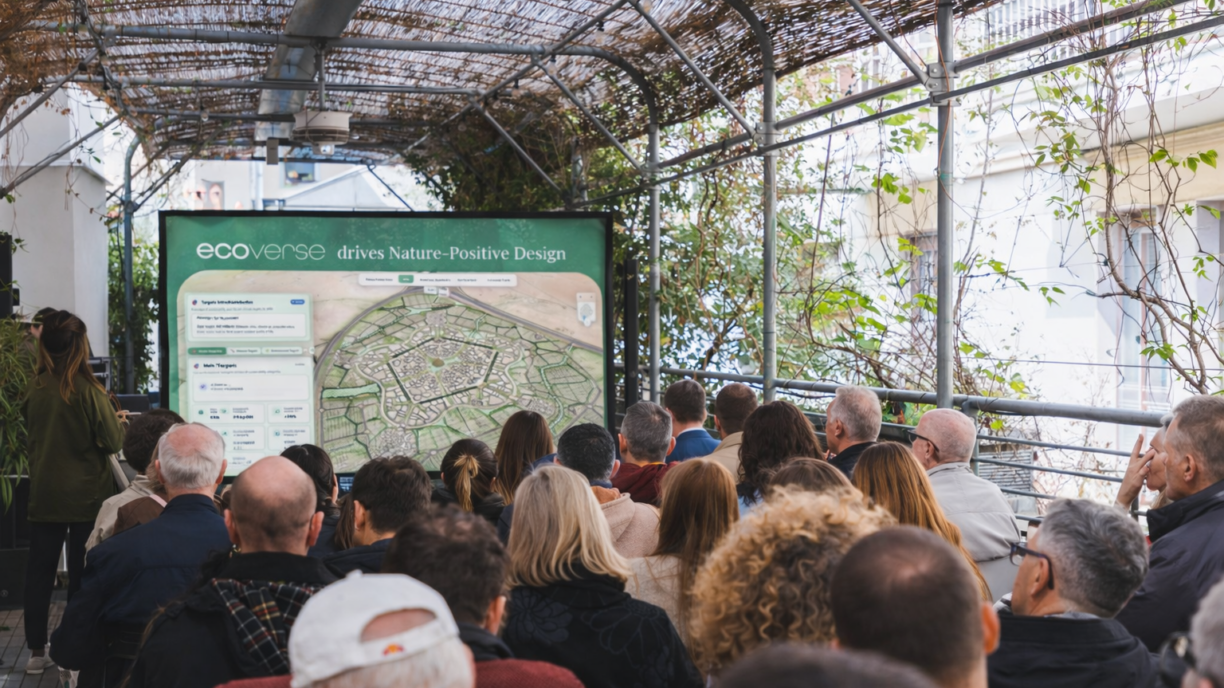
The details of the winning project were unveiled this morning during the official inauguration at the Swiss Railpark in Biasca. The event, attended by State Councillors Christian Vitta, Director of the Department of Finance and Economy, and Marina Carobbio Guscetti, Director of the Department of Education, Culture, and Sport, included a guided tour of the public exhibition of the project, which will remain open to the public for one week.
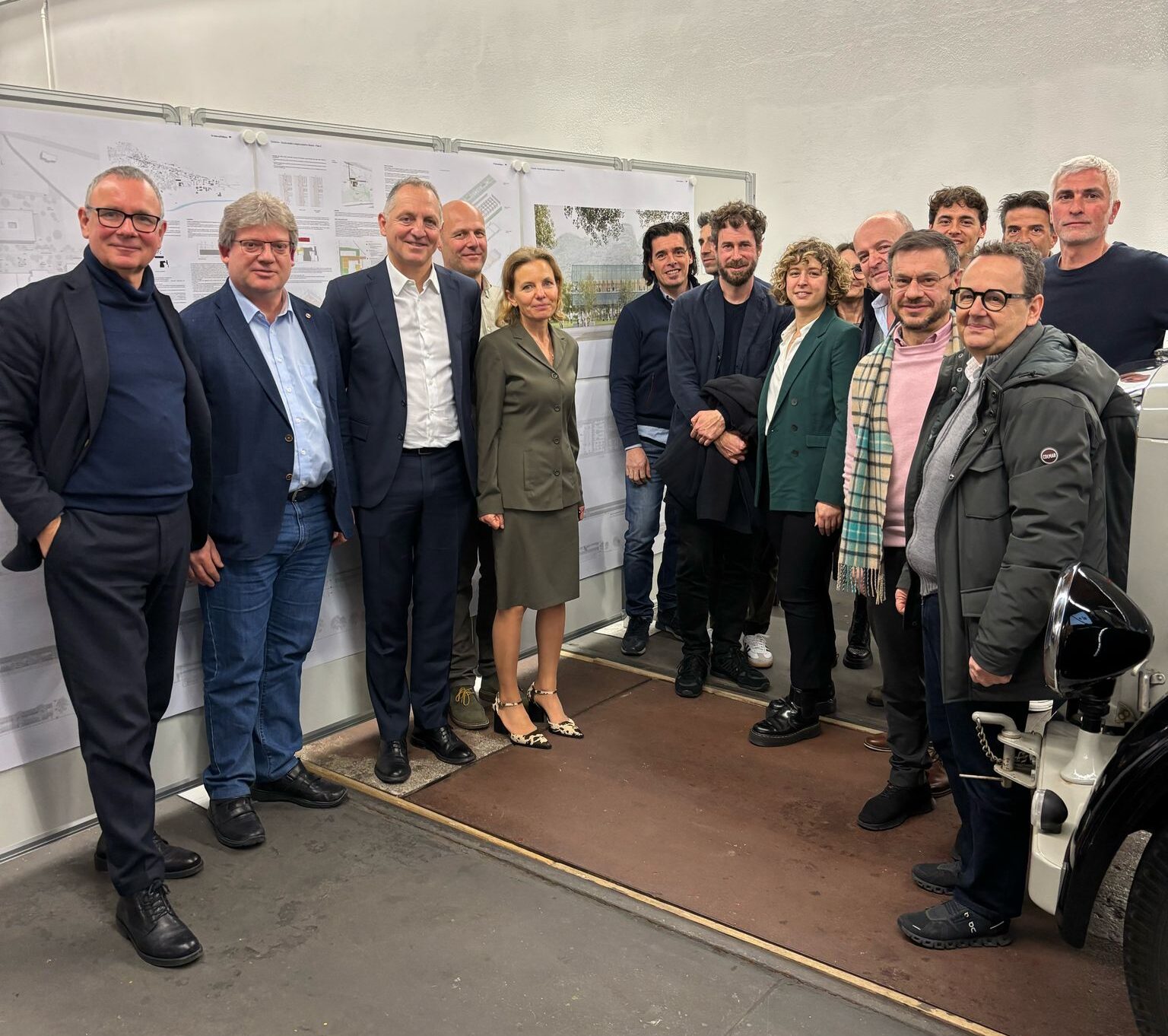
Group photo at the inauguration event of the project held in Biasca
Developing from the area of the middle school and its sports facilities, the intervention by LAND Suisse and Campana Herrmann Pisoni Architects will anticipate the future layout of the entire complex. The goal is to enhance its dual identity as a “Connected Campus”, linked to the nearby train station, and as a “Structured Campus”, organized along a north-south distribution axis. At the heart of this transformation lies this “Arboretum of Culture”, a green corridor that links the different areas of the site while serving as a multifunctional park. Designed for both pedestrians and cyclists, this axis activates the surrounding spaces and integrates rest areas with permeable paving, native vegetation, and clusters of treesthat reflect the region’s agricultural and productive landscape.
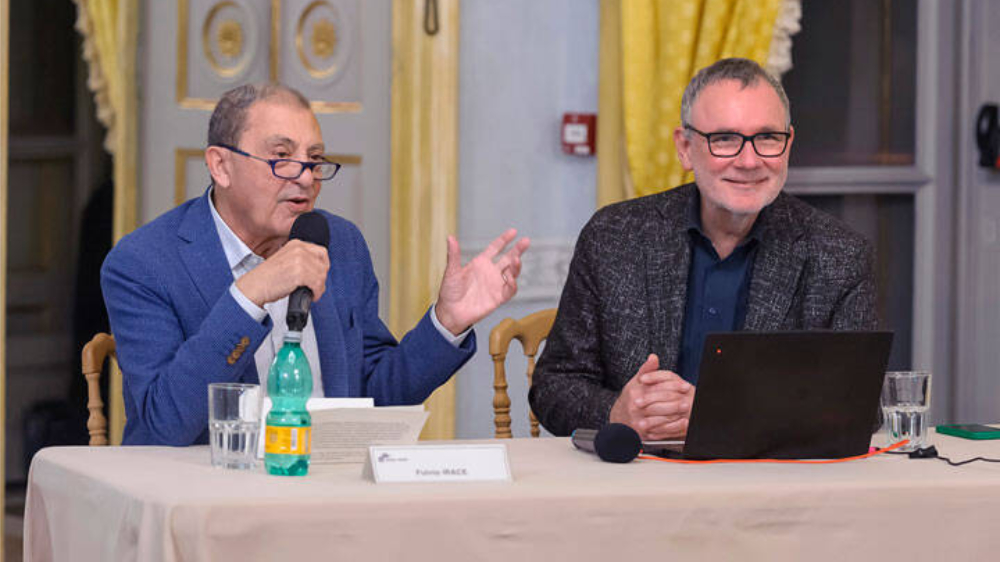
“This green infrastructure embodies the very concept of ‘in-between’ associated to landscape, weaving between built structures and engaging with them to enhance environmental resilience while addressing the social needs of students and citizens,” stated Andreas Kipar, CEO of LAND and head of the project. “By valuing the local agricultural identity and strengthening ecological connectivity, the Biasca Campus will become a reference point for the surrounding valleys. Redefining the role of Nature in education, it can spark new projects that explore the dialogue between open and built spaces through a Nature-Positive approach.”
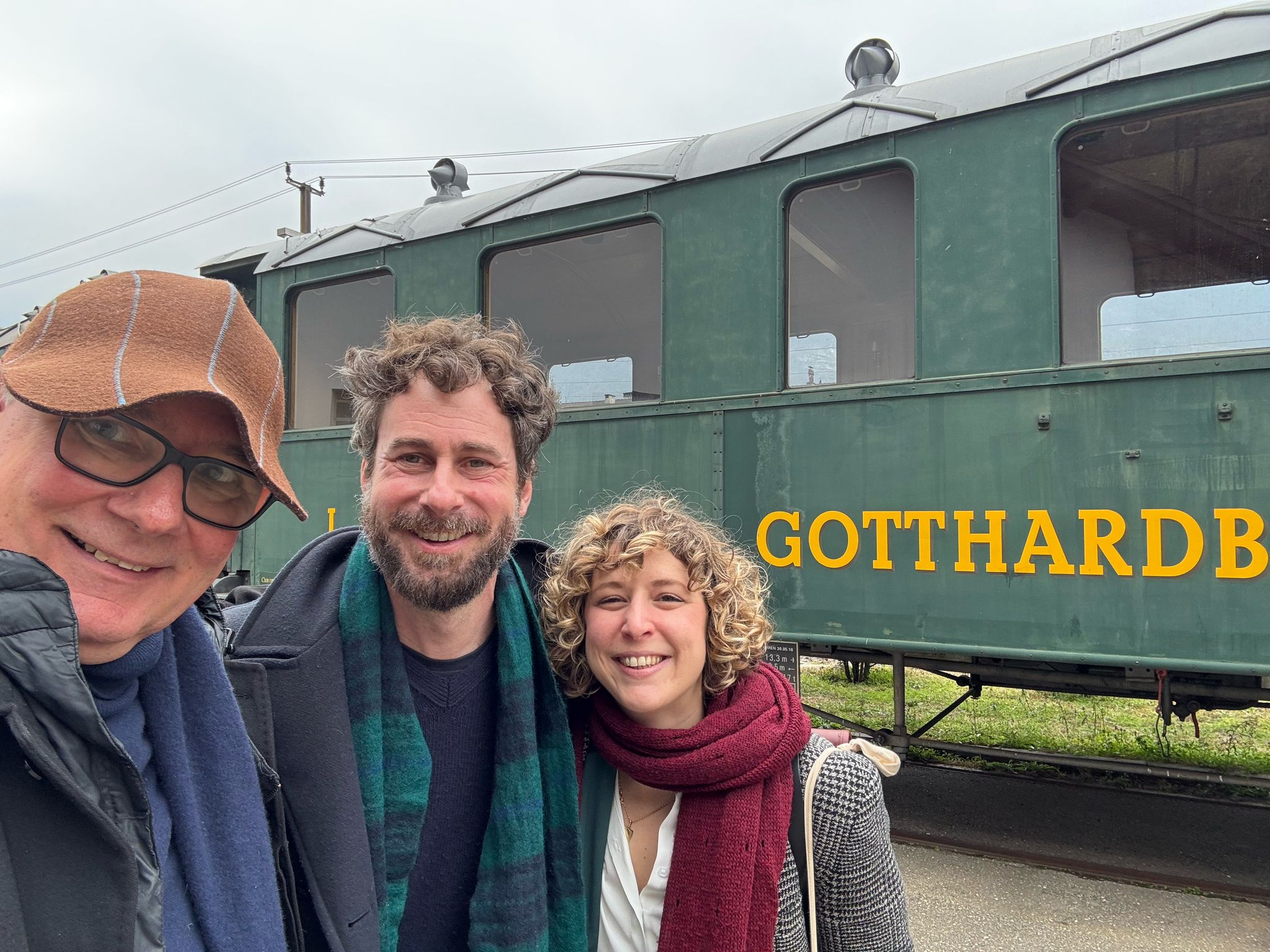
From the left Andreas Kipar (CEO & Co-Founder LAND), Federico Scopinich (General Manager LAND Suisse), Martina Conti (Director LAND Suisse)
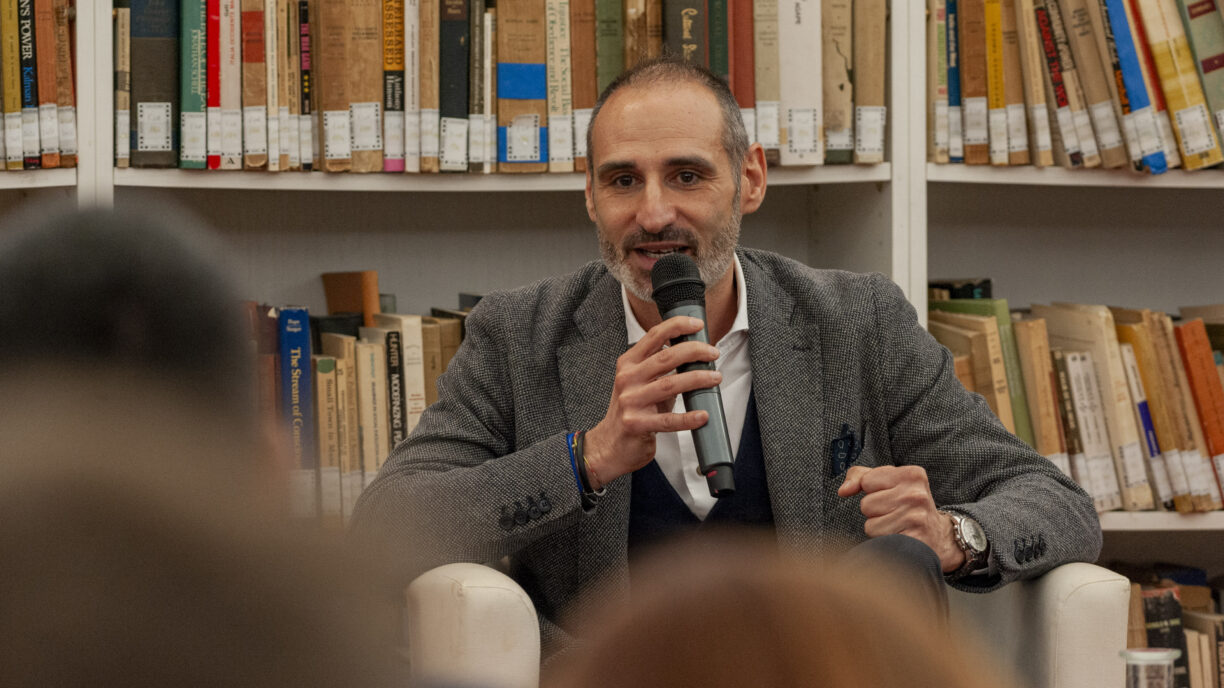
“In Biasca, we are cultivating the opportunity to reimagine public spaces with Nature, creating inspiring and functional areas for the community,”added landscape architect Martina Conti, one of the directors of LAND Suisse who oversaw the project. “The offering of open spaces responds to the needs of those who live, study, and work here daily, strengthening connections between people, places, and the territory. From the enrichment of urban and social biodiversity, a sustainable, iconic Campus will emerge, designed for future generations.”
The linear park, composed of biodiversity islands, recreational zones, and cultural event spaces, will structure the Campus extension, reinforcing its role as a community hub and positioning it as a new reference point for the whole region. The dynamic spatial rhythm of the site will be defined by paving materials alternating concrete slabs with natural stone details and a soft, permeable material like calcestre, which reduces the urban heat island effect and promotes rainwater infiltration.
Beyond the Arboretum, the project also includes a green perimeter designed in harmony with the surrounding neighborhoods, a gathering space for events and sports, botanical gardens with outdoor learning spaces to explore and interact with Nature and a park with sculpted terrains, designed for play and connections with nearby biotopes. By merging education and sustainability, the new Biasca Campus reinforces LAND Suisse’s expertise in nature-based solutions applied to educational infrastructure, highlighting the value of landscape-driven urban transformation.
The interdisciplinary team behind the winning proposal, led by Campana Herrmann Pisoni architects, also includes BONALUMI engineering SA, mawi energie SA, Ecocontrol SA, and studio Celio Brenno.
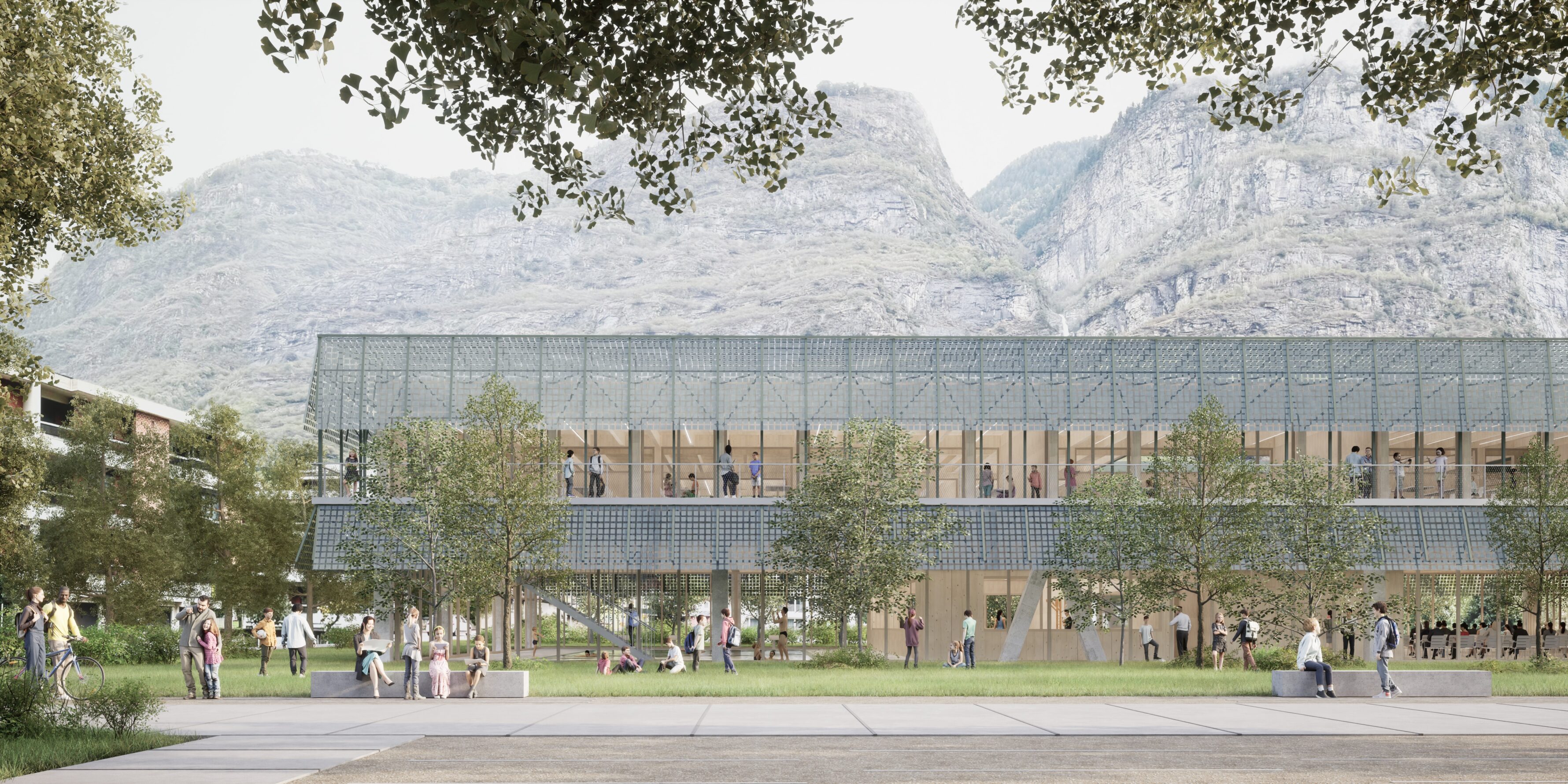
Rendering of Middle School Campus Biasca ©Campana Herrmann Pisoni Architetti