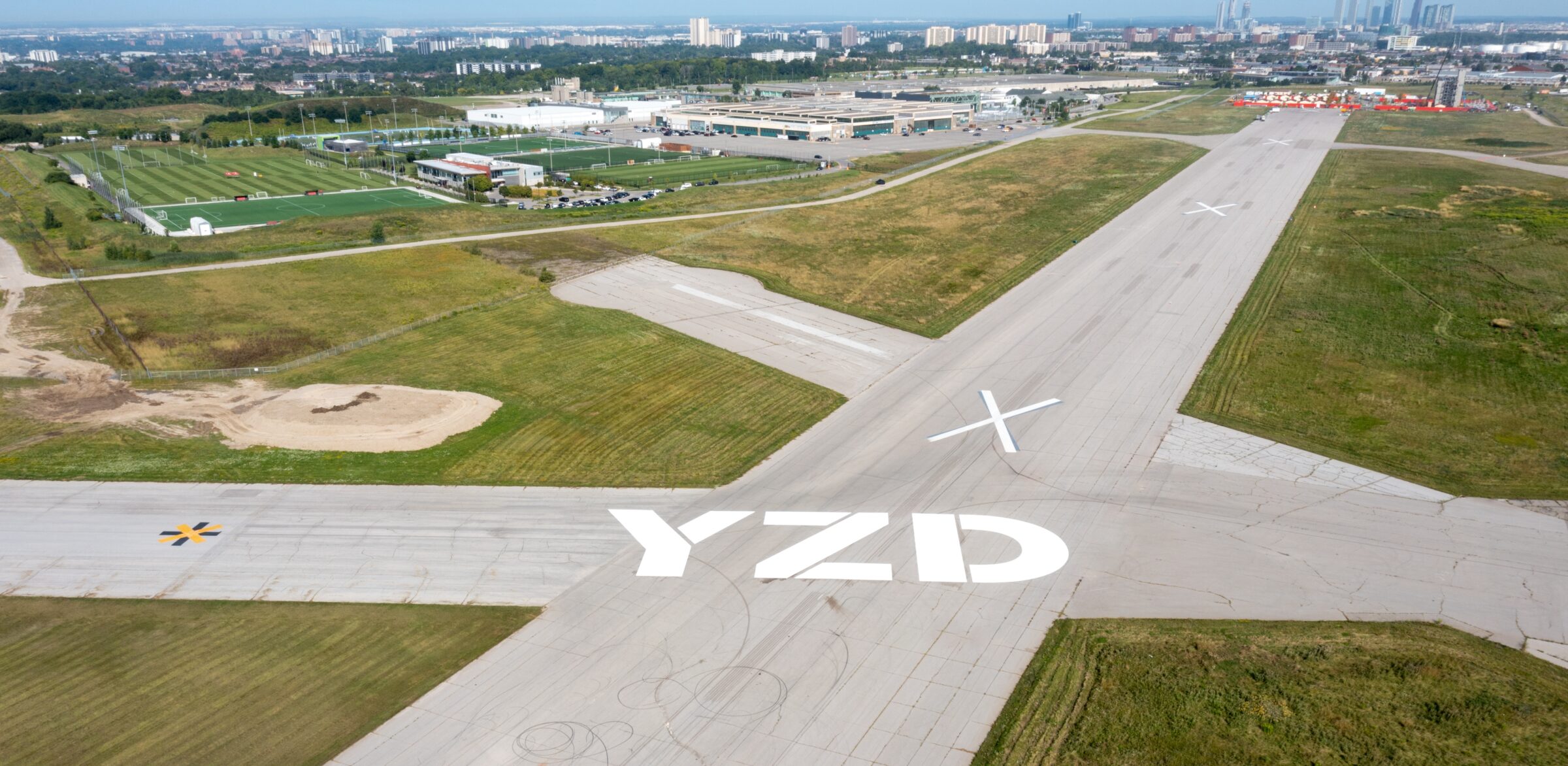
Rethinking cities: Sustainability, Innovation, and the role of Nature
As cities across the globe struggle with population growth, climate challenges, and changing lifestyles, the way we design and develop urban spaces is under intense scrutiny.
How do we balance sustainability with affordability? What role does innovation play in shaping urban living? And where does nature fit into the urban equation?
A discussion between Jeff Ranson, Director of Responsible Development at the Canadian Real Estate development company Northcrest Developments, currently leading the strategy for the sustainable transformation of YZD, the former Downsview Airport lands in Toronto, Valeria Pagliaro, General Manager at LAND Canada, and Nikolas Neubert, Chief Innovation Officer at LAND and Managing Director at LAND Research Lab, offers insights into these pressing questions.
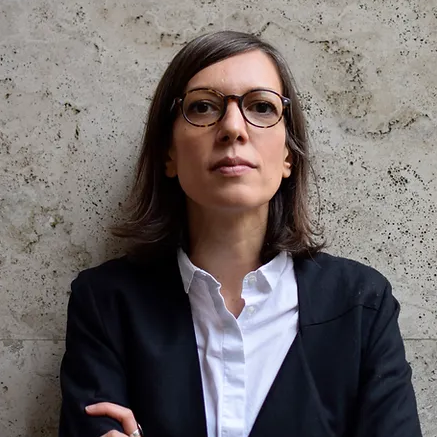
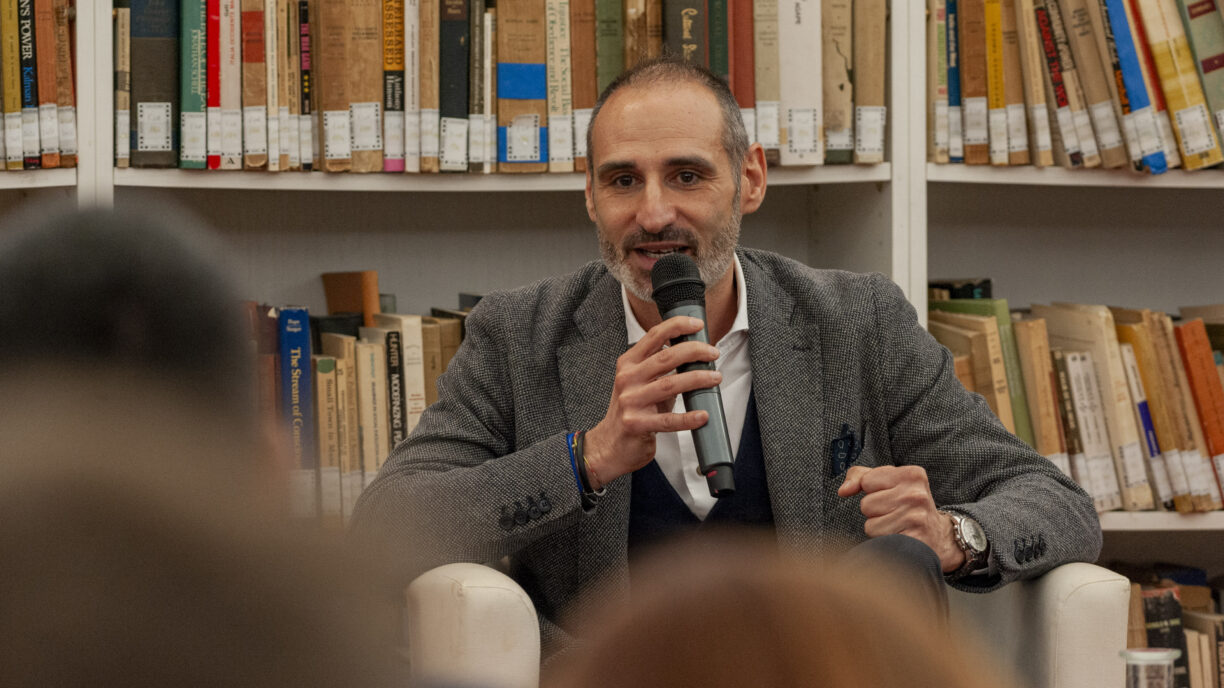
Valeria Pagliaro, General Manager at LAND Canada
Valeria Pagliaro: “It’s been almost ten years since the Paris Agreement, and back then, few anticipated how and to what extent it would impact real estate. Then the pandemic hit, accelerating frameworks for sustainable development in many countries. Canada, for example, introduced its ‘A Healthy Environment, a Healthy Economy’ plan in 2020.
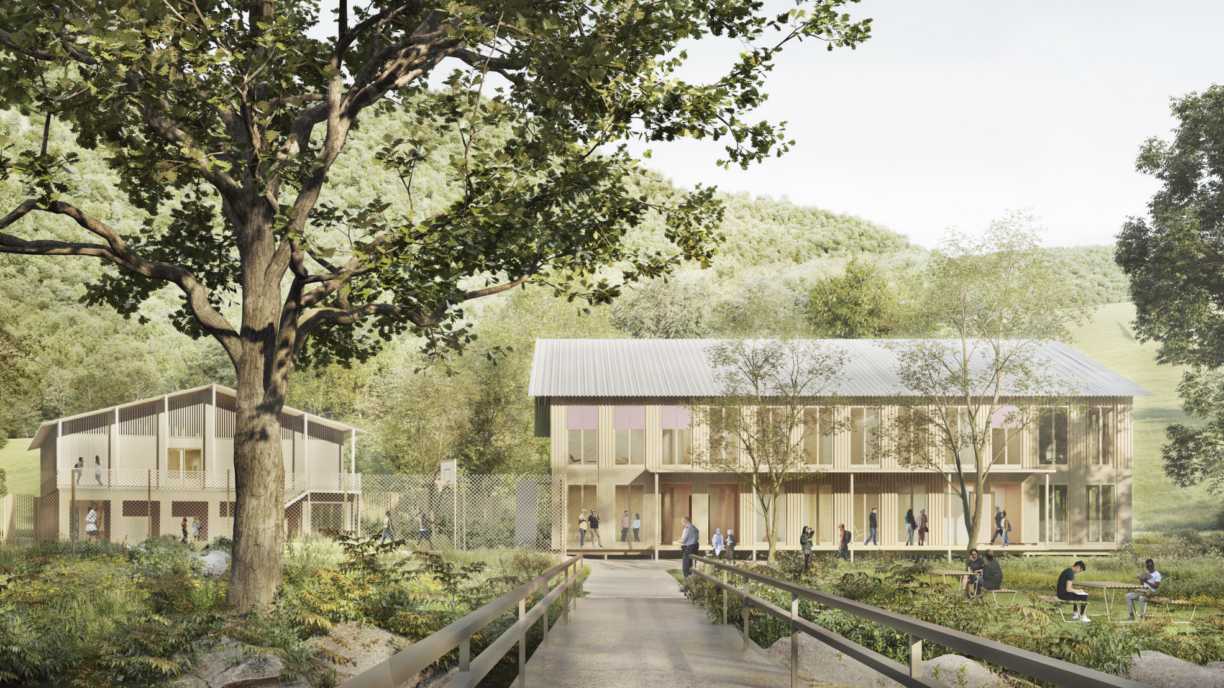
In our collaboration this year, LAND supported Northcrest in understanding Natural Capital measurement areas to advance the Responsible Development Framework of YZD on the former Downsview Airport lands in Toronto, Canada. The definition of a measurement framework aligned with local and international standards, and with the flexibly to implement and track sustainability performance at different points, was a foundational step in our roadmap for city-nature as a Pillar in the development of YZD.
Jeff, within this context of climate change and growing social pressures, how do you see Canada’s urban development challenges? In my view, the country’s situation is vastly different from Europe’s, particularly with rapid population growth. What are the key challenges you see?”
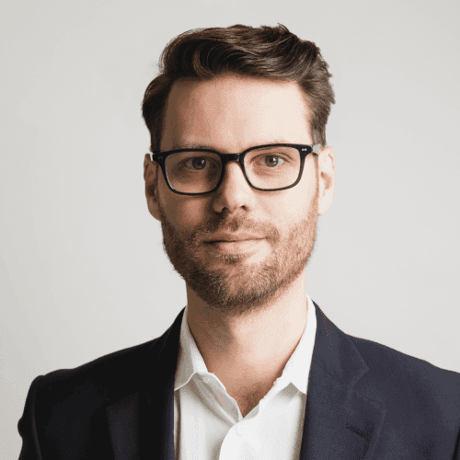
Jeff Ranson, Responsible Development Director at Northcrest
Jeff Ranson: “You’re right. Canada’s urban challenges are distinct, like most countries housing has become unaffordable, but population growth is impacting every part of the country from our major urban hubs like Toronto and Vancouver to rural areas, less dense regional cities and other provinces like New Brunswick and Alberta. Toronto adds hundreds of thousands of people every year, which is exceptional for a North American city. We are trying to figure out how to house them, reduce greenhouse gas emissions, and reduce construction costs.
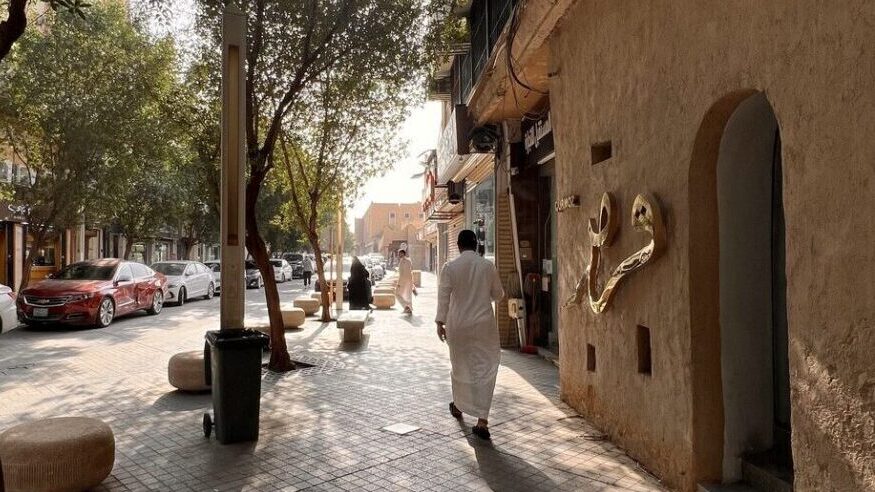
This creates an urgent question: where do we put all these people and what should it look like? Canada’s post-war, car-centric planning has left most cities sprawling. While Toronto has a historic urban core, the surrounding areas are shaped by decades of suburban development. On one hand, there is pressure and demand for density, mostly centred on where density has already taken hold. On the other hand, there is pressure to expand urban boundaries in order to preserve and provide more of the existing single family housing people have come to expect, even if comes at the expense of the “Greenbelt” meant to preserve critical farmland and green spaces.
While it may be familiar and desirable, the fiscal realities of car-oriented development are clear. The budgets of municipalities surrounding Toronto, shaped by decades of suburban development are stretched thin as they try to sustain high infrastructure and service burdens with a land-use pattern that doesn’t generate enough taxable property value to cover the public costs. Success means designing urban spaces that can meet these demands sustainably while maintaining a high quality of life. It’s not easy.”
V.P.: “Speaking of quality of life, Jeff, how does innovation shape the real estate sector? Is the dream of owning a car still alive, or are people ready for alternative lifestyles? Developers, after all, offer more than just buildings—they create ways of living. How do you incorporate innovation into this, particularly when addressing sustainability?”
J.R.: “That’s a great point, and I think the dream is changing for some, but it’s not yet the majority. Since the 1940s, in most of Urban Ontario (and Canada), life was centered around private homes and cars. You could own a home, drive anywhere in twenty minutes, and live comfortably. That is what feels most familiar to many Canadians and represents a lifestyle that many Canadians still want and expect even though it’s not a scalable solution. We also have to acknowledge that the type of density we’ve been delivering for the past 20-30 years, either in reality, or perception, doesn’t meet the needs or desires of a large percentage of the population.
We’ve missed a crucial middle ground—building neighbourhoods that are vibrant, walkable, and social, but also offer elements of what people seek in suburbia – privacy, security, and space, and that’s where innovation comes in.
I’ll give you two interrelated areas where innovation is needed. First, is space efficiency. In North America, we try to solve single urban problems by throwing more space at them overlooking cumulative costs and lost opportunities. Our roads have gotten wider, set-backs deeper, and loading areas bigger. The result is less walkable, human-scale environments, more material used, and less productive land-use.
The second is that when you have less private space, you really need exceptional public spaces. That includes parks, but also streets and sidewalks that are pleasurable, great retail and cultural attractions, beautiful architecture and landscapes. Often, however, developers compromise the public realm to accommodate functional requirements – a parking garage entrance breaking up the street wall of a high street, utility locations compromising street trees, garbage truck access routed through internal “courtyards’ amenity areas…
The key is designing spaces with intent, editing out the things that to don’t make it better, and wherever possible getting utility from things that also enhance the quality of place. This can be done by thoughtful integration of building design and programming, public spaces, utilities, and natural elements.
A specific example from YZD is how our stormwater management strategy is based on the use of functional landscapes in our buildings, streets and parks, adding beauty, biodiversity impacts, and resilience into the community. Parks that double as recreational spaces and flood buffers during extreme weather save land and money, while supporting fun and wellbeing. It’s a concept common in Europe but relatively new here, partly because I think Europe values space utilization and the experience of the public realm to a greater degree. Through extensive consultation, we’ve been able to push these ideas forward.”
V.P.: “That reminds me of me of our work on Milan’s Green Rays. It was a bottom-up initiative, promoted by LAND and AIM Association for Metropolitan Interests, a not-for-profit organization, that we then brought to the municipality. Rather than simply designing a green plan for the city, we focused on creating a framework for developing green infrastructure throughout Milan, by establishing the principles and “rules” while leaving extensive flexibility on future design and implementation. Nikolas, from your perspective, how can urban planning balance innovation with nature?”
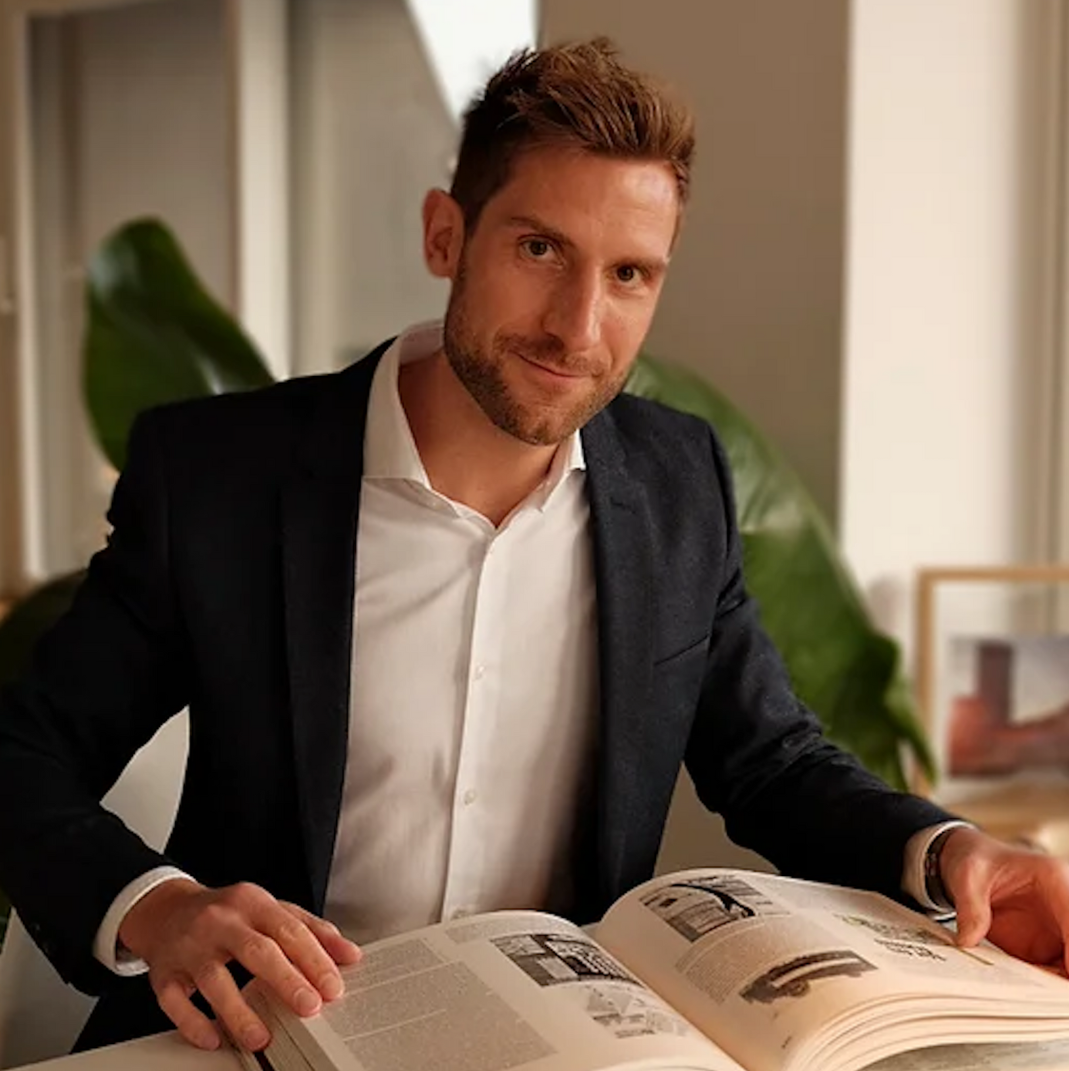
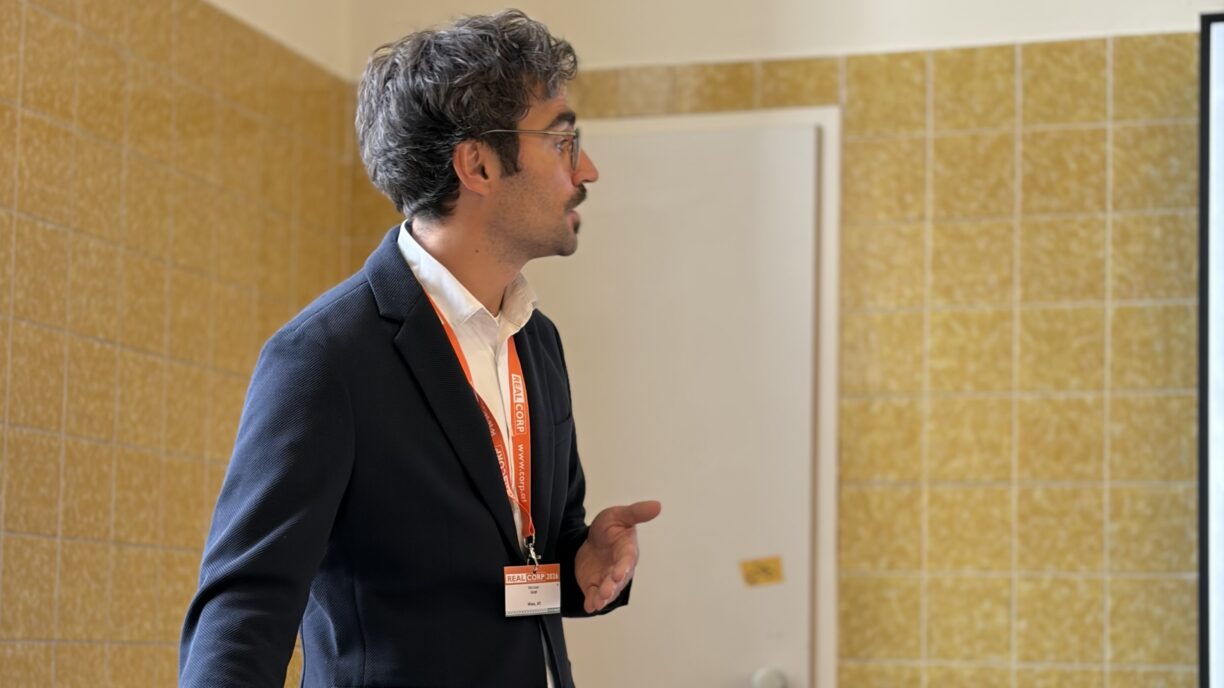
Nikolas Neubert, CIO LAND and Managing Director at LAND Research Lab
Nikolas Neubert: “Cities often forget that their primary purpose is to be places for living. Over time, they’ve been commodified—designed to maximize consumption rather than enhance quality of life.
Nature, in this context, is critical. It serves two roles. First, it enhances well-being. Green spaces improve mental health, create social cohesion, and soften the urban landscape. Second, nature provides functional benefits. Parks and tree canopies regulate air quality, manage stormwater, and mitigate heat islands. Yet, urban planning often overlooks these benefits, treating nature as a luxury rather than an essential component.”
J.R.: “That’s why biophilic design is so important—it uses nature or mimics nature’s patterns to create spaces that are psychologically comforting and measurably better for people. At YZD, we’re also exploring the possible range and diversity of biophilic experiences you can have access to within a community, and how aligns with our goals for improving urban biodiversity. We’re designing biodiversity corridors, re-introducing historical habitats in parks, supporting pollinators, and studying the nesting preferences for birds in tall and low buildings to integrate these considerations into the structures themselves.”
V.P.: “Exactly. It’s about creating shared spaces that accommodate both humans and wildlife. In Europe, park systems more often blur the line between urban and natural. In Canada, though, the division is more distinct—urban parks often lack biodiversity. With YZD, Jeff, you have a chance to build a model for integrating nature into urban spaces by adding value to the existing land.”
J.R.: “Yes. The goal isn’t to replicate wild environments in cities but to reintroduce elements that enhance urban life. Nothing we do to benefit nature within YZD will have as much impact as taking some pressure off urban expansion so wild areas can stay wild. But we’ve really pushed nature out of cities and need to bring it back. Big trees, for instance, used to be landmarks, and gathering points in neighborhoods, offering shade and a sense of place, but were replaced with constructed landmarks. Now, we’re trying to reverse that trend.”
N.N.: “And that’s not just about aesthetics—it’s about sustainability. Projects like YZD can demonstrate how integrating nature, innovation, and urban development can create spaces that people love to live in.”
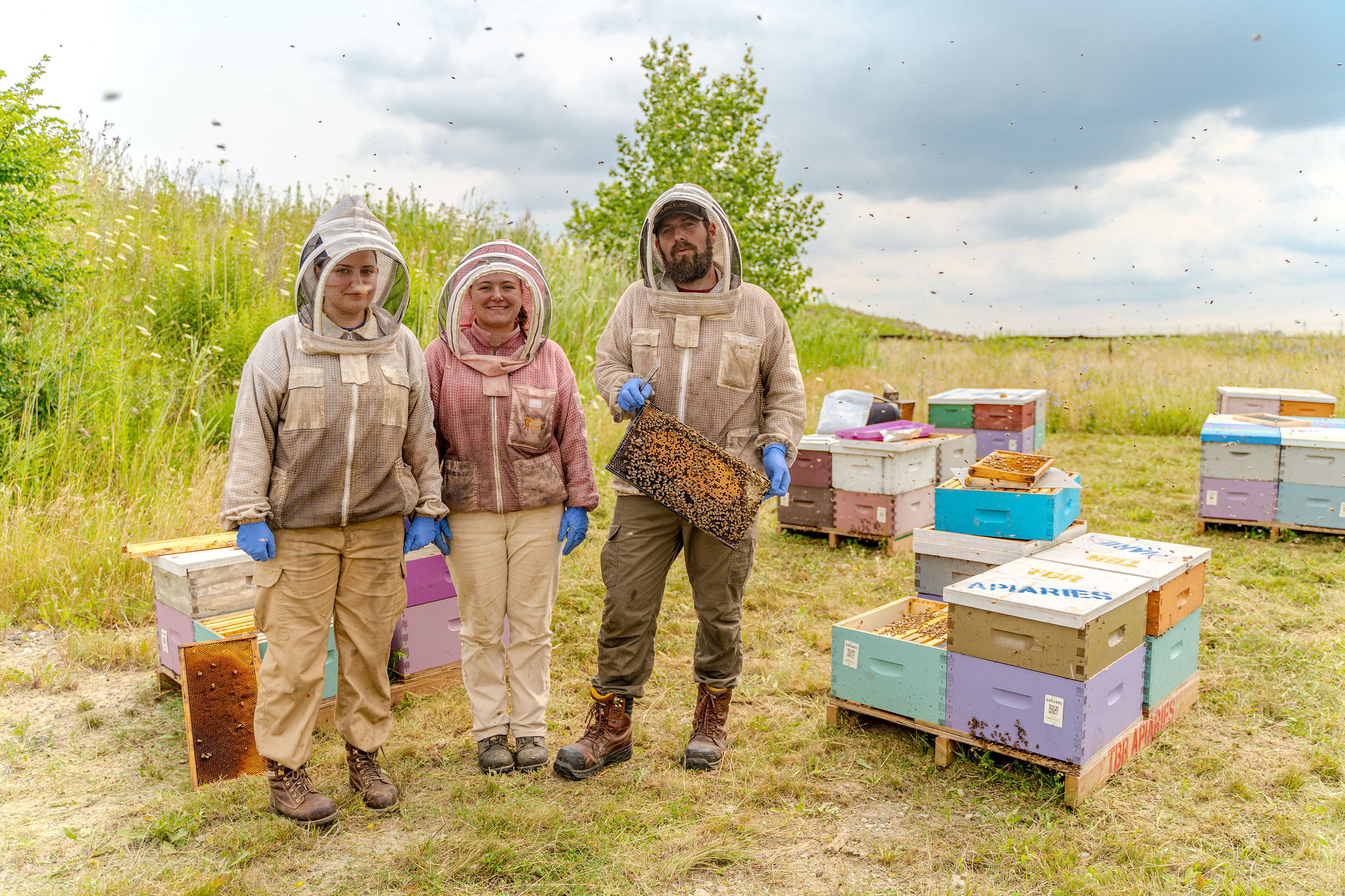
Toronto Bee Rescue is one of the first tenants at YZD. 40 bee hives were located on site having returned from pollinating blueberries on the east coast in spring. Image by Northcrest
Building a collaborative future
V.P.: “Urban transformation isn’t just about design—it requires collaboration. Jeff, how do you navigate working with local administrations, especially when policies can be rigid or slow to adapt?”
J.R.: “It’s definitely a challenge. Policies are often about risk mitigation and safety, which can limit innovation. But collaboration is key. At YZD, we’ve been working closely with the city from the start, creating a project charter that defined shared goals, roles, and timelines. It’s not always smooth sailing, but having that foundation helps resolve conflicts and keeps everyone aligned. Ultimately, it’s about relationships. Projects of this scale require trust and transparency between developers, communities, and governments.”
N.N.: “That’s where the concept of regulatory sandboxes can help. They allow for experimentation within existing frameworks, giving projects like YZD room to innovate.”
J.R.: “That’s an innovative approach, but not something we’ve seen locally, but would be very interesting. We’ve had to work hard whenever we’ve diverged from standard practices to identify the local policy objectives and show how we’re fulfilling them. But hopefully by getting a few big innovation wins and demonstrating the benefits, we’re setting a precedent for future projects.”
The vision for Tomorrow
V.P.: “In the end, how do you measure success in a development like YZD?”
J.R.: “For us, above all else, it’s about creating places people love. Our Responsible Development Framework emphasizes the ‘quality of place’—something often overlooked in ESG metrics. If YZD becomes a neighborhood people want to live in, work in, and visit, we’ve succeeded.
Of course, we aim to lead in sustainability and urban biodiversity, but none of that matters if the space itself isn’t compelling. Ultimately, success is when YZD is recognized both locally and globally as a vibrant, livable community.”
V.P: “And that’s the future of cities—balancing sustainability, innovation, and nature. It’s a bold vision, but one worth striving for.”