Milan’s Green Rays stategy lands in Turkey
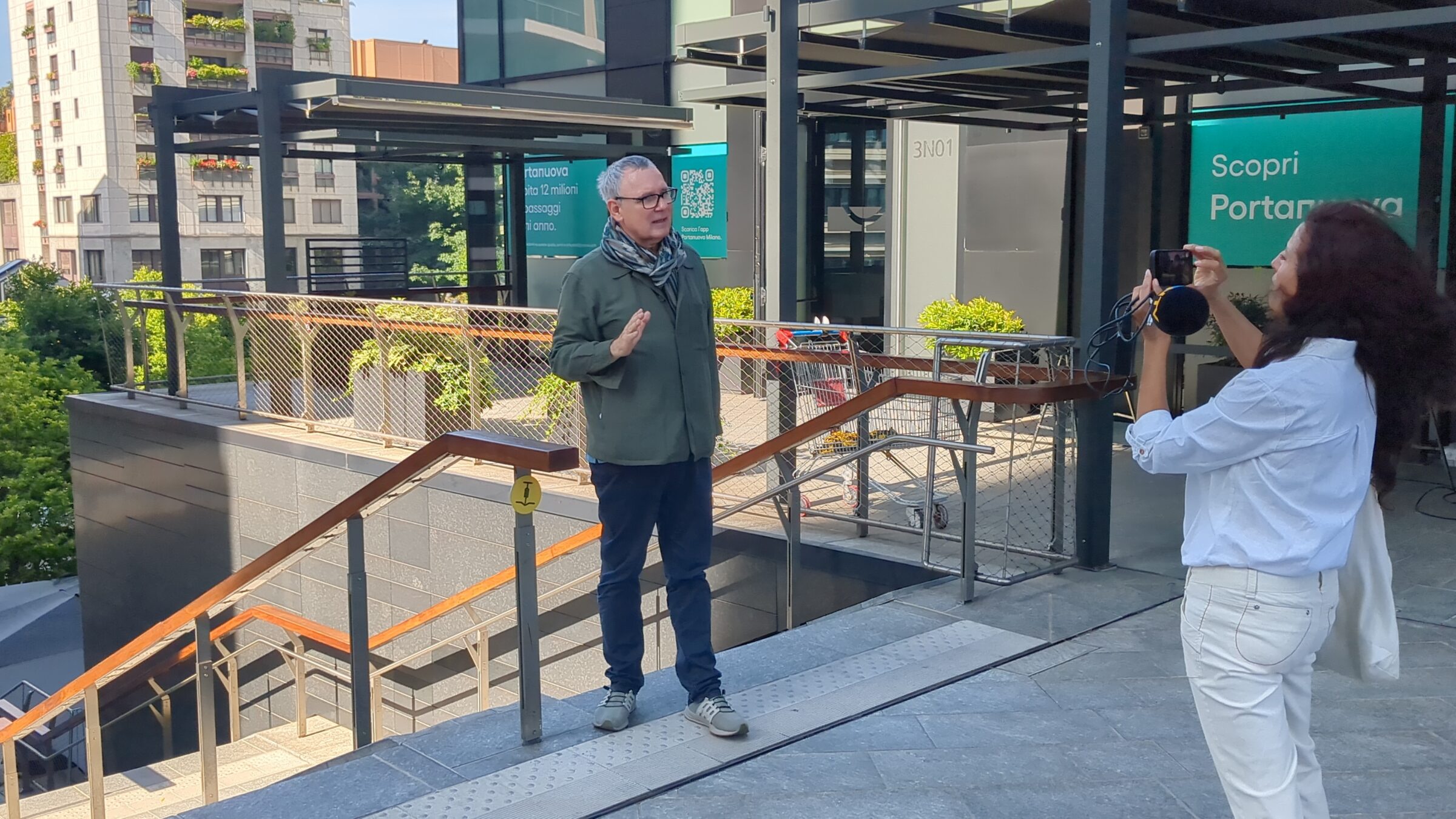
Andreas Kipar tells Turkish all-news channel NTV about Milan’s green transformation, which began in the 1980s with the decommissioning of industrial sites and culminated in the urban strategy of the Green Rays, connecting key districts such as Porta Nuova. A crucial hub for the city, designed according to principles that still inspire current projects.
Milan’s transformation began in the 1980s with the closure of automotive factories — Pirelli, Alfa Romeo, Maserati, and FIAT. These historic industrial sites have now been turned into urban parks that form part of the Green Rays, conceived by Andreas Kipar over 20 years ago: a slow-mobility system linking the city center to its outskirts through eight green corridors. It’s an osmotic ecosystem that is constantly nourished by blue-green infrastructure and the City of Milan’s strategy of depaving, which connects existing green areas and creates new usable spaces within each neighborhood.
But it is from Porta Nuova — once a barren land left “waiting” until the 1990s — that the intention to develop a new urbanity was born. In a special guided tour between Piazza Gae Aulenti and the Varesine district, Andreas Kipar explains to Turkish TV channel NTV how the old rail yards here gave way to the three elements of the Porta Nuova masterplan: a central park, a central axis over 1 km long, and pedestrian connections that create shared spaces available to the community.
Three principles guided this process: the central role of greenery, pedestrianization, and new connections weaving through the built environment. The layering of Porta Nuova — made up of functional and perceptual levels (up to 9 meters below ground) — thus becomes the model for Milan’s future projects, starting with Piazzale Loreto, where Nature takes center stage again, “opening the way” for the wind descending from the Prealps. A form of Nature that cuts through buildings, roads, and infrastructure, creating new perspectives and above all, walkable paths designed for the well-being of citizens.
Interview by Seyda Canepa
View other publications
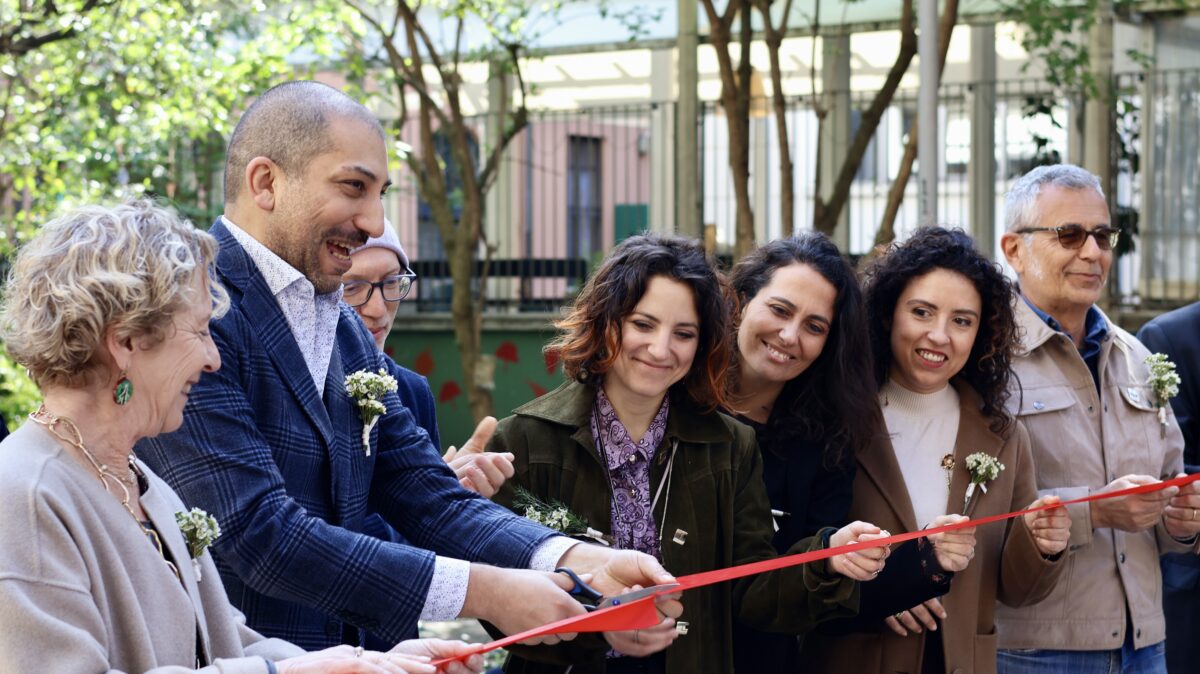
spazioBACCA: a bucolic corner in the heart of Brera
Andreas Kipar tells Turkish all-news channel NTV about Milan’s green transformation, which began in the 1980s with the decommissioning of industrial sites and culminated in the urban strategy of the Green Rays, connecting key districts such as Porta Nuova. A crucial hub for the city, designed according to principles that still inspire current projects.
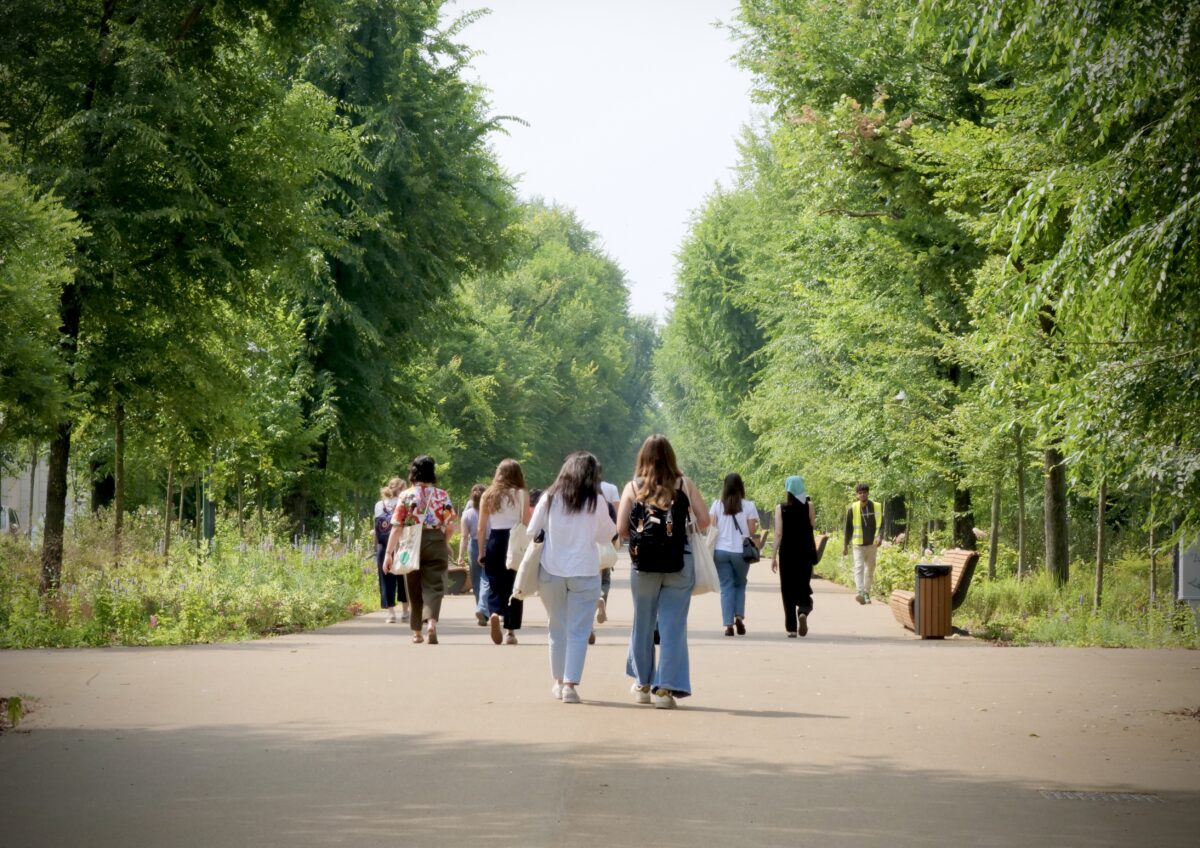
The Garden Boulevard in Vercelli awarded for “Resilient City”
Andreas Kipar tells Turkish all-news channel NTV about Milan’s green transformation, which began in the 1980s with the decommissioning of industrial sites and culminated in the urban strategy of the Green Rays, connecting key districts such as Porta Nuova. A crucial hub for the city, designed according to principles that still inspire current projects.
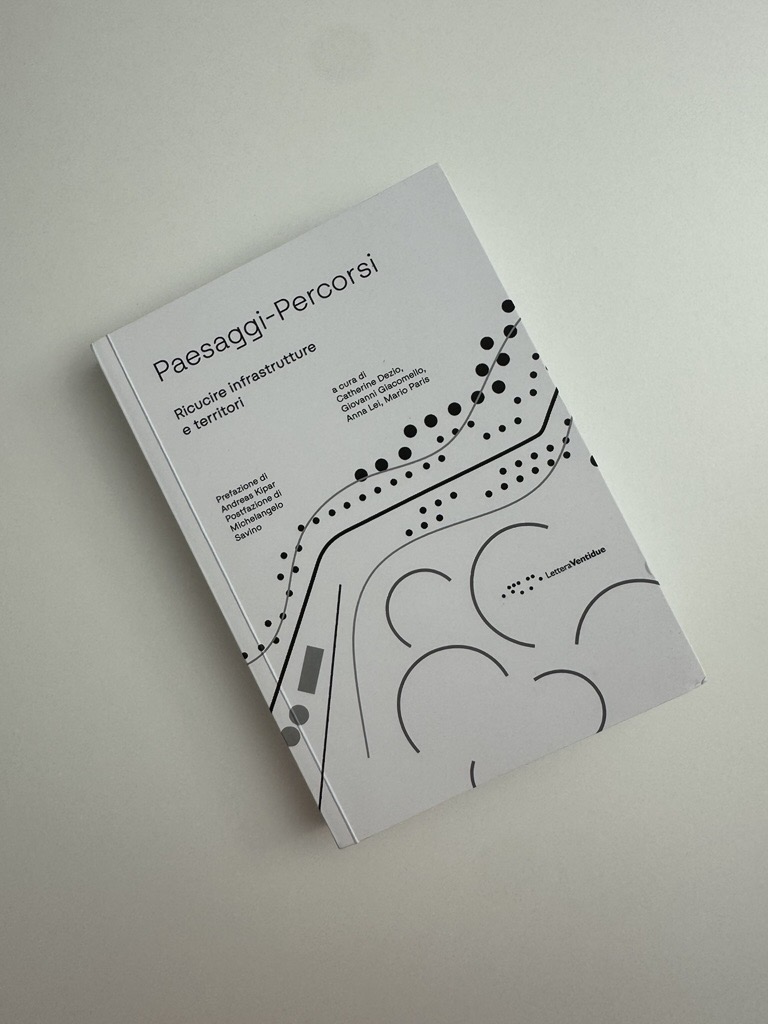
Paesaggi-Percorsi, preface by Andreas Kipar
Andreas Kipar tells Turkish all-news channel NTV about Milan’s green transformation, which began in the 1980s with the decommissioning of industrial sites and culminated in the urban strategy of the Green Rays, connecting key districts such as Porta Nuova. A crucial hub for the city, designed according to principles that still inspire current projects.