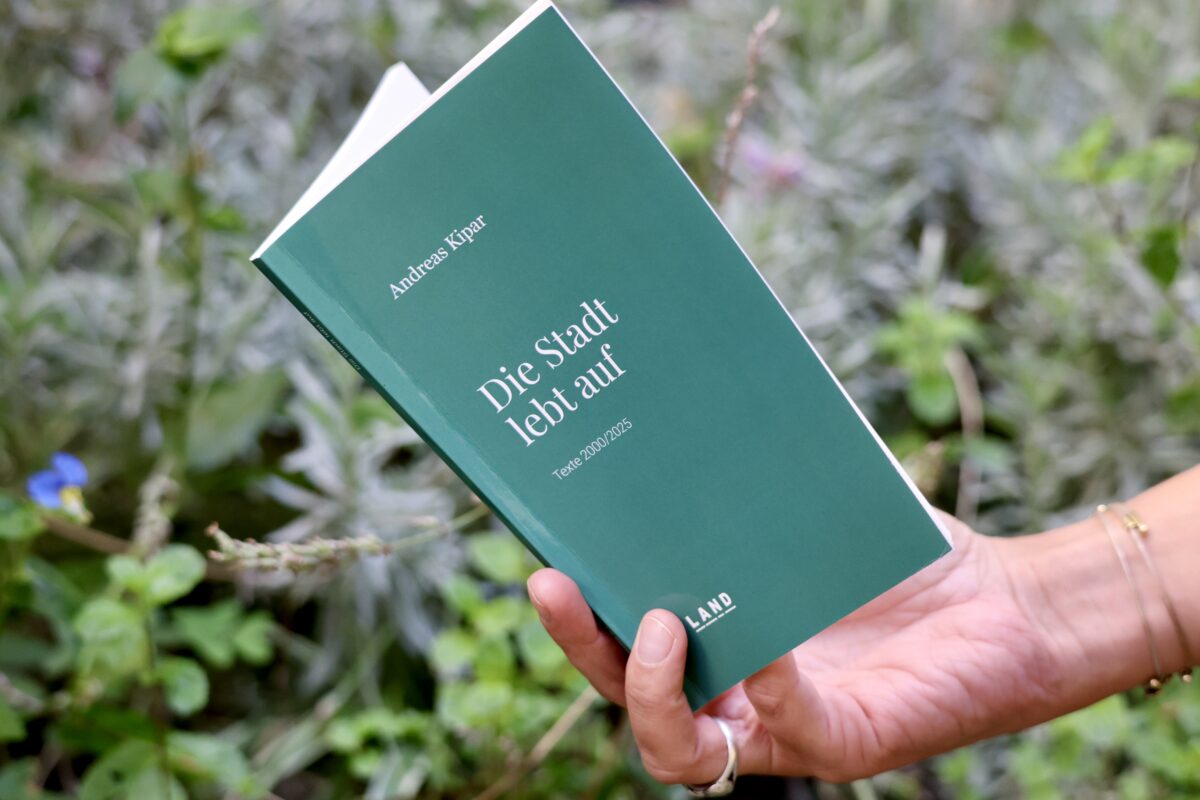
LANDscape Is Transformation, an interview with Andreas Kipar
In an interview by Jana Revedin, Andreas Kipar reflects on landscape as a driving force for regenerative urban futures.
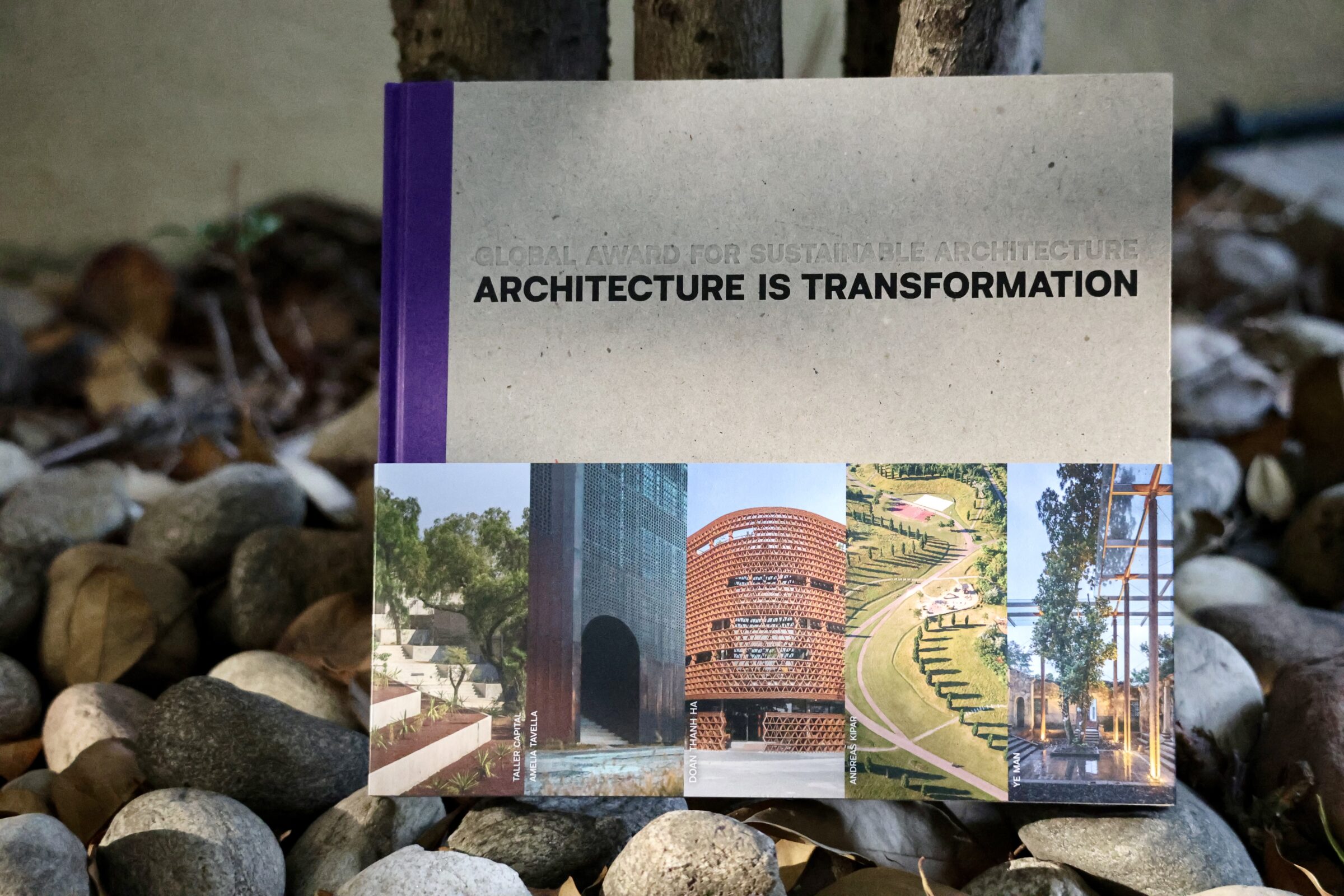
In Architecture Is Transformation, the volume presenting the winners of the 2026 Global Award for Sustainable Architecture, the interview “The integration of environmental sustainability and cultural heritage protection becomes the driving force for a harmonious balance between humans and nature” offers an in-depth conversation with Andreas Kipar.
Through the lens of architect and writer Jana Revedin, the interview traces Kipar’s journey, from his early formation as a gardener to his academic path in landscape architecture at the University of Essen and later in architecture and urban planning at the Politecnico di Milano, leading to the co-founding of LAND in Milan. This dual background, rooted in both technical knowledge and cultural sensibility, shapes a practice that sees landscape not as decoration, but as a structuring force for the city.
At the core of Kipar’s vision lies a radical shift: the “renaturing” of cities is not a superficial intervention, but a long-term, structural transformation. Nature is no longer external to urban systems, it becomes their operating system, capable of organizing space, guiding development, and redefining relationships between people and place.
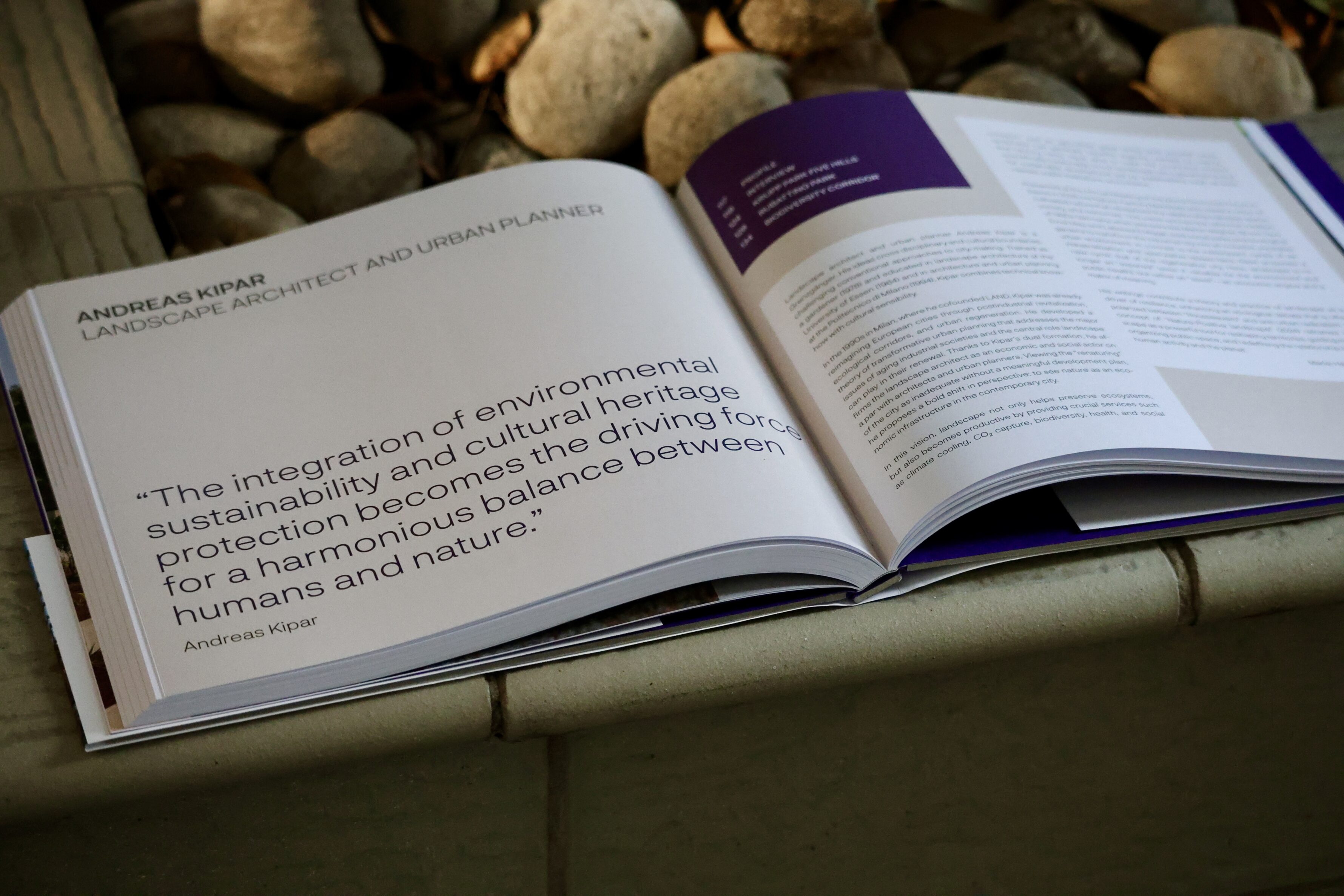
In this perspective, landscape evolves into a productive infrastructure. Beyond its ecological role, it generates measurable value for contemporary urban life: climate regulation, CO₂ absorption, biodiversity, public health, and social cohesion. Much like agriculture, it transforms land into a resource that actively produces benefits for society, positioning landscape as a strategic tool for governance and decision-making.
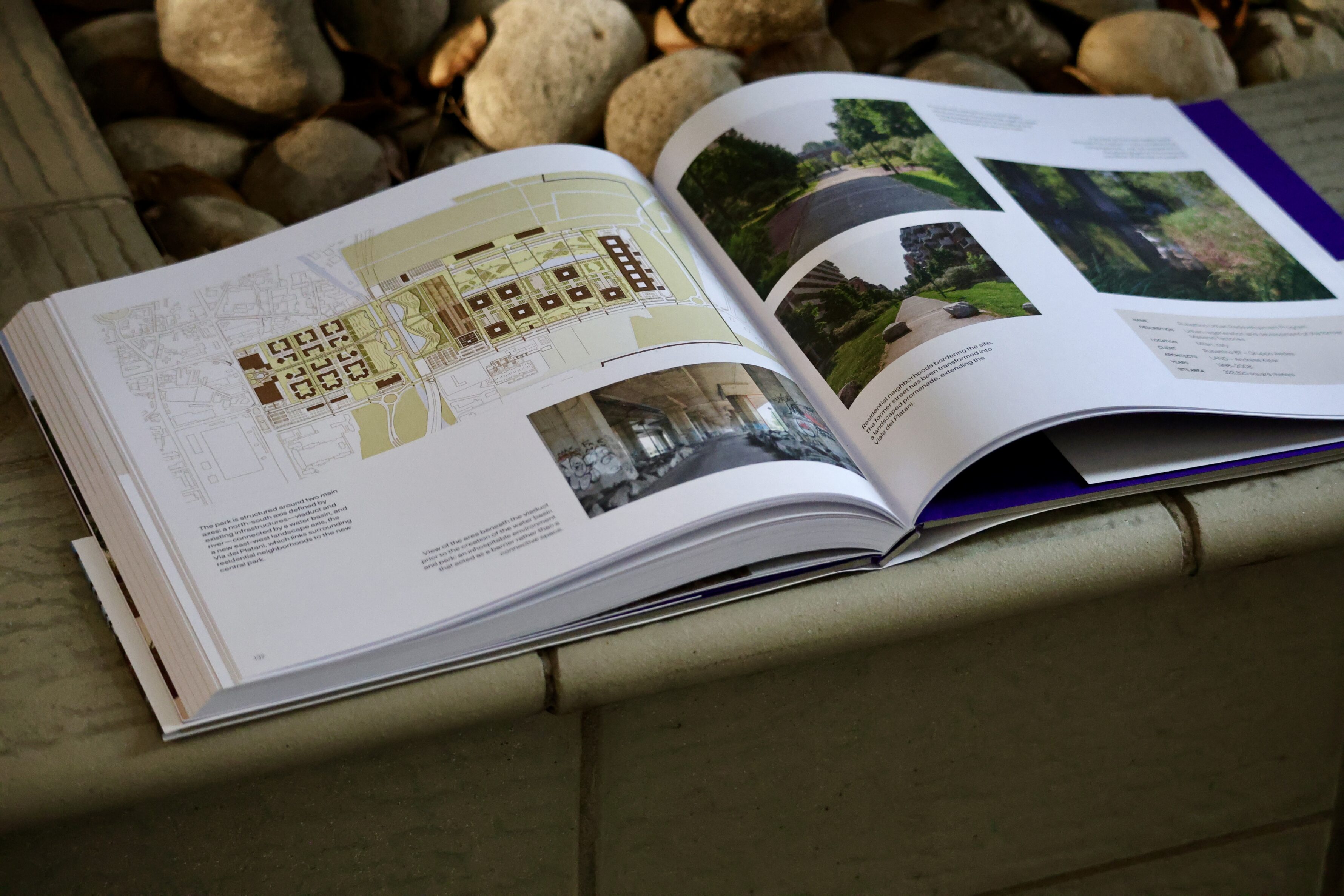
This approach is further articulated in the Nature-Factory Manifesto, presented at the World Economic Forum Annual Meeting in Davos in 2025 together with Porsche Consulting. Here, cultivated nature is framed as an active agent capable of balancing space, resources, and society, an idea that echoes the reformist experiments of 1920s Germany, where figures such as Martin Wagner, Bruno Taut, Ernst May, and Leberecht Migge reimagined the industrial city through integrated social and ecological systems.
Ultimately, the interview positions landscape and architecture as converging disciplines, tools of transformation that not only reshape urban environments, but redefine the relationship between human activity and planetary systems.
To explore the full interview and the volume celebrating the 2026 Global Award for Sustainable Architecture winners, access the publication here: Books – Global Award for Sustainable Architecture
View other publications
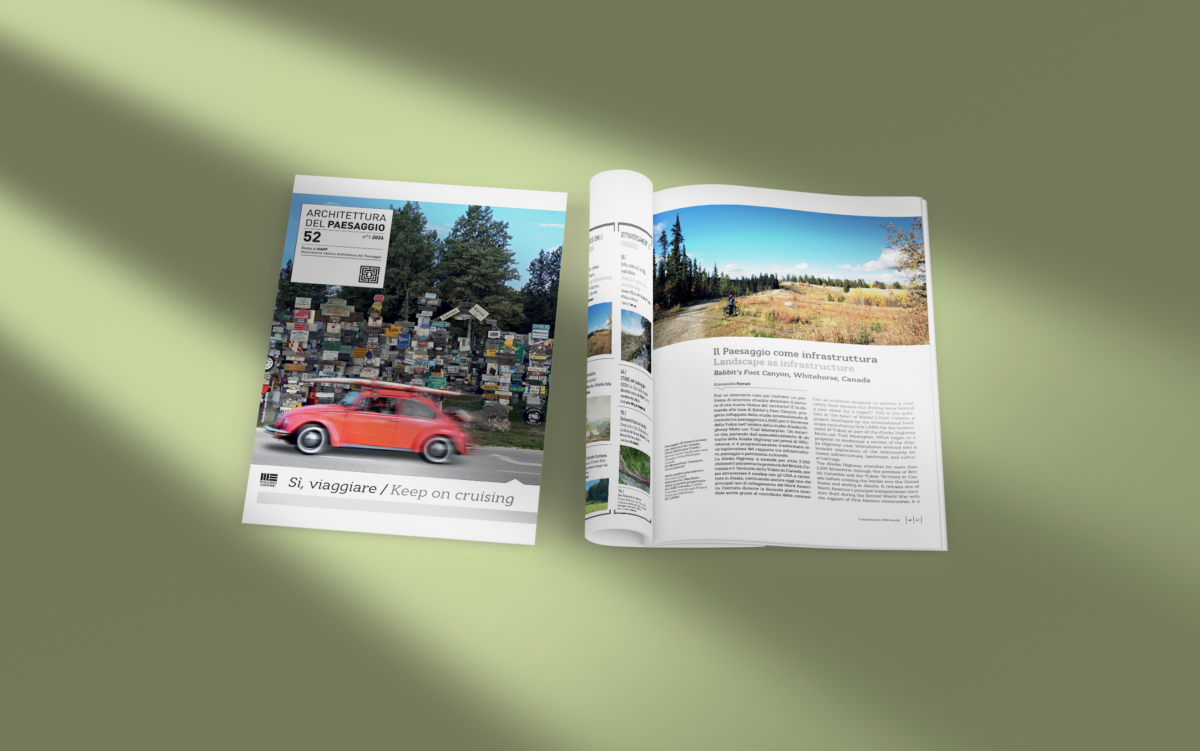
Lanscape as Infrastructure: Rabbit’s Foot Canyon, Whitehorse (CA) on AIAPP
In an interview by Jana Revedin, Andreas Kipar reflects on landscape as a driving force for regenerative urban futures.