Newsletter #5: What matters about landscape
As we are approaching the quarter of the century, it seems apt to reflect on the ways in which landscape has changed over the decades of my professional experience. How has our experience of everyday landscape transformed? Where is this transformation leading us? And why does landscape still matter?
Shifting away from formalistic Landscape
For a long time, landscape has remained a passive object of social action, understood in merely formalistic terms. As a result, reconnecting with nature in today’s world presents a formidable challenge, particularly in light of our historical detachment and mistreatment resulting from industrialisation. However, the challenges posed by the climate crisis serve as a stark reminder that past behaviours cannot be easily rectified. Moreover, the COVID-19 pandemic has underscored our vulnerability and the urgency of embracing forward-thinking solutions.
Since I first stepped into the field of urban forestry, landscape has abandoned its formalistic, passive, and contemplative role to assume the current contours of #functionality and #inclusion. These are elements that materialise in productive and interactive landscapes, capable of guiding us towards the economic and social transformations of our time.
Already over two decades ago, Karl Ganser was infusing landscape with new meaning, acknowledging the connectivity and infrastructural value of open space. Around the same time, the European Landscape Convention was emphasising the significant role of landscapes in contributing to the formation of local cultures, and thus overcoming the seemingly irreconcilable opposition between nature and culture.
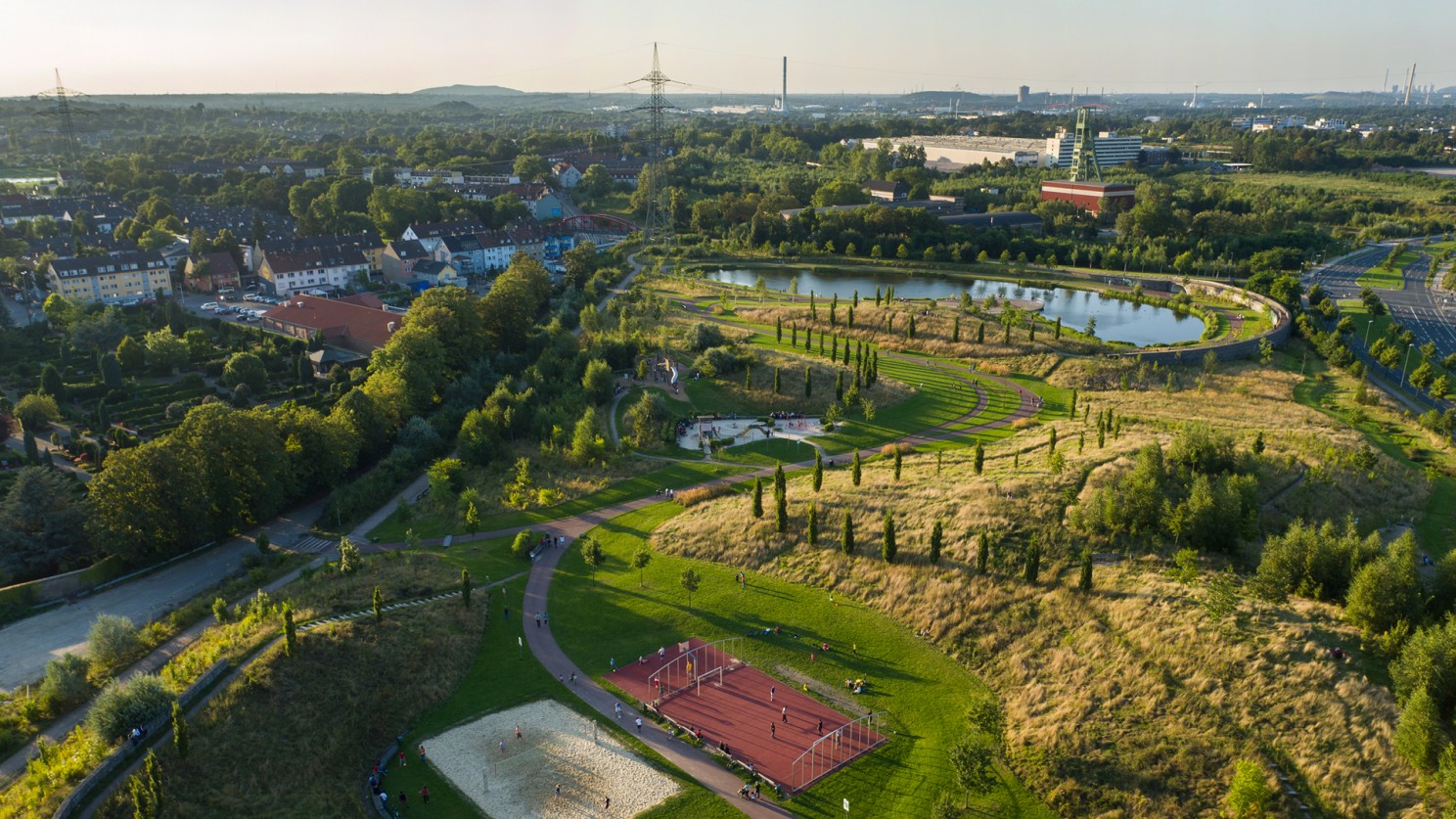
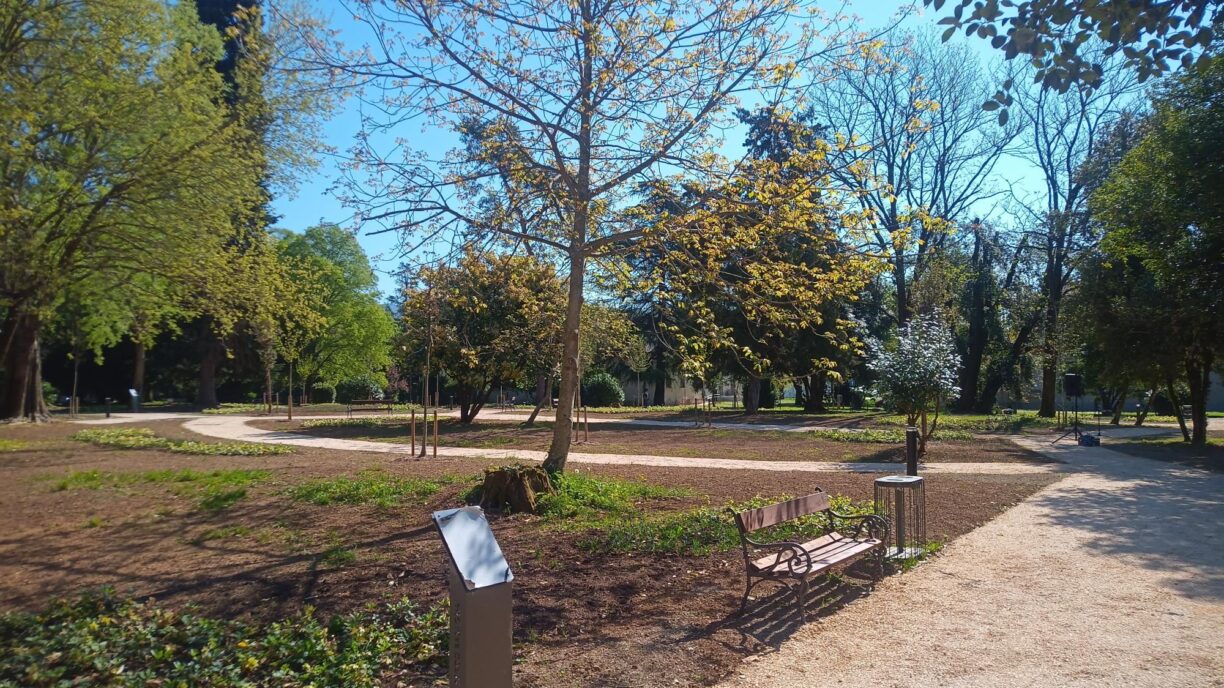
Park Five Hills, Essen in a photo by J. Kassenberg
New productive Landscapes
In the present context, it’s imperative that we adopt a fresh perspective on landscapes, viewing them not merely as passive entities but as dynamic and integral components of our existence. This paradigm shift compels us to move beyond the traditional notion of landscape preservation and embrace a more proactive approach focused on #cultivation, #renewal, and #productivity.
Central to this shift is the recognition that landscapes gain a new productive dimension, serving as multifunctional ecosystems, capable of generating ecological, social, and economic benefits. Everything is landscape. This holistic understanding necessitates a fundamental reorientation of societal values and priorities. Today, clean air, water, healthy soil, and biodiversity are not just environmental luxuries; they are essential foundations for sustainable development and human flourishing. Equally, the pleasure of wandering through landscape and reconnecting with these natural elements can awaken long neglected connections between nature and culture, infusing our daily life with new joy.
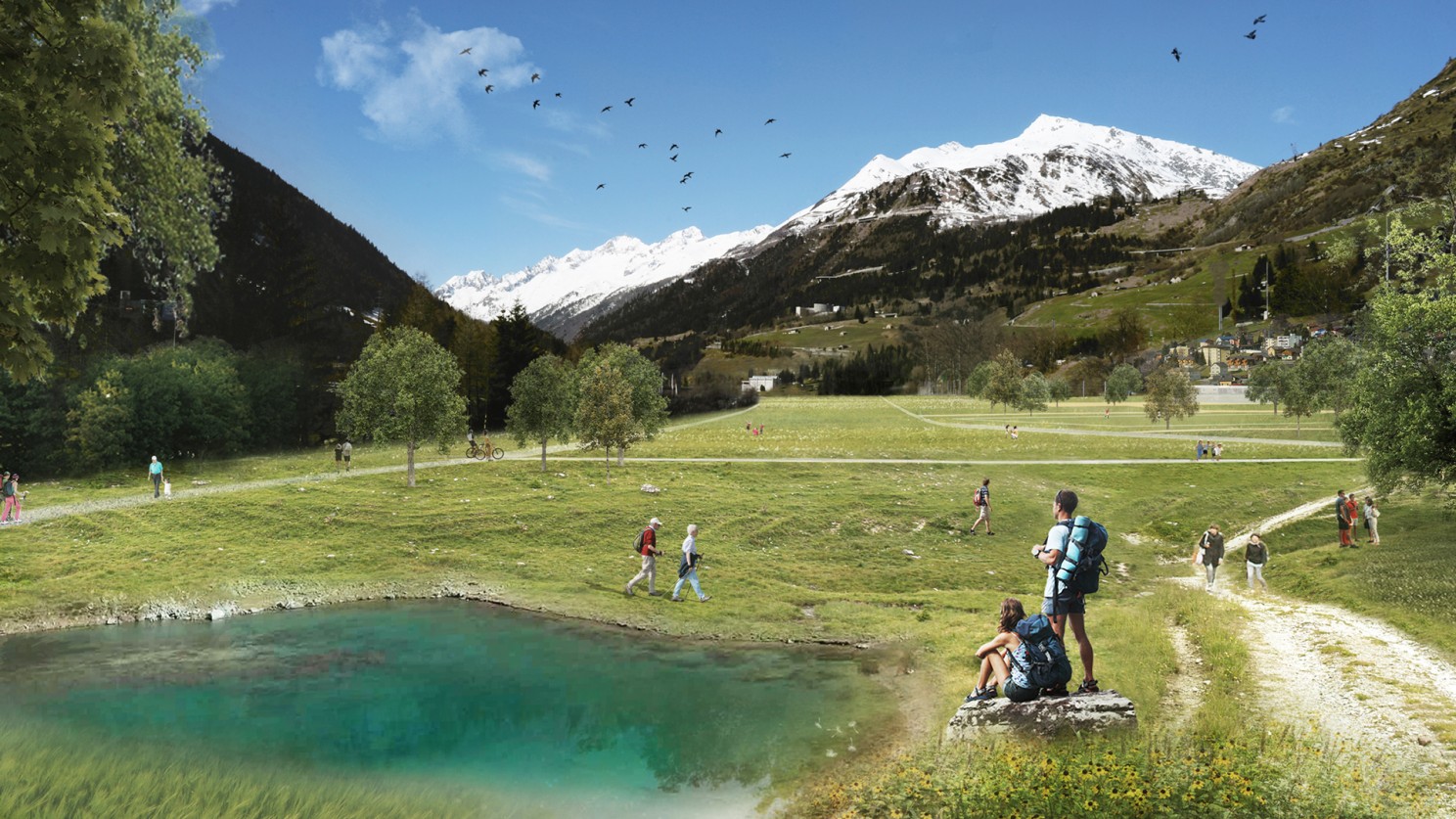
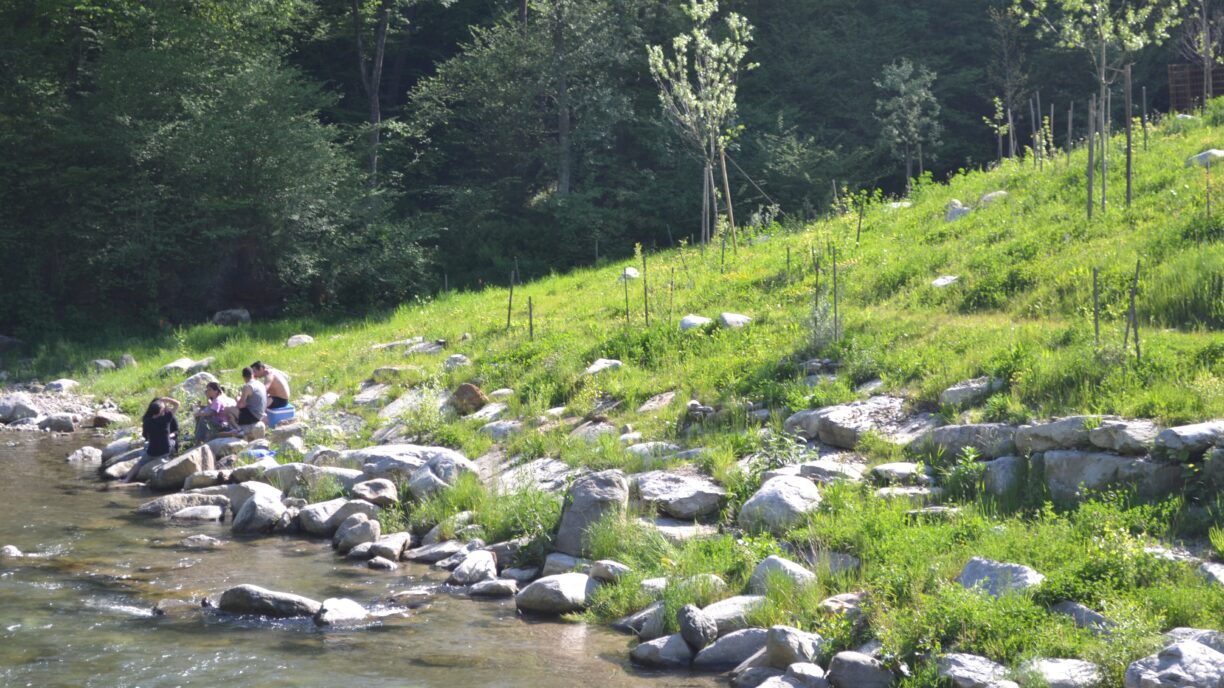
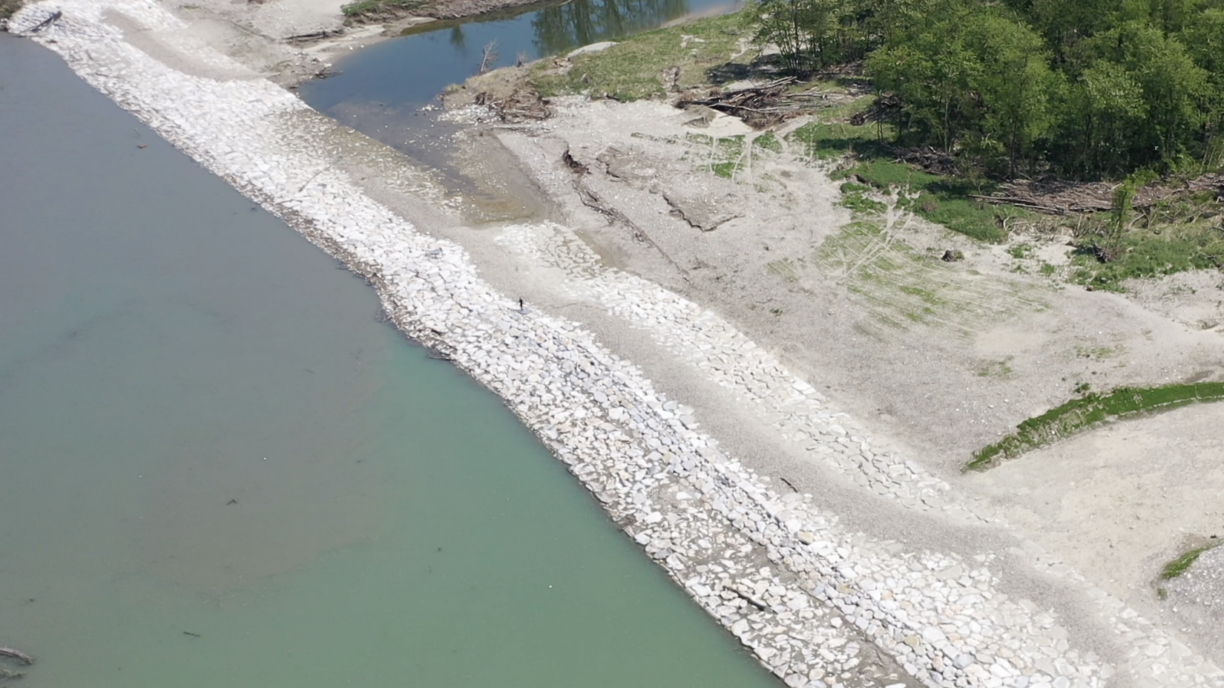
Airolo Valley Renaturation, an ongoing project by LAND Suisse.
This transformative perspective extends to policy frameworks such as the European Union’s Green Deal, which emphasises the importance of aligning human activities with the principles of environmental stewardship and regeneration. Rather than merely striving to prevent harm to nature, contemporary initiatives aim to create positive synergies whereby human interventions generate tangible benefits for both ecosystems and society at large.
This conviction guided the design of Krupp Park in Essen, a historical project of LAND which I finally had the pleasure to see completed, attending the official inauguration of the southern park area with Thomas Kufen, mayor of Stadt Essen, Simone Raskob, Roxanne Ingmanns and Martin Buchacker. With a combined area of 12,5 hectares, the Park is exemplary for developing large green-blue infrastructures through the revitalisation of inner-city brownfield sites of the Ruhr metropolis. Since the inauguration of the northern part in 2009, Krupp Park has played a crucial role both in improving urban climate and biodiversity and in boosting community and sustainable local recreation. It is wonderful to witness the achievement of such a milestone, and I would like to express my sincere gratitude to everyone who has contributed to its realization over the years.
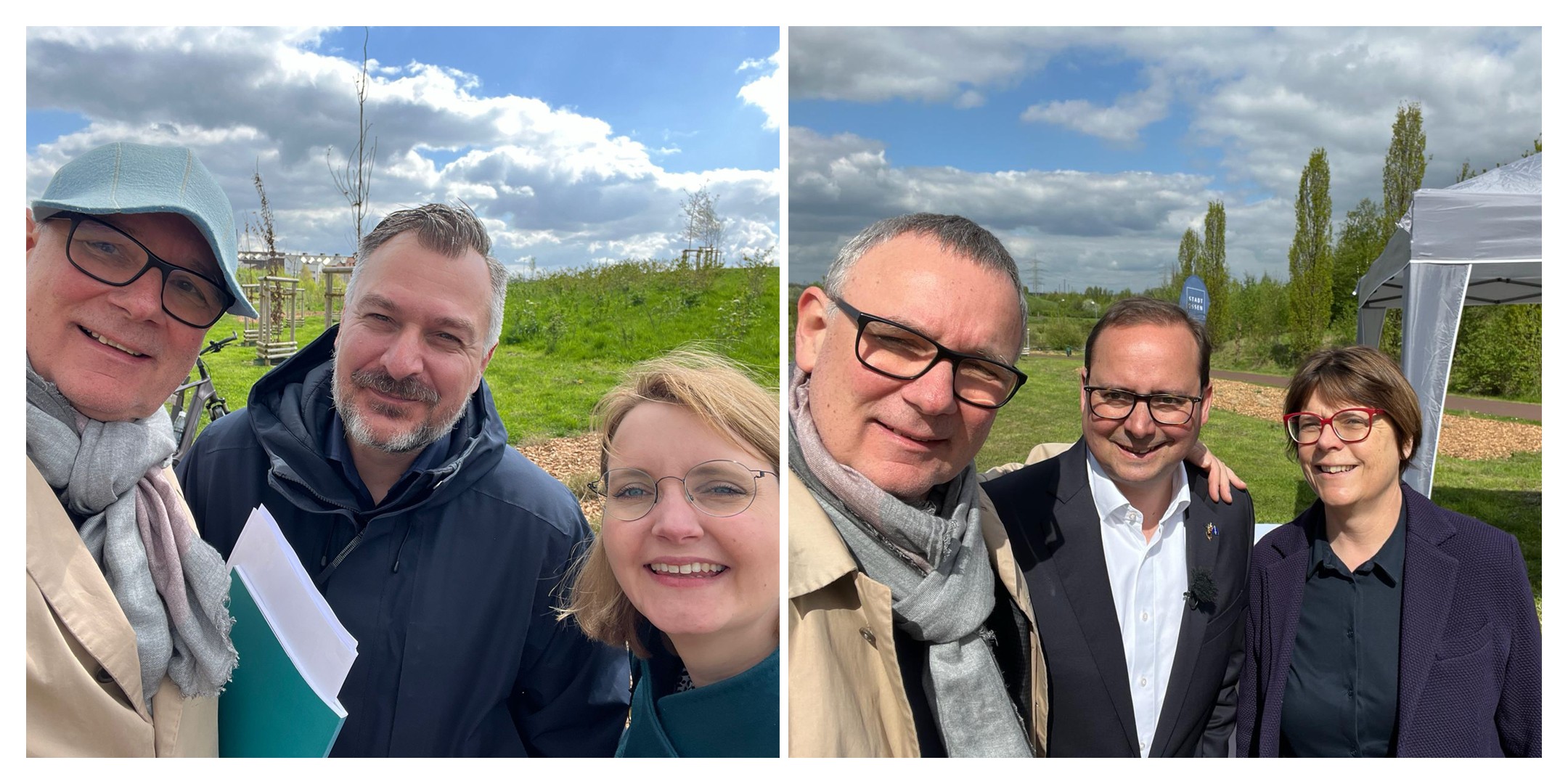
With Roxanne Ingmanns, director at LAND Germany, and Martin Buchacker, former director at LAND, designing the Krupp Park, and now head of green planning at Grün und Gruga (left). With Simone Raskob and Thomas Kufen, deputy mayor of Essen (right).
Designing ethical and interactive Landscapes
The widespread need to redefine our relationship with nature involves an ethical remodelling capable of triggering new aesthetic models. Thus, the task of landscape architects today is to cultivate relationships between parts and promote ecological transition. Landscape architecture is called upon to liberate the static nature of the built environment towards the dynamism of cultivation, through collaborative processes that establish a new social pact based on the identity and vocation of places. We have become trustees of the #community, shaping landscape stories with greenery capable of regenerating urban communities and territories through a sustainability approach based on reconnecting with nature.
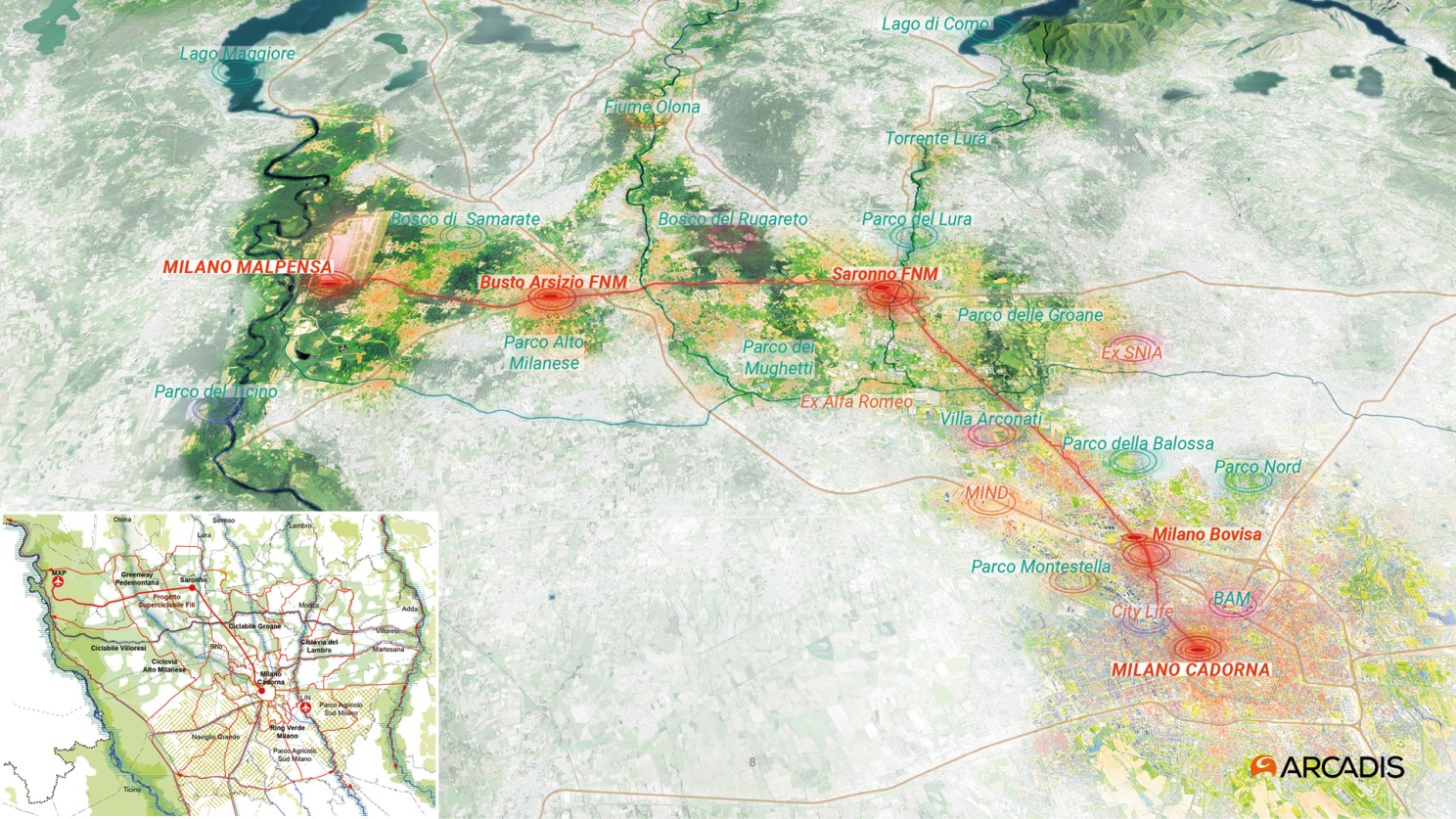
Regenerating the connections between Milan and its hinterland through FILI, a project for Regione Lombardia, Ferrovienord, FNM and Trenord we have worked on with Arcadis.
I am pleased to see colleagues such as Martha Schwartz sharing this belief, as she underlines how landscape architects are becoming responsible for adaptation and resilience. Equally, I wish to commemorate my dear friend Italo Rota, a real pioneer of this vision, who passed away just a few days ago. Reflecting with him about different types of landscape in India, in Italy, in Switzerland and eventually in Germany, I learned what it means to think different and to plan the present from a future perspective. Italo Rota created a systemic architecture in which design served as a tool for analysis, control, management, and prediction of the territory, and it has been a pleasure to work together on the promotion of new productive landscapes. In our project on the strategic landscape insertion of an energy plant in Reggio Calabria, Studio Italo Rota implemented a specific “direction”, transforming the design of an industrial settlement into an open, traversable, and functionally flexible landscape. The resulting close interaction between landscape and architectural aspects generated an integrated design, aiming to become a new territorial landmark capable of revitalizing a piece of landscape in a state of abandonment.
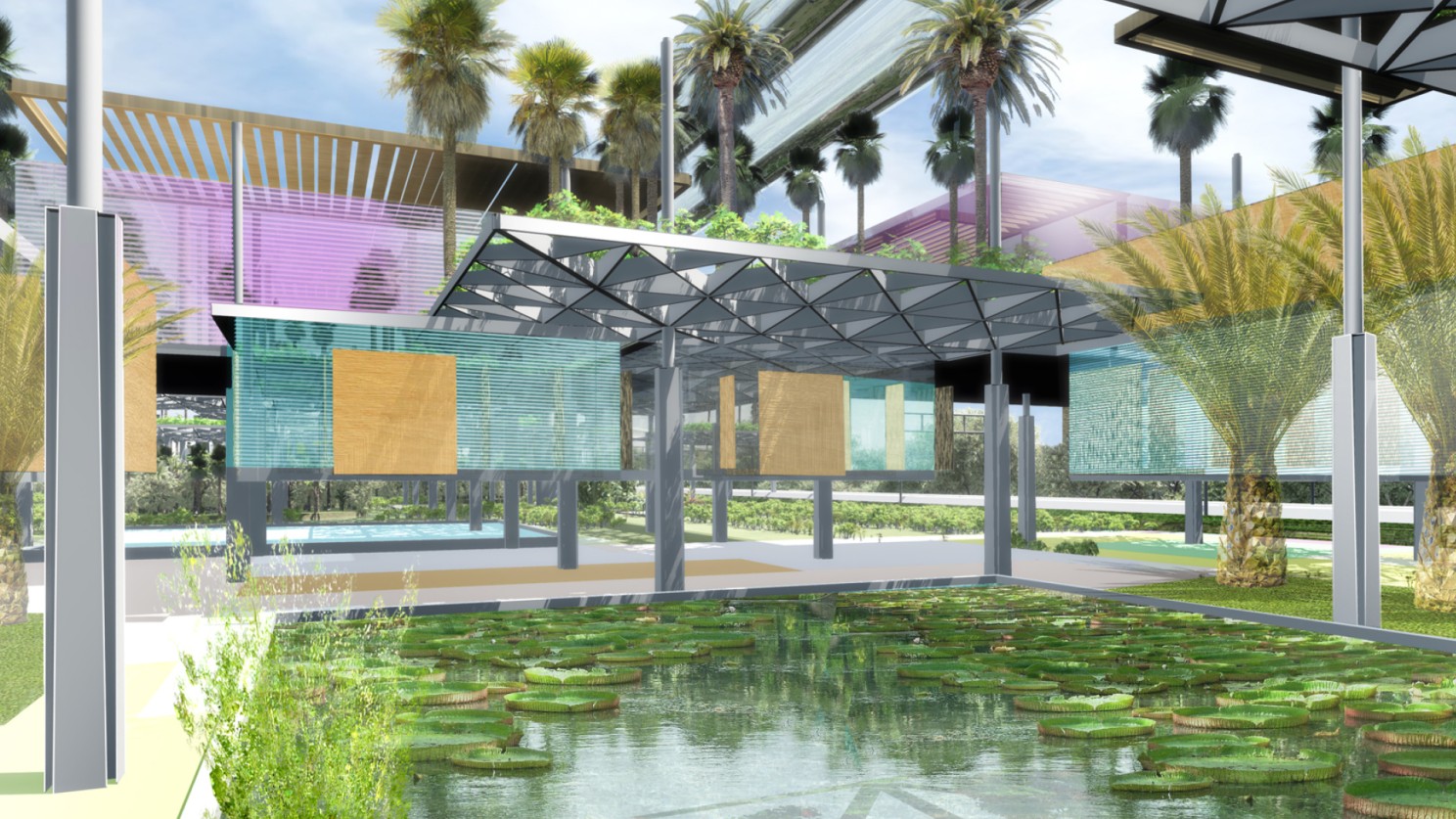
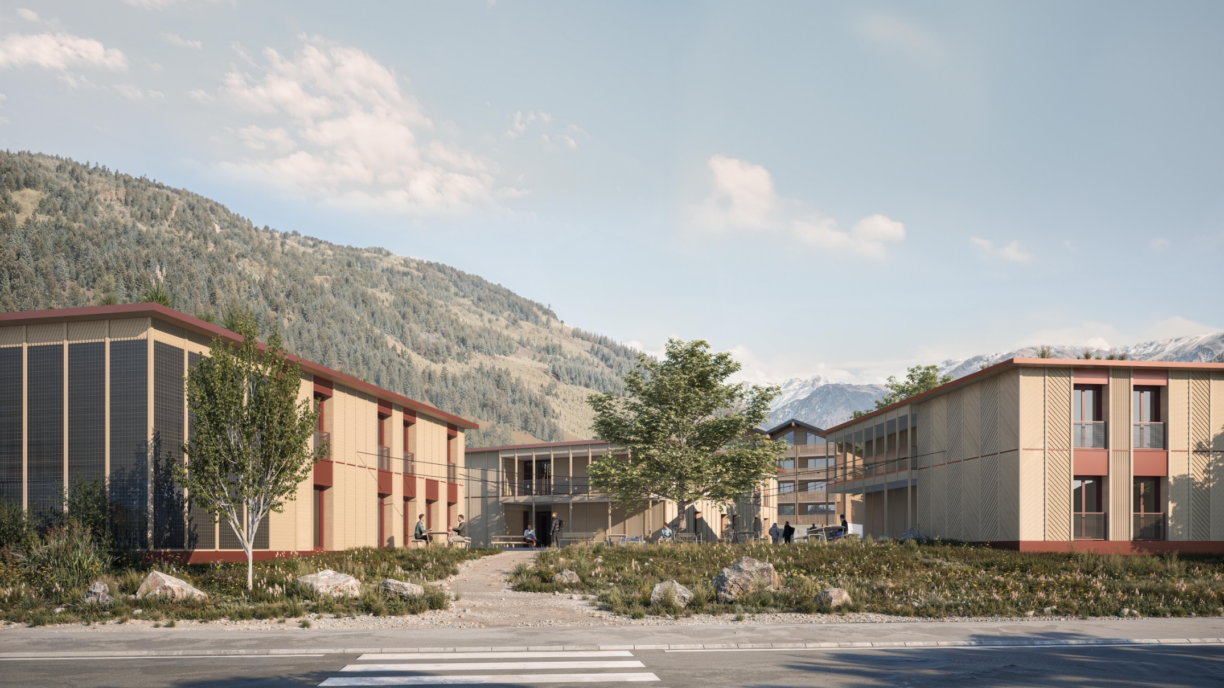
A visualisation for a project by Studio Rota and LAND for an energy plant near Reggio Calabria, 2009
Cultivating what matters about Landscape
We are witnessing a profound shift in our perception of landscapes—a shift that acknowledges nature’s inherent productivity and resilience. The notion of landscape has taken on a new meaning, and through the change brought about by urbanisation, climate change and digitalisation the dialectic between built and unbuilt has reached unprecedented horizons. As we champion nature’s return to our urban spaces, we also embrace the imperative of climate adaptation. This calls for a reimagining of traditional green practices, ensuring our designs are not only sustainable but also resilient in the face of climate change.
It becomes evident that to protect the landscape, we must take care of it. In this paradigm shift, we place the community at the forefront, recognising that public spaces are vital for enhancing quality of life and fostering outdoor socialization. Our mission extends beyond landscape; it’s about nurturing vibrant communities and resilient environments, placing the connection between human beings and nature at the centre of projects.
Achieving reconciliation with nature isn’t something that can be rushed; it requires patience and dedication. Nature, like any living entity, needs time to be nurtured, shaped, and cultivated, which is why I believe that our professional responsibility matters more than ever. By embracing this new paradigm, we not only revolutionise our relationship with the natural world but also lay the groundwork for a more sustainable and harmonious future.