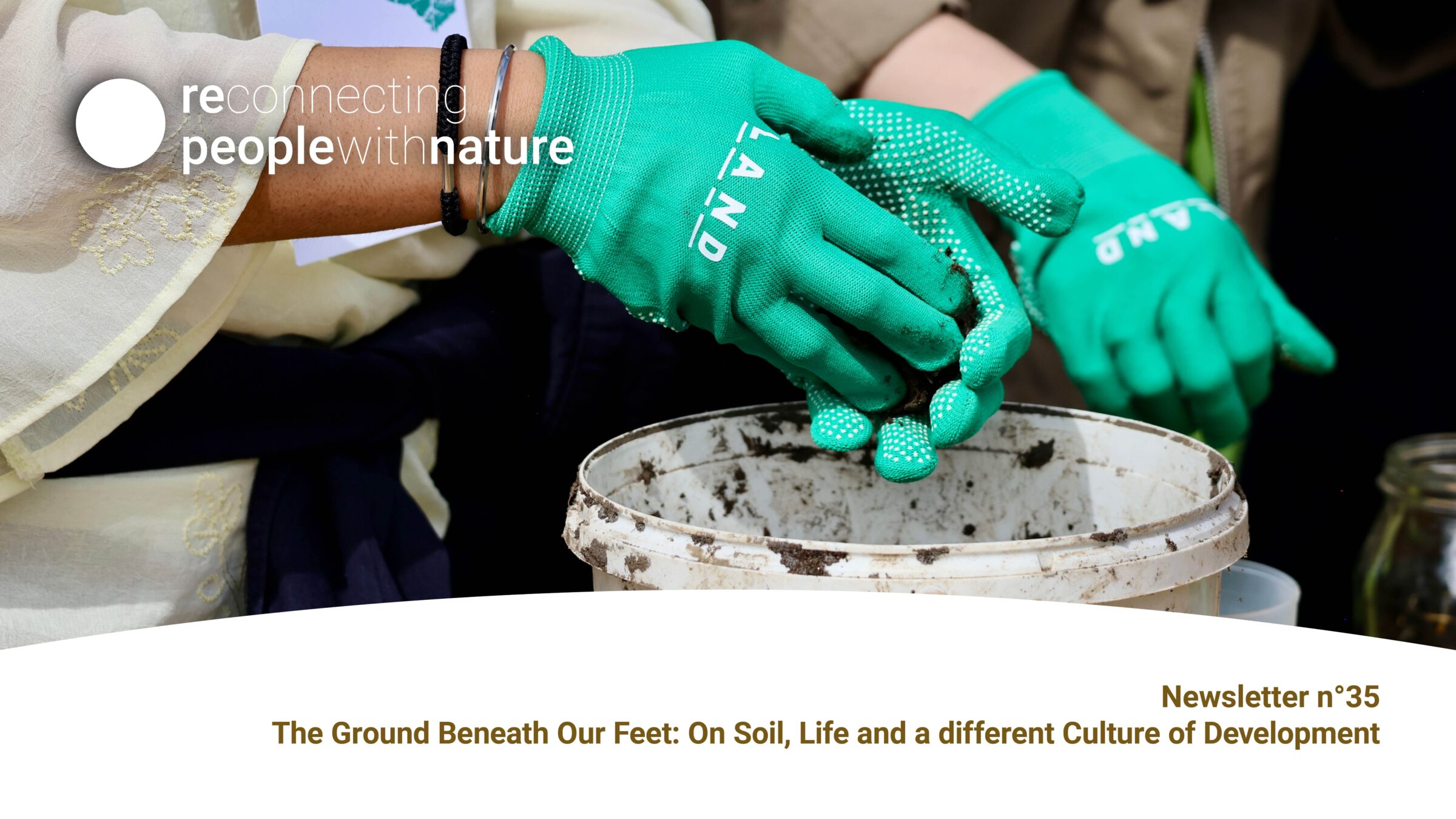
Newsletter #35: The Ground Beneath Our Feet
At the Soil Summit 2026 in Nantesbuch, the conversation turned to something fundamental yet easily overlooked: the ground beneath our feet. Soil is not just a surface to build on, but a living infrastructure that stores water, carbon and time, and a foundation for a Nature-Positive future.
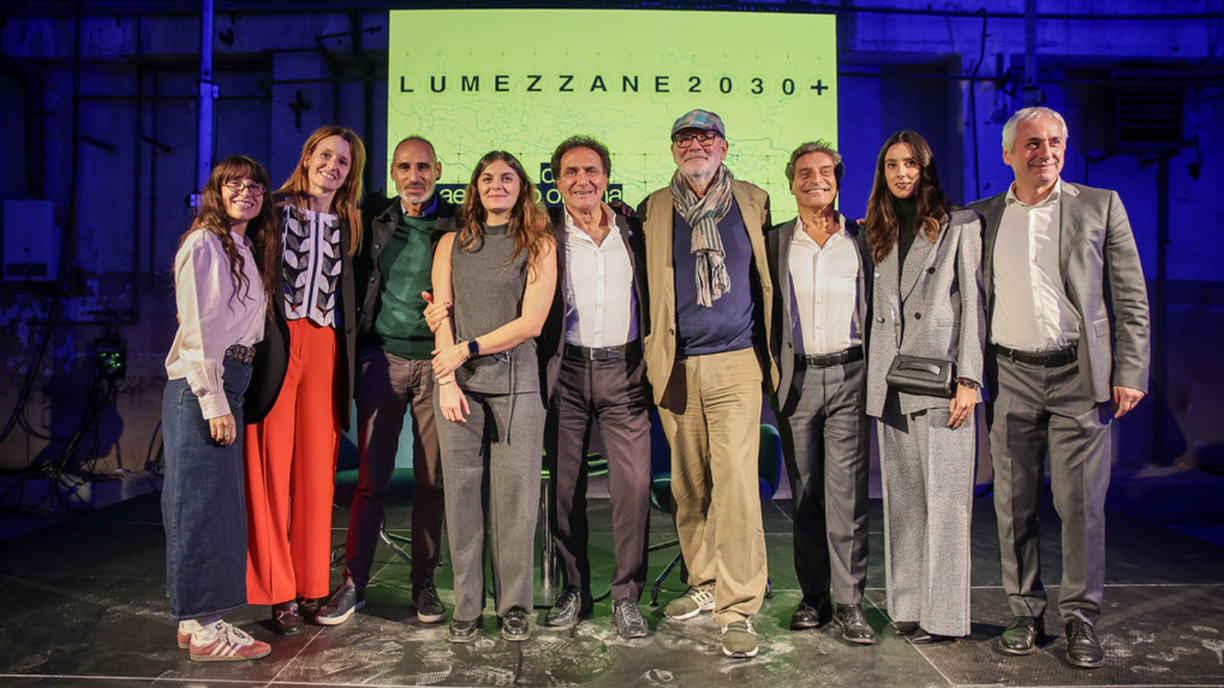
Last week, I had the pleasure and honor of joining the Soil Summit 2026 at Nantesbuch – Stiftung Kunst und Natur gGmbH, entering the dialogue on the future of soil next to agricultural scientist Joachim von Braun and sociologist Hartmut Rosa amongst others.
And I am still thinking about it.
The conversations, the questions, the different perspectives, and above all, the sense of urgency around something so fundamental, yet so easily overlooked: the ground beneath our feet.
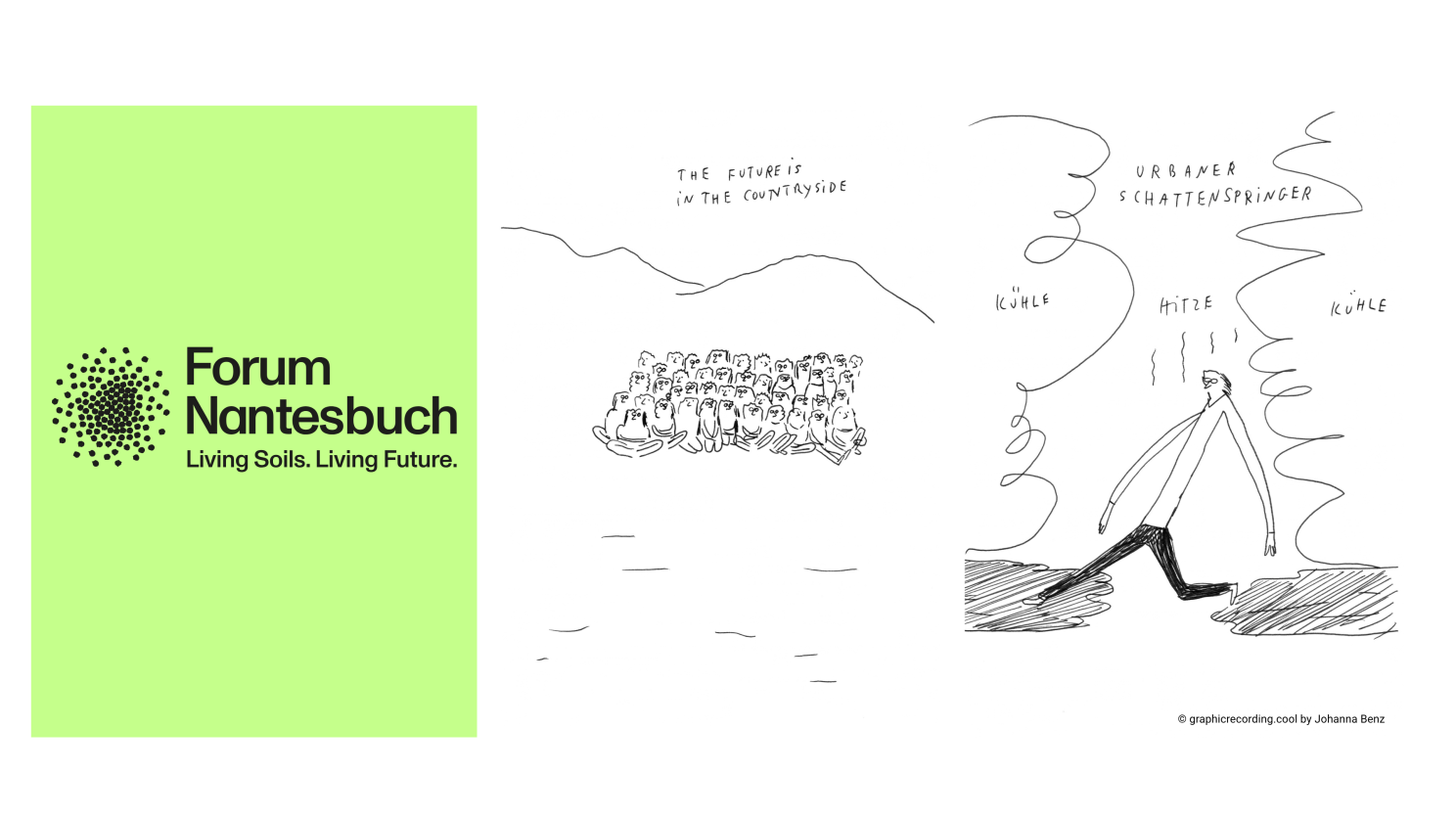
Soil Summit 2026. © graphicrecording.cool by Johanna Benz
As a landscape architect, soil is at the center of my daily practice and of my professional thinking.
It may seem like the most concrete thing imaginable. After all, city and countryside alike stand with both feet on the ground.
But what exactly is this ground beneath our feet?
The city stands on roads, buildings and infrastructure, but also on parks, gardens, trees, waterways and open spaces. The countryside is not simply “Nature” either: it is forests and fields, villages and roads, industry and infrastructure. City and country are not two separate worlds. They are two different ways of using and shaping landscape. And what connects them is soil.
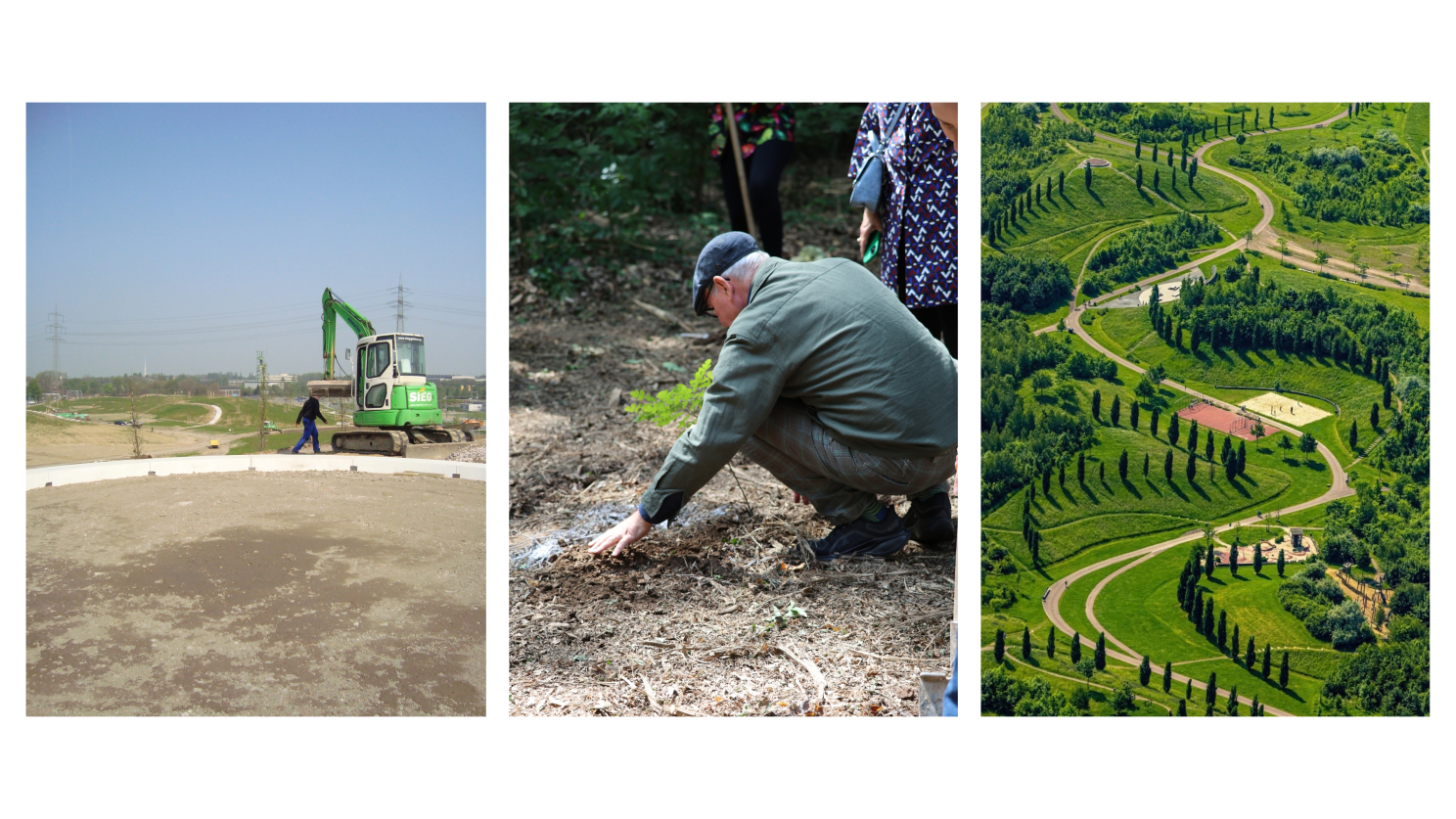
Krupp Park “Five Hills”, Essen: 400,000m³ of excavated soil turned green.
For centuries, we have largely understood soil as ground to build on: property, productive land, development potential. With the growth of the post-war decades, we have built, sealed, drained, fragmented and compacted it, treating land as if it were an empty surface.
But soil is way more than that.
It stores water and carbon. It holds nutrients, filters pollutants, regulates temperature and supports biodiversity. A single gram of healthy soil can contain billions of living organisms. Beneath our feet is one of the most complex ecosystems on Earth: a living infrastructure that makes life possible.
And soil also stores time.
As a gardener, I learned early that Nature works at a different pace from us. We plan in years, budgets and construction phases. A tree thinks in decades, sometimes centuries. An ecosystem follows rhythms of its own.
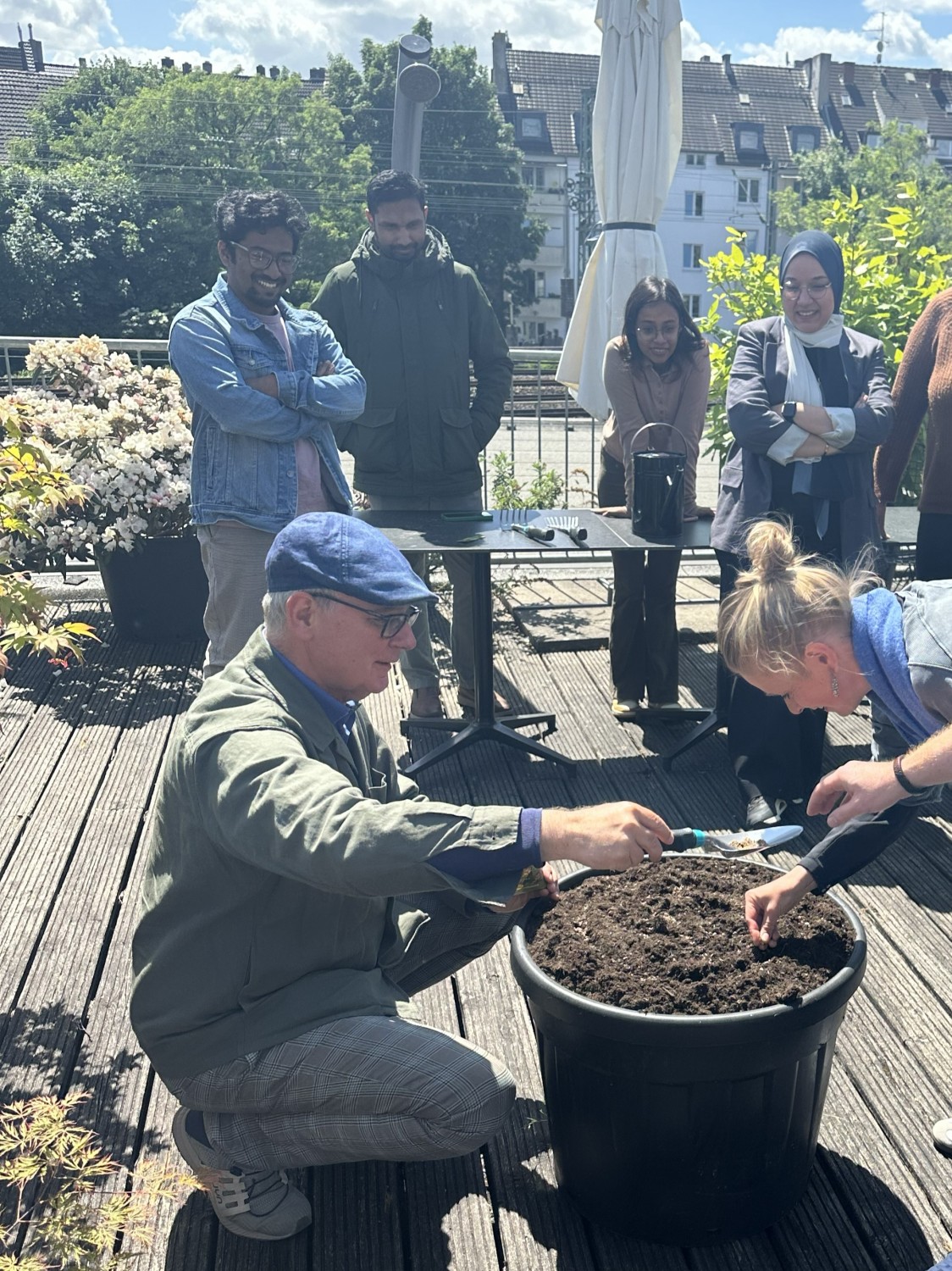
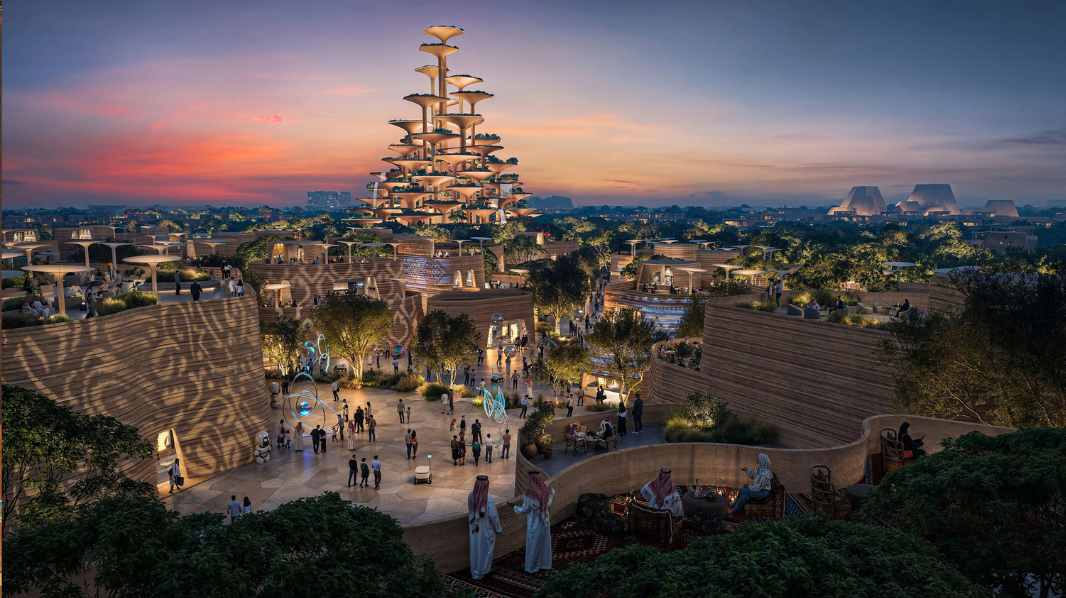
LAND Germany, Düsseldorf, 2025.
This changes the way we need to think about development.
As urban development keeps accelerating, the question is no longer simply how much land we use. The real question is: what can the soil still do?
Every sealed surface reduces its ecological performance. Every square meter of asphalt we break up can restore permeability, make room for water and vegetation, reduce heat and create new habitat.
So let’s break it up.
Let’s give soil back its capacity to breathe, absorb, heal, store and regenerate.
I recently learned about an interesting new proposition, made by Tenzin Seldon (Pulse Fund): to replace Gross Domestic Product (GDP) with Gross Domestic Regeneration (GDR), therefore valuing what an economy restores rather than only what it produces.
“A regenerative economy would reward practices that restore soil fertility, improve water quality, protect biodiversity, increase community resilience, create dignified employment, and return value to the landscapes and people that make production possible.”, says Tenzin Seldon [Source]. “A company that restores its soil stabilizes its supply chain; one that strengthens its workforce holds knowledge competitors lose. That is what makes depletion so expensive and regeneration so hard to displace.” [Source].
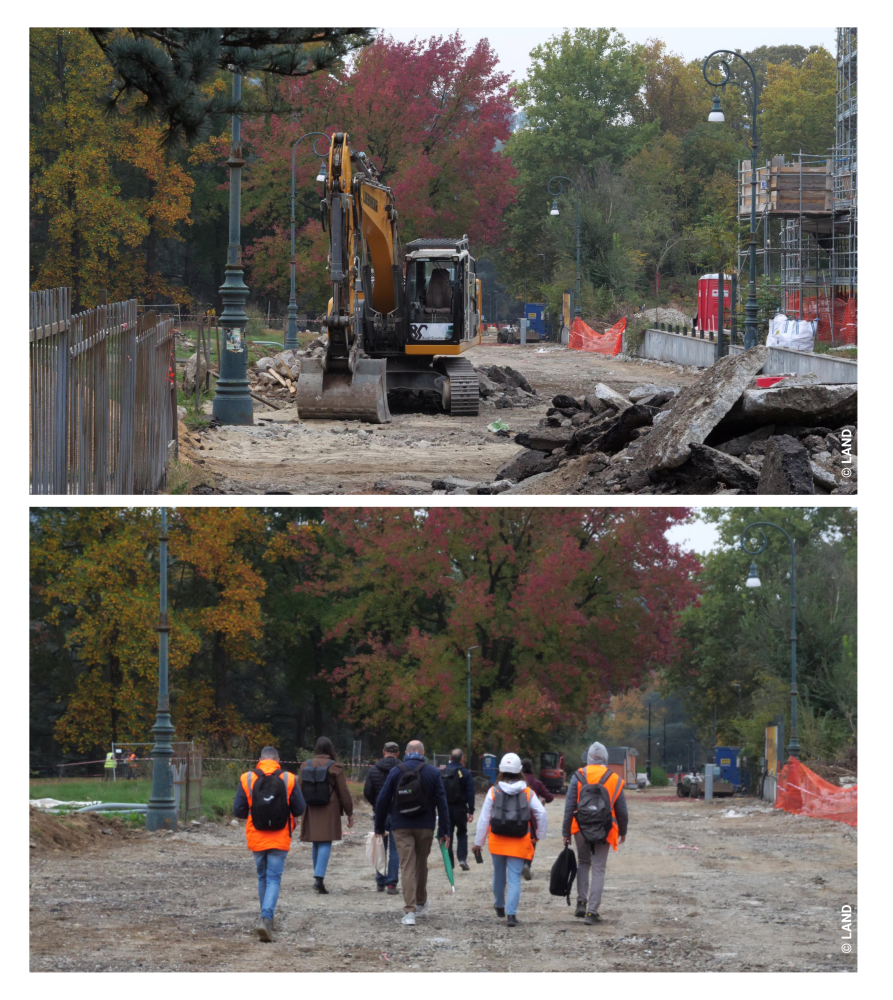
65,000 m² sealed surfaces removed at Parco del Valentino in Turin, October 2025.
This is where I see the idea of Nature-Positive becoming tangible. It is not only about causing less harm. It is about increasing the ecological performance of the landscapes we shape: retaining more water, growing more trees, reconnecting habitats, bringing life back into soils, and making more of what already exists.
Because water does not know municipal boundaries. Biodiversity does not know property lines. Heat does not follow zoning plans. And soil knows no administrative borders.
The connection between our economy and Nature, between city and country, is not created only by roads, railways or new infrastructure. It already exists: through ecological cycles, through water, through biodiversity, and through the living ground beneath us.
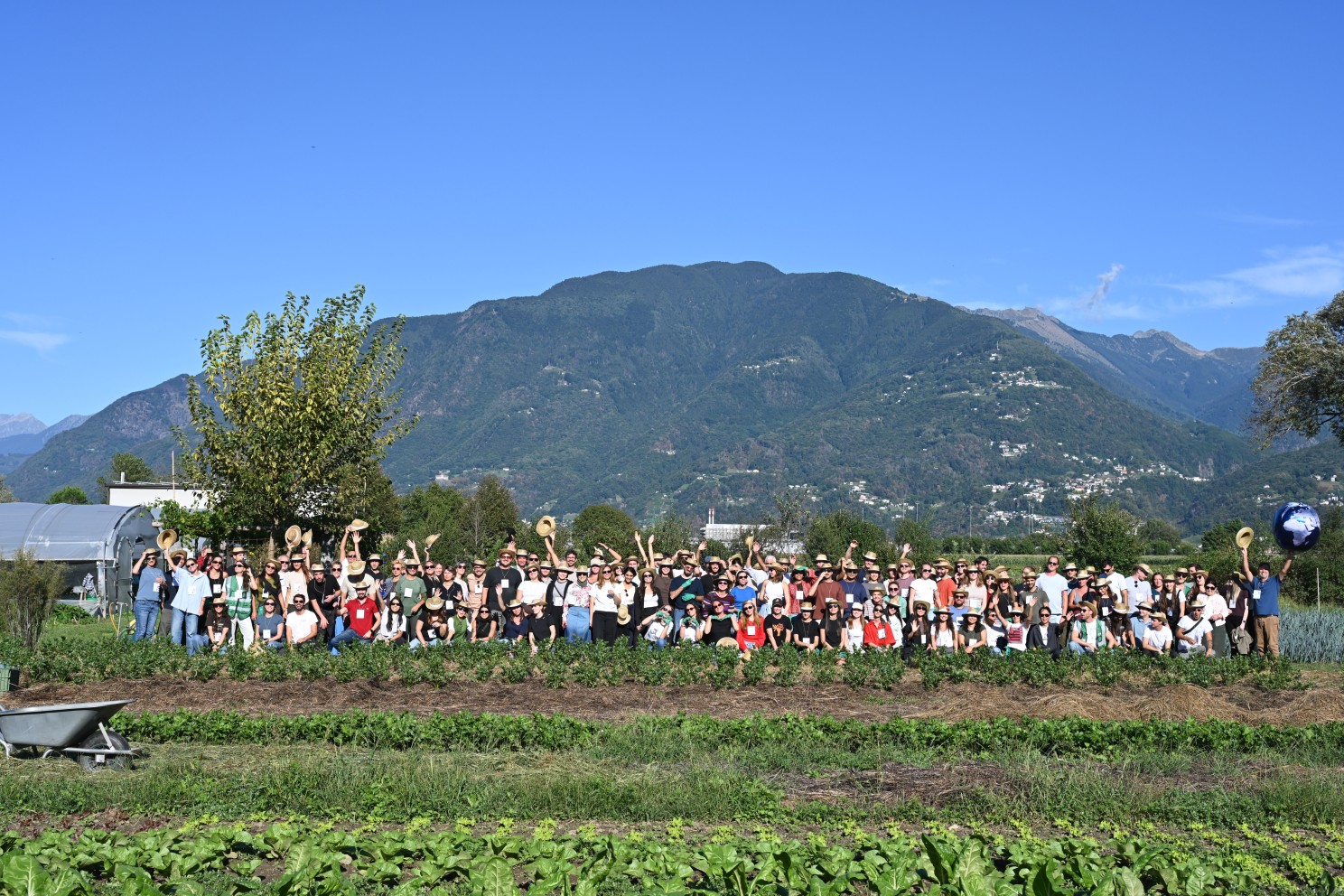
At LANDconnects2026, our yearly community gathering, we explored a simple idea: The Future is in the Countryside.
At LAND, we think of landscape as infrastructure. Soil may be its most fundamental form.
This means moving from the individual project to the landscape system. From the green space to green infrastructure. From resource consumption to a culture that recognizes, develops and passes on the value of nature.
Because in the end, the question of soil is not only about what lies beneath our feet.
It is about what kind of future we make possible on it.
And if we want to avoid a future without ground beneath us, we need to root that future in a Nature-Positive culture of development.
Don't miss out on our inspiring project stories, the latest research, and more.
All mandatory fields are marked with a *