Newsletter #19: From ideal to real LANDscapes: new challenges, formats and perspectives for Sustainability
It is great to see how our mission of #ReconnectingPeopleWithNature is cultivating our community and spreading around the world in a capillary way. I am convinced that this underlines the urgency to firmly answer current challenges and convey our message through an increasingly interdisciplinary and international approach.
The past few weeks have been truly wonder days for Sustainability and Nature, marked by three major high-profile events held in Milan in quick succession: the European Green City Forum, the Festival Pianeta 2030, and the Green&Blue Festival. These events made me reflect on the increasingly urgent need to develop new formats to face current environmental and social challenges with greater preparation and more concrete action.
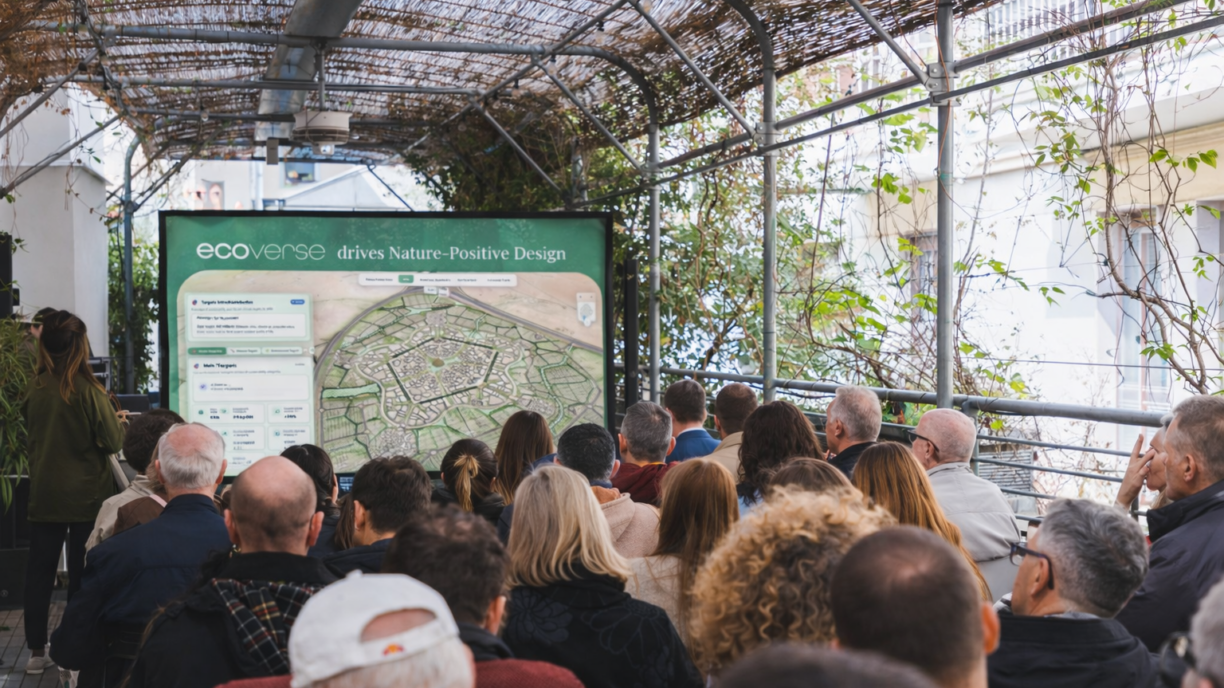
In particular, the European Green City Forum, organized by Green City Italia in collaboration with Regione Lombardia, gathered voices from across the continent connecting Milan, Lombard municipalities, and foreign experts to sign the Green Charta 2025 and formally commit to a greener, more sustainable future.
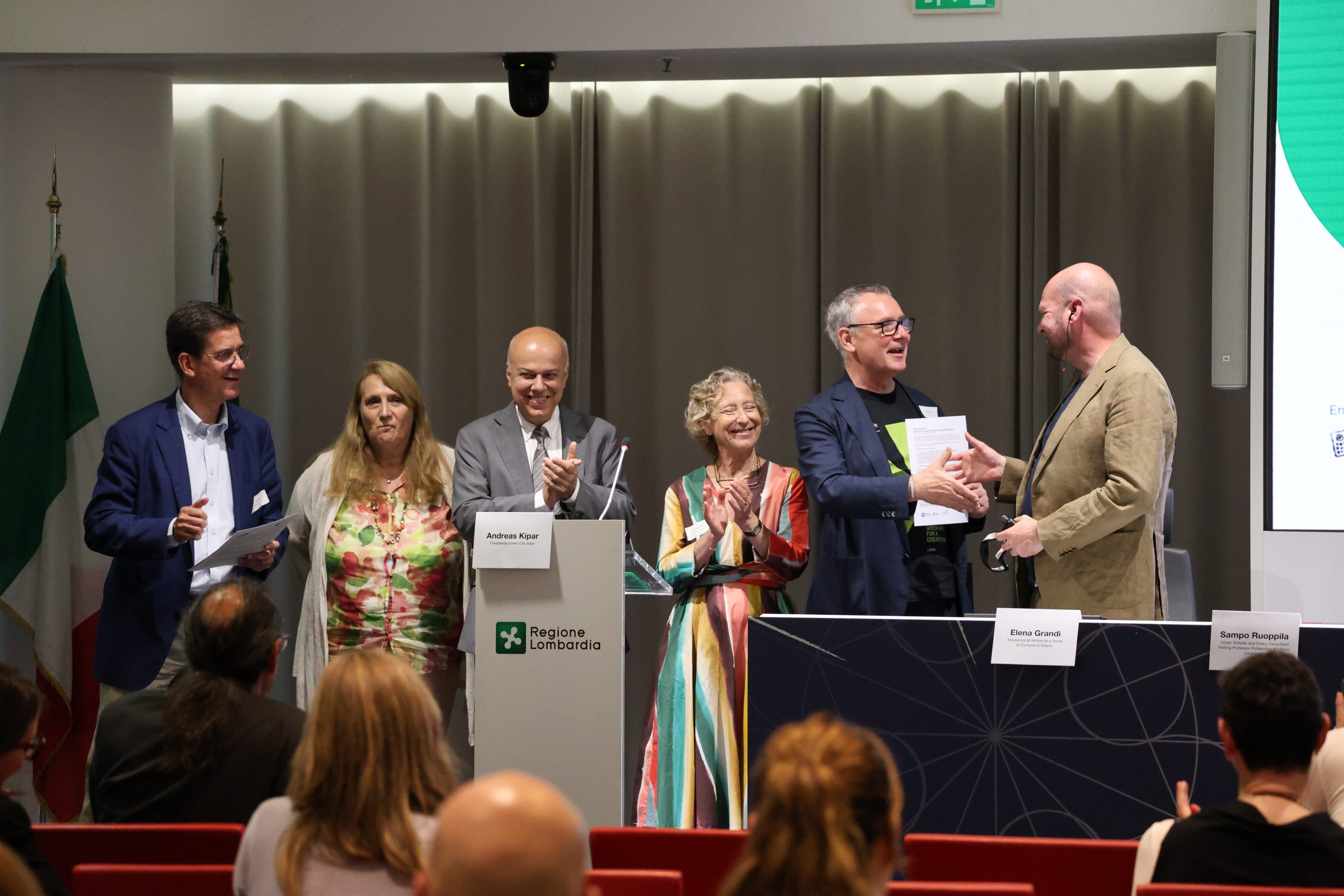
Announcing the Green Charta 2025 during the European Green City Forum in Milan
On the journey toward Nature-positive cities and landscapes, every territory has the potential to become a Green City. Cross-border collaboration and shared vision are increasingly essential to activate local communities and promote an economy of Nature that envisions landscape as living infrastructure, essential to wellbeing and resilience of our life spaces.
As our association celebrates its 15th anniversary, our ambition goes beyond convening sustainability experts; we aim to open the dialogue to a broader audience. If we want to create future-proof, climate-resilient communities, we must step out of our ivory towers. Symposia and forums are tools to turn values into projects—and ideas into networks of action.
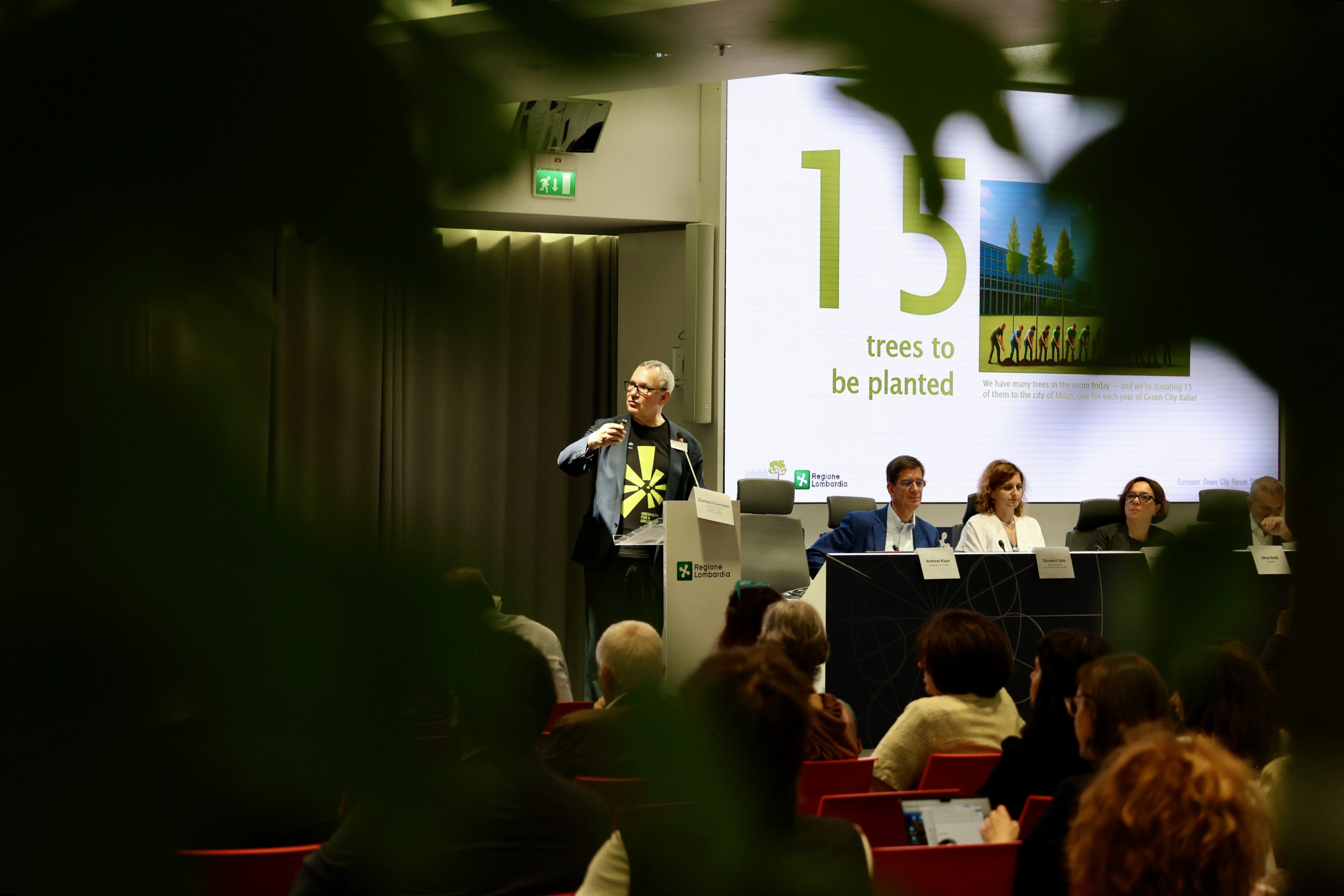
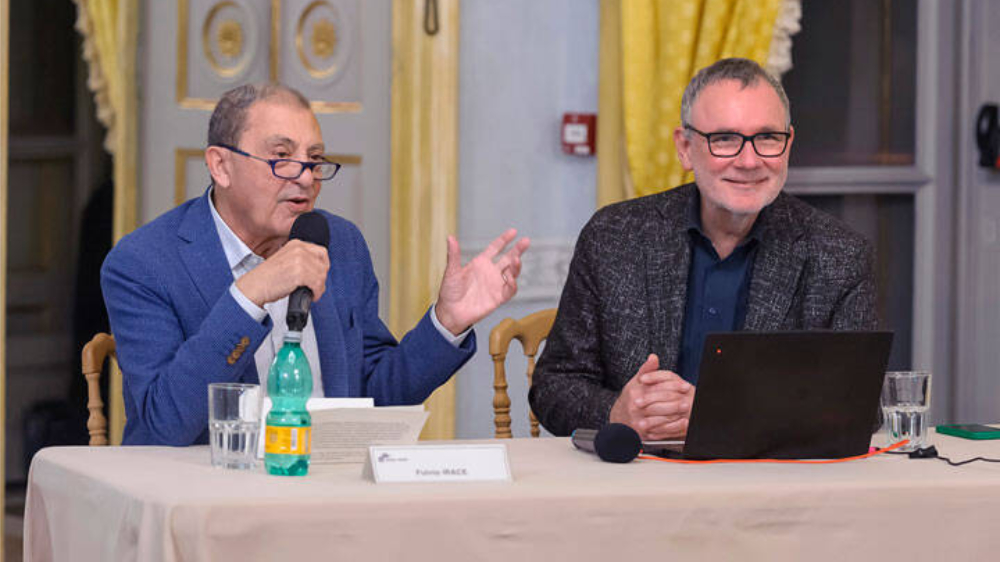
In this spirit, my recent exchanges with my friend and colleague Jana Revedin deeply shaped my reflections on the evolving relationship between architecture and Nature. During our panel at the Festival Pianeta 2030, organized by Corriere della Sera and curated by edoardo vigna, we explored the interplay between the firmitas of constructed art — serving protection and care through its functionality — and the venustas of Nature, a form of beauty under constant transformation that sustains human well-being.
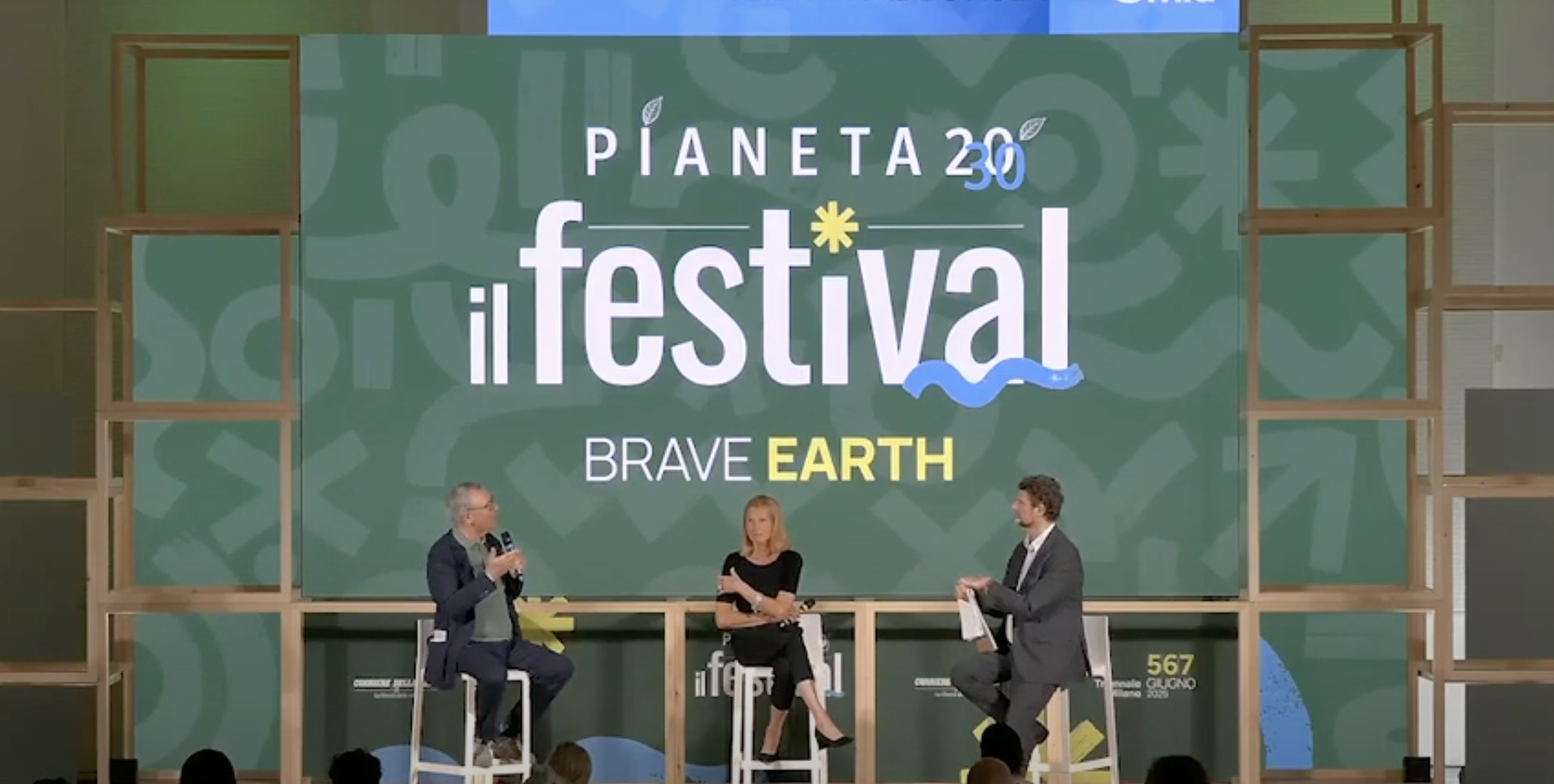
It’s all a matter of perspective. Architecture, with its vertical dimension — as Gio Ponti described it, “a jewel to be set within the passepartout of Nature” — intertwines with landscape architecture, which expresses horizontality, a world in perpetual evolution. As Jana said, the imperative is no longer to build anew, but to reuse and reinterpret what already exists, recovering care for available resources and using locally sourced materials.
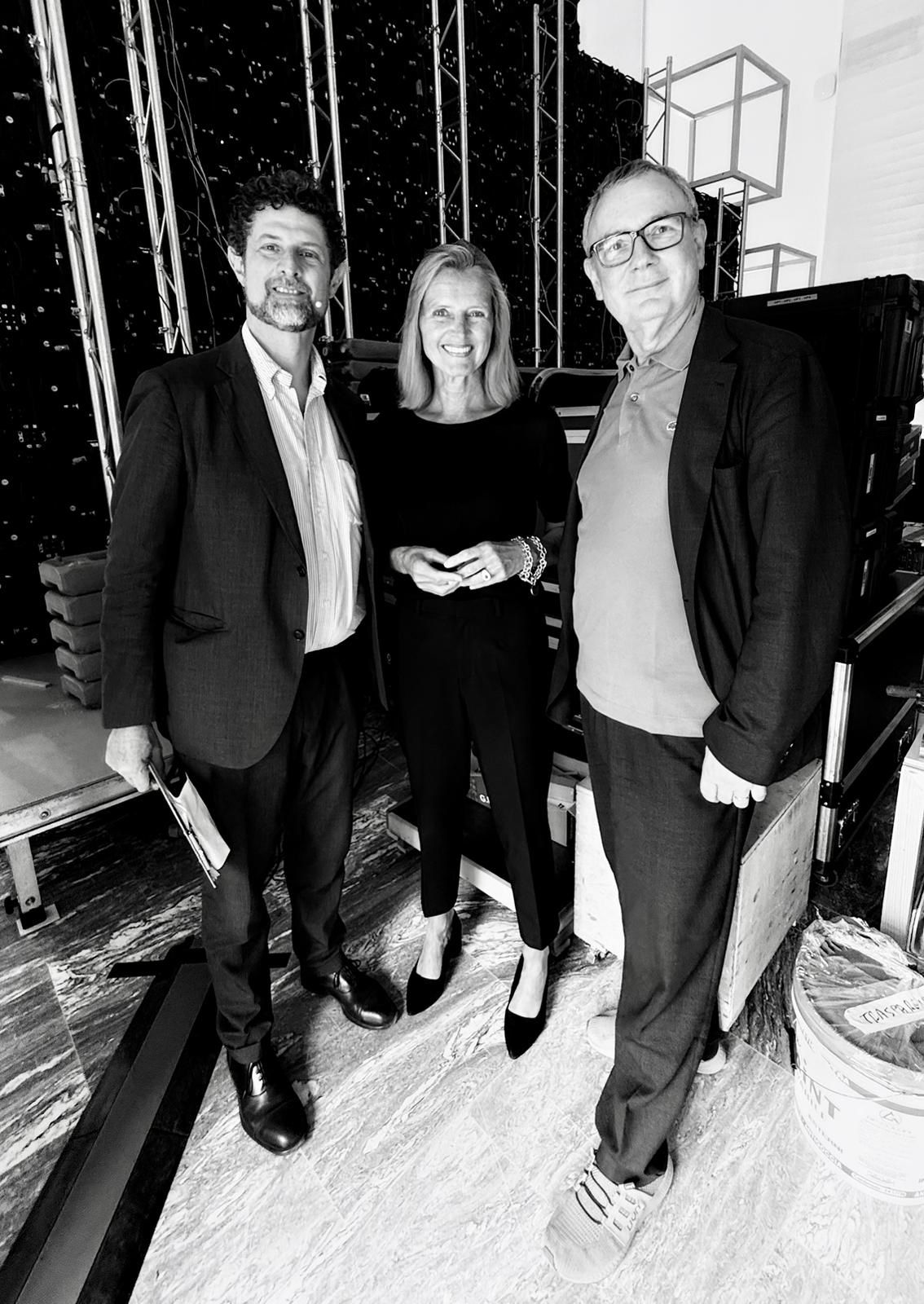
At Festival Pianeta 2030 with Edoardo Vigna and Jana Revedin
By listening constantly to territories, communities, and minorities, and by paying close attention to the human context, a new ethics emerges as a rebellion against traditional architecture. As The New York Times described it, a true “Pritzker Rebellion.” Only through this radical mindset shift can we move from ideal landscapes to real landscapes, embracing a Nature-positive vision of socio-economic development.
Other significant events are just around the corner, further proving how vital environmental discussions have become to our society. Like reinforced yesterday with ANCE PADOVA, which, on the occasion of its 80th anniversary, has recognized the need to rethink urban landscapes—beginning not with what is built, but with what is unbuilt.
As I return to Venice to attend the international symposium Water Management and Climate Adaptation, hosted by Bundesstiftung Baukultur I am eager to highlight some key teachings of the Bauhaus school put at the center of the 18th Global Award for Sustainable Architecture: that territorialization and experimentation foster innovation through a right-tech approach and a transdisciplinary perspective. I’ll be revisiting these themes also in Hannover at the Symposium on the Promotion of Baukultur in Lower Saxony, focused on “Building Innovation.”
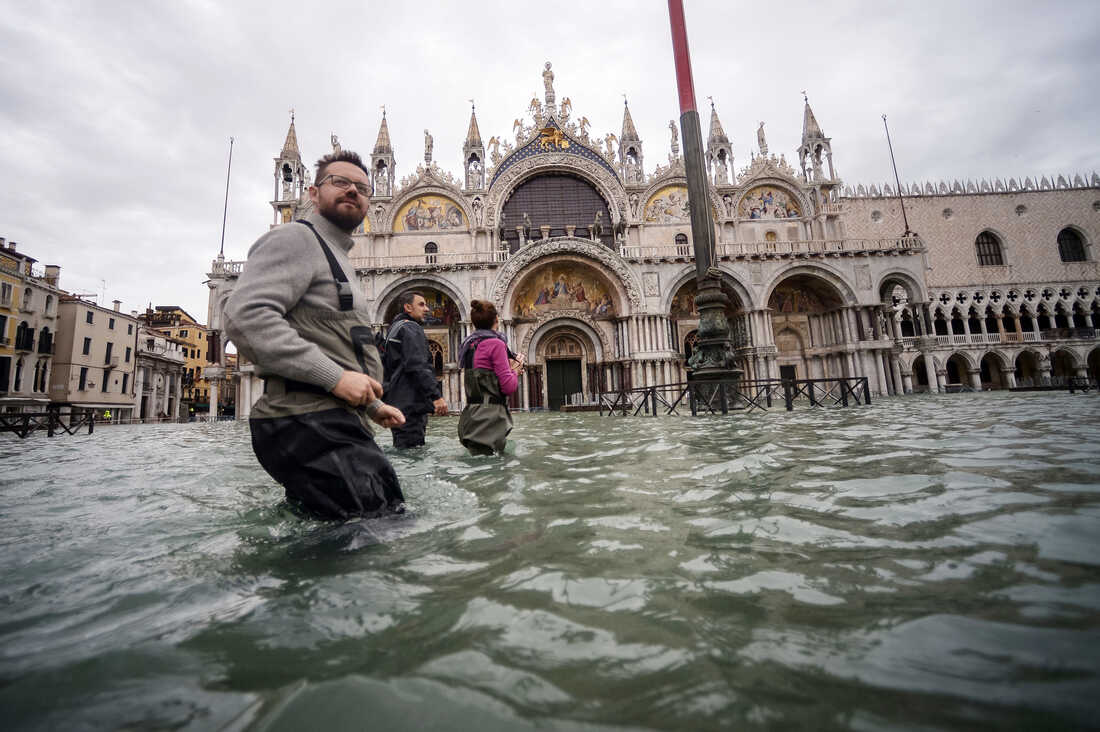
Tourists walk across flooded St. Mark’s Square two days after Venice suffered its highest tide in 50 years. Credits: Getty Images
Leveraging the spotlight of the Awards: from Recognition to Action
In a time when public attention often gravitates toward spectacle, international awards serve a vital purpose: they spotlight substance. That’s why I was proud to attend the Global Award for Sustainable Architecture™ ceremony at the Cite de l’architecture et du patrimoine, just before the opening of the 19th International Architecture Exhibition of #BiennaleVenezia. Founded in 2006 by Jana Revedin, this award honors architectural practices committed to social responsibility, environmental awareness, and new ethics of space.
While the Venice Biennale explores the role of intelligence — natural, artificial, and collective — in shaping our built environment, this award reminds us of something equally essential: when rooted in responsibility, architecture can quietly, yet powerfully, transform lives. This year’s theme, Architecture is Construction, deeply resonated with my belief that to build today means to act—consciously, responsibly, and collaboratively.
The 2025 laureates are not just visionaries—they are builders of futures, each of them embodies what many of us still debate: a grounded, inclusive, and deeply human approach to space.
• Dr. Salima Naji, an anthropologist and architect from Morocco, has turned architectural practice into a form of cultural activism. Her work—restoring granaries, kasbahs, and oases—reminds us that architecture, especially in vulnerable regions, must empower communities and protect heritage through participation and care. Her projects resonate with our own efforts to value unbuilt space as a protagonist in territorial regeneration.
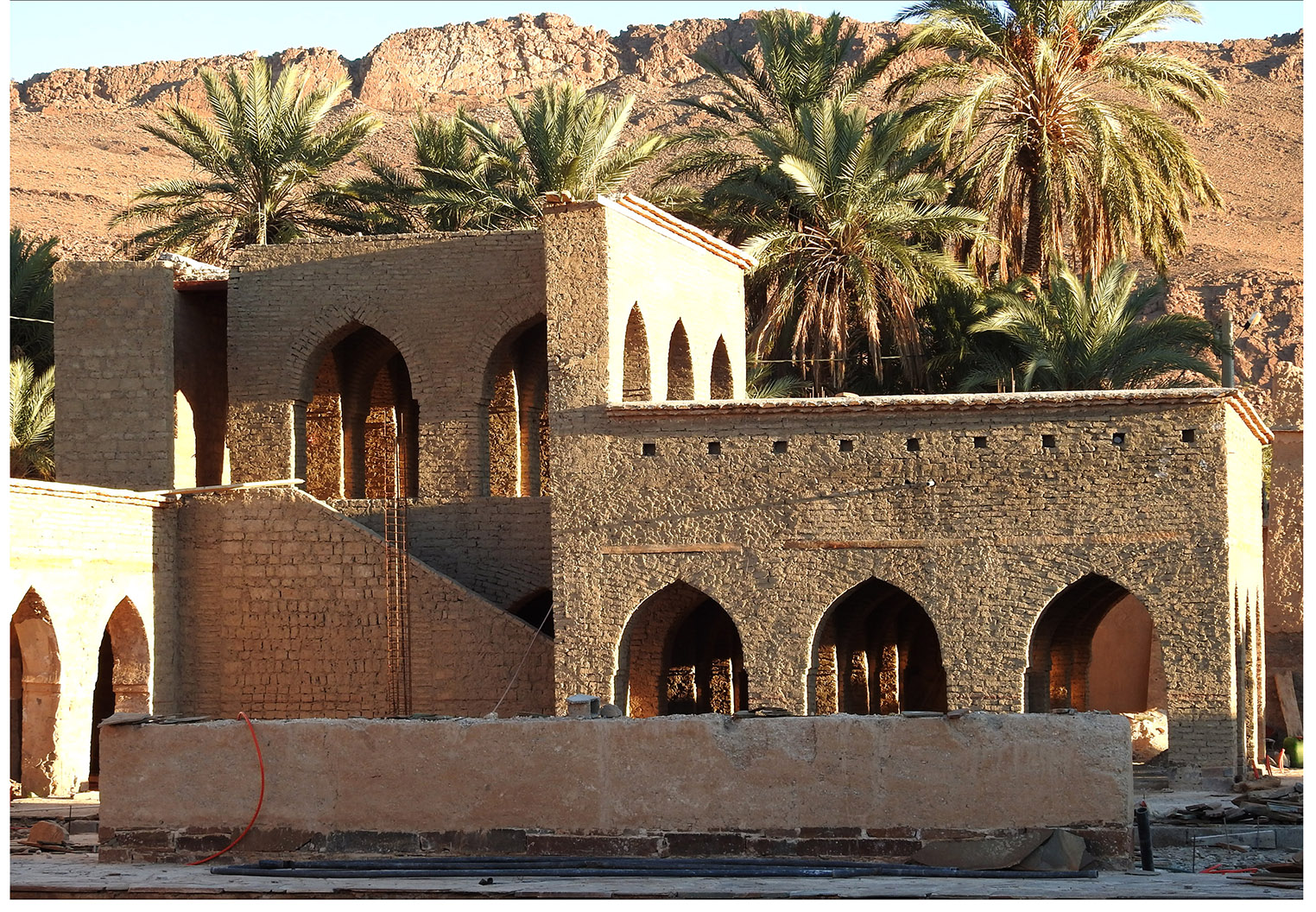
Souk Tablaba De Taghjijt
• Prof. Dr. Hoang Thuc Hao of Vietnam redefines architecture as a social contract. His work with underprivileged rural communities shows that design must not only respect local identities but integrate users in the very act of building. His sensitivity to context and inclusion echoes the participatory design paths we advocate through LAND’s urban projects.
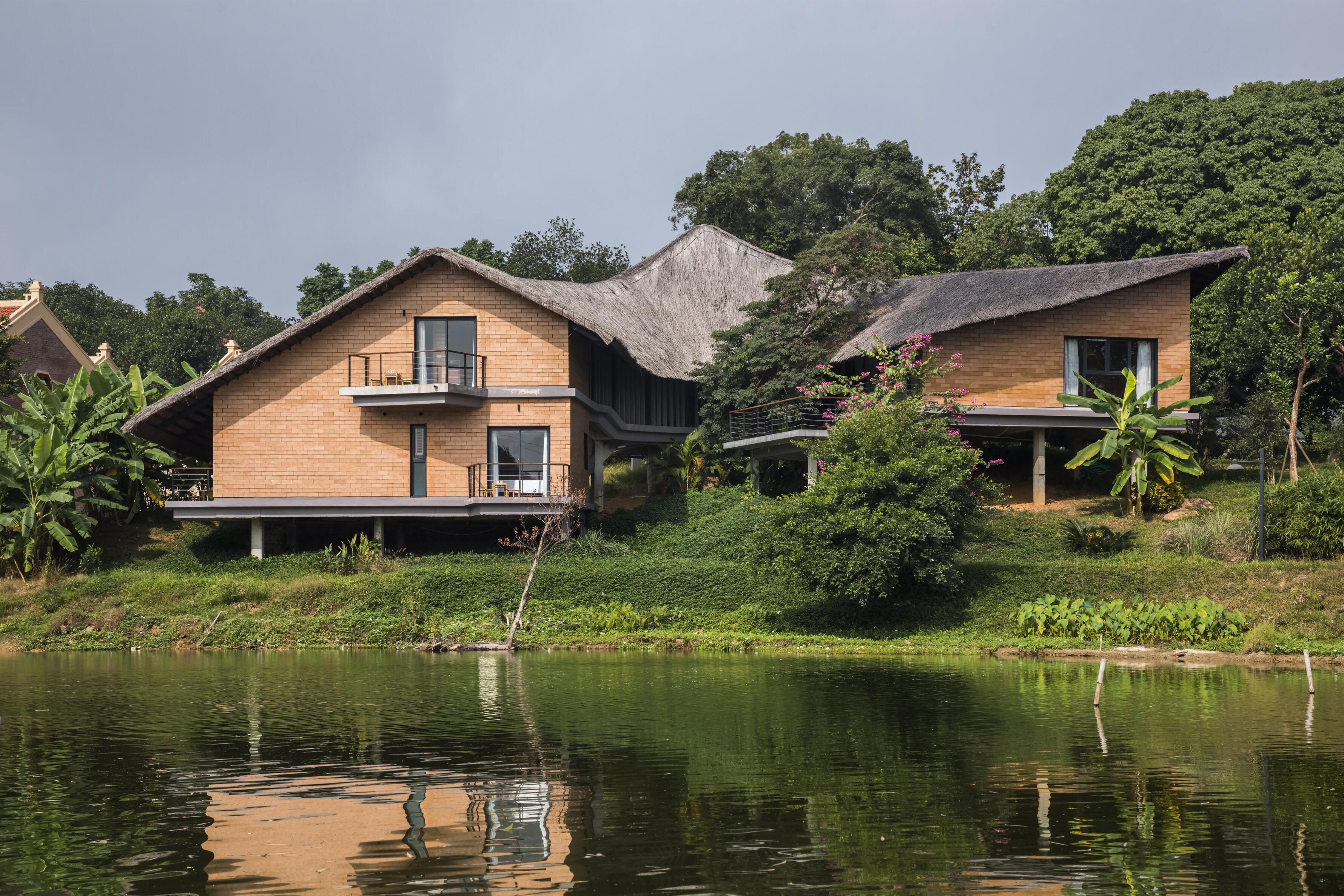
Sister’s House – Trai Lang Village, Co Dong Commune, Son Tay Town, 2019
• Marie Combette and Daniel Moreno Flores, working between France and Ecuador under the banner La Cabina de la Curiosidad, demonstrate how even in politically fragile contexts, architecture can be an ecological, cultural, and poetic act. Their travelling “cabinet of curiosities” bridges nature and experimentation in a way that pushes boundaries—geographic and disciplinary.
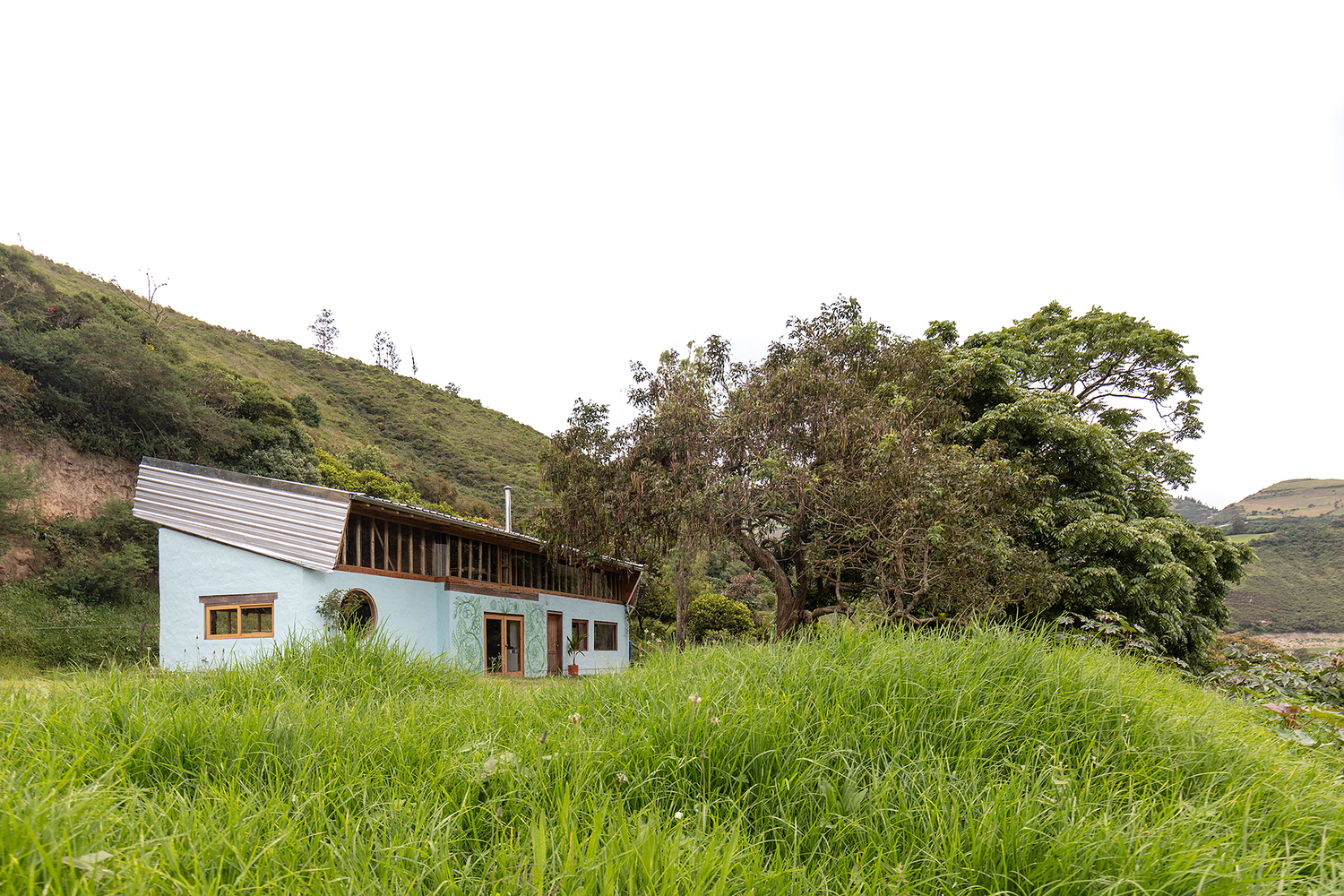
Cholan Nests House / La Cabina de la Curiosidad + Marie Combette + Daniel Moreno Flores
• Marie and Keith Zawistowski merge education and practice through onSITE architecture. Their designbuildLAB reimagines learning as co-creation and architecture as a collective tool—building knowledge and spaces in parallel. Their projects remind us how powerful it is when architecture emerges from the ground up—something we’re cultivating in our Nature-Positive Cities and Factories.
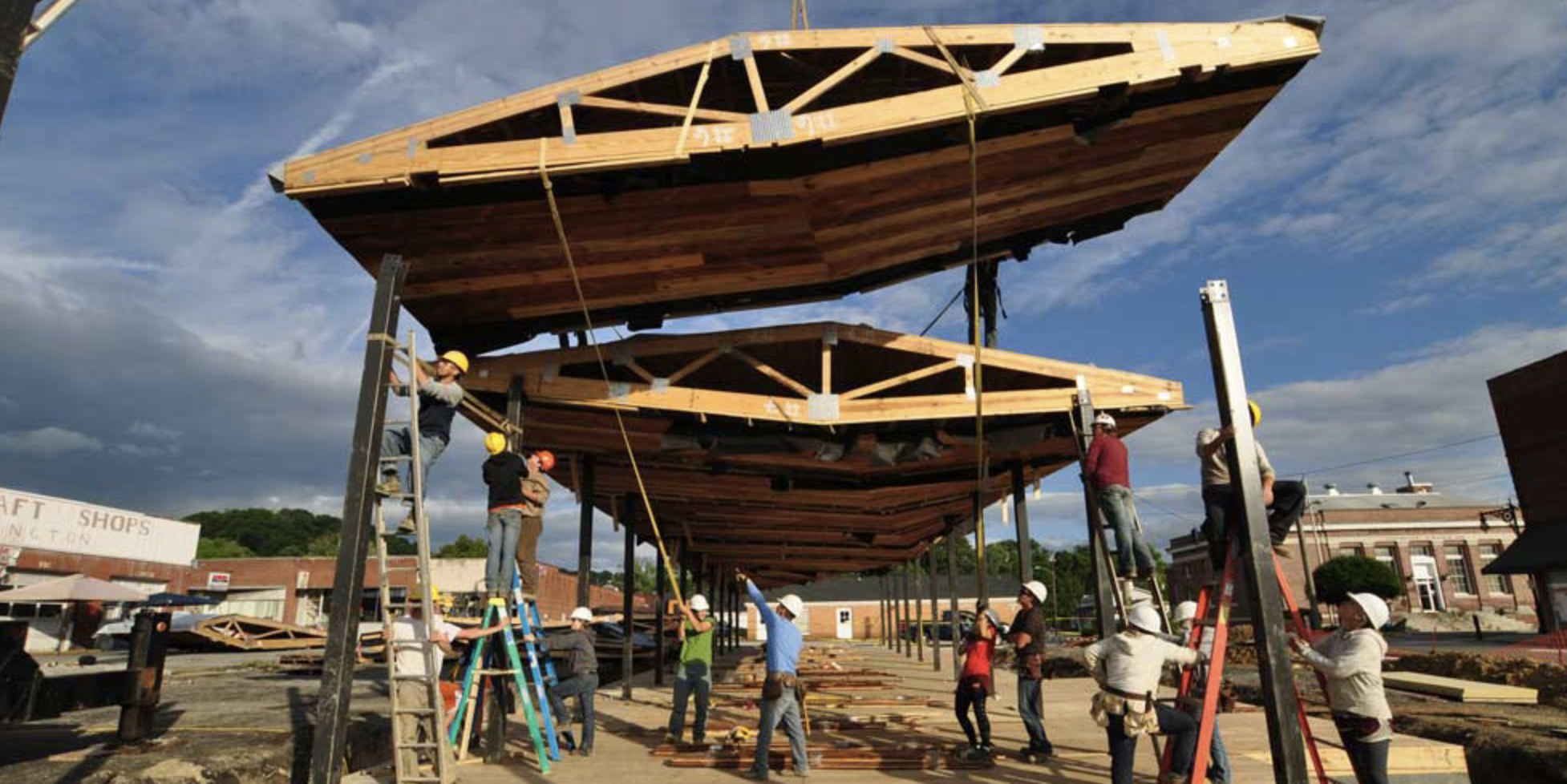
designbuild
• Andrea Gebhard, a close colleague and an admired voice in European landscape planning, continues to show how nature can and must reclaim its space in urban contexts. Her leadership in institutional frameworks ensures that green spaces are embedded in policy—not as afterthoughts, but as essential elements of livable futures.
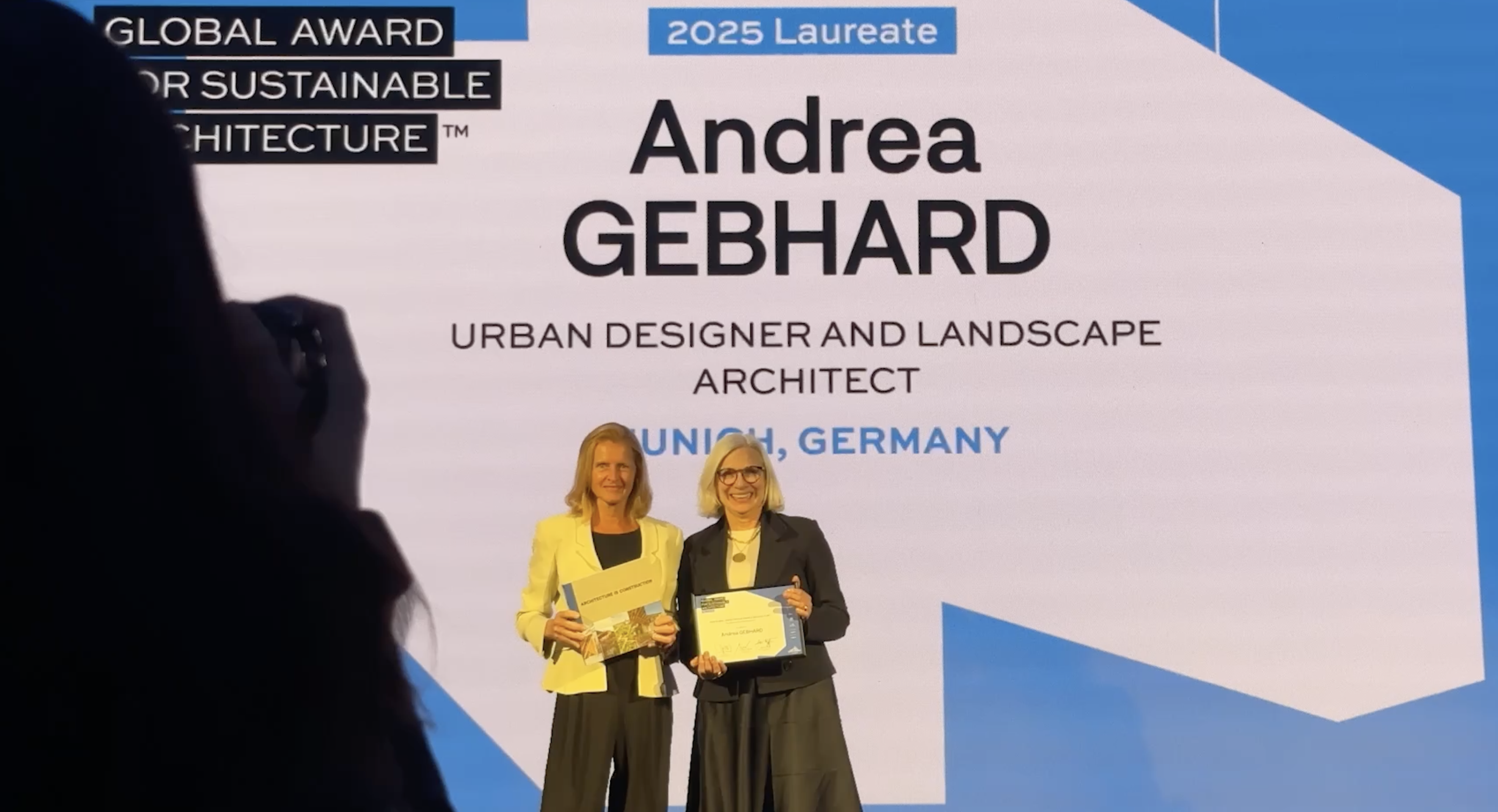
Credits: Global Award for Sustainable Architecture
Across Oceans, A Shared Vision
The winners of this year’s award show us what it means to build with courage, with humility, and with deep care for our common home. That, to me, is the real power of international recognition. Not prestige—but visibility. Not applause—but awareness.
I was particularly pleased to see this approach echoed on the other side of the Atlantic, where Valeria Pagliaro, General Manager of #LANDCanada, represented our vision at the Sommet Climat Montréal. Her words about #ReconnectingPeopleWithNature show how global this mission has become. Whether in Venice, Milan, or Montréal, we share one fundamental belief: we need to restore the bonds between people, place, and planet.
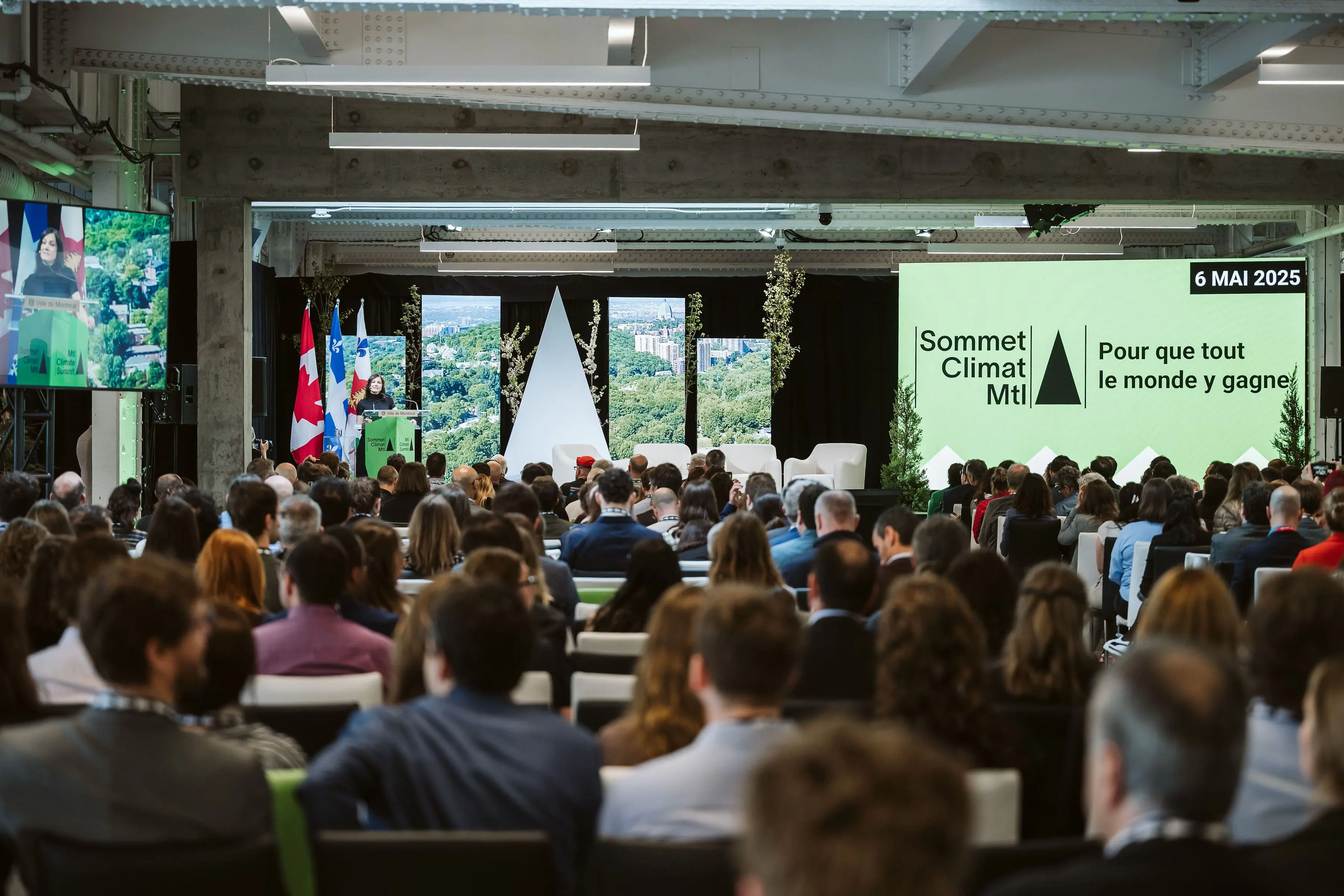
Sommet Climat 2025 par le Partenariat Climat Montréal | Credits: Fonds Climat du Grand Montréal
I invite you to take a closer look at these architects, these places, these ideas. Let them inspire your next conversation, your next project, your next step. Because building sustainable futures isn’t reserved for grand stages or prize ceremonies—it starts wherever we choose to listen, to learn, and to act.
Let’s keep cultivating those connections—together.