Newsletter #18: Cultivating Our Common Home – From Japan to Venice, Through the Lens of Laudato Si’
Over the past weeks, I’ve been reflecting deeply on care: care for places, for people, and for what comes after us. Perhaps it’s the resonance of spring, or the lasting impression of my recent journey to Japan with my wife and daughters: a rare blend of professional inspiration and personal reflection.
But it’s also the memory of Pope Francis, whose passing prompted me to return to Laudato Si’, the 2015 encyclical that reshaped how many of us working in landscape and urban transformation view our work.
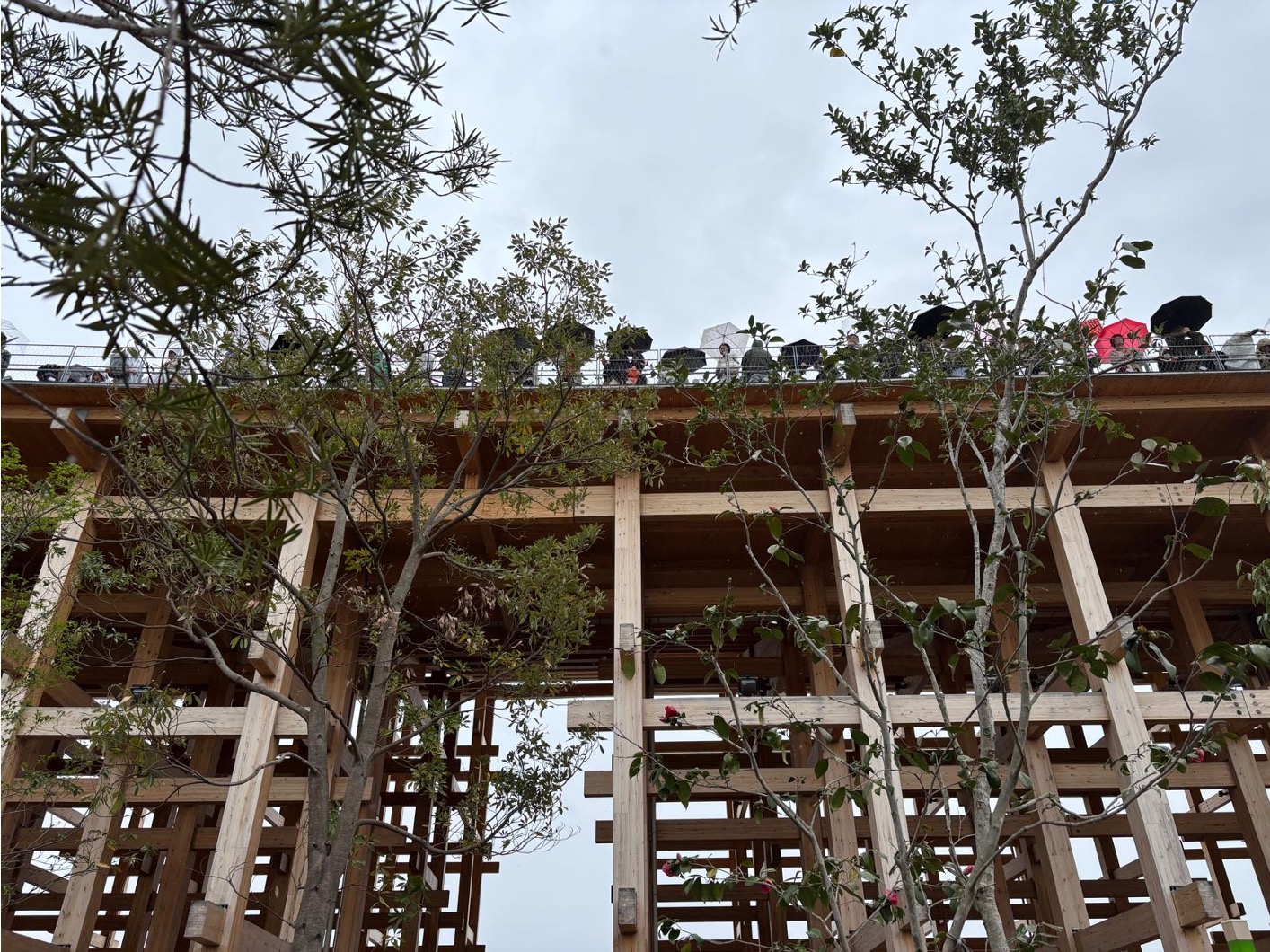
The ‘Grand Roof (Ring)’ at Expo 2025 Osaka
Expo 2025 opened in Osaka under the powerful theme Designing Future Society for Our Lives, while in #Venice, the Architecture Biennale, curated by Carlo Ratti, kicks off this weekend – just in time – with its equally thought-provoking title: Intelligens. Natural. Artificial. Collective.Two global events, each posing the same urgent question: How do we want to live on this planet, and how do we shape a future worth inhabiting?
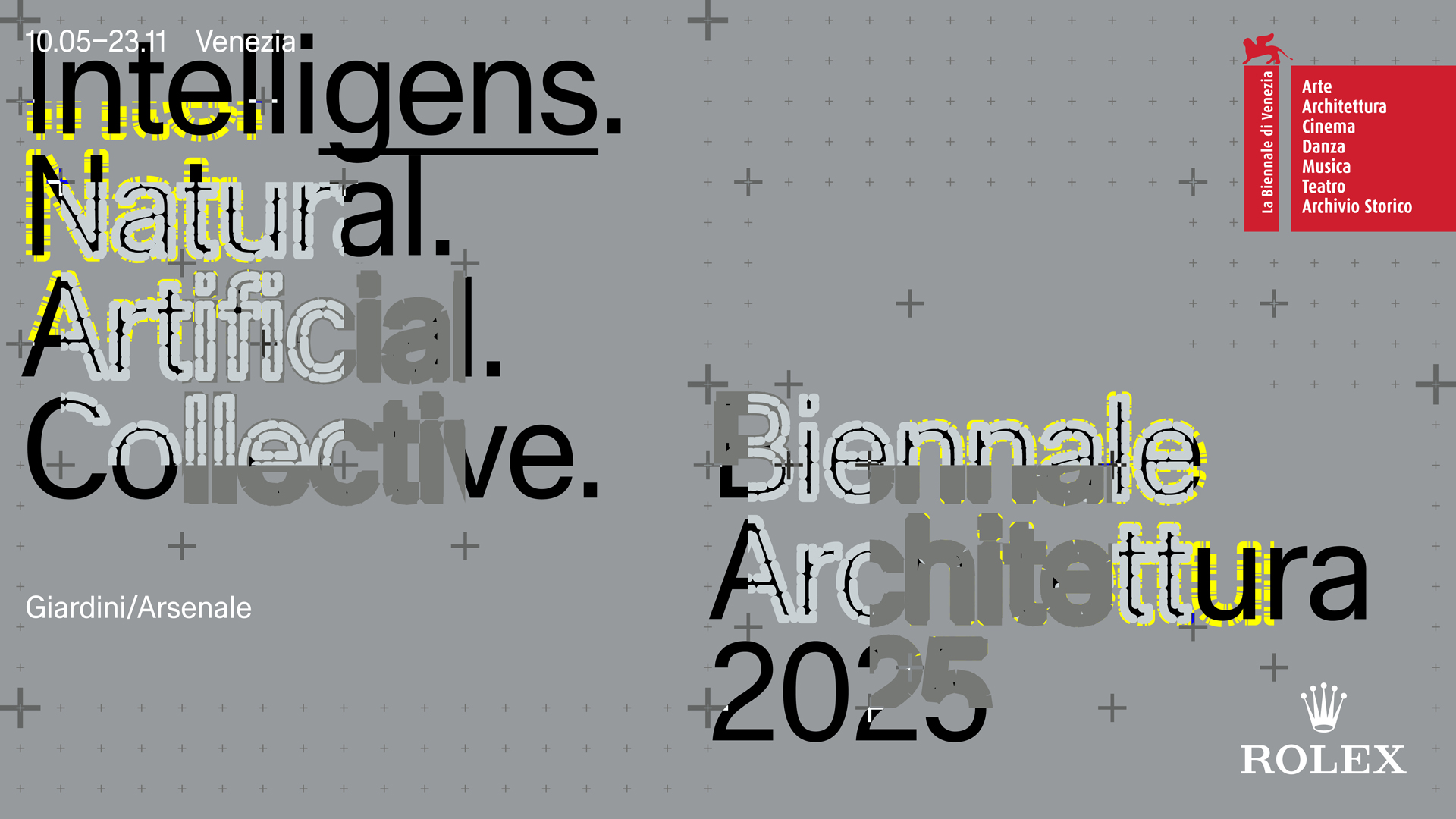
If Expo Osaka speaks to the design of future societies, the Biennale delves into the role of intelligence—natural, artificial, and collective—in this process. Both events provide fertile ground for dialogue, experimentation, and imagination. Yet, as these conversations unfold, the world has also paused to reflect on a deeper legacy: the passing of Pope Francis, whose teachings continue to inspire change and reflection.
For the past decade, his encyclical has shaped much of our thinking at LAND, not as a theological text, but as a radical call to personal responsibility in a time when institutional responses often fall short. Pope Francis’ words invited us—architects, citizens, policymakers—to take action, to care, and to lead the change.
In a fragmented world, Laudato Si’ is more than a call for ecological awareness. It is an invitation to embrace what Francis called “integral ecology”: a vision where climate, culture, economy, and social equity are inseparable. This holistic view is essential as we look to the future. The global events in Osaka and Venice speak to this very need: to reconnect, rethink development, and cultivate care.
The Five Central Principles of Laudato Si’ in Action
As I reflect on my recent journey to Japan with my wife and daughters, I am reminded of the vivid illustrations of Laudato Si’‘s principles I witnessed firsthand. Japan offers lessons in each of the five central ideas from the encyclical, all of which feel more relevant than ever:
1. Reconnecting People with Nature
Pope Francis speaks of the Earth as our sister, our mother—not an object to dominate, but a relationship to restore. In Japan, this philosophy is a living practice: nature is not a backdrop but a central presence. From gardens in the heart of dense urban areas to shrines nestled in forests, Japan demonstrates a reverence for trees, rivers, and the land. This is not nostalgia, but a necessary reconnection we must all make.
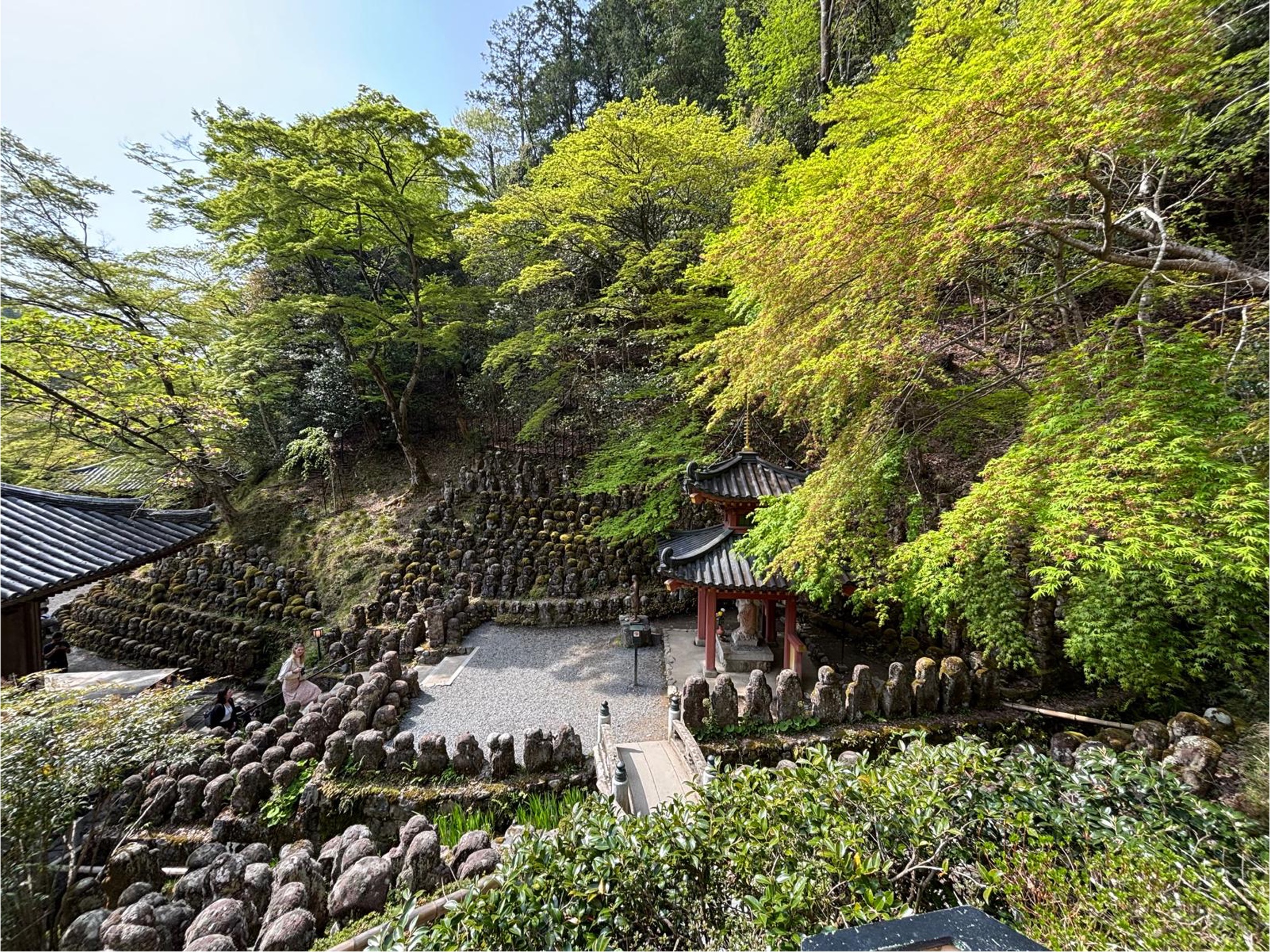
Otagi Nenbutsu-ji Temple in Kyoto
2. Embracing New Models of Development
Laudato Si’ critiques the illusion of endless growth and calls for new forms of progress. Expo 2025 Osaka is a prime example of this ambition, where development is not about domination but dialogue with nature. Projects like Stefano Mancuso’s Hidden Plants Community and the Grand Ring show that development can thrive alongside nature, challenging us to rethink what growth means.
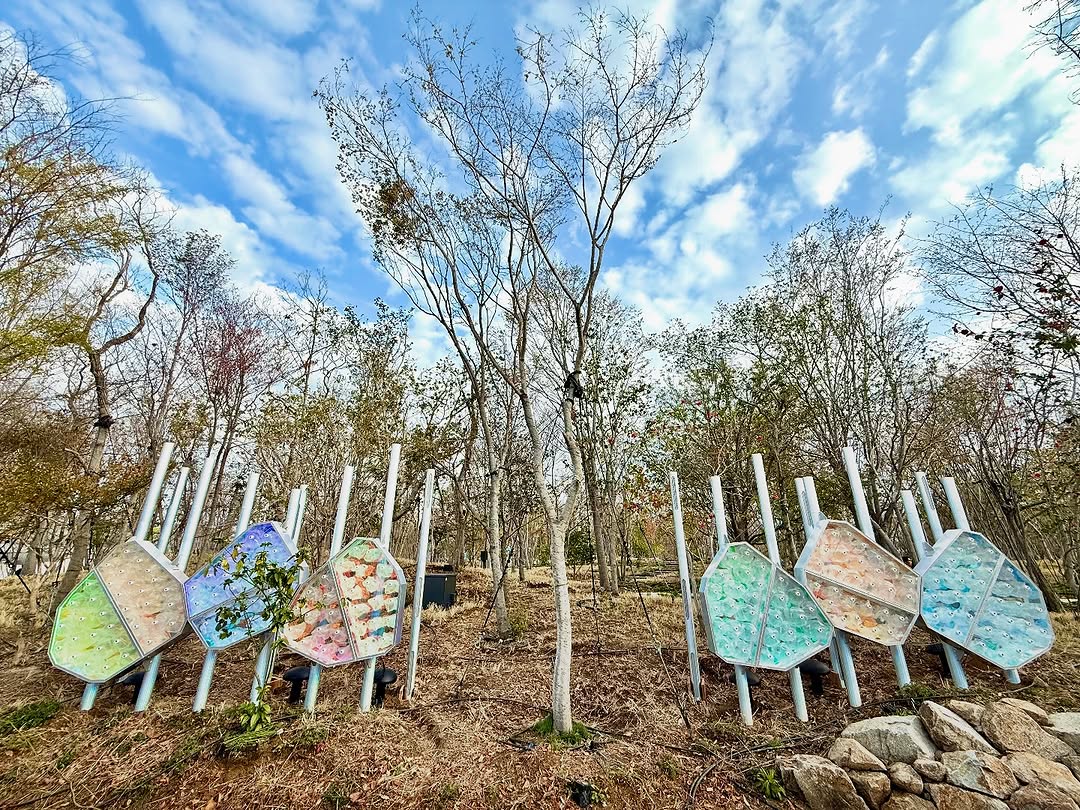
The Hidden Plant Community, PNAT Project Nature by Stefano Mancuso
3. Cultivating the Earth with Care
To “till and keep” the Earth is to engage in patient, humble work. This ethic permeates Japan’s landscapes, where care is expressed in rhythm, detail, and restraint. At LAND, we often refer to ourselves as gardeners in a broader sense—designers who listen and respond rather than impose. This same spirit is alive in Europe’s “climate forests” and “climate streets,” where design becomes a moral and ethical act of care.
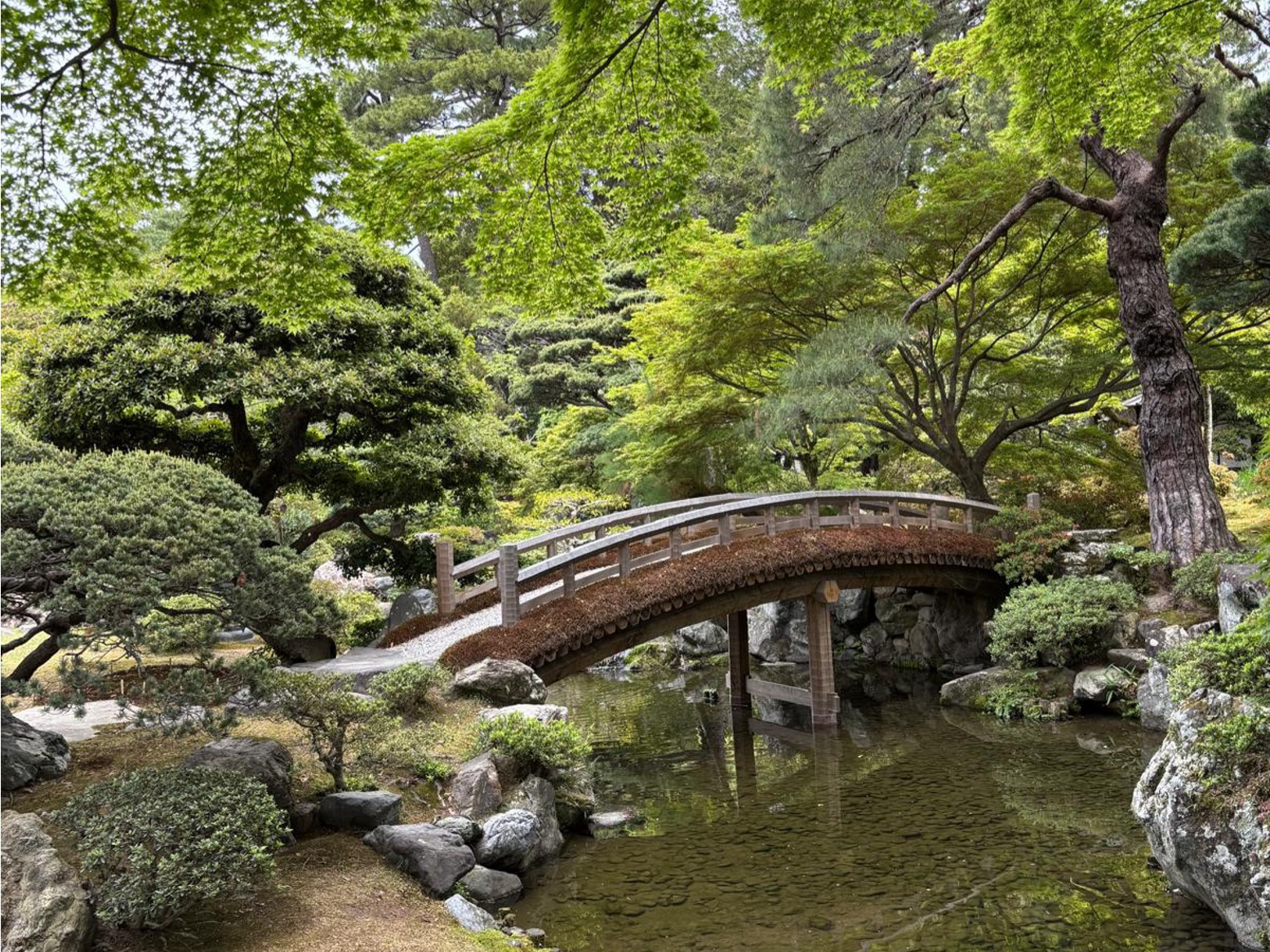
Japanese garden in Kyoto’s Imperial Palace
4. Understanding That Everything Is Connected
Architecture in #Kyoto, such as Shin Takamatsu’s Möbius Pavilion for Expo Osaka, captures the essence of this interconnectedness. The pavilion evokes ideas of circularity and continuity, where everything touches everything else. From Venice to Osaka, from policy to poetry, we are reminded that nothing is isolated. Laudato Si’ teaches us that all is connected—our actions ripple through the world, affecting people, places, and ecosystems.
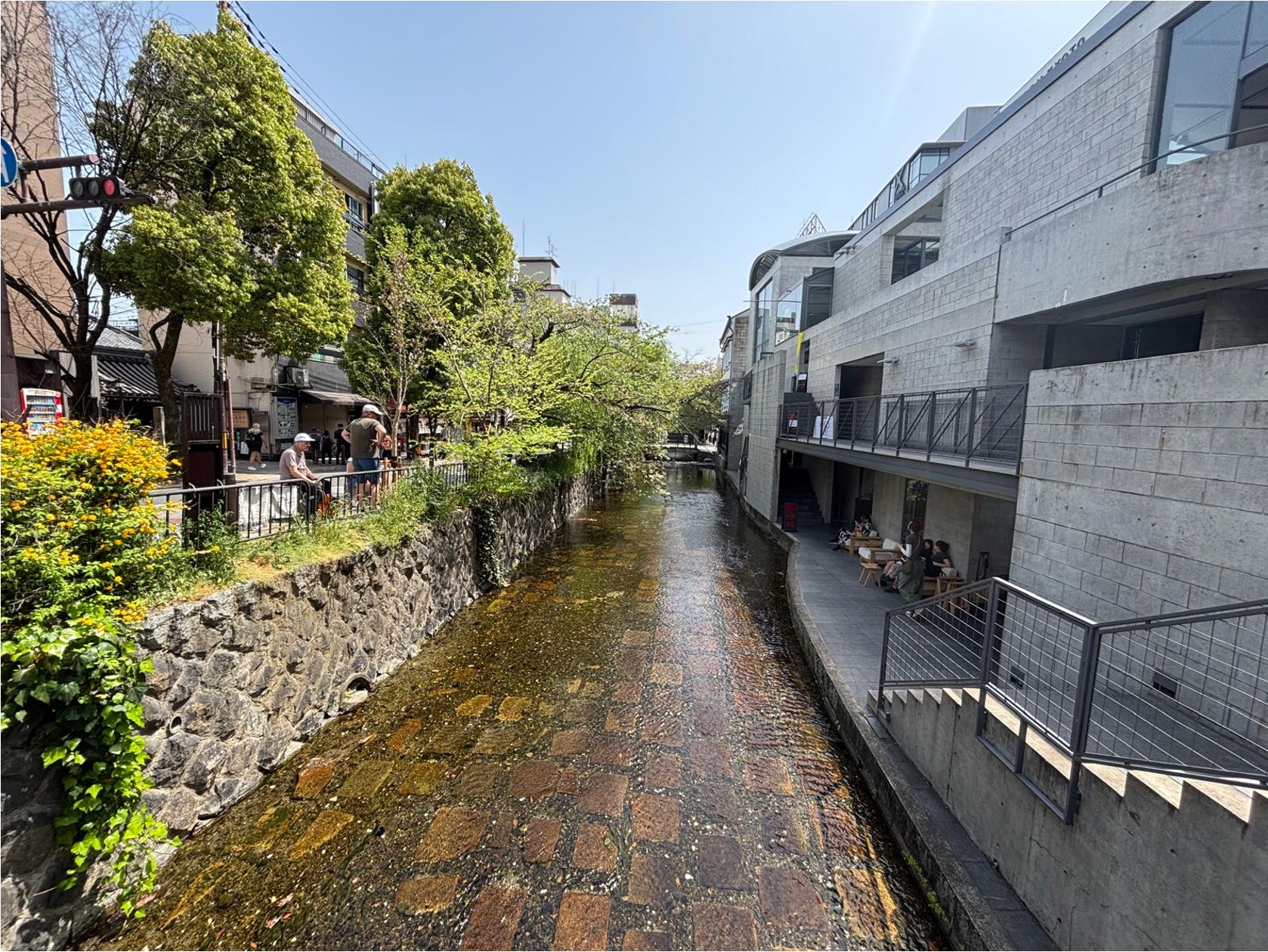
Shirakawa Canal in Kyoto
5. Reclaiming Time and Presence
One quieter, but profound message of Laudato Si’ is the call to slow down. In a world increasingly defined by speed and fragmentation, sustainability is not only ecological but relational. It is about walking instead of rushing, listening instead of directing. In traveling with my family, I was reminded that this presence, this care, is a radical act in itself.
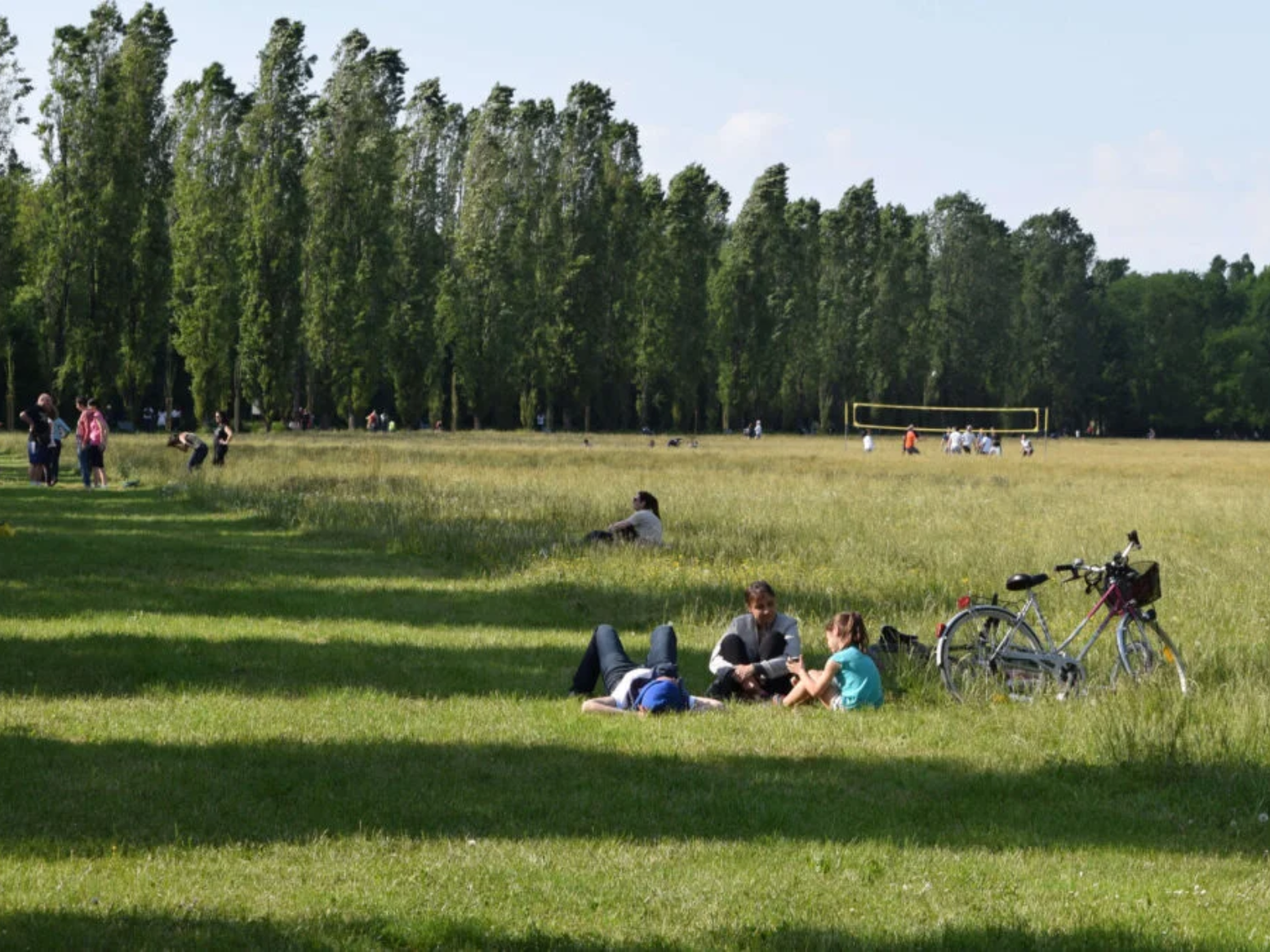
Parco Nord, Milan
From Care to Change
From Expo to Biennale, from personal travel to papal legacy, a single thread runs through it all: the urgency to care. As we confront the polycrisis of our time, we cannot retreat into abstraction. We must transform care into concrete action. This is where design becomes ethics. The climate forest, the climate street, depaving strategies—these are not merely technical solutions. They are new aesthetic and moral forms. They reflect a belief that nature belongs at the heart of our lives, not at the margins.
As Pope Francis wrote, “The Earth is our common mother.” Now, with the election of Pope Leo XIV, whose first words were “Peace be with all of you,” we carry forward both a spiritual and ecological legacy. In a world often divided and fragmented, we are reminded that care is not only an ethical stance but a design strategy.
As we look ahead—whether through the lens of Expo 2025, the Venice Biennale, or the ongoing challenge of Laudato Si’—our mission remains clear: let us bridge faith and science, architecture and ecology, vision and action, and in doing so, let’s keep cultivating our common home, together.