Nature-Based Solutions for Resilient Cities: Parco Gavoglio, Genoa
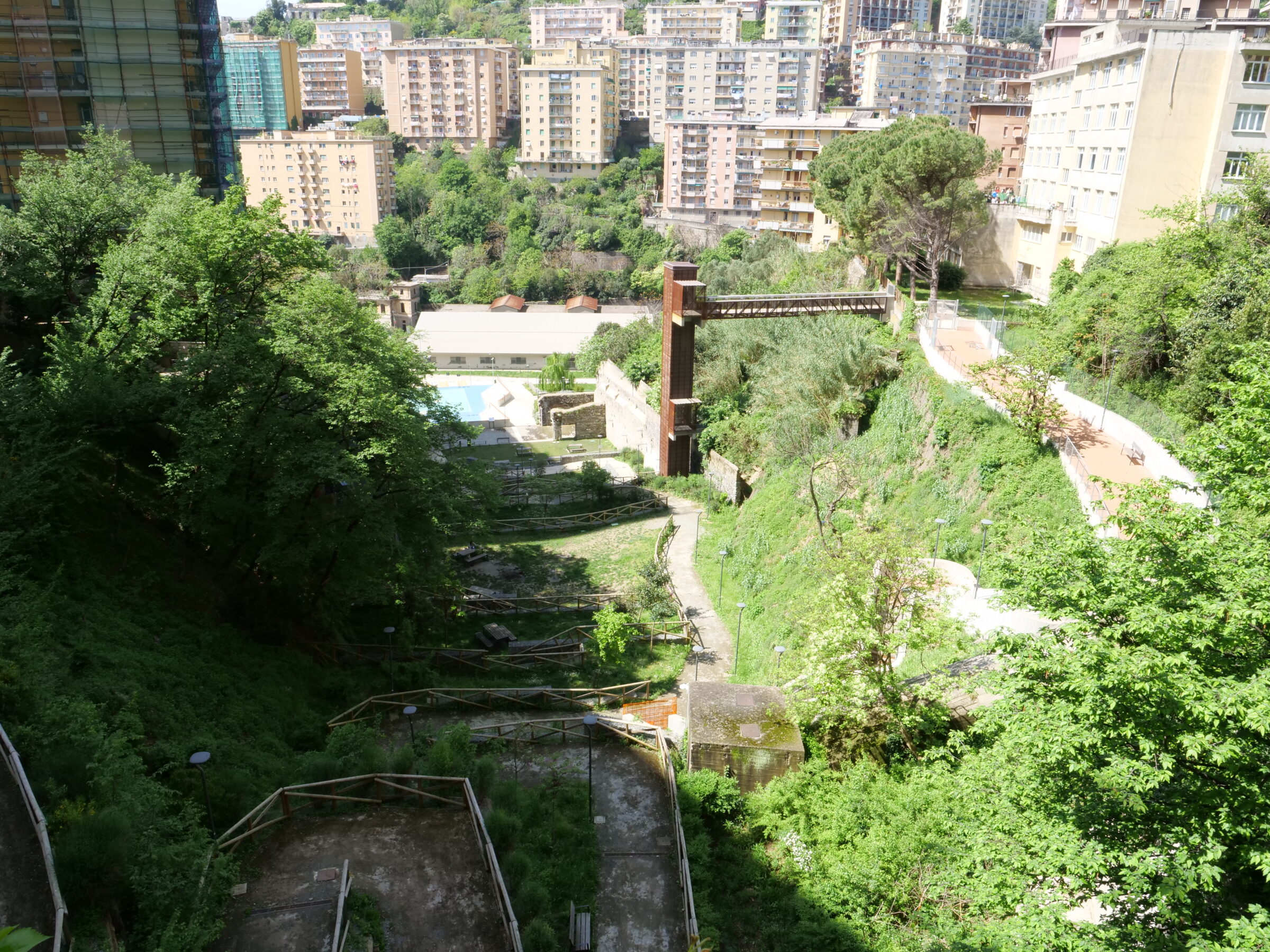
How can nature become the infrastructure of tomorrow’s cities? In Genoa, Parco Gavoglio offers a tangible answer. This former military site in the Lagaccio district has been transformed into a multifunctional public space, designed with Nature-Based Solutions (NBS) at its core.
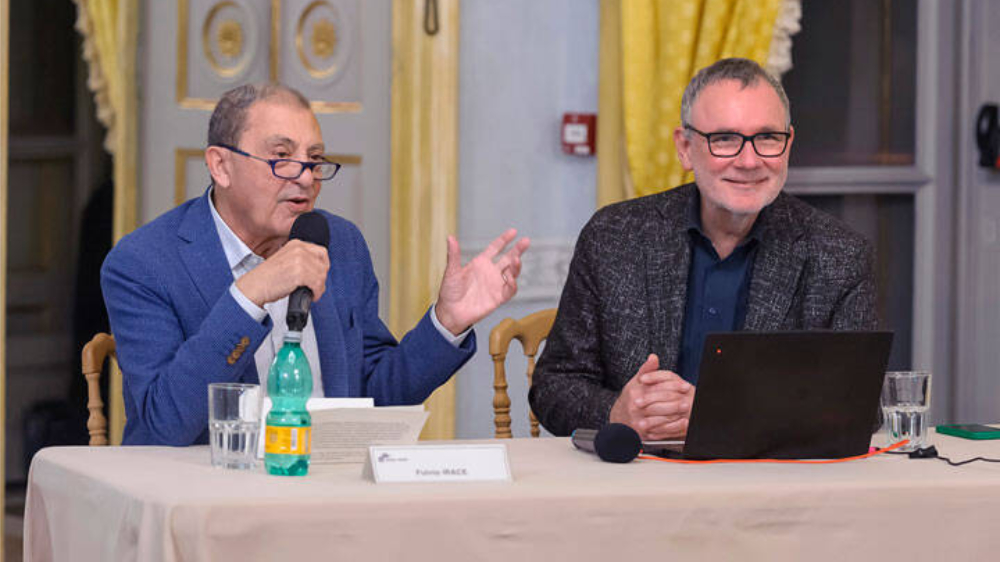
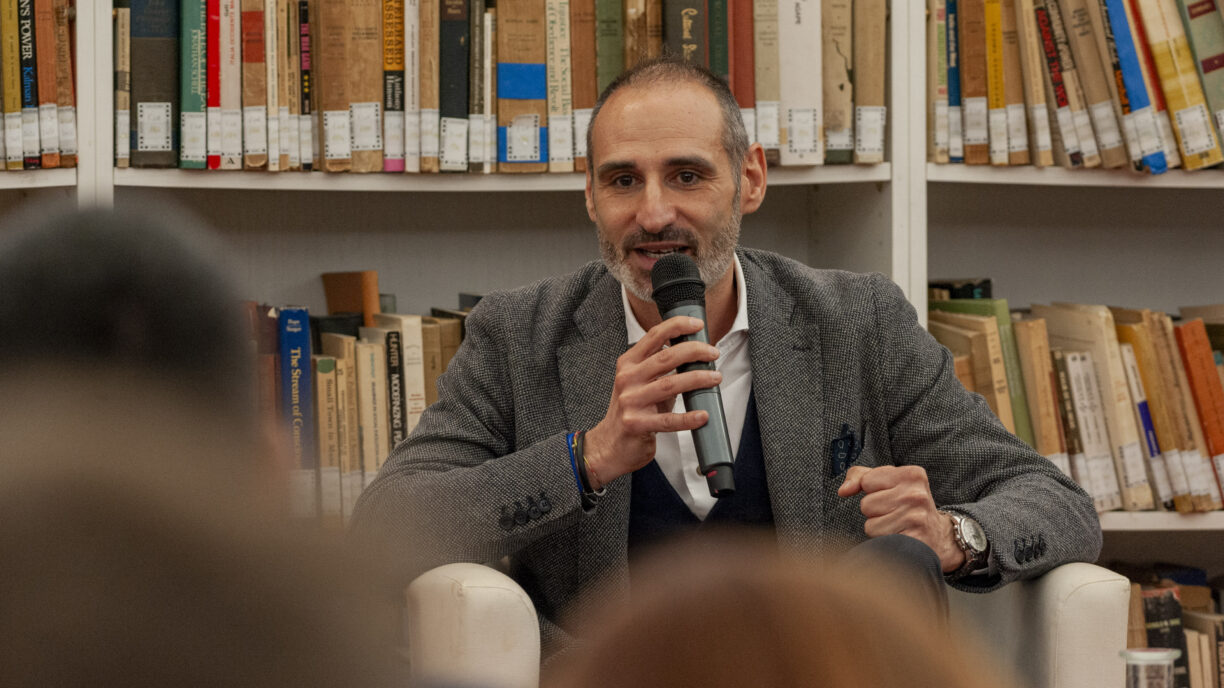
In the fourth episode of our LAND Research Lab journey, Davide Pallotta, Andrea Balestrini, and Enrica Roccotiello delve into how ecological thinking, interdisciplinary collaboration, and long-term vision are driving a new model for urban resilience—one rooted in nature. Developed as part of the EU-funded UNaLab project, which promotes urban innovation through co-creation and sustainable solutions, Parco Gavoglio stands as a powerful example of how cities can embrace a systemic shift toward greener, more adaptive futures.
Designing with Nature
NBS are a key focus of LAND Research Lab, the applied research unit of LAND, which investigates how cities can integrate ecological processes into spatial planning and design. NBS are not simply green add-ons, they are living systems that respond to pressing urban challenges such as heat, flooding, water pollution, and social fragmentation.
At Parco Gavoglio, the transformation involved the demolition of five derelict buildings and the reconfiguration of the site into an inclusive, green public space. The intervention integrates ecological corridors, permeable surfaces, stormwater management systems, and diverse vegetation to enhance urban resilience while fostering well-being and social interaction.
The park’s layout was co-designed with the local community and key stakeholders including the City of Genoa, IRE Liguria, and the Italian National Research Council (CNR). This participatory process, central to UNaLab’s methodology, ensured that the solutions were not only technically robust but also meaningful for the people who use them.

UNaLab, Parco Gavoglio, Plan
From Implementation to Monitoring
What sets Parco Gavoglio apart is the scientific rigor underpinning its development. Within the UNaLab framework, a comprehensive monitoring phase was carried out in collaboration with the University of Genoa and international research partners. The Physics Department focused on air quality, the Department of Civil, Chemical and Environmental Engineering conducted hydraulic monitoring, and the Department of Architecture and Design contributed to evaluating wellbeing, public perception, and the property value of the area.
Key indicators, such as microclimate regulation, water retention, biodiversity, and citizen satisfaction, were tracked to assess the real-world impact of the implemented Nature-Based Solutions (NBS).
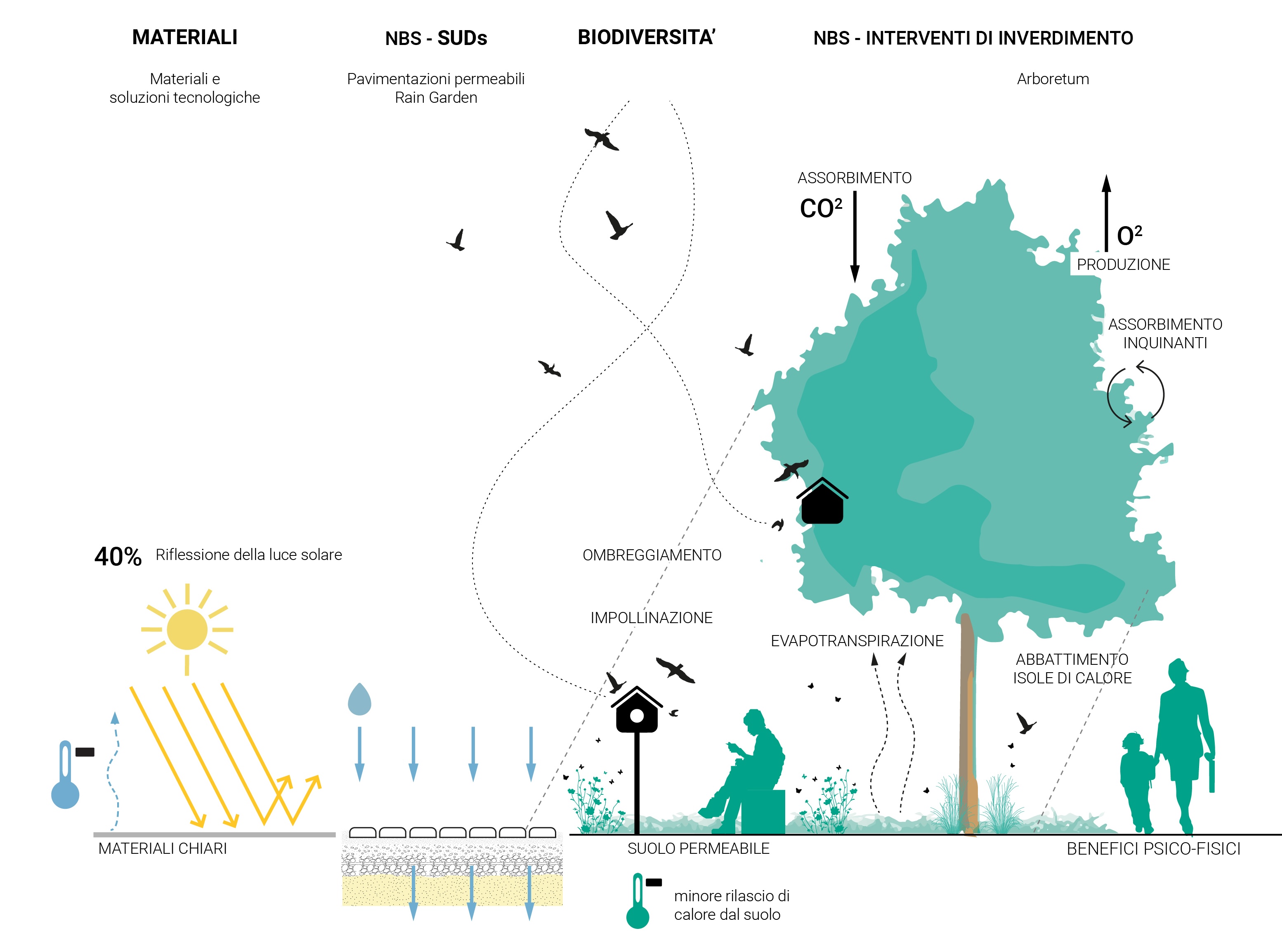
How Nature Works for Cities: A Visual Guide to Nature-Based Solutions. From reflective materials and permeable surfaces to urban biodiversity and tree planting, this diagram illustrates how Nature-Based Solutions (NBS) cool cities, manage water, improve air quality, and enhance well-being—offering a blueprint for sustainable, resilient urban design.
As Enrica Roccotiello highlights, the monitoring effort also revealed a fundamental challenge: there is no single, standardized approach for assessing Nature-Based Solutions. This lack of a unified framework underscores the complexity of evaluating ecological interventions across diverse urban contexts. The data collected at Parco Gavoglio therefore represents a meaningful starting point for building a robust and adaptable monitoring database—one that can support future research, guide policy, and inform better practices for cities worldwide.
This evidence-based approach aligns with the mission of LAND Research Lab: to bridge research and practice, supporting the scalable adoption of nature-positive strategies in cities across Europe and beyond.
A Model for Urban Regeneration
Parco Gavoglio is more than a local success story. It’s part of a wider European effort to reimagine the future of our cities—one where nature is seen not as decoration, but as infrastructure. The project contributes to Genoa’s broader urban transformation and supports the city’s participation in the EU’s Mission on Climate-Neutral and Smart Cities.
Find out more about the project here.